
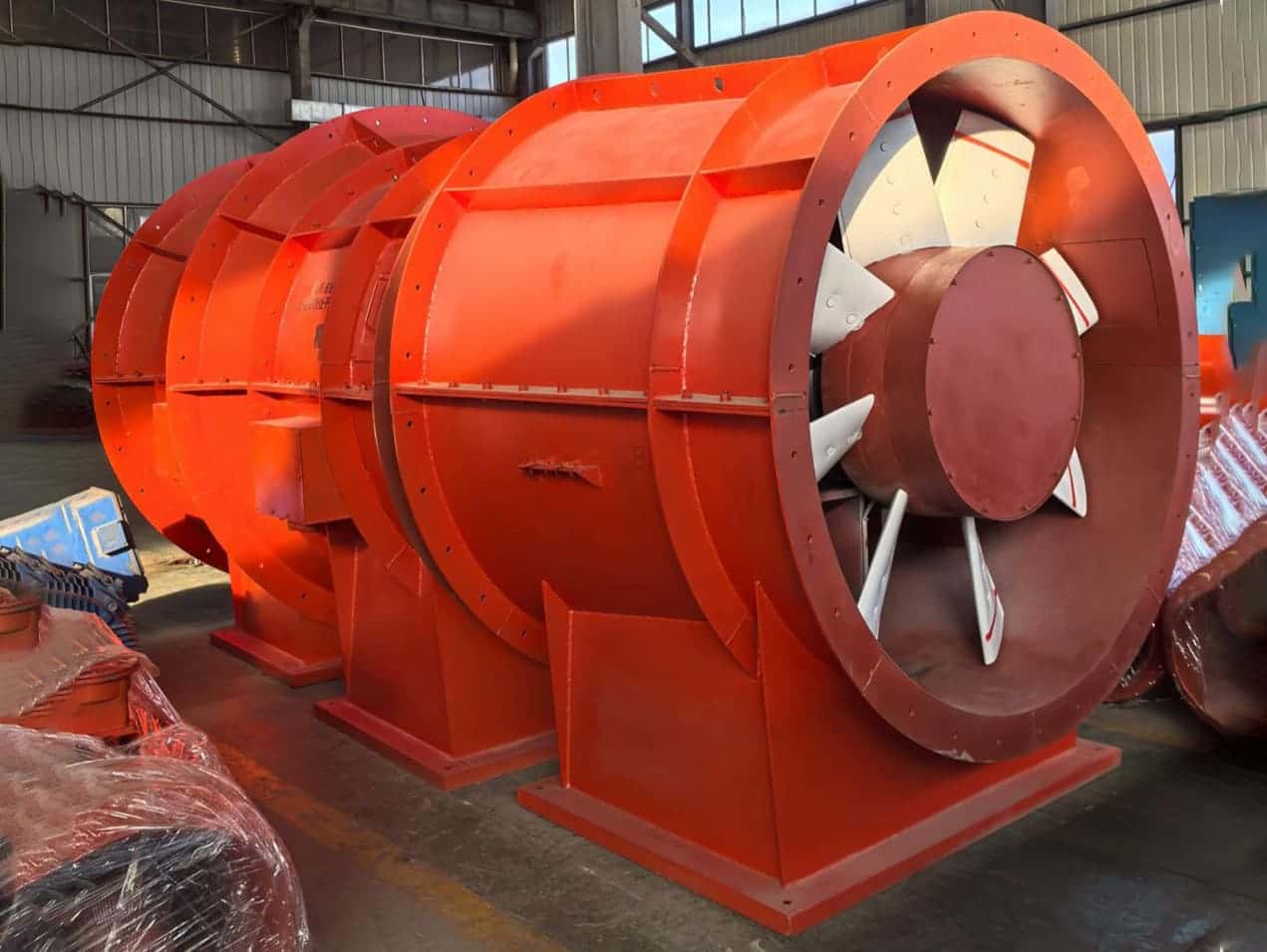
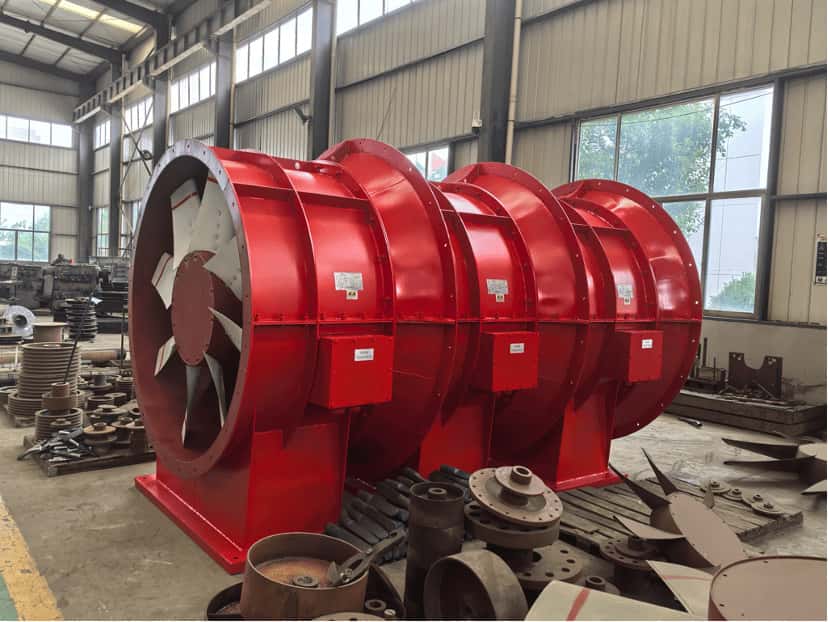
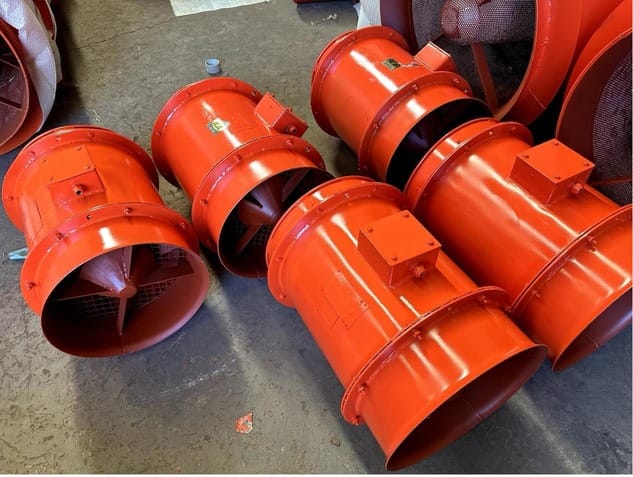
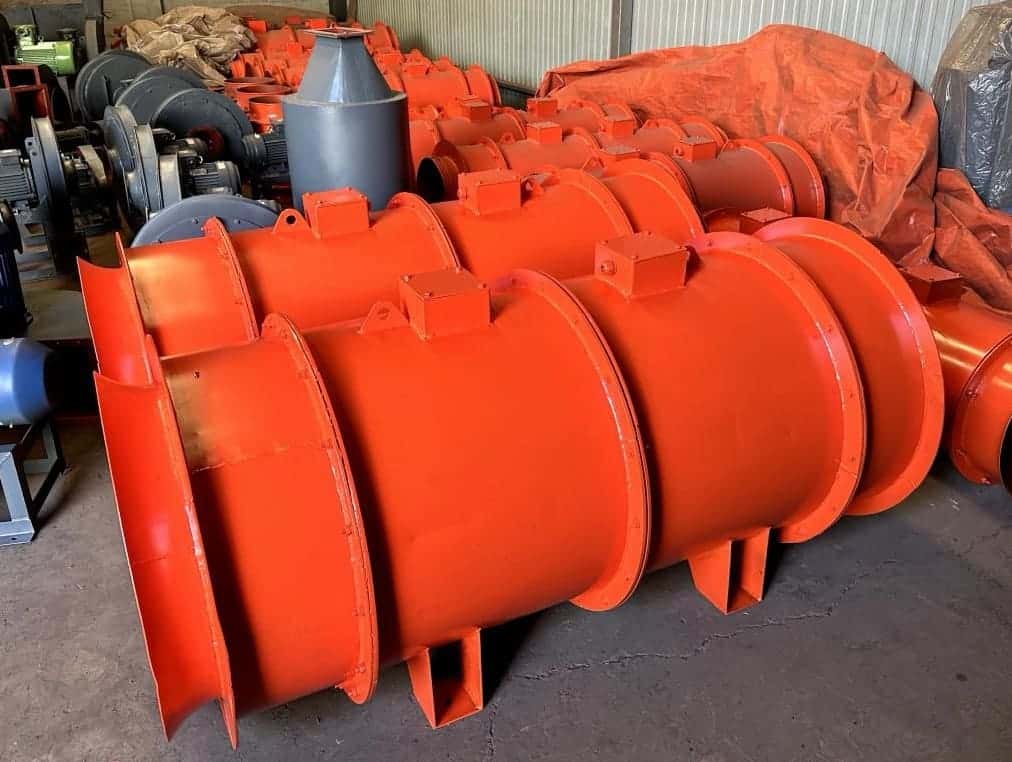
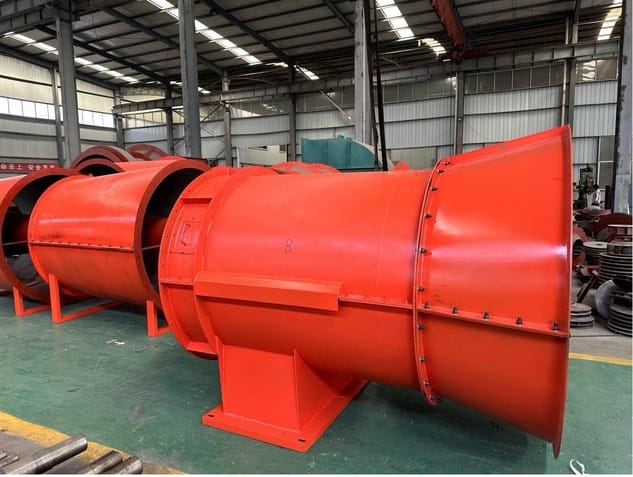
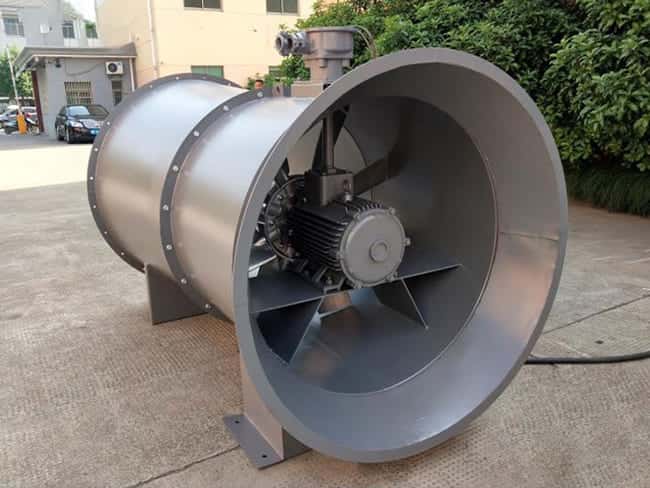
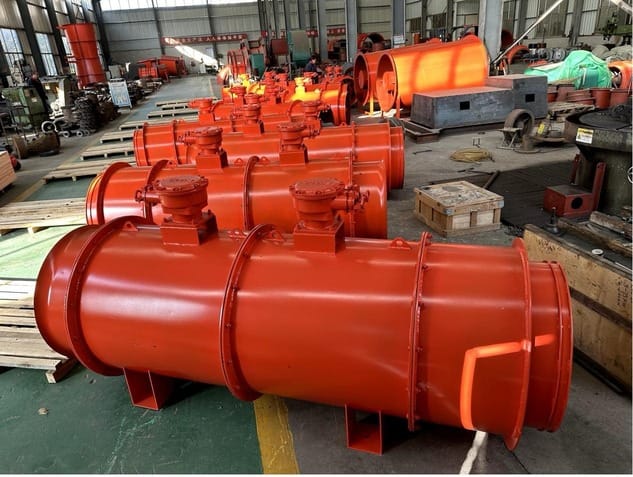
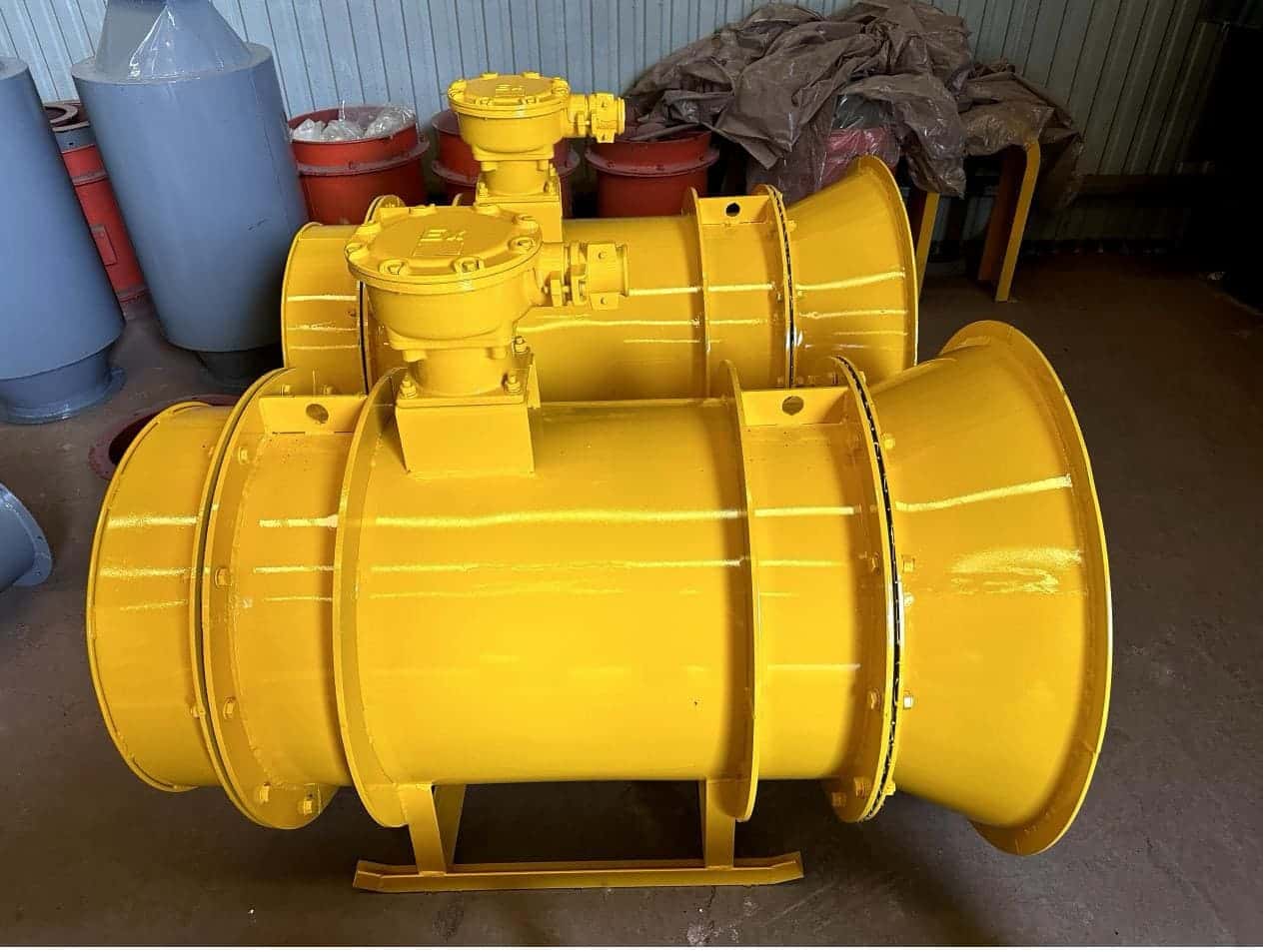
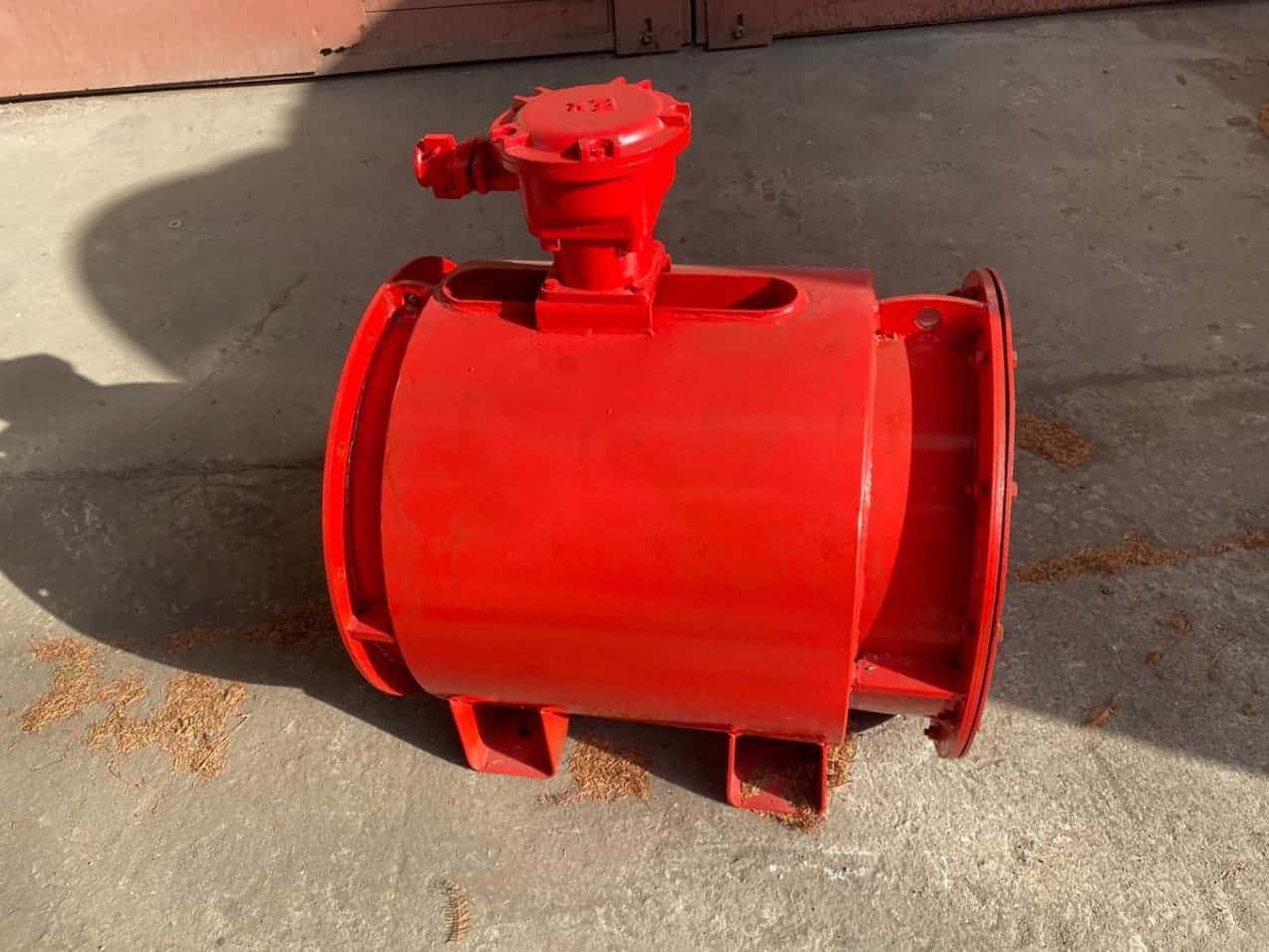
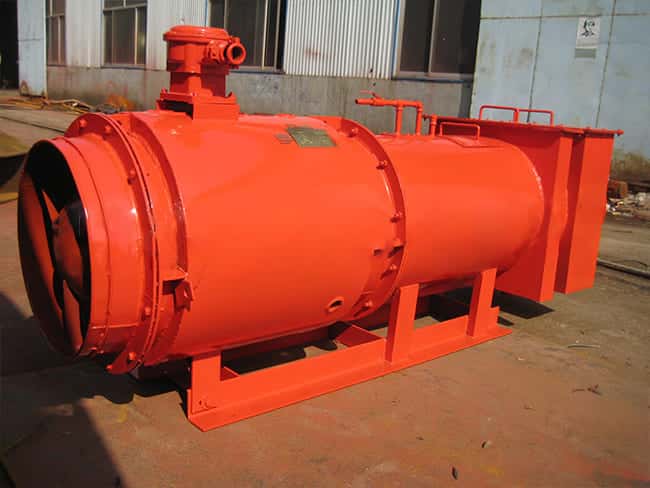
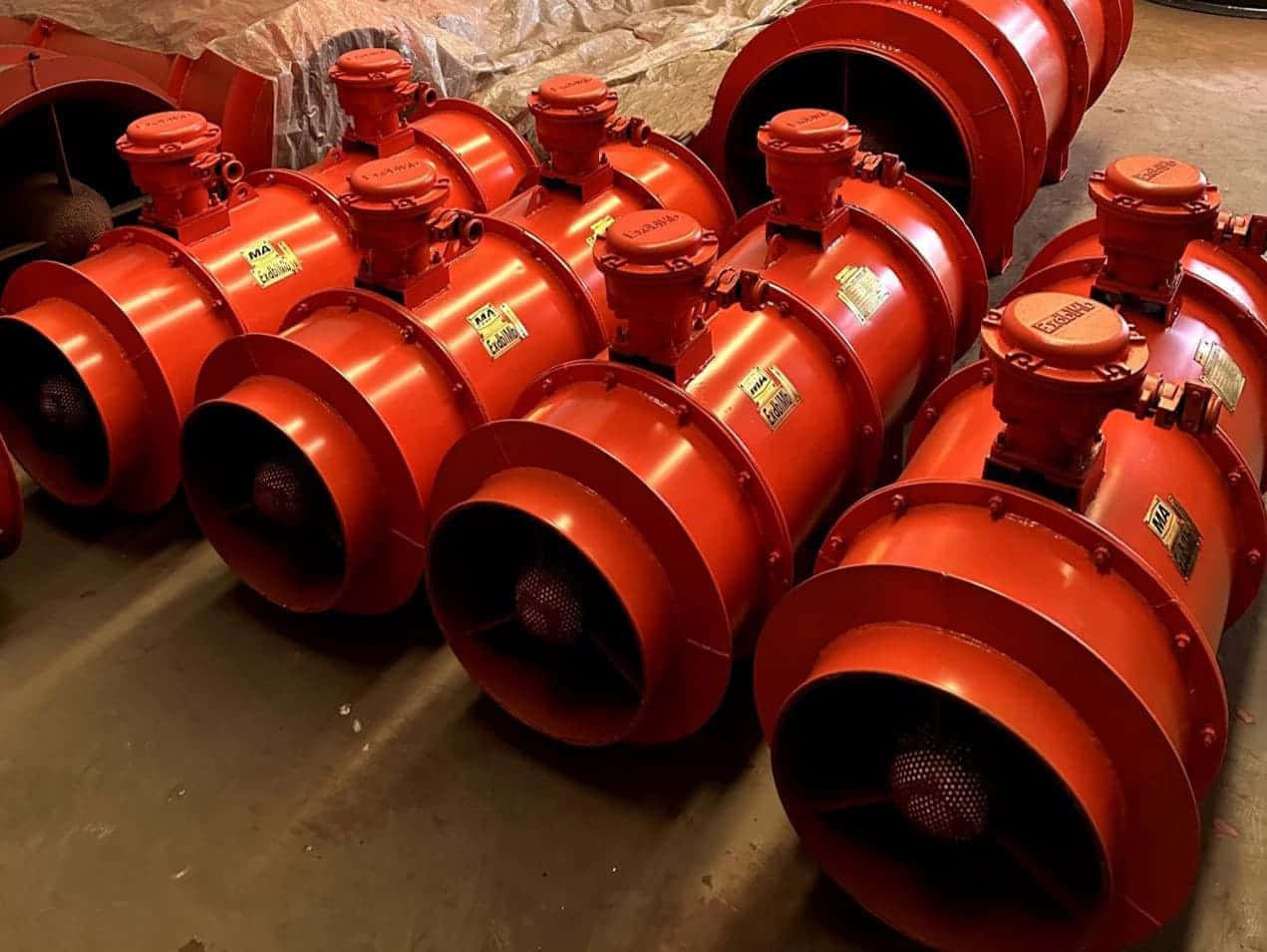
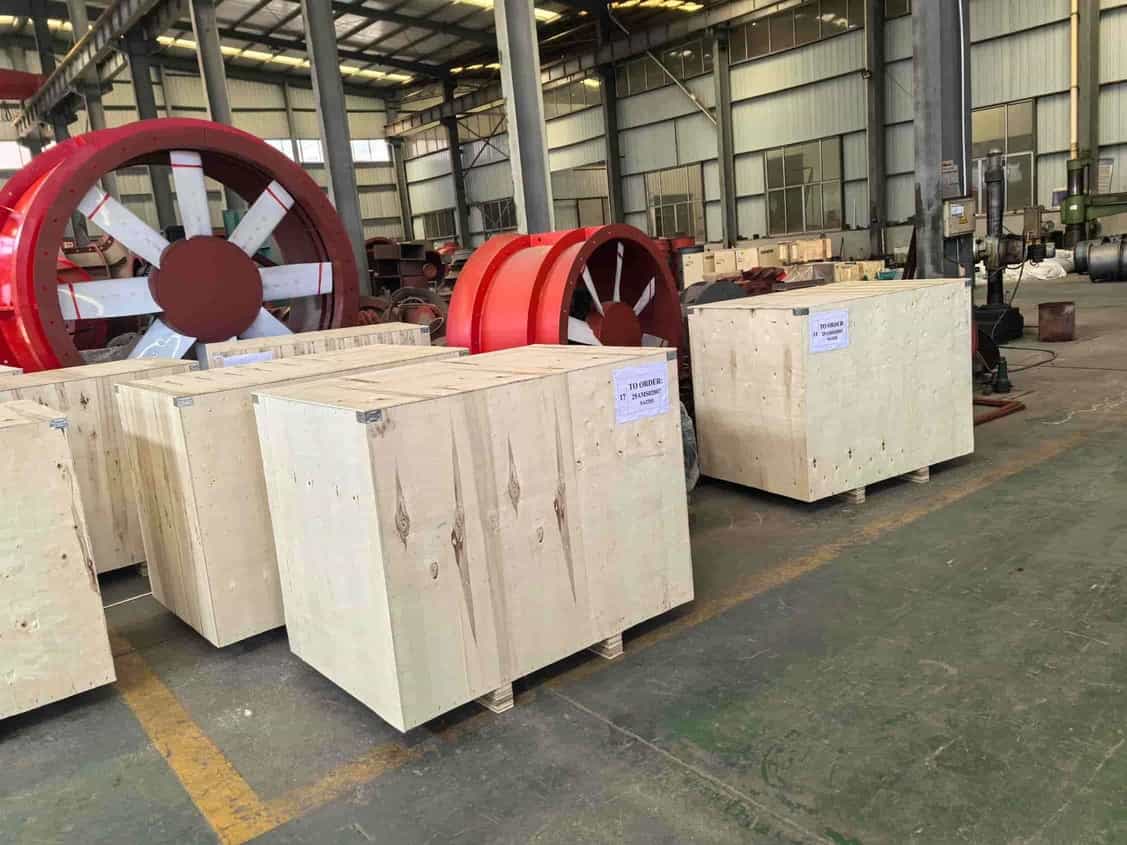
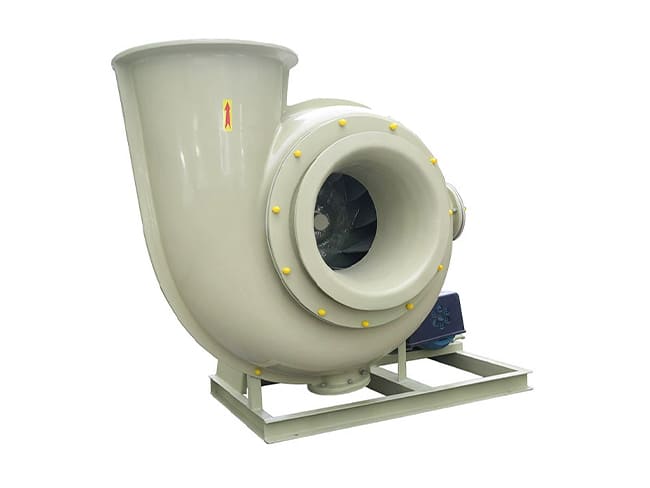
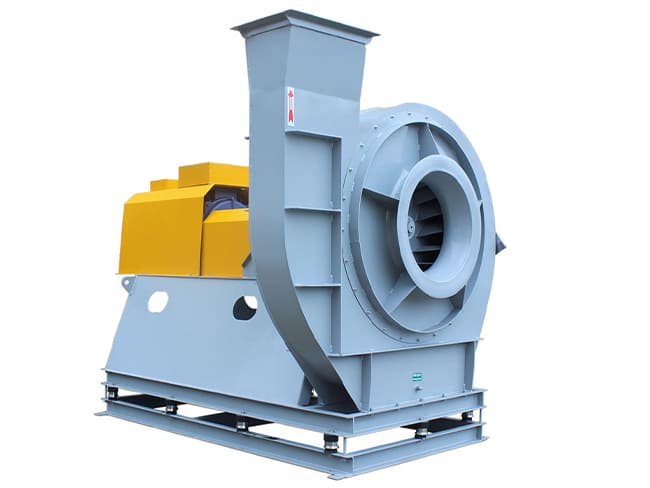
Installing an industrial exhaust fan correctly is about much more than bolting it in place and switching on the power. A good installation ensures that the fan is safely supported, correctly aligned with ducts or openings, wired according to code and able to move air efficiently without excessive noise or vibration. In plants and mines, this work should always be planned and carried out by competent professionals.
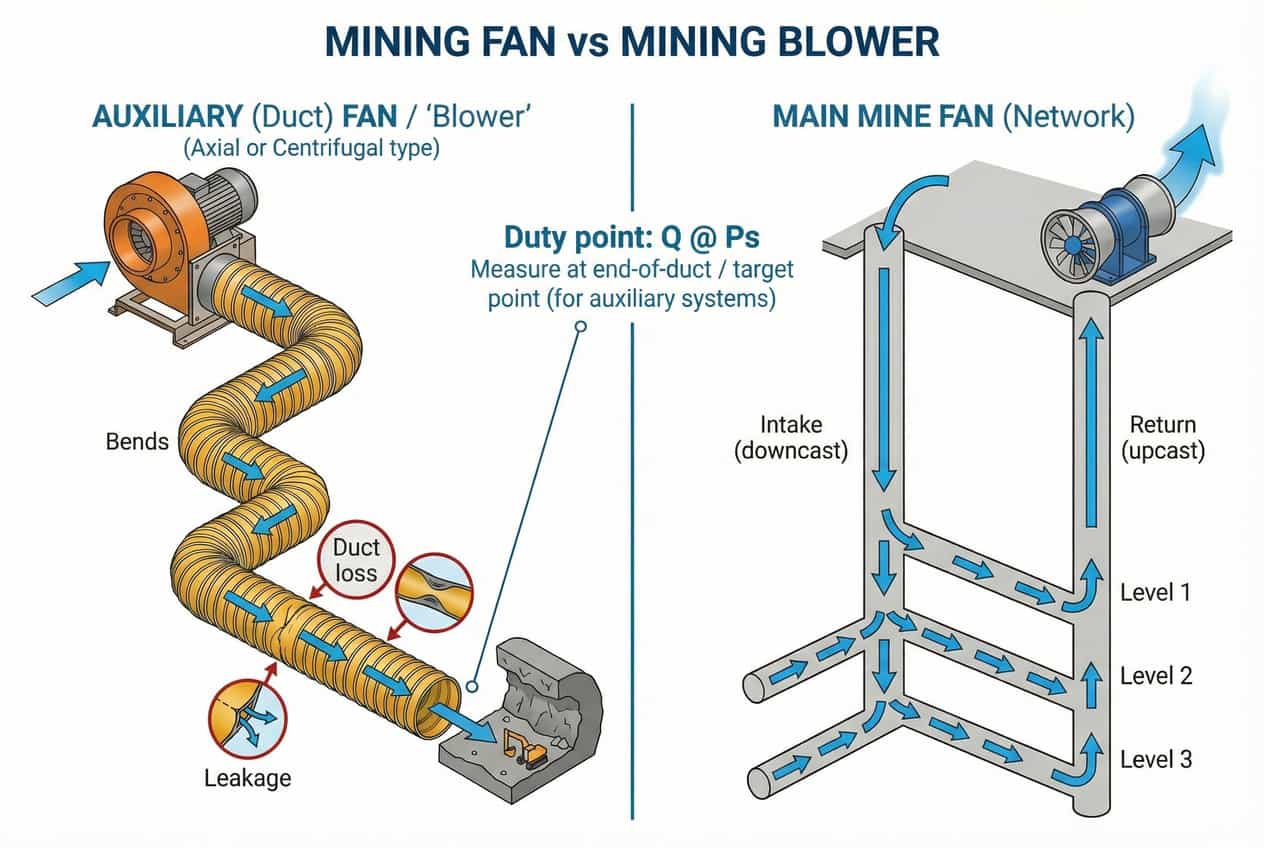
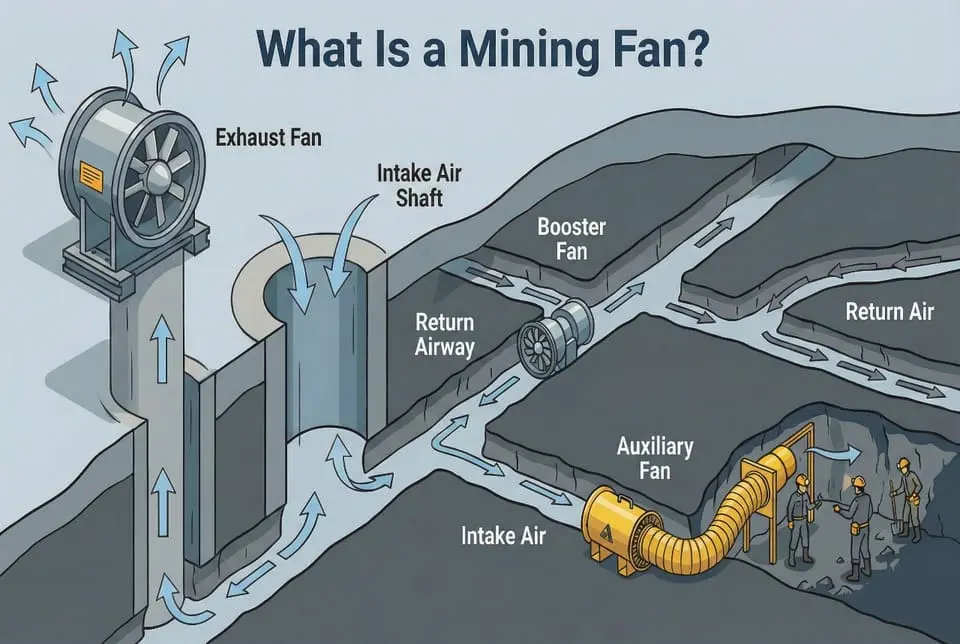
The process starts with choosing the right location. An exhaust fan should be installed where it can capture hot, dusty or contaminated air effectively and discharge it safely outside. For wall-mounted or roof-mounted units, you need a clear path for airflow and enough space for maintenance access. For ducted systems, the fan should be positioned so that duct runs are as straight and smooth as possible, avoiding tight bends directly at the inlet or outlet that can increase pressure loss and noise.
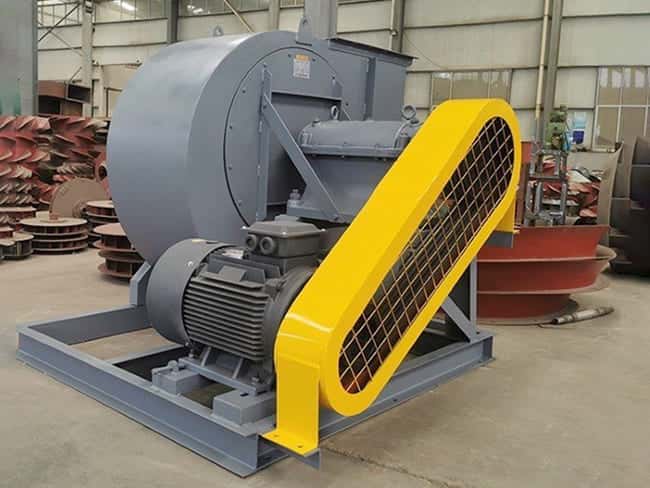
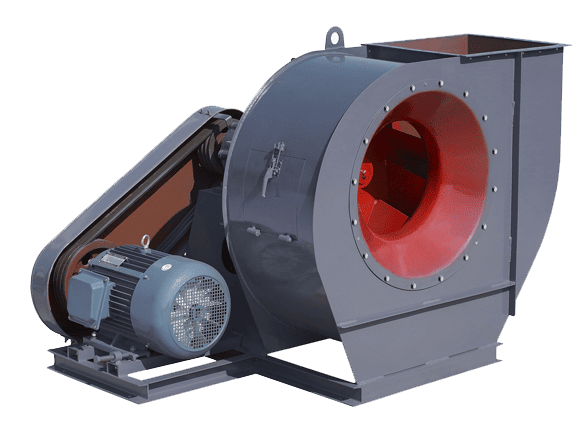
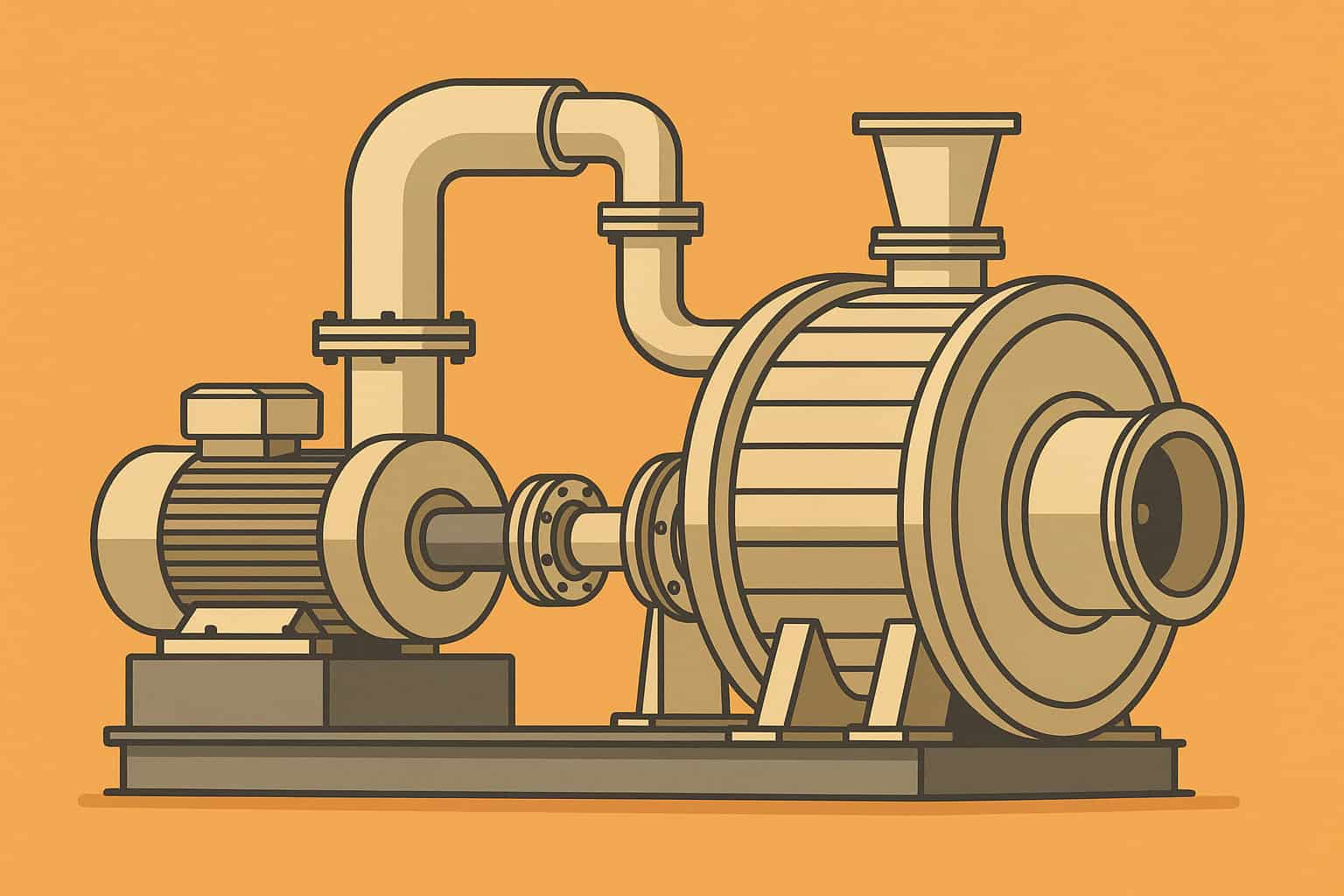
Next comes mechanical mounting. The fan must be fixed to a structure that can support its weight and resist vibration. Mounting frames, support brackets, isolation pads and flexible connections are typically used to prevent vibration from being transmitted to the building. The fan casing and any duct flanges must be properly aligned and sealed to avoid air leaks and unwanted recirculation. In roof installations, weatherproof curbs, flashing and guards are needed to keep water out and to protect personnel.
Airflow performance depends heavily on how the fan connects to ducts, hoods and grilles. Inlet and outlet guards should be installed where required for safety, but not so close that they obstruct the flow. Duct transitions should be gradual rather than sudden, and access doors should be provided for future cleaning and inspection. For local exhaust systems, hoods must be located near the emission source and shaped to capture fumes or dust effectively.
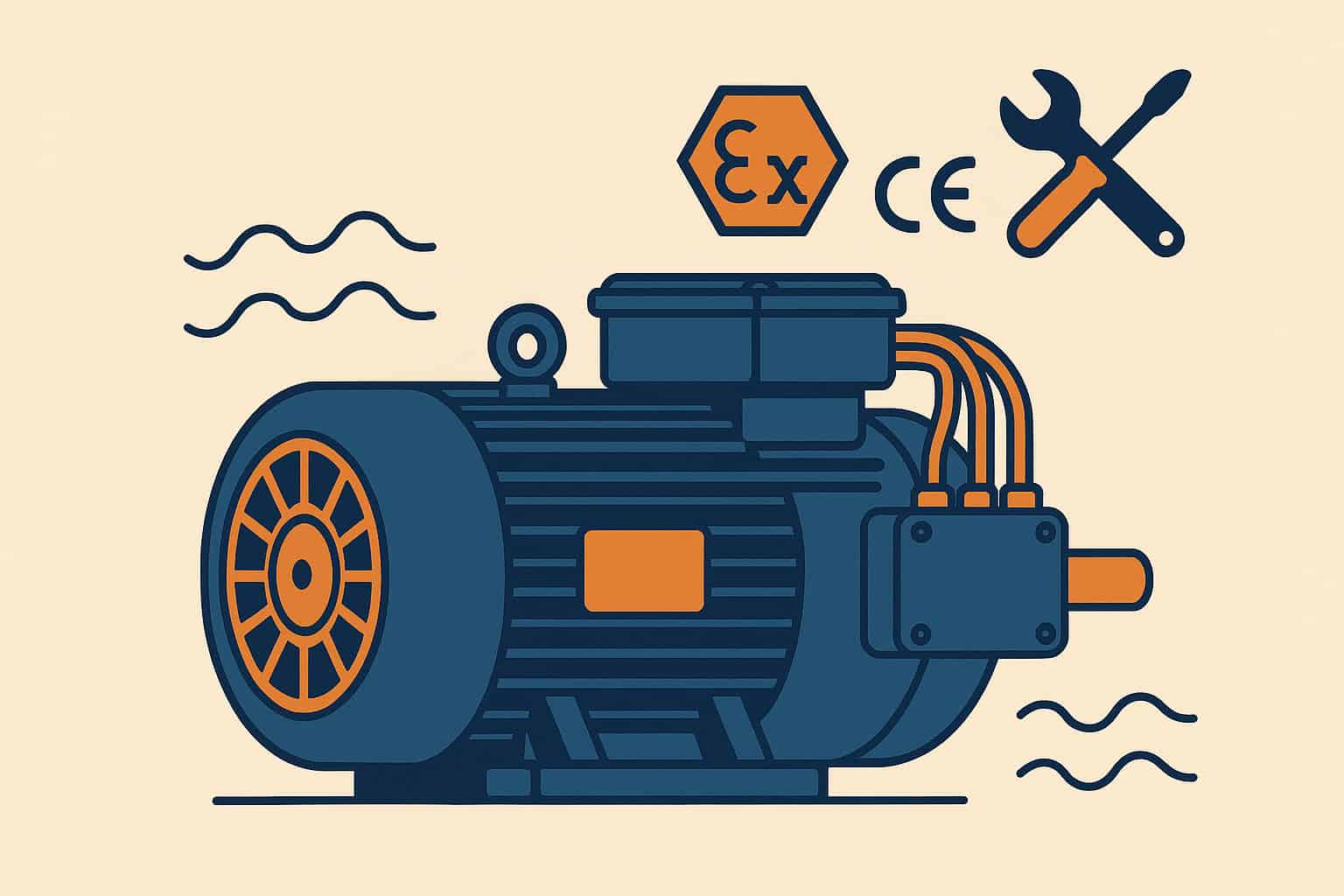
The electrical connection of an industrial exhaust fan must follow local codes and manufacturer instructions. The motor should be supplied with the correct voltage and protected by suitable breakers and overload relays. If a variable-frequency drive is used, it must be configured for the motor and environment. Control circuits for start/stop, interlocks and emergency stops need to be properly wired and tested. All this work should be performed and verified by a qualified electrician.
Before putting the fan into regular service, a commissioning check is essential. This includes verifying direction of rotation, measuring current draw, listening for abnormal noise, checking vibration levels and confirming that airflow is in the expected range. In critical applications, airflow measurements may be taken in ducts or work areas to prove that design requirements are met. Maintenance schedules should then be established for cleaning, lubrication, belt inspection and periodic re-checks.
In summary, correct installation of an industrial exhaust fan means selecting a suitable location, providing strong and vibration-controlled support, arranging ducts and openings for smooth airflow, wiring the motor and controls safely, and commissioning the system carefully. Done properly, this ensures long, reliable service and effective ventilation in demanding industrial and mining environments.