loading and shipment
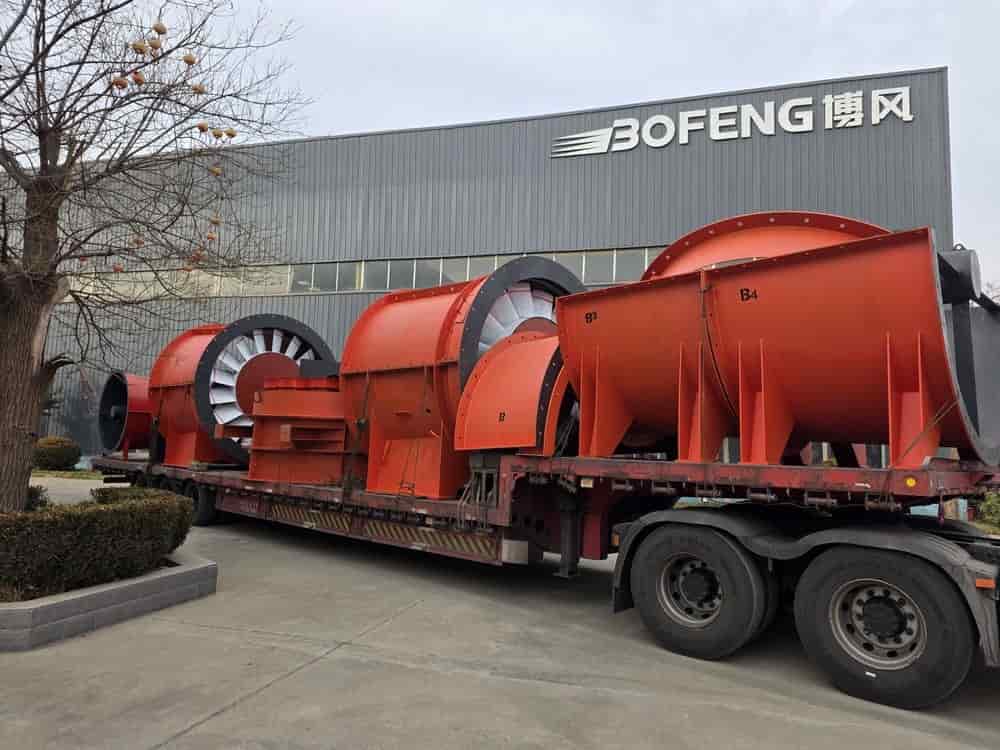
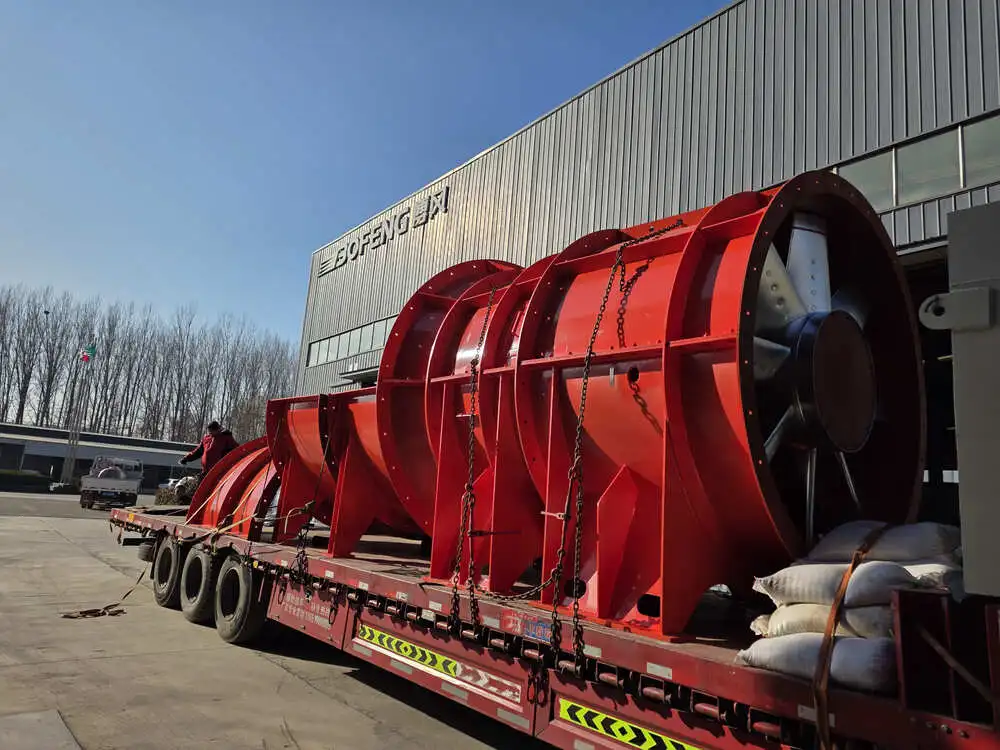
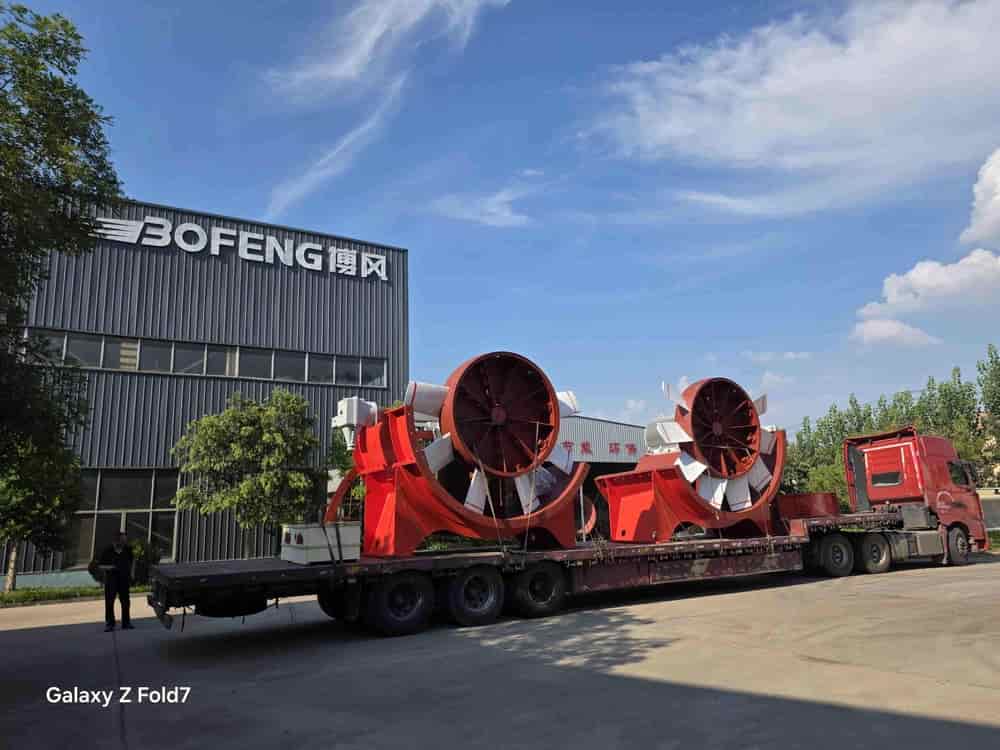
Loading and shipment are critical stages in the delivery of mine ventilation equipment, ensuring that large axial and centrifugal fans leave the factory and arrive at the mine site without damage or delay. Because main mine fans, auxiliary fans and associated components are heavy, precisely balanced machines, they must be handled with specialised lifting gear, secure fastening methods and carefully planned transport routes. A well-executed loading and shipment process helps protect the customer’s investment and keeps project schedules on track.
The process begins with detailed preparation at the manufacturing plant. After the fans have passed mechanical and performance testing, each component is visually inspected and protected with corrosion-inhibiting coatings. Impellers, housings, motors, silencers and accessories are tagged, matched to the project documentation and prepared for packing. Where necessary, impellers and motors are transported separately from the casing to reduce lifting weights and simplify on-site assembly. Lifting lugs and balance points are clearly marked to prevent improper handling.
Packing design is tailored to the mode of transport and the environmental conditions expected during shipment and storage. For domestic projects, robust steel frames or pallets may be sufficient, while international shipments often require wooden crates, shrink-wrapping, moisture control and shock indicators. Sensitive surfaces are padded or covered, and all boxes are labelled with item descriptions, weights, centres of gravity and handling instructions. The goal is to ensure that normal vibrations, minor impacts and weather exposure during transport do not affect the alignment, balance or coating of the fans.
Logistics planning takes into account route surveys, transport permits and site access conditions. Oversized loads may require escorted vehicles, night-time transport or modular trailers to pass bridges, tunnels and sharp bends safely. Documentation prepared for shipment typically includes packing lists, inspection certificates, test reports and user manuals, allowing the client to verify that all equipment has been delivered. When the shipment arrives on site, incoming inspection checks for visible damage, confirms completeness and records any issues for immediate resolution. By managing loading and shipment as a controlled, documented process, suppliers and mine operators ensure that ventilation equipment can be installed and commissioned smoothly, supporting safe and efficient mine operation.
Contact Us
Contact Us