workshop exhaust ventilation
Workshop exhaust ventilation refers to the systems and equipment used to remove polluted air from maintenance shops, repair bays and service areas in mines and industrial plants. In these spaces, welding fumes, exhaust gases, oil mist, cutting dust and heat from machinery can accumulate quickly if ventilation is insufficient. Properly designed exhaust ventilation uses a combination of local extraction and general air changes, supported by suitable fans and ducting, to maintain a safe, comfortable and productive working environment for technicians and mechanics.
In a typical mine workshop, exhaust ventilation may include canopy hoods above welding stations, extraction arms near grinding and cutting tools, and floor-level inlets for vehicle exhaust systems. These local exhaust points capture contaminants at the source and transport them through ducts to outdoor discharge points or filtration systems. General exhaust fans, installed in walls or roofs, provide additional air changes, diluting any residual pollutants and removing excess heat. Supply air openings or dedicated supply fans ensure that fresh air is available to replace exhausted air without creating uncomfortable drafts.
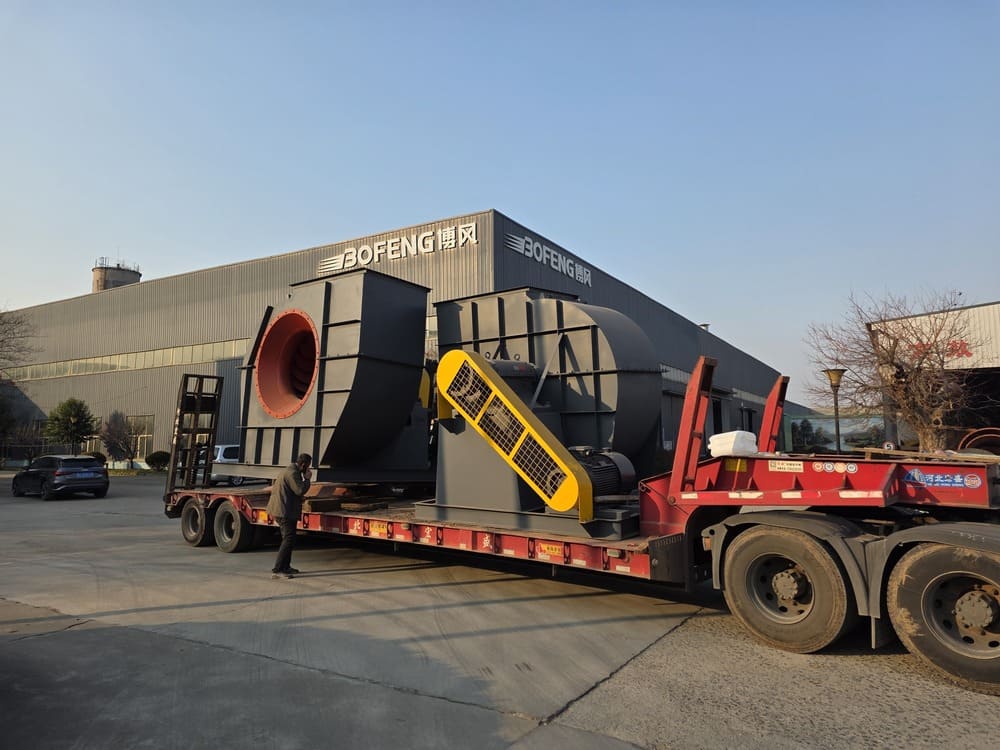
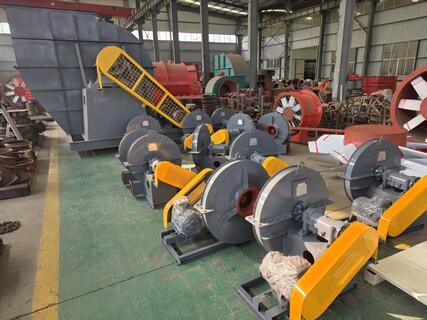
The choice of fans for workshop exhaust ventilation depends on the volume of air required, the resistance of the duct system and the nature of the contaminants. Axial fans may be used for low to medium pressure wall or roof exhaust, while centrifugal fans are often selected for higher pressure systems with filters, silencers or long duct runs. For workshops located within or near mine workings, all equipment must be compatible with the mine’s safety classification and may require explosion-protected construction if flammable gases, vapours or dusts are present.
Effective workshop exhaust ventilation is more than just installing fans. It involves balancing airflow, controlling noise levels, ensuring maintainable access to filters and fans, and monitoring performance over time. Regular inspections and cleaning prevent build-up of dust or oil in ducts, which could reduce efficiency or introduce fire risks. By applying sound ventilation engineering principles and using reliable fans and controls, operators can safeguard the health of their maintenance personnel, protect equipment and support efficient mine and plant operations.
Contact Us
Contact Us