
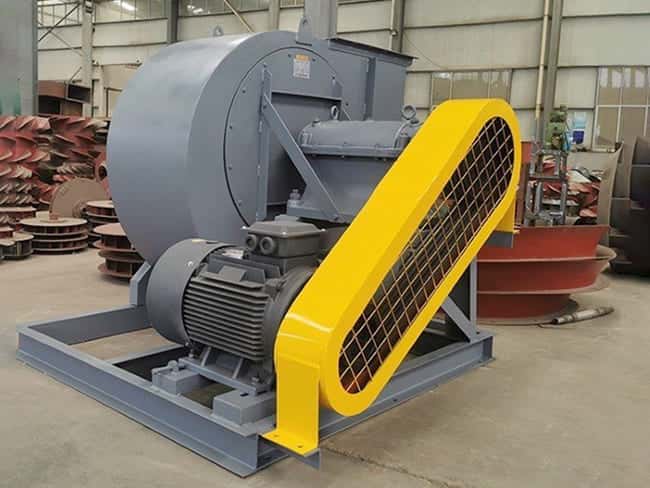
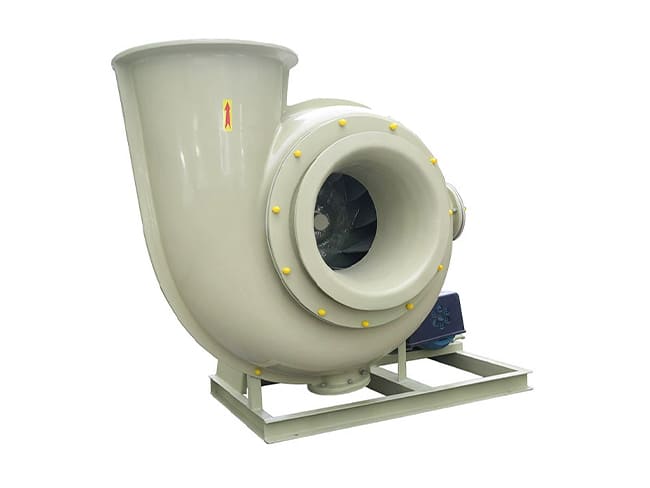
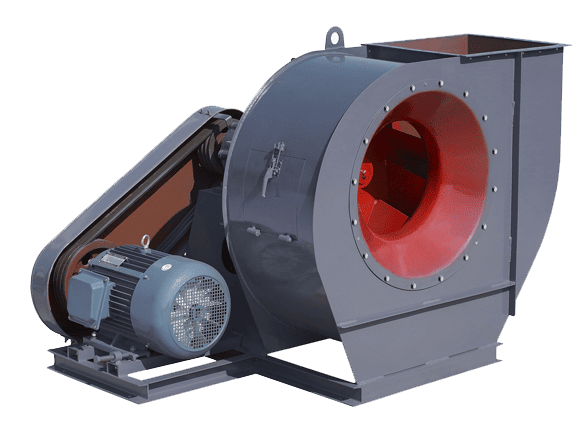
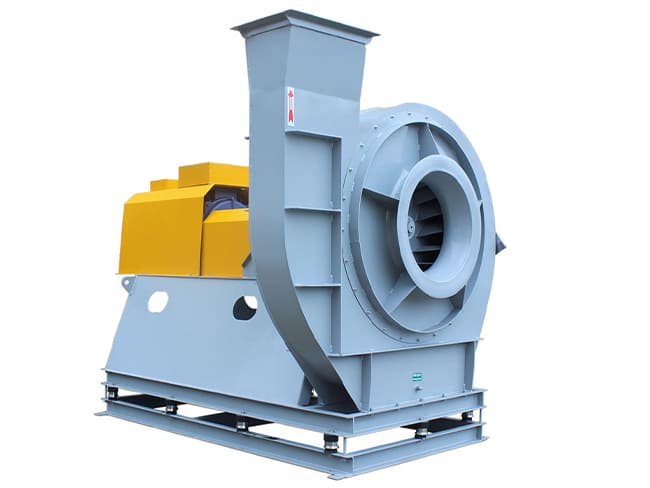
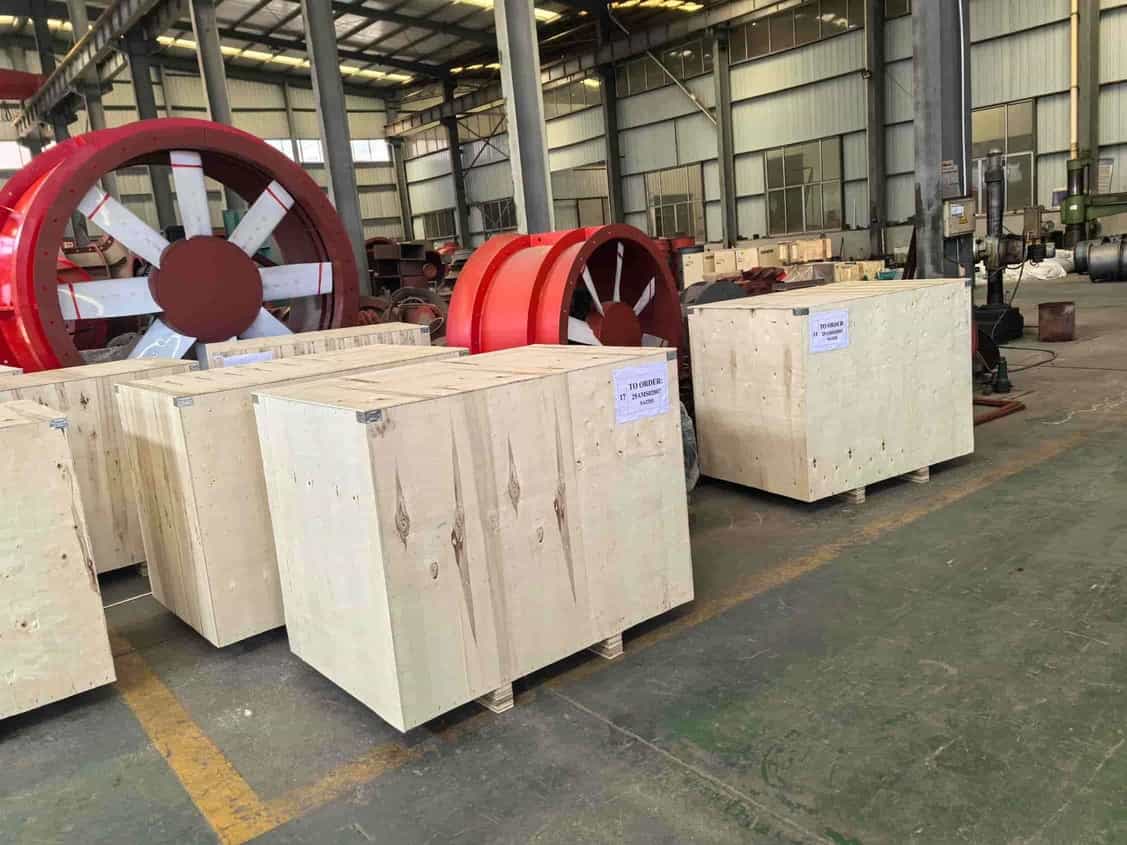
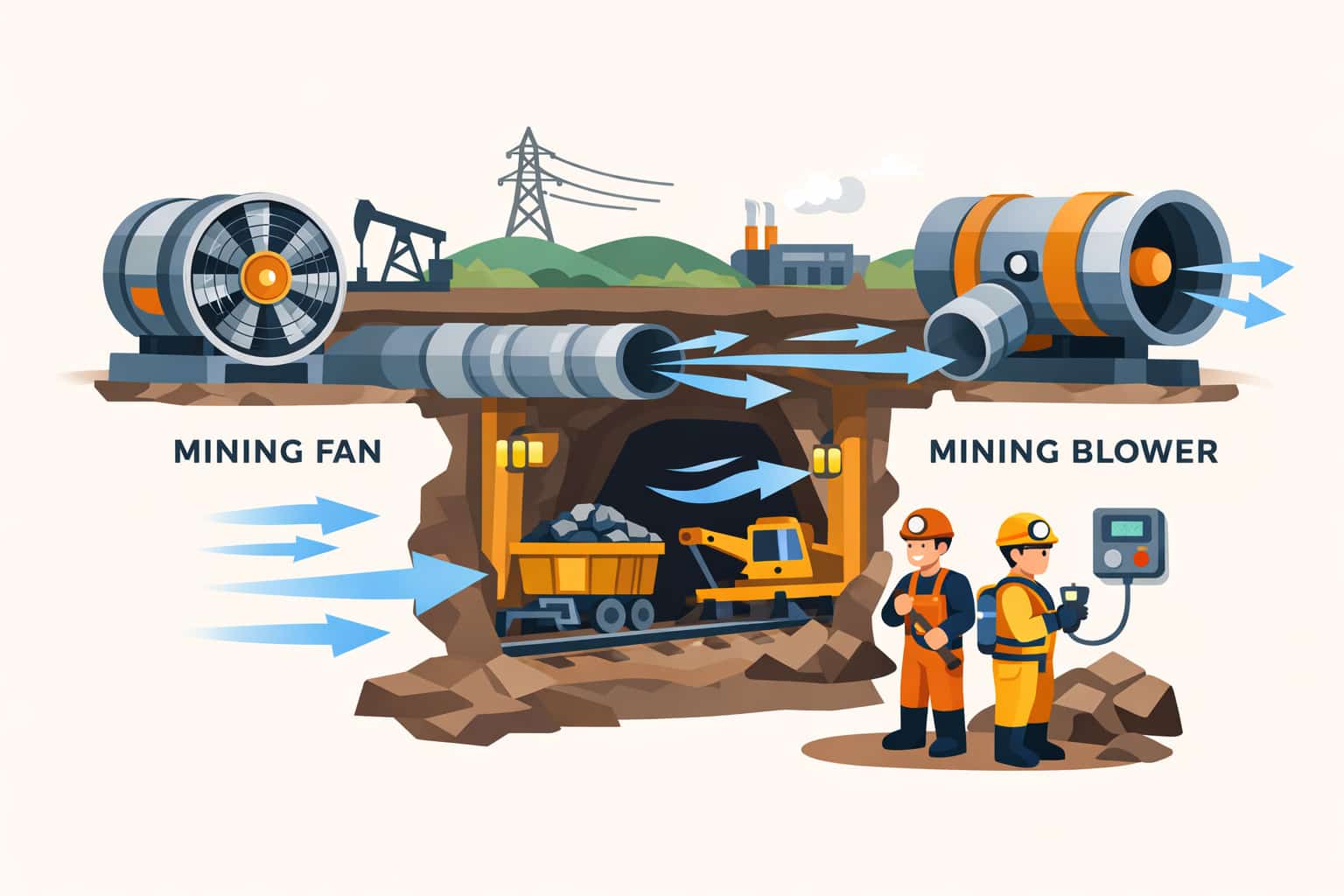
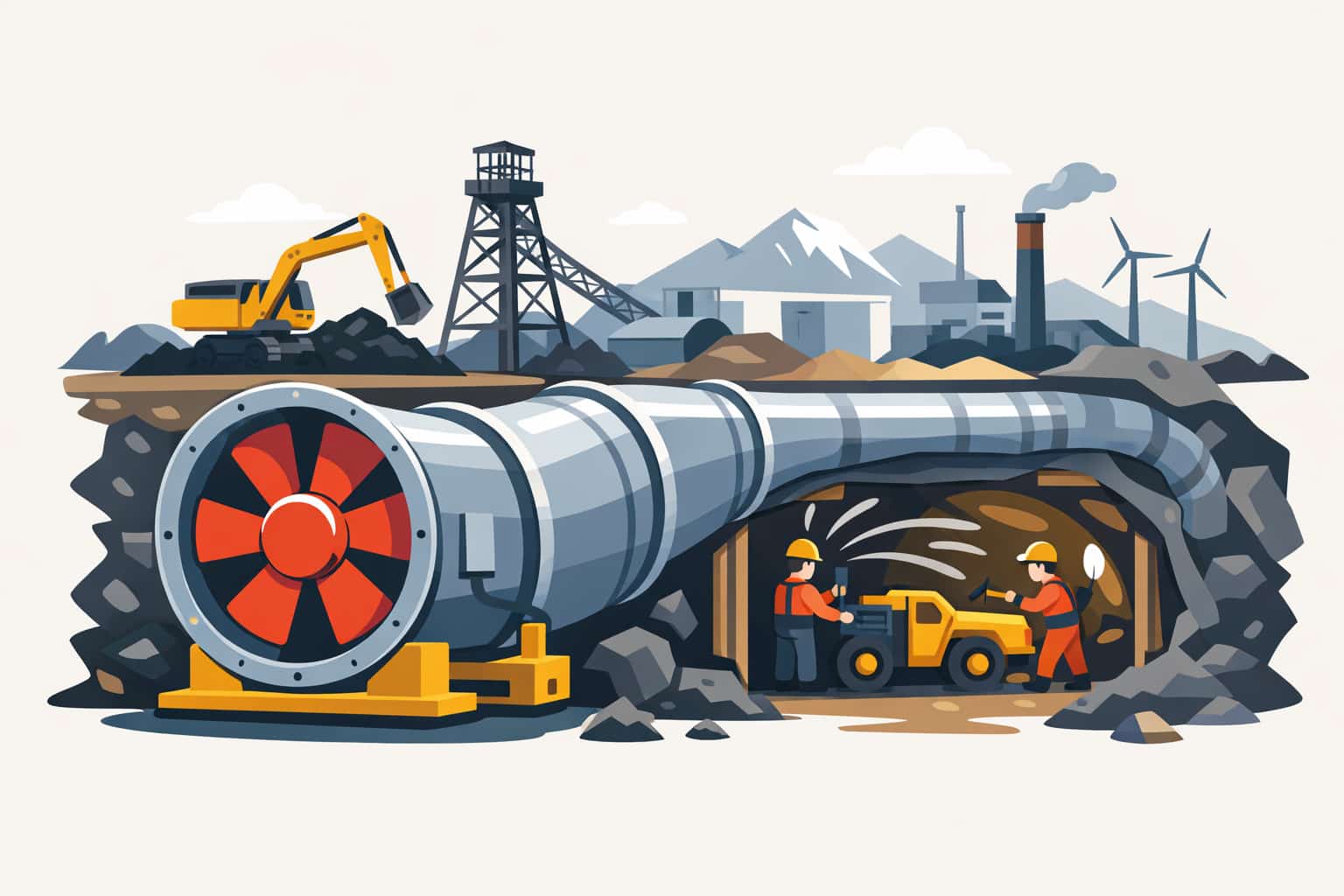
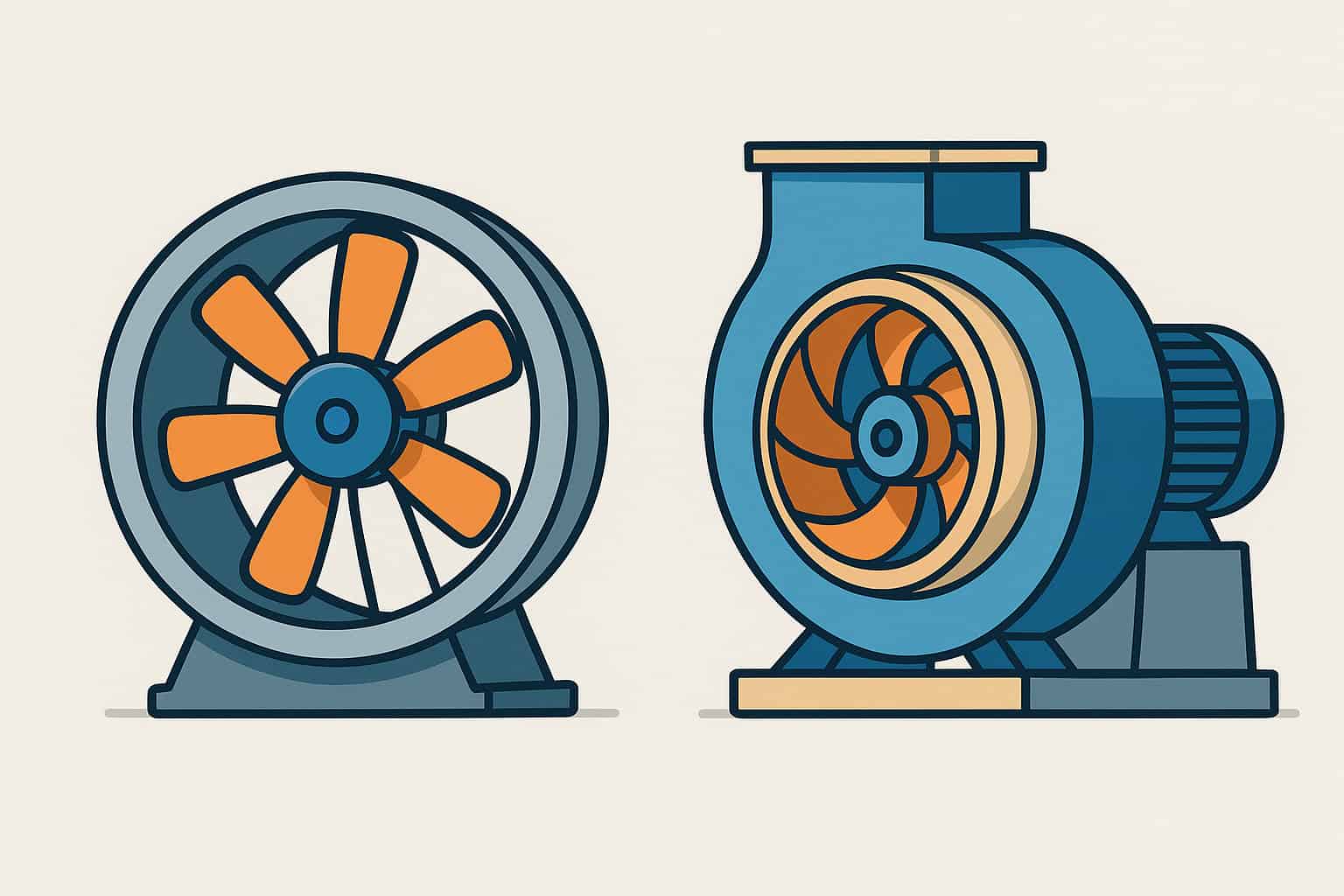
Centrifugal fans are not always better than other fans, but they are better for certain types of ventilation duties. In industrial plants and mines, a centrifugal fan is often the best choice when the system has high resistance, the air is dusty or hot, or airflow must travel through long, complex ductwork. For simple high-volume, low-pressure airflow, an axial fan may be more suitable.
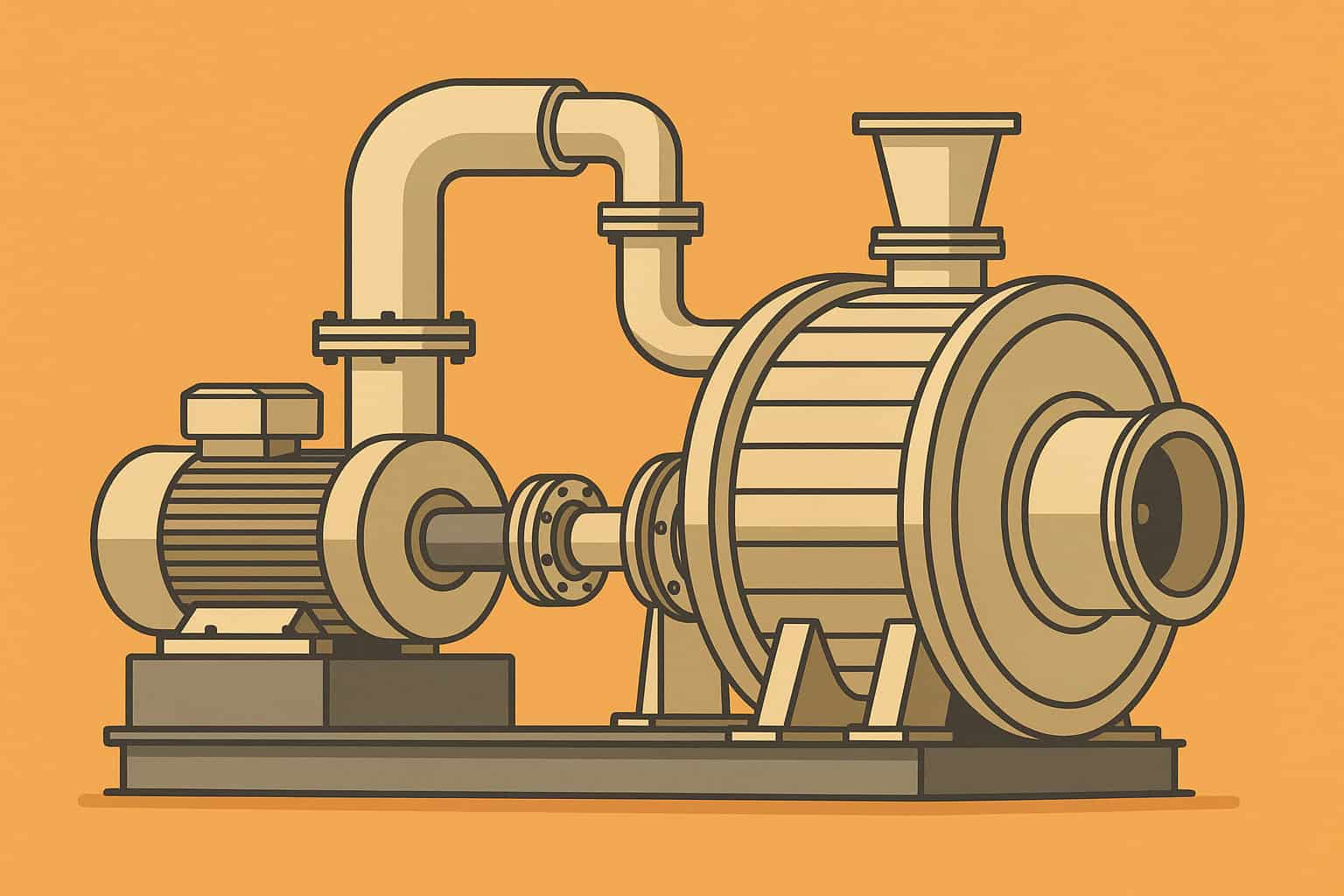
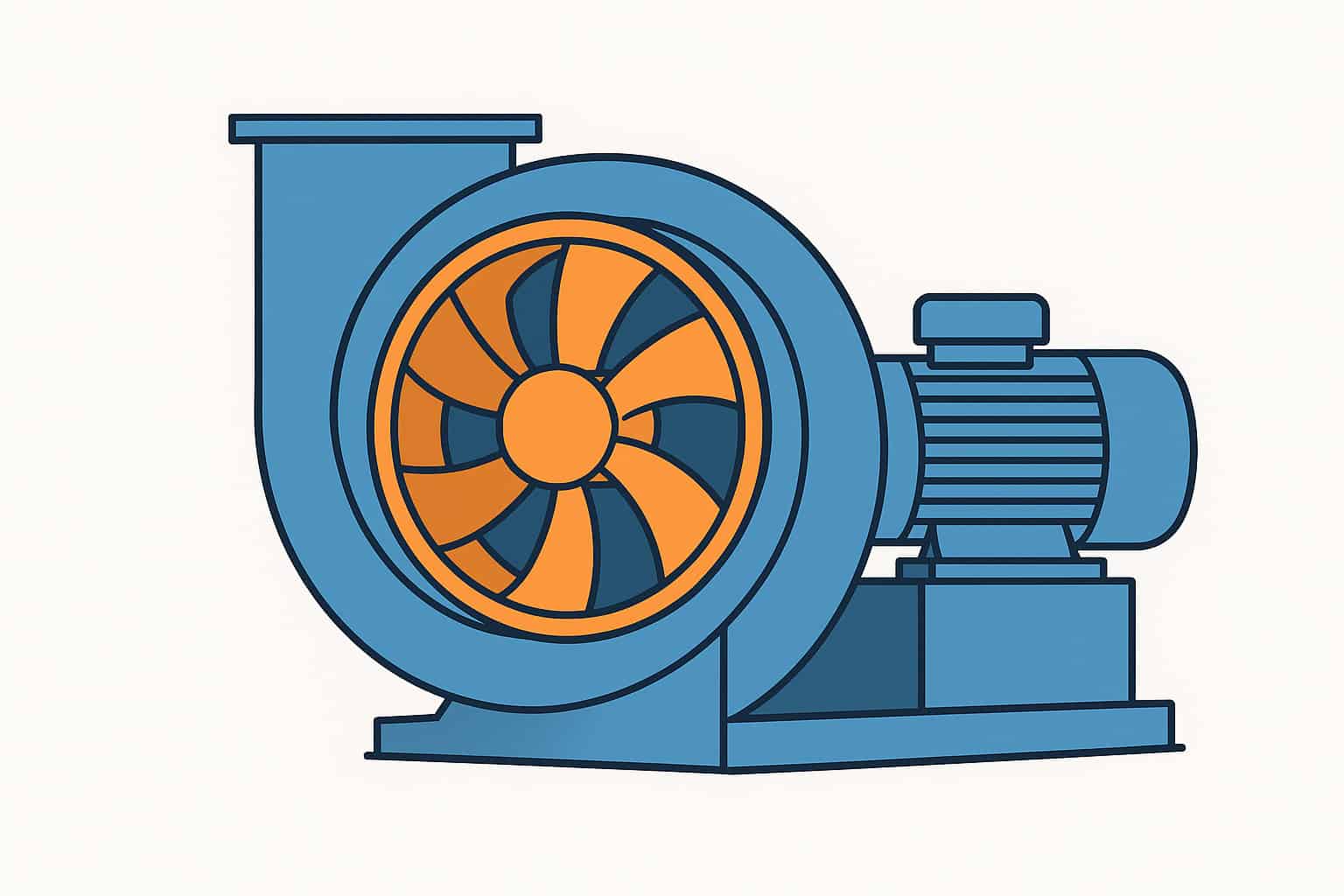
The main strength of centrifugal fans is their ability to generate higher static pressure. Air enters the impeller near the shaft and is thrown radially outward into the scroll housing, converting velocity into pressure. This makes centrifugal fans ideal for dust collection systems, scrubbers, bag filters, local exhaust lines, furnace and kiln exhaust, and many mining ventilation branches where there are tight bends, dampers and long runs of duct or airway.
Centrifugal fans can also be more robust in dirty or abrasive conditions. Radial-blade and material-handling designs tolerate dust, small particles and even chips better than most axial fans. In mining, they are used near crushers, loading points and transfer stations where dust levels are high. When constructed with suitable alloys or coatings, centrifugal fans can handle corrosive gases and higher temperatures in chemical and metallurgical processes.
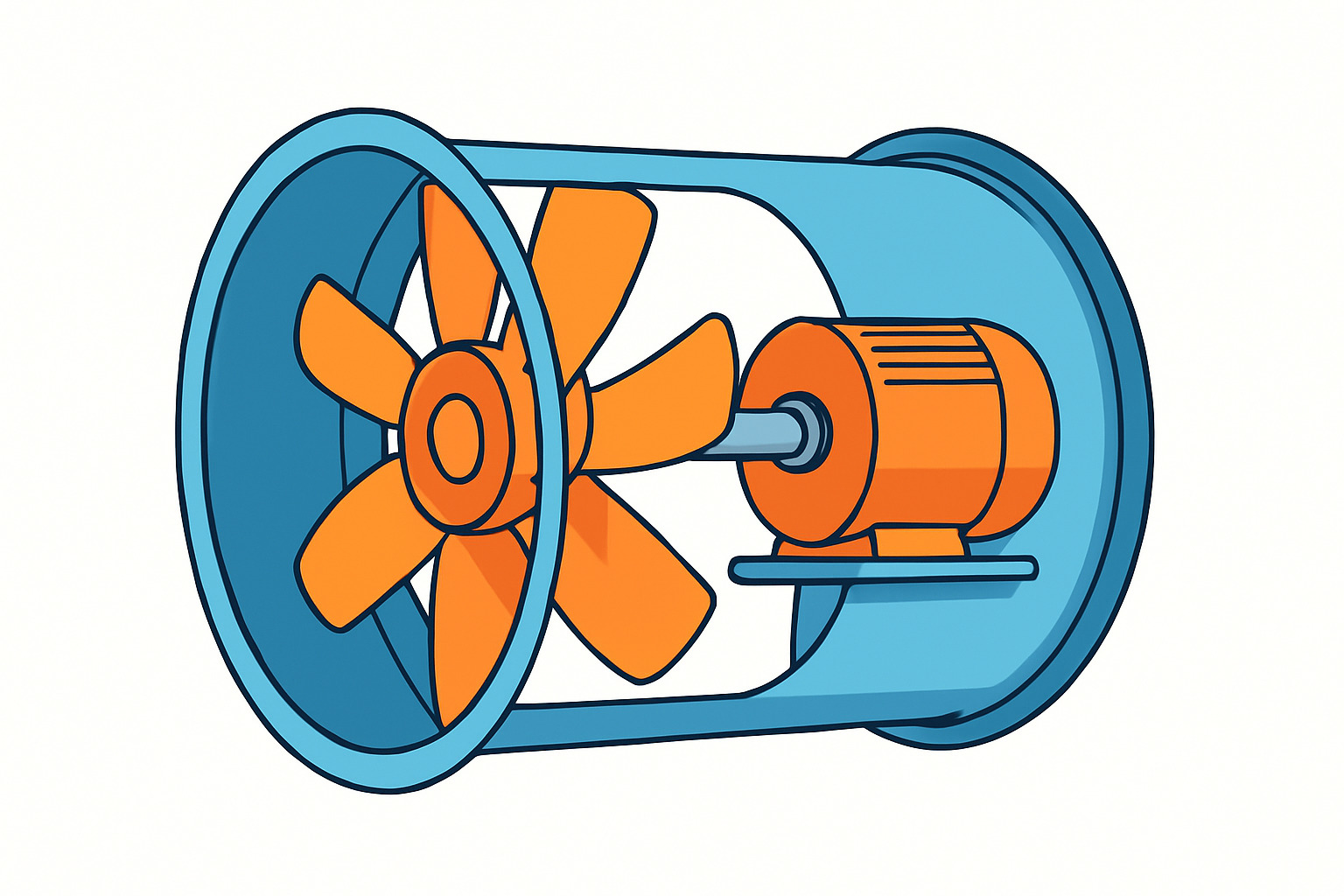
However, for high-volume, low-pressure ventilation in relatively open tunnels, shafts or large buildings, axial fans usually deliver more airflow per unit size and weight. A properly selected axial fan can move very large volumes of air efficiently when system resistance is low. This is why axial fans are common for main tunnel and mine ventilation, while centrifugal fans dominate in many ducted subsystems.
In terms of energy efficiency, neither type is automatically better. A well-designed centrifugal fan running near its best efficiency point can be very efficient, especially for medium to high-pressure duties. An axial fan can be extremely efficient at low pressures. The key is matching the fan type and size to the required flow and pressure, then controlling speed with a variable-frequency drive where appropriate.
Noise is also a consideration. Centrifugal fans working at high speed and pressure can be noisy, but large, slow-running centrifugal fans with silencers can be surprisingly quiet. Axial fans can also be loud at high tip speeds. In practice, noise performance depends more on selection, speed, duct design and accessories than on fan type alone.
In summary, centrifugal fans are better when your ventilation system has higher static pressure, dirty or hot air and complex ducting. Axial fans are often better for high-volume, low-pressure flow in relatively open passages. The best fan is the one correctly matched to the industrial or mining ventilation duty, not one specific type in all situations.
