
Choosing the right centrifugal fan starts with understanding your ventilation duty and system conditions. A fan that is perfect for one industrial or mining application may be inefficient or unreliable in another. Proper selection ensures sufficient airflow, stable pressure, acceptable noise and reasonable energy cost.
The first step is to define the required airflow and static pressure. Airflow is usually expressed in m3/s or CFM, based on the volume of the space, heat load, contaminant generation or regulatory requirements (for example, legal airflow per worker in mines). Static pressure is the resistance of ducts, filters, equipment and airways. Engineers calculate or estimate this resistance to produce a system curve representing pressure versus flow.
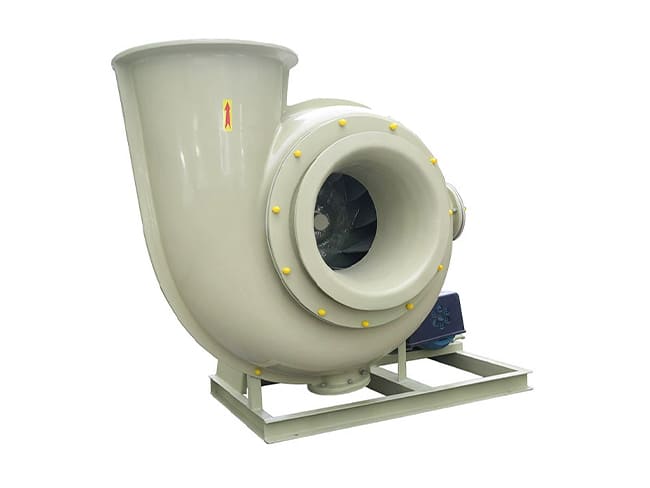
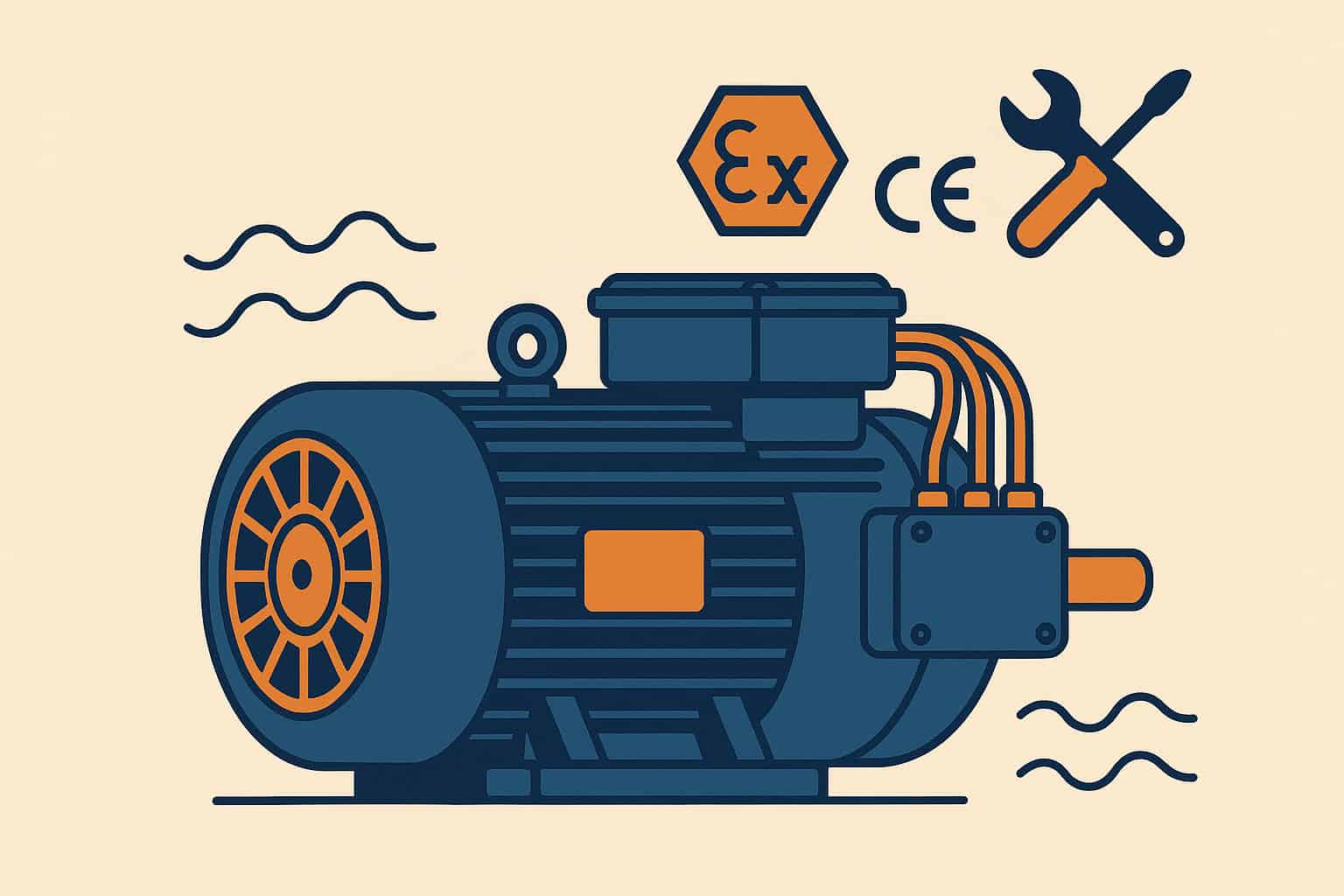
Next, consider the air properties and environment. Is the air clean, dusty, corrosive, hot or explosive? High dust loading may require a radial or material-handling impeller with robust construction. Corrosive gases may demand stainless steel, special coatings or FRP materials. High temperatures affect bearing selection and motor location. In explosive atmospheres, the fan must comply with relevant explosion protection standards.
With the duty and air properties defined, you compare them with manufacturer performance curves. These charts show how much flow and pressure each fan size and speed can deliver. You look for a fan whose curve intersects the system curve at or near the required operating point, preferably in the region of high efficiency. Operating far from the best efficiency point can cause noise, instability and higher energy consumption.
Other selection factors include noise limits, space constraints, drive type and control strategy. If noise is critical, you might choose a larger fan running more slowly, possibly with silencers. If space is limited, a more compact design with higher speed might be necessary. For control, decide whether the fan will use dampers, inlet vanes or variable-frequency drives; this influences the preferred fan type and motor power margin.
Reliability and maintenance should also guide your choice. In remote mines or critical process lines, selecting a fan with proven track record, easily available spare parts and simple access for inspection can save significant downtime. Considering total lifecycle cost—purchase price plus energy and maintenance—often leads to choosing a slightly more efficient and robust fan rather than the cheapest option.
In summary, you choose the right centrifugal fan by defining airflow and pressure requirements, understanding air properties and environmental conditions, matching these to fan performance curves, and considering noise, space, control, reliability and lifecycle cost. This systematic approach leads to safe and efficient ventilation in industrial plants and mines.
