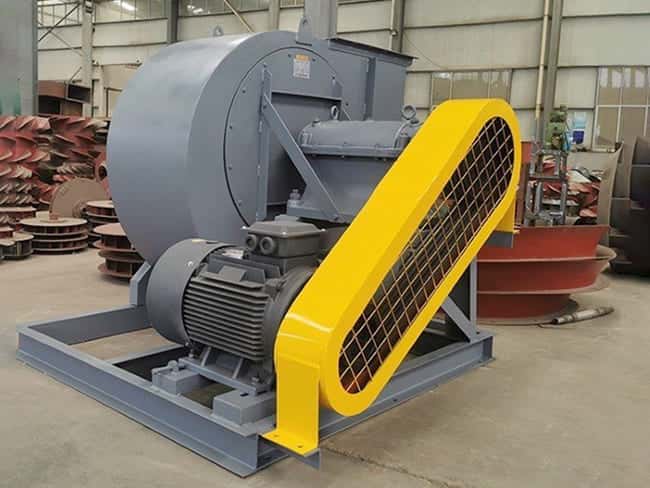
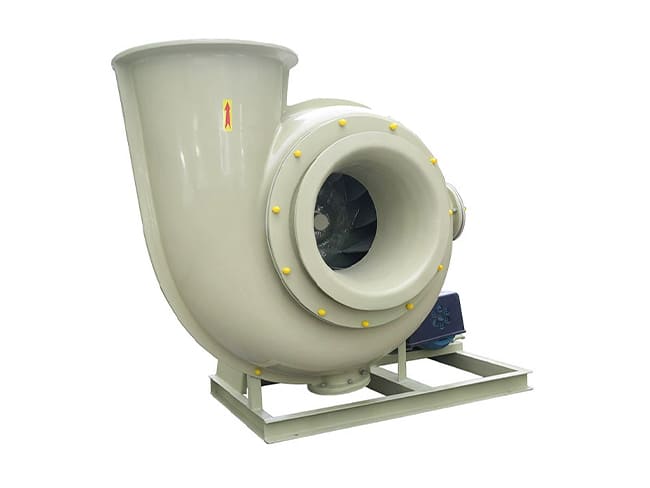
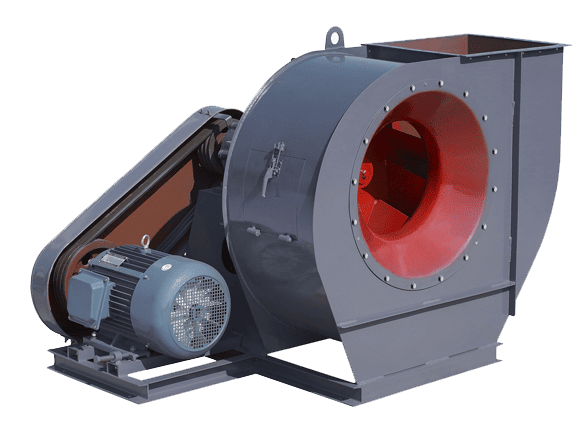
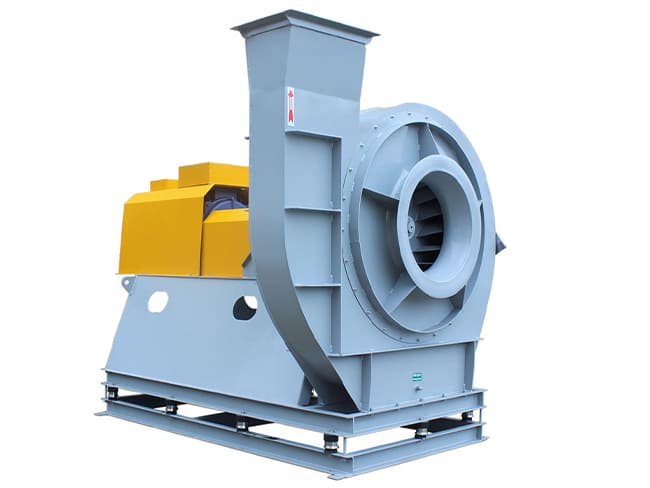
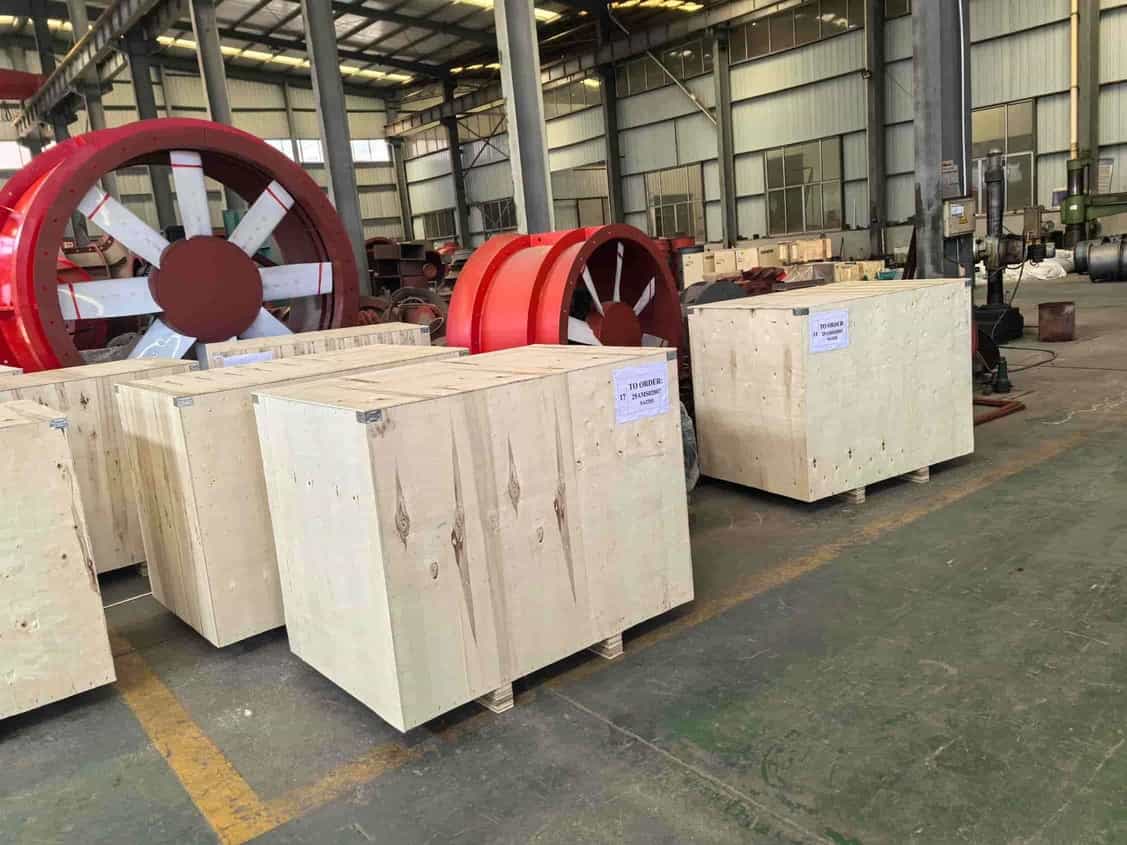
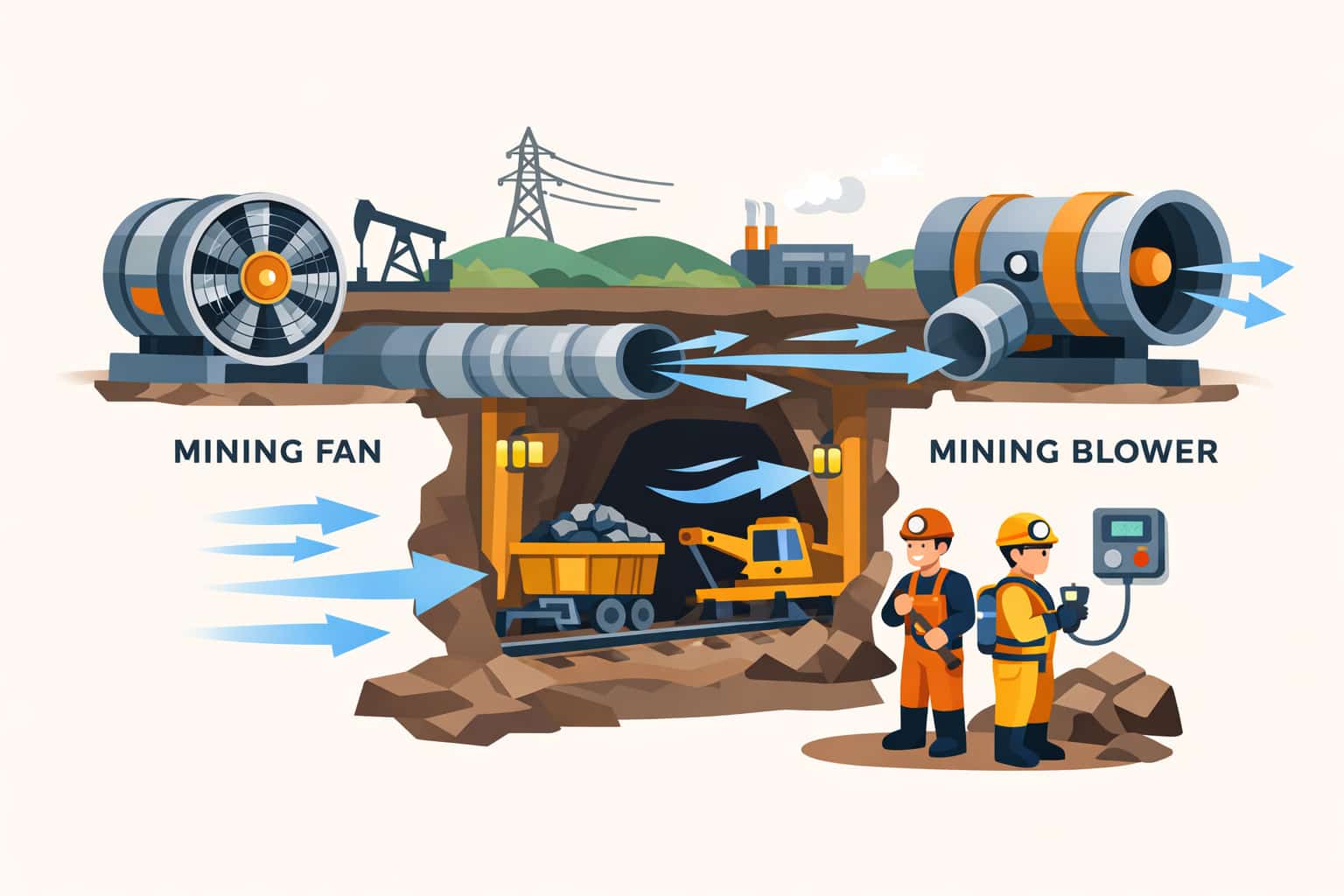
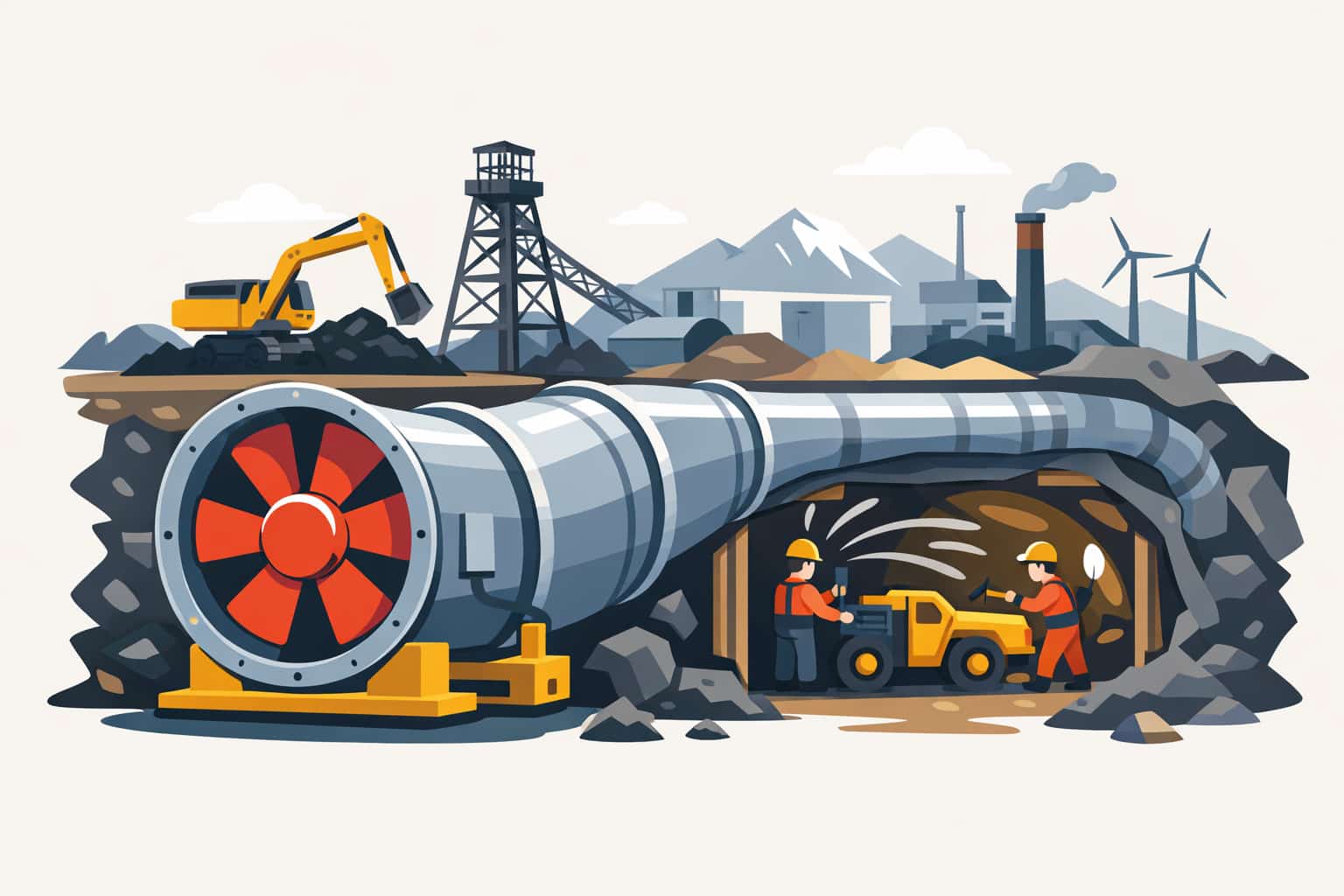
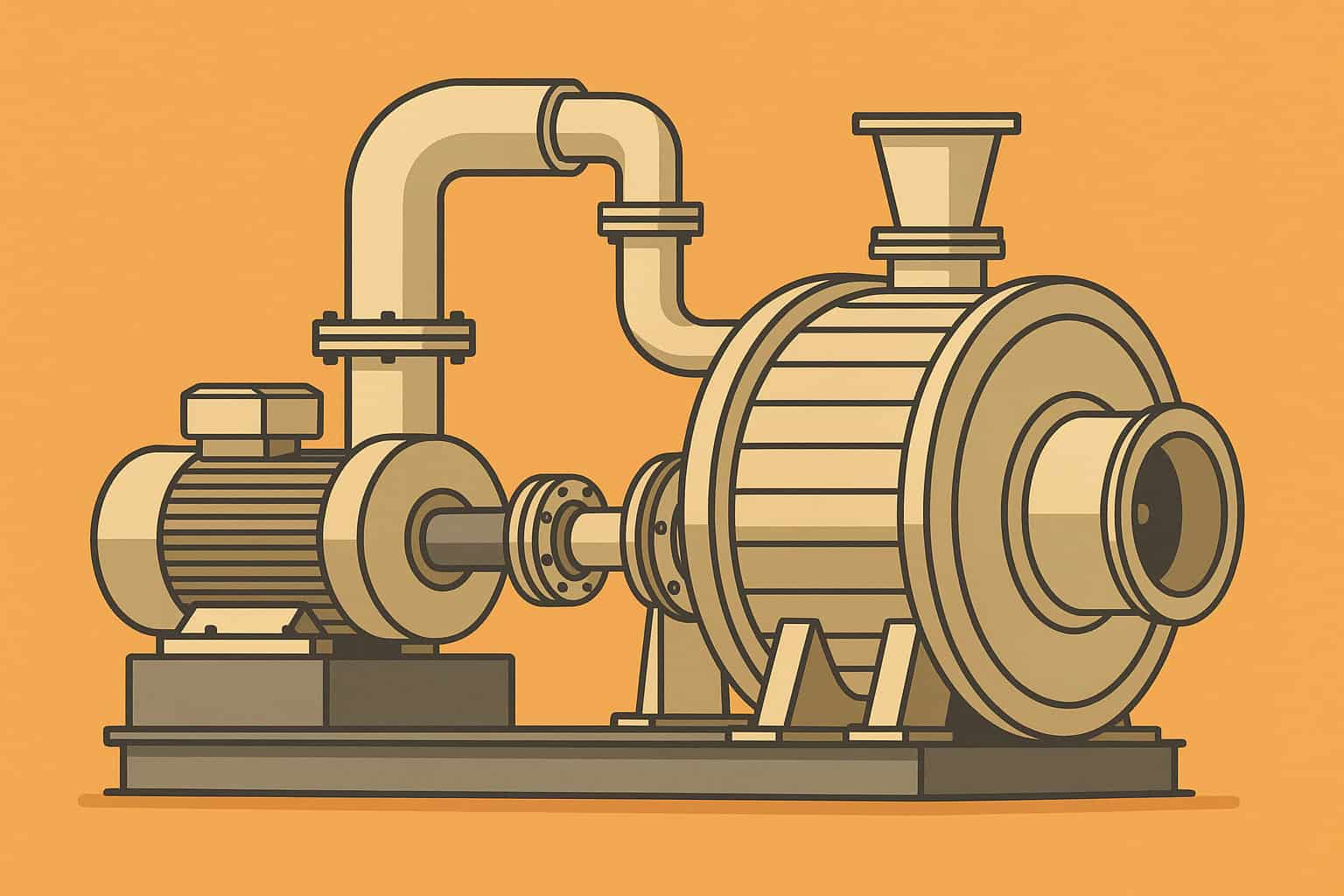
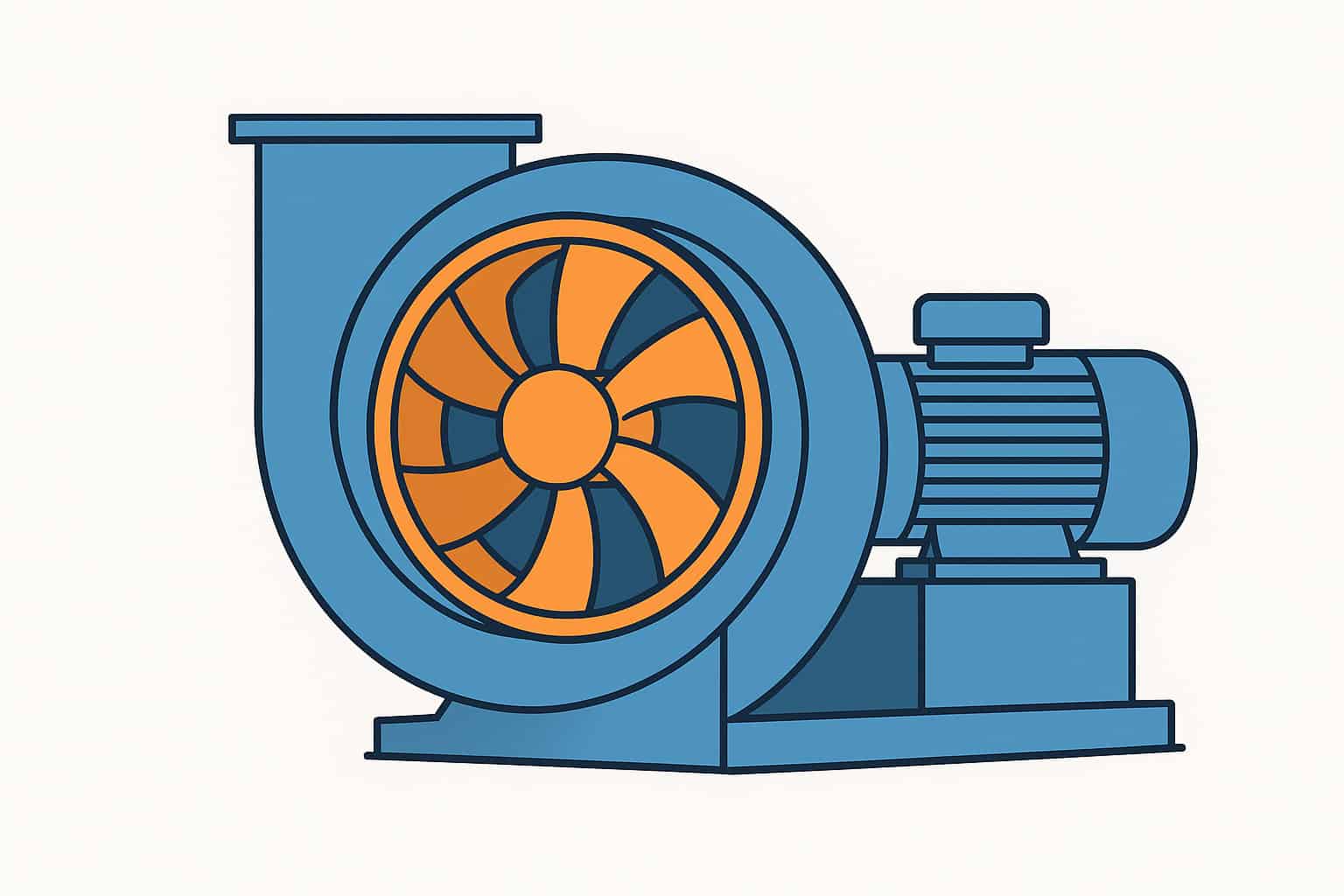
Maintaining a centrifugal fan means looking after the fan, motor and connected duct system so that airflow, pressure and reliability stay within design limits. Good maintenance is critical in industrial and mining ventilation, where fan failure can stop production or create unsafe conditions underground.
The starting point is a regular inspection schedule. During planned shutdowns, technicians should visually inspect the fan housing, impeller, inlet cone, outlet connections and supports. They look for cracks, corrosion, wear, loose fasteners and any signs of rubbing between the impeller and casing. In dusty environments, build-up on blades or in clearances should be removed carefully to restore balance and performance.
Bearings and lubrication are among the most important maintenance points. Fan bearings must be greased or supplied with oil at the intervals recommended by the manufacturer. Over-lubrication and under-lubrication can both cause premature failure. Maintenance records should note the type of lubricant, quantity and date. Any unusual noise, temperature rise or vibration at the bearings is a warning sign that needs immediate attention.
For belt-driven centrifugal fans, regular belt and drive checks are essential. Belt tension, alignment and condition should be verified. Worn, cracked or glazed belts must be replaced, and pulleys inspected for wear or misalignment. Correct belt tension prevents slip (which wastes power and reduces airflow) and avoids excessive bearing loads. Guarding must be reinstalled properly after maintenance for safety.
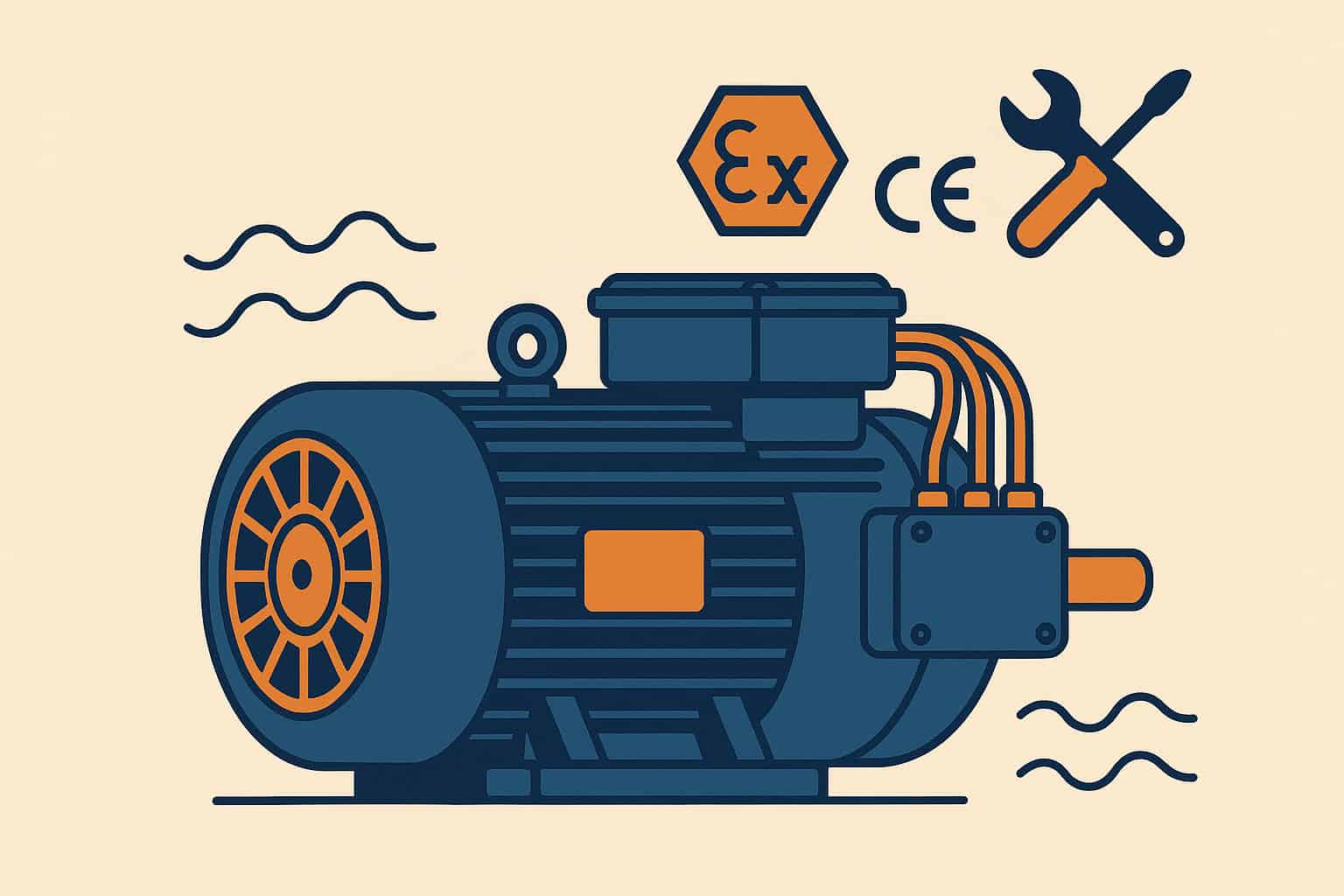
Motor maintenance includes checking electrical connections, insulation condition, cooling passages and, where applicable, the operation of any variable-frequency drive. Dust and debris should be removed from motor cooling fins and fans to prevent overheating. Current and voltage trends can indicate developing problems before failures occur.
Monitoring vibration and noise is a powerful predictive tool. A change in vibration level often signals imbalance, misalignment, bearing wear or looseness. Periodic vibration measurements and comparison with baseline values allow early detection of issues. If vibration increases, the fan may require cleaning, re-balancing or shaft and bearing work.
True maintenance also extends to the ventilation system around the fan. Blocked filters, closed dampers, collapsed ducts and unexpected restrictions increase system resistance, forcing the fan to work harder and drawing more power. Regularly cleaning filters, checking dampers and verifying duct integrity helps keep the operating point close to the design duty, protecting both the fan and motor.
Finally, every site should keep clear documentation: fan drawings, performance curves, maintenance records, vibration reports and spare parts lists. In mines and heavy industry, having critical spares such as bearings, belts, seals and even a spare motor or impeller can dramatically reduce downtime.
In summary, maintaining a centrifugal fan means systematic inspections, correct lubrication, drive checks, motor care, vibration monitoring and keeping the connected system in good condition. This approach ensures reliable, efficient ventilation in industrial plants and underground mines.