
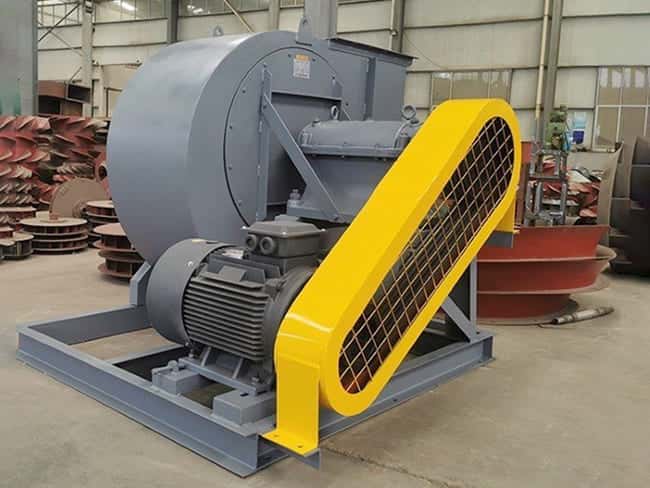
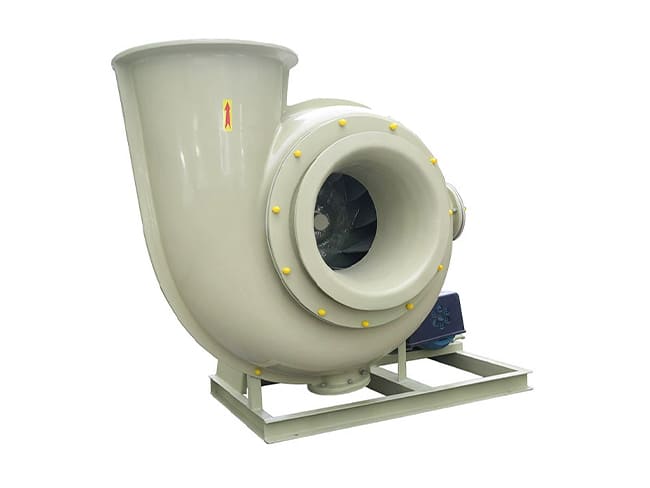
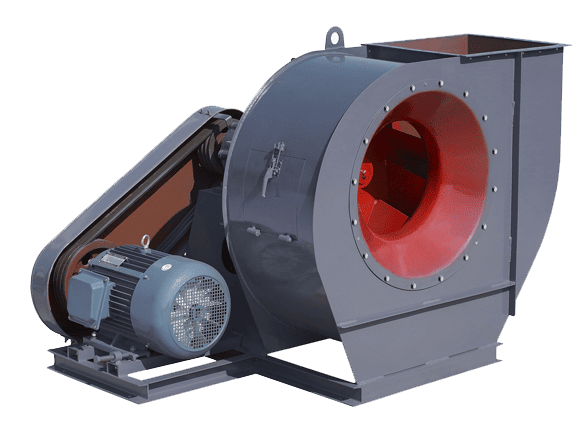
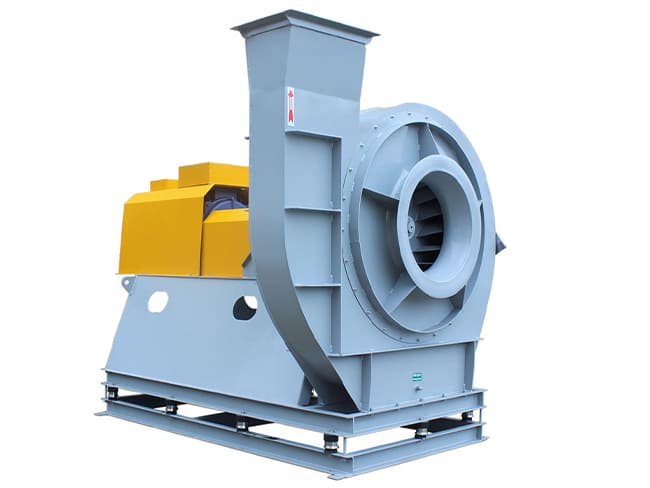
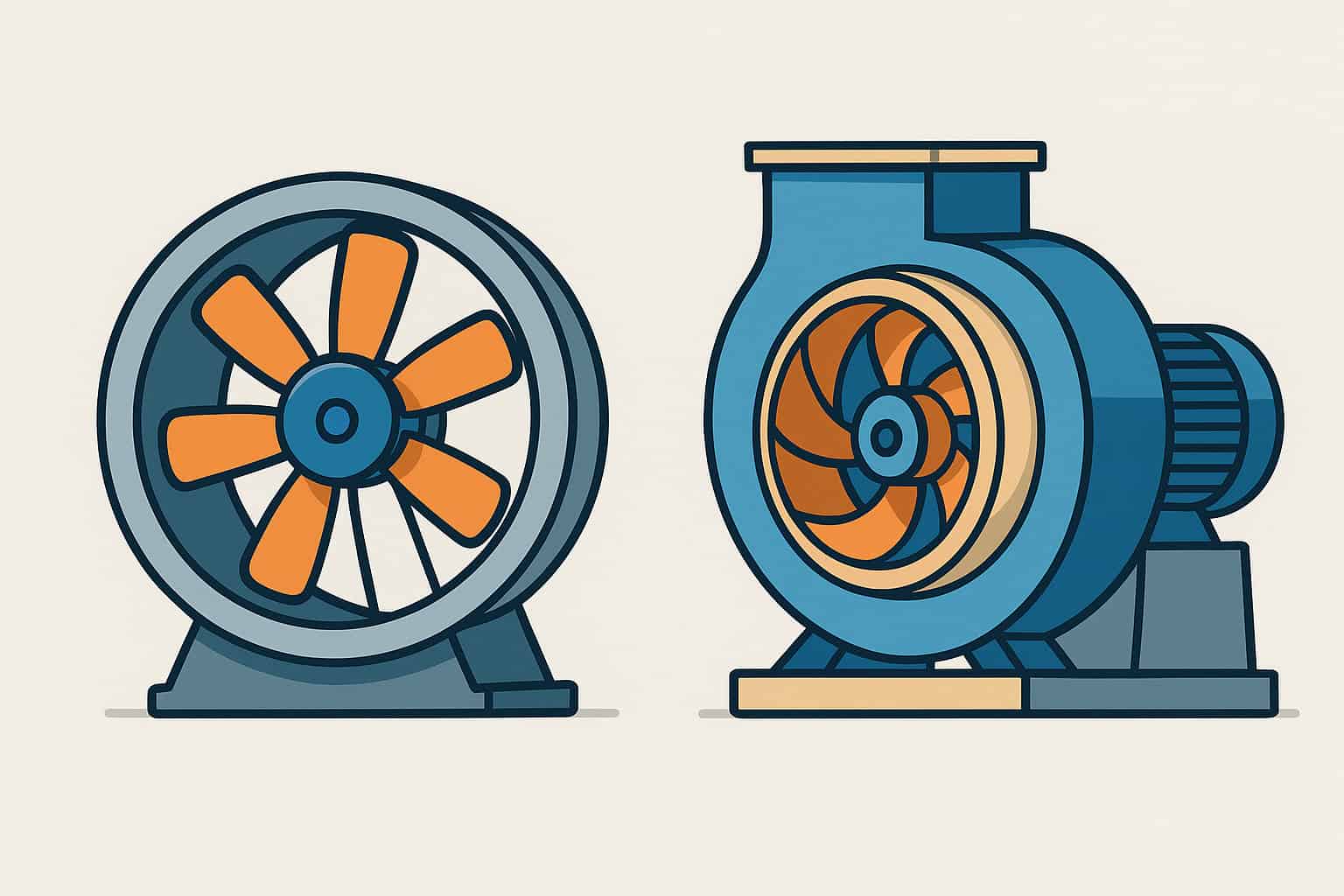
Centrifugal fans are widely used in industrial plants and mining ventilation because they can generate relatively high pressure and handle dusty or hot gases. However, like any technology, they have several disadvantages that must be considered when comparing them with axial or mixed-flow fans. Understanding these drawbacks helps engineers select the right fan type for each application instead of assuming that centrifugal fans are always the safest choice.
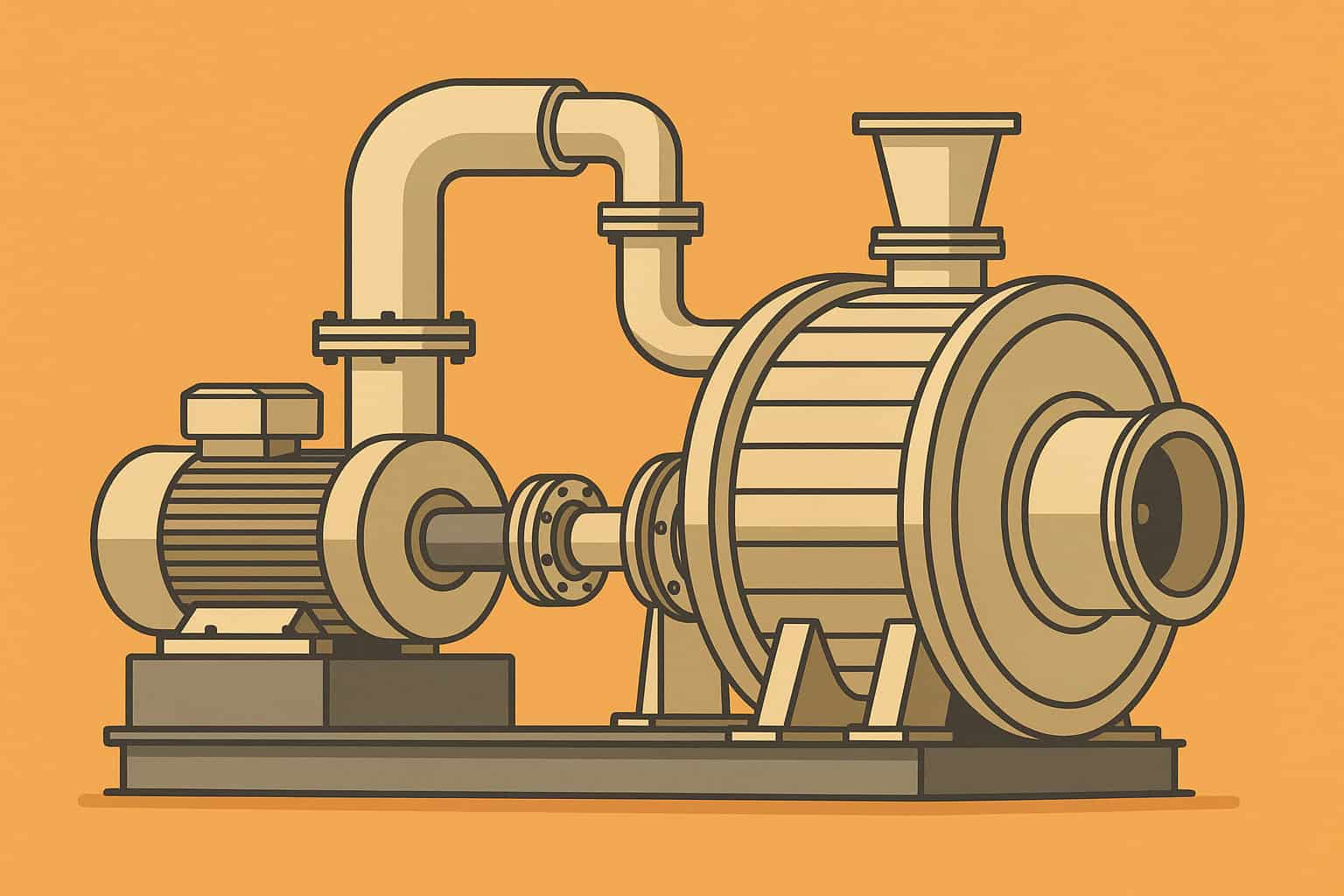
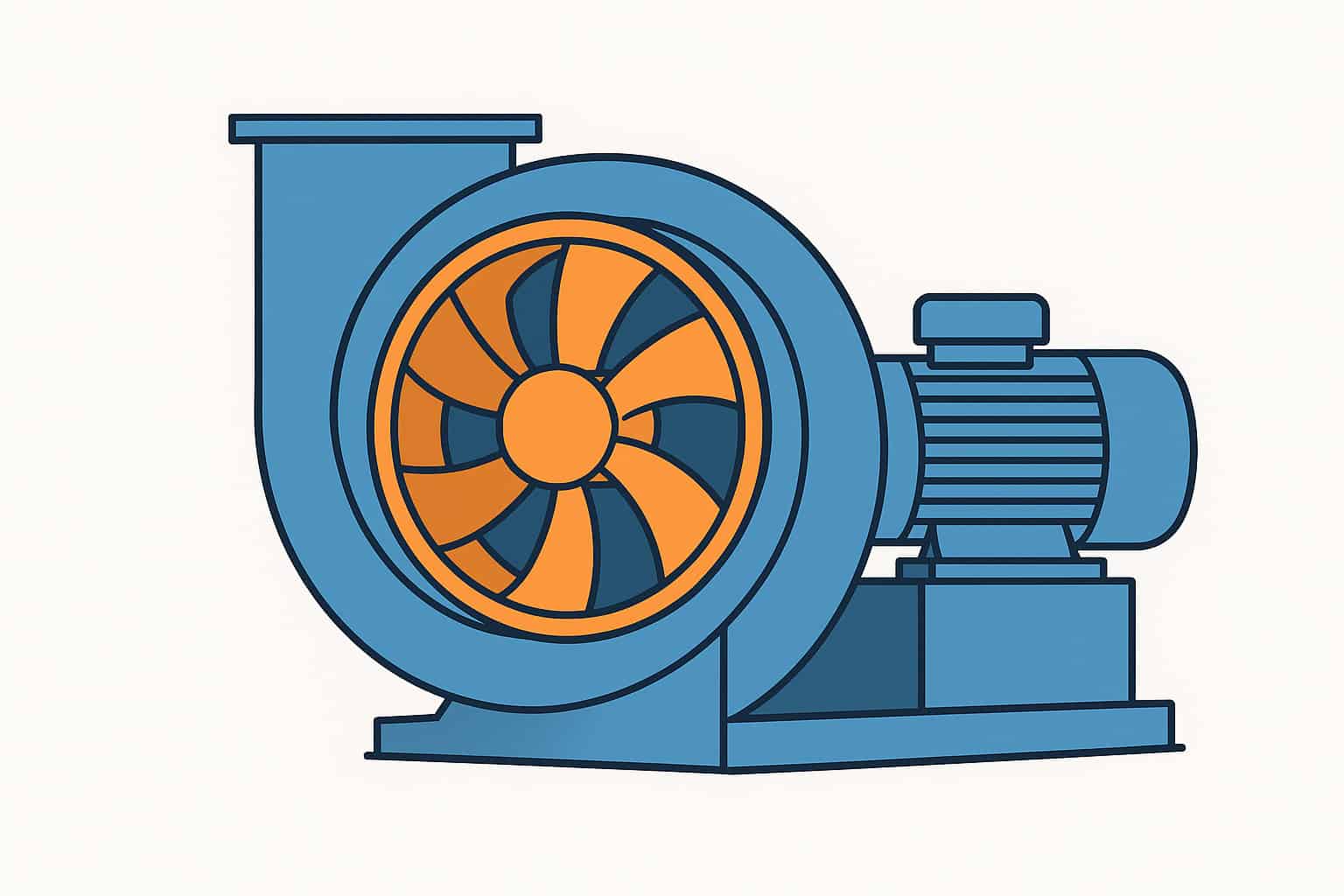
One common disadvantage of centrifugal fans is their larger physical size for a given duty compared with axial fans. The scroll casing, inlet box and drive arrangement often require more floor space and more structural support. In cramped fan rooms, underground stations or retrofit projects, finding space for a large centrifugal fan and its accessories can be challenging. This larger footprint can increase building cost and may limit layout options.
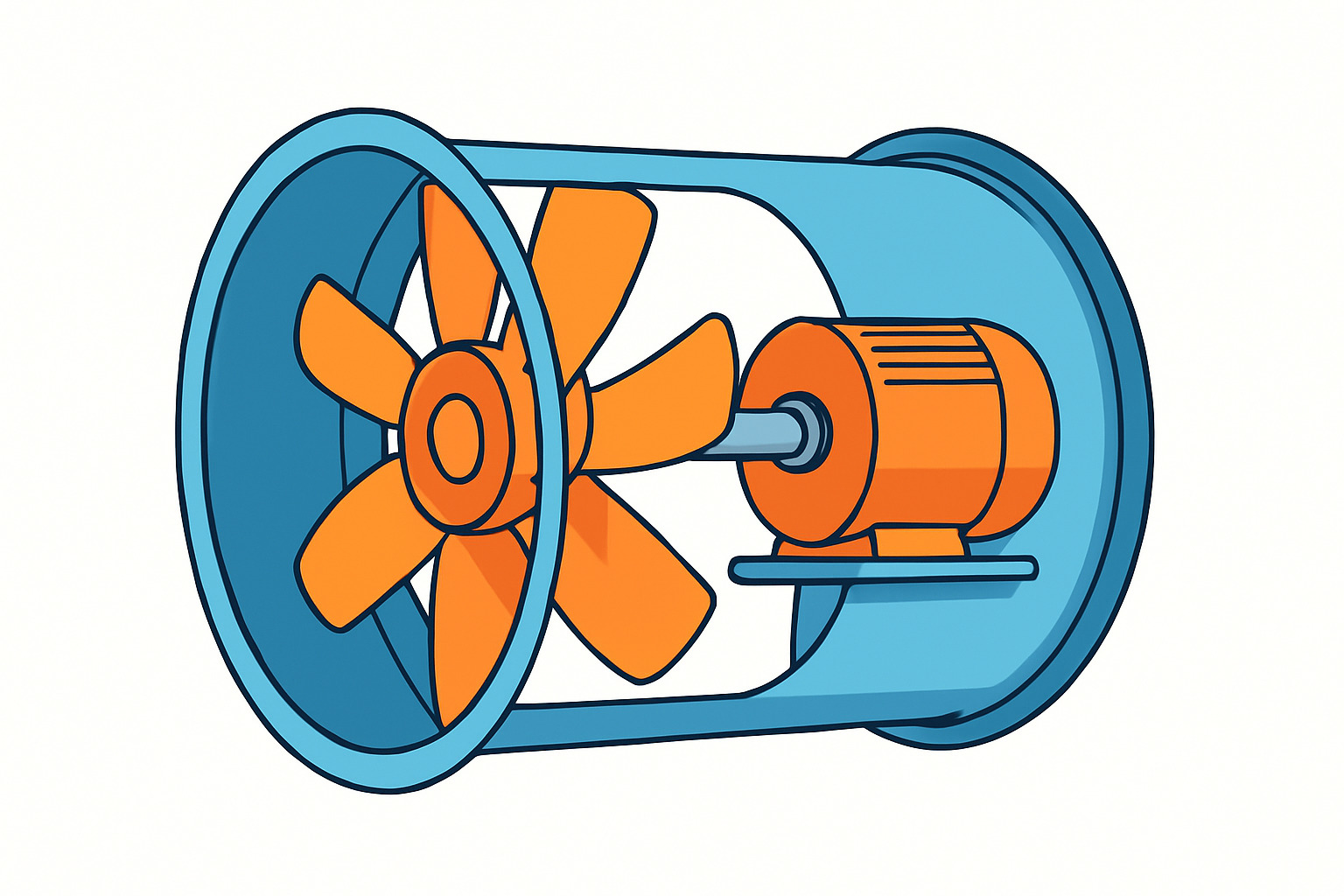
Centrifugal fans also tend to have higher initial cost and complexity. The scroll casing, inlet boxes, turning vanes and sometimes more complex drive arrangements add to fabrication and installation cost. When multiple fans are needed, these higher capital costs can be significant. In contrast, axial fans typically have simpler, more compact casings that can be installed directly in a duct or shaft.
From an efficiency standpoint, centrifugal fans are not always the best choice. For very high volume, low to medium pressure duties, such as main ventilation in long tunnels or large mines, axial fans often offer higher efficiency and lower energy consumption. Selecting a centrifugal fan for such low-pressure bulk ventilation may result in higher operating costs over the life of the project. Centrifugal designs also produce higher outlet velocities at the scroll tongue, which can increase noise and energy losses if diffusers are not properly designed.
Maintenance can also be more demanding. The scroll housing and narrow passages at the tongue are prone to dust build-up and erosion, especially when gases carry abrasive particles. Access to the impeller for cleaning and inspection may be more difficult than with some axial designs. If access doors and inspection points are not well designed, routine maintenance tasks can become time consuming and may be postponed, reducing reliability.
Noise is another potential disadvantage. Although centrifugal fans can be quiet when properly selected and installed, high tip speeds at the scroll tongue and abrupt flow direction changes can generate tonal and broadband noise. Additional silencers or acoustic treatment are often required, adding cost and pressure drop. In noise-sensitive mining or urban industrial environments, this must be accounted for from the start.
In summary, the disadvantages of centrifugal fans include larger size, higher initial cost, potentially lower efficiency for some high-volume duties, added maintenance complexity and possible noise issues. These drawbacks do not mean centrifugal fans are poor choices; they simply mean that engineers must compare them carefully with axial or mixed-flow fans and choose the most suitable type for each mining or industrial ventilation system.