
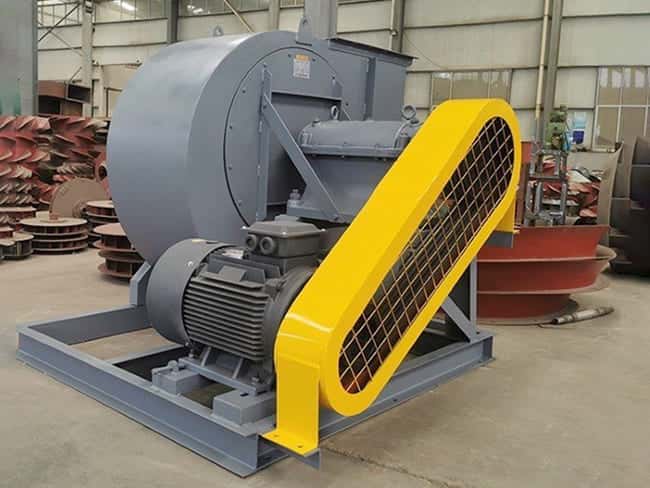
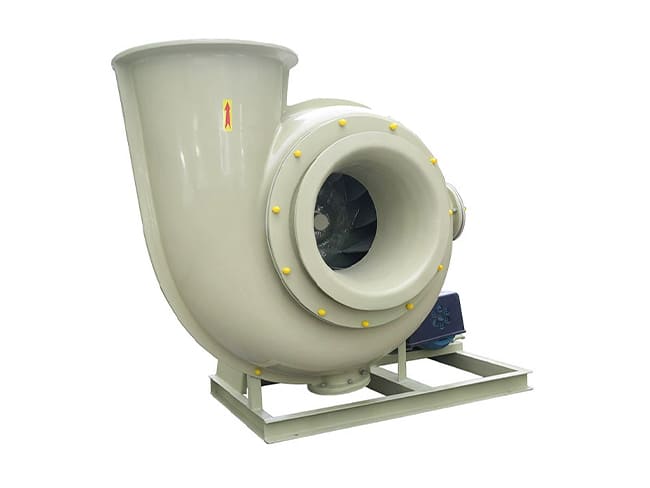
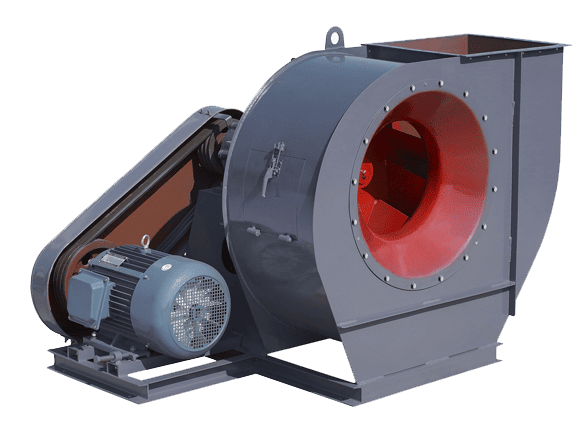
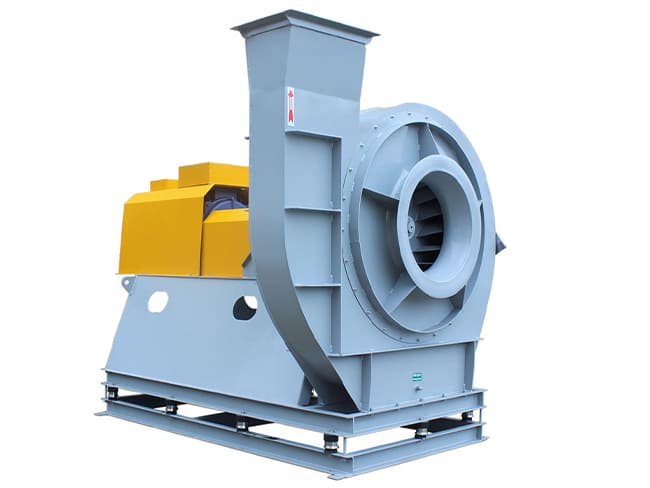
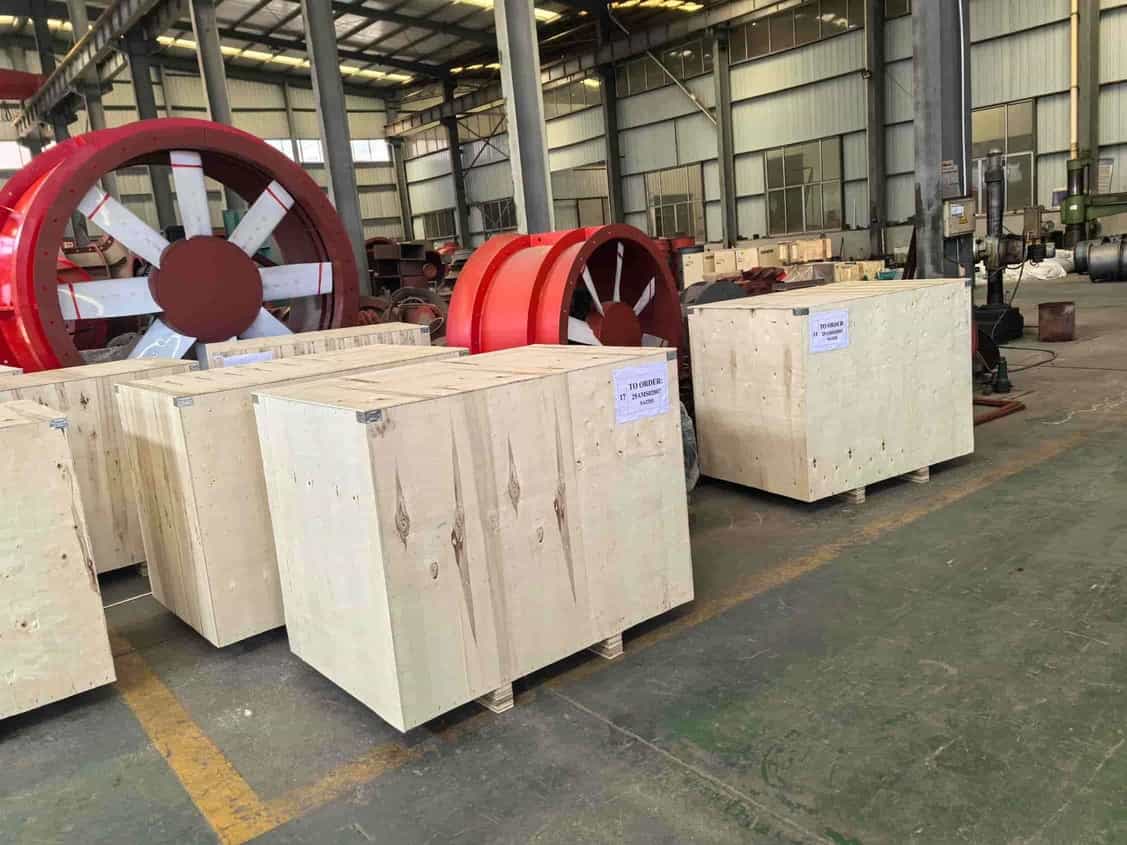

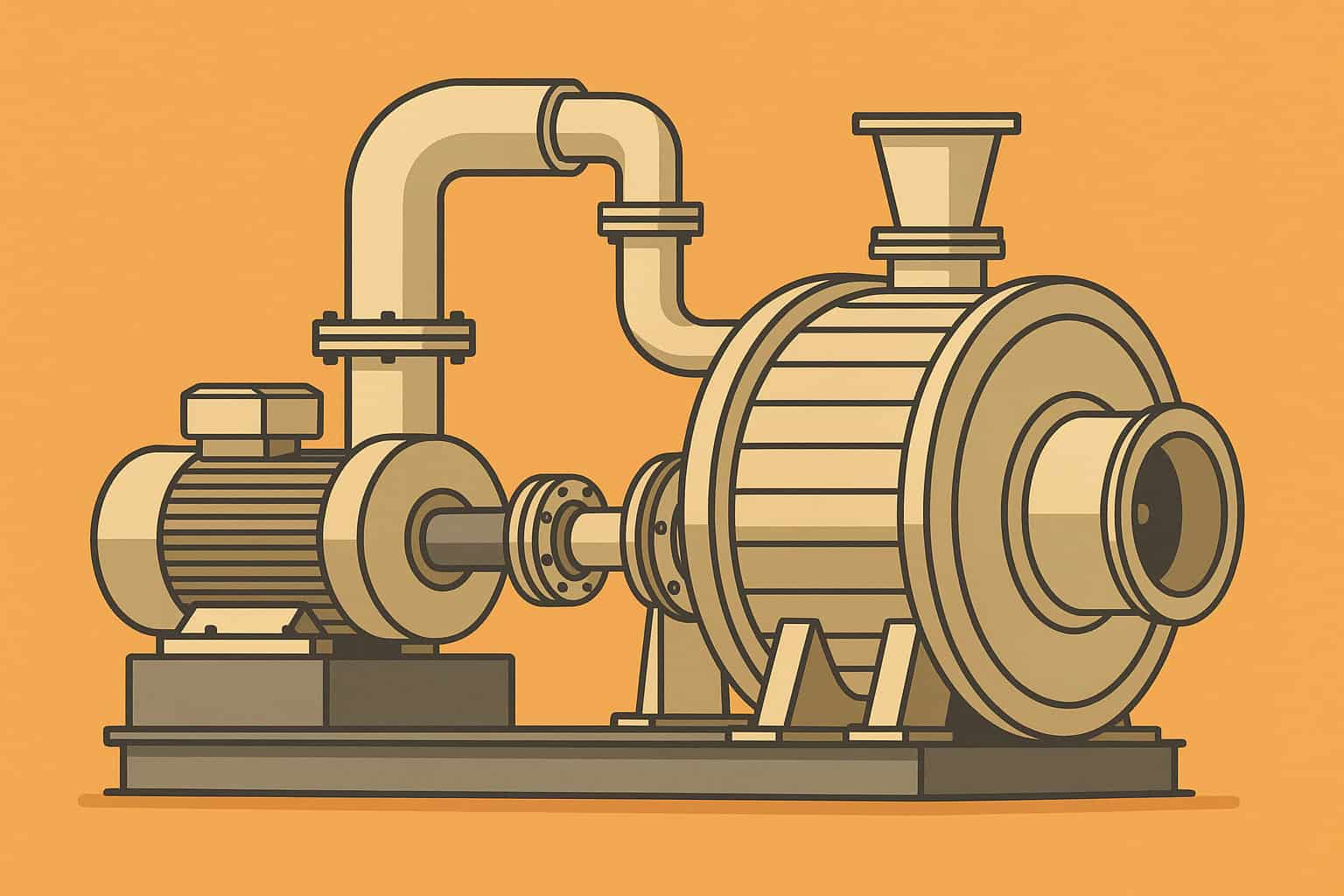
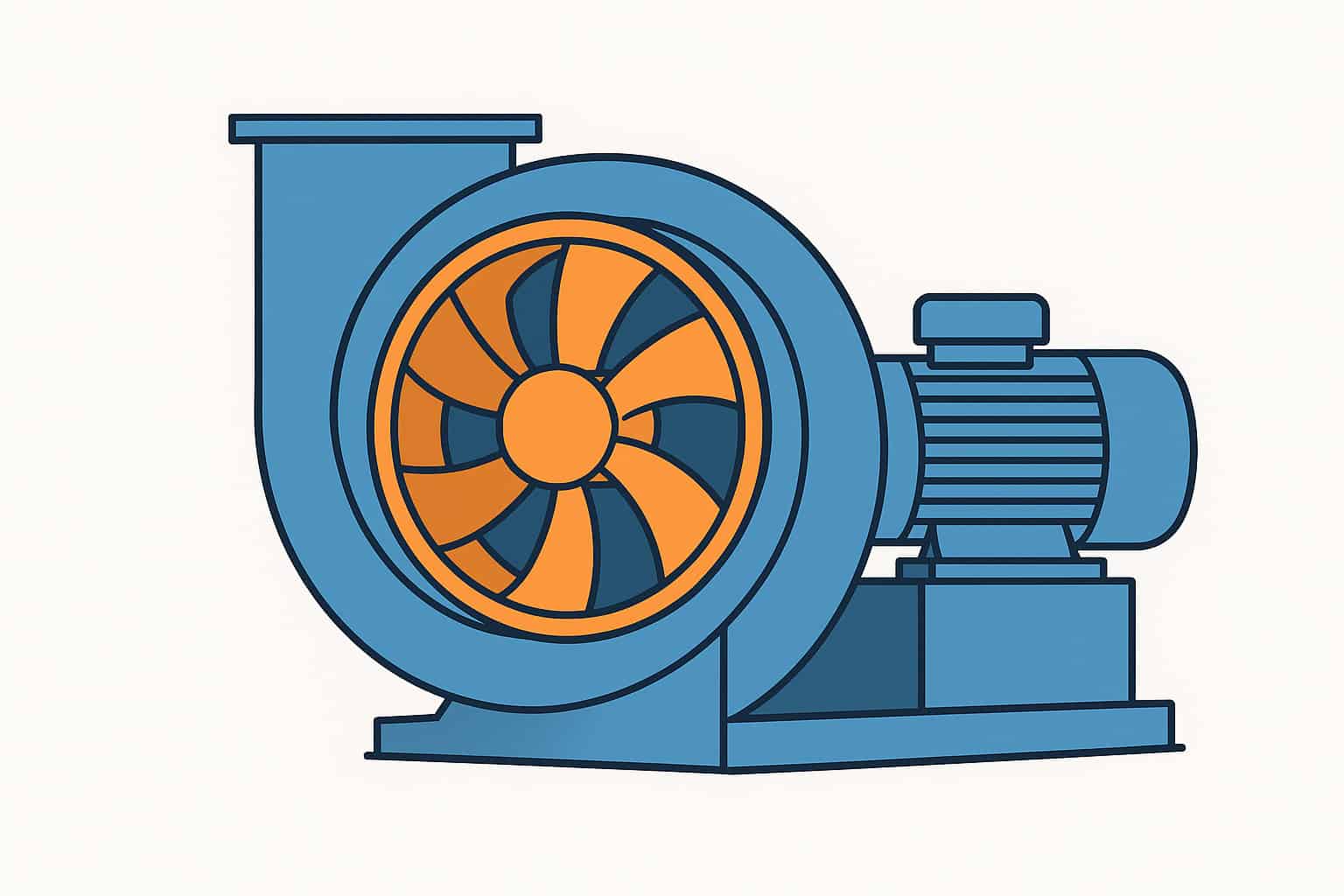
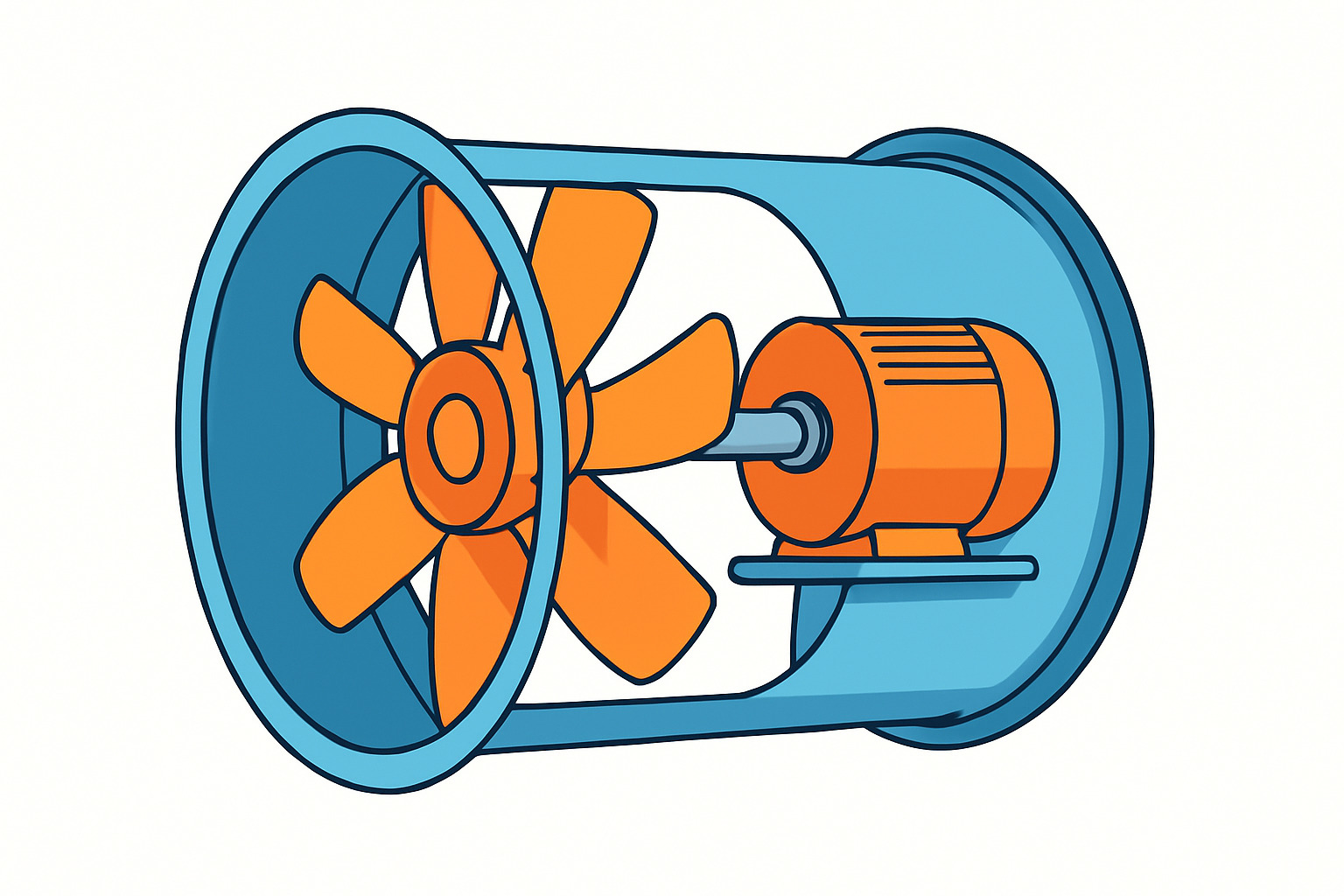
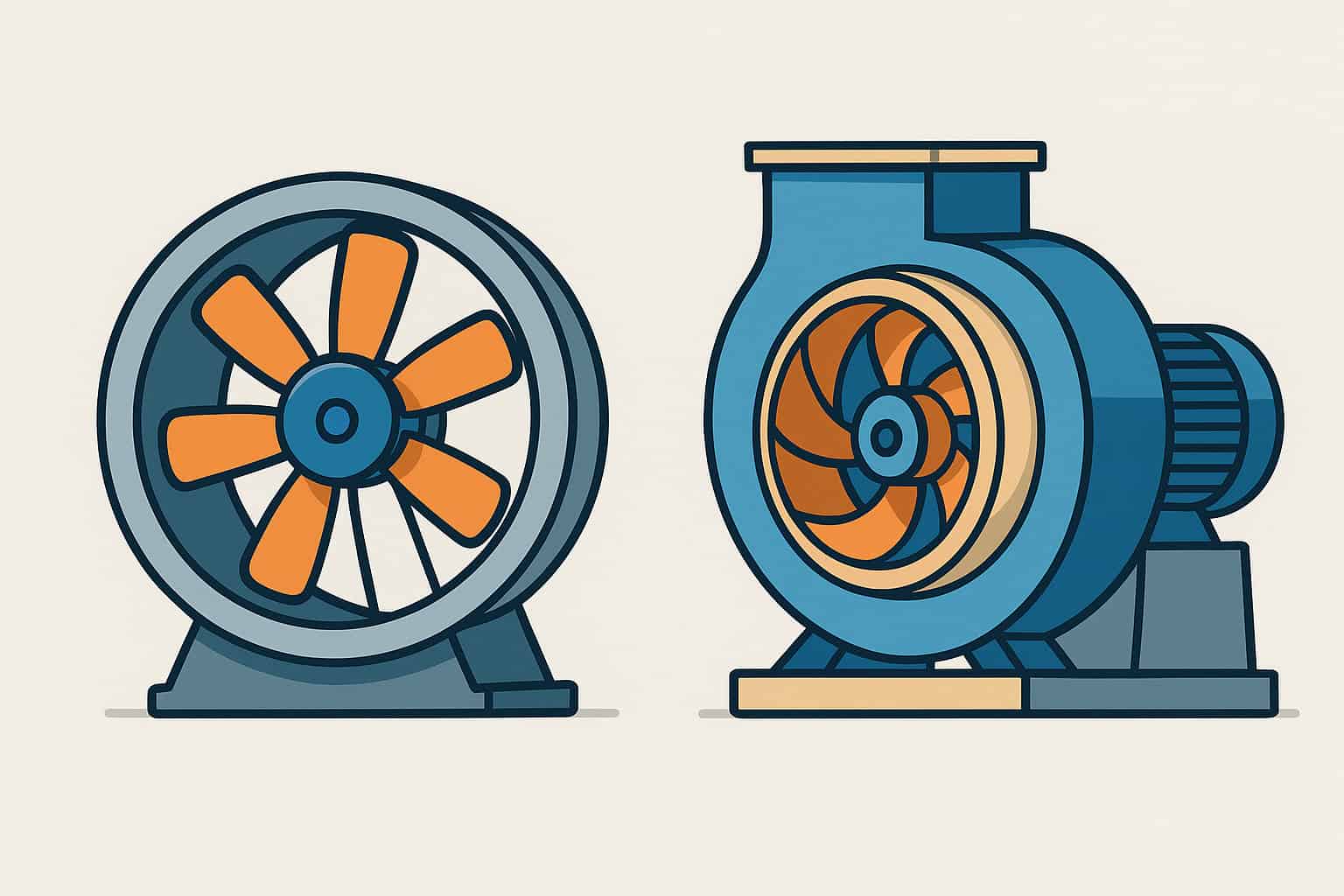
ID and FD fans are the two main draft fans that move air and flue gas through boilers and many industrial furnaces. FD stands for forced draft fan, and ID stands for induced draft fan. Together they form the backbone of the air and gas path, ensuring stable combustion, correct furnace pressure and efficient heat transfer.
The FD fan, or forced draft fan, pushes air into the system. It draws ambient air through filters, dampers and air heaters, then supplies it under pressure to the burners as combustion air. In coal, oil or gas fired boilers, the FD fan provides the bulk of secondary and tertiary air that mixes with fuel to form a stable flame. By adjusting FD fan flow and dampers, operators can control air excess, combustion efficiency and emissions such as carbon monoxide and unburned hydrocarbons.
The ID fan, or induced draft fan, pulls flue gases out of the system. It is usually located at the outlet of the boiler, after the air heater, and sometimes after dust collectors or scrubbers. The ID fan creates a slight negative pressure in the furnace and gas passages so that hot gases flow from burners through the heat exchange surfaces and then to the stack. By controlling ID fan speed and dampers, the total draft and furnace pressure are kept within safe limits, preventing gas leaks into the boiler house and avoiding backfire through burners.
In a well designed system, FD and ID fans operate in careful balance. If the FD fan pushes too much air for a given ID setting, furnace pressure can become positive, which risks hot gas leakage. If the ID fan pulls too hard, furnace pressure can become too negative, affecting flame shape and increasing air leakage into the boiler through doors and joints. Control systems therefore coordinate both fans to maintain the target pressure and flow across all operating loads.
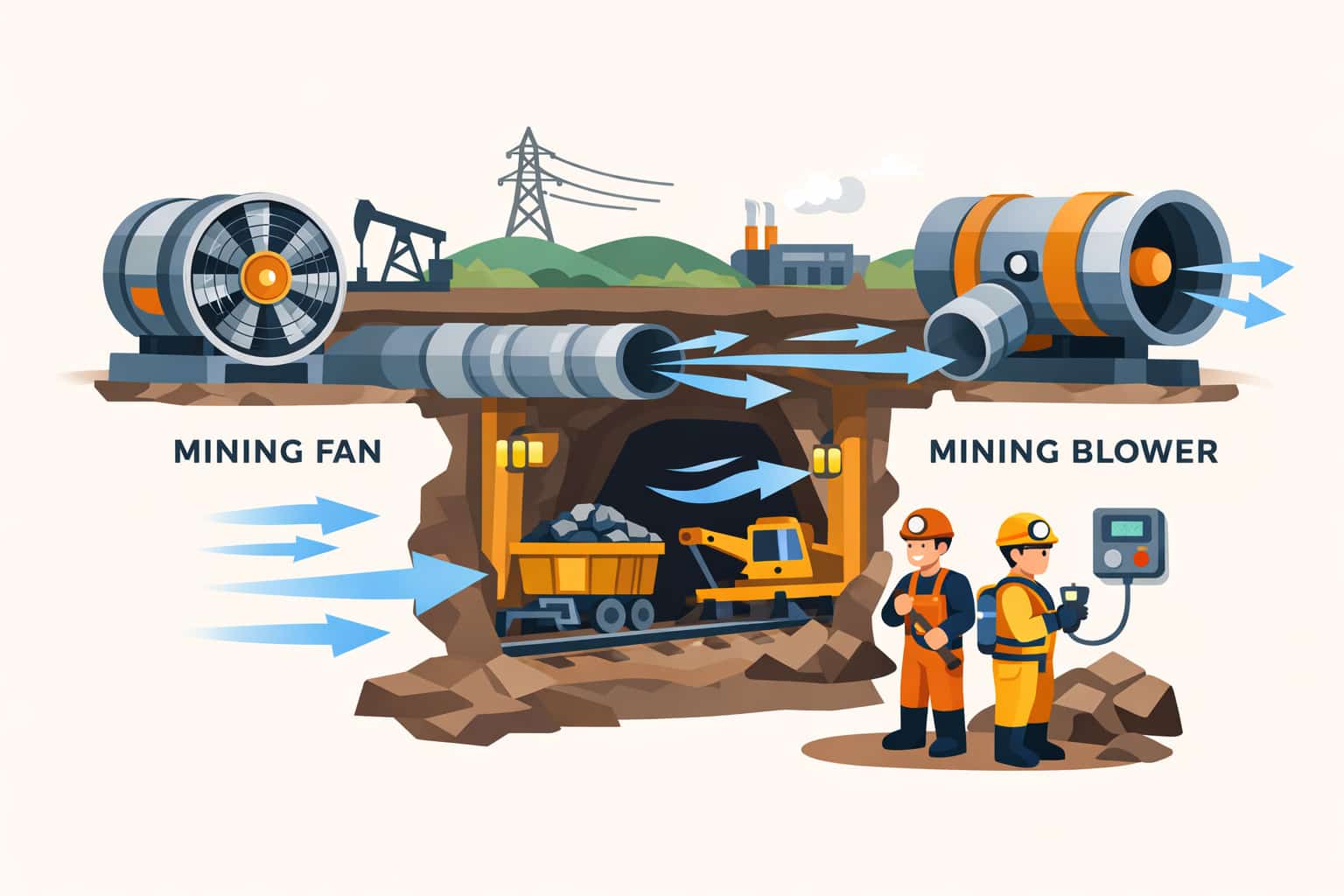
In industries related to mining and minerals, large boilers, kilns and dryers often use ID and FD fans to manage process gases and combustion air. The fans must cope with dust, high temperatures and often corrosive components in the flue gas. Good selection, materials, sealing and maintenance are essential to keep these ID and FD fans reliable, because their performance directly affects production and energy costs.
In summary, an FD fan forces combustion air into a boiler or furnace, while an ID fan induces the movement of flue gases out to the stack. Together they control airflow, furnace pressure and overall draft, making them critical components of industrial firing systems.
