

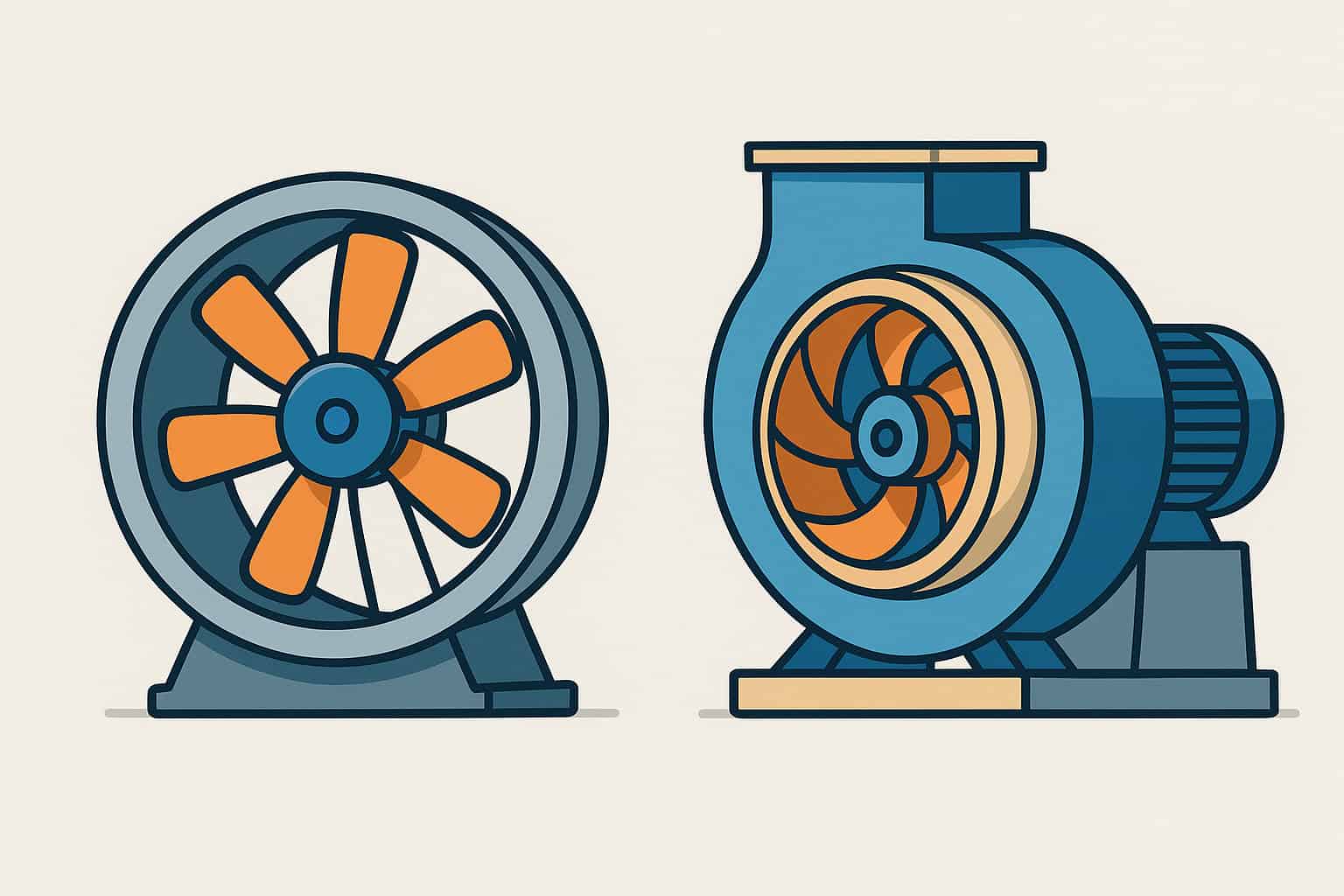
When people ask about the difference between a centrifugal fan and a “normal” fan, they usually mean the difference between a radial centrifugal fan and a common axial or propeller fan. Both are normal in industry, but they work in different ways and are used for different ventilation duties.
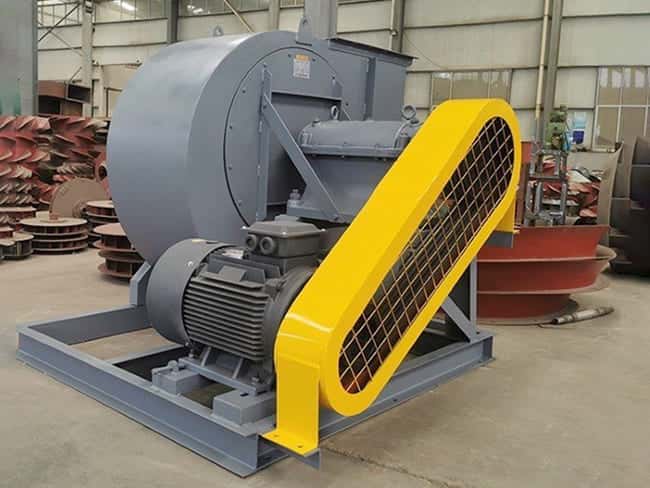
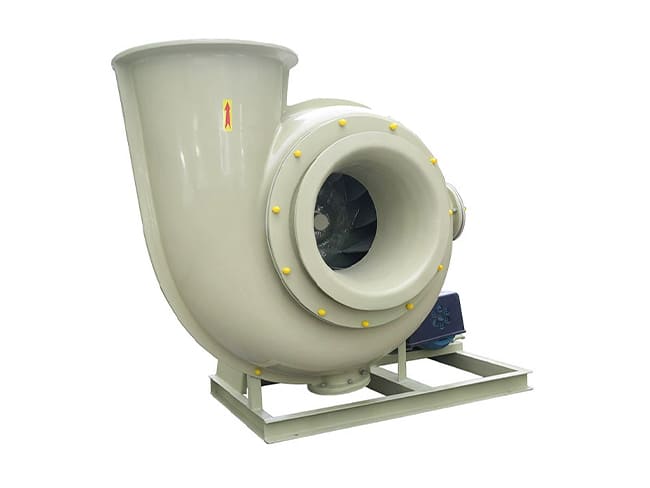
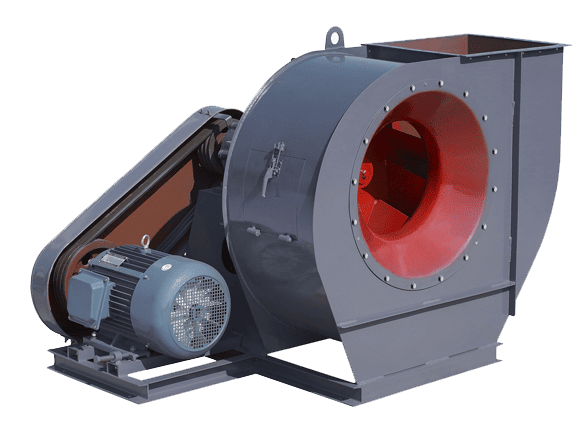
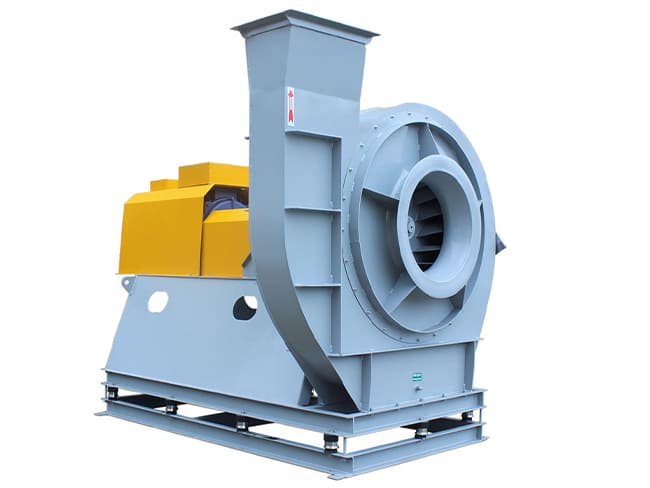
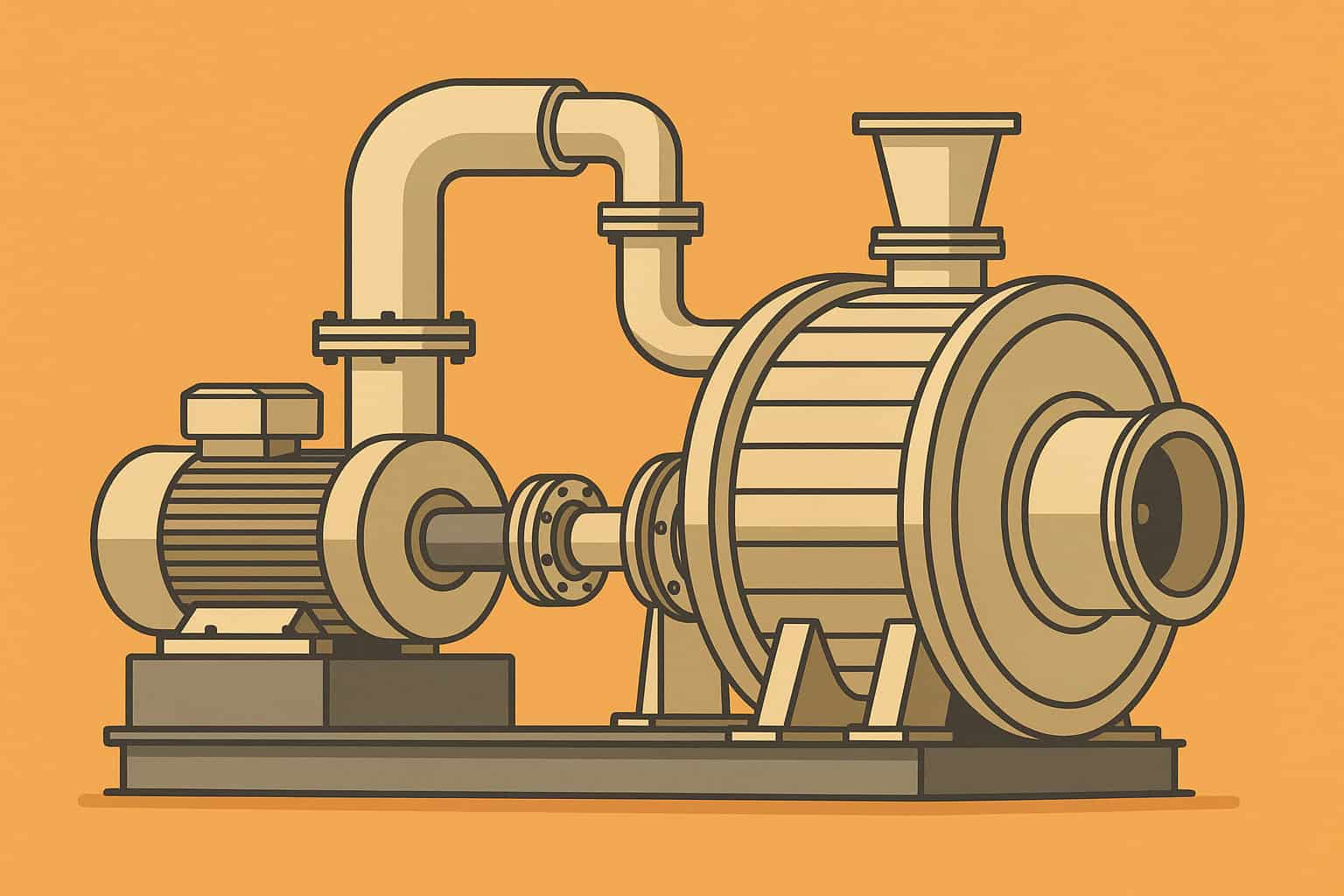
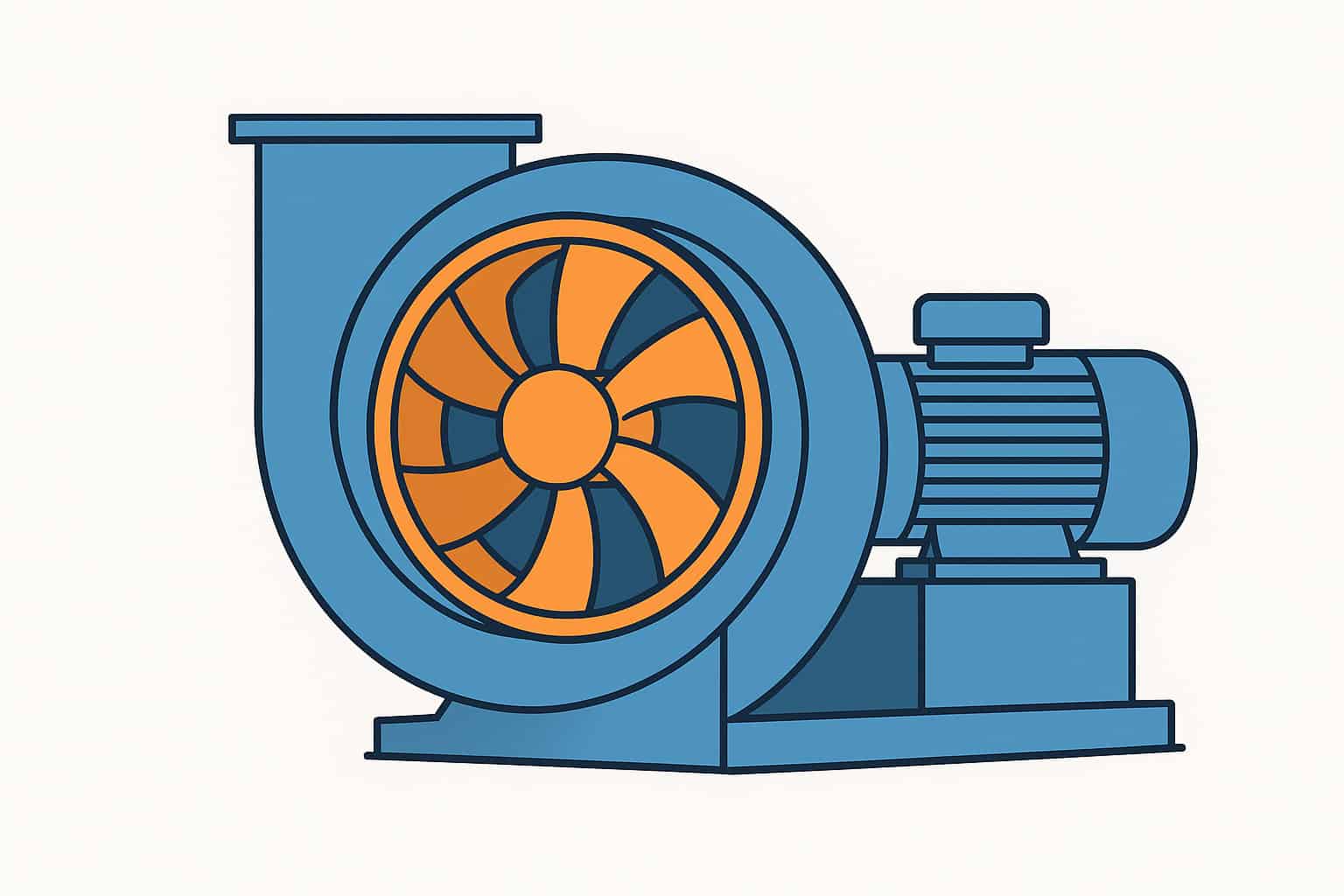
Centrifugal fans draw air into the centre (eye) of a rotating impeller and then throw it outwards into a spiral scroll housing. The air changes direction by about 90 degrees between inlet and outlet. This design allows the fan to generate relatively high static pressure, making it suitable for systems with long duct runs, many bends, filters, scrubbers or dust collectors. There are several blade types—backward curved, backward inclined, radial and forward curved—each with specific performance and dust-handling characteristics.
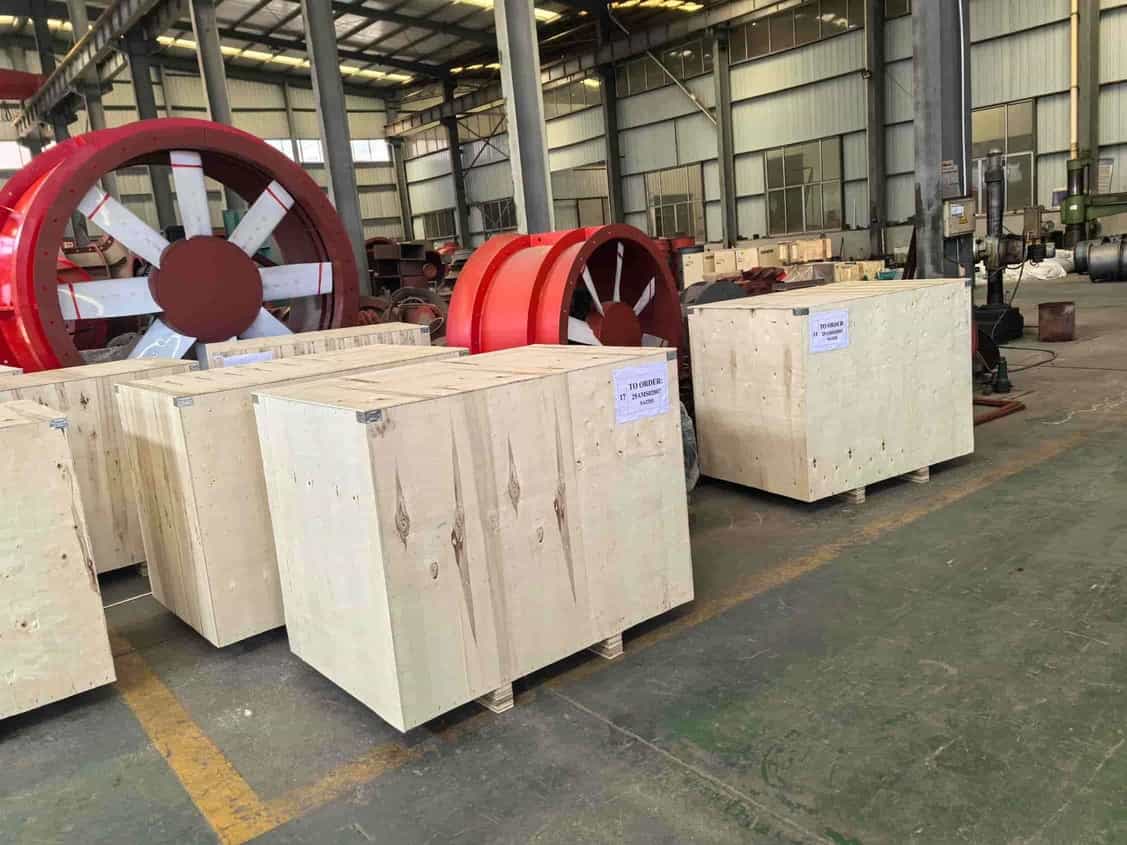
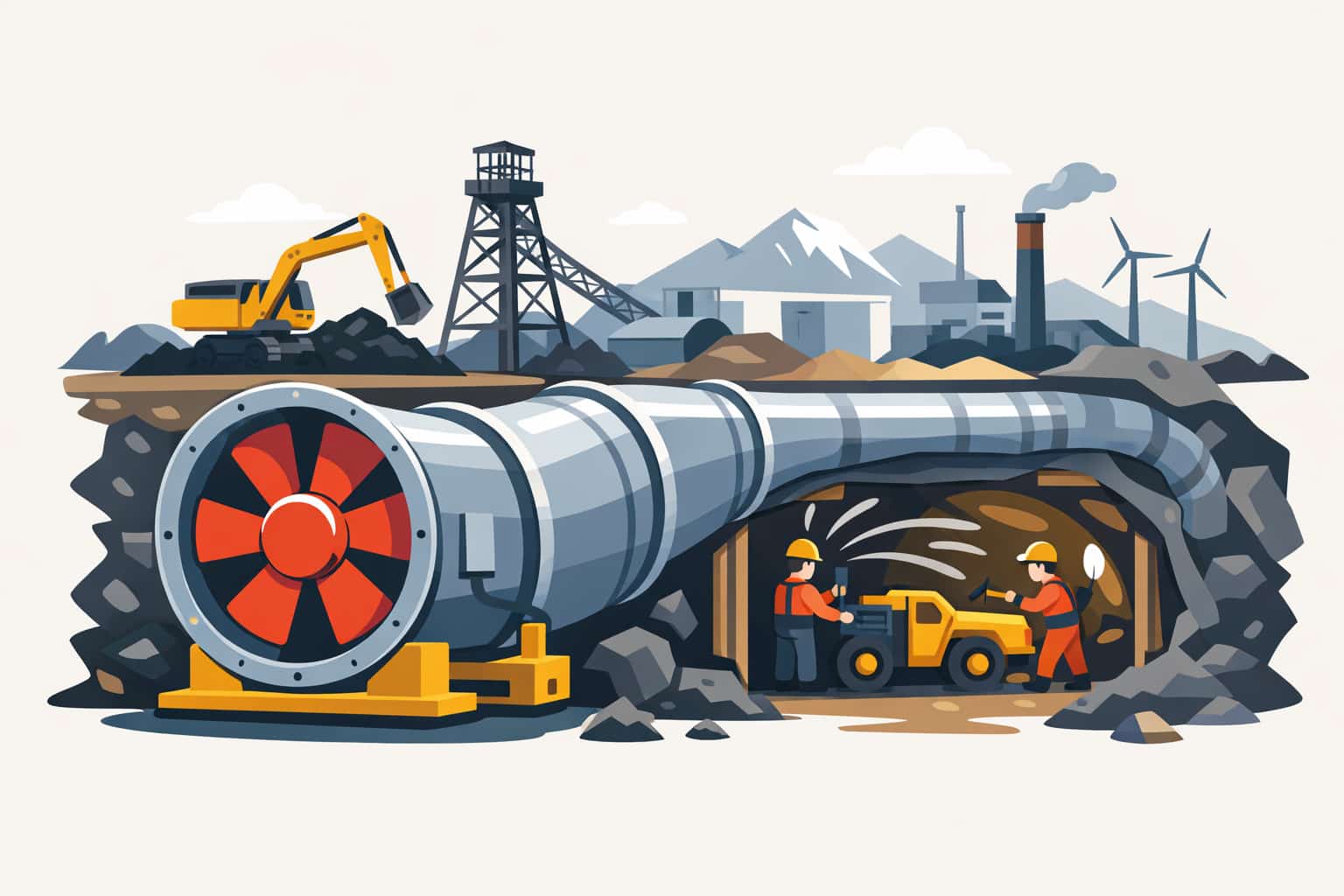
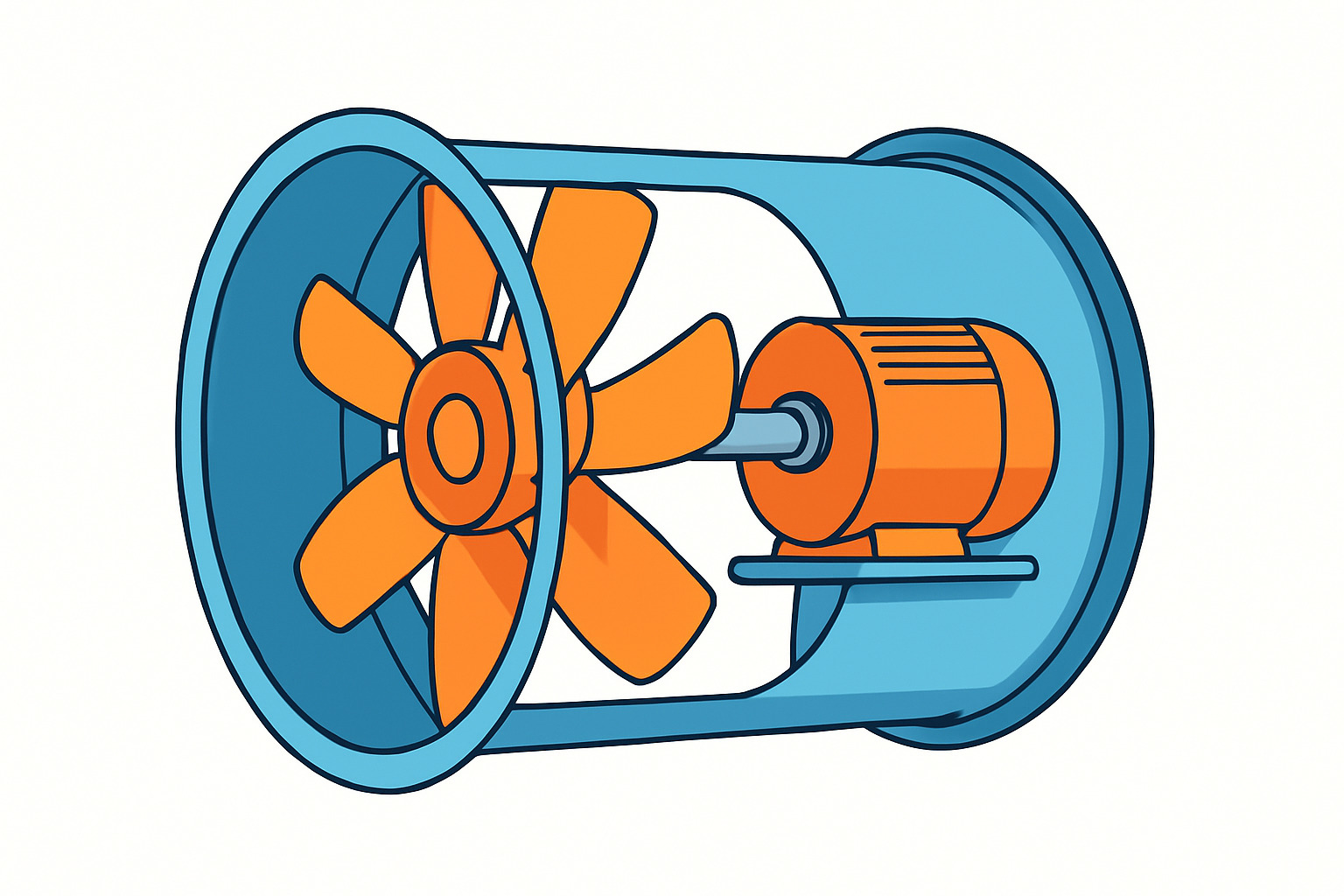
By contrast, a typical “normal” fan in everyday language is an axial fan. Axial fans move air parallel to the shaft, like a propeller. Air enters at one end and leaves at the other in almost a straight line. They are very good at delivering large volumes of air at relatively low to medium pressure. This is why axial fans are widely used as tunnel fans, mine auxiliary fans, cooling tower fans and general ventilation fans in large spaces and ducts.
Several practical differences follow from these flow patterns:
- Pressure capability: Centrifugal fans can reach higher pressures and are usually chosen for high resistance systems. Axial fans are preferred when high volume at moderate pressure is needed.
- Efficiency: Both types can be efficient if correctly selected. Backward-curved centrifugal fans and well-designed axial fans have high peak efficiencies, but only in their intended operating ranges.
- Dust and particulate: Rugged radial-blade centrifugal fans handle dusty, abrasive or sticky air better than most axial designs and are common on crushers, mills and material handling points.
- Size and layout: Axial fans are more compact in the flow direction and fit neatly into ducts and tunnels. Centrifugal fans need more space around the casing but offer flexible discharge directions.
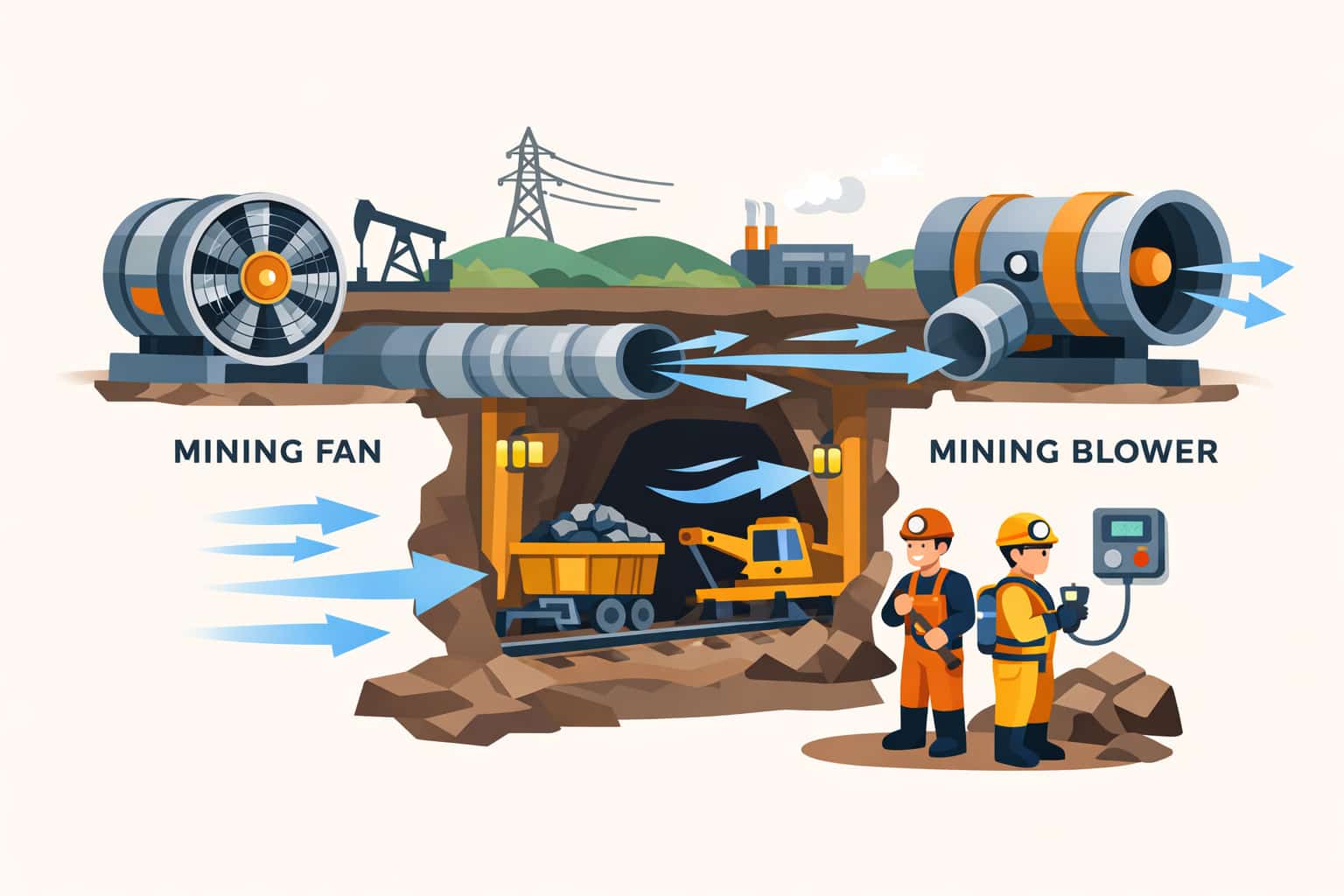
In mining ventilation, large axial fans are often used as main and booster fans along roadways and shafts, while centrifugal fans may serve dust extraction systems, booster stations with higher pressure requirements or surface industrial processes associated with the mine.
In summary, a centrifugal fan moves air radially and is best for higher pressure, often dusty systems, whereas a typical “normal” axial fan moves air straight through and is ideal for moving large volumes in ducts, tunnels and mines with moderate resistance. The right choice depends on the ventilation duty rather than on one fan being universally better than the other.