
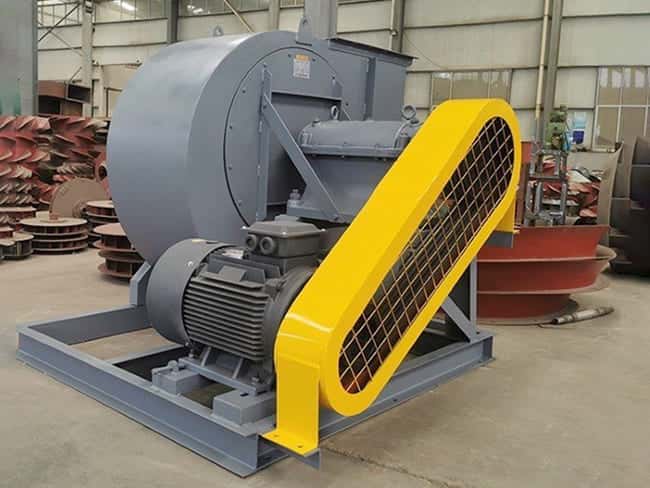
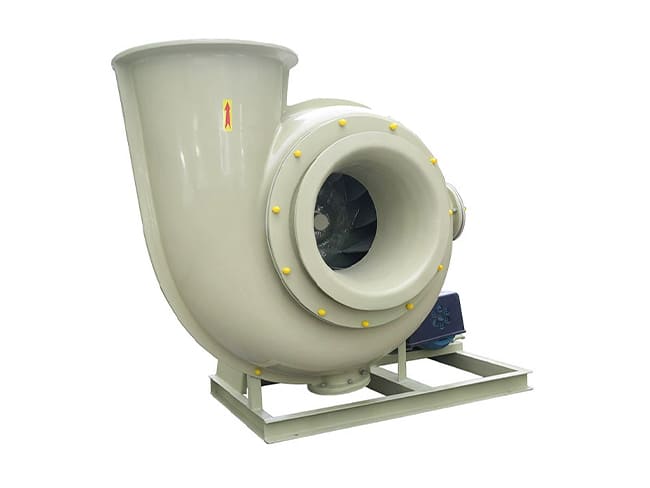
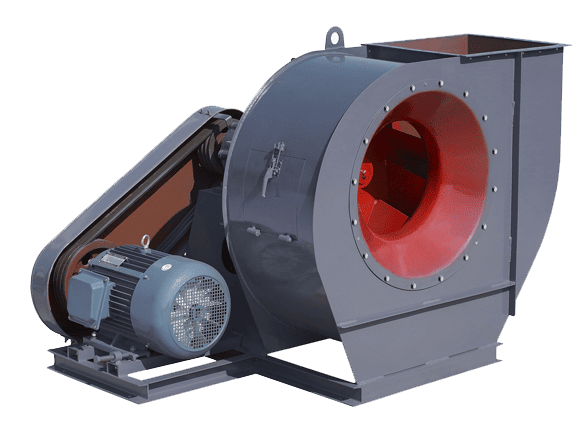
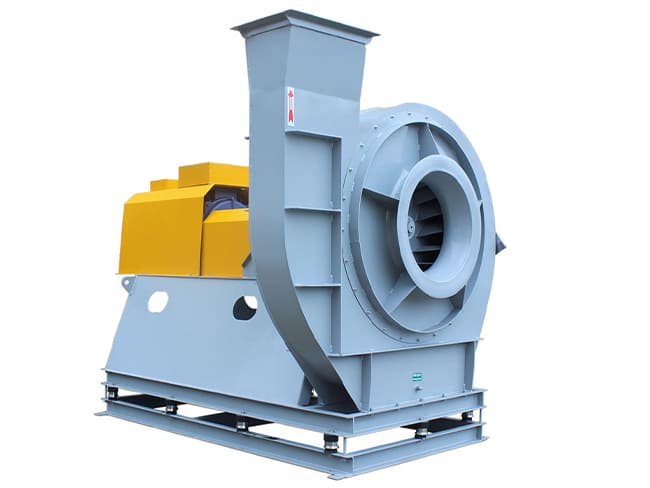

The PA fan (primary air fan) and the ID fan (induced draft fan) are both critical parts of the air and gas handling system in boilers and some industrial furnaces, but they perform very different functions. Understanding the difference between PA and ID fans is important for anyone involved in power plant operation, industrial boiler systems or large process heaters.
The PA fan is responsible for supplying primary air to the fuel preparation and combustion system. In coal-fired plants, the PA fan delivers air to the coal mills or pulverisers, where it dries and transports the coal dust to the burners. In some oil and gas systems, primary air may be used for fuel atomisation and initial mixing. The PA fan must provide enough pressure to overcome mill resistance, burner registers and associated ductwork. Its air flow is closely linked to the fuel feed rate, because the air–fuel ratio must stay within a safe and efficient range.
The ID fan, by contrast, handles the flue gases leaving the furnace and boiler. It is installed downstream of the boiler, air preheater and dust collection equipment, and its job is to pull flue gas through all these components and discharge it into the chimney or stack. By doing so, the ID fan maintains the desired furnace pressure, usually slightly negative relative to ambient, which prevents hot gases and flames from leaking into the boiler house. The ID fan must overcome the total gas-side resistance of the boiler and gas cleaning system.
In a complete draft system, PA, FD (forced draft) and ID fans work together. The PA fan focuses on delivering primary combustion air (often at higher temperature and pressure) to the burners and mills. The FD fan supplies secondary and sometimes tertiary air to complete combustion and to shape the flame. The ID fan then pulls the resulting flue gases through the boiler and out to the stack. Control systems coordinate these fans to maintain correct air–fuel ratios, furnace pressure and stack oxygen levels.
From a design perspective, PA fans are usually sized based on the requirements of the fuel system and burner configuration, and they often handle hotter, dust-laden air, which affects materials and wear considerations. ID fans are sized according to boiler capacity, gas volume and total system resistance, and they often require robust construction, erosion protection and sometimes noise control because they handle large gas flows continuously.
In summary, the PA fan supplies and controls primary combustion air to mills and burners, directly influencing fuel drying and transport, while the ID fan pulls flue gas through the boiler and downstream equipment, controlling furnace draft and ensuring safe, efficient gas discharge to the stack.