
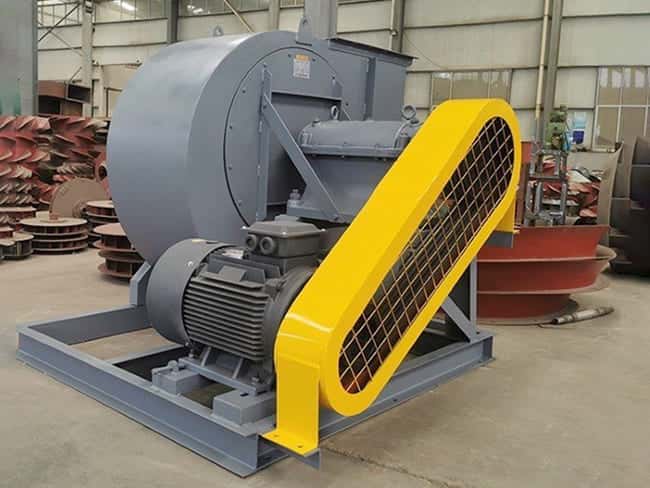
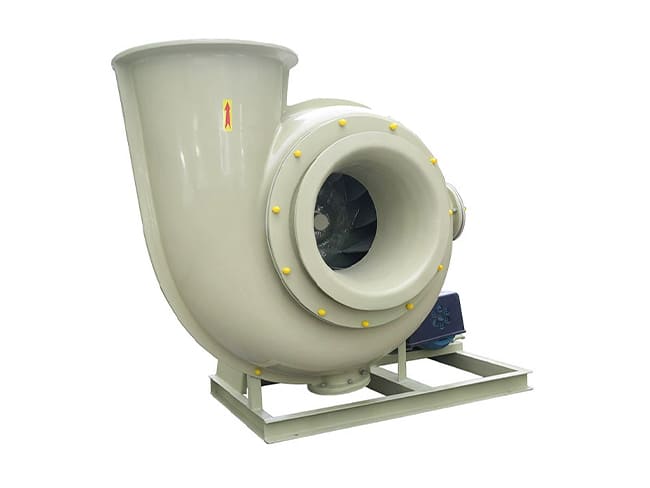
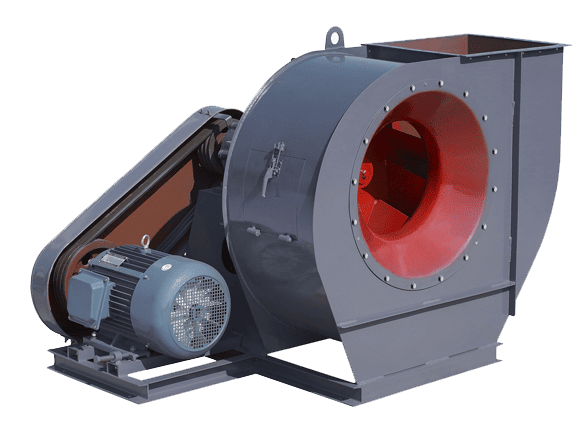
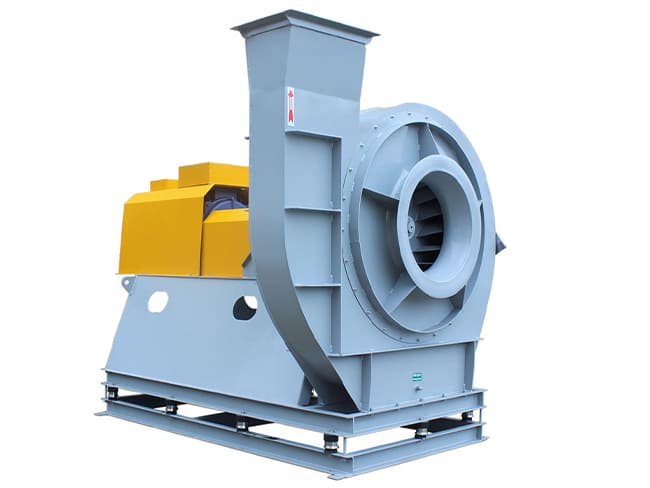

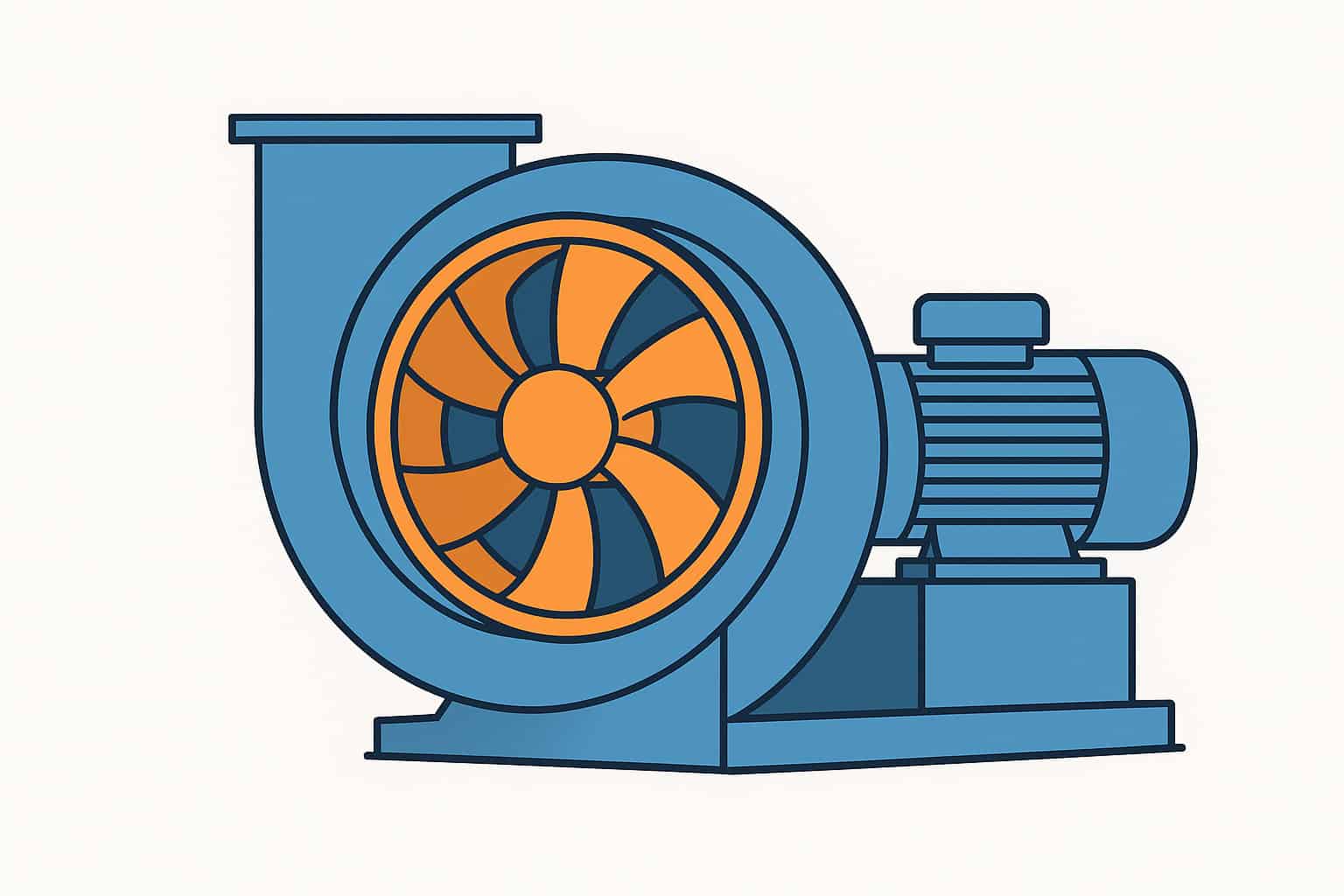
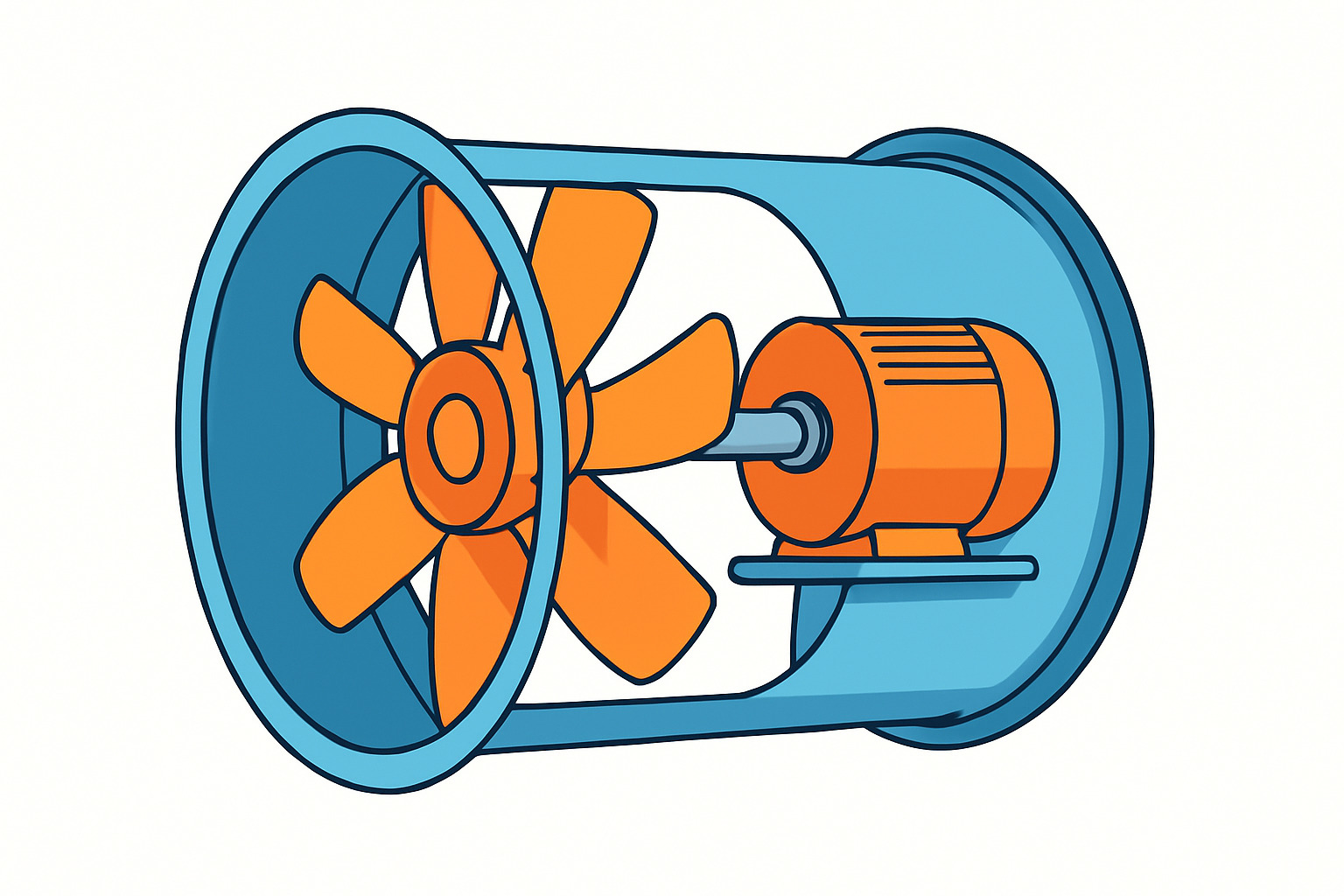
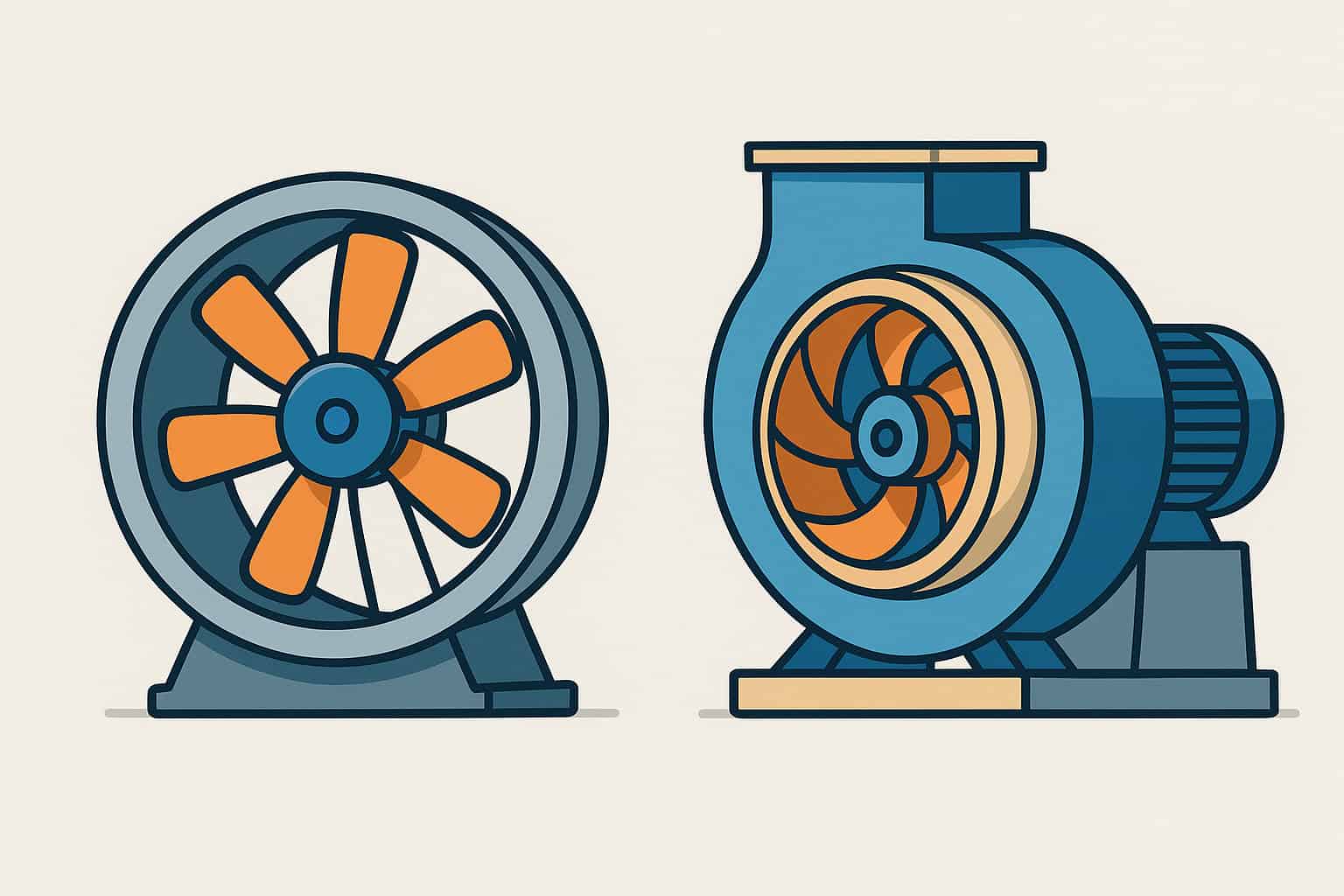
The FD fan, or forced draft fan, is a specialised air fan used to supply controlled combustion air to boilers, furnaces and some industrial kilns. Its main purpose is to push air into the combustion chamber at the correct volume and pressure so that fuel burns efficiently and safely. Without a properly selected and controlled FD fan, it would be difficult to maintain stable flame conditions, achieve good fuel economy or meet emission limits in many industrial plants and power stations.
The FD fan draws air from the atmosphere, often through filters and sometimes through an air preheater, and then delivers this air under positive pressure to the burner registers or windboxes of the boiler or furnace. By controlling the FD fan flow and pressure, operators can adjust the amount of combustion air supplied to match the fuel firing rate. This allows them to maintain the correct air–fuel ratio, which is essential for complete combustion, low carbon monoxide and reasonable NOx levels.
In a typical boiler system, the FD fan works together with the ID fan (induced draft fan) and sometimes a secondary air fan. While the FD fan pushes fresh air in, the ID fan pulls flue gases out through the boiler, air preheater, dust collection equipment and stack. The combination of FD and ID fans establishes the overall draft in the furnace and gas path. The FD fan must supply enough pressure to overcome the resistance of burners, ducting and air preheaters while still allowing the ID fan to maintain the desired furnace pressure.
Because combustion conditions strongly affect boiler efficiency and emissions, the FD fan is usually controlled automatically. Modern systems use variable speed drives or dampers, linked to oxygen, fuel flow and furnace pressure measurements, to fine-tune air delivery. If the FD fan delivers too little air, combustion becomes incomplete, resulting in unburnt carbon, high CO and possible smoke. If it delivers too much air, efficiency drops because excess air carries heat away up the stack.
The FD fan must also be designed to withstand continuous operation in challenging environments. In large coal- or biomass-fired boilers, the fan handles high air volumes at moderate pressures, often at elevated temperatures if the air is preheated. Robust construction, reliable bearings and proper balancing are necessary to ensure long service life and low vibration. For plants handling dusty or corrosive combustion air, special materials and coatings may be required.
In summary, the purpose of the FD fan is to supply the correct quantity and pressure of combustion air to boilers and furnaces, enabling stable flames, efficient fuel use and good draft control. It is a key component in the overall air and gas handling system of many industrial and power generation facilities.