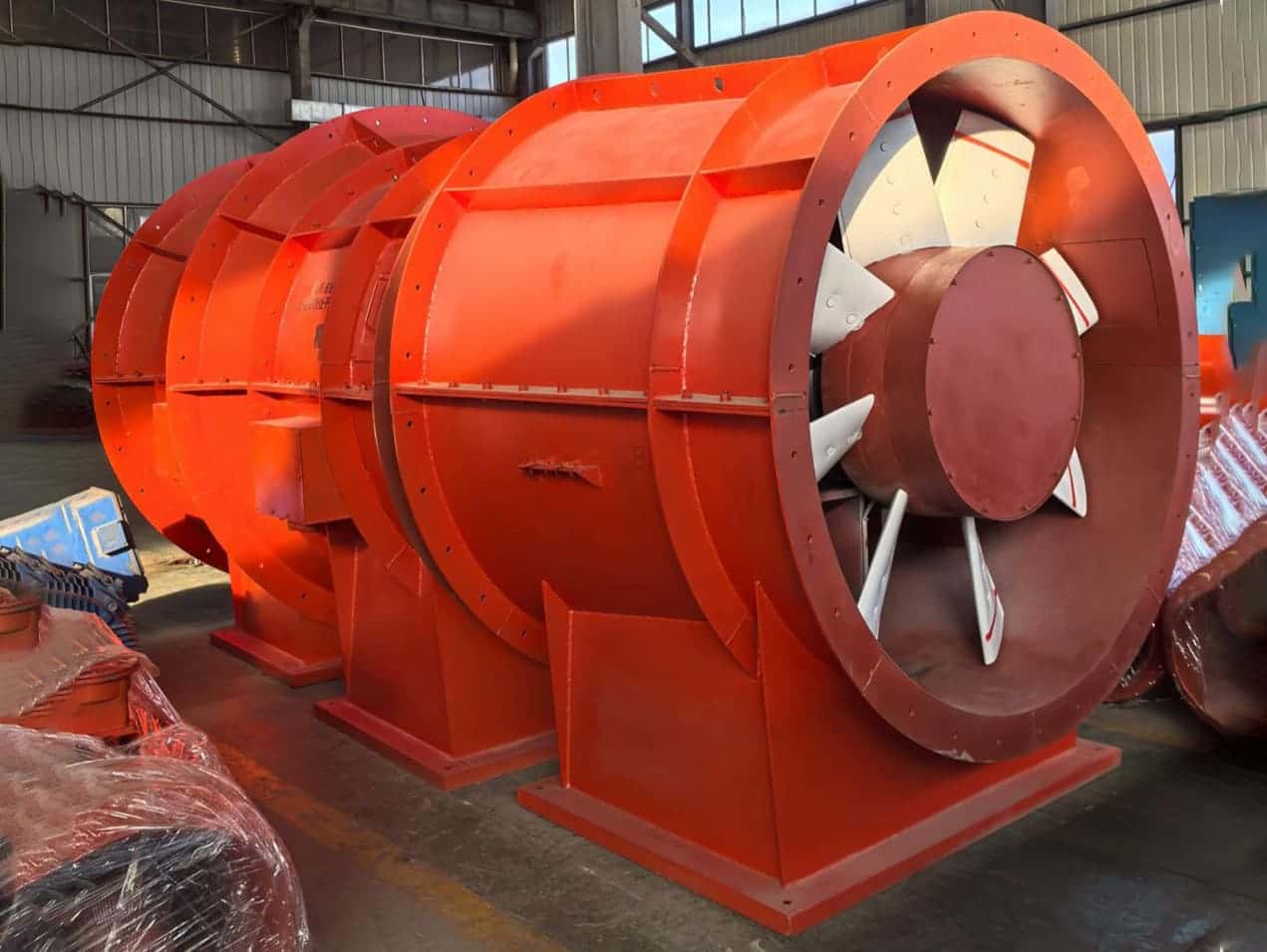
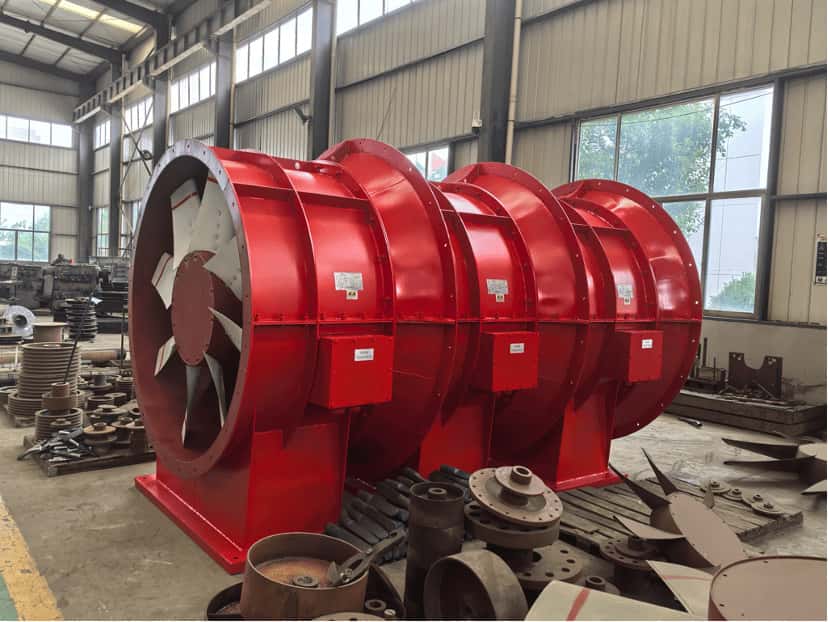
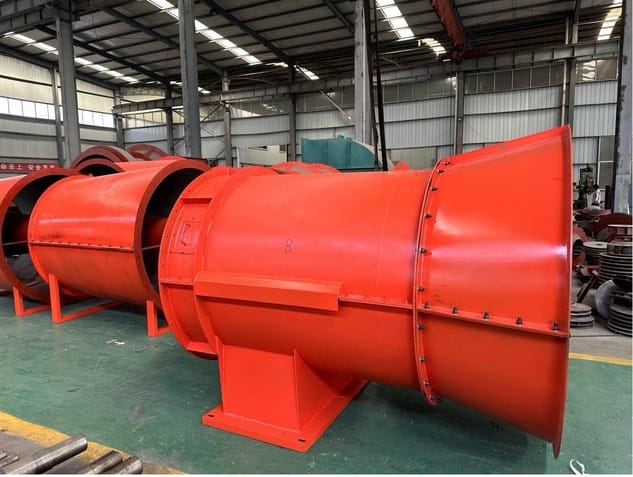
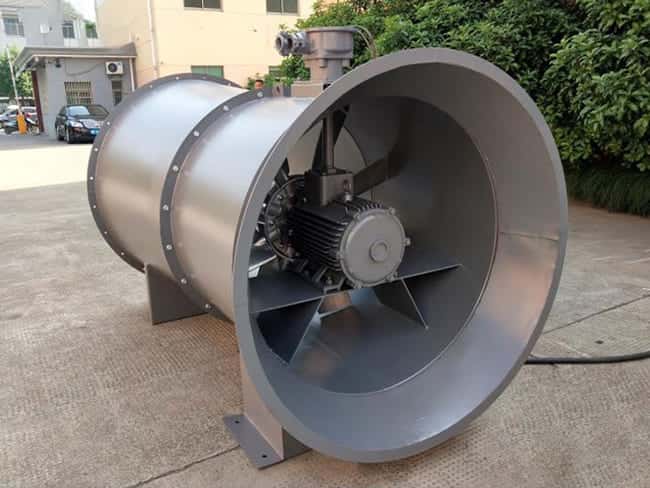
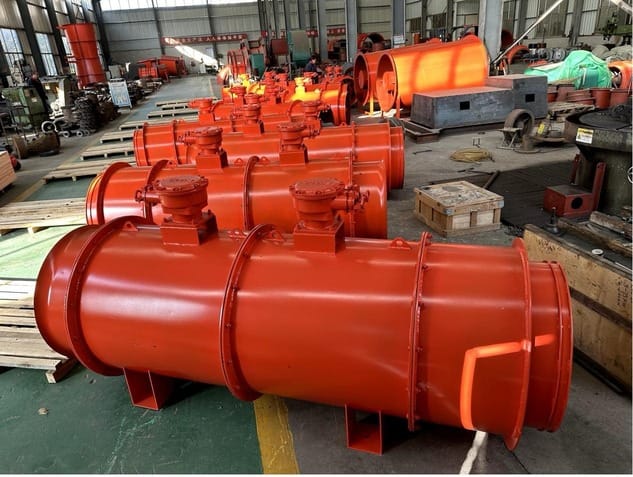
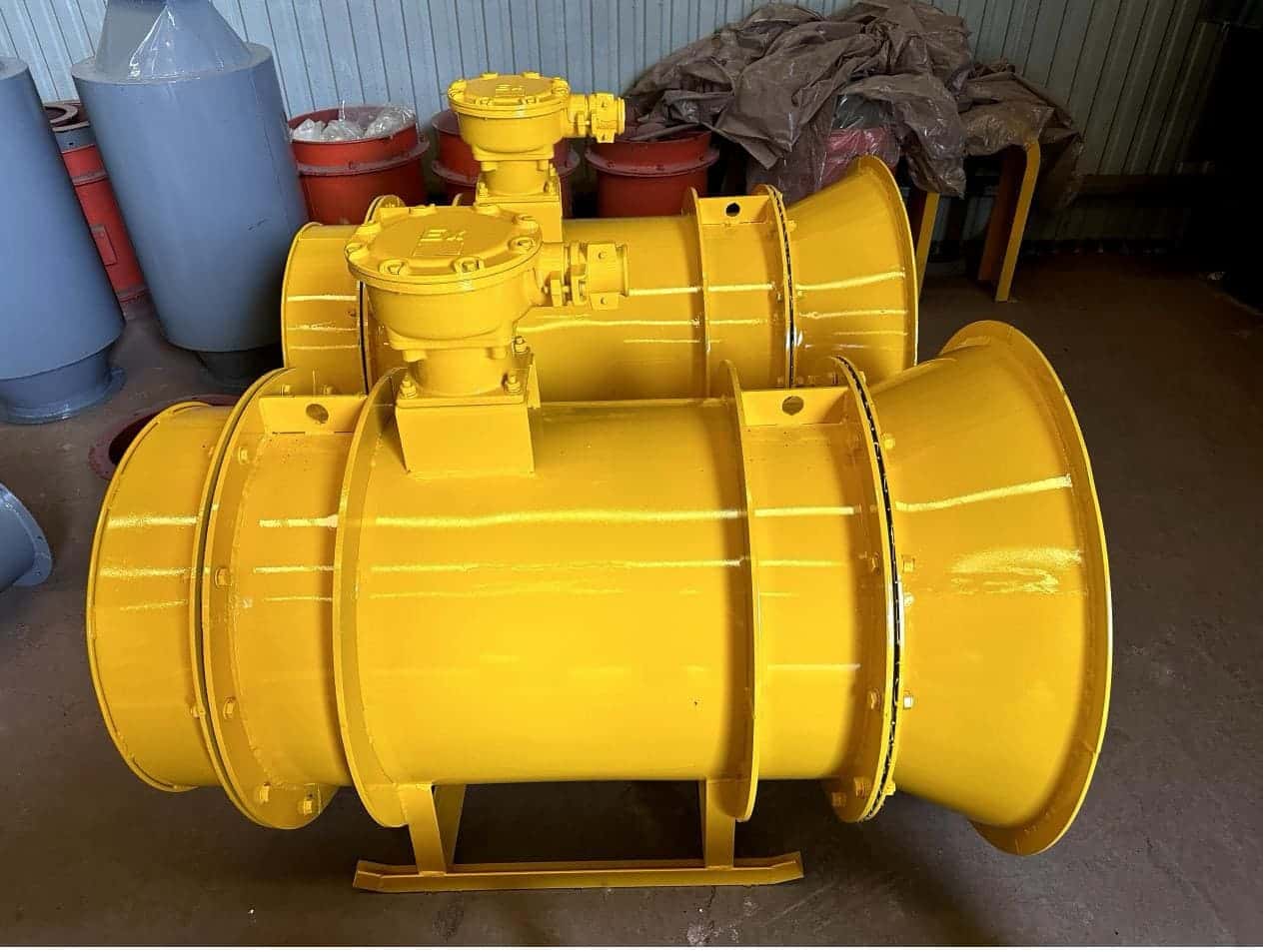
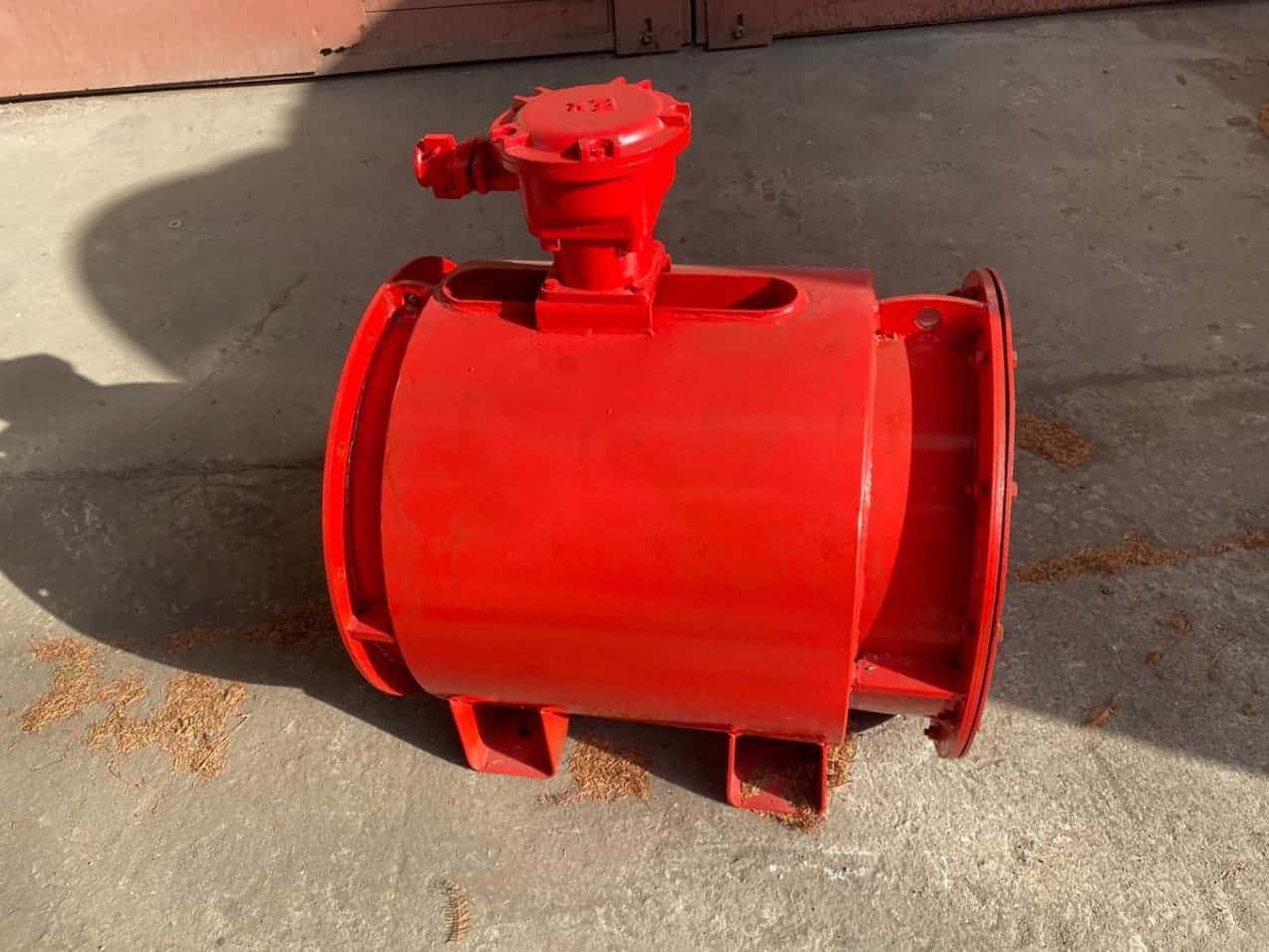
Underground mine ventilation is the engineered process of moving air through an underground mining operation to keep conditions safe and workable. It uses large mine ventilation fans, shafts, raises, declines, airways and control devices to supply fresh air to all working places and remove gases, dust, heat and fumes. Without a well-designed underground ventilation system, modern mining at depth or in extensive orebodies would not be possible.
The core of underground mine ventilation is the primary ventilation circuit. Large axial or centrifugal fans, usually located on surface shafts or at the portal of a decline, create a pressure difference between intake and return airways. Fresh air enters through intake shafts and ramps, flows through levels, crosscuts and production areas, and returns through dedicated return drifts and raises to exhaust fans. This continuous circuit ensures that air is always moving and that contaminants are carried away from working areas.
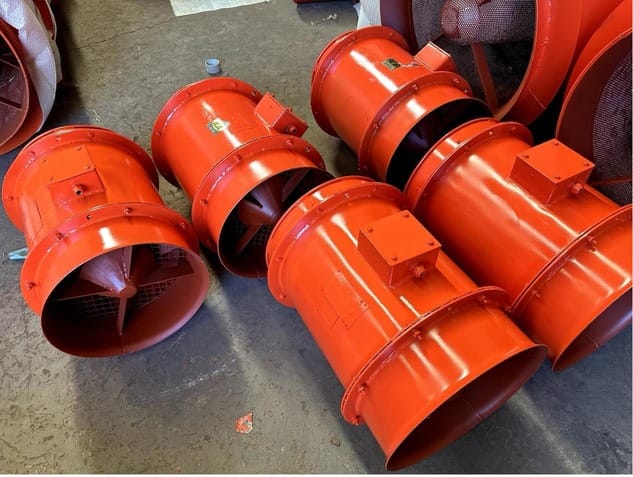
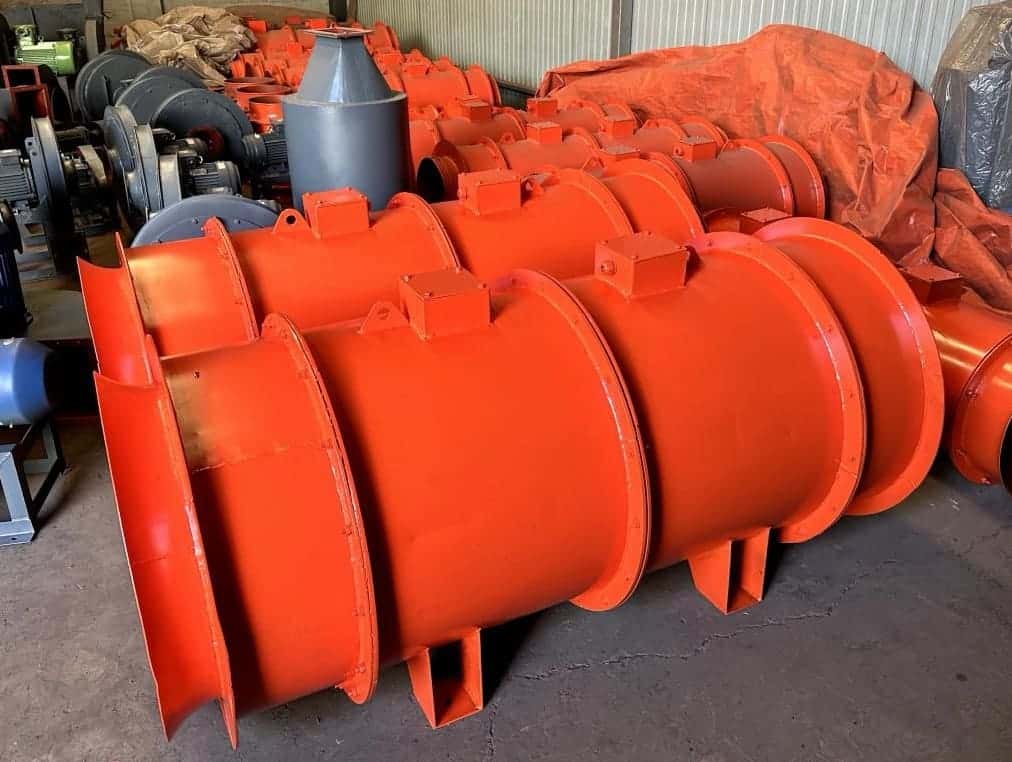
In addition to primary ventilation, underground mines rely heavily on secondary or auxiliary ventilation. Auxiliary fans and ventilation ducts deliver air to blind headings, development drives, stopes and other locations that are not directly connected to main airways. Depending on the layout, these systems can be forcing (pushing fresh air to the face) or exhaust (pulling contaminated air away). Auxiliary ventilation must be continuously adjusted as development advances and production areas change.
Underground mine ventilation serves several key functions. It must supply oxygen so that workers can breathe and combustion processes such as diesel engines and explosives can operate safely. It must dilute and remove harmful gases like methane, carbon monoxide, carbon dioxide and nitrogen oxides. In coal mines and some metal mines, preventing explosive mixtures and maintaining gas concentrations below legal limits is a central task for the ventilation engineer.
Another major role is to control dust and diesel particulates. Drilling, blasting, loading, hauling and crushing all generate fine dust that can cause long-term lung disease. Diesel engines add particulate matter and fumes. Underground ventilation airflow, combined with dust suppression and filtration where needed, carries these contaminants away from breathing zones and helps maintain occupational exposure within standards.
Underground mine ventilation is also essential for heat and humidity management. At greater depth, rock temperatures rise and mining equipment produces considerable heat. Ventilation removes heat from working faces, machinery bays and electrical rooms. In hot mines, this may be combined with refrigeration plants and chilled water systems to keep temperatures and humidity within acceptable limits for workers and equipment.
Finally, underground mine ventilation is a key part of emergency response planning. Ventilation plans show airflow directions, fan locations and control devices such as regulators and doors. In the event of a fire or explosion, these plans guide how fans and controls should be adjusted to keep escape routes tenable and protect refuge chambers.
In summary, underground mine ventilation is the complete system of fans, shafts, airways and controls that provides fresh air, removes contaminants, manages heat and supports emergency safety in an underground mine. It is a core engineering discipline in any modern mining operation.