
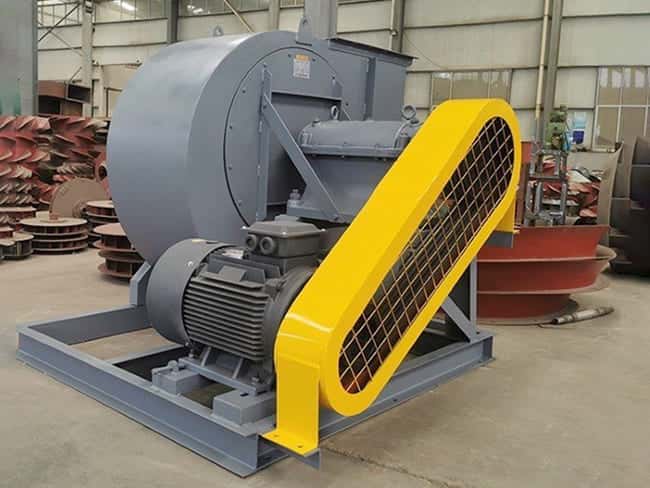
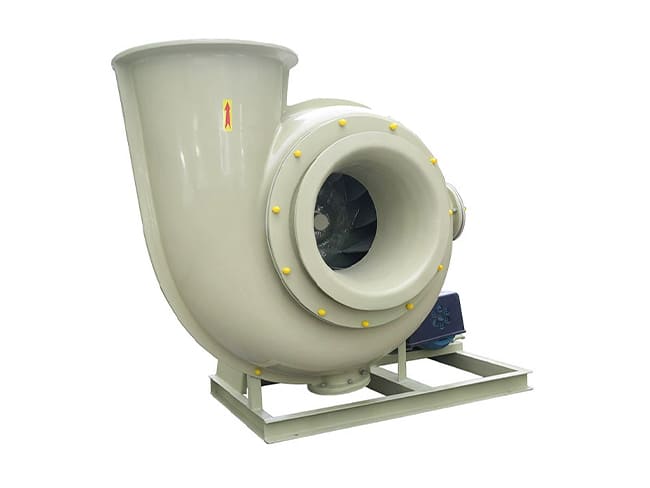
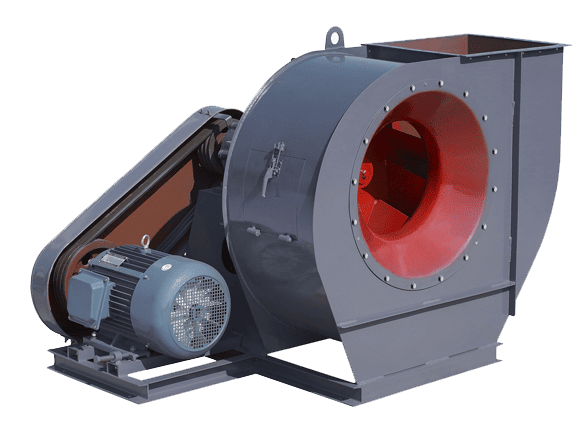
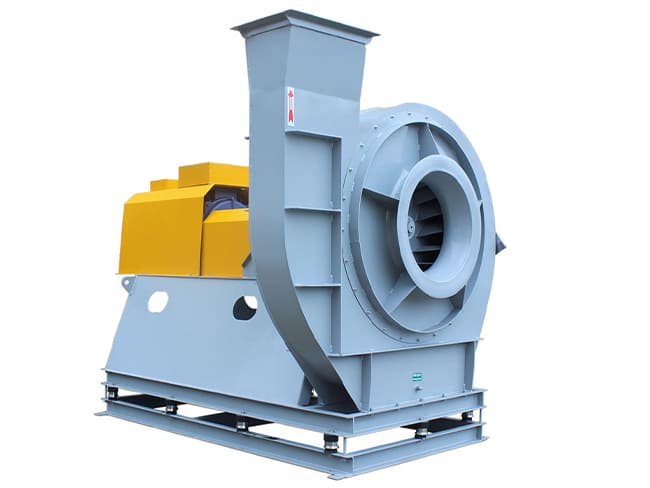

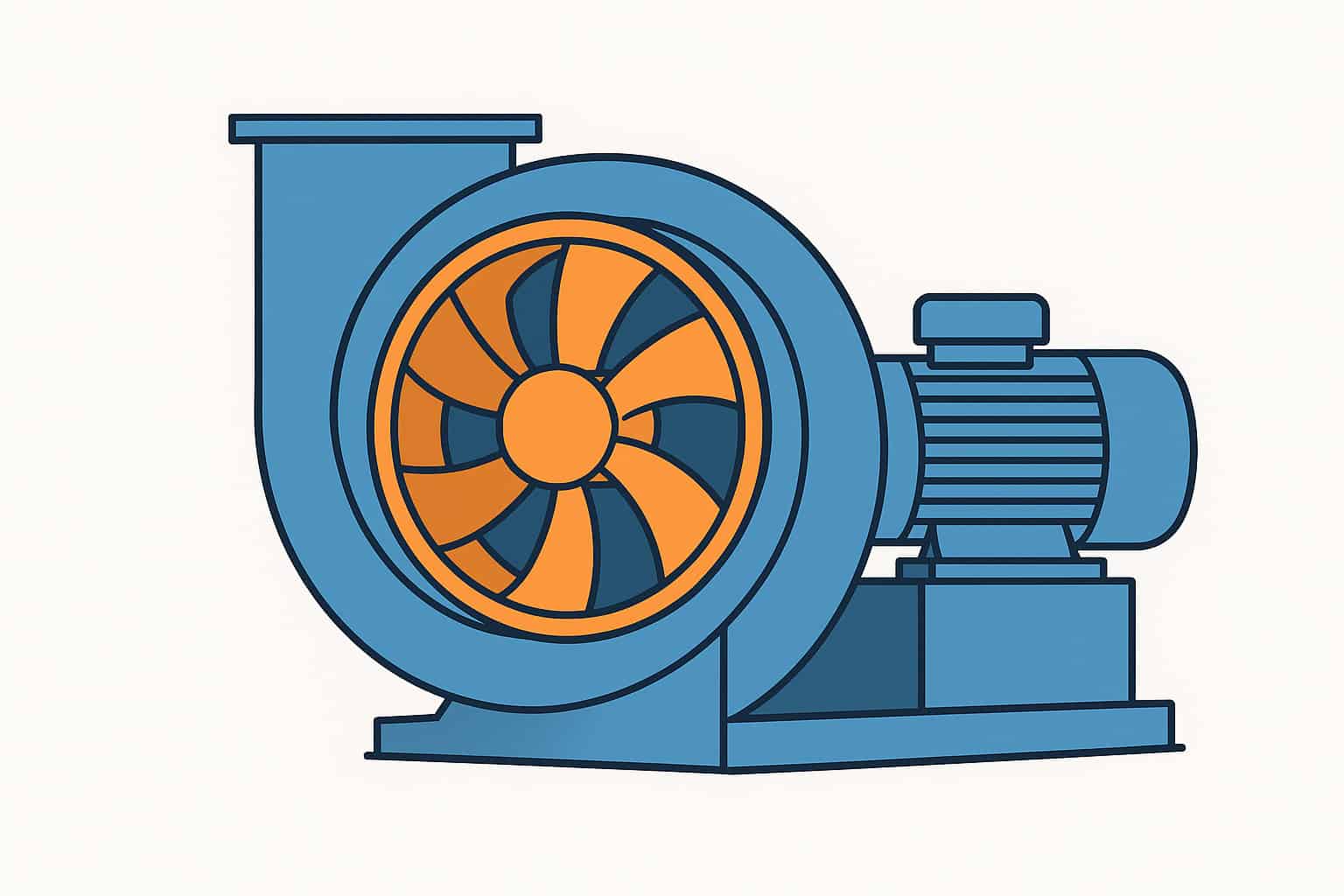
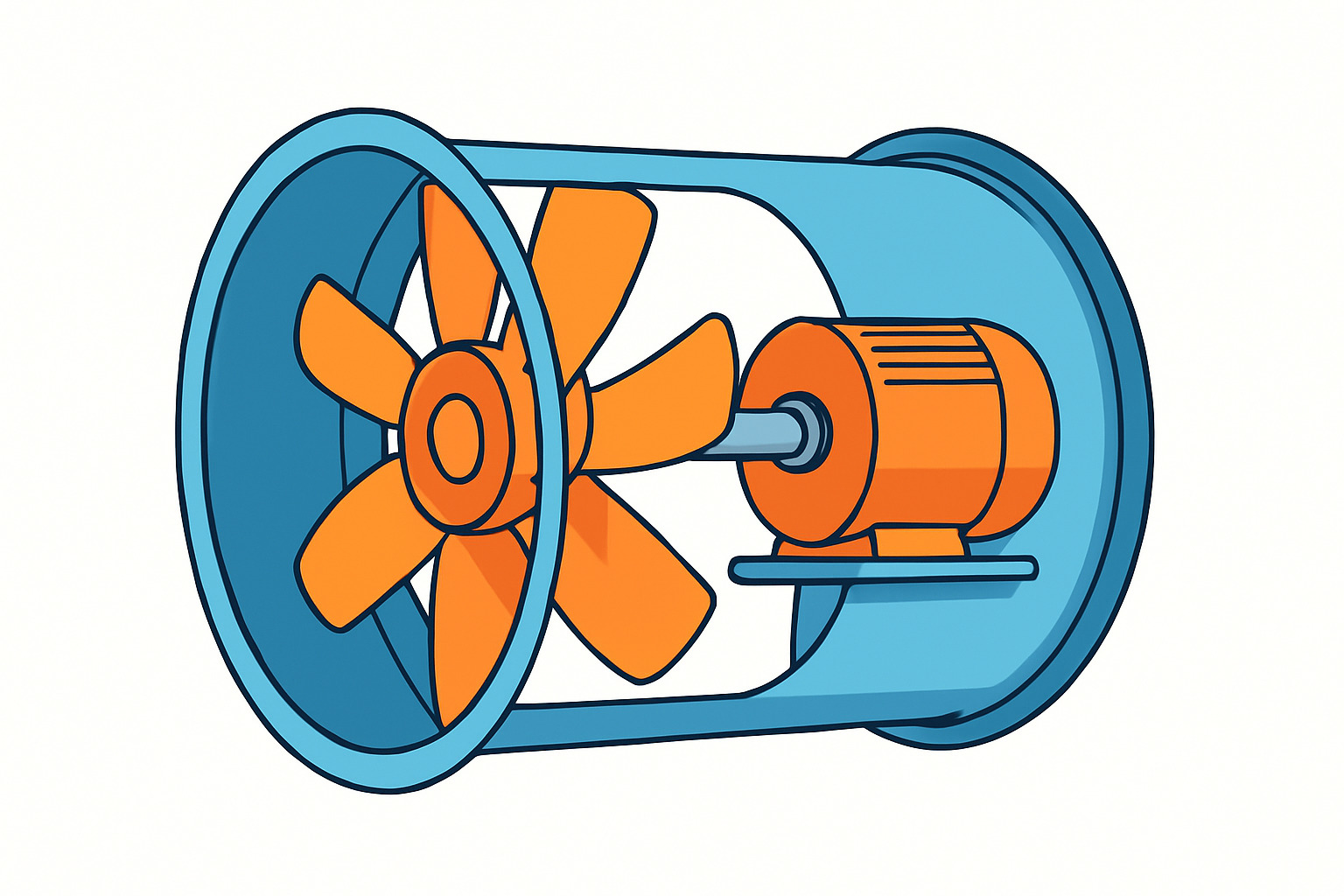
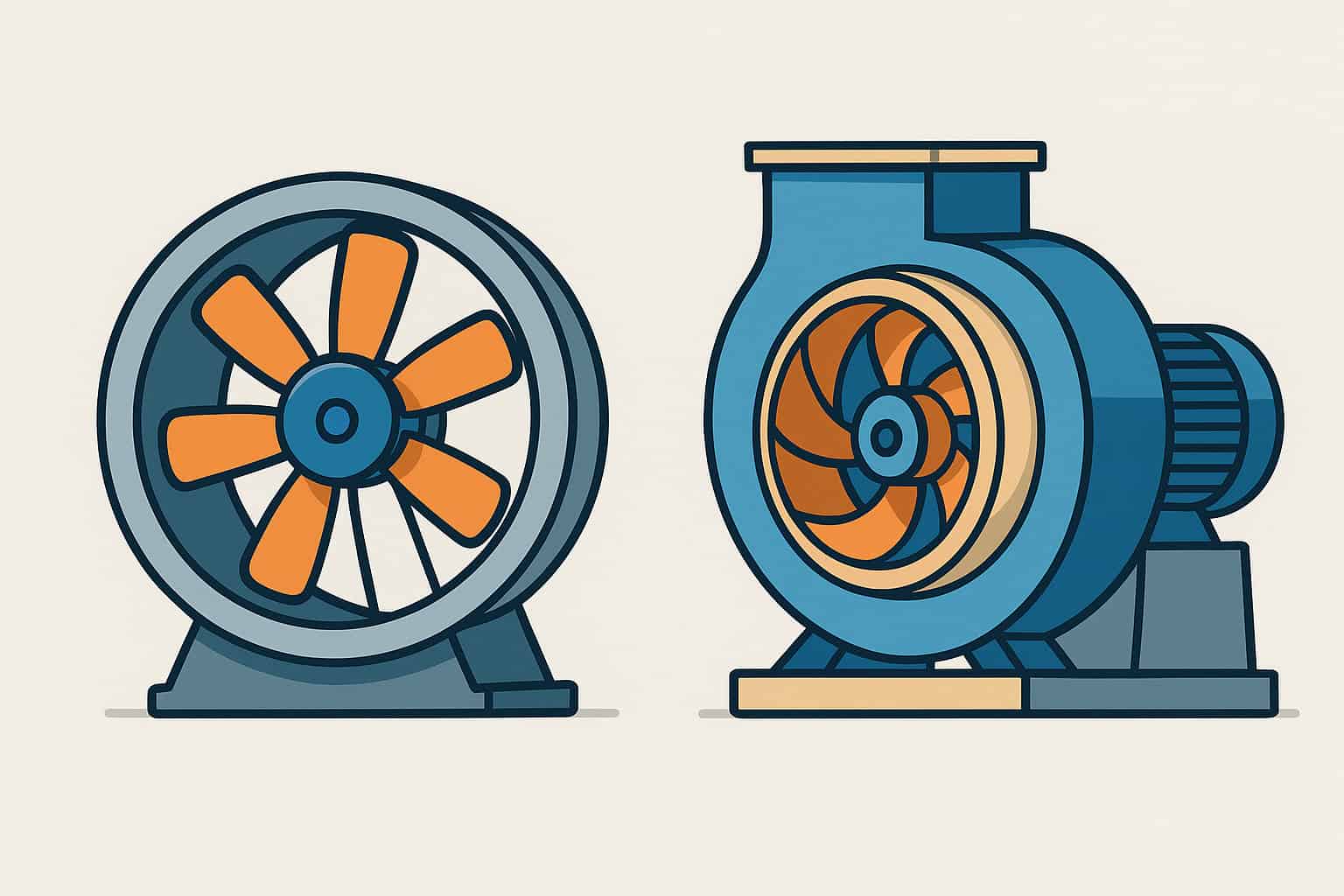
When people ask whether a centrifugal fan or an ID fan is better, it is important to understand that an ID fan is not a completely different fan type. In most boiler houses, power plants and heavy industry, an induced draft (ID) fan is actually a special application of a centrifugal fan designed to handle hot, dusty flue gas on the exhaust side of a furnace or boiler. The real question is whether a general purpose centrifugal fan is suitable for your duty, or whether you need a purpose designed ID fan with specific materials, seals and construction.
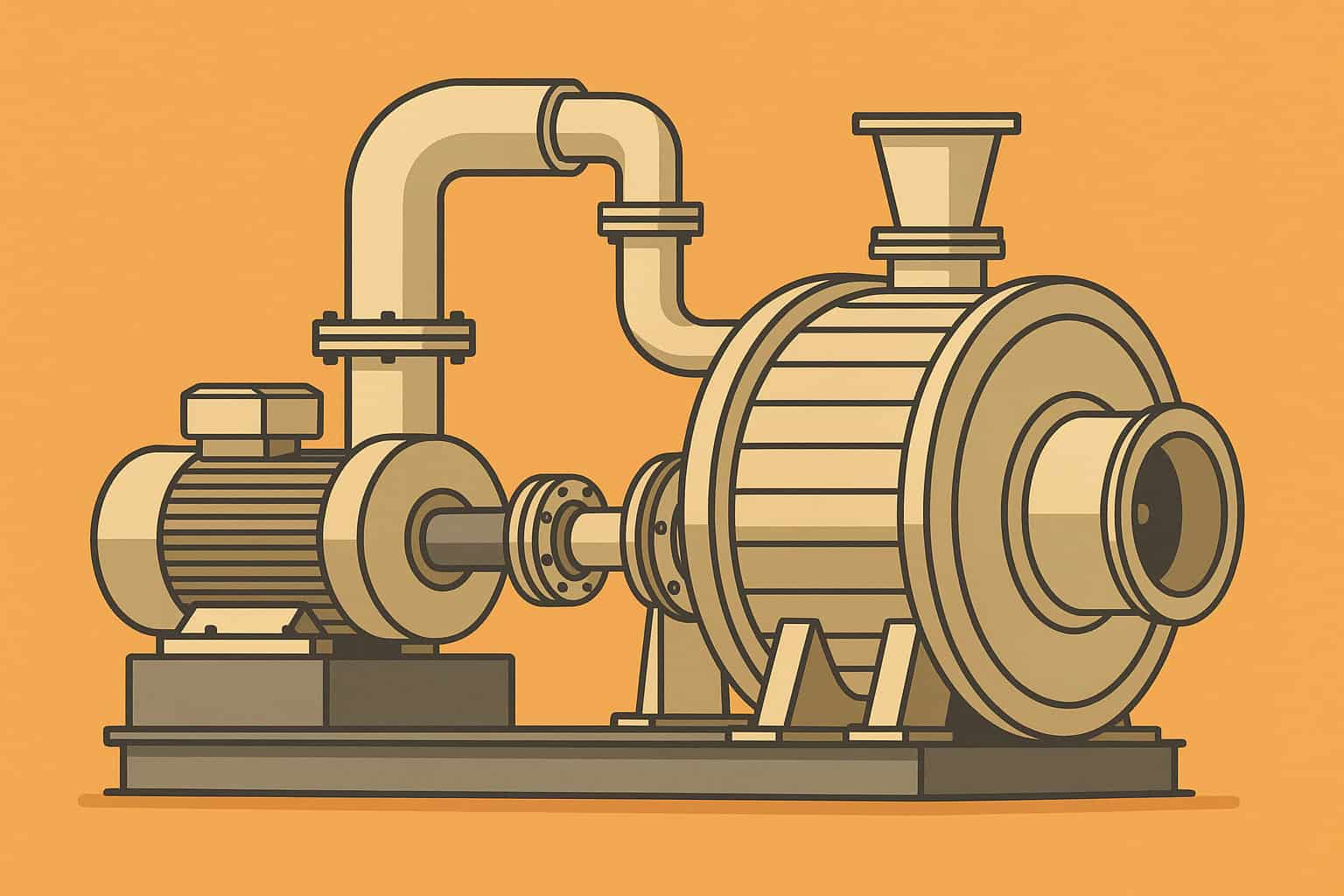
A centrifugal fan is any fan that draws air in axially at the eye of the impeller and discharges it radially. It can be built with many blade shapes, from backward curved and airfoil blades for clean air to radial blades for heavy dust. Centrifugal fans are widely used for industrial ventilation, dust collection, pneumatic conveying and mine exhaust, and they can be configured for a wide range of pressures and volumes.
An ID fan (induced draft fan) is a centrifugal fan that is installed on the flue gas side of a boiler, furnace, kiln or similar process. It pulls combustion products through the system and exhausts them to the stack. Compared with a generic centrifugal fan, an ID fan normally has higher temperature ratings, corrosion resistant materials where needed, special shaft seals to control leakage, and sometimes wear linings to handle fly ash or dust. It is engineered to operate reliably in continuous, high-temperature service with varying loads.
In terms of what is better, an ID fan is better for boiler and hot flue gas service where its construction features and accessories match the process conditions. A standard centrifugal fan might not tolerate the same gas temperature, dust loading or corrosion, and could suffer early failure if misapplied. On the other hand, for general clean air ventilation, dust extraction at moderate temperature or mine intake and auxiliary circuits, a standard centrifugal fan with suitable blades is usually sufficient and more economical than a heavy-duty ID fan.
Selection should therefore be based on duty requirements: gas temperature, dust and ash content, corrosive components such as SOx or chlorides, required pressure and flow, and the need for tight control of leakage into or out of the flue gas stream. In power plants and many industrial boilers, the ID fan is part of a coordinated system that also includes forced draft (FD) fans, primary air fans and flue gas cleaning equipment. Using a correctly specified ID fan ensures stable furnace draft, good combustion and compliance with emission limits.
In summary, an ID fan is a specialised centrifugal fan used on the exhaust side of boilers and hot process gas systems. Neither centrifugal fans in general nor ID fans are always better; the right choice is the fan design and construction that matches your pressure, temperature, gas composition and reliability requirements.