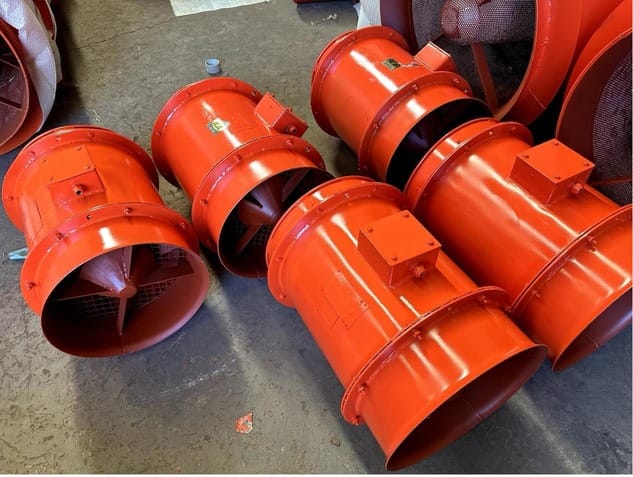
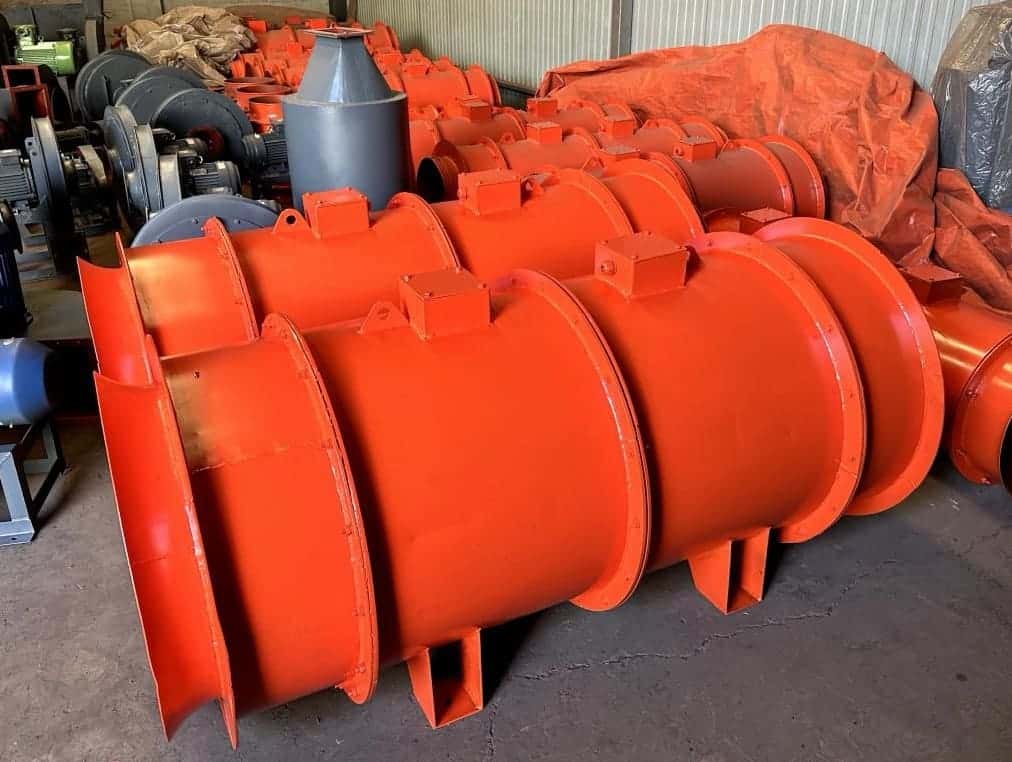
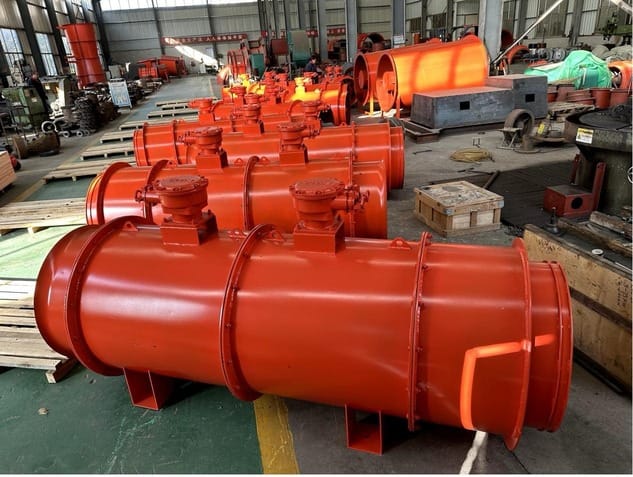
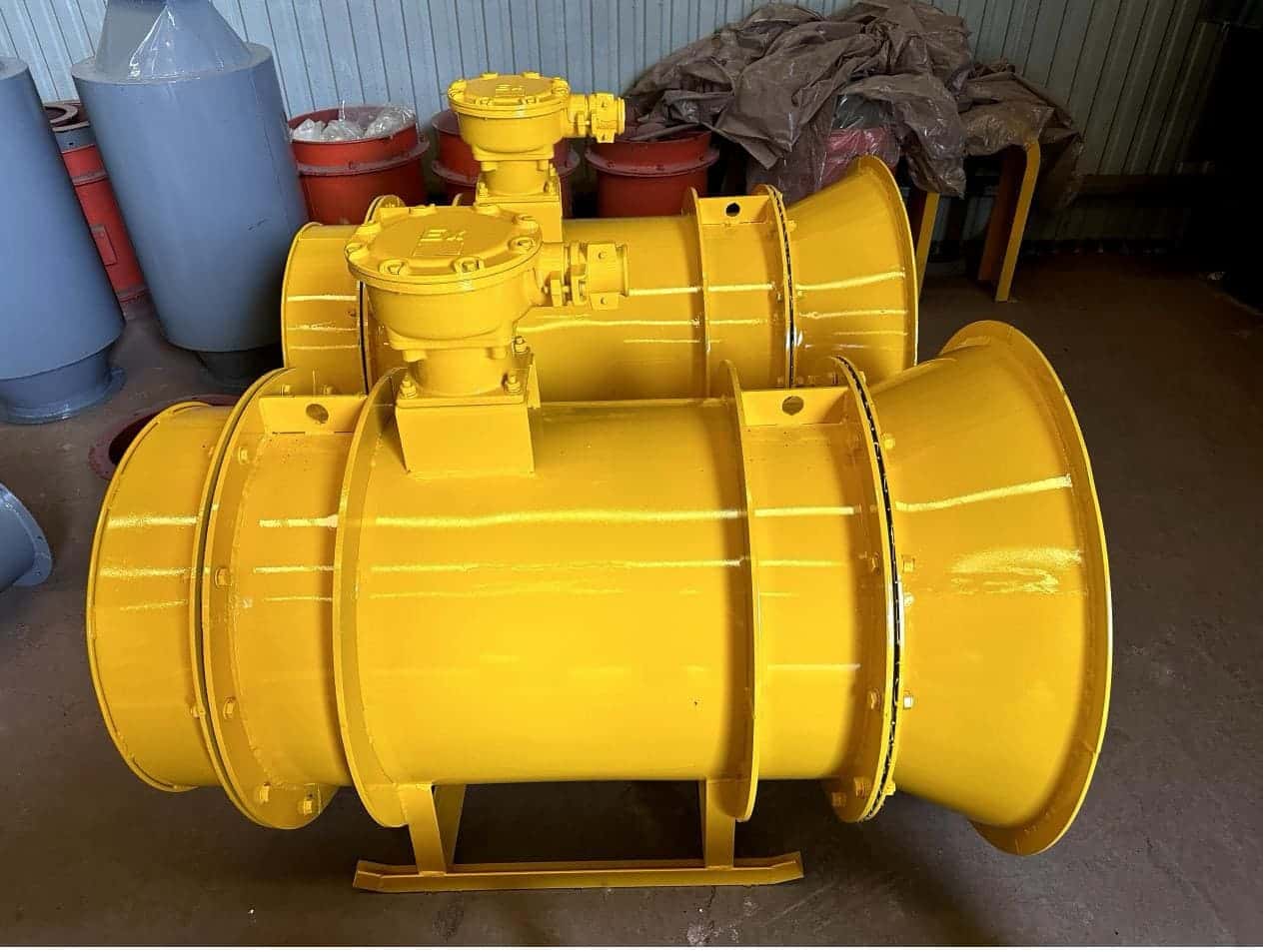
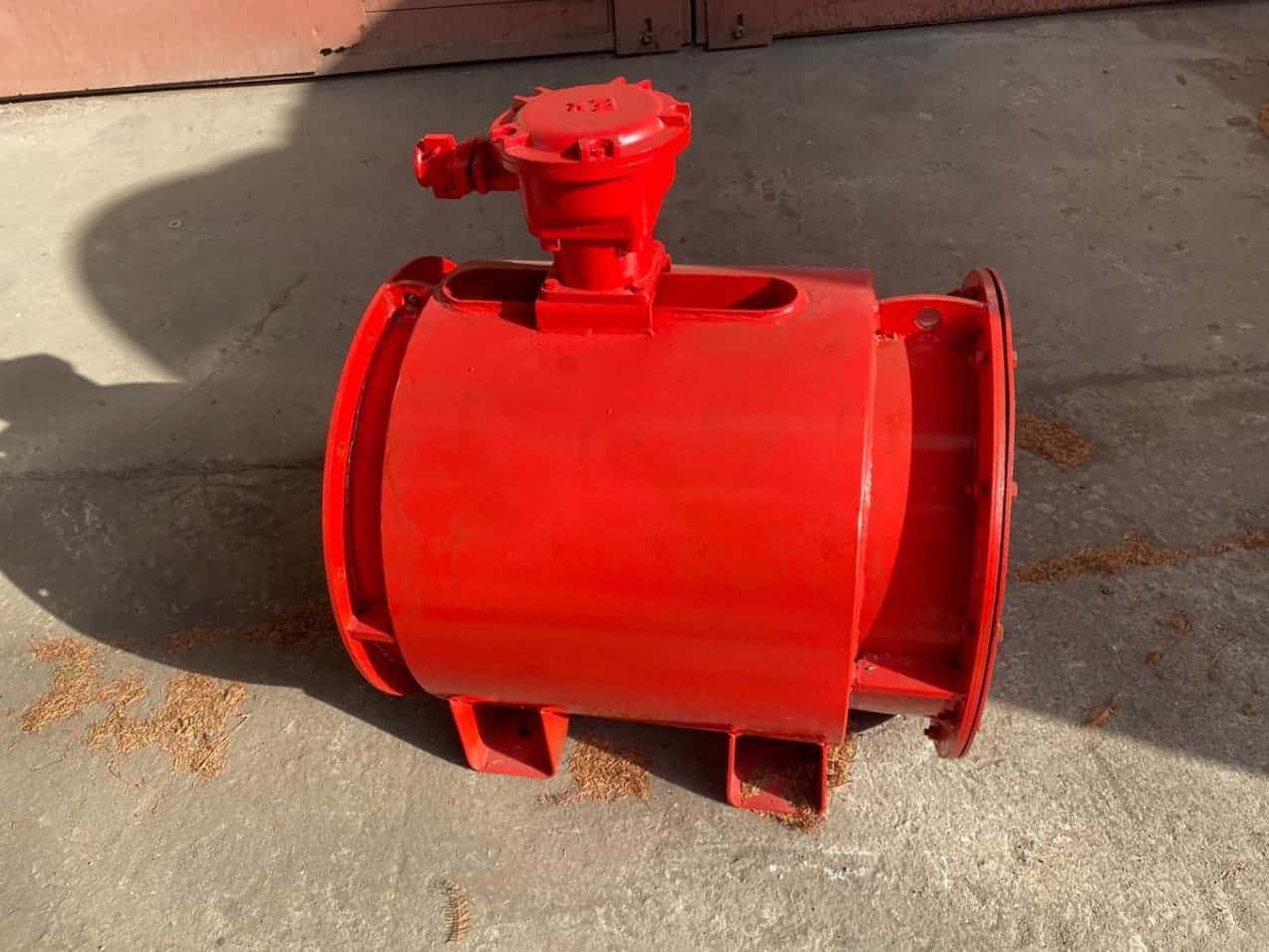
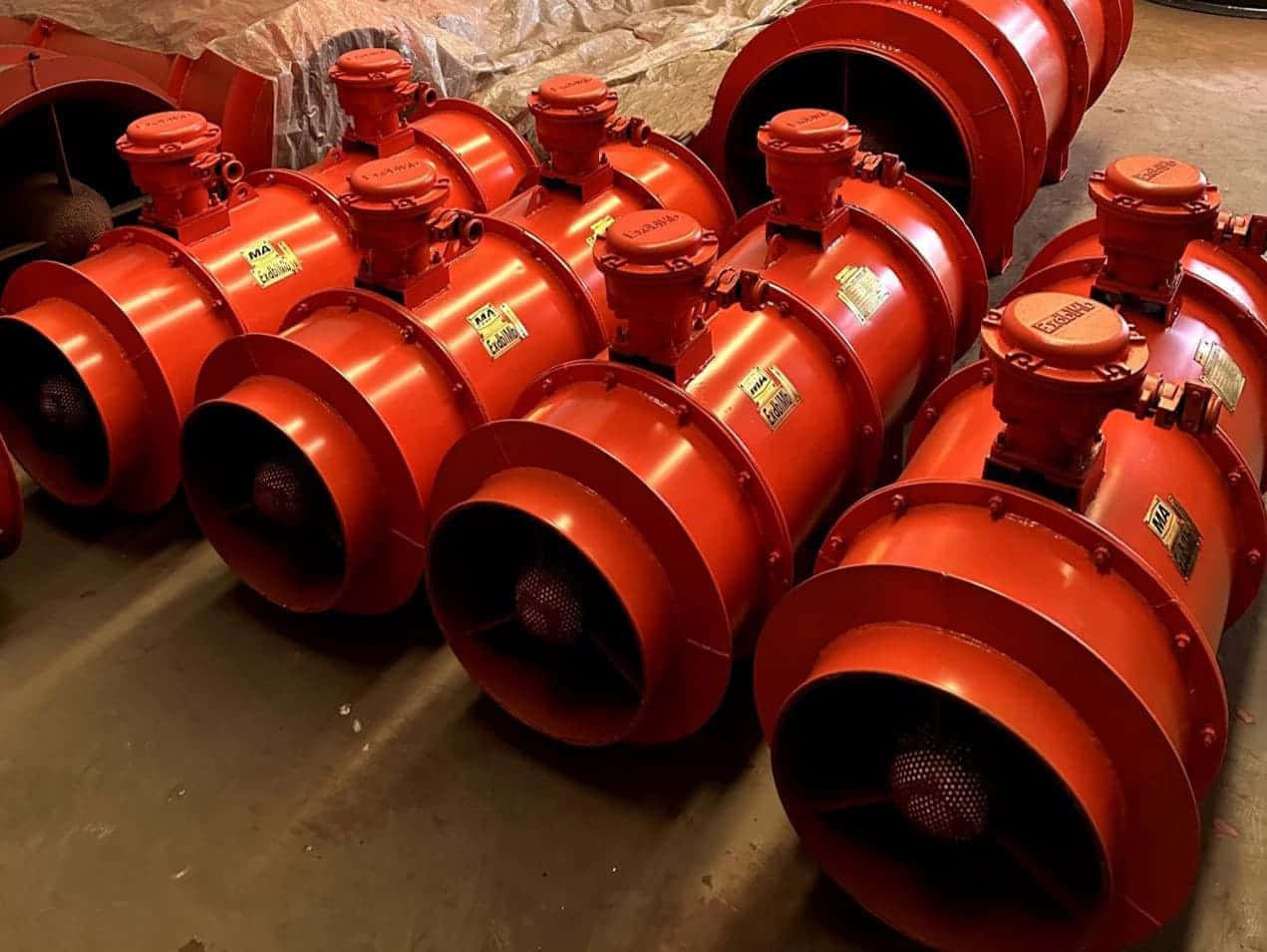
Mining blowers are auxiliary duct ventilation units designed to deliver fresh air to development headings, working faces, and underground/tunnel zones where local ventilation is required. In mining practice, “blower” typically refers to a high-volume fan used with flexible ducts to provide press-in (forcing) ventilation, and it is also widely applied for long-distance duct boosting and temporary ventilation in confined spaces.
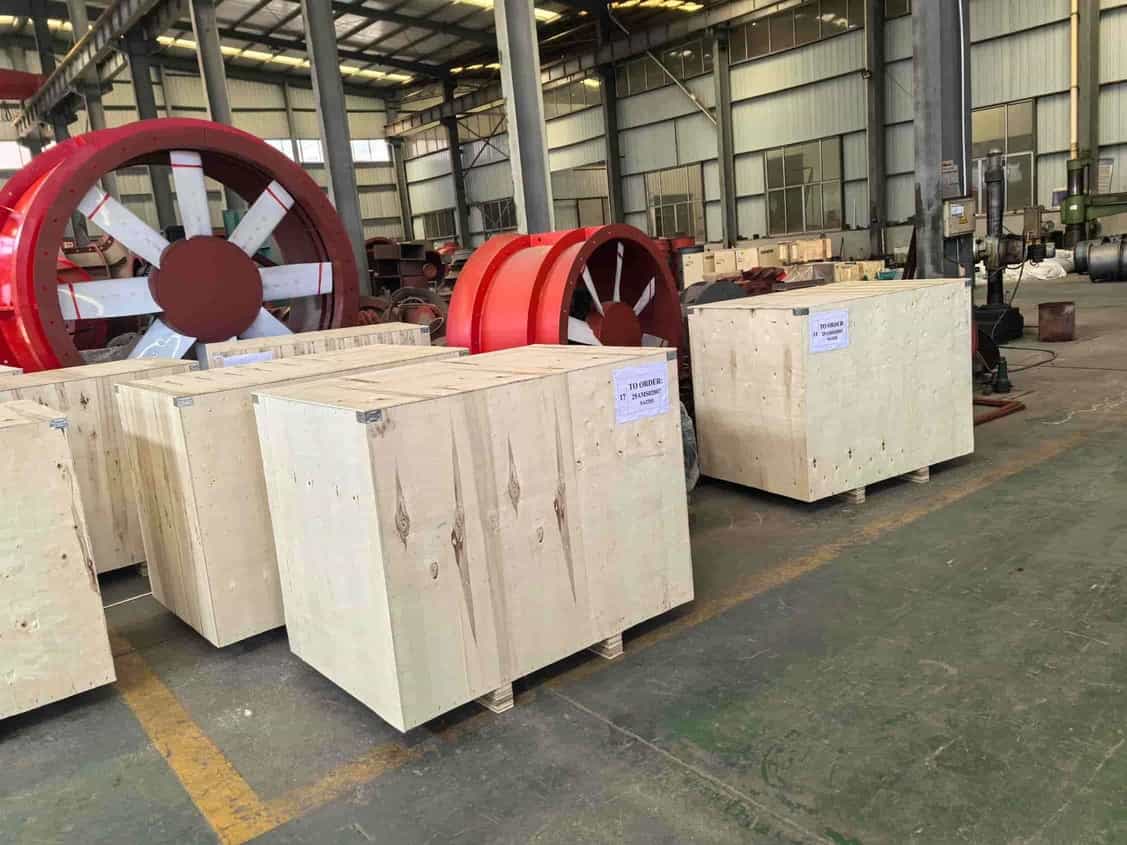
Our mining blower lineup covers robust axial and counter-rotating axial designs to achieve stable airflow with reliable pressure performance, helping overcome duct pressure losses and air leakage in demanding underground conditions. High static pressure options are available for long duct runs and boosting ventilation. Depending on site safety requirements, flameproof/explosion-proof and anti-static configurations can be selected, with durable casings and components engineered for continuous operation in harsh environments.
We provide selection and customization based on your duty point (Q@Ps), duct diameter/length, altitude, temperature, and gas/dust conditions—ensuring the blower matches your actual ventilation system rather than just a catalog rating. Optional solutions include variable-frequency control, noise reduction accessories, and duct connection kits, supported by engineering guidance from selection to commissioning and after-sales service. For special requirements, Contact Us to request a duty-point selection and quotation.