
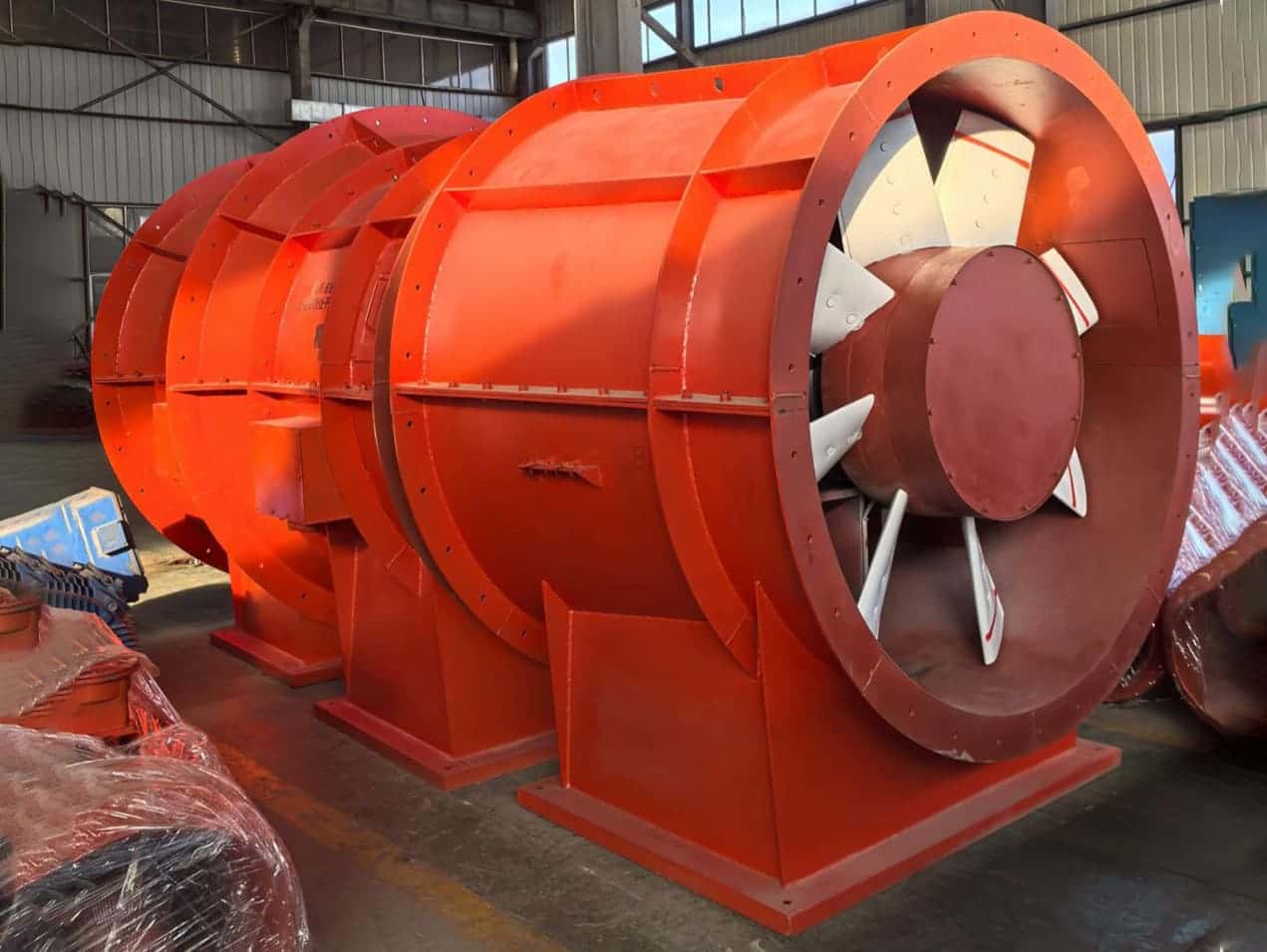
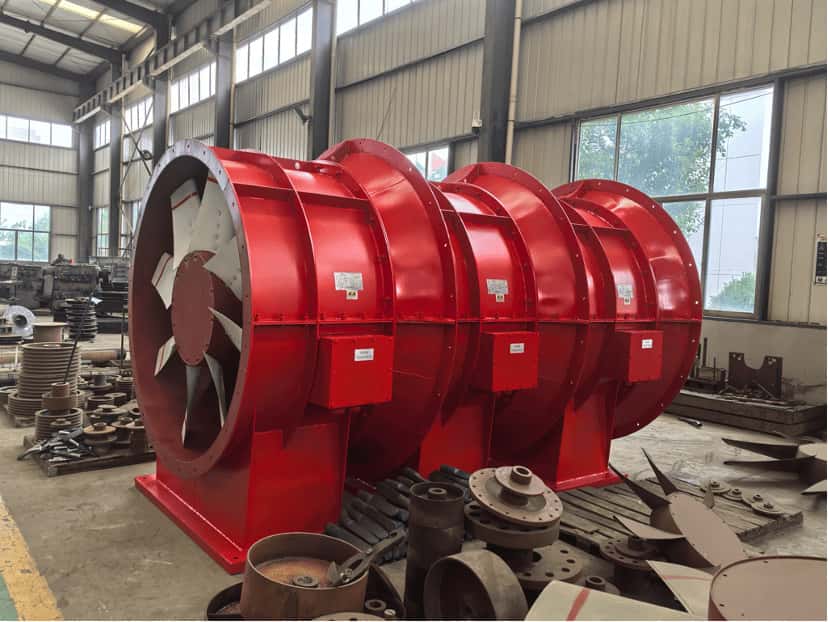
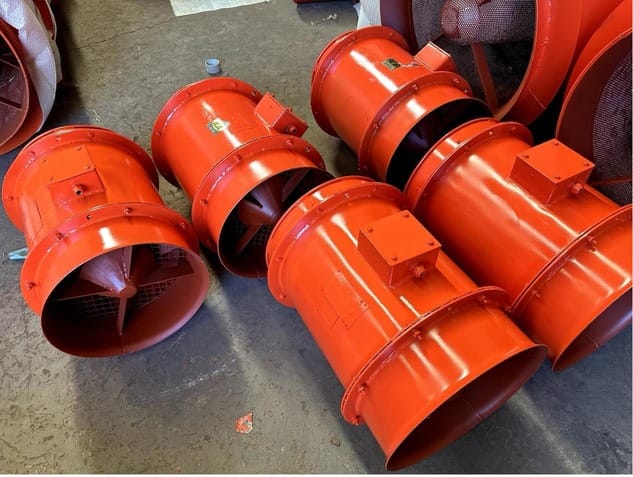
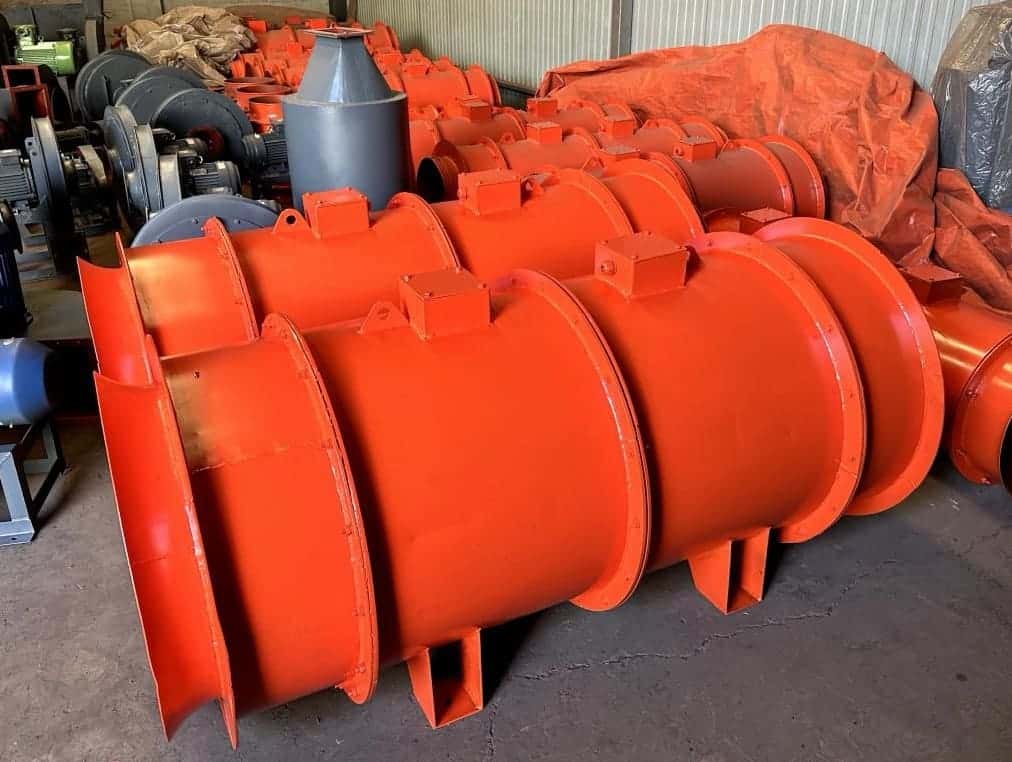
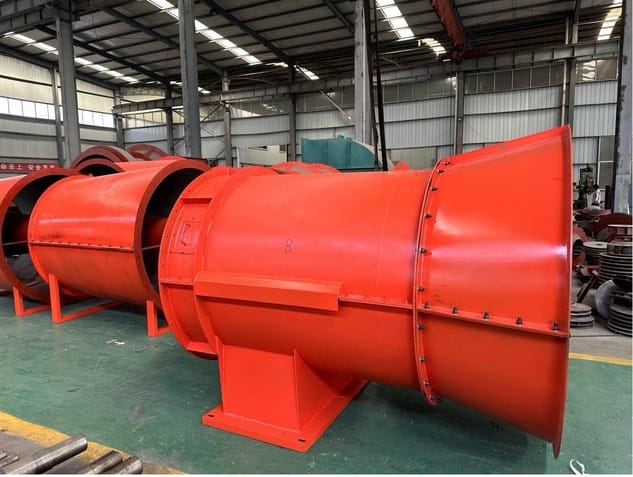
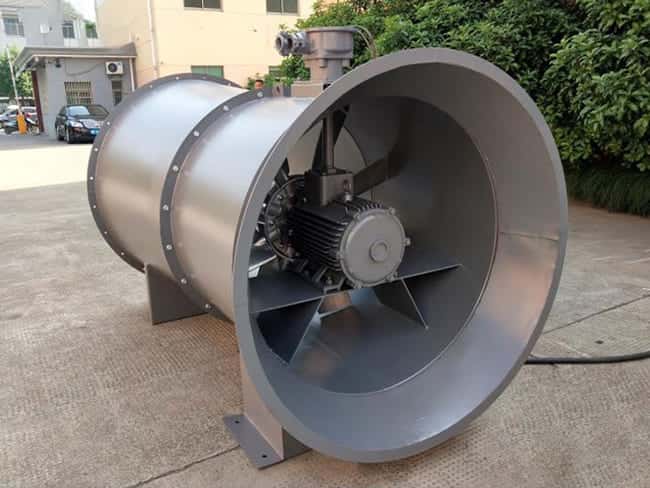
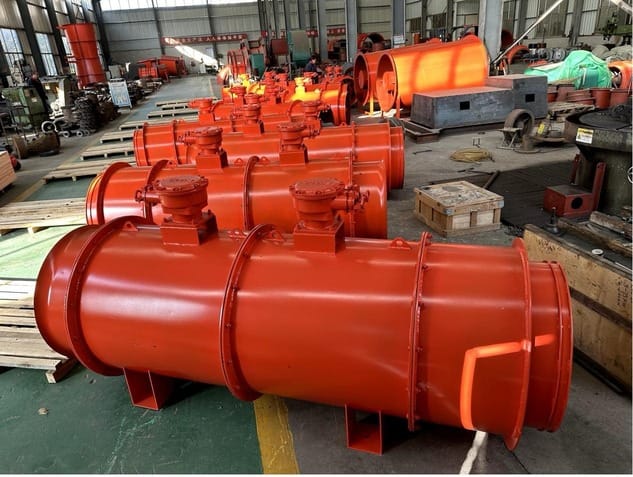
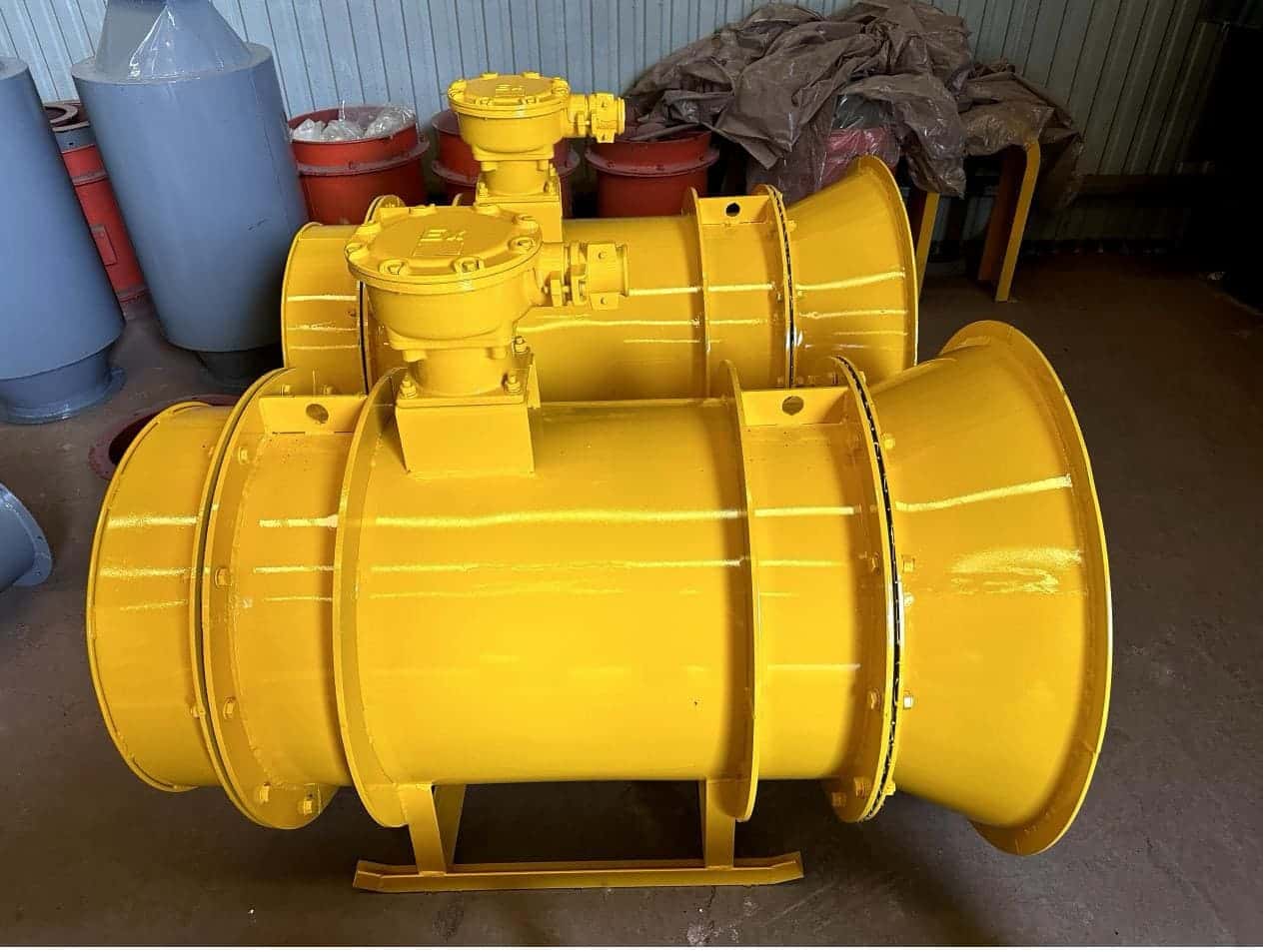



Airfoil blades are often better than simple flat or curved blades for axial ventilation fans, but the best choice depends on cost, air quality and duty. In many industrial and mining applications, airfoil blades offer higher efficiency and lower noise, while basic flat or curved blades may be favoured for robustness, low cost and tolerance of dirty air.
Airfoil blades are shaped like small aircraft wings. Their profile creates lift (pressure difference) very efficiently, so they can move the same amount of air with less power input than a basic flat plate. This typically translates into higher fan efficiency and lower energy costs over the life of the equipment. In large axial fans for tunnels, mines and power plants, even a few percentage points of efficiency improvement can mean substantial energy savings.
Because airfoils generate lift more smoothly, they also tend to produce less aerodynamic noise than crude flat or steeply curved blades operating at the same duty. This can be important in factories, processing plants and underground mines where noise limits apply and worker comfort is a concern.
However, airfoil blades are more complex and expensive to manufacture. They often require thicker sections, precise profiles and higher-quality materials. In harsh environments with heavy dust, erosion and possible impact from debris, operators sometimes prefer simpler flat or radial blades that are easier and cheaper to repair or replace. A basic blade that is slightly less efficient but survives years of abuse may be more economical than a high-performance airfoil that is quickly damaged.
Another consideration is sensitivity to fouling. Airfoil performance depends on a clean, smooth surface. If dust or sticky particles build up on the leading edge and suction side of the blade, the aerodynamic profile degrades and efficiency drops. Flat or simple curved blades are less sensitive to minor fouling. In mines and industrial plants with poor filtration or very dirty air, regular cleaning or robust coatings are essential if airfoil blades are used.
From a selection standpoint, engineers weigh energy savings, noise, reliability and maintenance. For large, continuously running axial fans in reasonably clean air (for example, main mine fans with good filtration or power-plant cooling fans), airfoil blades are often the best choice. For smaller or auxiliary fans in very dusty headings or near crushers, a simpler blade profile may be more practical.
In summary, airfoil blades are usually better than flat or simple curved blades in terms of efficiency and noise, especially in large axial ventilation fans. But in dirty or abrasive environments, their higher cost and sensitivity to fouling mean that rugged, simpler blades may still be preferred. The best blade type is the one that balances performance, durability and total life-cycle cost for your ventilation duty.