
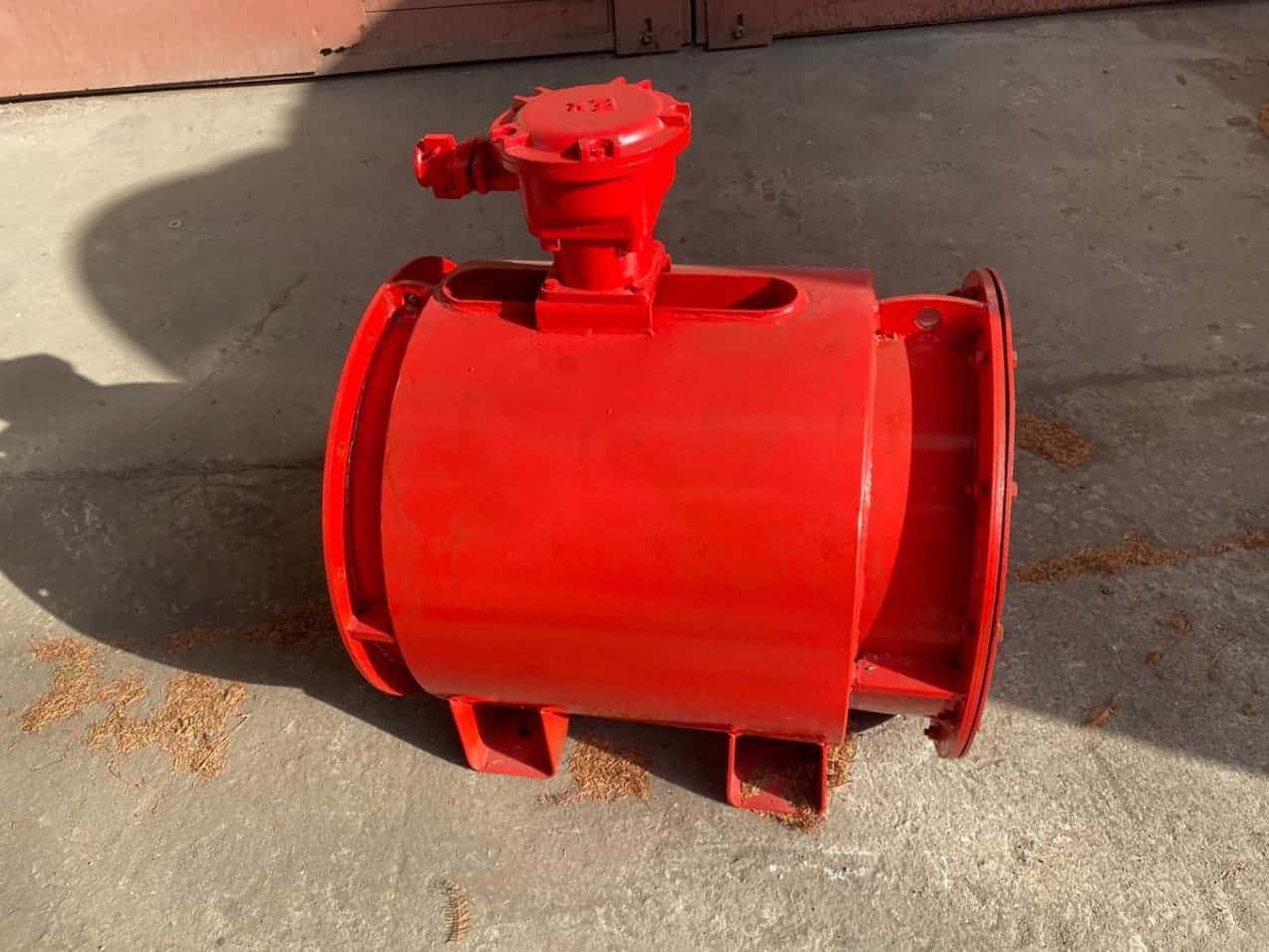
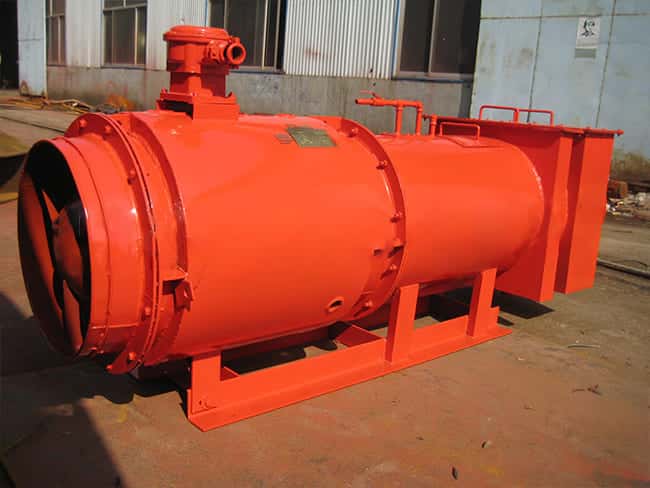
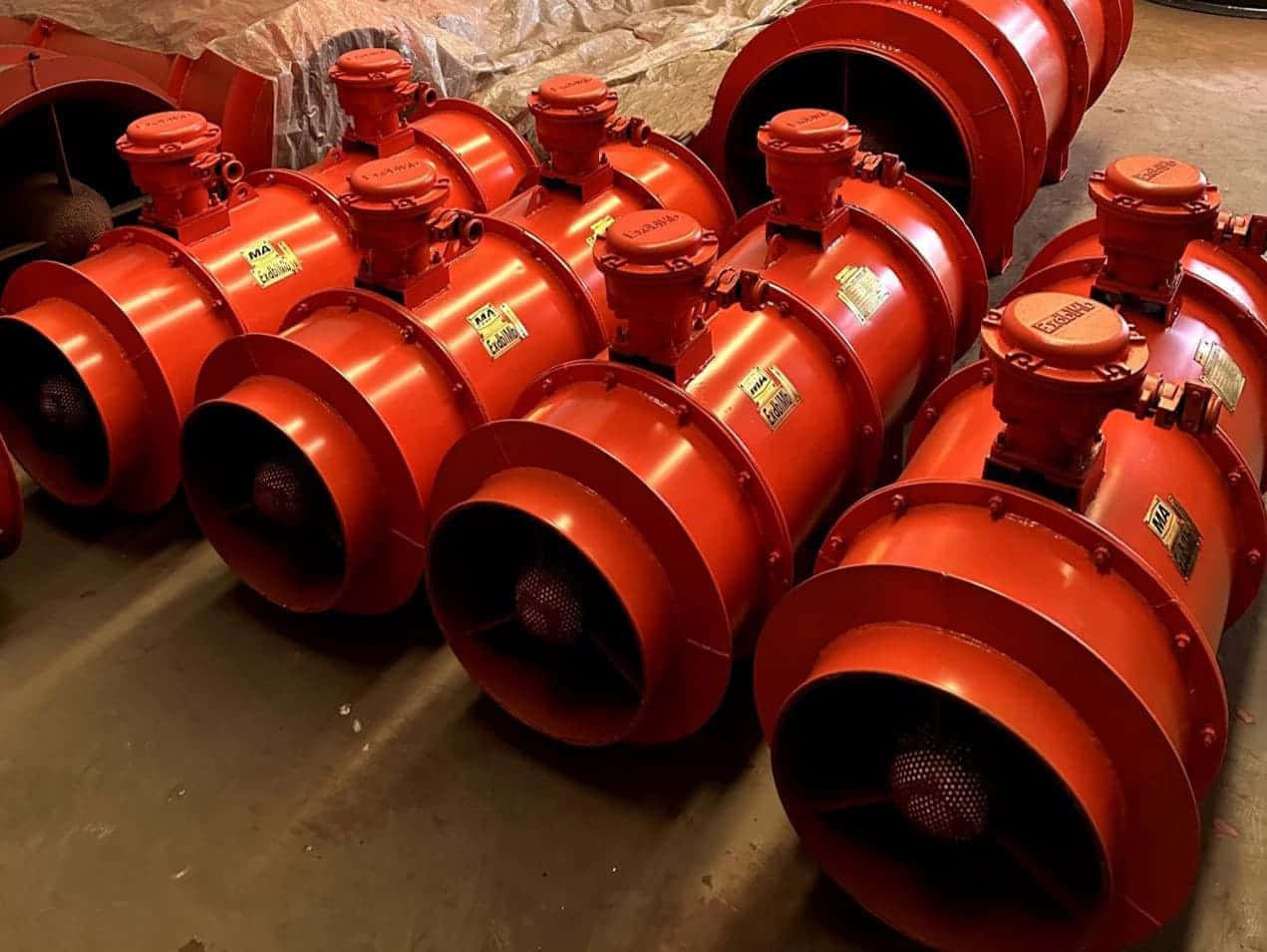
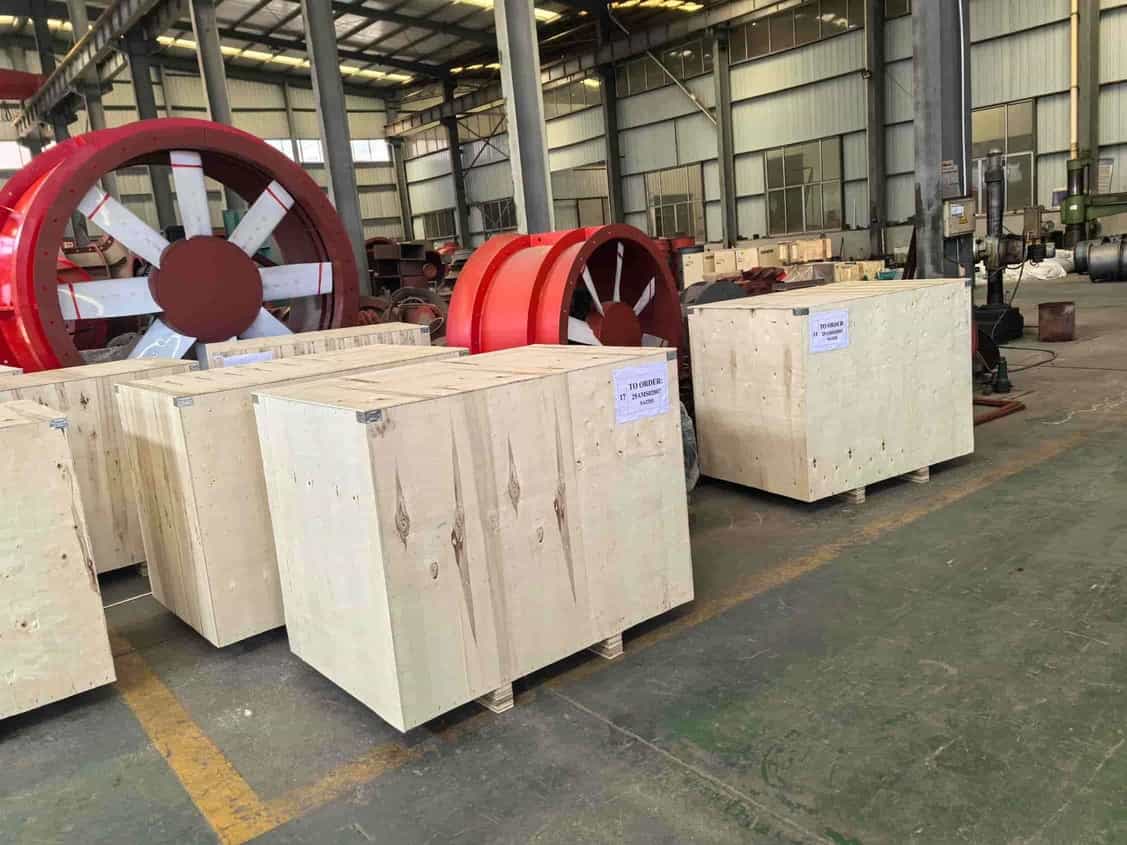
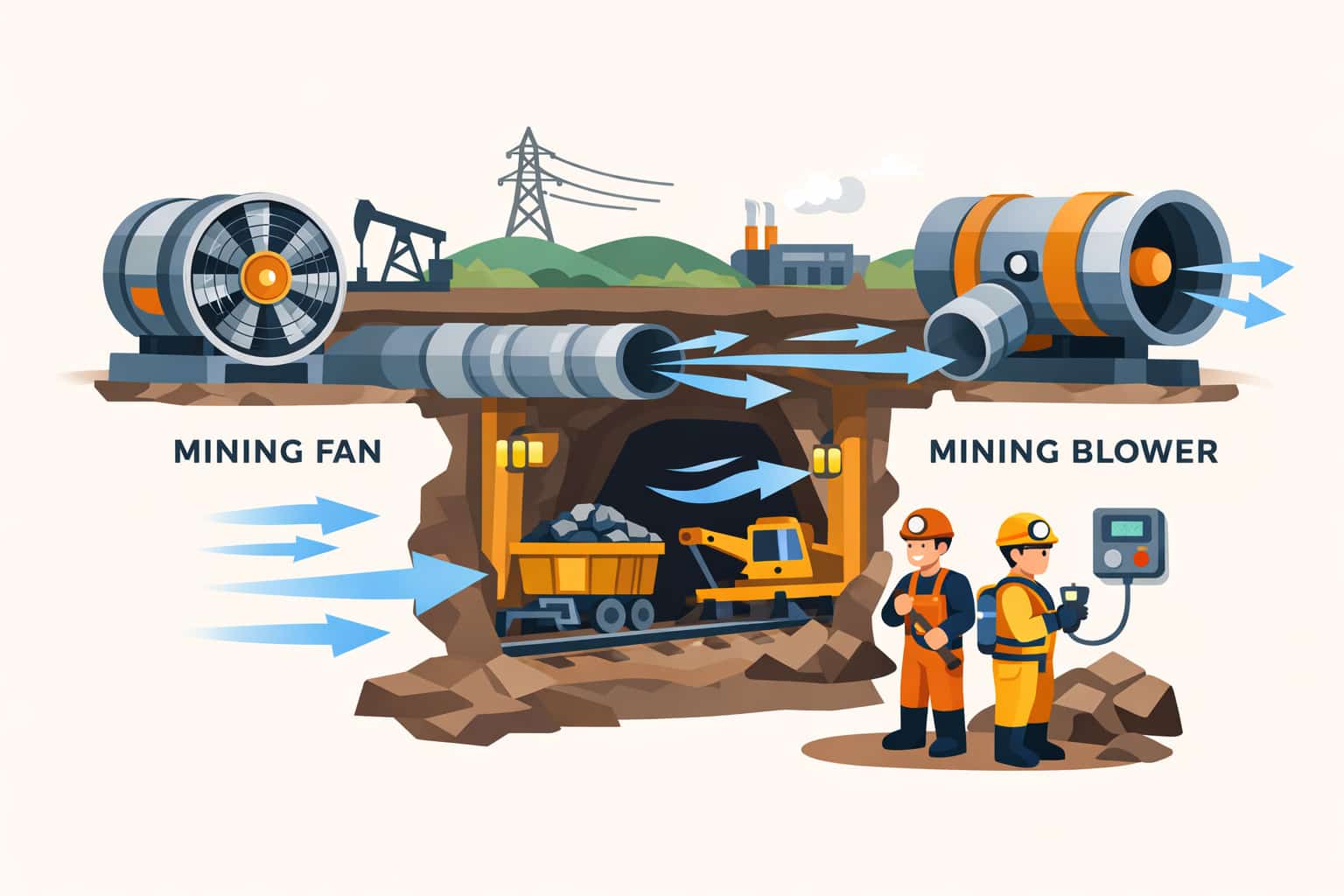
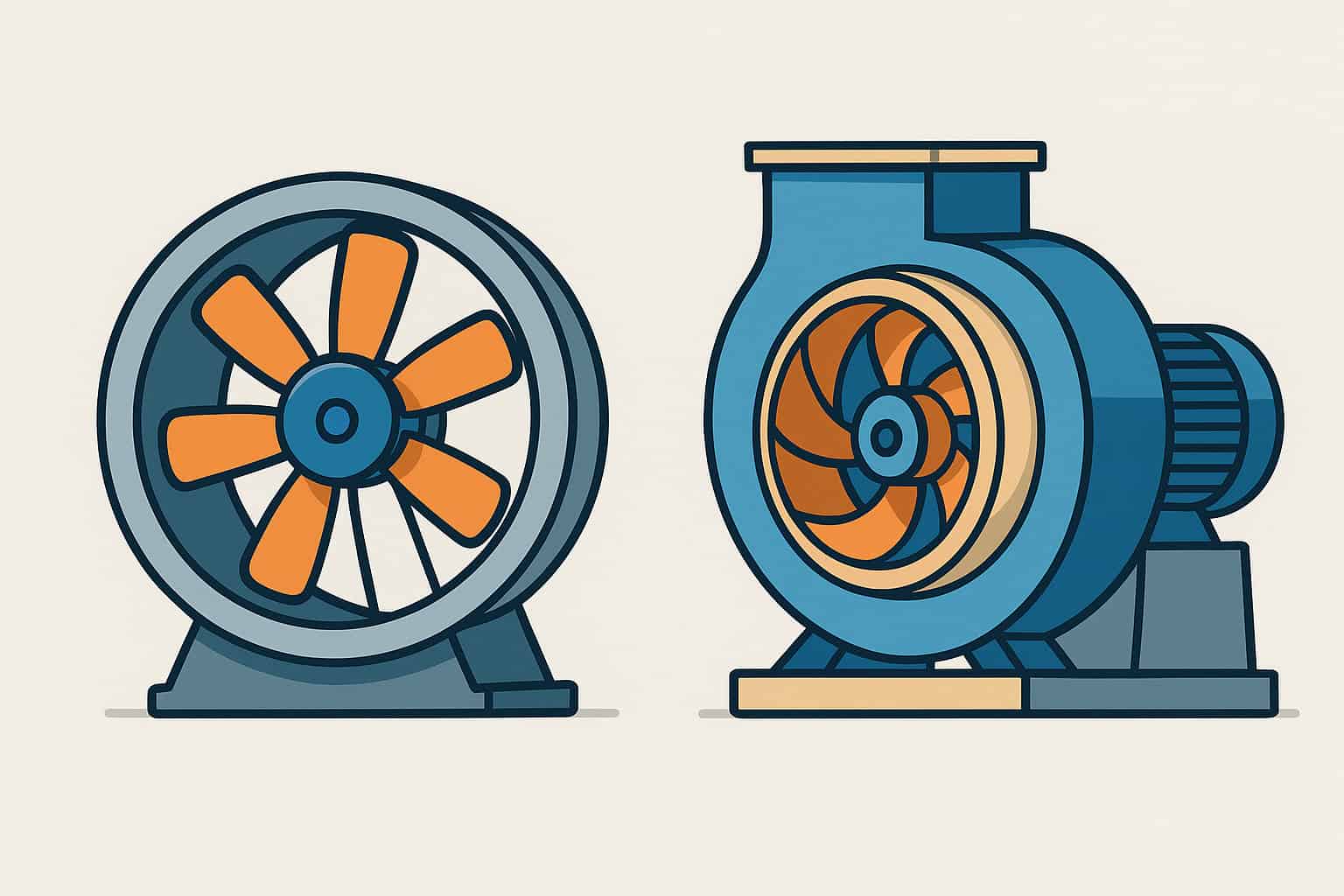
People often ask whether blowers are stronger than fans, but the answer depends on what you mean by "stronger". In engineering terms, strength is usually measured by how much pressure the device can develop, not just how much air it can move in free space. From that perspective, blowers are generally stronger than ordinary low-pressure fans, while fans are often better for moving very large volumes of air at low pressure.
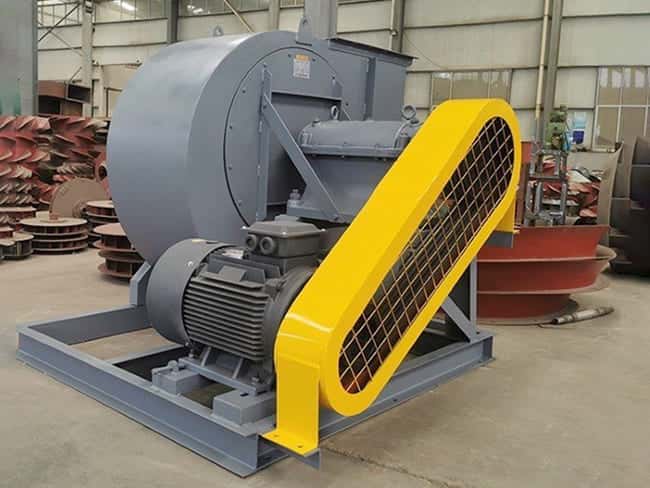
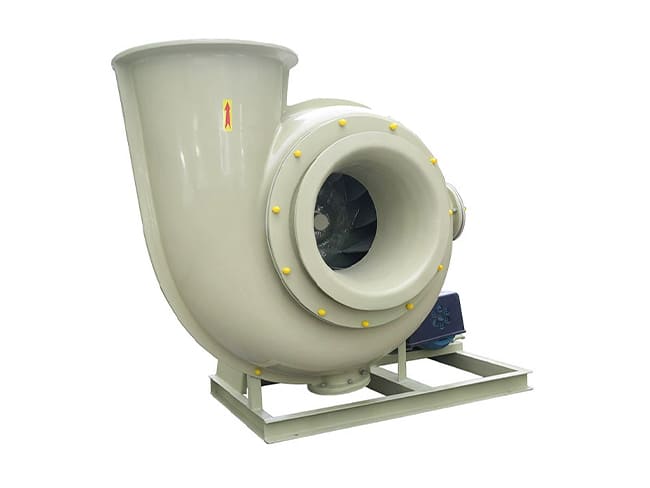
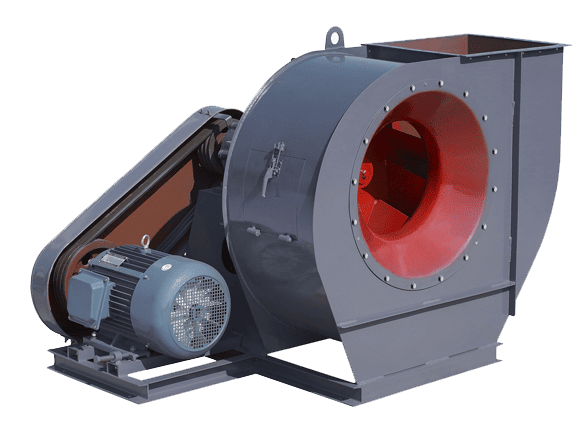
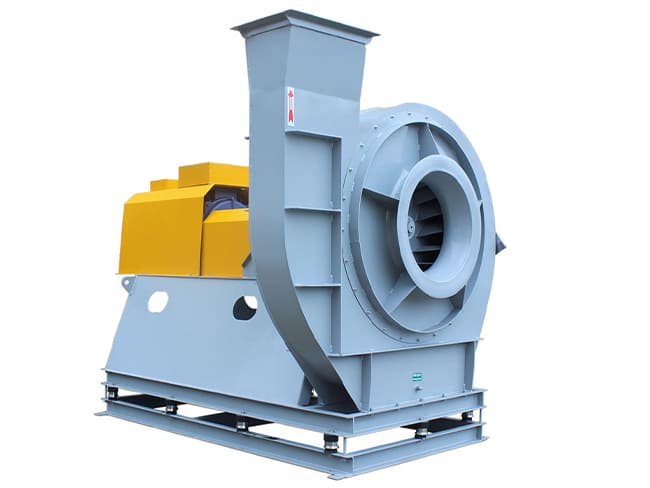
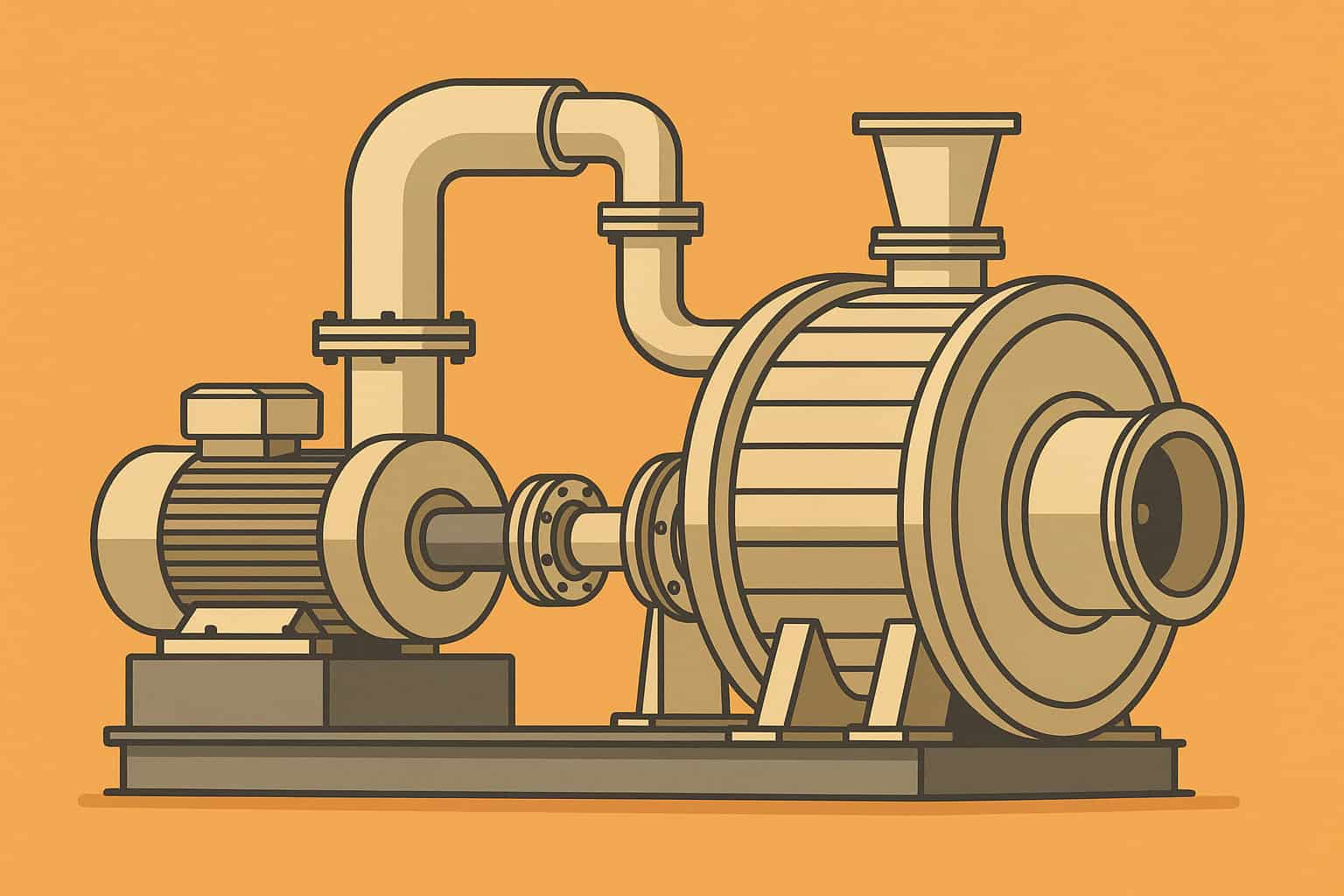
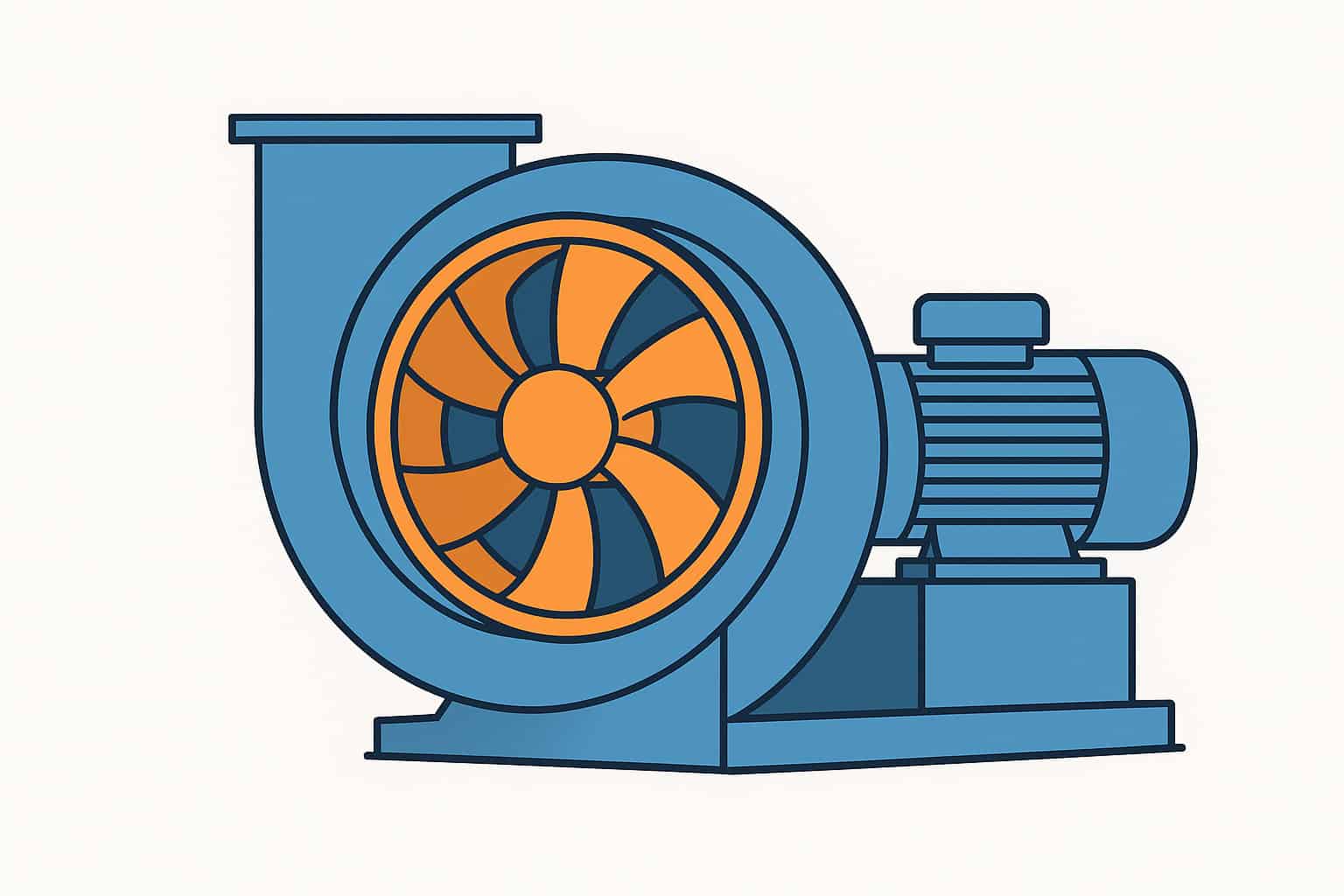
A typical blower is a centrifugal fan designed to deliver a relatively high increase in static pressure. Air enters near the centre of the spinning impeller and is thrown outward into a scroll casing, which converts velocity into pressure. This allows the blower to push or pull air through systems with significant resistance—long ducts, many bends, filters, cyclones, scrubbers and restrictive hoods. In those situations, a blower can maintain flow where a low-pressure fan would struggle or stall. In that sense, the blower is "stronger" because it can overcome higher resistance.
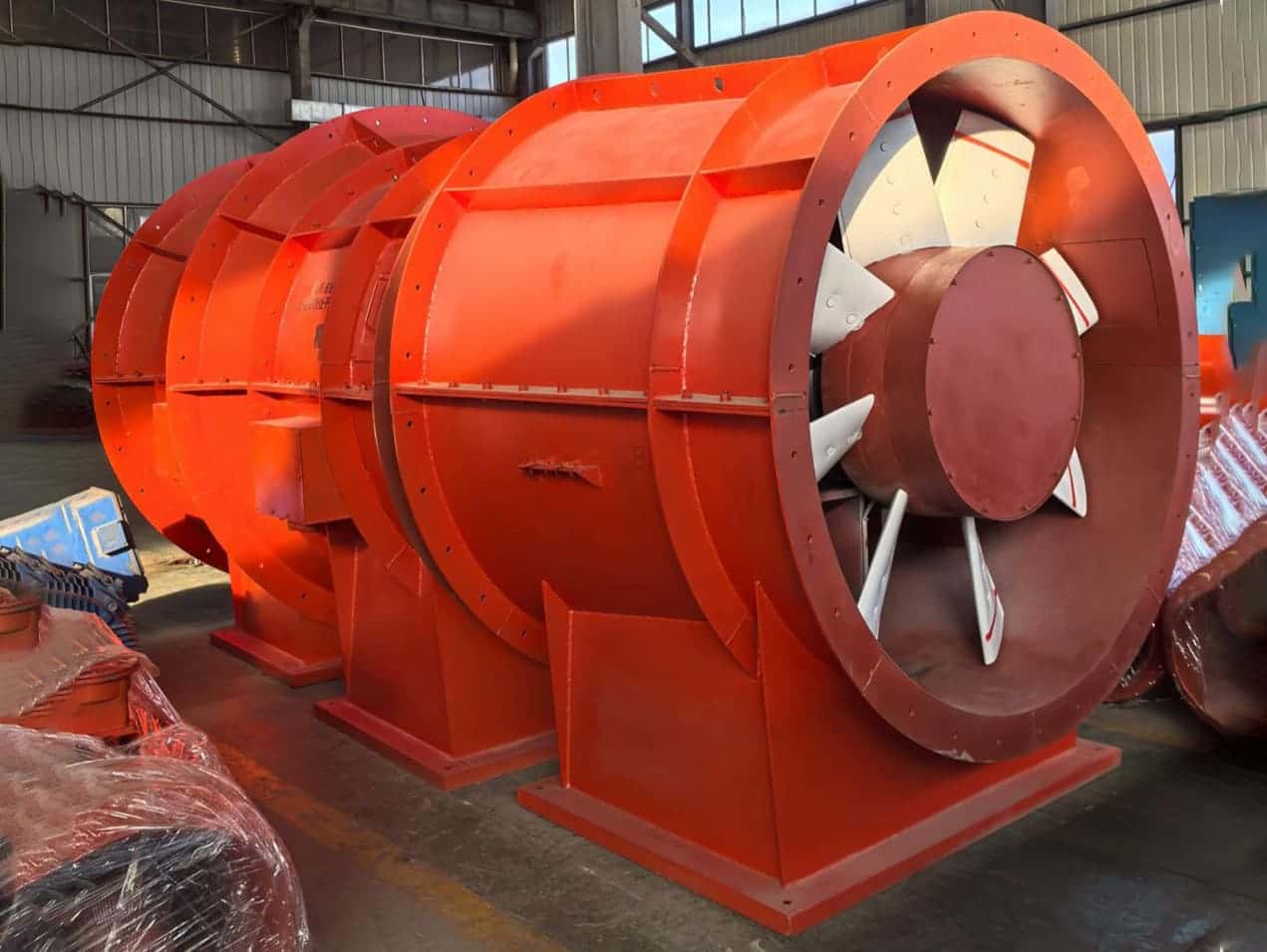
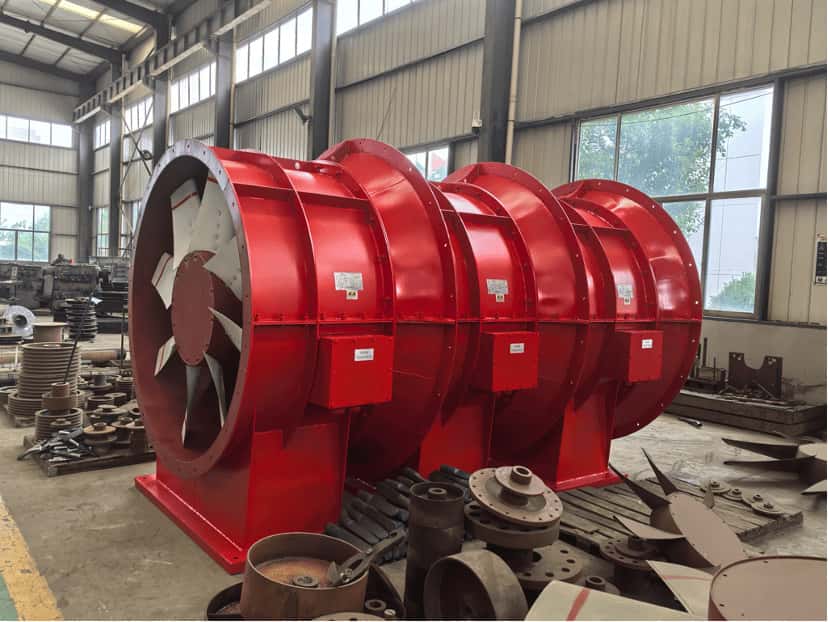
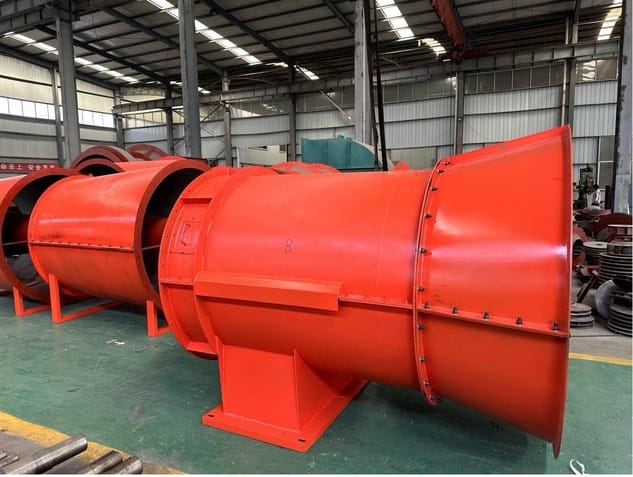
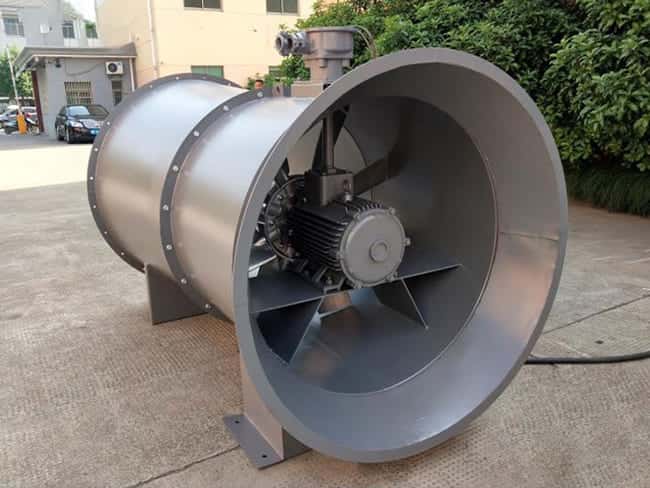
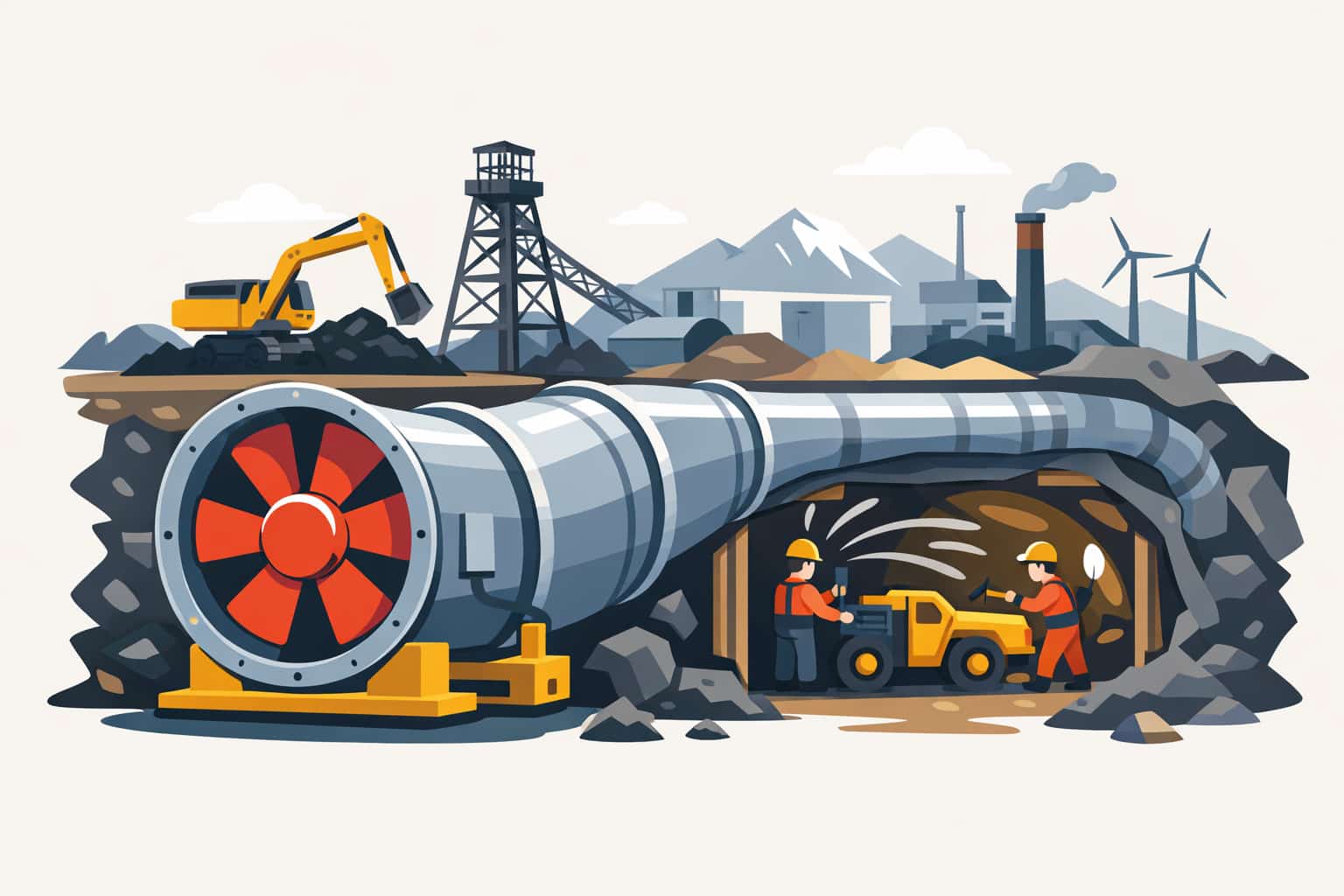
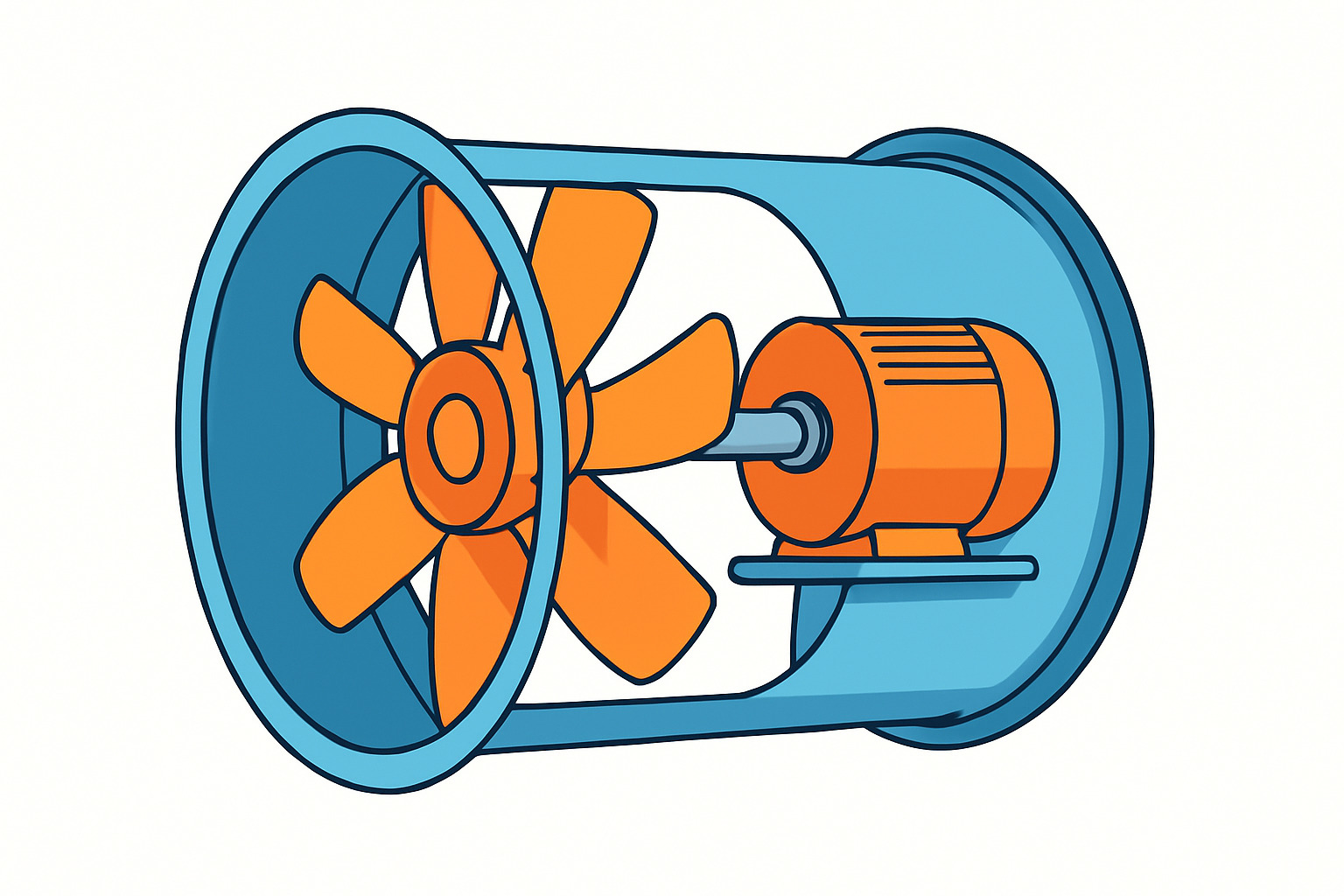
A standard axial fan, on the other hand, moves air primarily along the shaft, like a propeller. It can deliver very high volumes of air with relatively small pressure increases, which is ideal for general ventilation in buildings, tunnels and mines where resistance is moderate. If you compare an axial fan and a blower in free air (with no ducts), the axial fan may actually move more air. However, once you connect them to a high-resistance system, the blower’s higher pressure capability becomes more important than the free-air volume.
In industrial and mining practice, the choice between a blower and a fan is guided by system curves and fan curves. Engineers calculate the pressure drop through the system at different flows and select a machine whose performance curve intersects this system curve at the required operating point. For low-pressure needs such as room ventilation or main mine airflow in relatively open circuits, axial fans often provide the best combination of volume and efficiency. For high-pressure needs—dust collectors, combustion air, pneumatic conveying or very long duct networks—blowers are the stronger, more appropriate option.
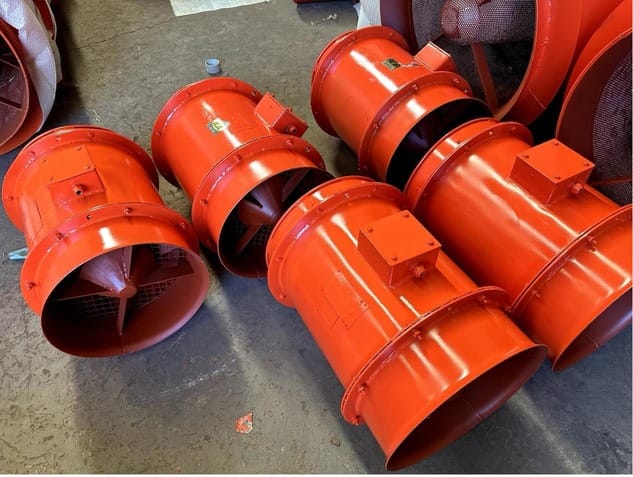
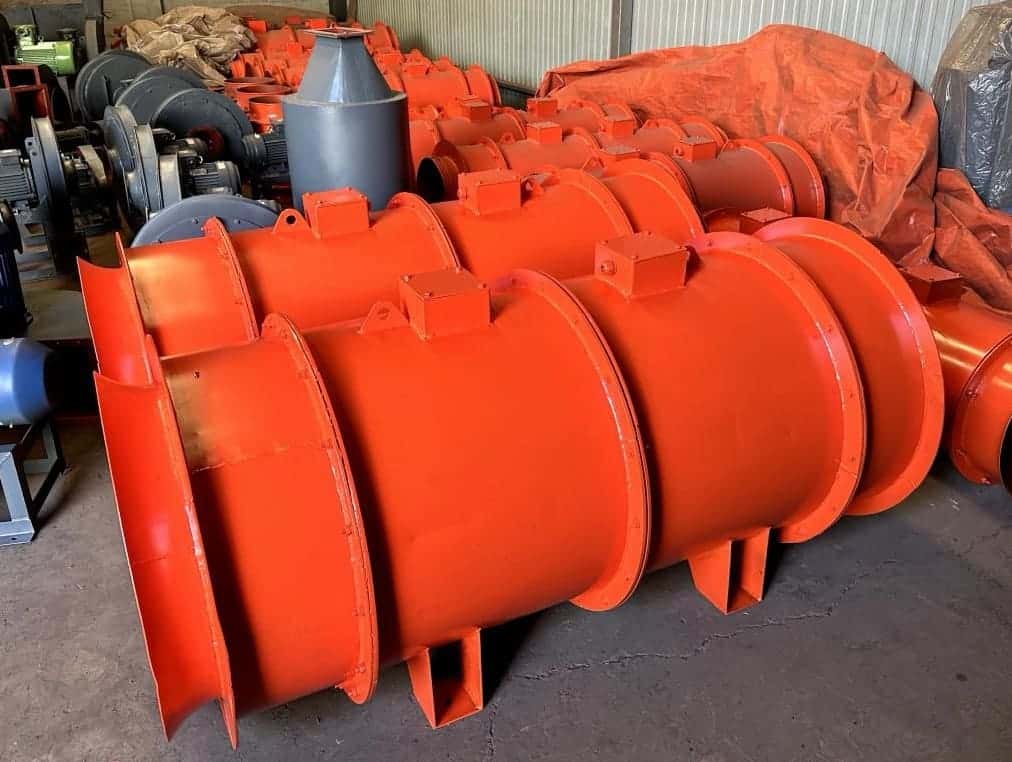
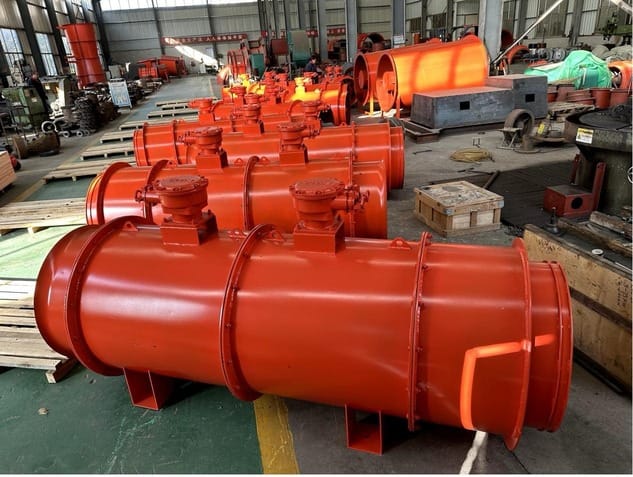
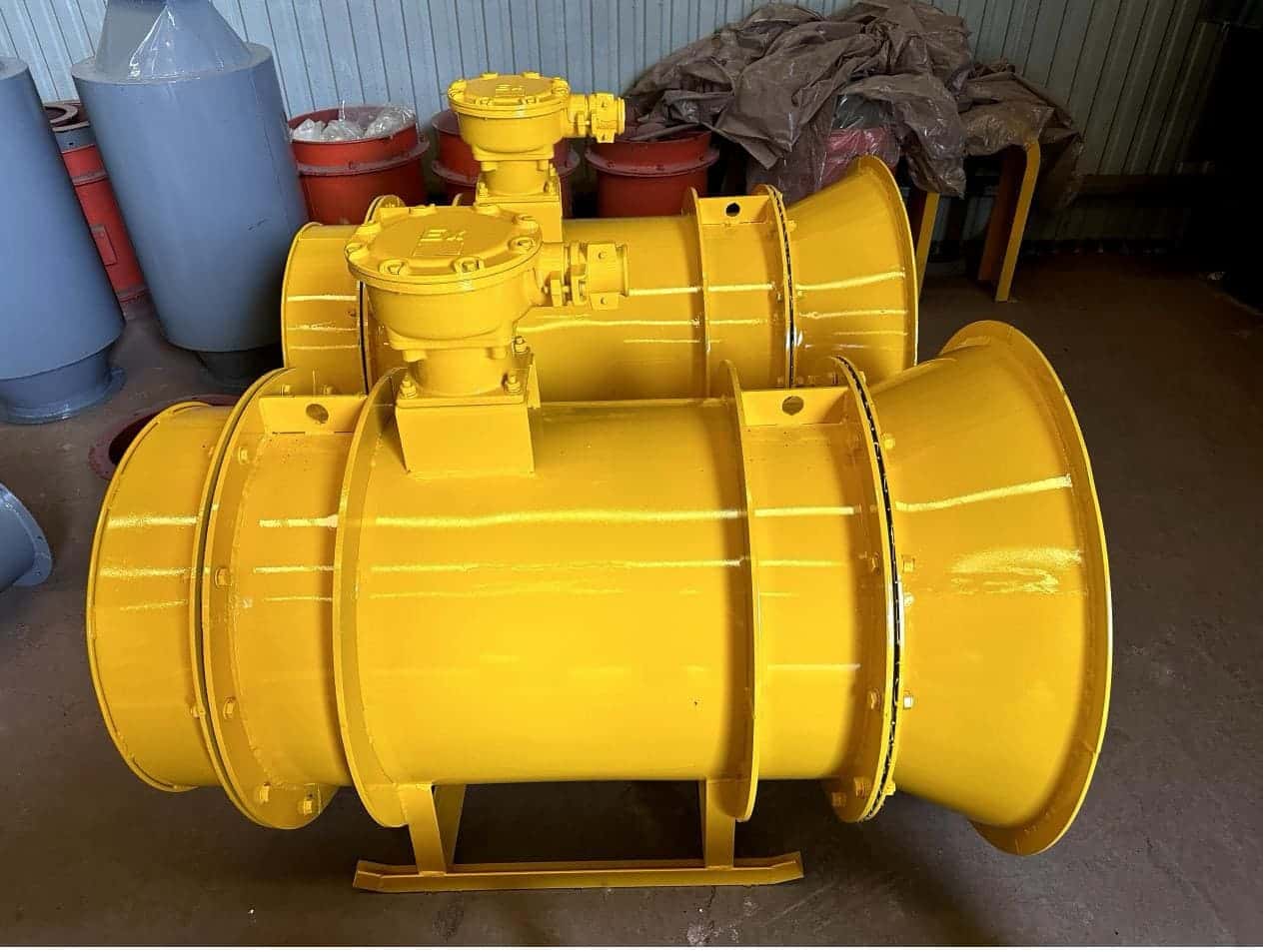
Another aspect of "strength" is mechanical robustness. Both blowers and fans can be built in light-duty or heavy-duty industrial versions. Heavy mining fans and blowers use thick steel, strong shafts and large bearings and are designed to handle continuous operation. Light domestic fans or small blowers are not comparable to these machines, regardless of type.
In summary, blowers are generally stronger than ordinary fans in terms of pressure capability, while fans are often better at moving very large volumes of air at lower pressure. The right choice depends on the resistance and performance requirements of your ventilation or process system, not just on which device looks more powerful in free air.