
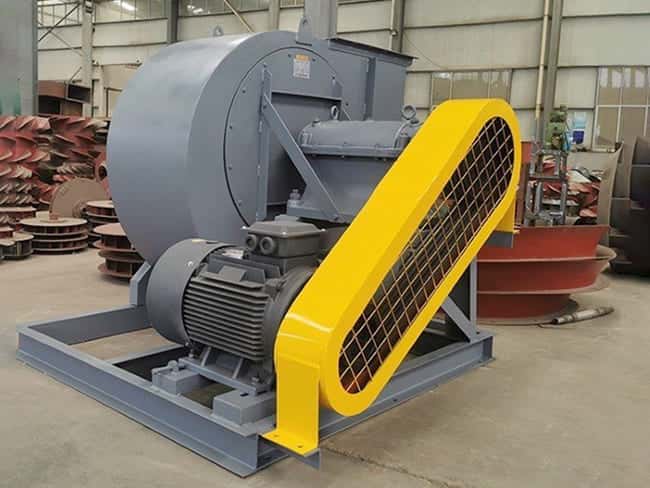
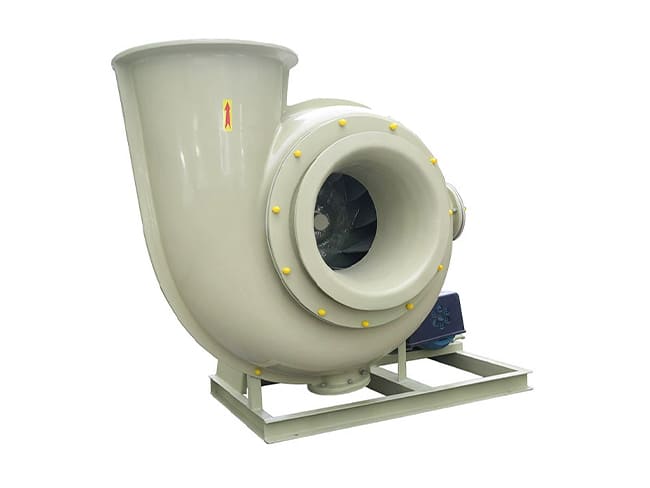
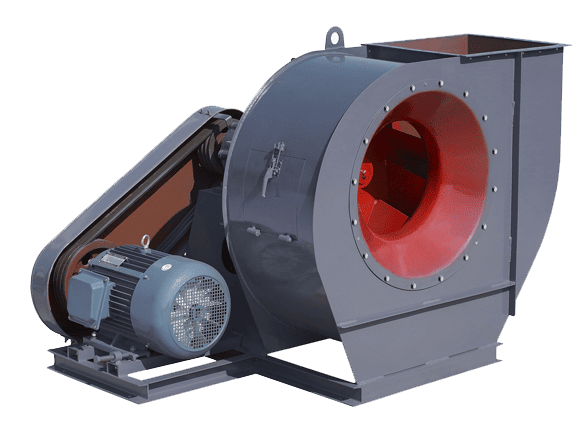
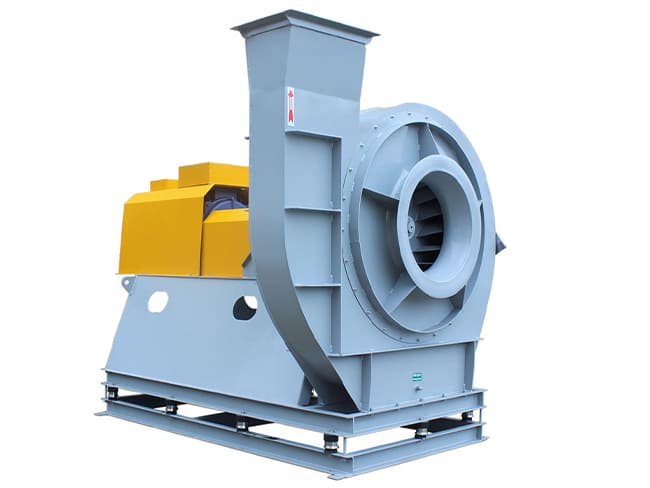
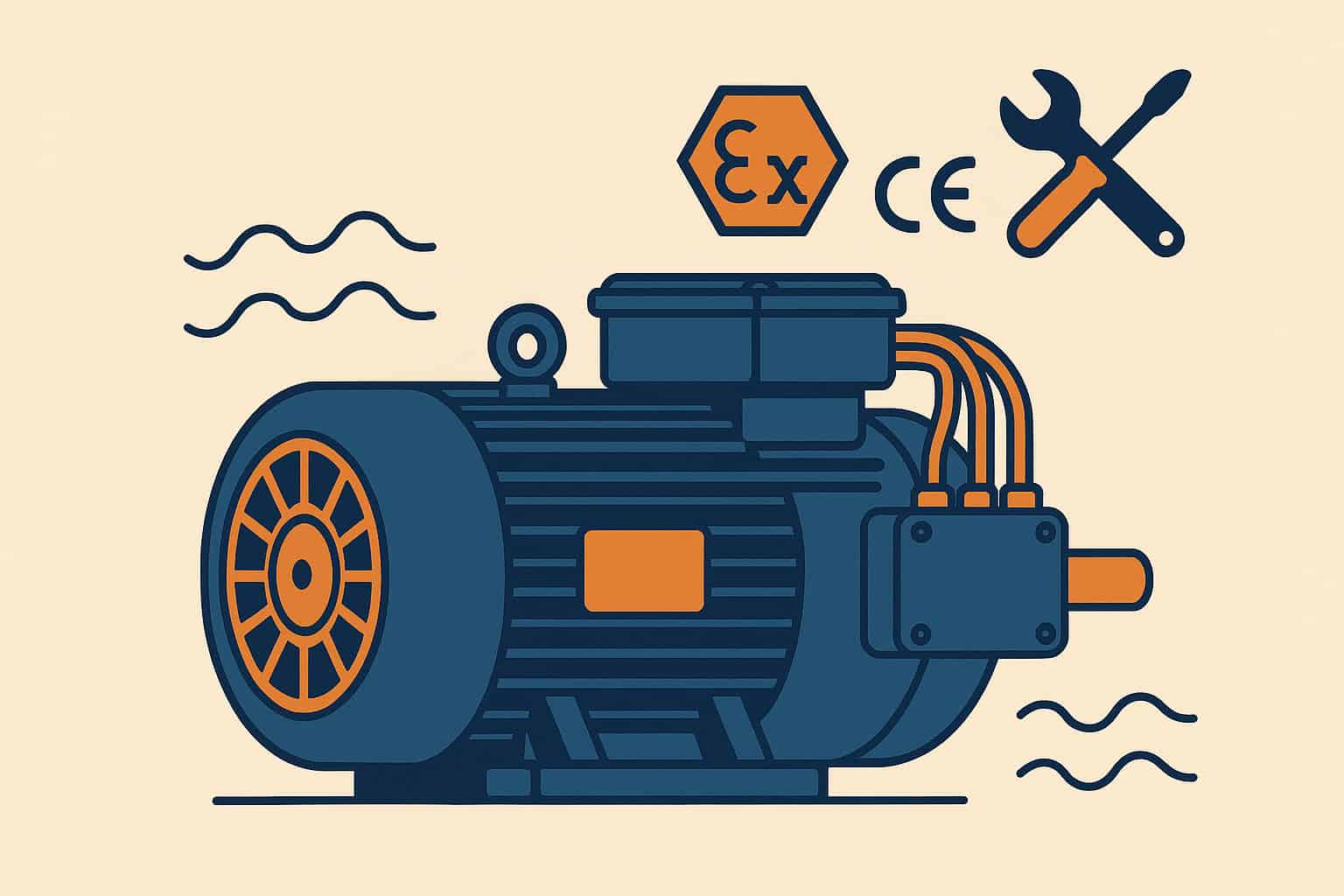
Yes, a fan motor can burn out, and it is a common cause of failure in both small and large ventilation systems. A burned-out motor usually means the winding insulation has been damaged by excessive temperature, causing short circuits or open circuits that prevent the motor from operating safely. In industrial and mining fans, avoiding motor burnout is a key part of keeping ventilation reliable.
The primary reason a fan motor burns out is overheating. Motors generate heat internally as current flows through the windings, and they depend on proper cooling to keep temperatures within safe limits. If the fan is overloaded—for example by operating at too high a speed, in too dense a gas or against too much system resistance—the motor draws more current than it was designed for, producing extra heat. If overload protection is inadequate or bypassed, the motor can overheat until the insulation fails.
Poor ventilation of the motor itself is another major factor. Dust and dirt can clog the cooling fins, block fan covers and restrict airflow across the motor frame. In enclosed or underground spaces, high ambient temperatures reduce the motor’s ability to shed heat. If a motor runs in a hot, dusty, poorly ventilated corner of a plant or mine without regular cleaning, it is much more likely to burn out than a similar motor in clean, cool air.
Electrical supply problems also contribute to burnout. Undervoltage causes the motor to draw higher current to produce the same torque, raising temperature. Phase imbalance or single-phasing in three-phase systems produces uneven currents and can quickly overheat one part of the winding. Frequent starts and stops, especially with large fans, lead to high inrush currents and repeated thermal stress. Correctly sized contactors, overload relays and protective devices are essential to detect and disconnect the motor before damage occurs.
Mechanical issues can indirectly cause burnout as well. If fan bearings seize or drag, or if the impeller becomes heavily fouled or damaged, the load on the motor increases. This may not be immediately obvious from outside, but the motor will run hotter as it struggles to maintain speed. Without monitoring, this extra load can push the motor beyond its thermal design, eventually burning out the windings.
To prevent fan motor burnout, engineers and maintenance teams should ensure that motors are correctly sized for the fan duty, equipped with suitable overload protection, supplied with clean and stable electrical power and kept physically clean. Regular inspections of temperature, vibration, current draw and insulation resistance allow early detection of problems. In critical mining and industrial ventilation applications, these preventive measures are far cheaper and safer than dealing with a sudden burned-out fan motor.