
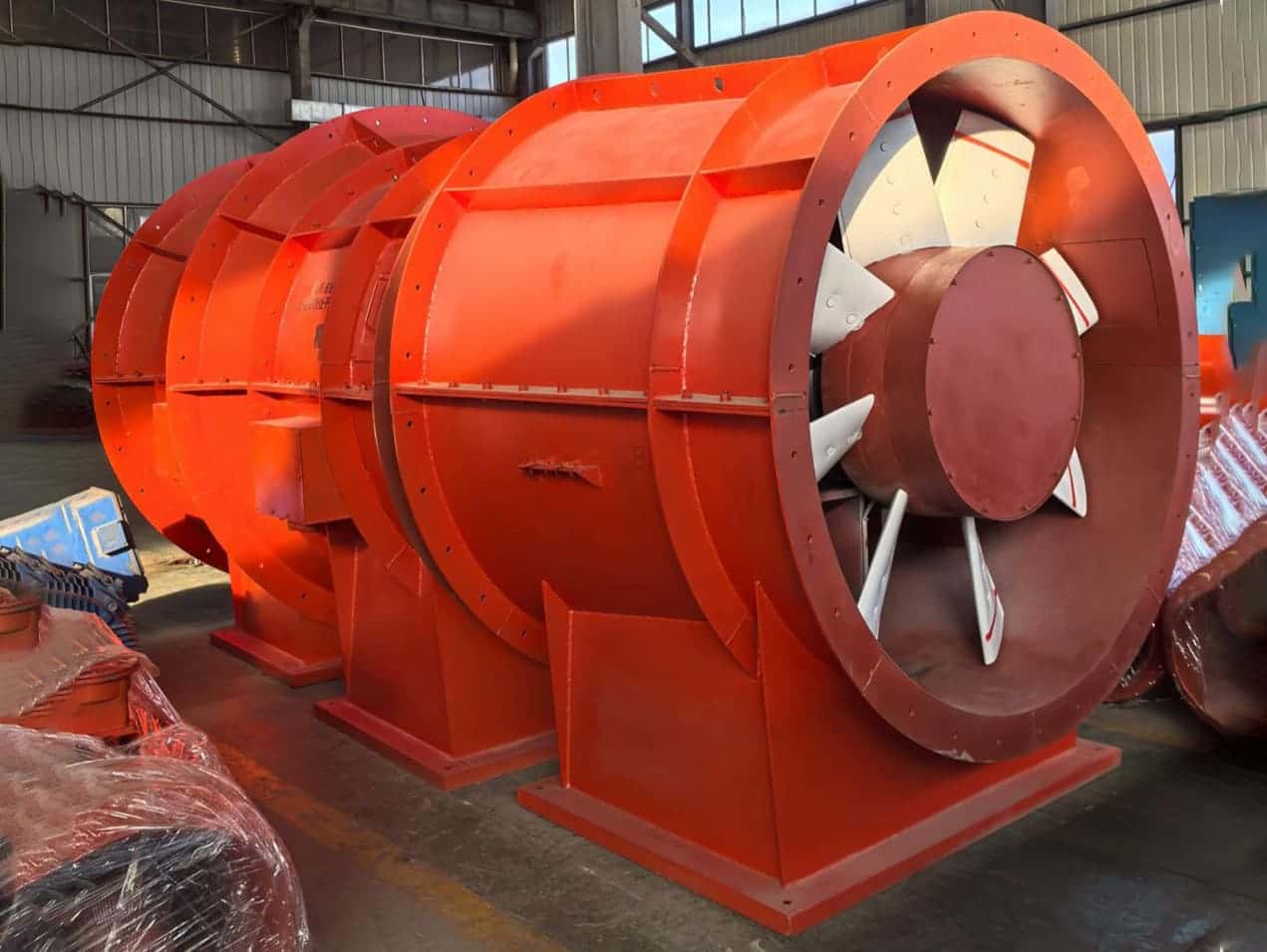
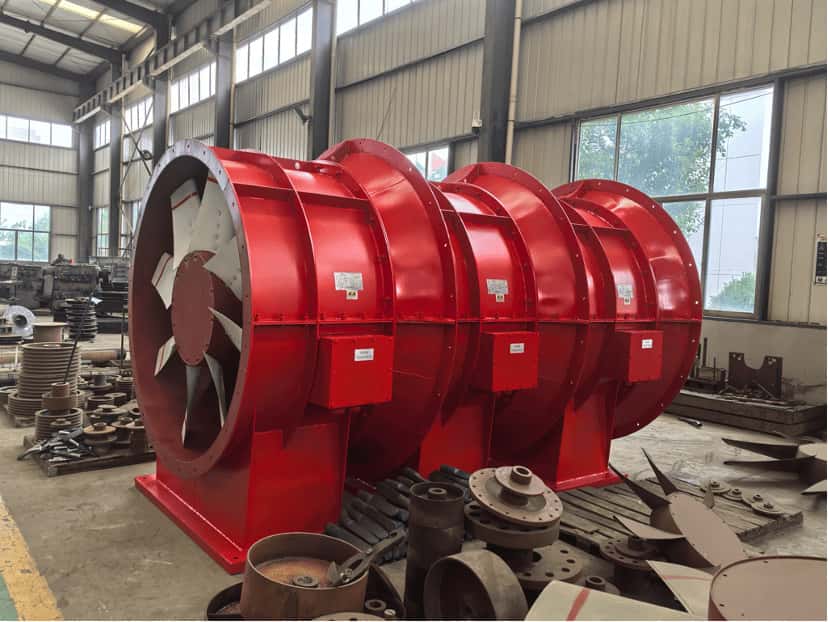
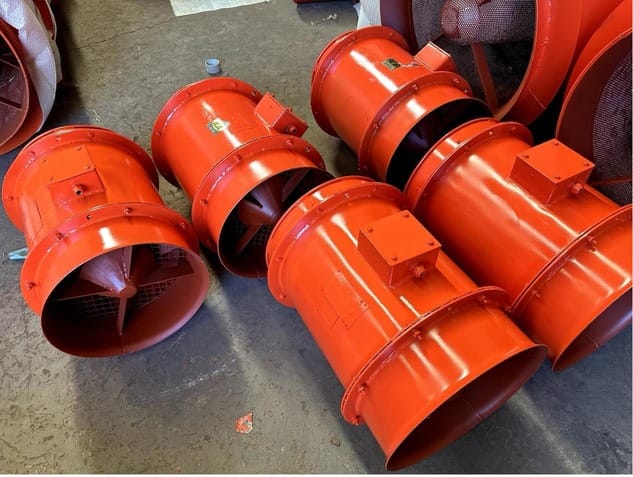
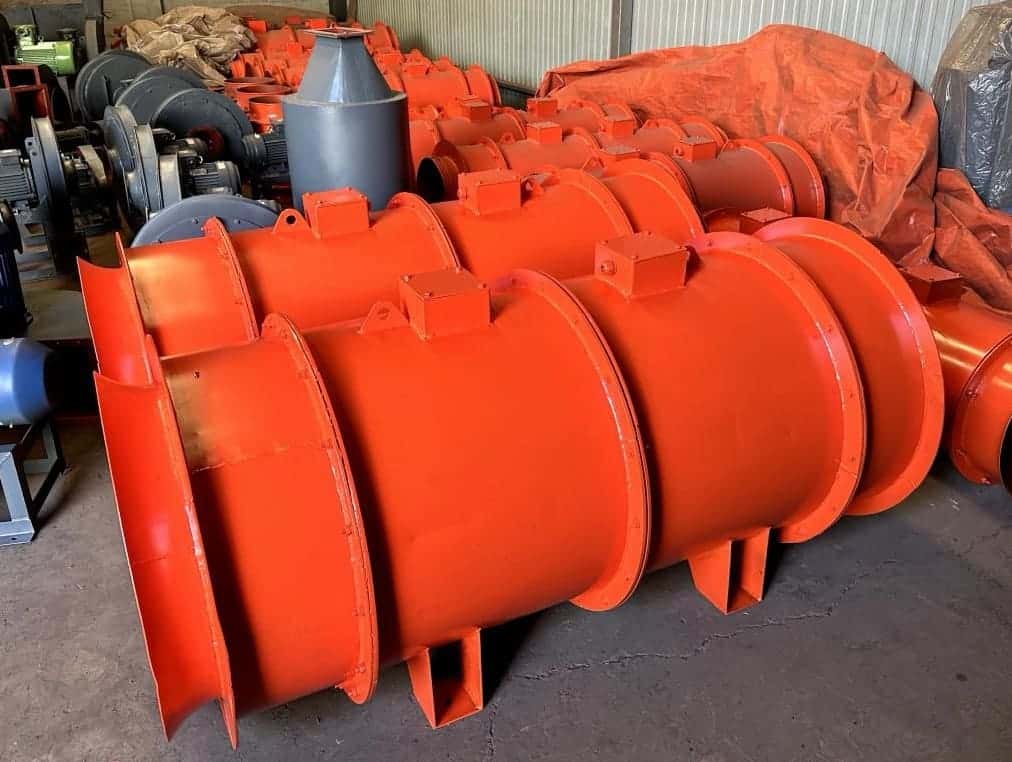
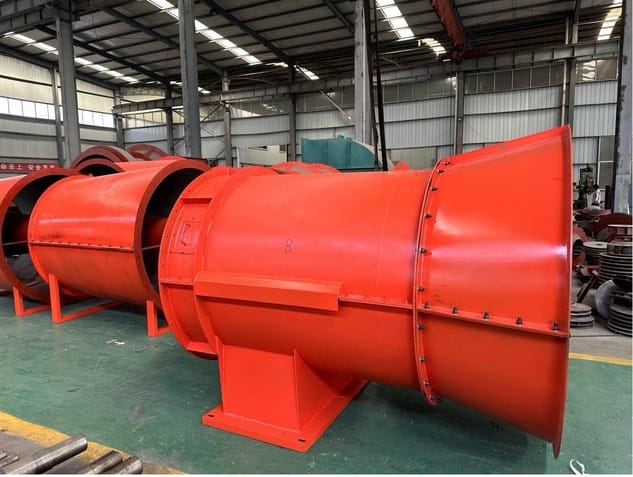
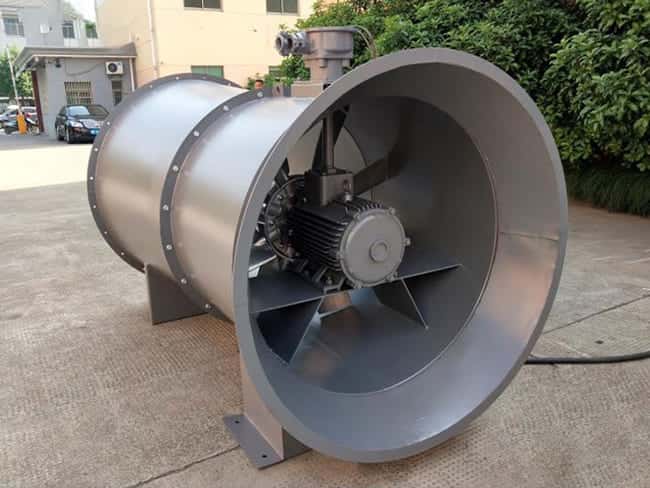
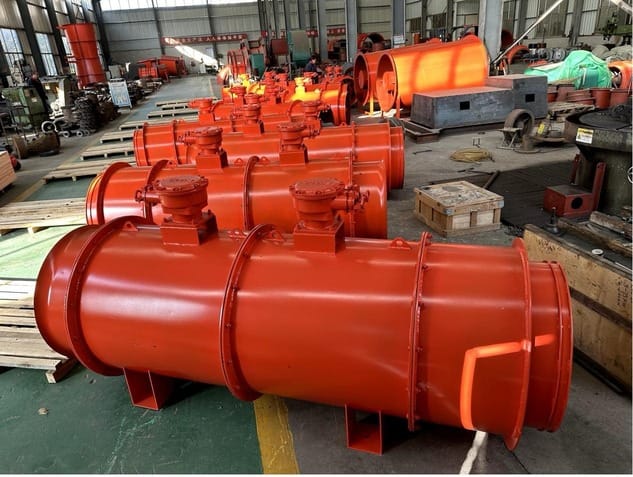
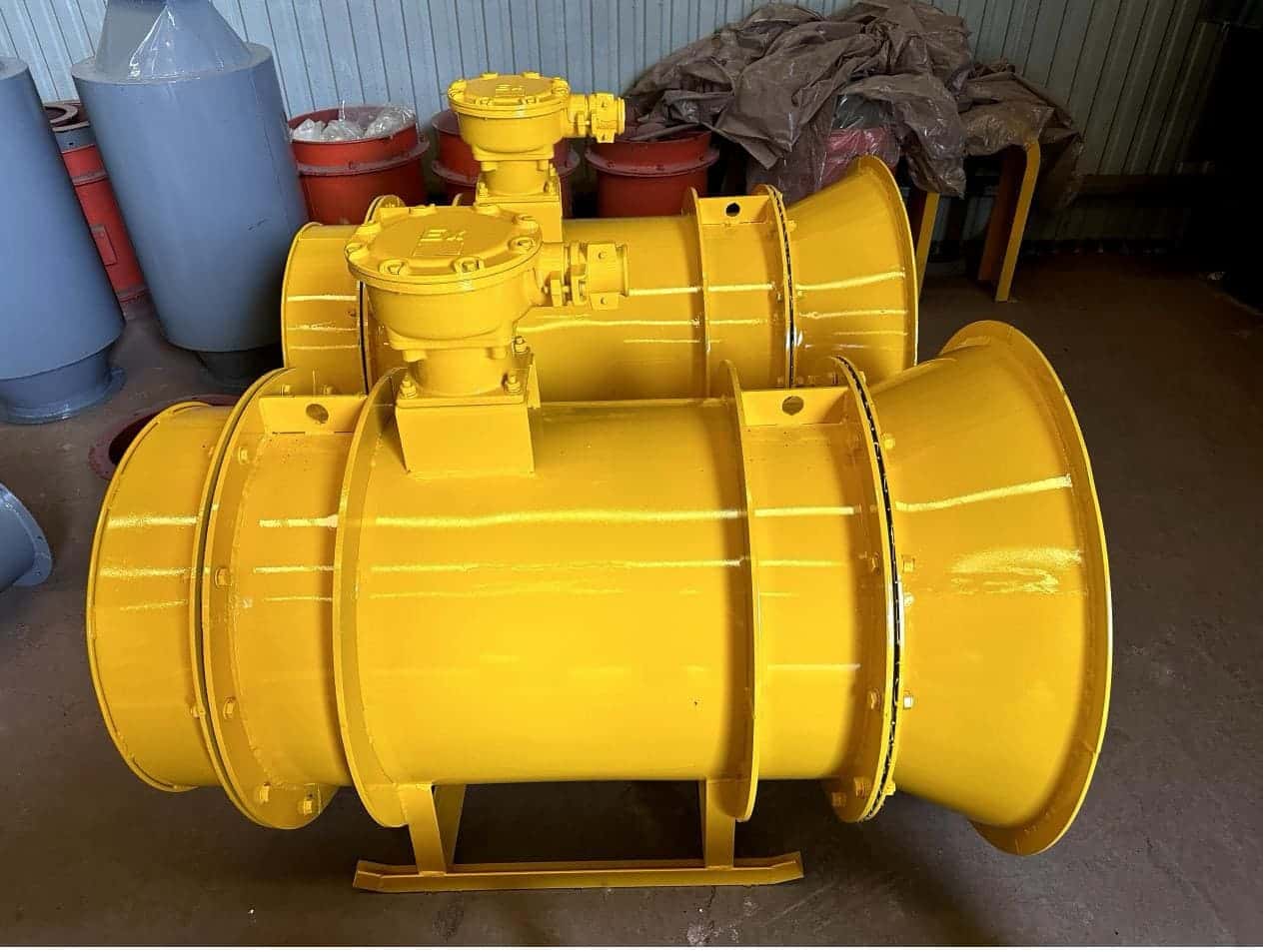
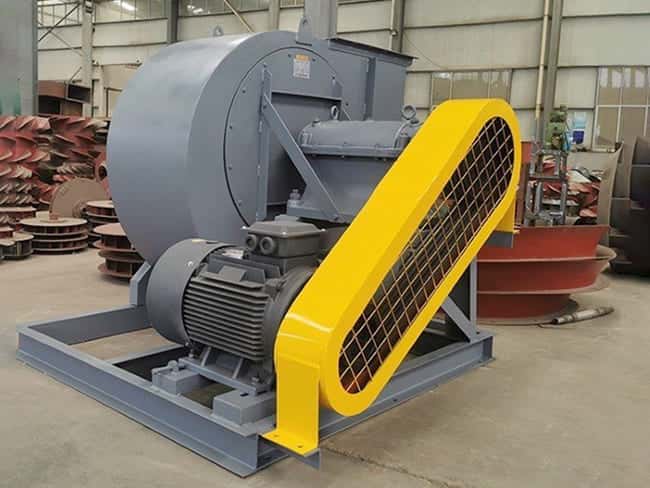
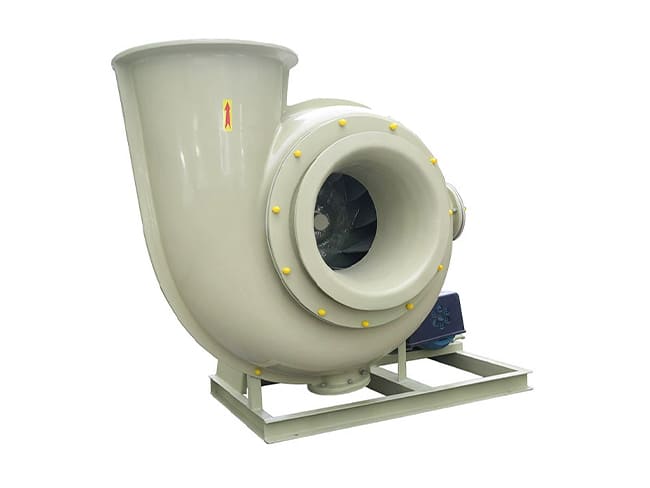
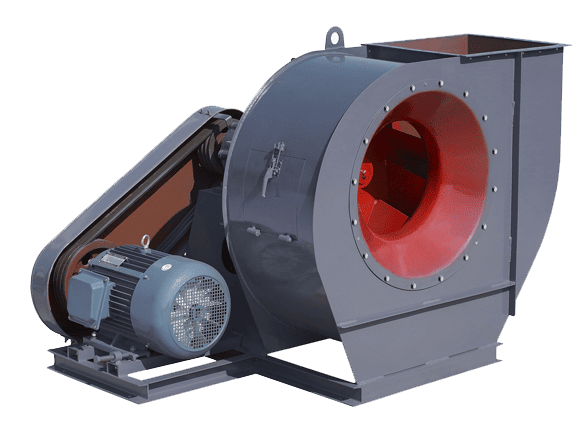
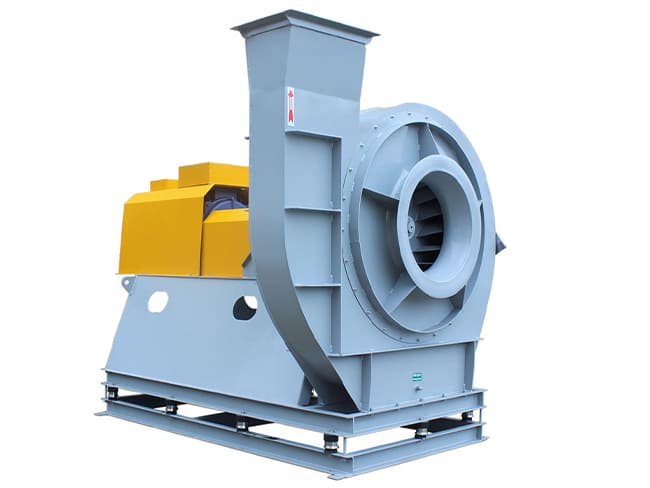
Yes, an exhaust fan can remove hot air, and this is one of its most common and useful functions in buildings, industrial plants and underground mines. By extracting hot air from a space and discharging it to the outside, an exhaust fan helps lower the average air temperature and makes conditions more comfortable for people and safer for equipment. However, for an exhaust fan to remove heat effectively, it must be properly sized and installed, and there must be a clear path for cooler replacement air to enter.
The basic principle is simple. Hot air tends to accumulate near ceilings, around machinery and in poorly ventilated corners. When an exhaust fan operates, it creates a small negative pressure in the room or tunnel section. This pressure difference draws air toward the fan and out of the space. If the system is designed correctly, cooler air from outside or from a cooler part of the plant flows in through openings, louvers or intake fans to replace the air that has been exhausted. Over time, this circulation removes heat and reduces the temperature.
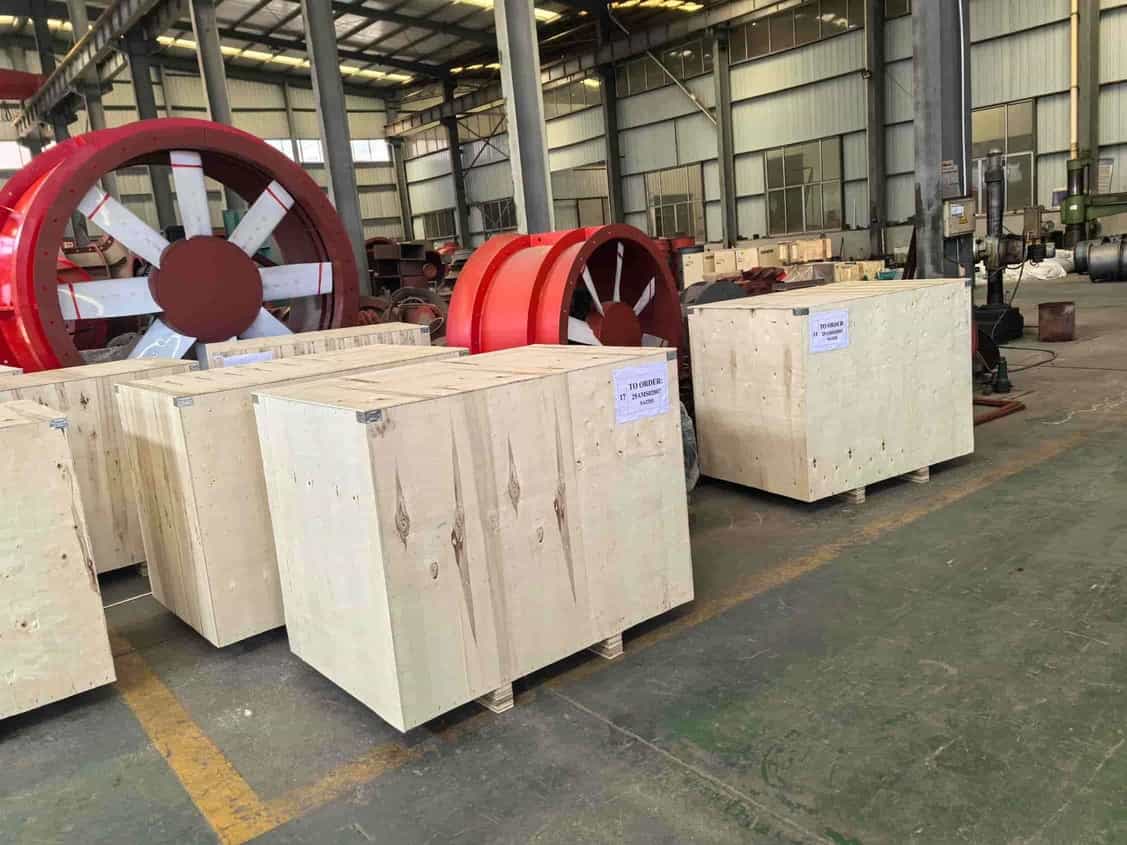
In industrial workshops and factories, exhaust fans are often mounted high on walls or roofs, where hot air naturally accumulates. They pull out warm, dusty or fume-laden air from production areas. When combined with supply air inlets or fans bringing in cooler outdoor air, these exhaust systems can significantly reduce heat stress for workers and lower the temperature of sensitive equipment. In some cases, exhaust fans are combined with evaporative coolers or air conditioning to improve their effect.
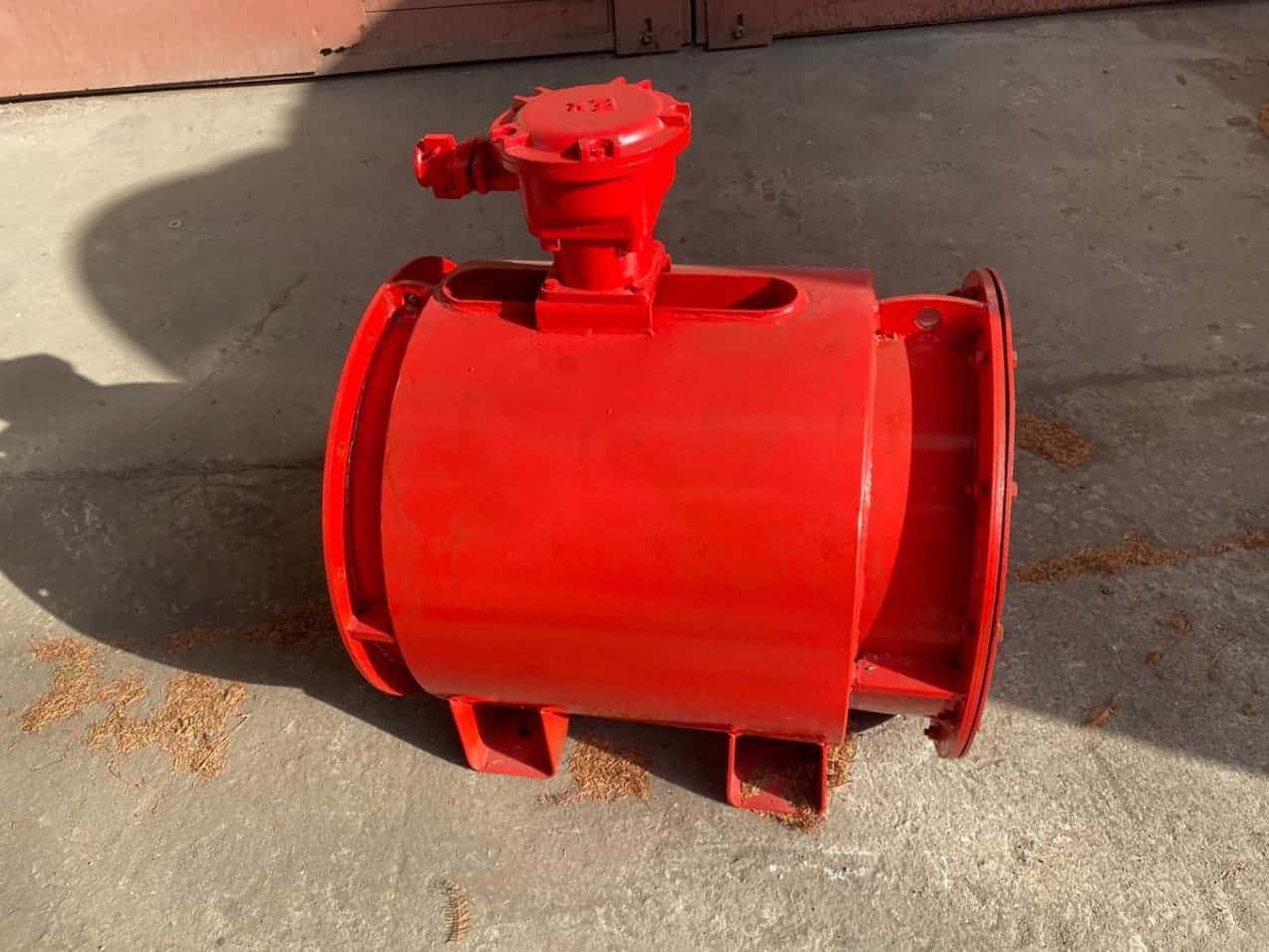
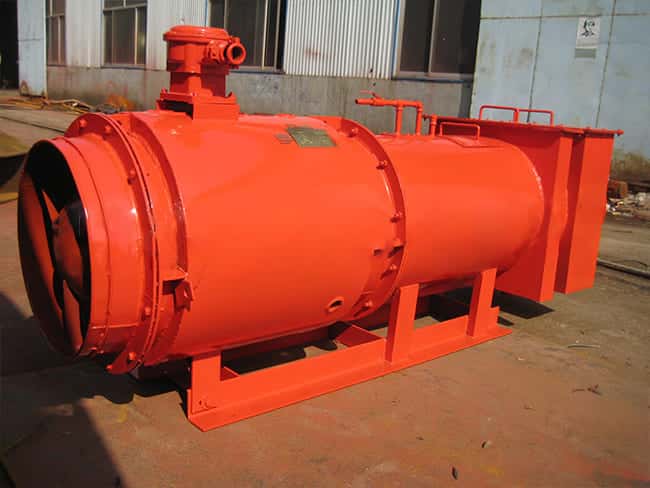
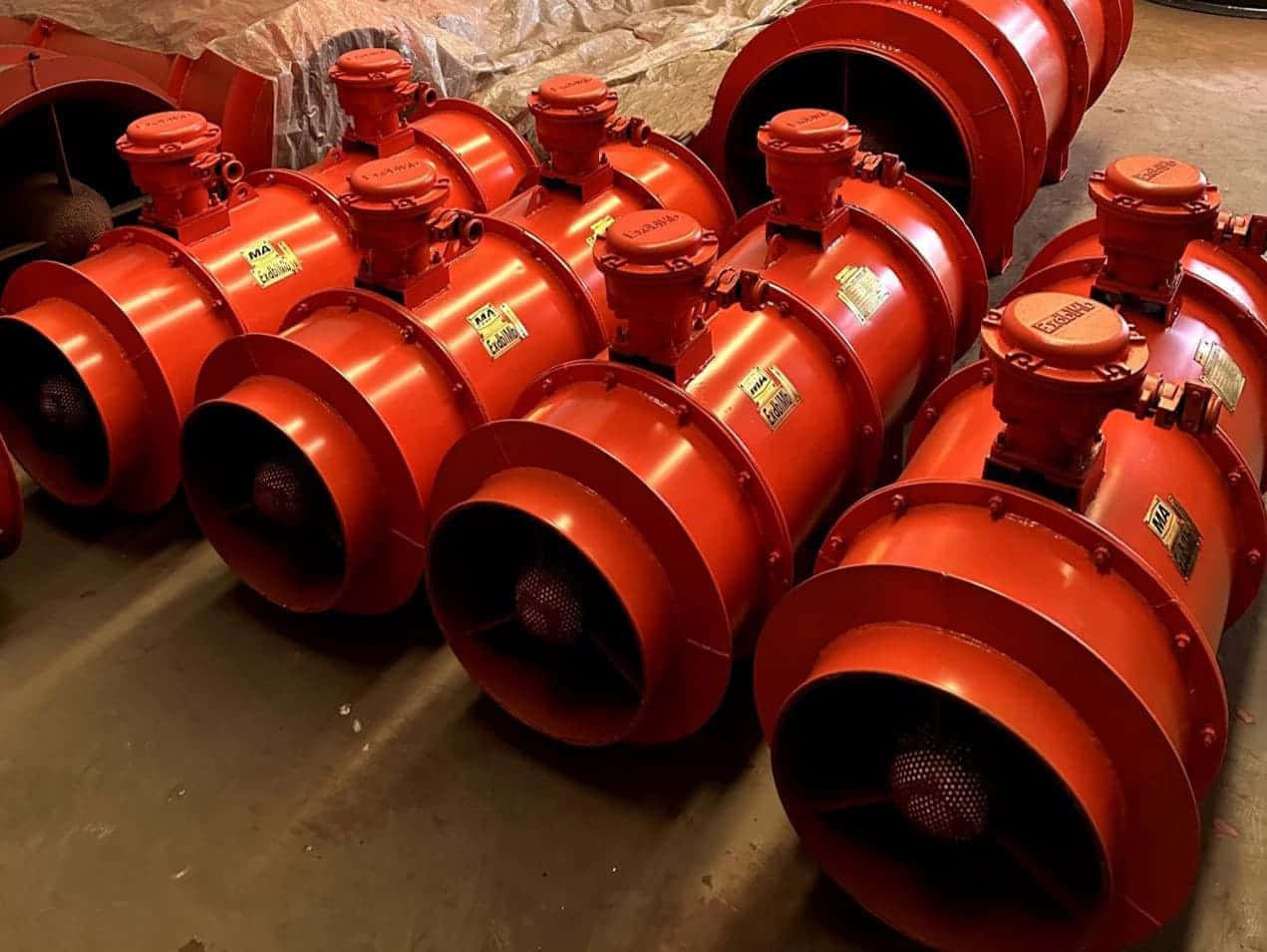
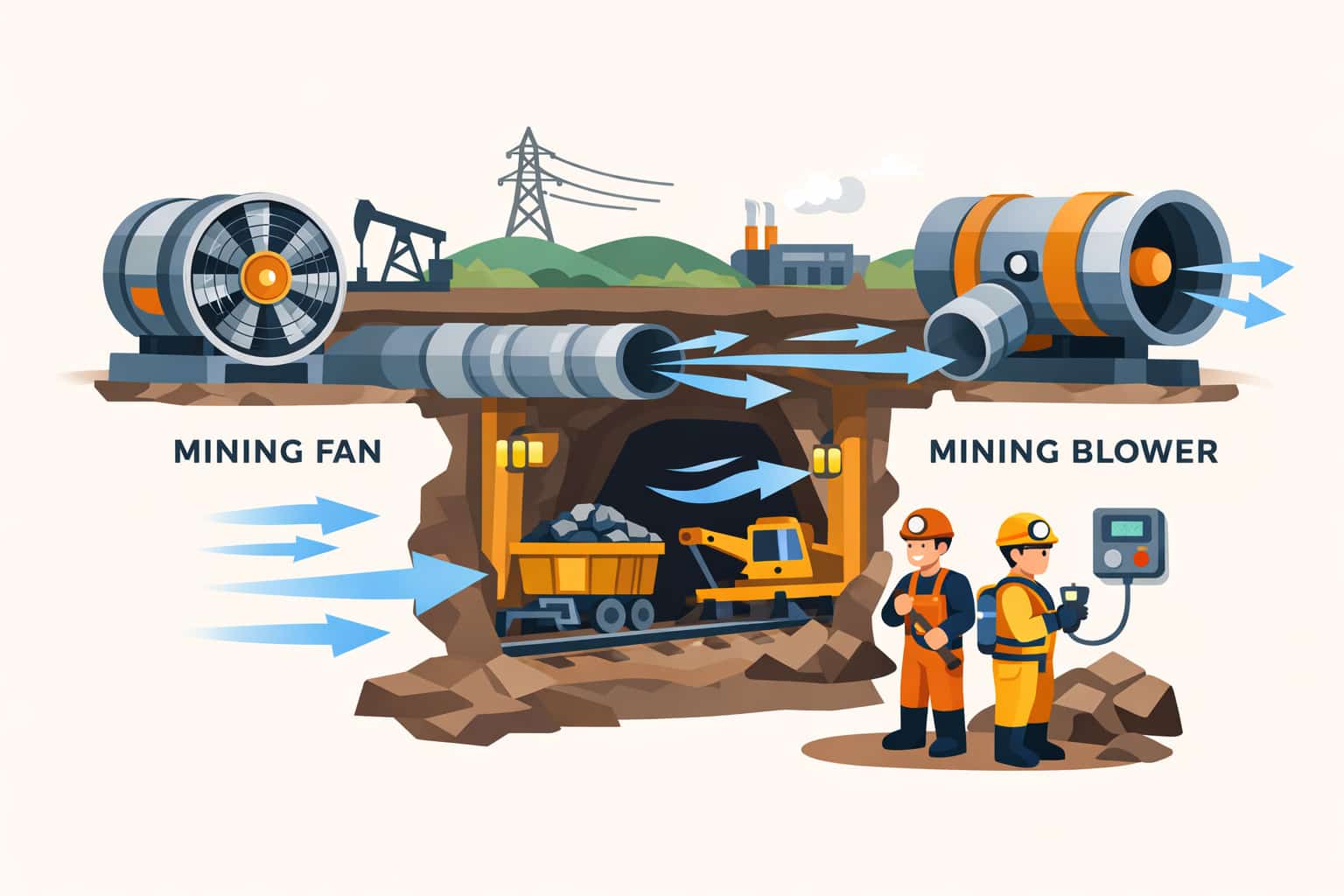
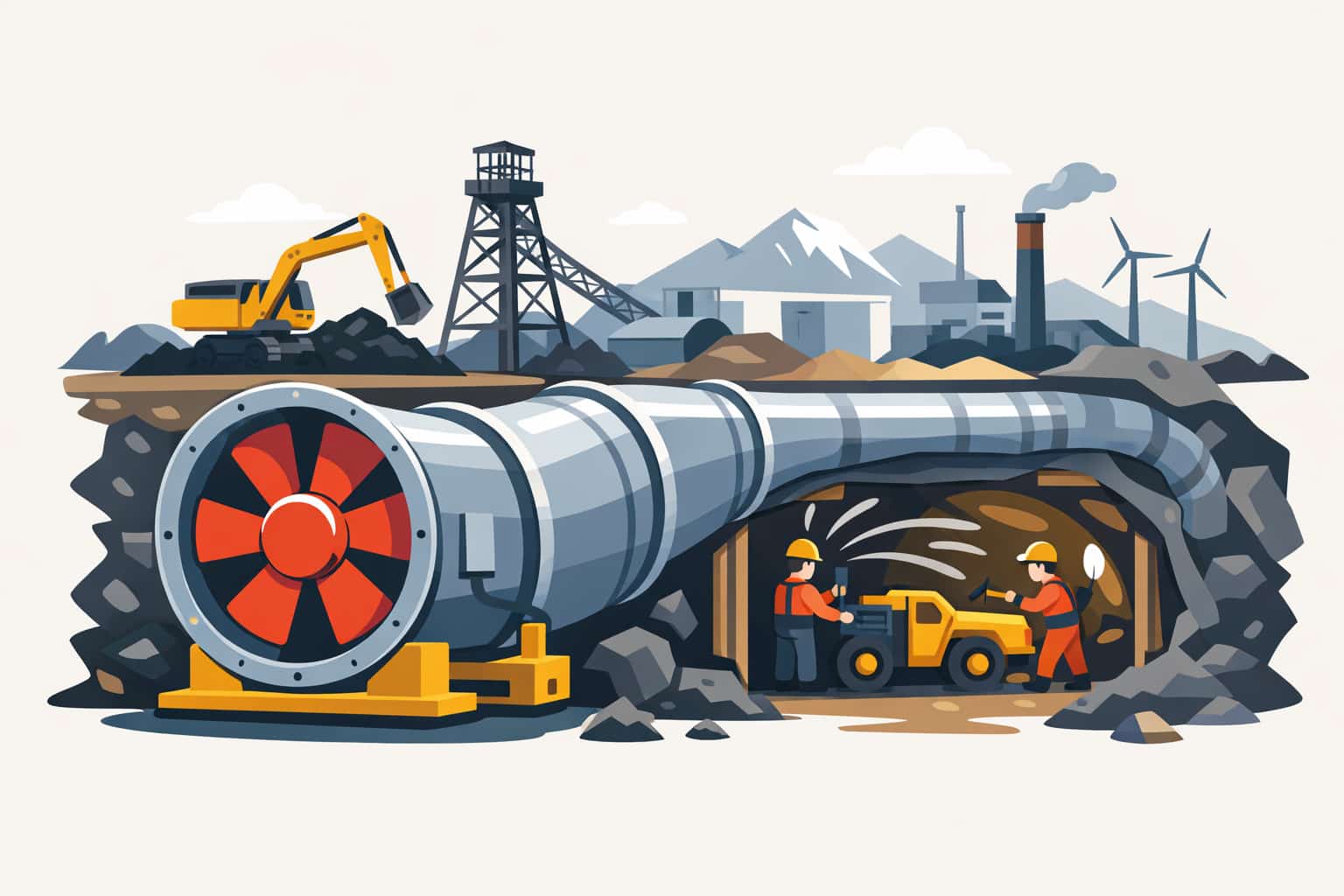
In underground mines, main exhaust fans and auxiliary exhaust systems play a vital role in managing heat as well as gases. Exhaust fans draw hot, contaminated air along return airways and out of the mine, while intake airways carry cooler surface air into working areas. This continuous exchange helps to limit temperature rise, especially in deep or highly mechanized mines where rock temperature and equipment heat loads are high. Careful design ensures that airflow reaches all headings and that exhaust routes do not recirculate hot air back into intake areas.
There are limits, however, to what an exhaust fan alone can achieve. If the incoming air is already very hot, or if heat generation from processes and equipment is extremely high, exhaust fans can only reduce temperature so far. In such cases, additional cooling methods, insulation or changes to process timing may be required. Also, if there are no adequate openings for make-up air, the fan will struggle, and airflow will be restricted, reducing its ability to remove hot air.
In summary, an exhaust fan can remove hot air effectively when the fan capacity matches the heat load, there is a well-planned path for cooler air to enter, and the system is designed to avoid recirculation. For industrial and mining applications with significant heat, exhaust fans are a key part of broader temperature control and ventilation strategies.