
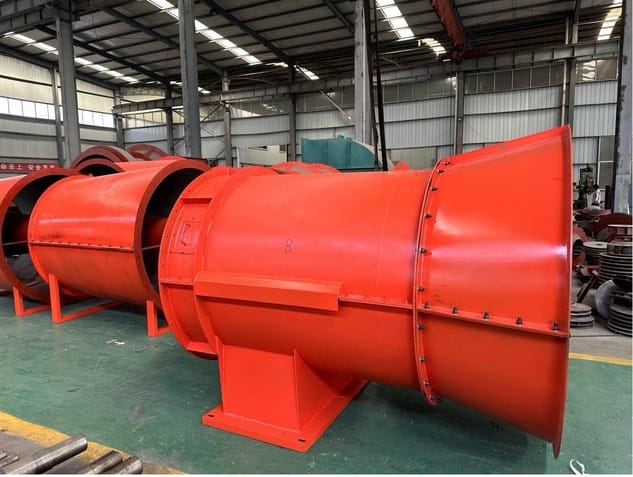
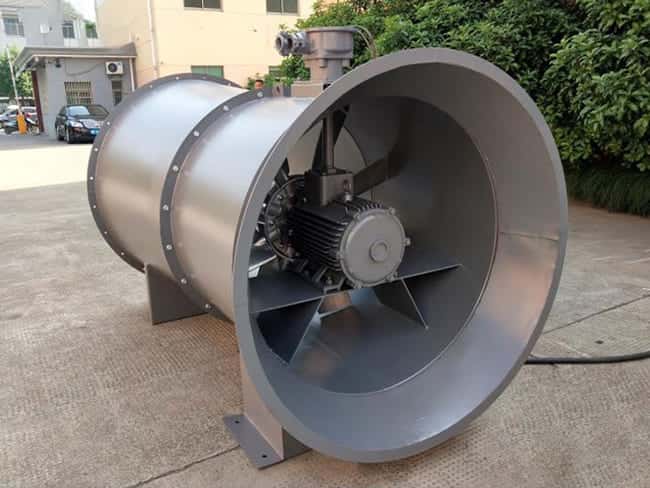
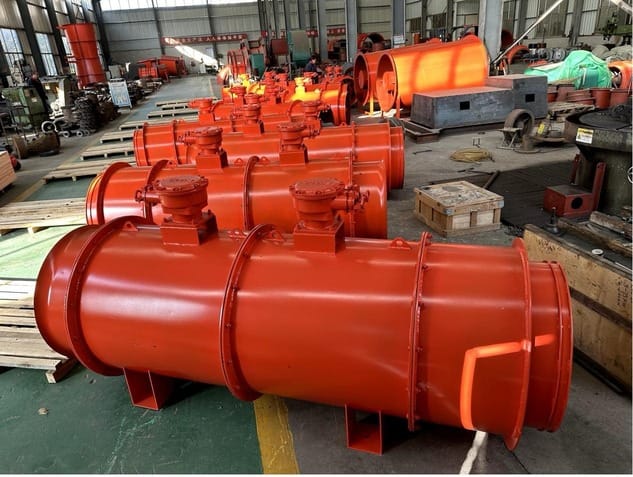
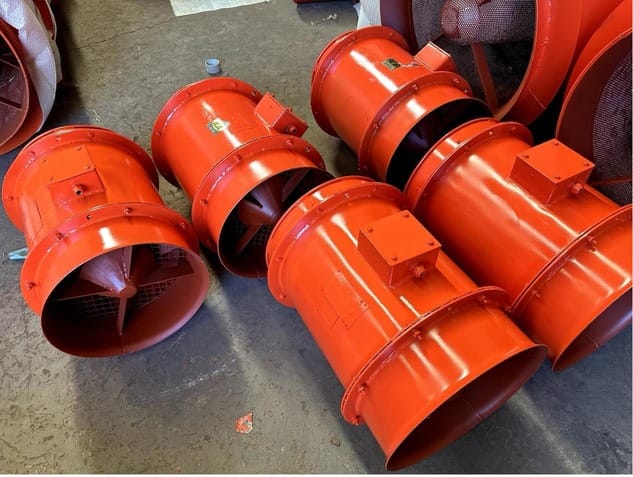
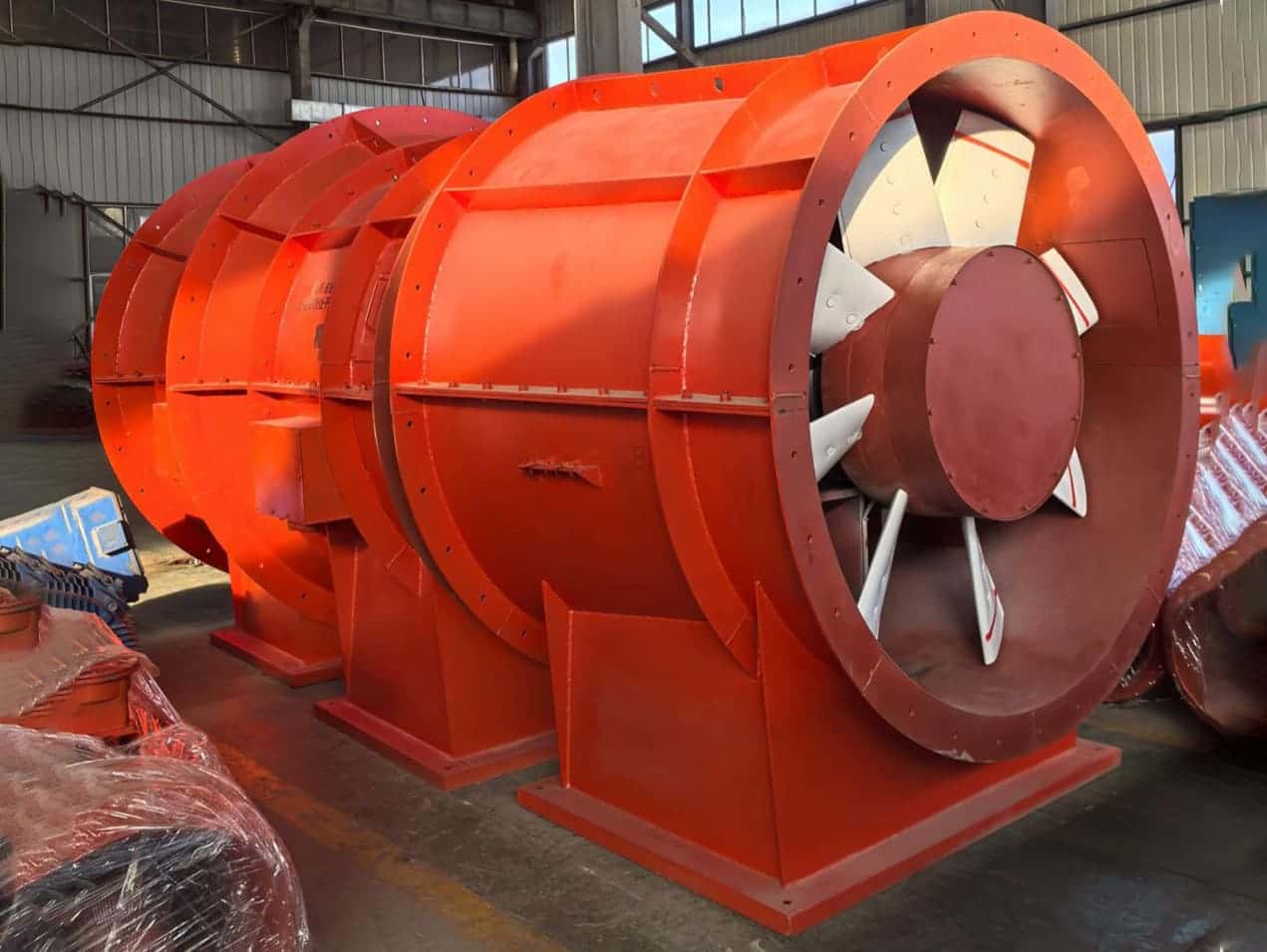
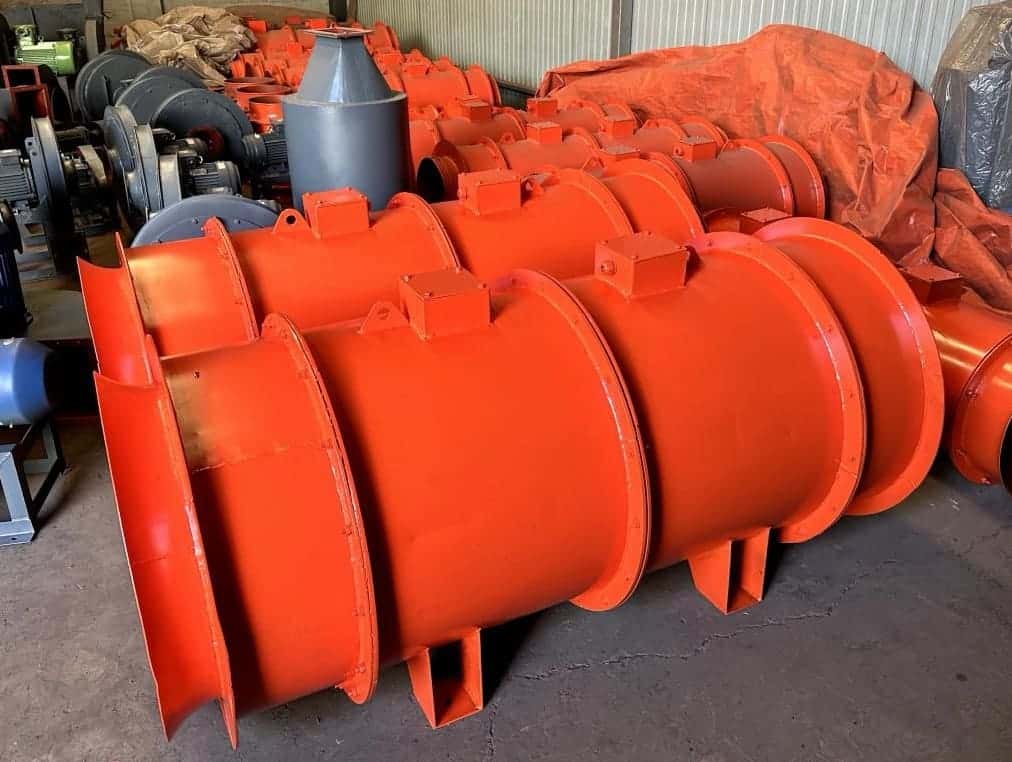
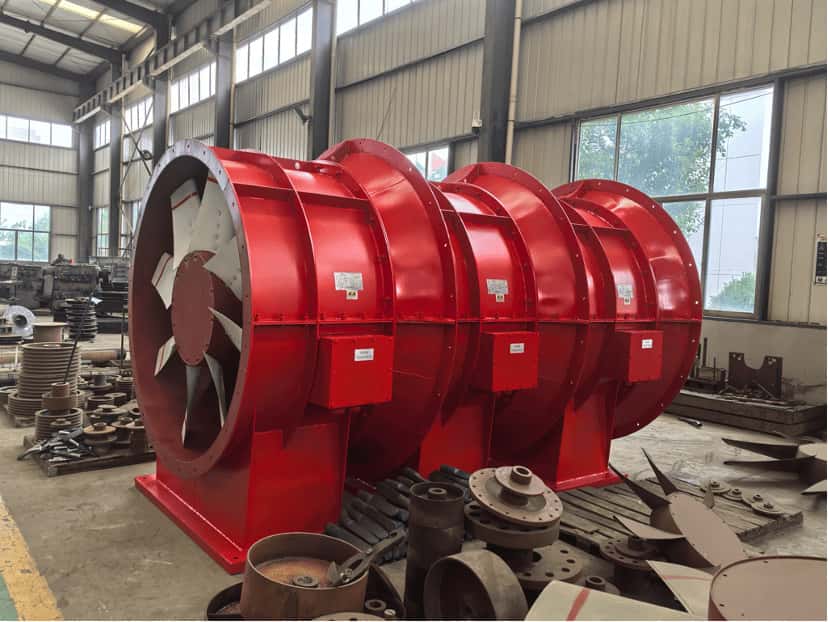
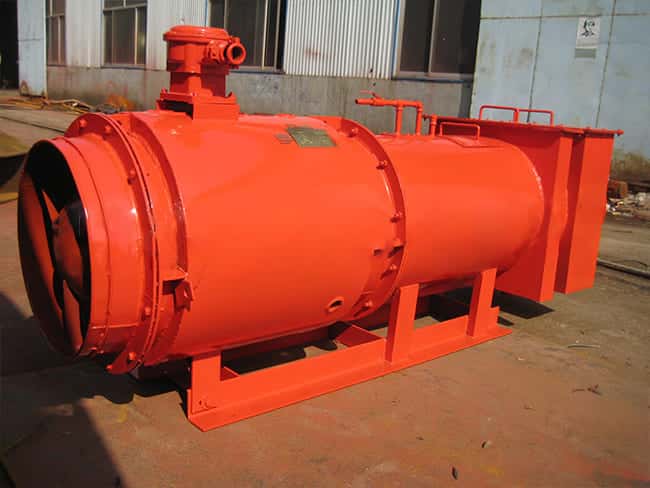
An industrial ventilation fan does not normally “catch fire” in the sense of the metal housing burning, but it can become an ignition source if something goes wrong. Overheated bearings, motor faults, friction between rotating and stationary parts, or electrical sparks can ignite flammable dusts or gases if the system is not properly designed and maintained.
The fan impeller and housing are usually made of steel, aluminium or FRP, which are not easy to ignite by themselves under normal conditions. However, if a bearing fails, lubrication breaks down or the fan is badly misaligned, friction can generate very high local temperatures. In extreme cases, this can cause smoke, glowing metal and combustible deposits igniting, especially if there is oil, grease, dust or plastic nearby.
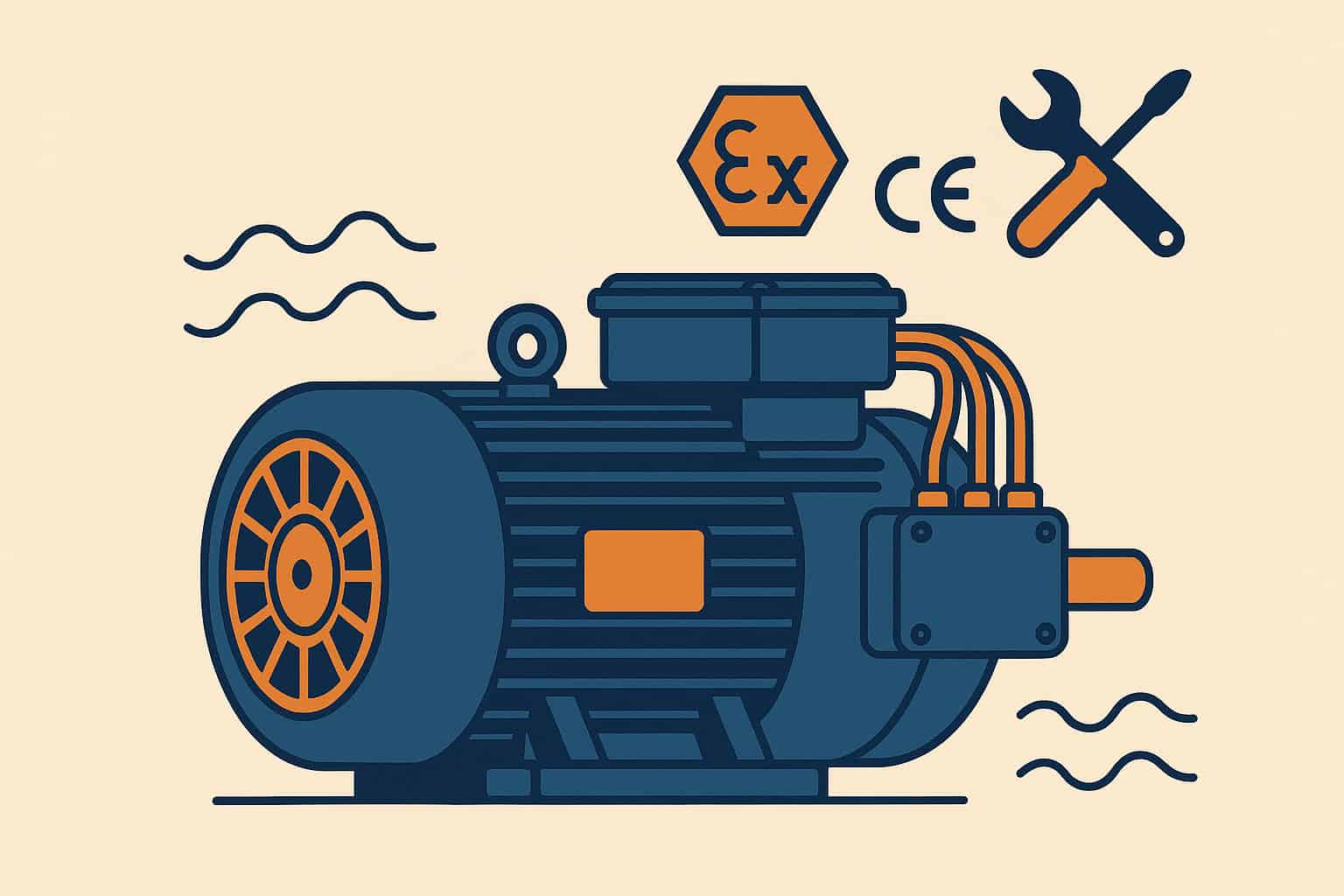
The motor and electrical components are another potential source of fire. Overloaded motors, blocked ventilation paths, incorrect voltage or poor connections can cause overheating and insulation breakdown. If the motor is not adequately protected by thermal devices, fuses or overload relays, a fault could lead to insulation burning or even flames within the motor housing. In environments with flammable vapors or dust, sparks or hot surfaces from electrical faults can trigger an explosion or fire.
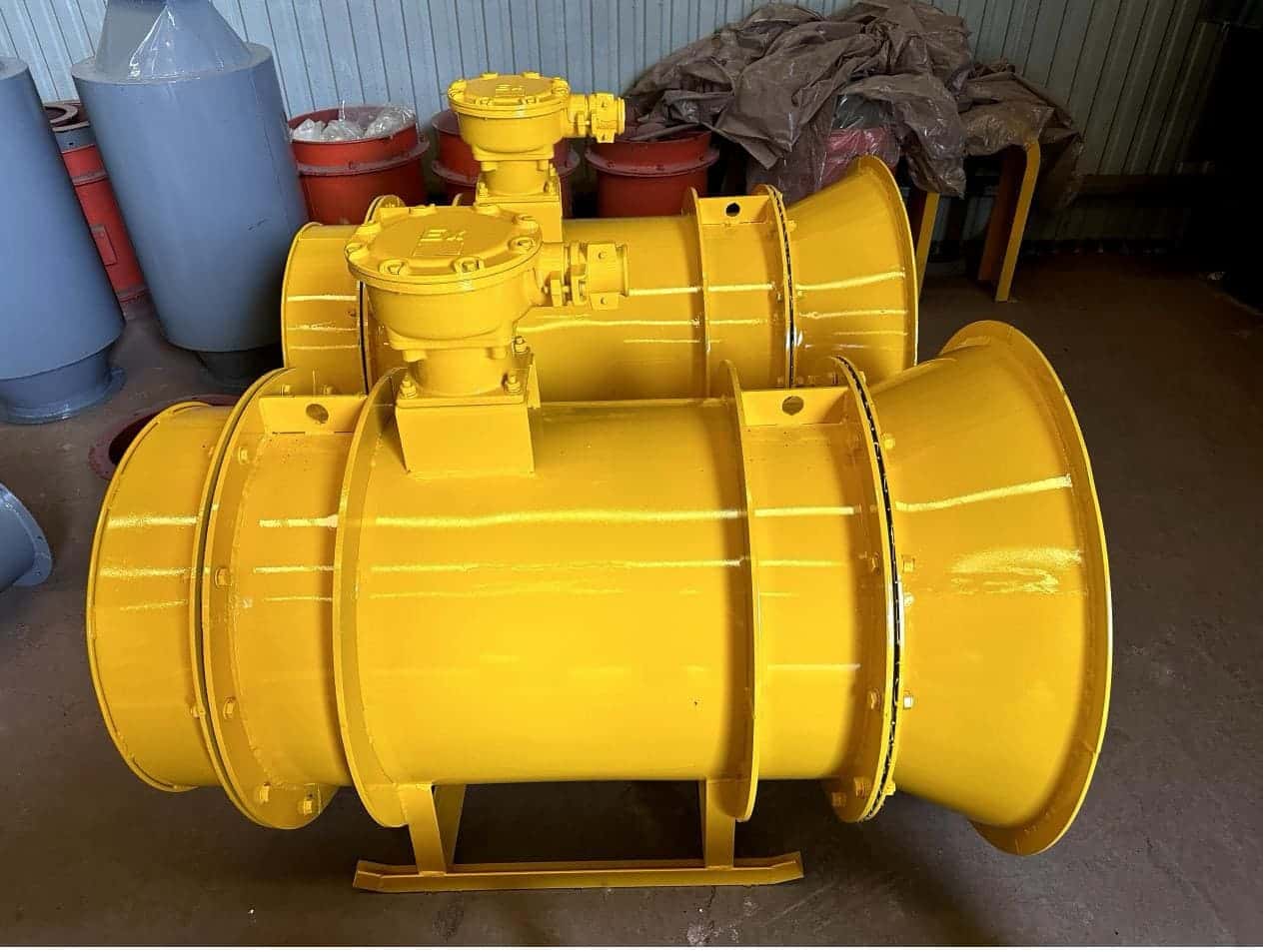
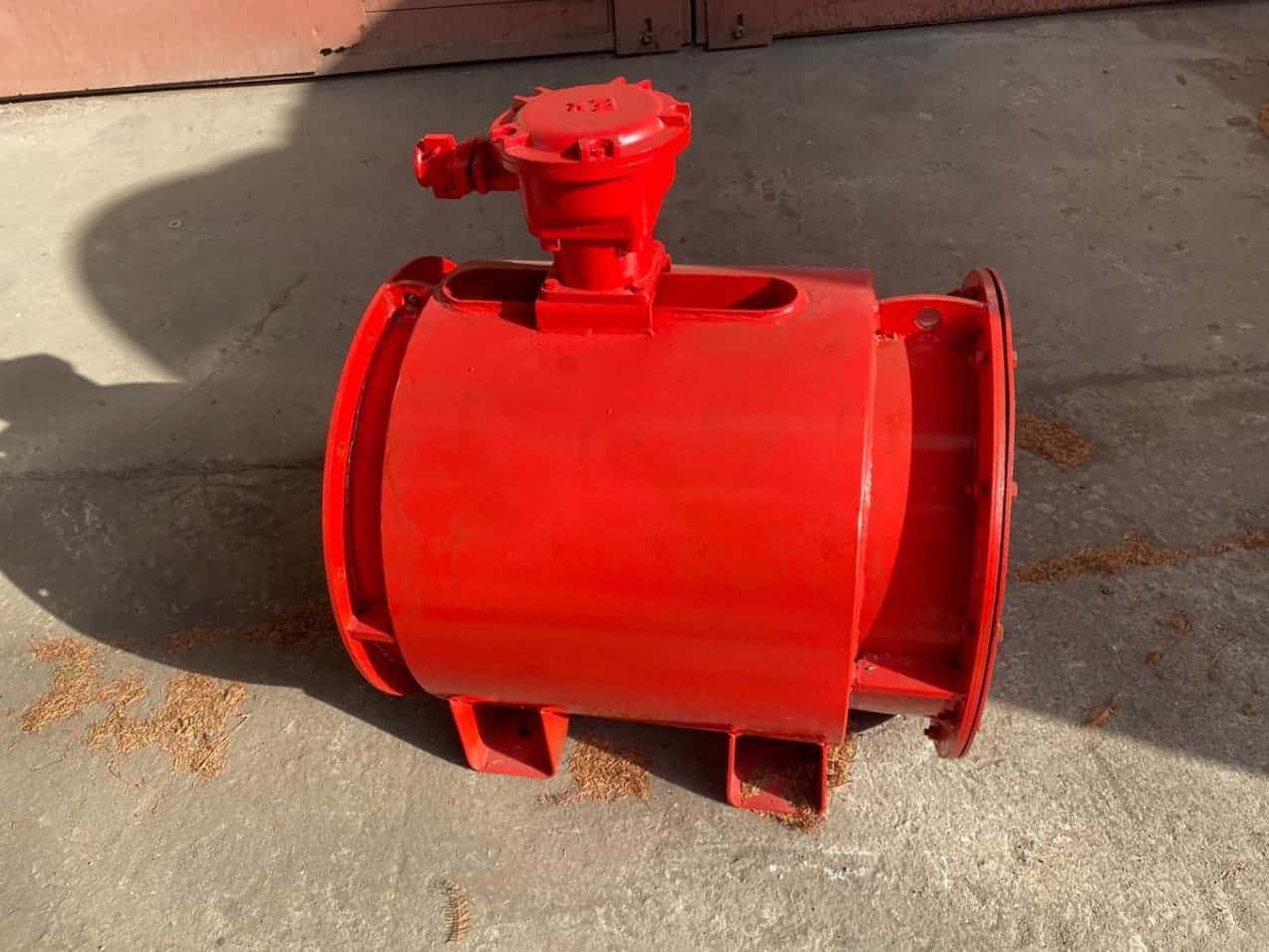
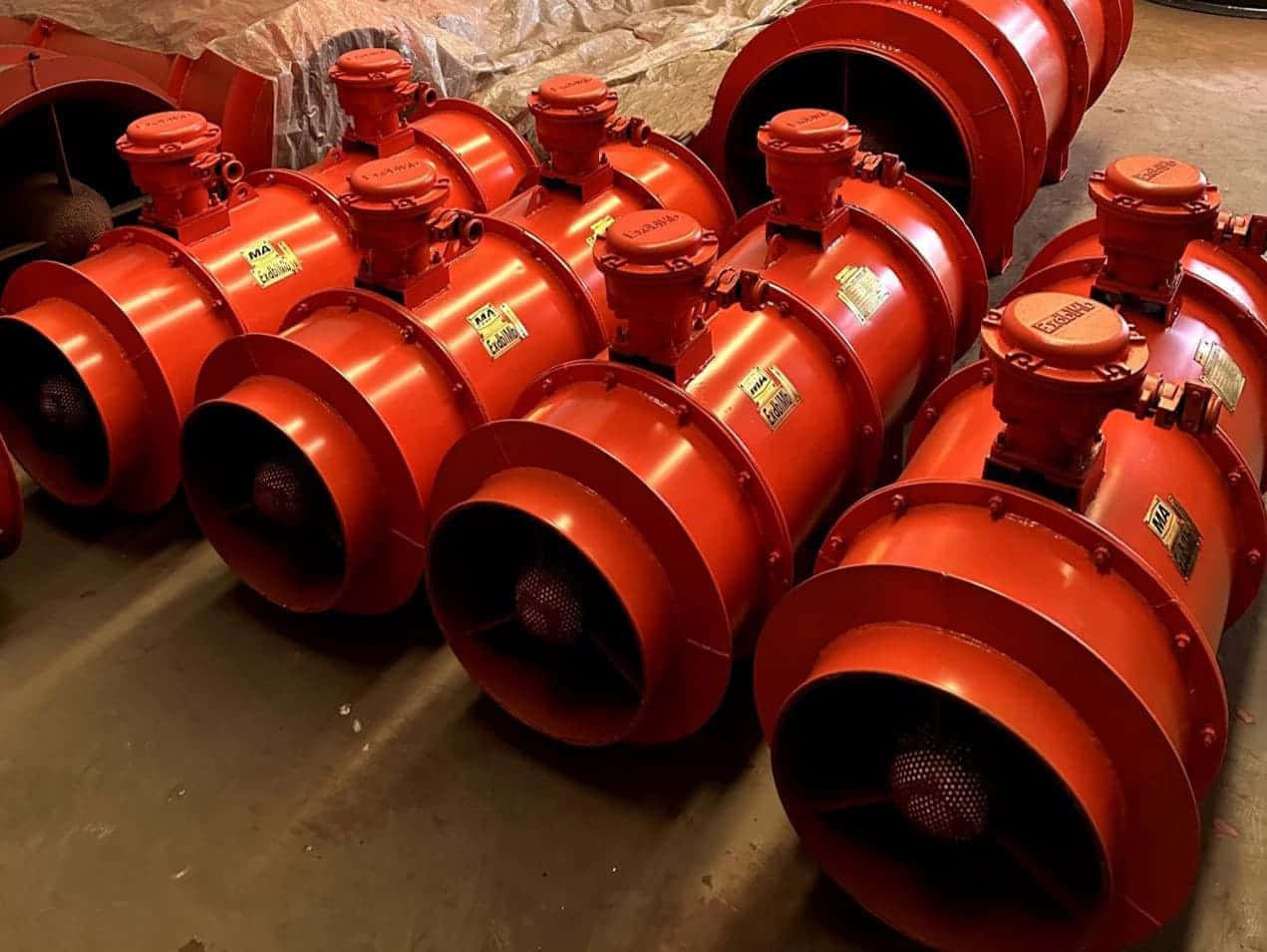
In many industrial and mining applications, the main concern is not the fan burning itself, but the fan igniting the air it is moving. Ventilation fans often handle dusty air, solvent vapors, methane, coal dust or other combustible materials. If the fan is installed in a hazardous area without appropriate explosion-proof or flameproof design, a mechanical or electrical fault could ignite the air-fuel mixture. This is why standards such as ATEX and IECEx specify special requirements for motors, casings, clearances and materials in explosive atmospheres.
Proper design and maintenance greatly reduce the risk of fan-related fires. This includes selecting the right fan type and motor rating, using non-sparking materials where required, ensuring adequate clearances, providing bearing temperature or vibration monitoring on critical fans, and keeping the fan clean so dust and grease do not accumulate. Electrical protection devices should be correctly set, and cables and junction boxes should be suitable for the environment.
Operators should also watch for warning signs such as unusual noise, vibration, hot bearing housings, burning smells or discoloration. These can indicate developing faults in bearings, motors or drives. Prompt inspection and repair prevent minor problems from progressing to serious overheating or fire.
In summary, while the metal or FRP parts of an industrial ventilation fan rarely burn on their own, the fan can become an ignition source if bearings, motors or mechanical components overheat or spark, especially in flammable or dusty atmospheres. Correct selection, explosion-proof design where needed, and disciplined maintenance are essential to minimise fire risk in industrial and mining ventilation systems.