
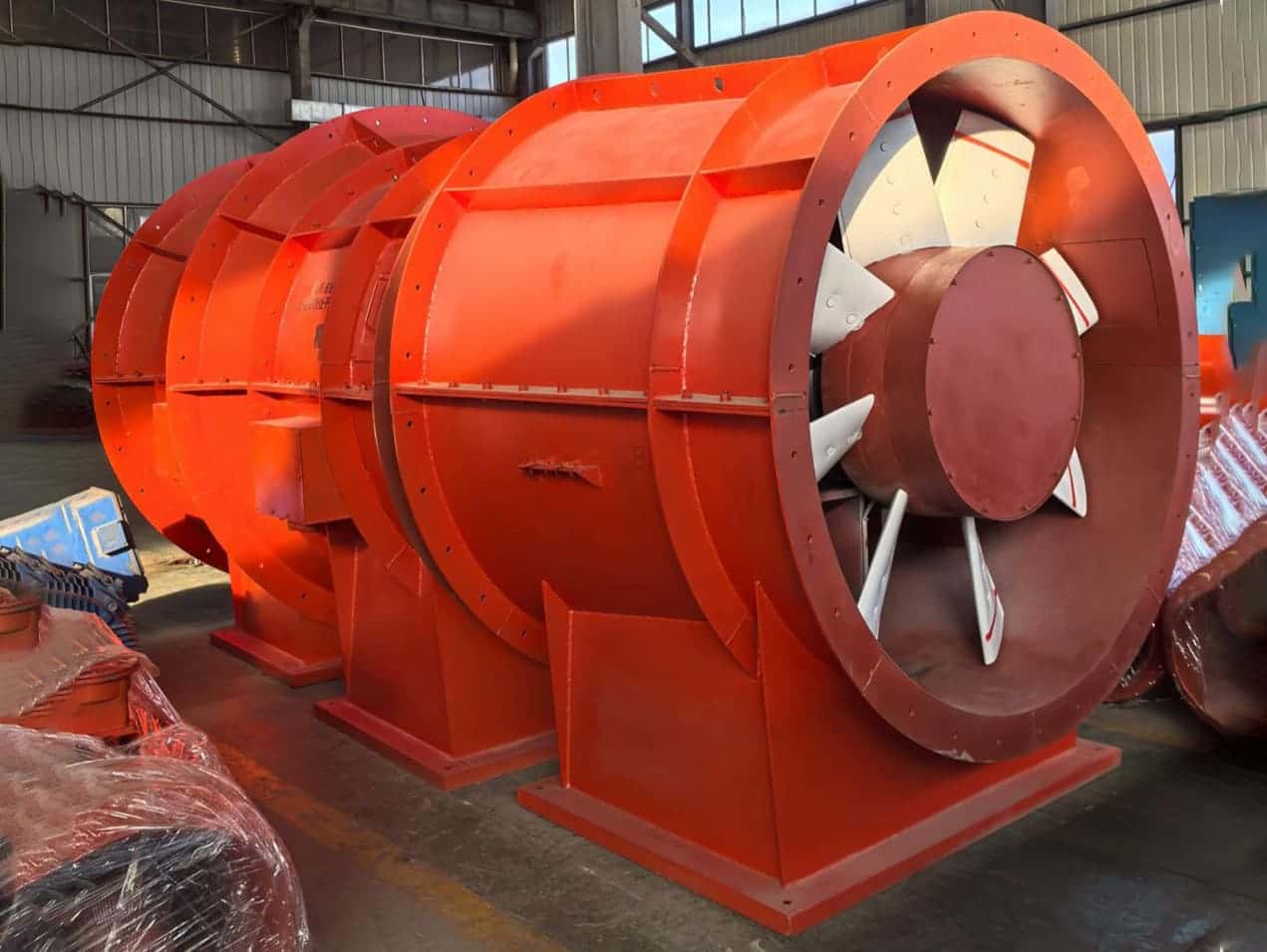
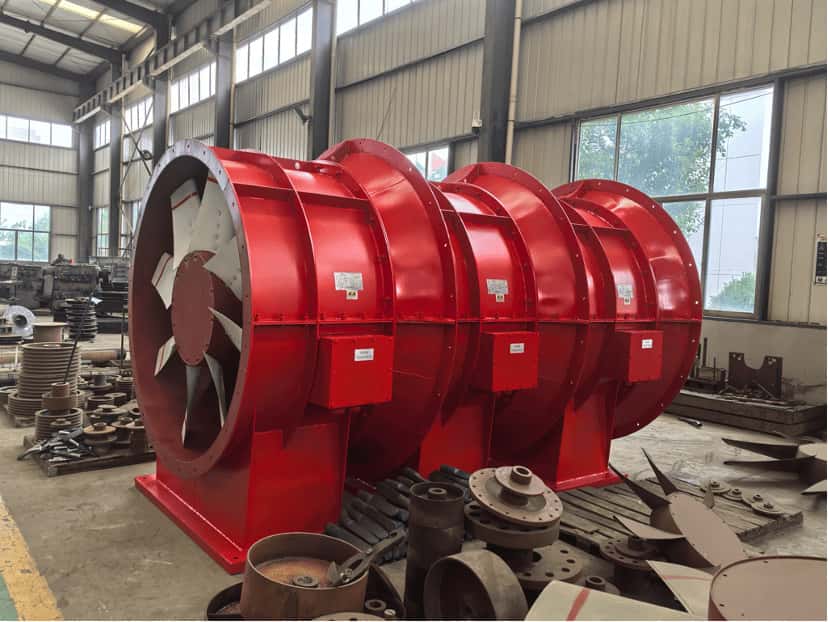
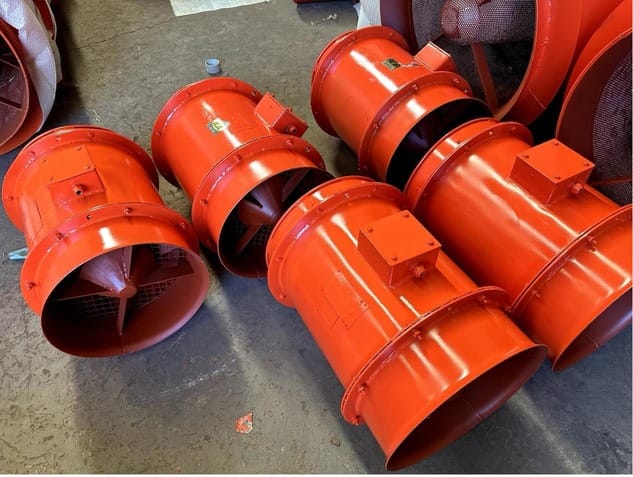
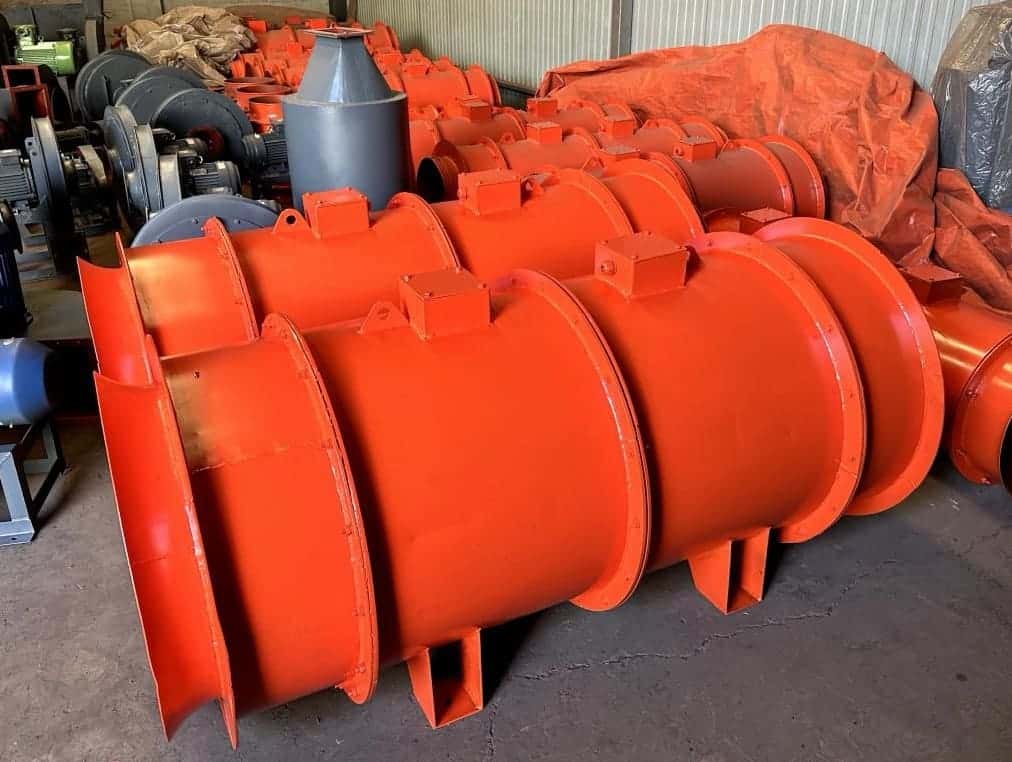
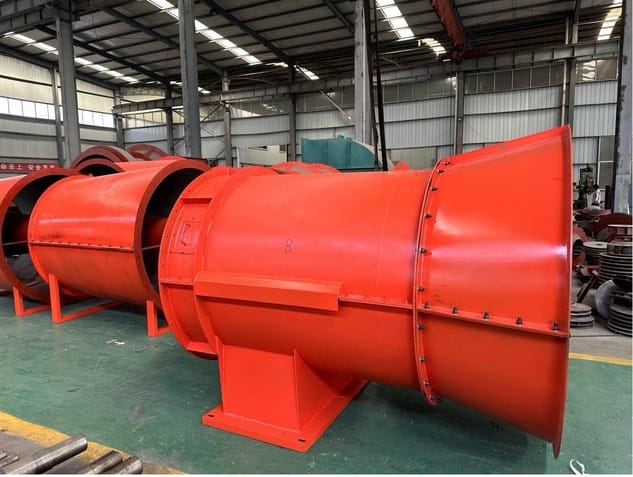
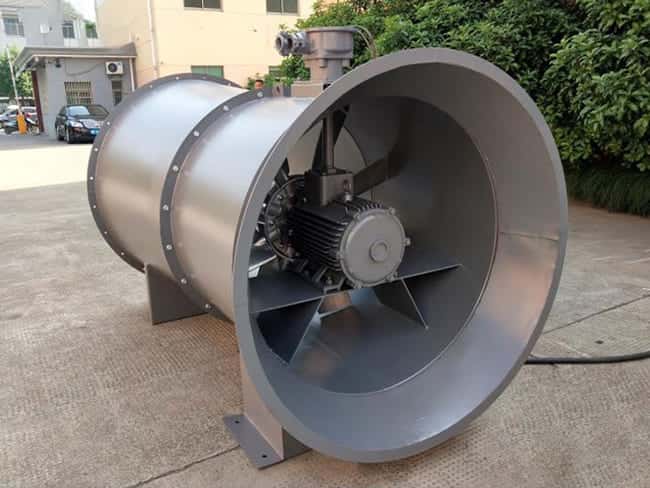
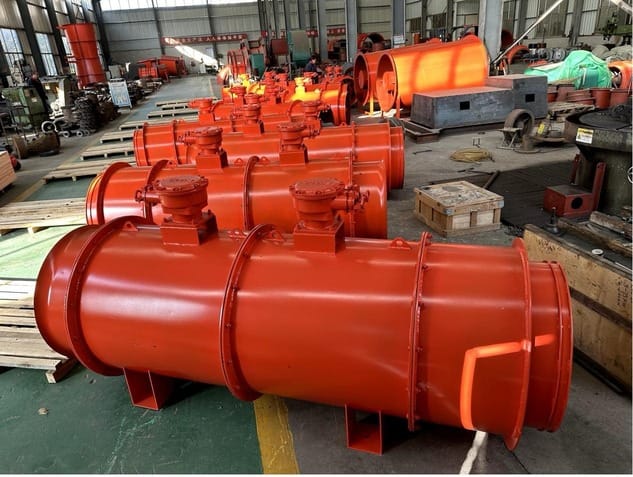
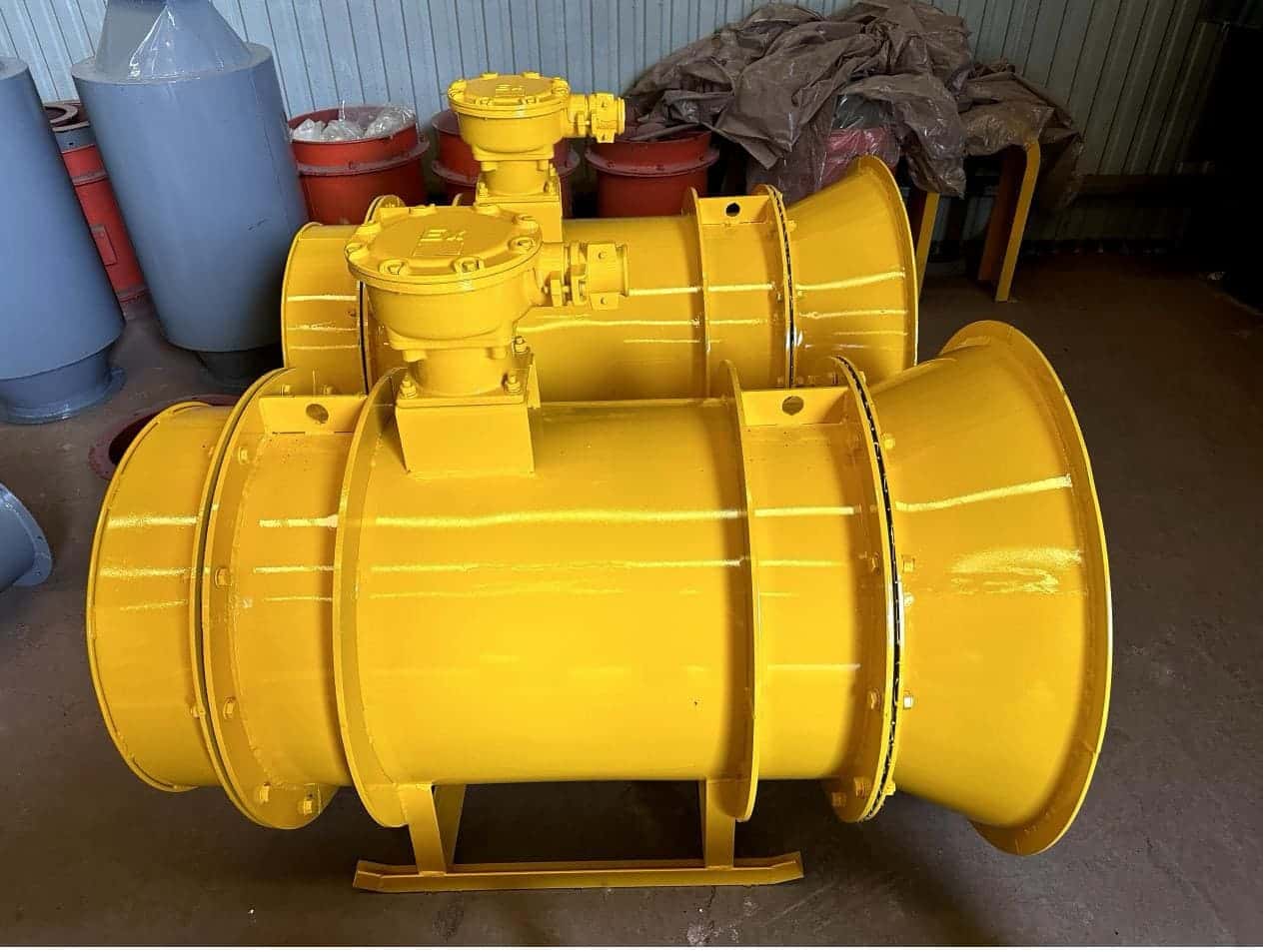
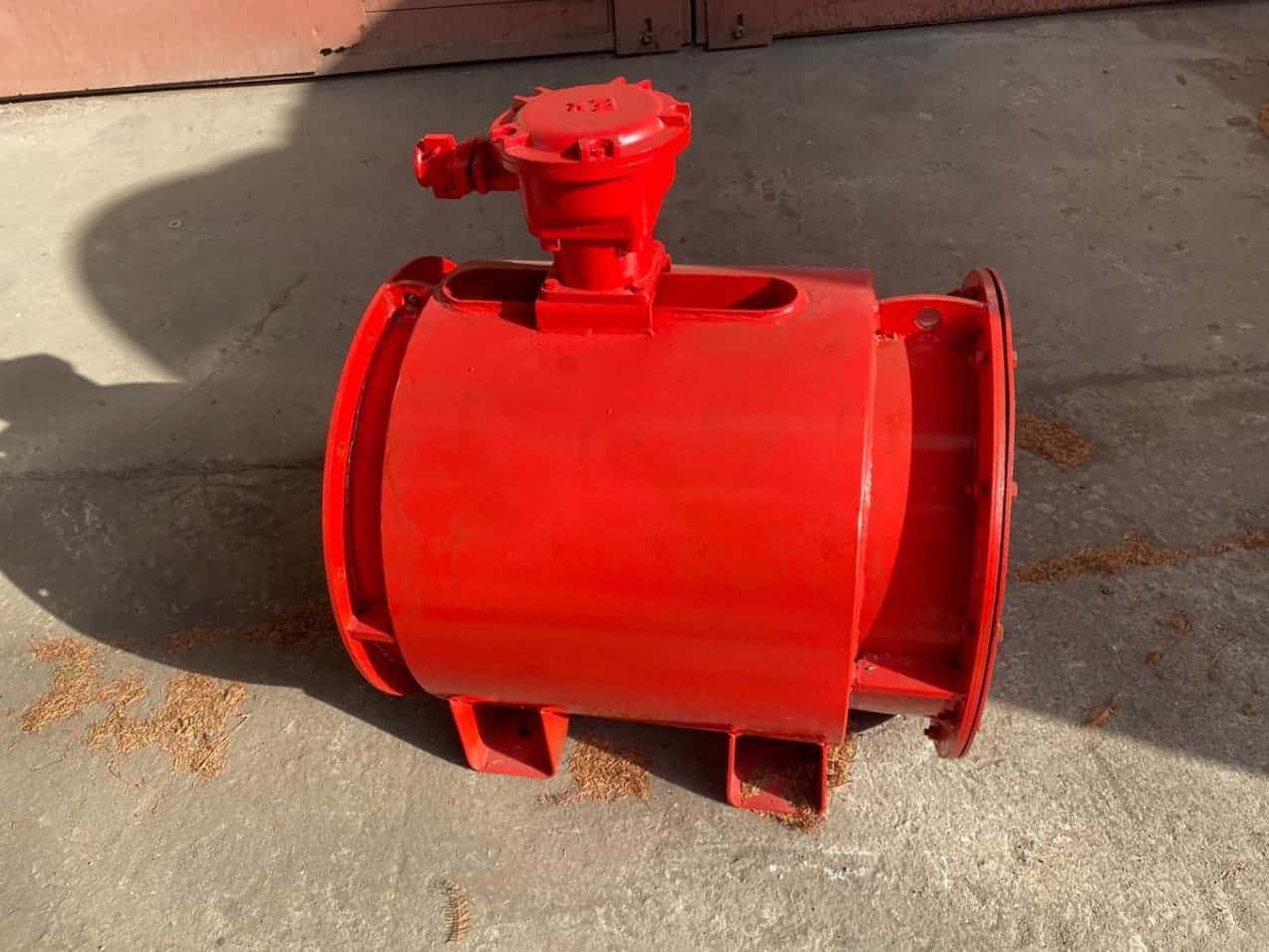
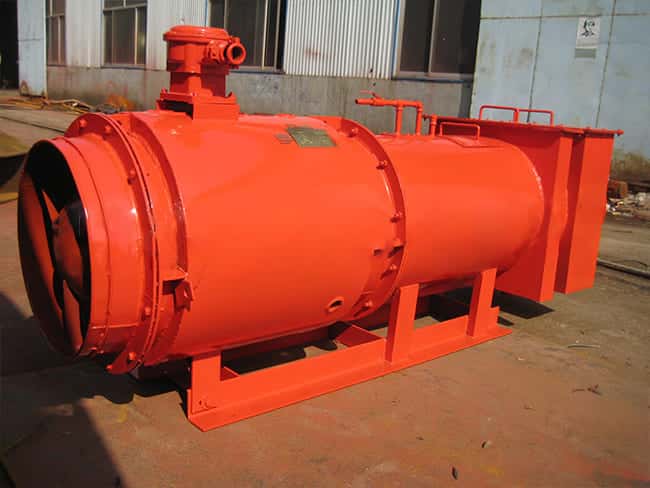
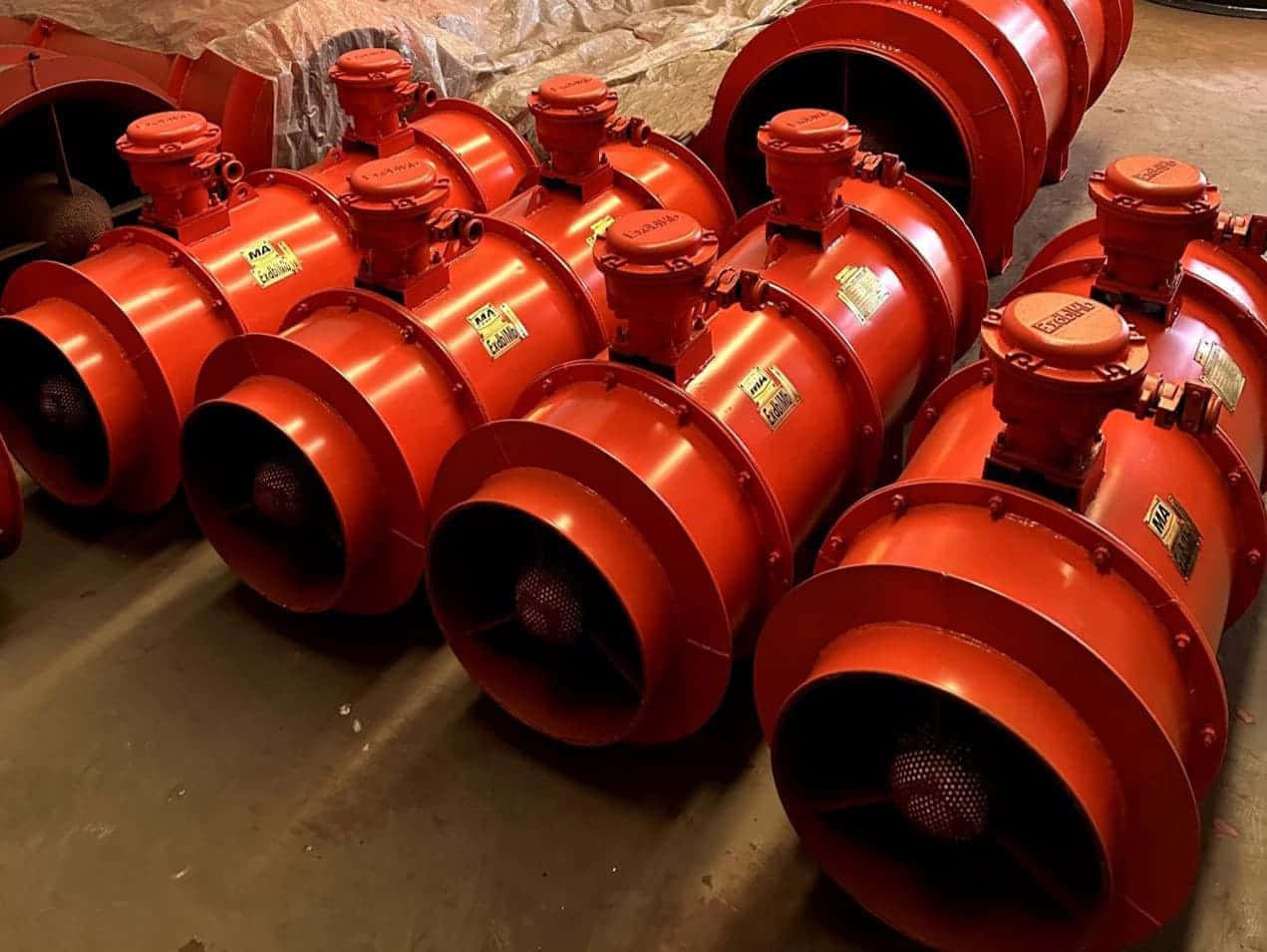
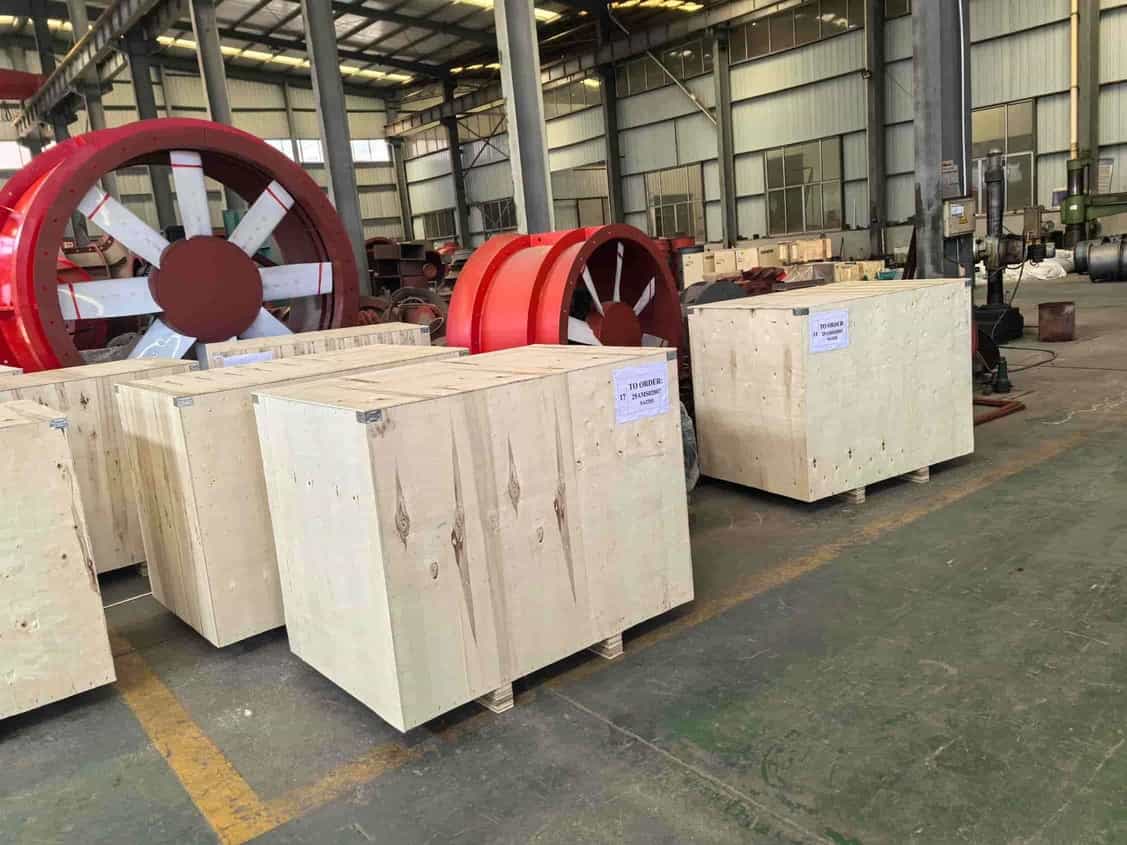
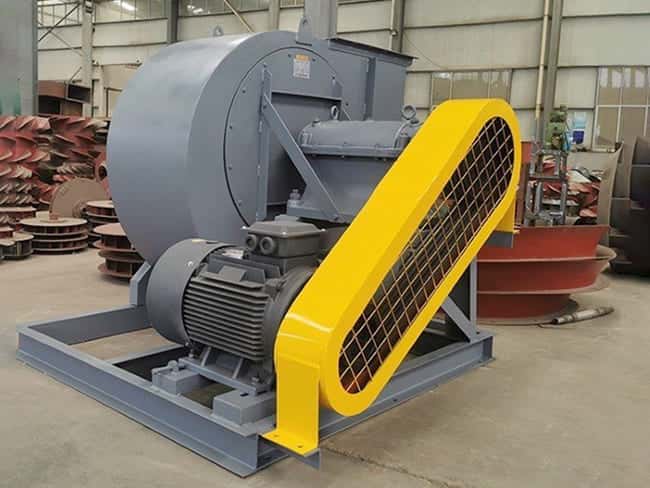
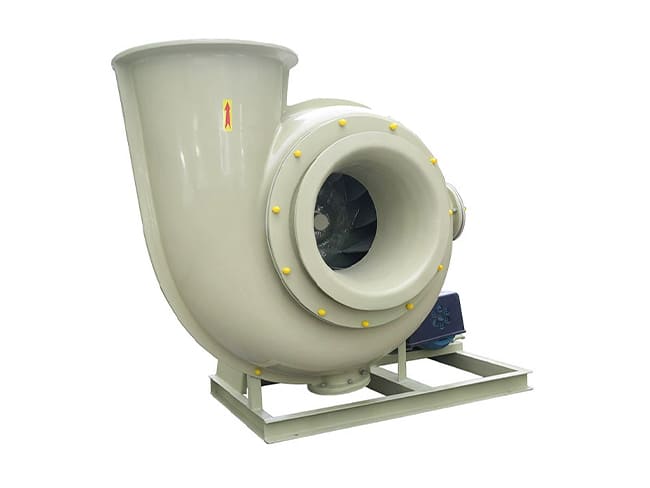
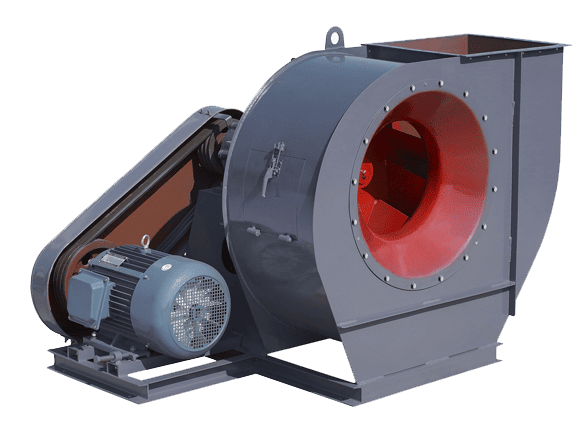
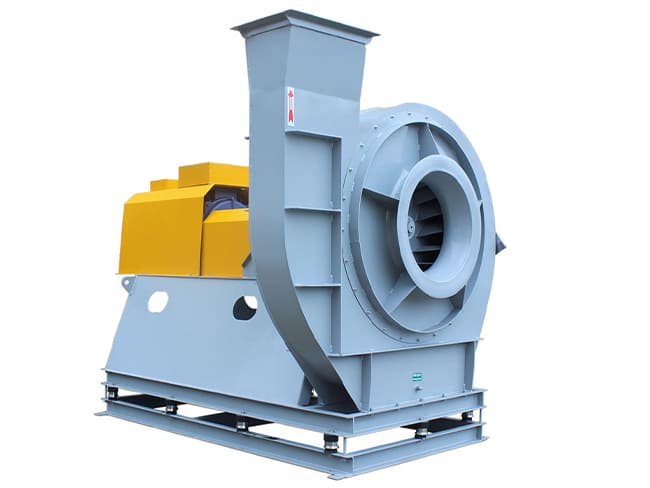
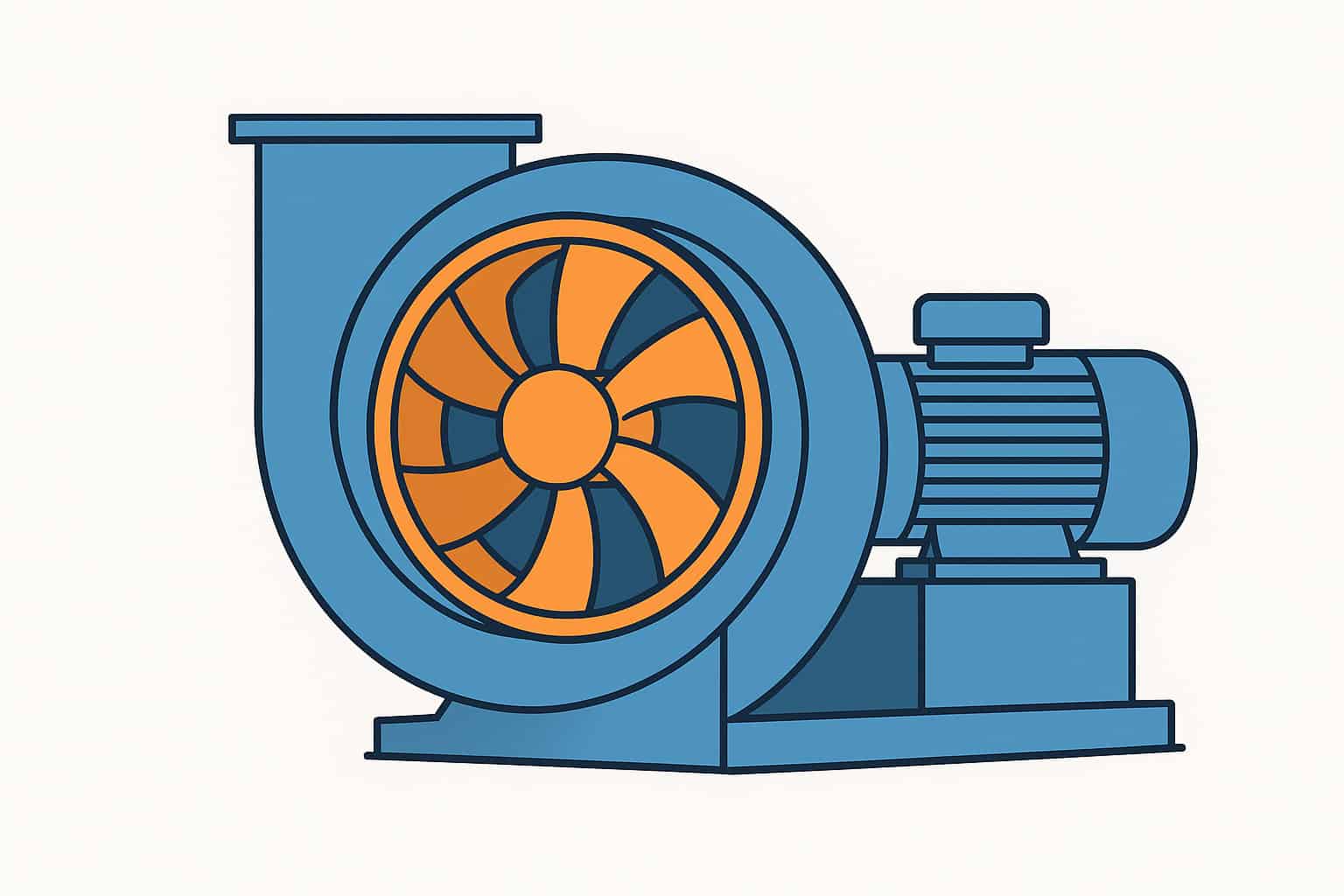
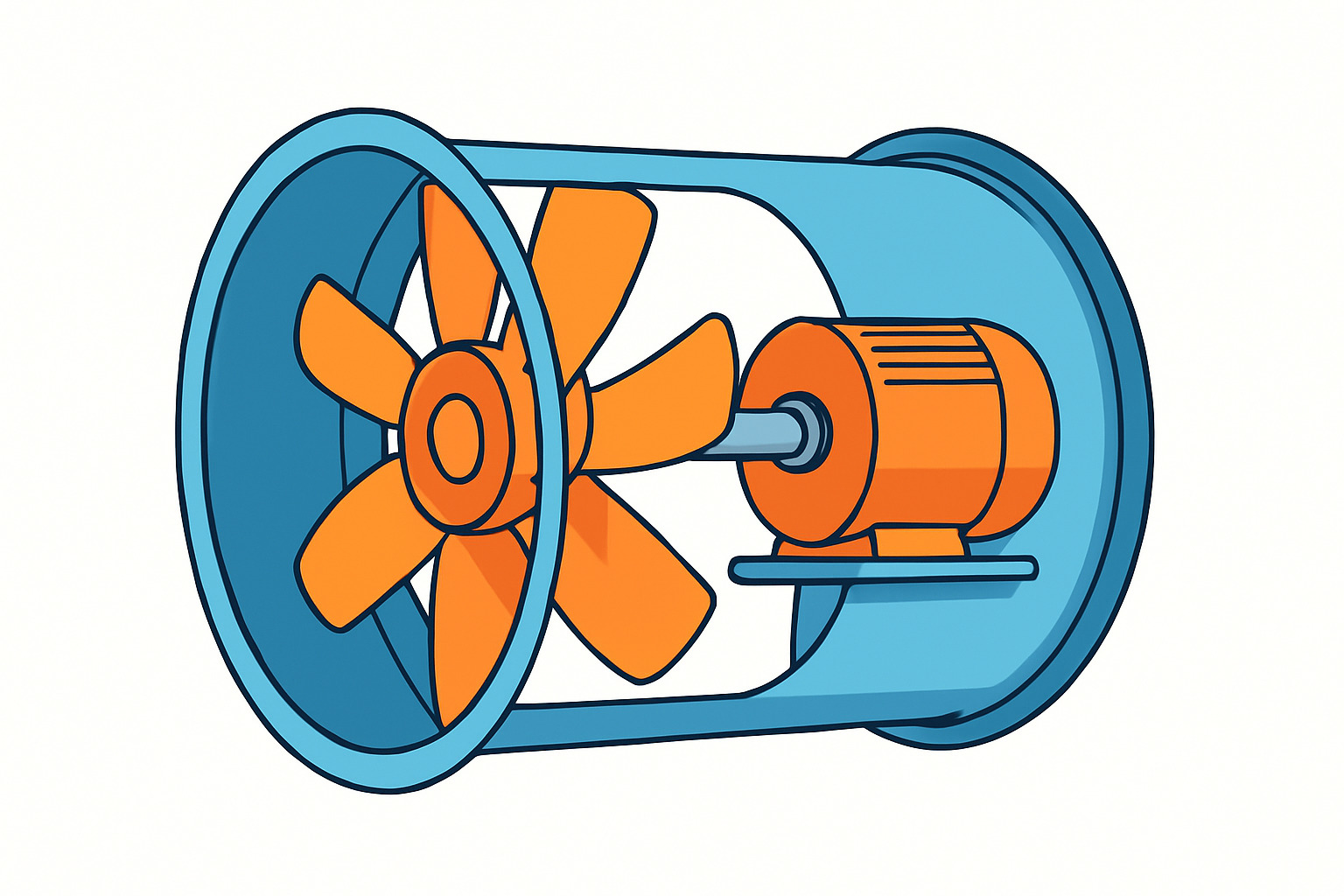
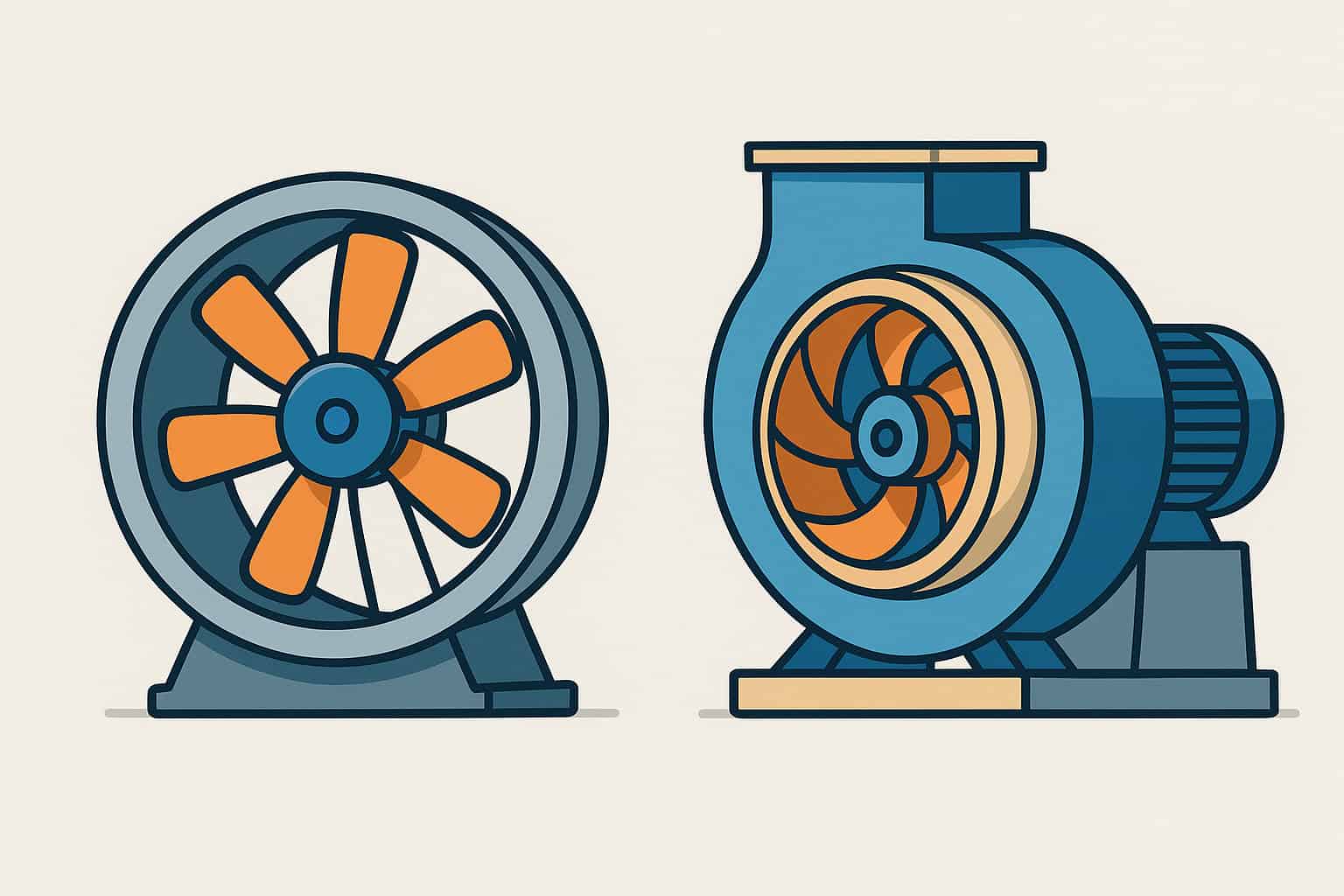
Industrial ventilation fans can usually be repaired, and many critical fans in factories and mines are designed with repair and overhaul in mind. Instead of treating a fan as a disposable product, operators often rebuild and upgrade fans several times during their service life. Whether a fan is worth repairing depends on the extent of damage, the cost of new parts and how critical the fan is for production or safety.
One of the most frequently replaceable parts is the bearing assembly. Fan bearings carry the rotating shaft and are subject to continuous load, especially in large mining and industrial fans. Over time they wear, develop noise or show high vibration and temperature. Replacing bearings, housings, seals and lubricant is a standard maintenance task and can restore smooth operation without changing the rest of the fan.
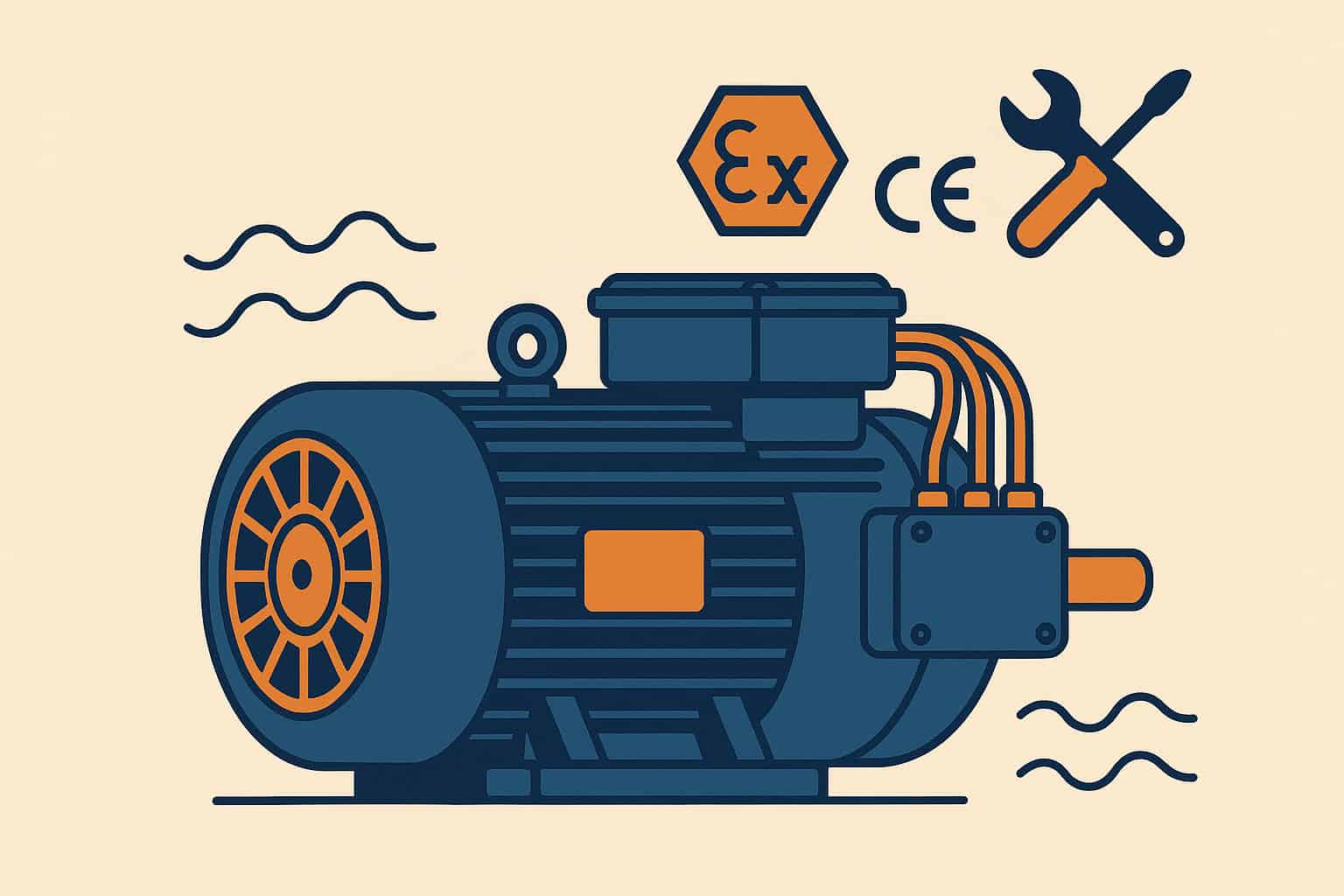
The motor driving the fan is also repairable or replaceable. If windings are burned or insulation values are low, the motor can often be rewound by a specialist repair shop, provided the frame and core are still in good condition. In other cases, it may be more economical to install a new motor of the same or improved efficiency class. Couplings, belts and pulleys connecting the motor to the fan shaft are also common wear parts that can be renewed.
On the air-moving side, the impeller and shaft can sometimes be repaired, especially if damage is limited to erosion, minor cracks or wear on keyways. Blades can be re-welded, rebalanced and coated, while shafts can be reground or sleeved. However, if the impeller has extensive fatigue cracking or severe corrosion, replacement is usually safer. After any repair, careful static and dynamic balancing is essential to control vibration.
The housing, inlet boxes and casings of industrial fans are generally robust but can suffer from corrosion or erosion in harsh environments. Sections may be cut out and replaced, flanges repaired and worn scroll tongues rebuilt. Accessories such as dampers, inlet guide vanes and silencers are also replaceable; refurbishing them can reduce noise and improve performance.
Finally, modern ventilation fans include control and monitoring components such as variable-frequency drives (VFDs), sensors and control panels. These electronic parts are typically replaced rather than repaired in the field, but swapping a faulty drive or sensor can bring the fan back into reliable service without touching the mechanical components.
In summary, industrial ventilation fans are highly repairable. Bearings, motors, impellers, shafts, housings, seals, dampers, silencers and electronic controls can all be repaired or replaced as long as the main structure is sound and the repair is economically justified. A planned maintenance and overhaul strategy extends fan life and protects critical ventilation functions in industrial plants and mines.