
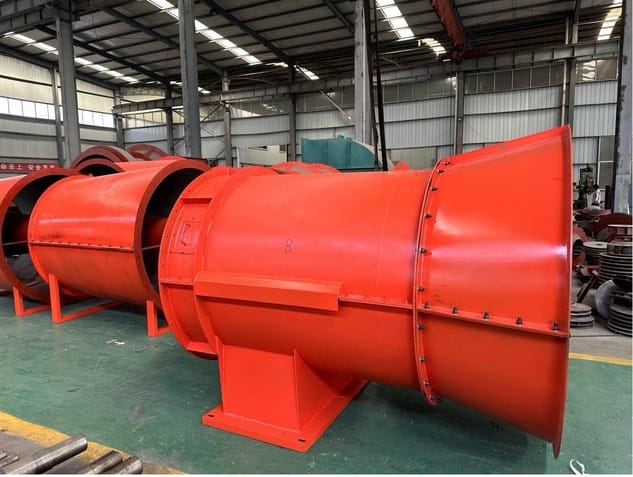
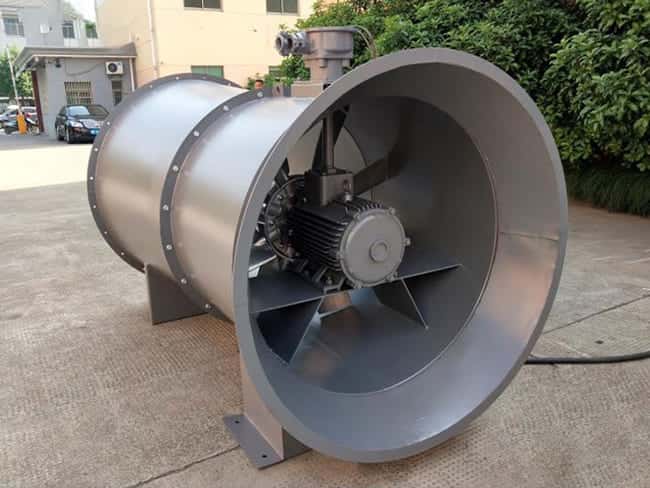
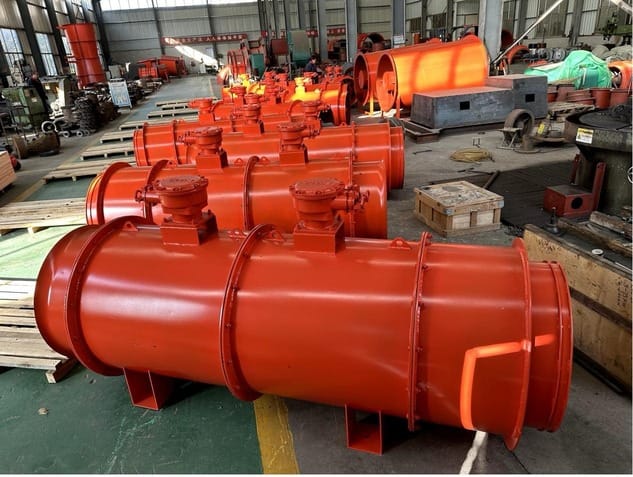
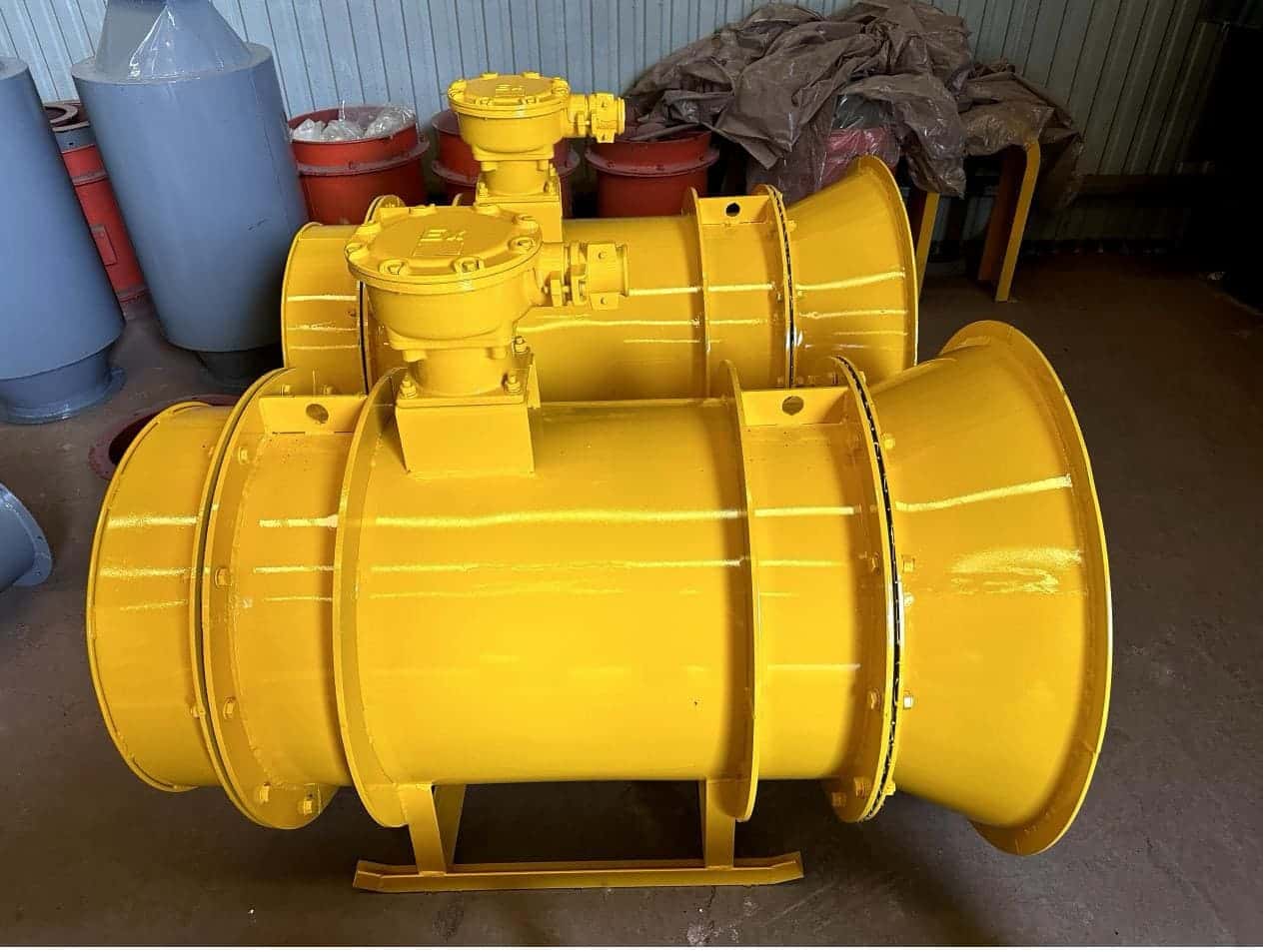
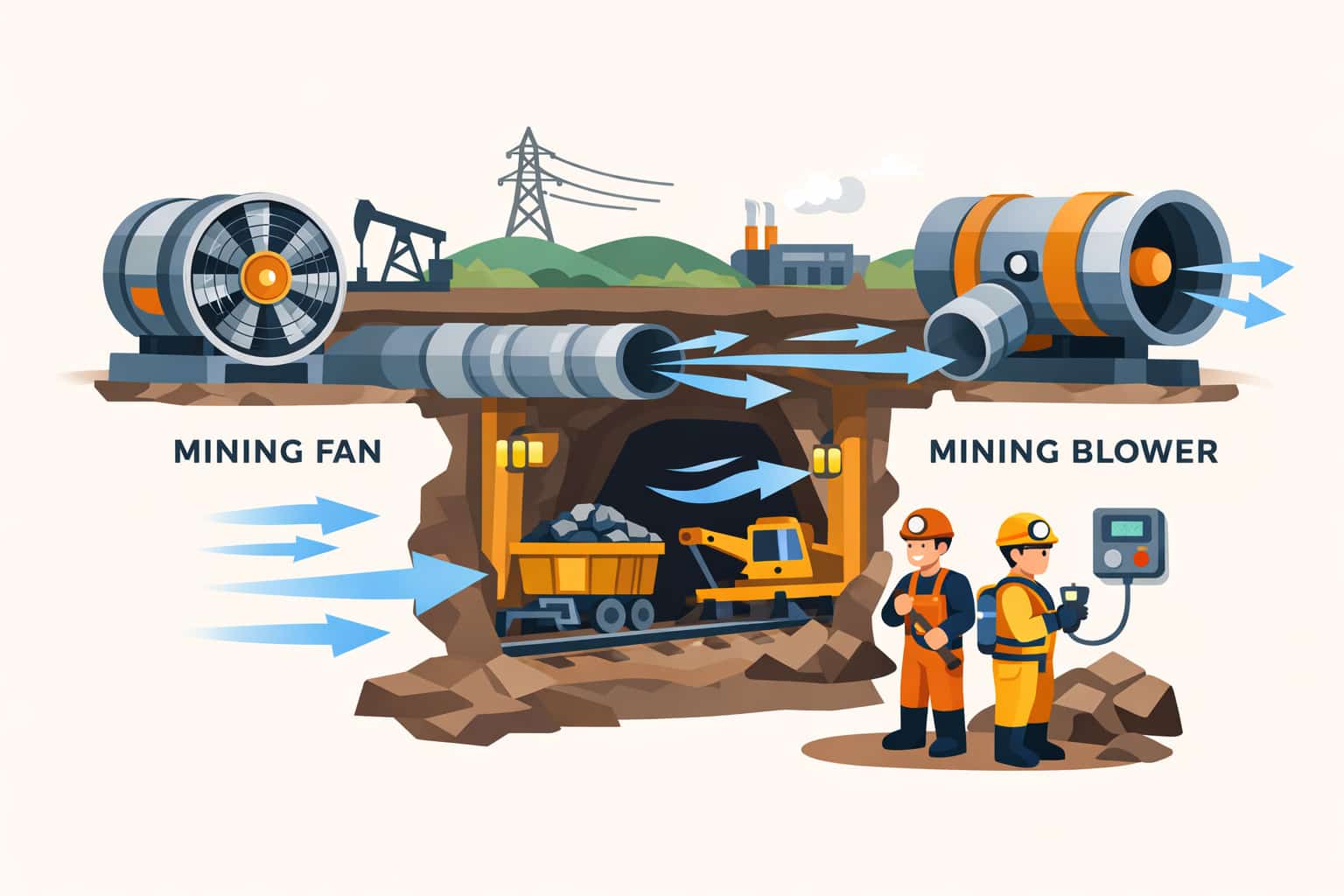
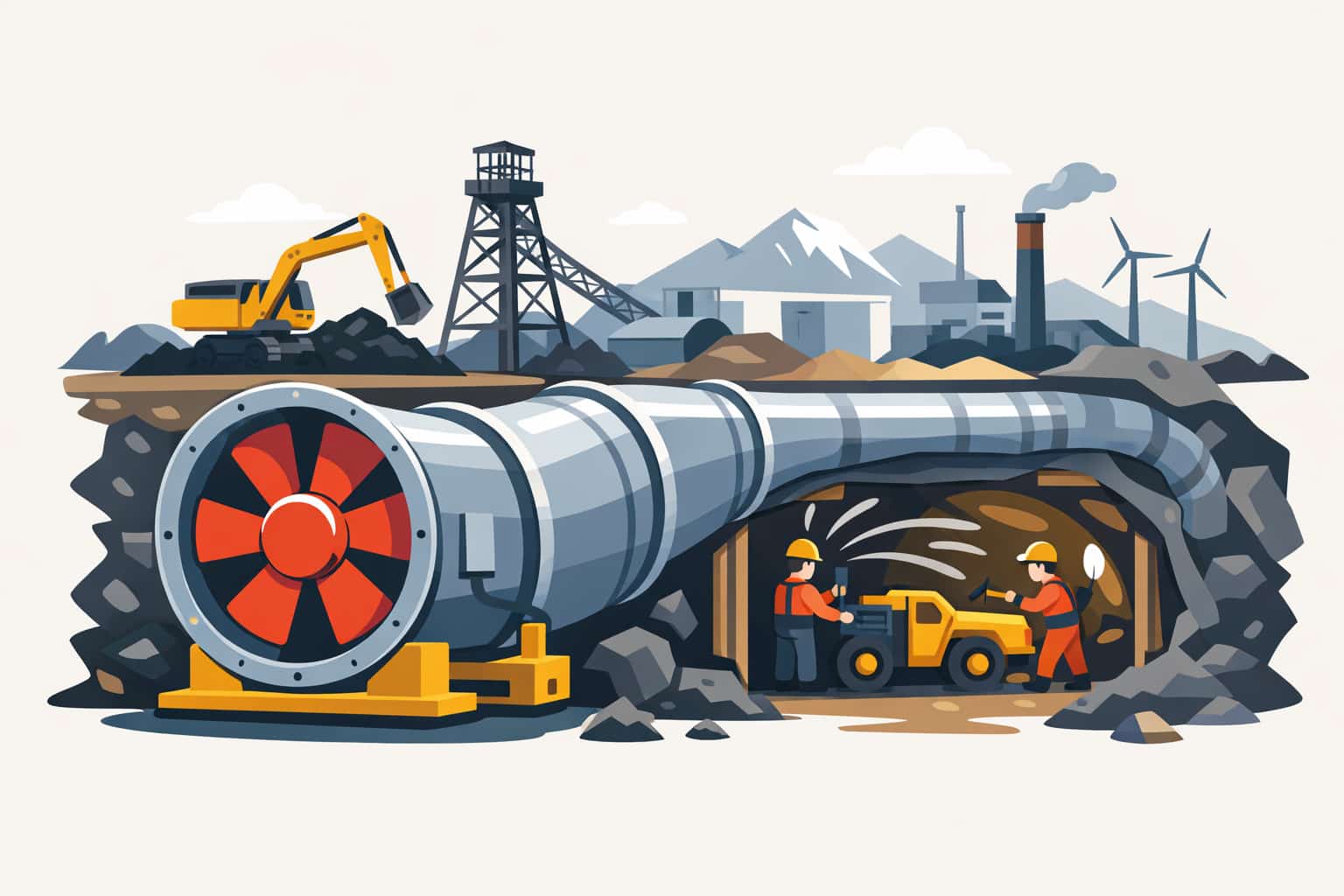

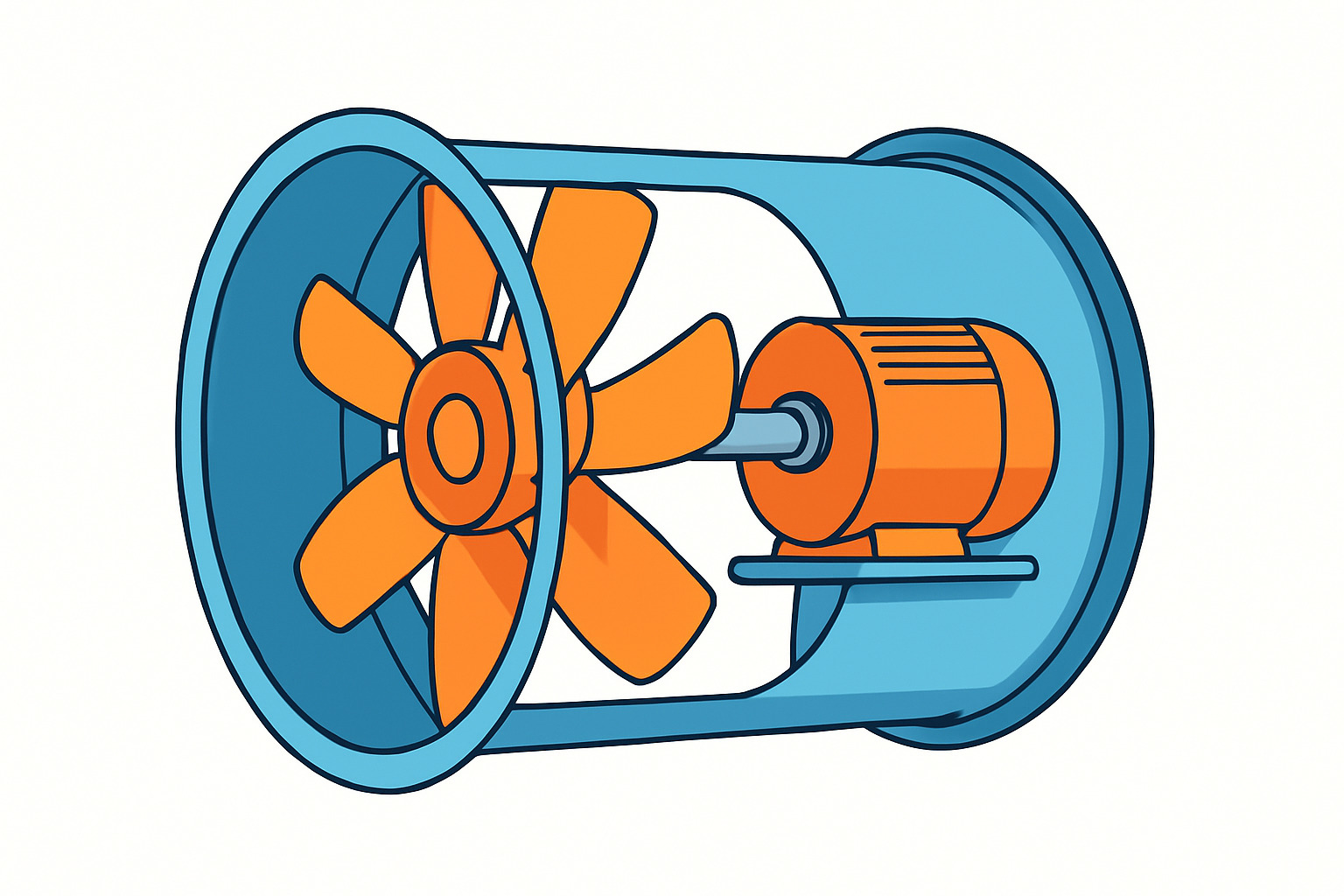
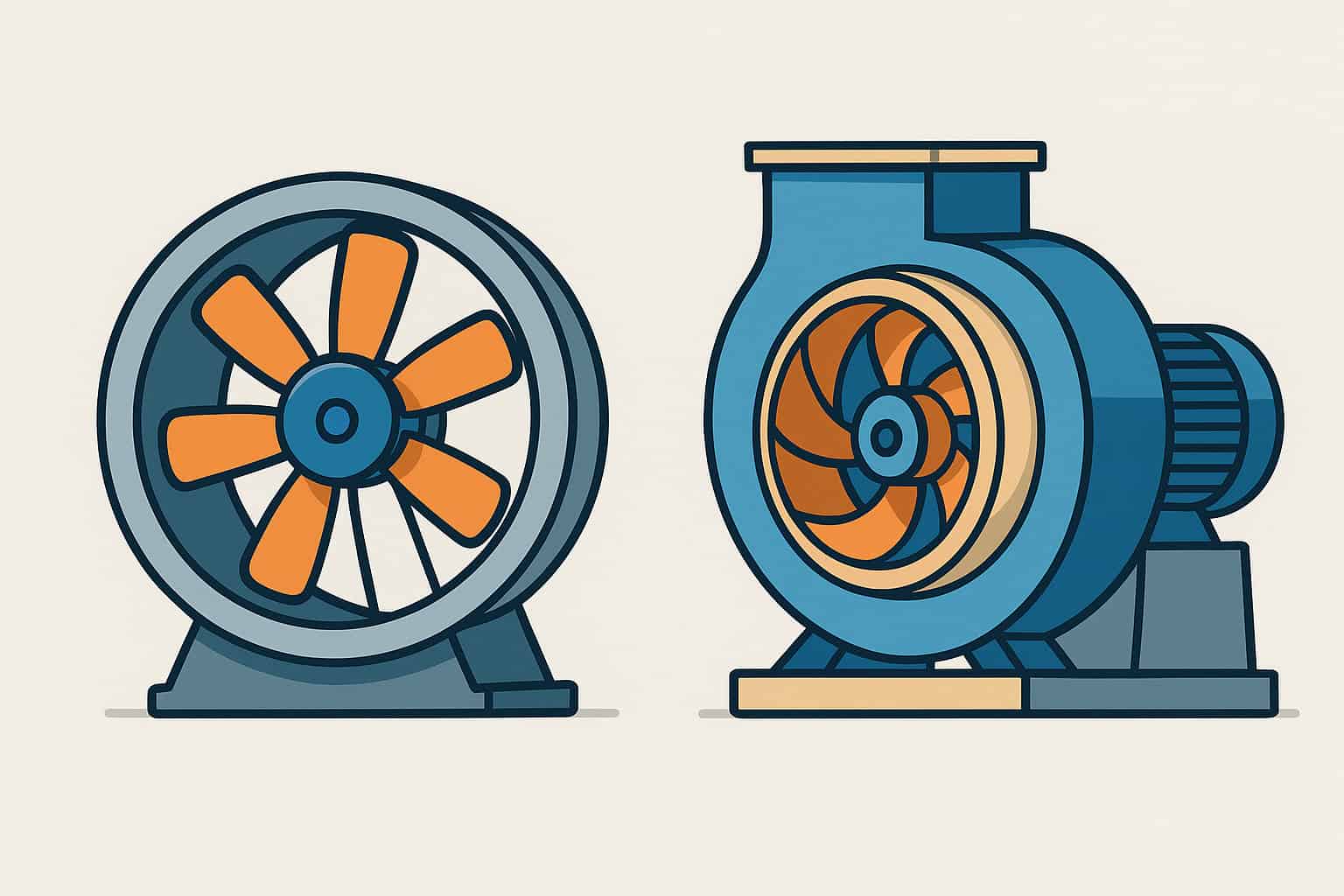
It is technically possible to install an industrial exhaust fan without ducting, and in some situations this is a practical and economical solution. A wall-mounted or roof-mounted exhaust fan that discharges directly to the outside can remove hot air, odours or general room contaminants without any additional ductwork. However, as soon as you need effective fume capture at specific sources, noise control or flexibility in air distribution, some form of ducting or hood is almost always required.
For simple general exhaust in a workshop or warehouse, a wall-mounted axial exhaust fan without ducts can work well. The fan draws air directly from the space and discharges it outside. Make-up air enters through doors, windows or louvres on the opposite side. This arrangement is inexpensive, easy to install and has low resistance, so the fan can deliver good airflow. Many small industrial and commercial buildings rely on this style of installation.
However, if your goal is to capture fumes, dust or heat at a specific source, an unducted exhaust fan is usually not enough. Without a hood and duct positioned close to the source, contaminants simply spread into the room and are only partially removed by general exhaust. Local exhaust ventilation systems use hoods, arms and ductwork to capture pollutants as close as possible to the point of generation and then convey them to an exhaust fan and discharge point. This approach drastically improves worker exposure control compared with a bare wall fan.
Noise and neighbour impact are further concerns. An industrial exhaust fan discharging directly through a wall or roof opening can create high external noise levels and noticeable air jets. Ductwork provides a place to install silencers, diffusers and discharge stacks that reduce noise and direct exhaust away from sensitive areas. In some jurisdictions, environmental regulations or building codes require proper discharge height and dispersion that cannot be achieved with a fan mounted directly in a wall.
In dusty or corrosive applications, ducting also protects the fan and structure. By using appropriate materials, filters and access points, you can control where dust deposits occur and allow safe cleaning. A bare wall fan may become clogged or corroded more quickly and is harder to service without affecting the building envelope.
In summary, you can install an industrial exhaust fan without ducting for basic room exhaust, and this can be effective for simple heat and odour removal. But for proper fume capture, dust control, noise management, environmental compliance and long-term flexibility, it is usually better to combine the fan with suitable hoods and ductwork, especially in industrial and mining environments.