
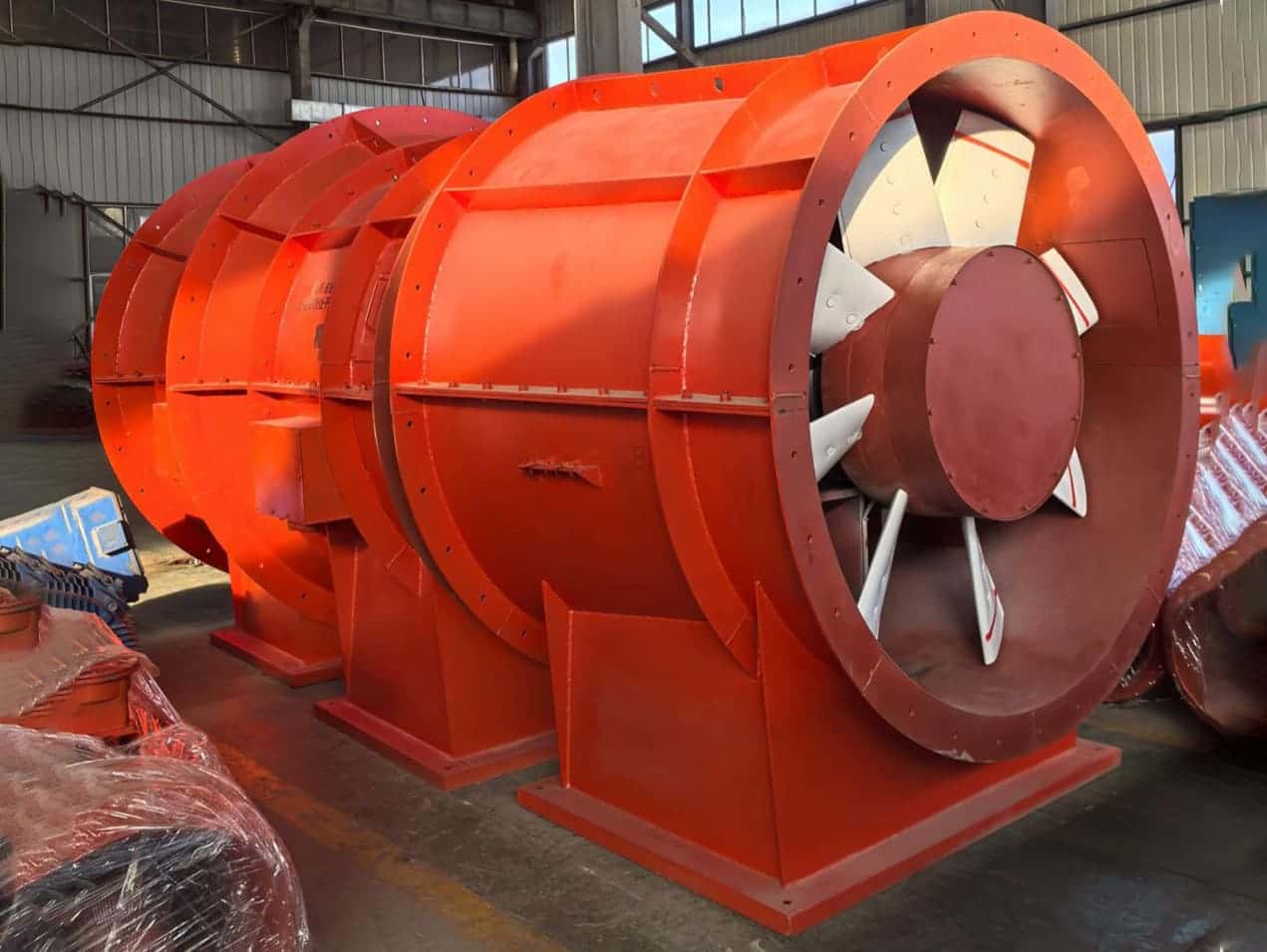
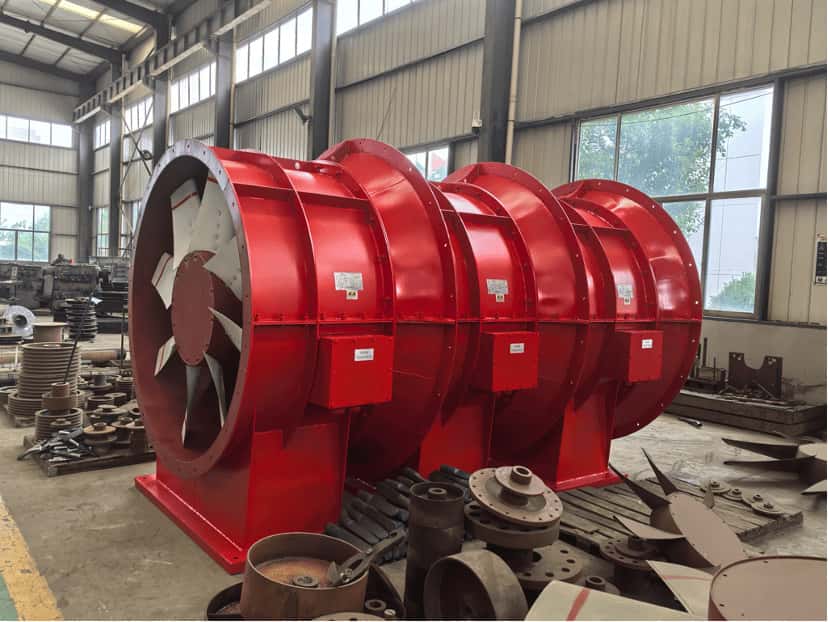
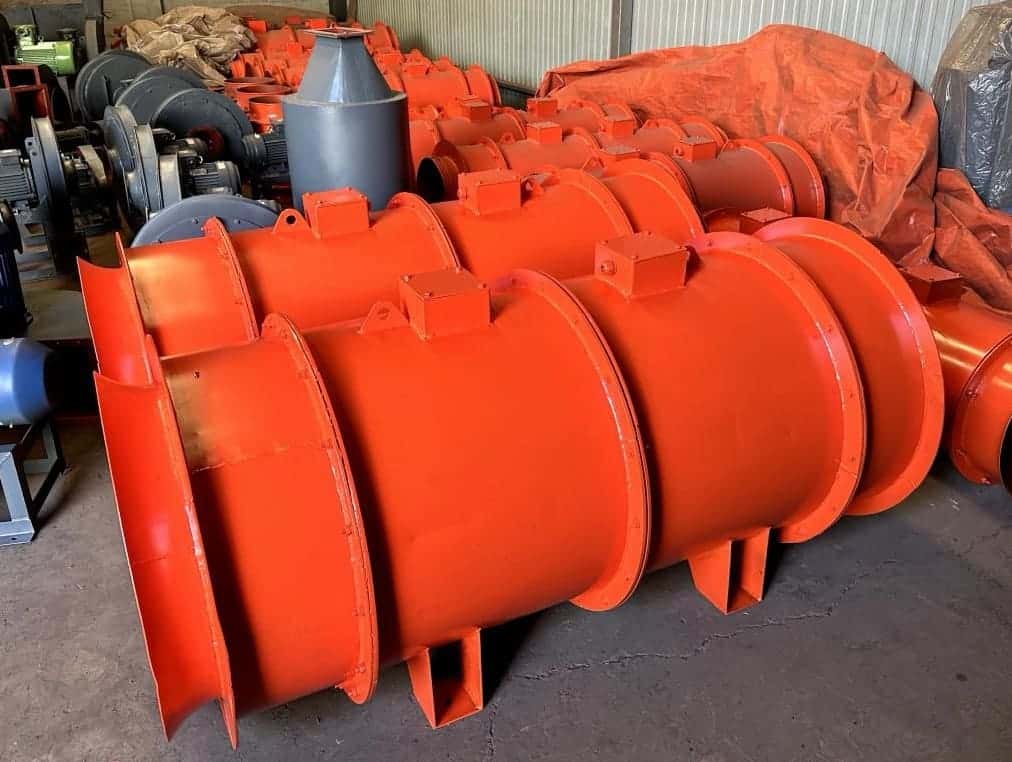
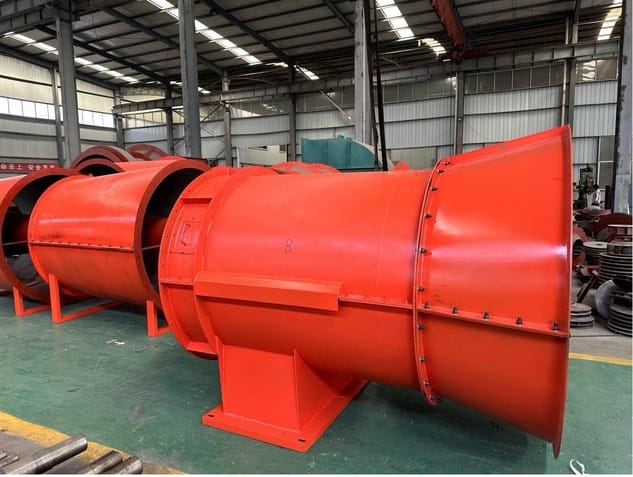
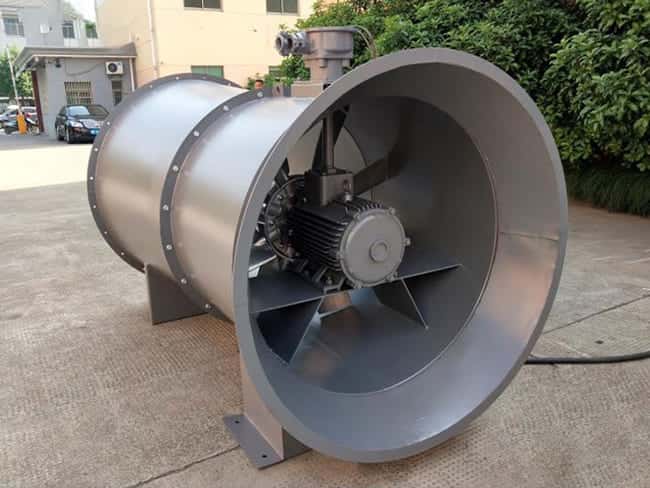
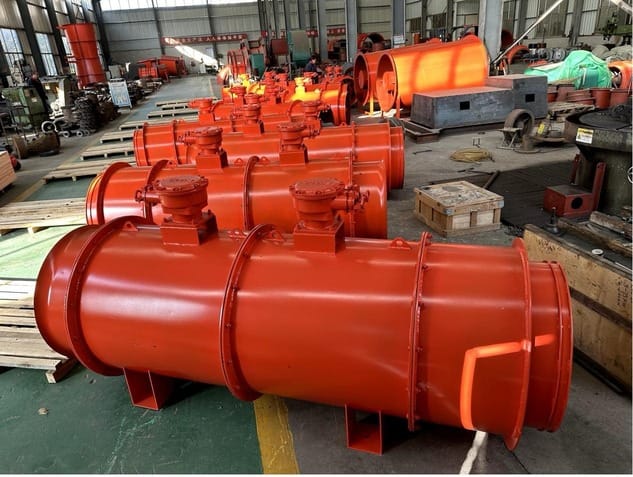
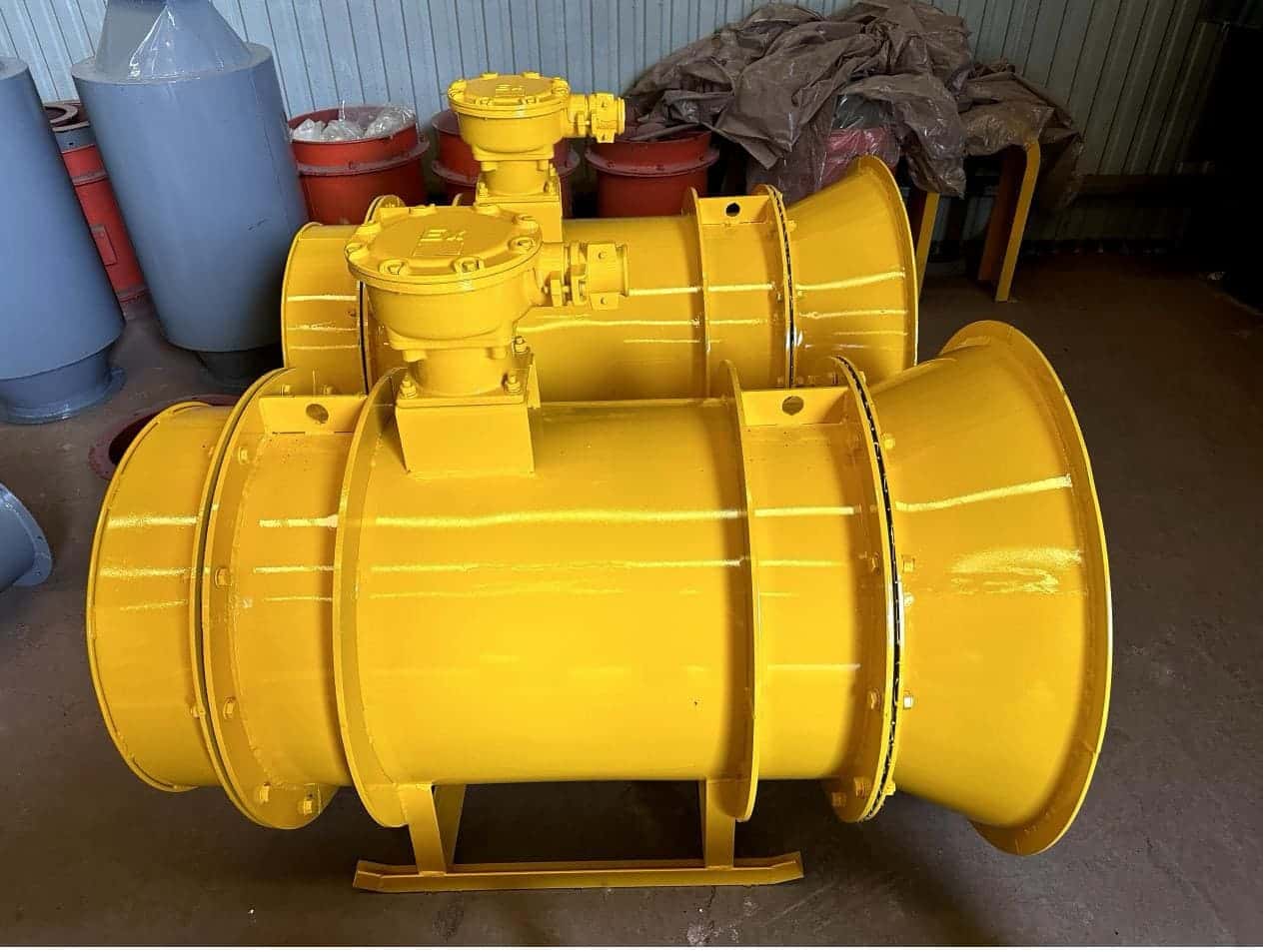
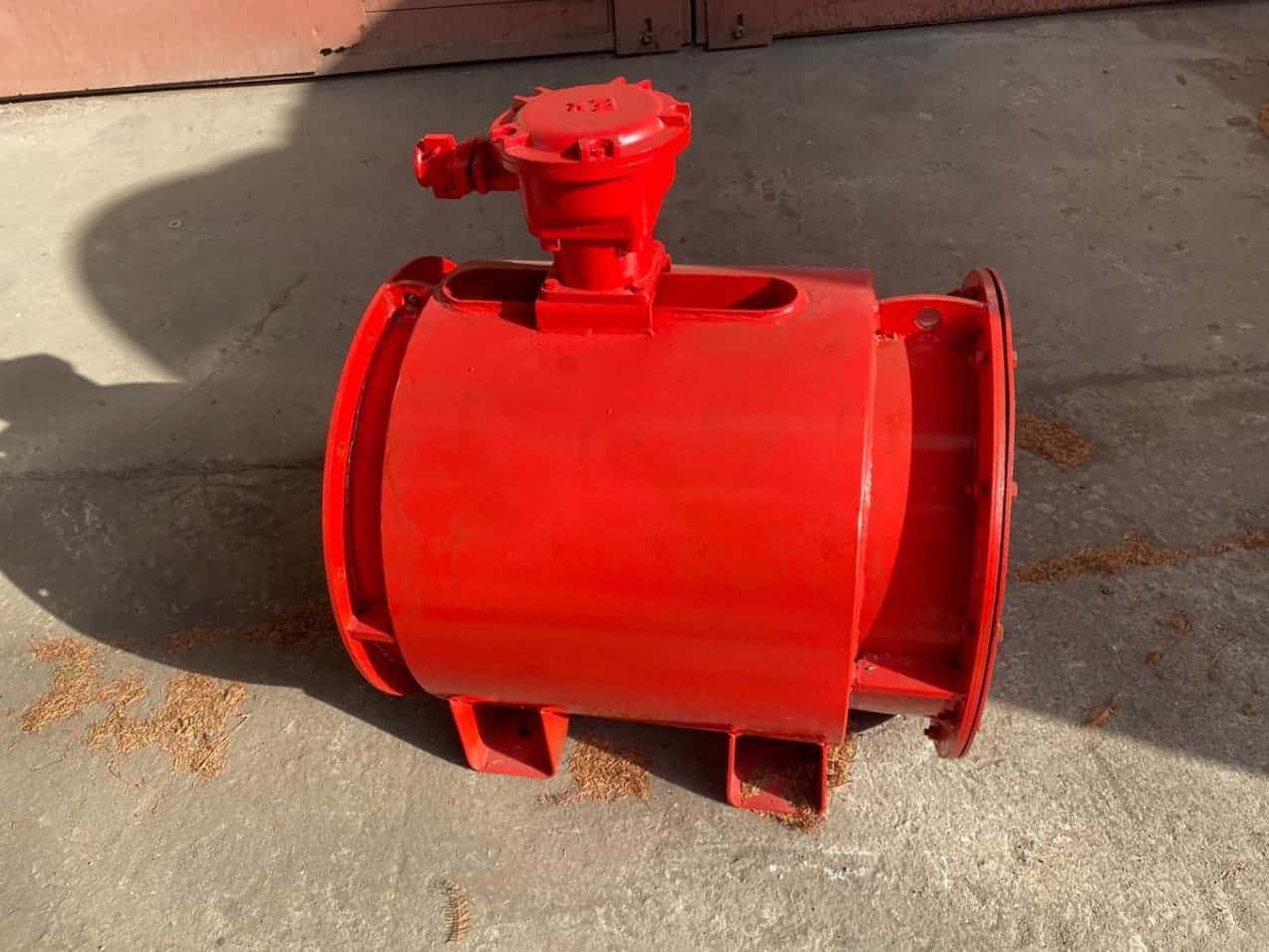
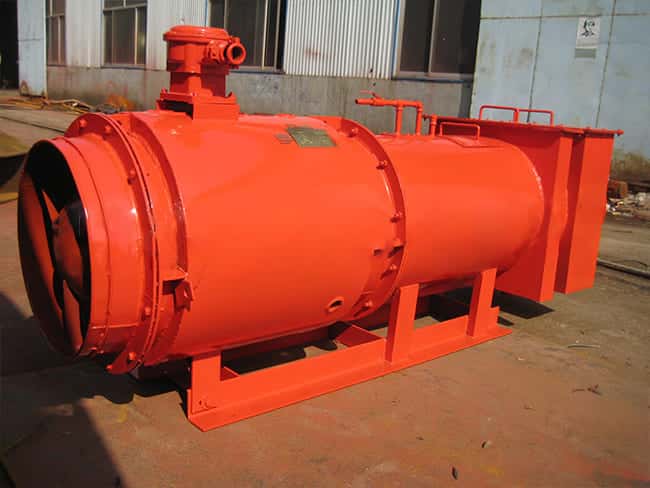
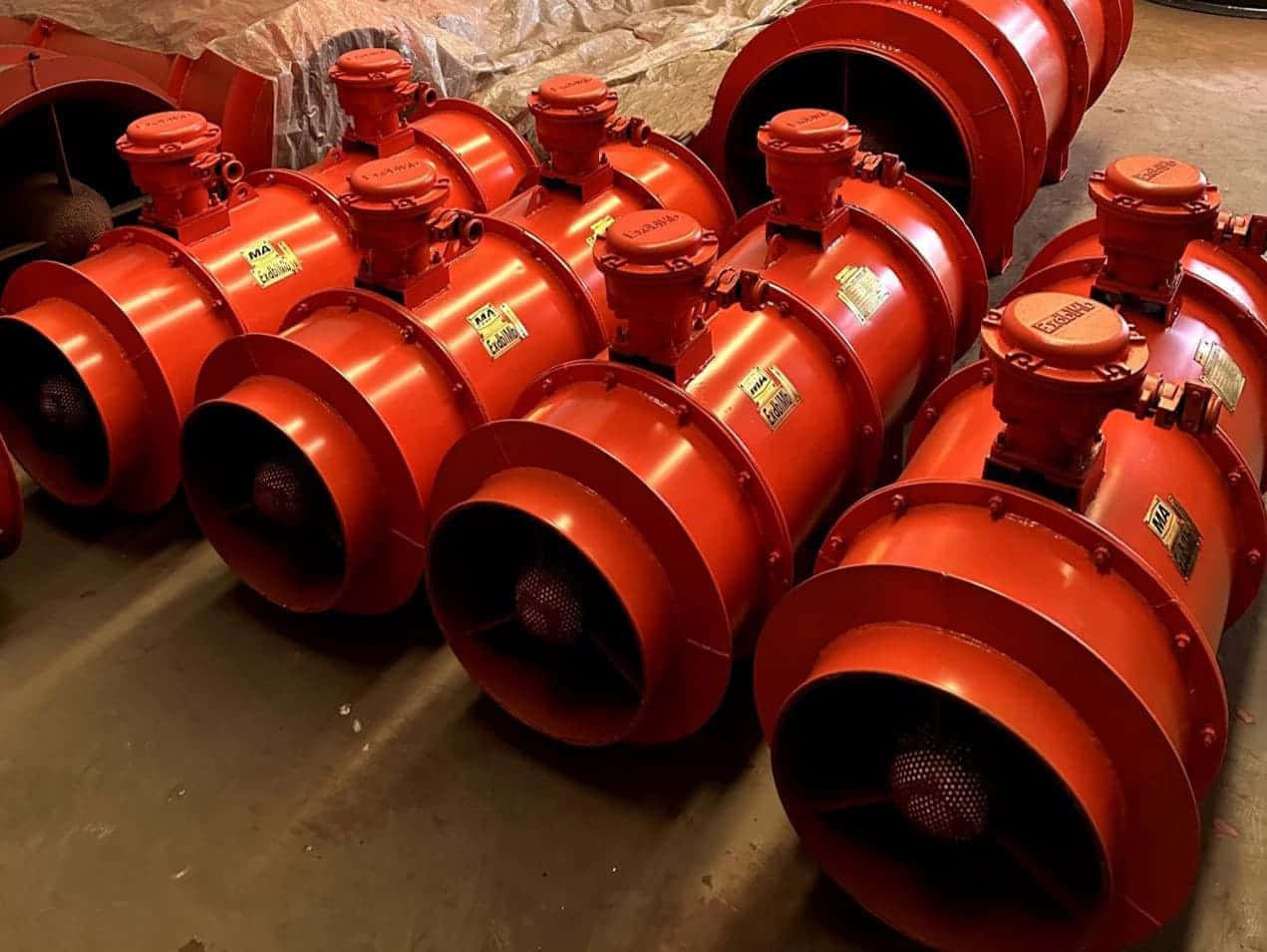
Booster fans really can work, but their effectiveness depends heavily on how they are designed, sized and installed within the ventilation system. In the right applications, a booster fan increases pressure at a specific point and helps move more air through long ducts or airways. In the wrong applications, especially when used as a quick fix, a booster fan may have little benefit or can even create instability and safety concerns.
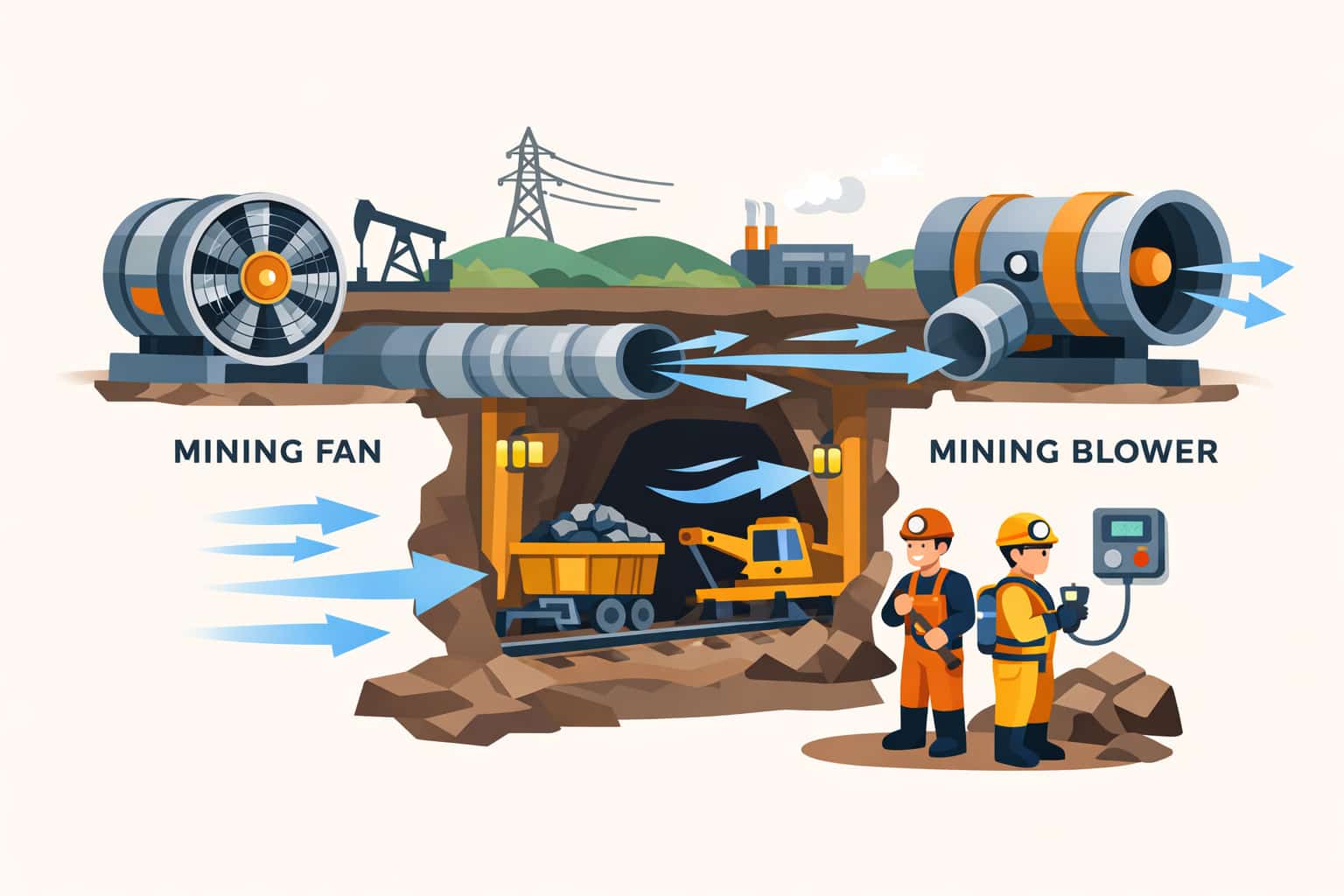
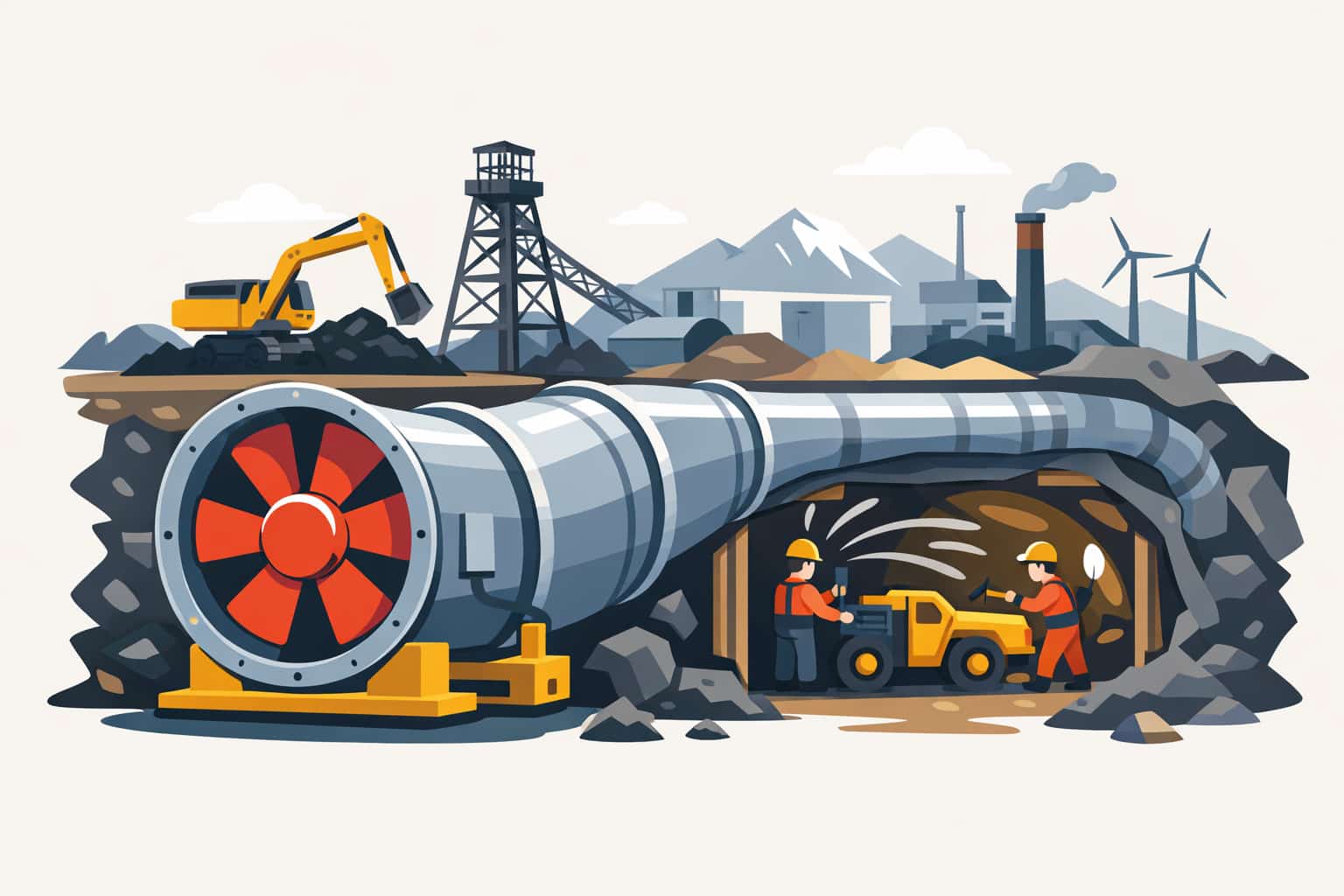
In underground mining, properly engineered booster fans are widely used and have proven effectiveness. They are installed in main airways to boost pressure and maintain required air quantities in deep or complex mine circuits. When designed as part of the overall ventilation plan, with accurate network calculations and controls, mine booster fans absolutely “work”: they allow operators to extend workings without overloading the main fans, optimise energy use and maintain airflow where it is most needed.
However, some ventilation codes restrict or tightly regulate the use of booster fans in certain types of mines, particularly gassy coal mines, because of concerns about stability of airflow and the risk of recirculation. In these cases, booster fans must be part of a carefully approved plan, with monitoring and interlocks to ensure safe and reliable operation.
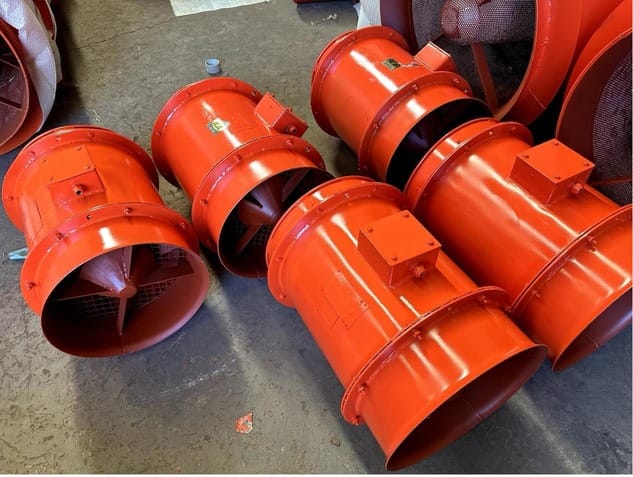
In industrial duct systems, small “duct booster fans” sold for residential or light commercial use often promise to increase airflow to weak rooms. They can work to some extent, but their performance is limited if the root cause is undersized ductwork, blocked filters or poorly designed branches. A booster fan cannot overcome severe restrictions or poor system design; it simply adds a bit of extra pressure at one point, which may or may not translate into useful airflow improvement.
To make booster fans truly effective, engineers must evaluate the whole system. This includes calculating pressure losses, checking main fan capacity, assessing the risk of recirculation and ensuring that controls and dampers are configured correctly. When these steps are taken, booster fans can be a powerful tool to extend ventilation networks, improve airflow in specific branches and reduce energy consumption by allowing main fans to operate at optimal conditions.
In summary, booster fans do work when they are correctly applied as part of a designed mining or industrial ventilation system, but they are not a magic solution for poorly designed or overloaded ductwork.