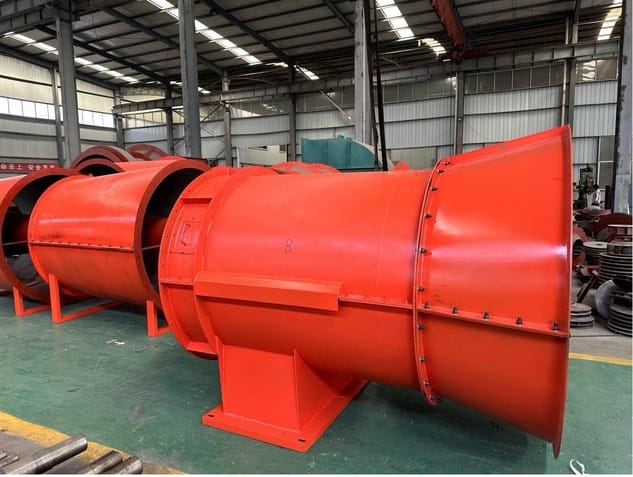
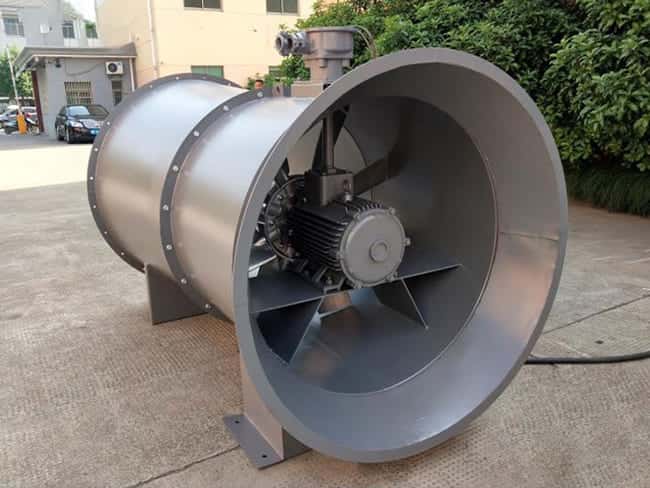
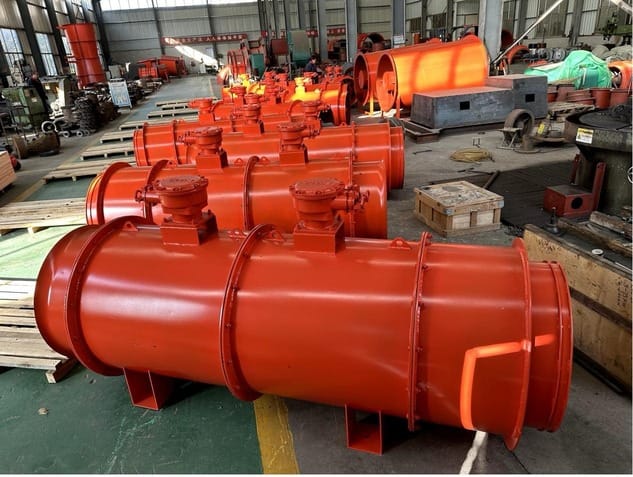
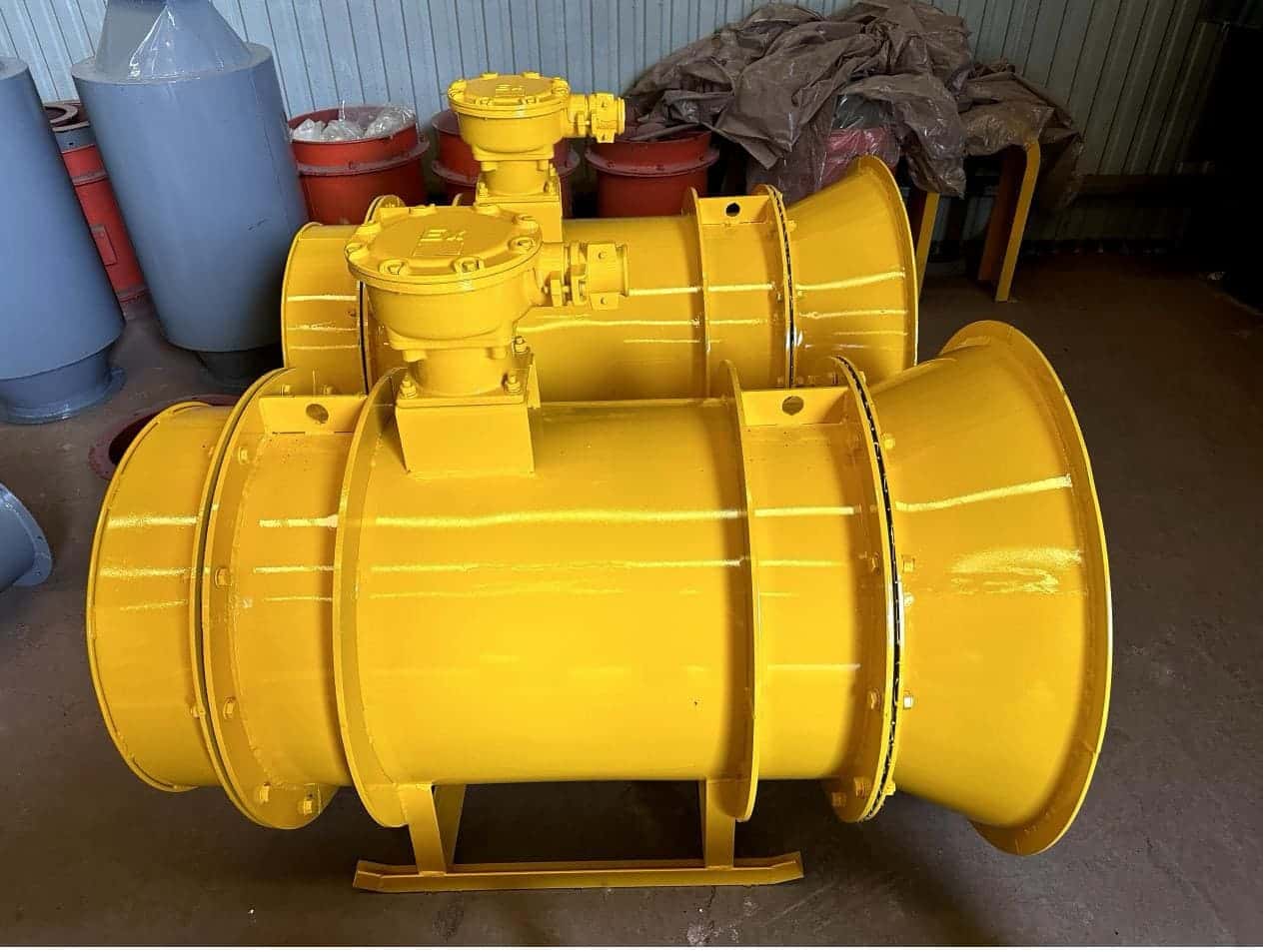
Fans in series do not directly increase the free airflow of the fan; they mainly increase the available pressure. This distinction is important. When you place two identical fans one after another in the same duct, the same volume of air passes through both fans. What changes is the total pressure they can develop together. That extra pressure can push more air through a high-resistance system, so the final airflow in the installation may increase, but not in the same way as simply adding the CFM ratings of two fans.
To understand this, it helps to think in terms of fan curves and system curves. Each fan has a performance curve that shows how much pressure it can develop at different airflows. The system—ducts, filters, bends, regulators and airways—has a resistance curve that shows how much pressure is needed to achieve a given airflow. The operating point is where the fan curve and system curve intersect.
When two identical fans are arranged in series, their combined pressure capability at a given flow is roughly the sum of the pressures each fan can provide at that flow. The combined fan curve shifts upward. If the system has high resistance, this higher pressure may move the operating point to a higher airflow, because the fans can now push more air through the same restriction. However, if the system resistance is low, the airflow may change only modestly, because the limiting factor is not pressure but other constraints such as available openings or noise.
By contrast, when fans are arranged in parallel, they share the airflow. At a given pressure, the total airflow is roughly the sum of the flows produced by each fan at that pressure. This is the arrangement that directly increases total CFM at similar pressure. Therefore, if your main goal is simply to increase airflow in a moderate-resistance system, parallel fans are usually more effective than series fans.
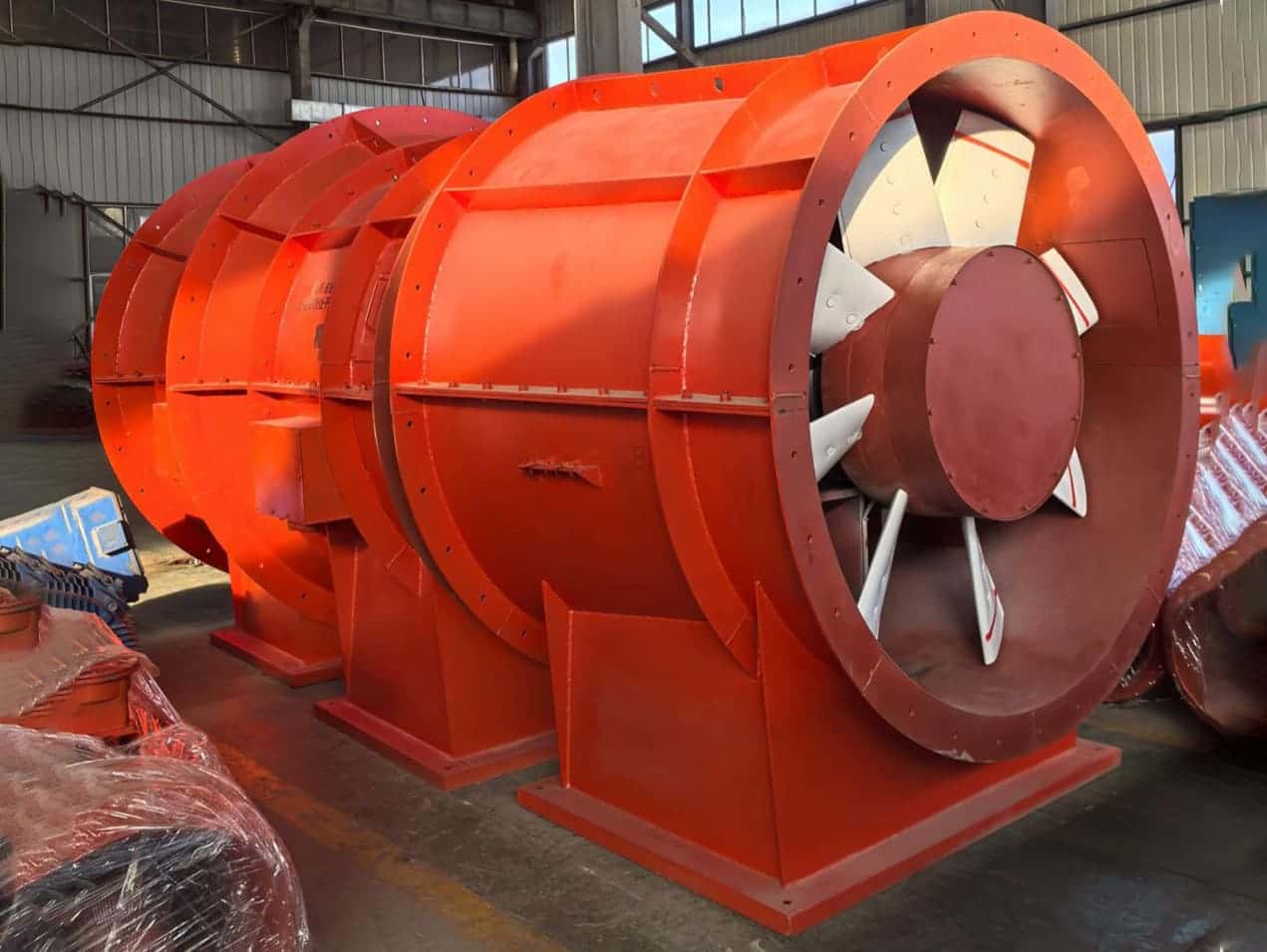
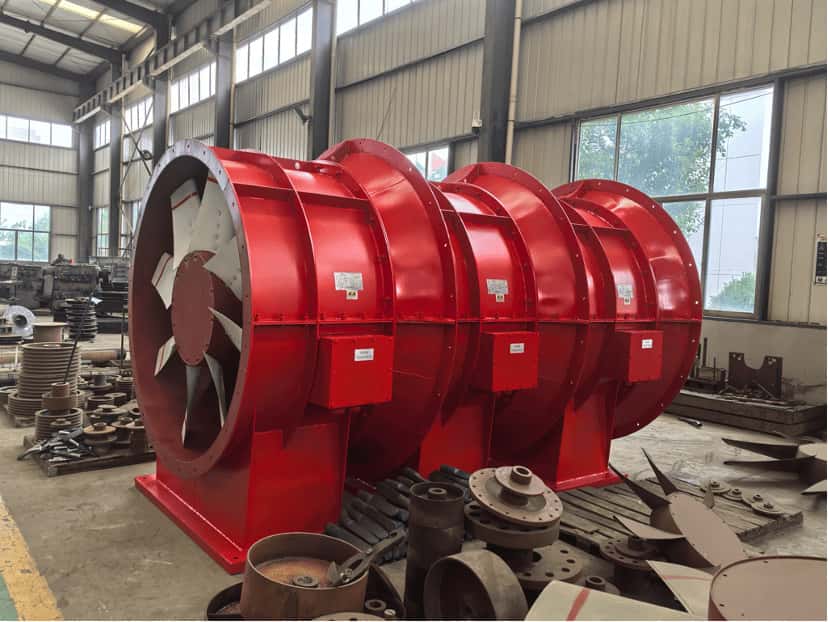
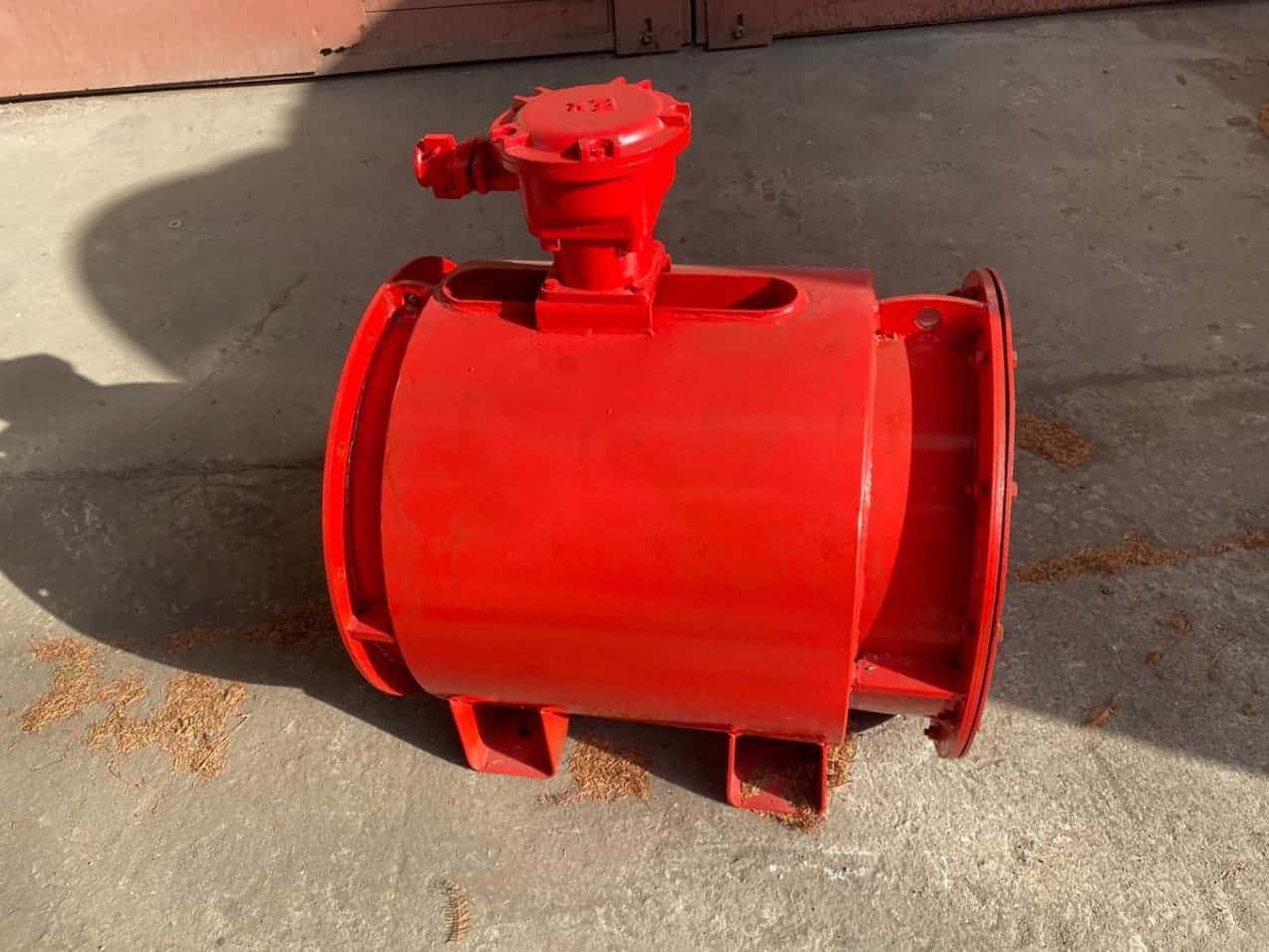
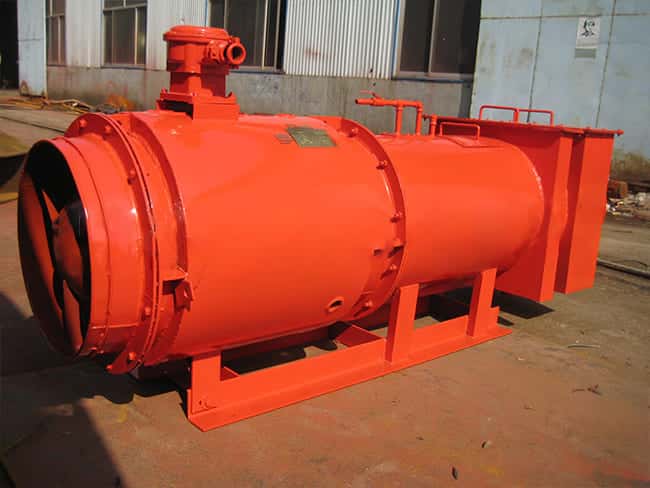
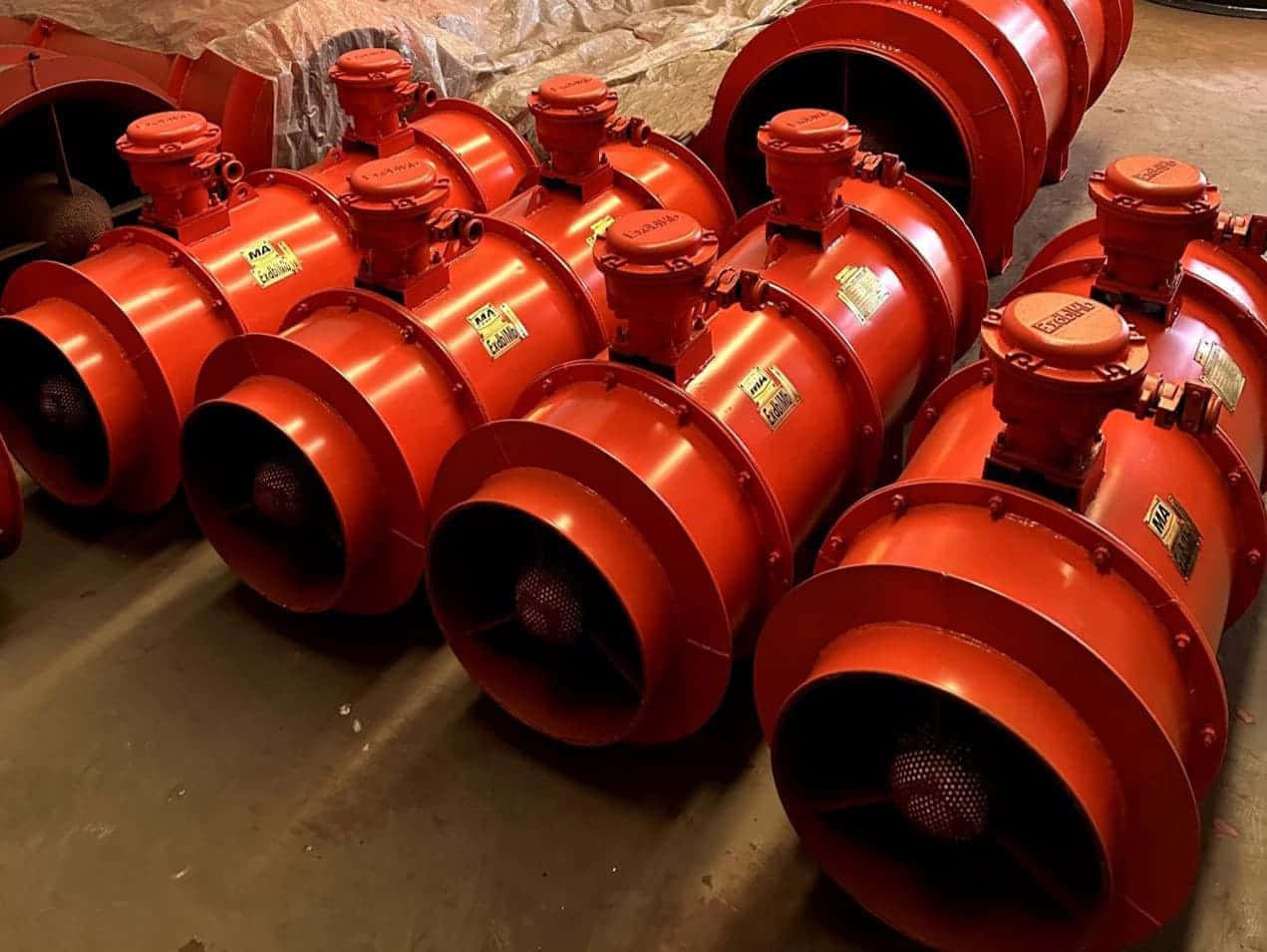
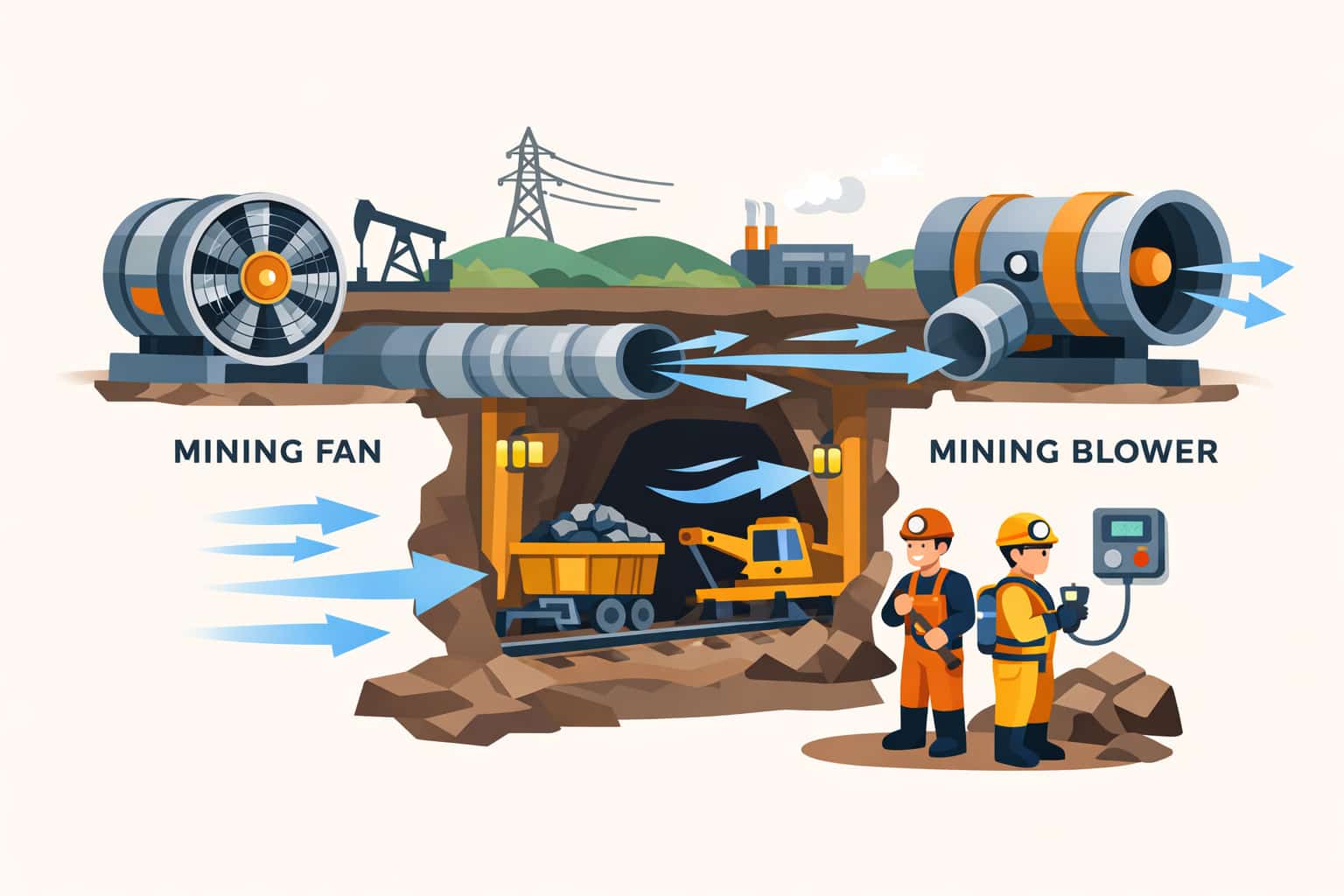
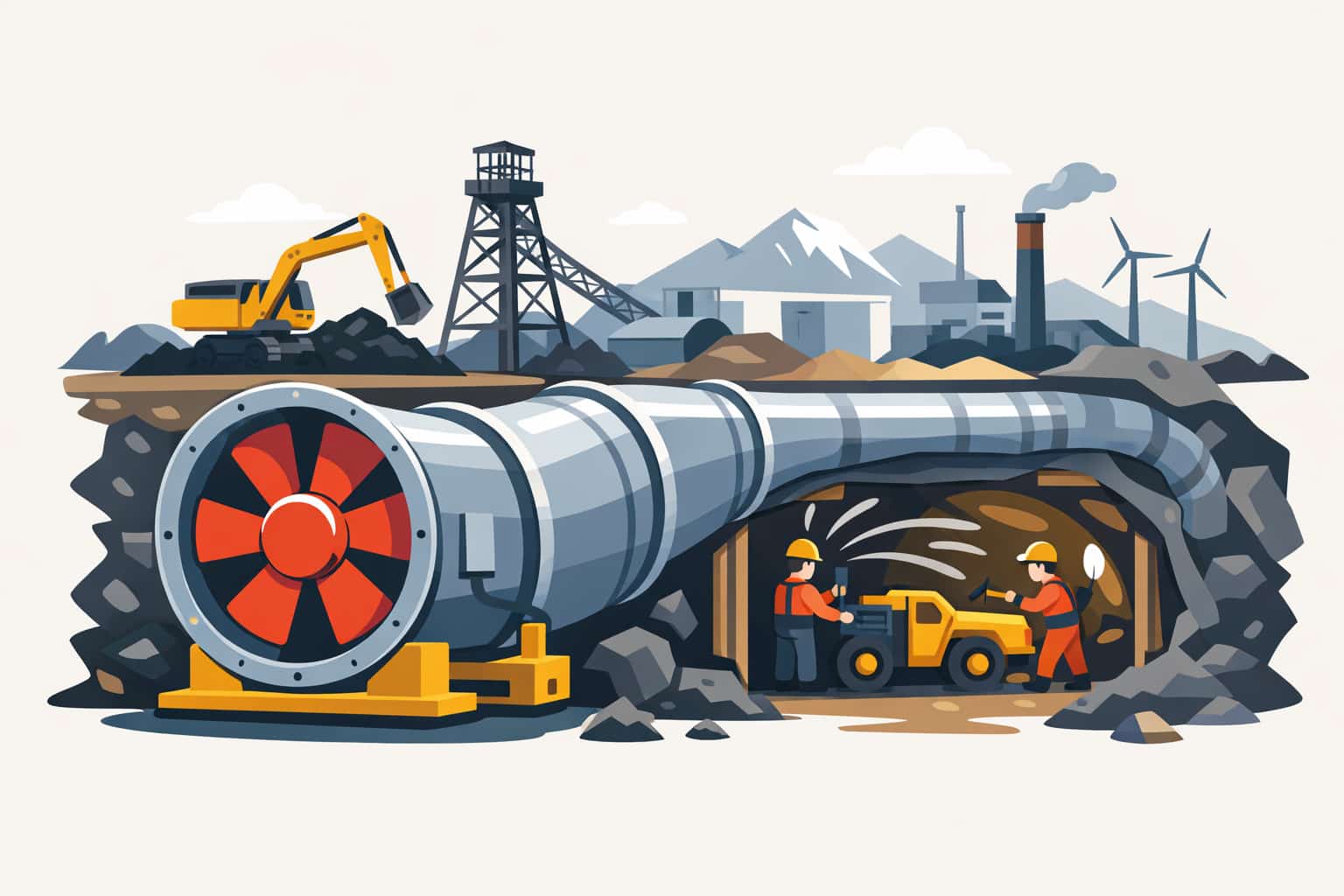
In mining and heavy industry, series arrangements are used primarily to boost pressure in long tunnels, shafts or high-loss duct systems. A booster fan in series with a main fan helps overcome additional resistance as workings advance, keeping airflow at required levels. The increase in airflow is the result of higher pressure at the system operating point, not a simple addition of fan CFM ratings.
In summary, fans in series increase the available pressure rather than directly increasing free airflow. That higher pressure can lead to more airflow through a restrictive system, but the actual result depends on the system resistance and must be evaluated using fan and system curves.