
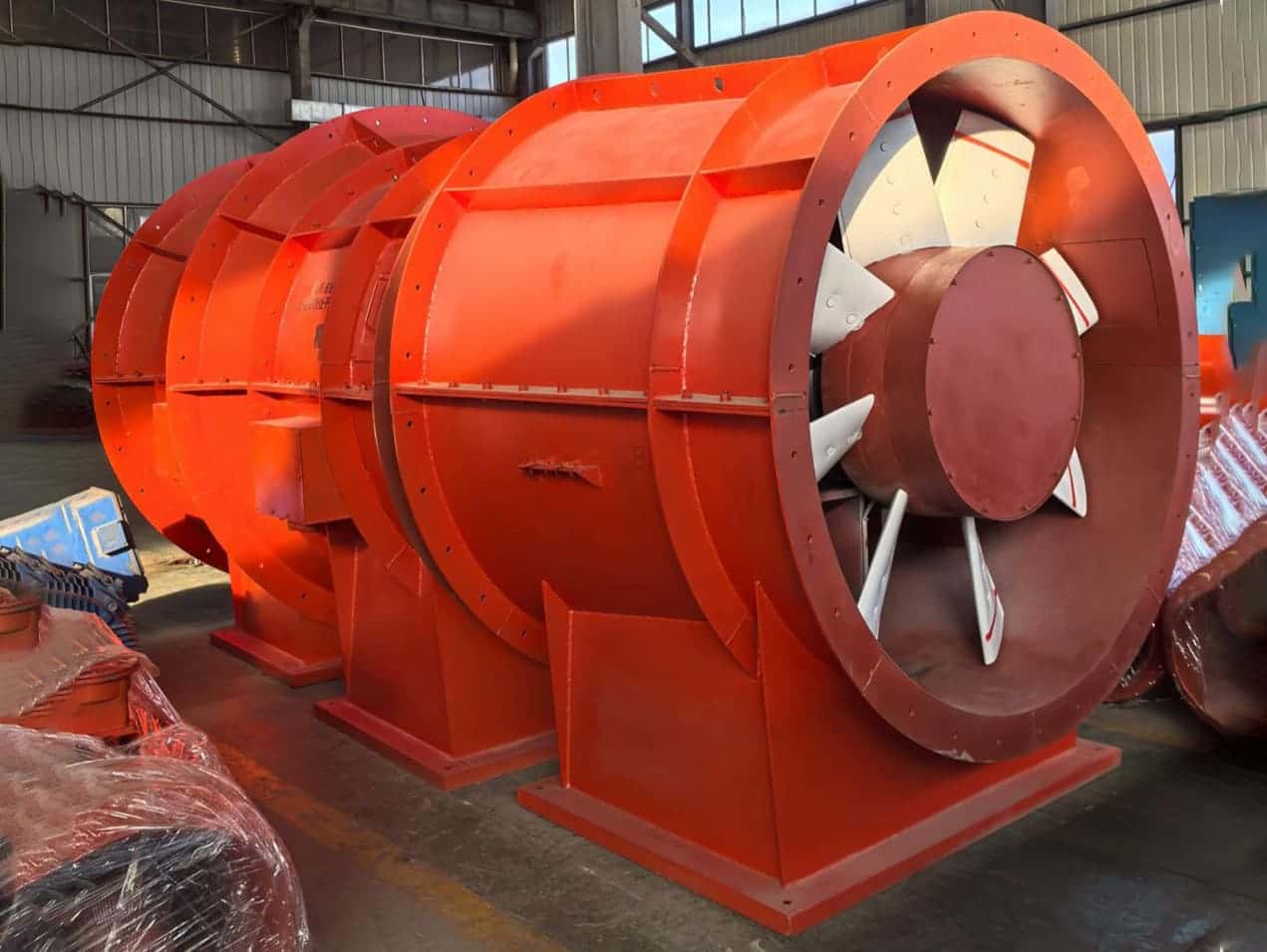
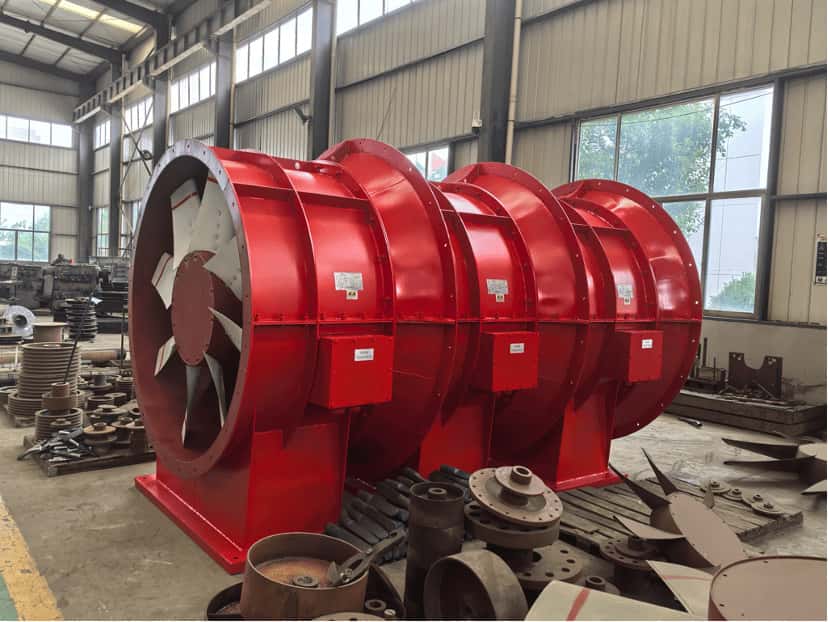
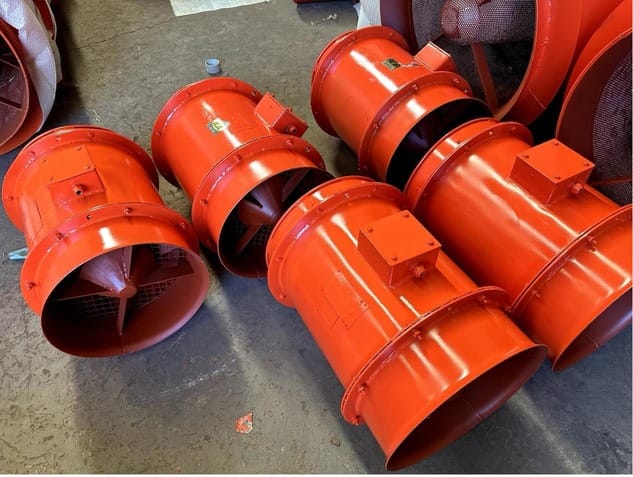
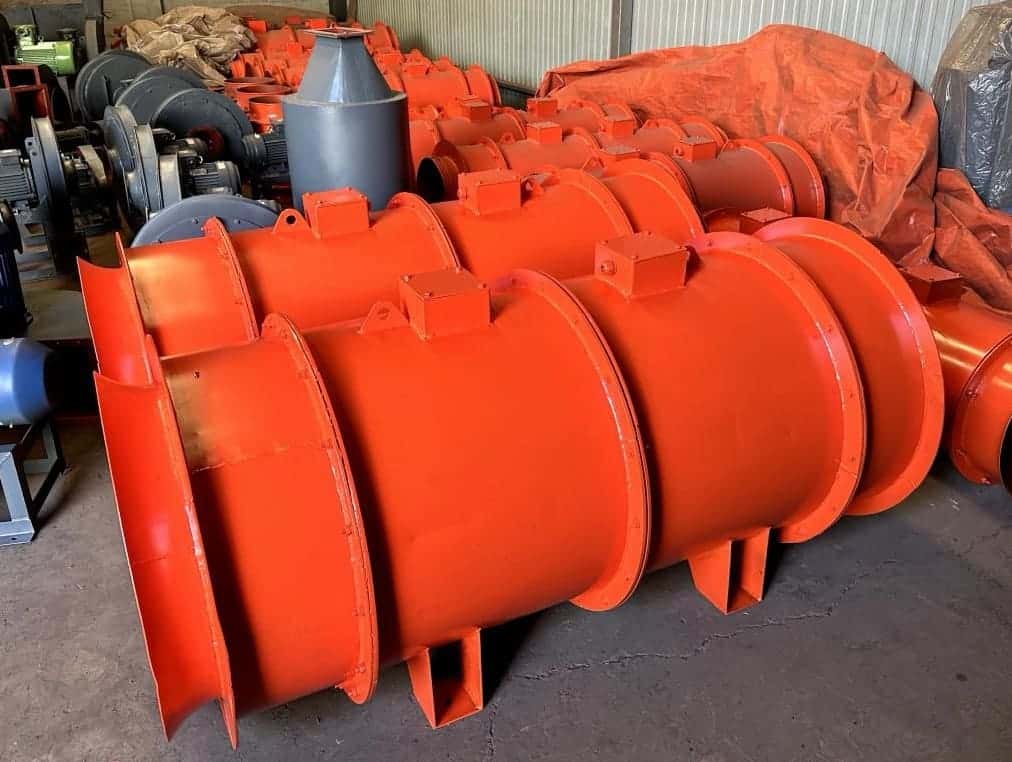
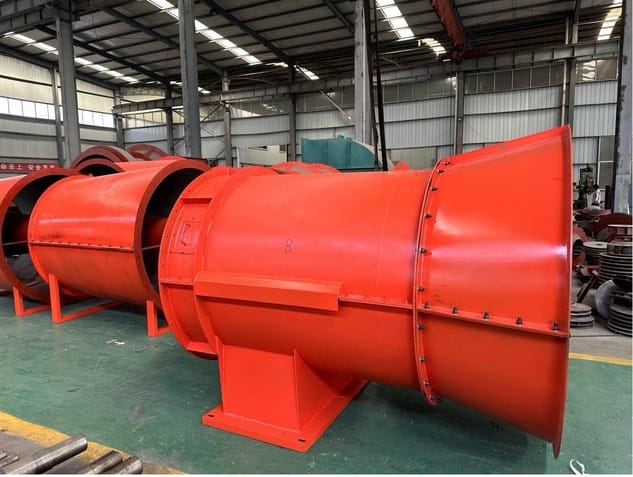
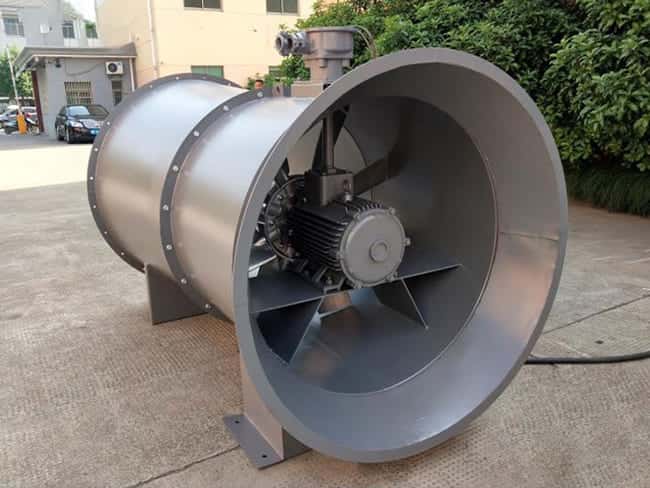
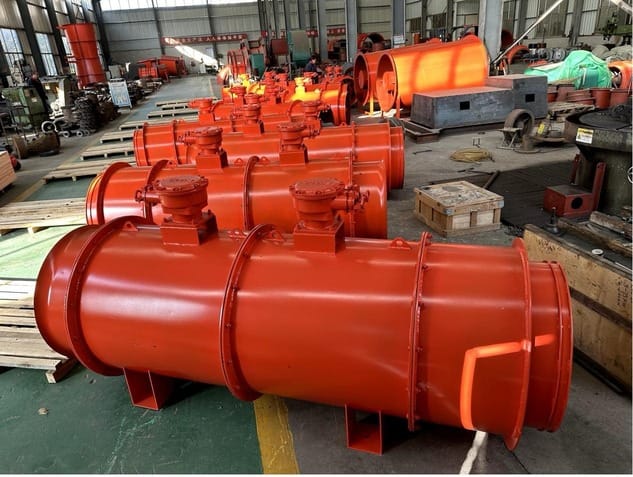
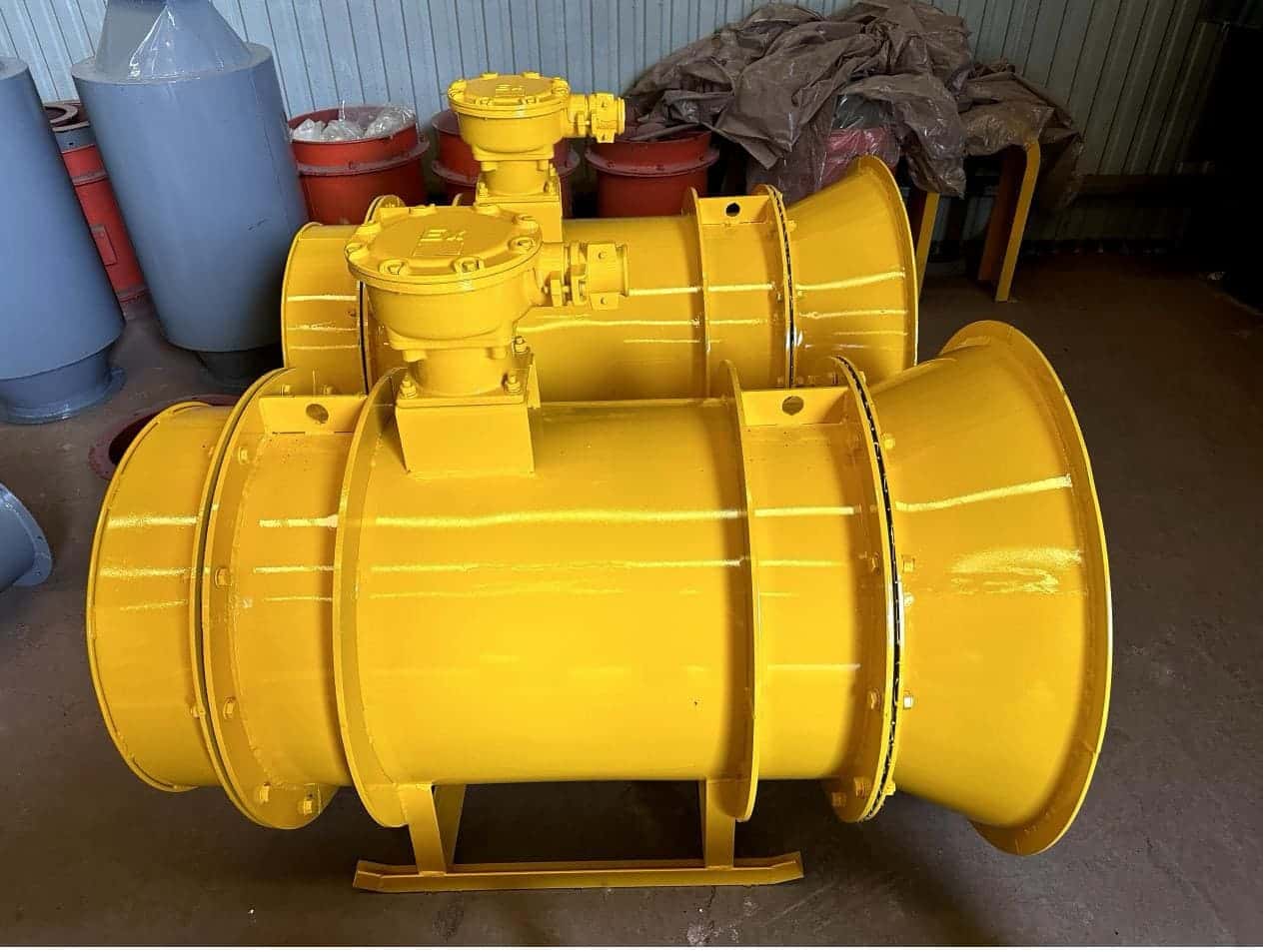
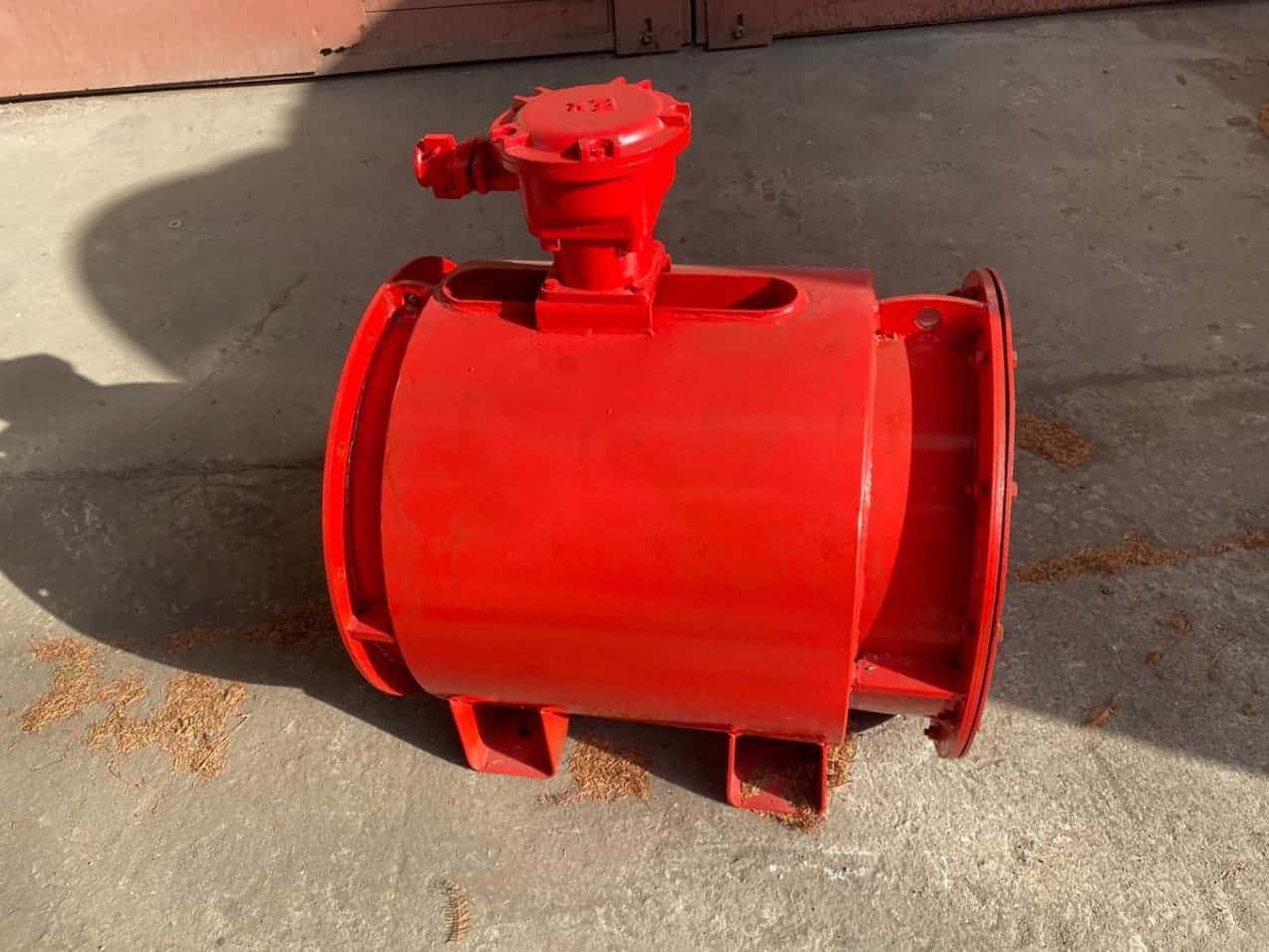
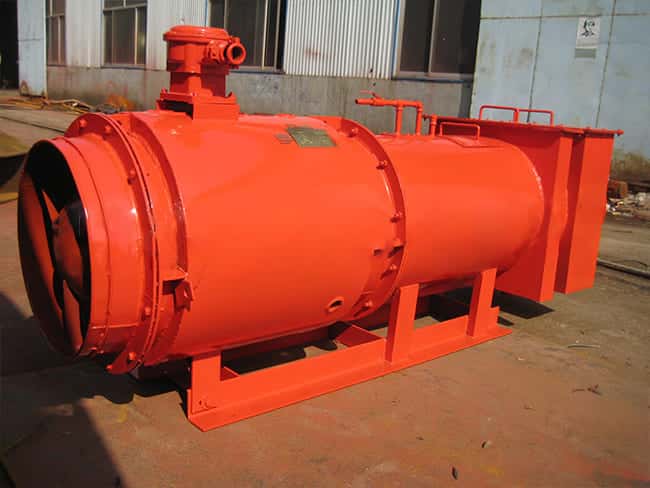
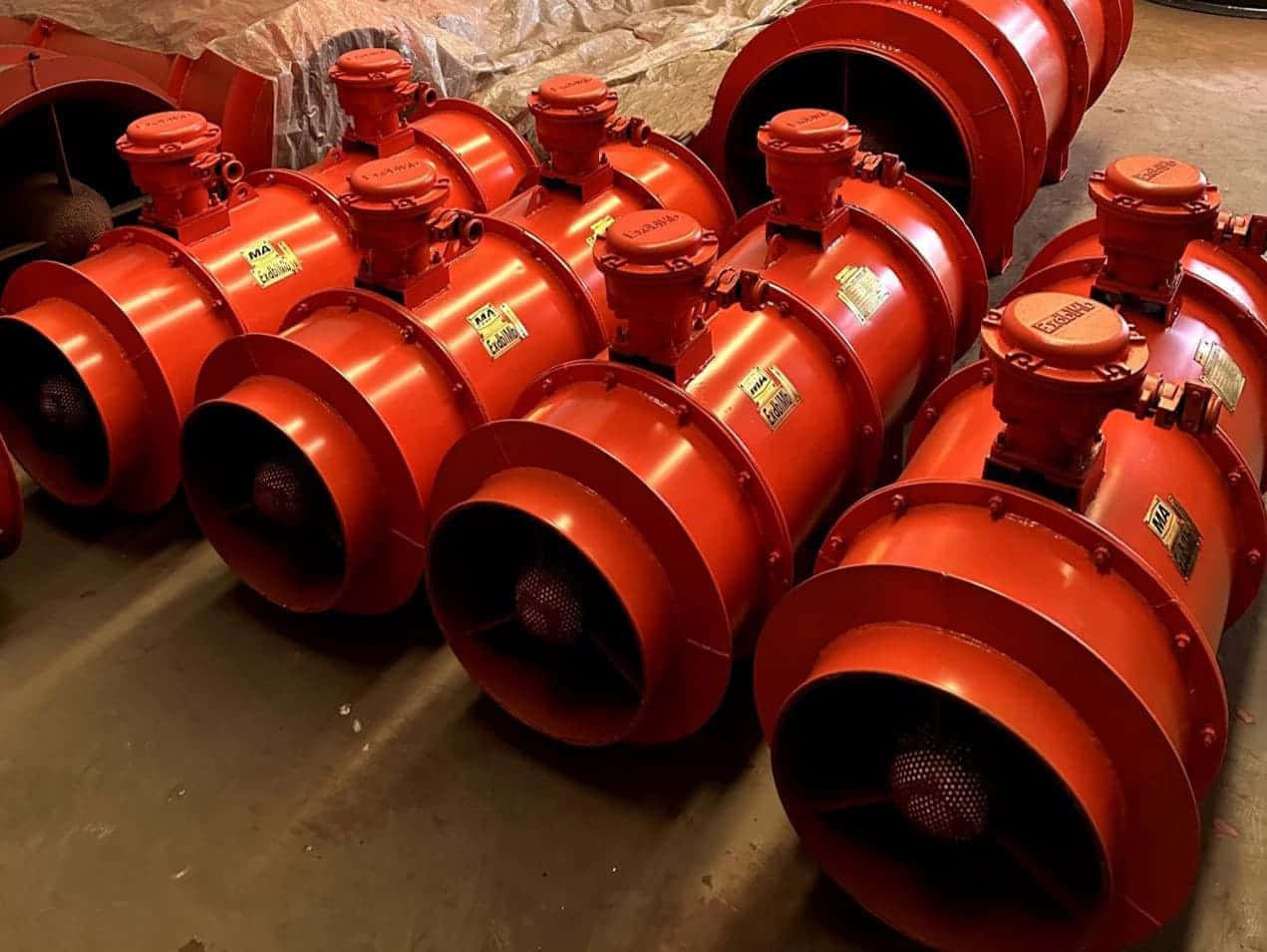
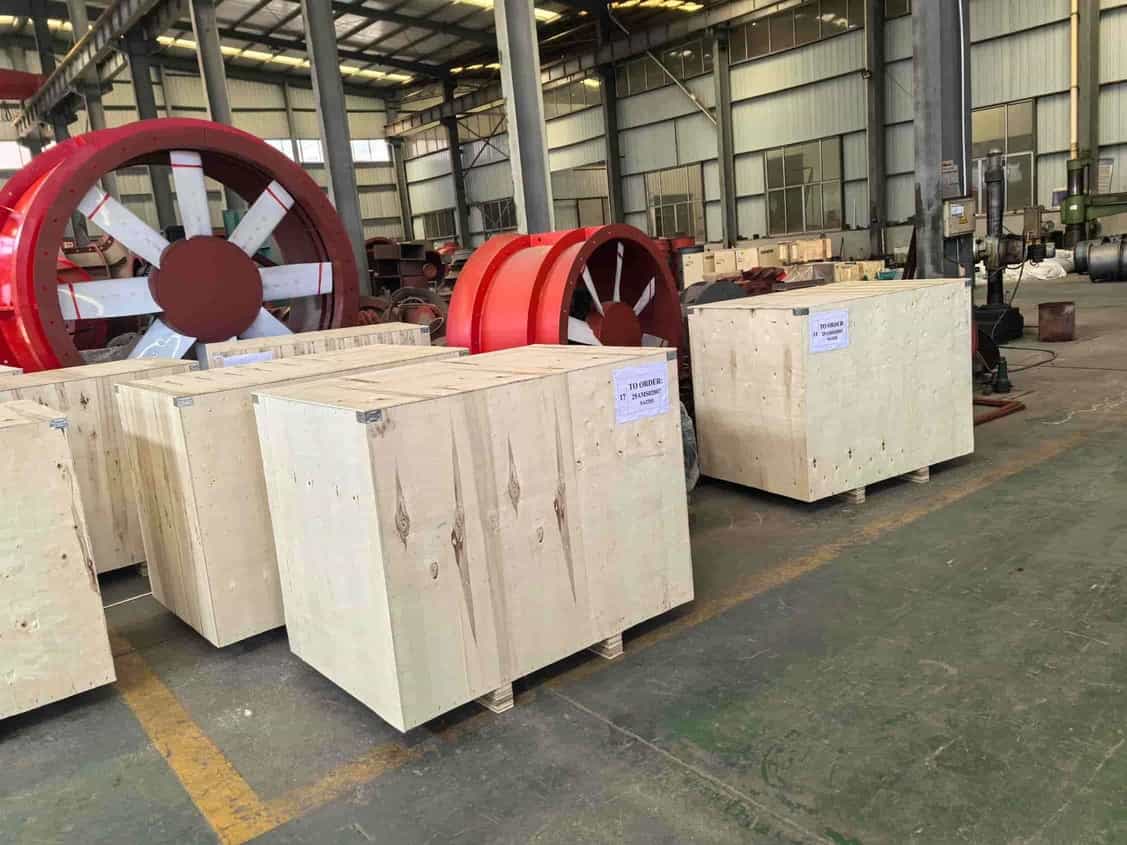
You need an explosion-proof fan if the air around the fan may contain flammable gases, vapours or dusts at concentrations where an ignition source could cause an explosion. The decision is not based on fan size or industry alone; it is based on whether the installation area is classified as hazardous according to relevant electrical safety standards.
The first step is to determine whether your workplace includes hazardous locations. Standards such as ATEX and IECEx, or regional codes like NEC/CEC in North America, define zones or classes and divisions based on the likelihood and duration of explosive atmospheres. Typical examples include areas near solvent-based paint booths, fuel storage facilities, grain silos, chemical reactors, some battery charging rooms and underground coal mine workings with methane risk.
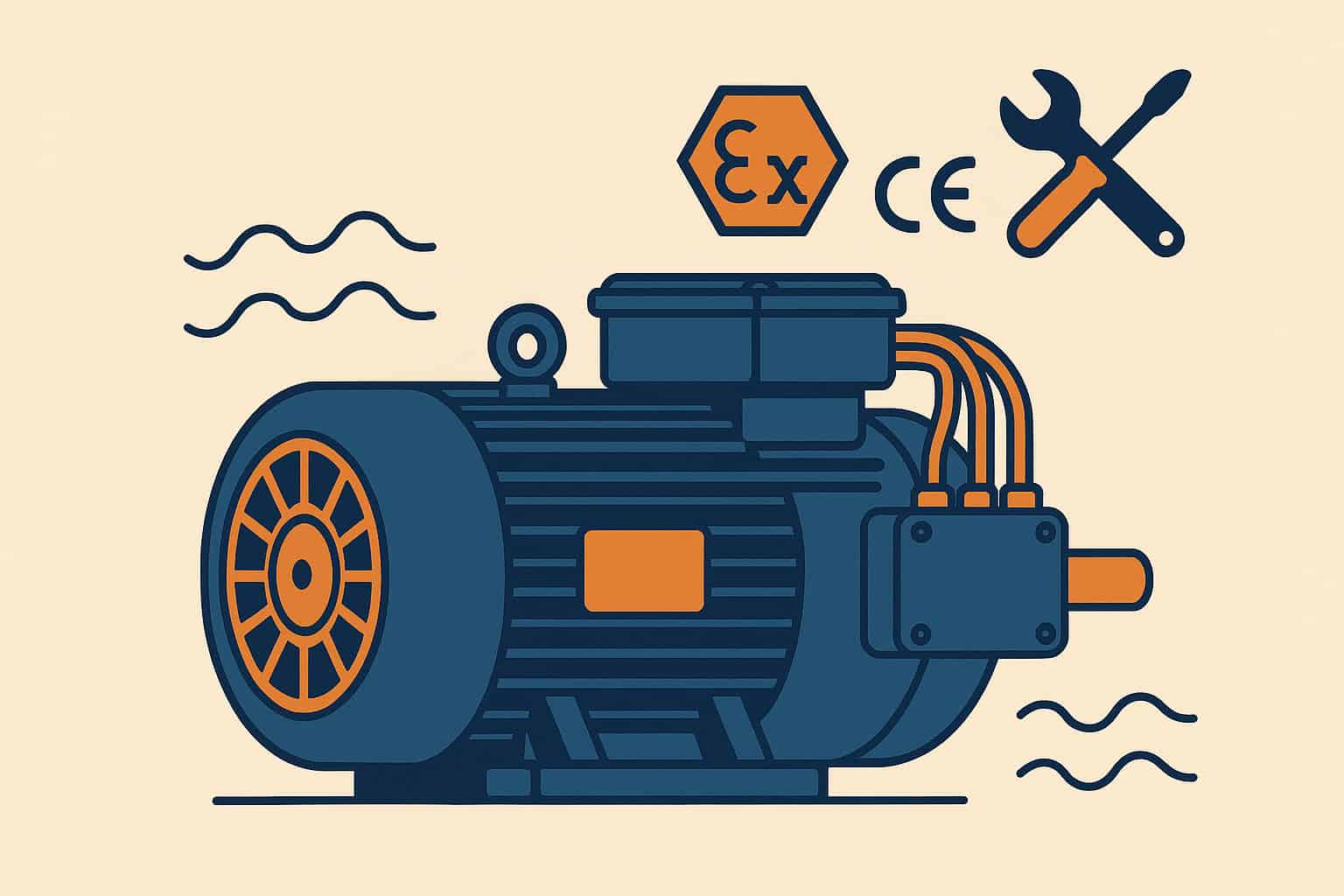
If the fan will be installed in such a zone, the applicable regulations usually require explosion-proof or suitably protected equipment. This applies to motors, junction boxes and controls, and it certainly applies to exhaust fans handling flammable vapours or dust. Using a standard fan in a classified hazardous area can create an ignition source through sparks, hot surfaces or internal electrical faults, which is not acceptable from a safety or compliance standpoint.
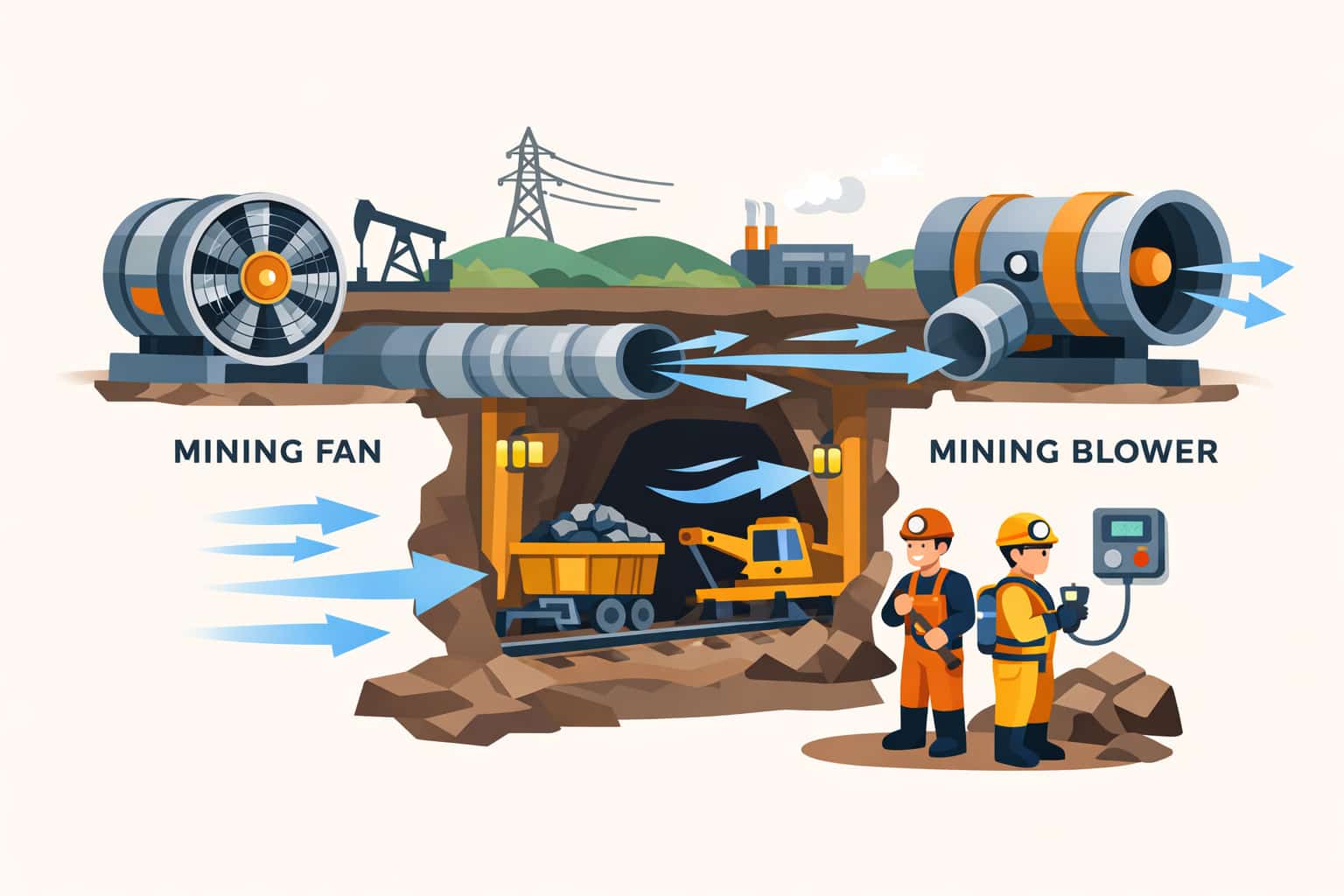
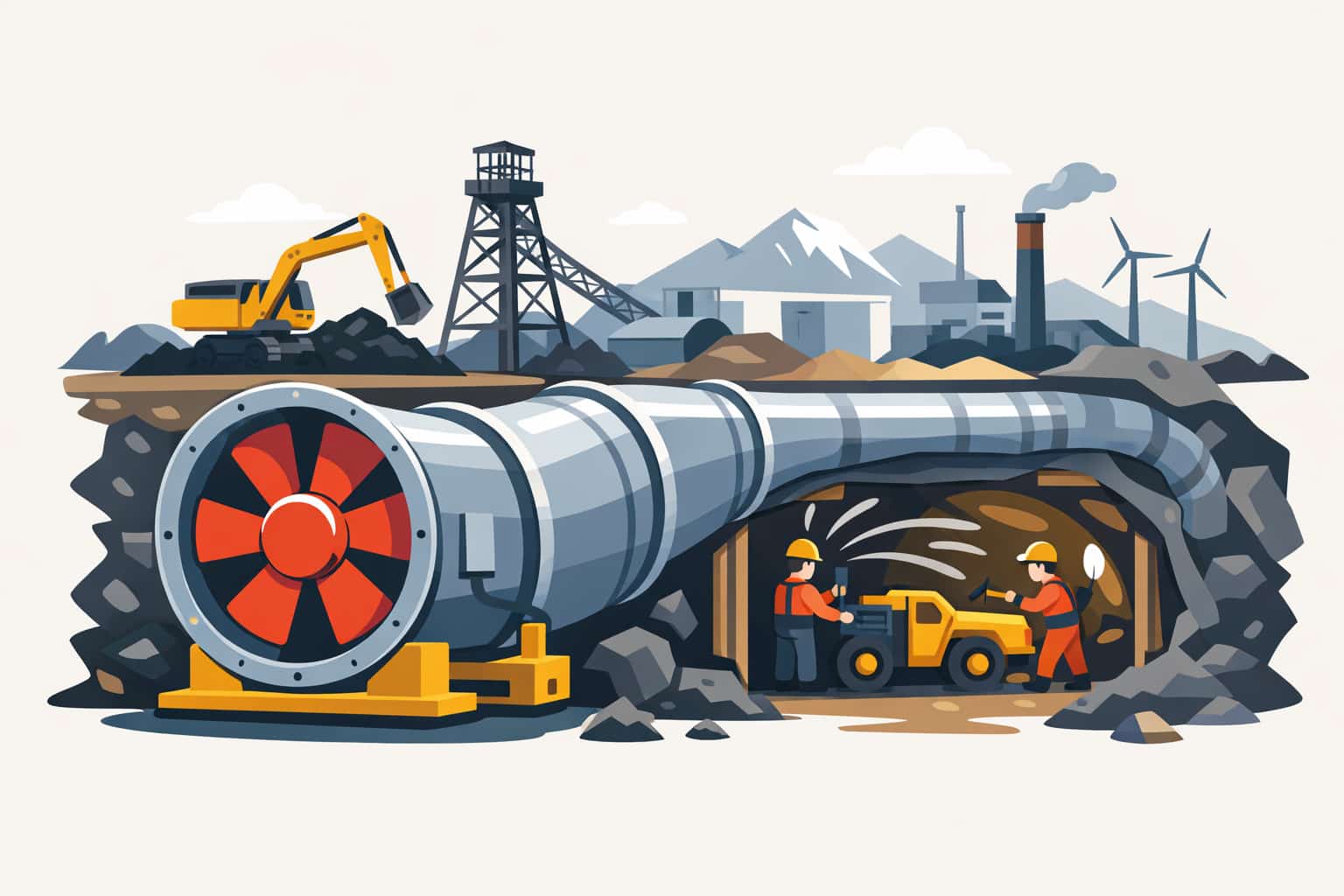
In mining ventilation, the need for explosion-proof fans is particularly strict in gassy coal mines, where methane and coal dust can form explosive mixtures. Regulations often specify flameproof or explosion-proof construction for main fans and certain auxiliary fans, depending on their location relative to return airways and potential gas accumulations. Even in non-gassy mines, local rules may require special protection in areas where flammable gases or liquids are used.
There are also situations where the fan itself handles clean air, but is mounted in a hazardous area containing explosive gas. In that case, the motor, terminal box and any external controls still need to meet the hazardous-area requirements, even if the airstream is not contaminated. Conversely, if the fan is extracting hazardous vapours from a location but the fan and motor are safely outside the hazardous zone (for example, motor mounted above a safe roof, with non-sparking ductwork inside), a standard fan may be acceptable—subject to a proper risk and code review.
Because the consequences of getting this wrong are severe, you should always consult local codes, a qualified electrical engineer and, where relevant, the mine or plant safety department before deciding. They can confirm whether the area is classified, what equipment protection level (EPL) or class/division is required, and which explosion-proof fan ratings are appropriate.
In summary, you need an explosion-proof fan whenever the fan or its motor will be located in a hazardous zone with potential explosive atmospheres, or when regulations explicitly require it for your process. A proper classification and safety review is the only reliable way to make that decision.