
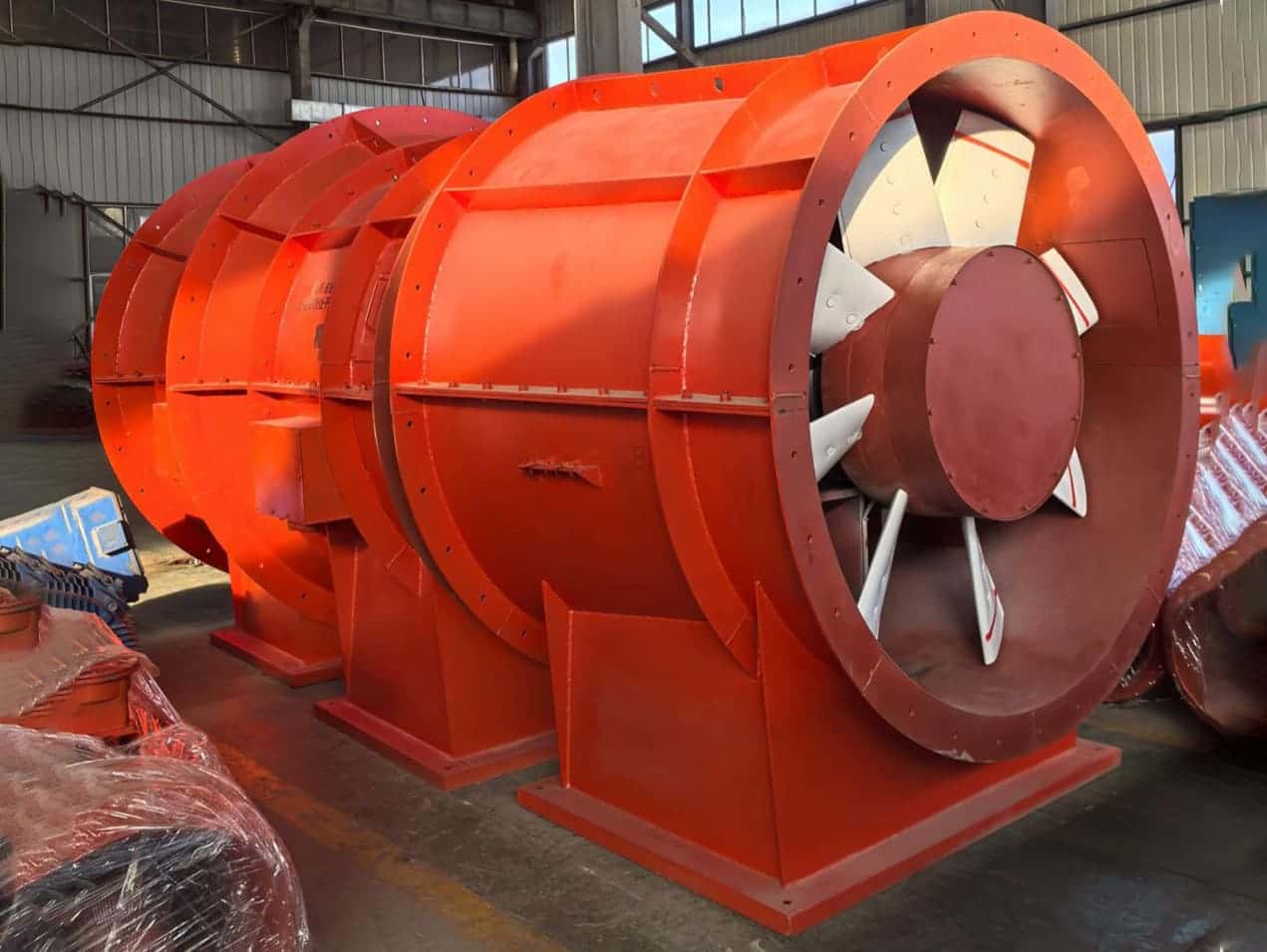
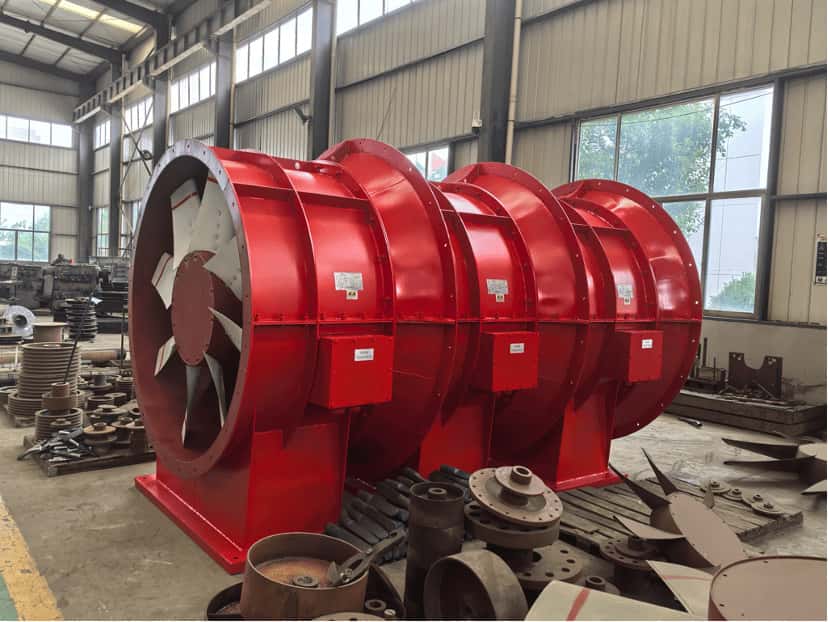
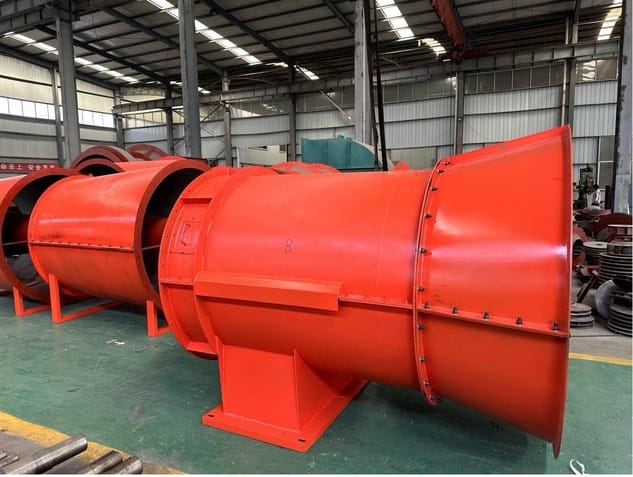
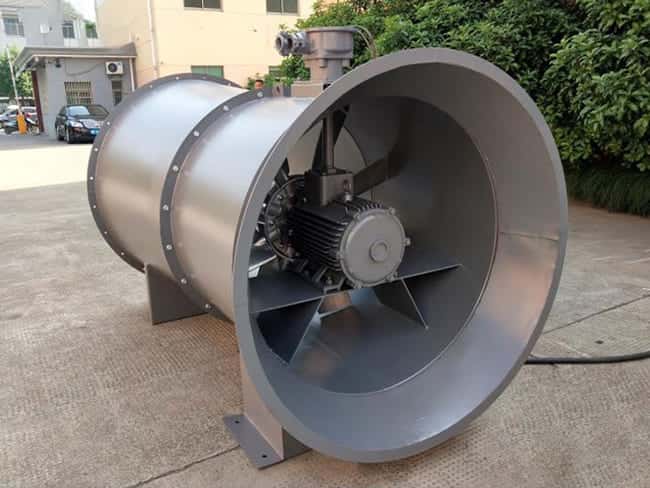
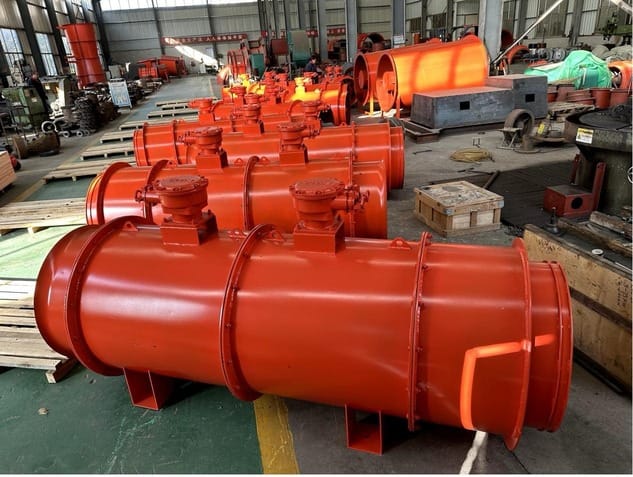
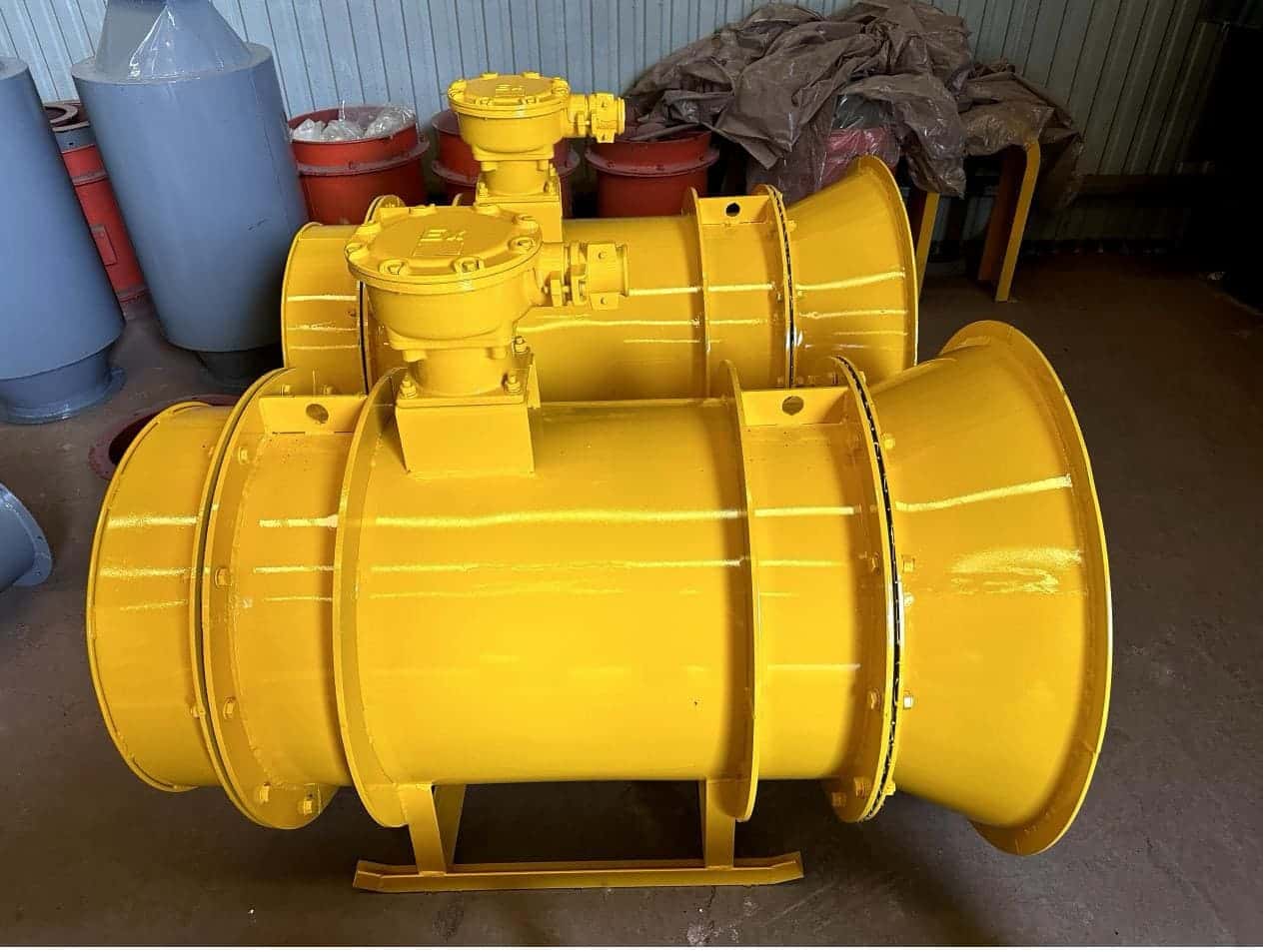
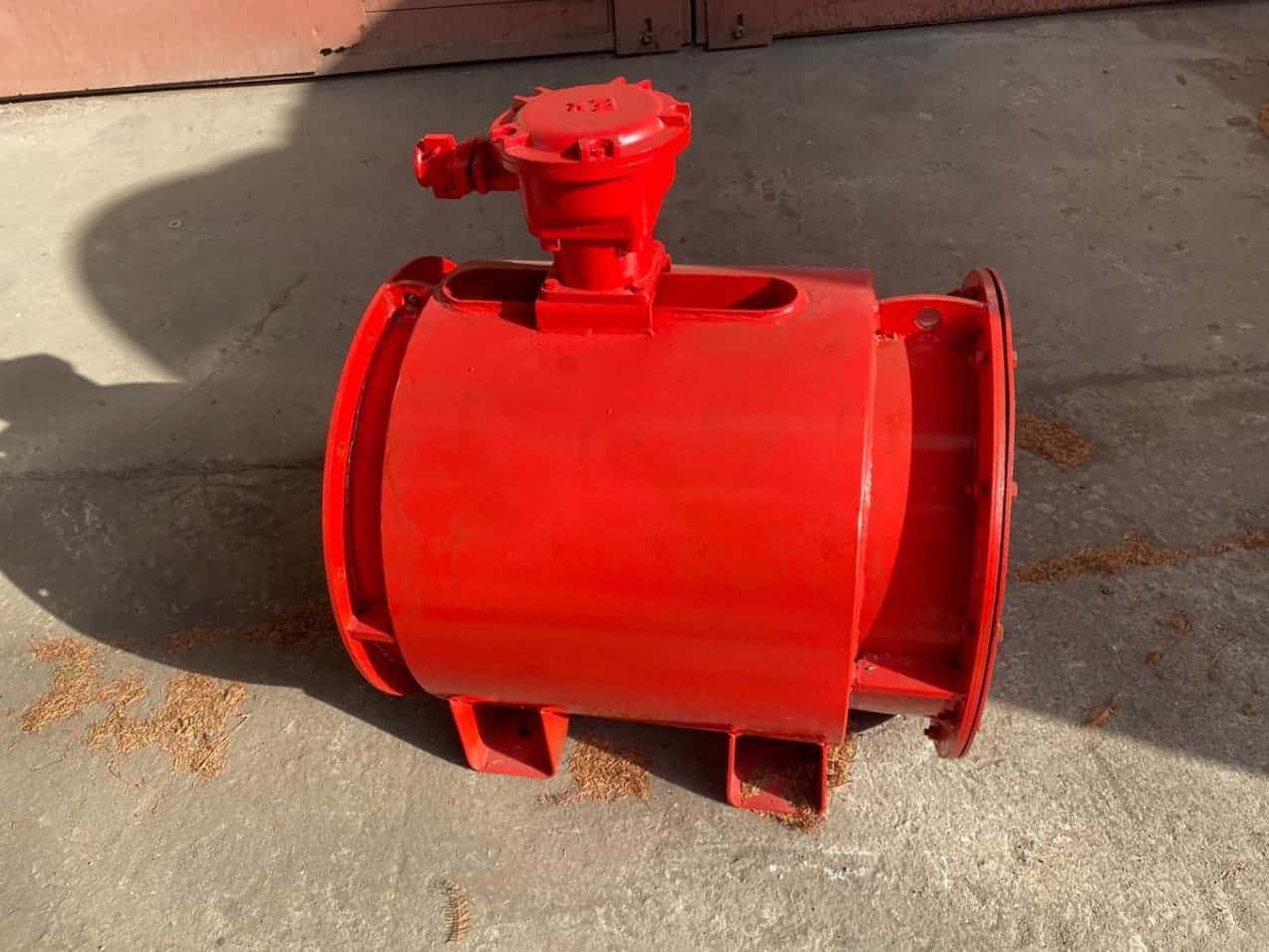
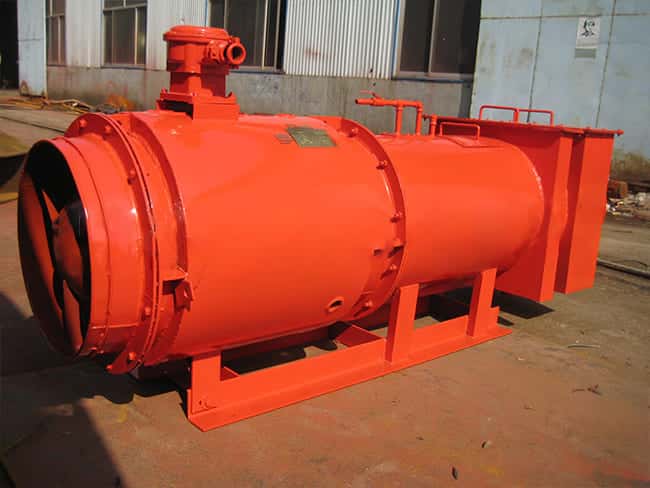
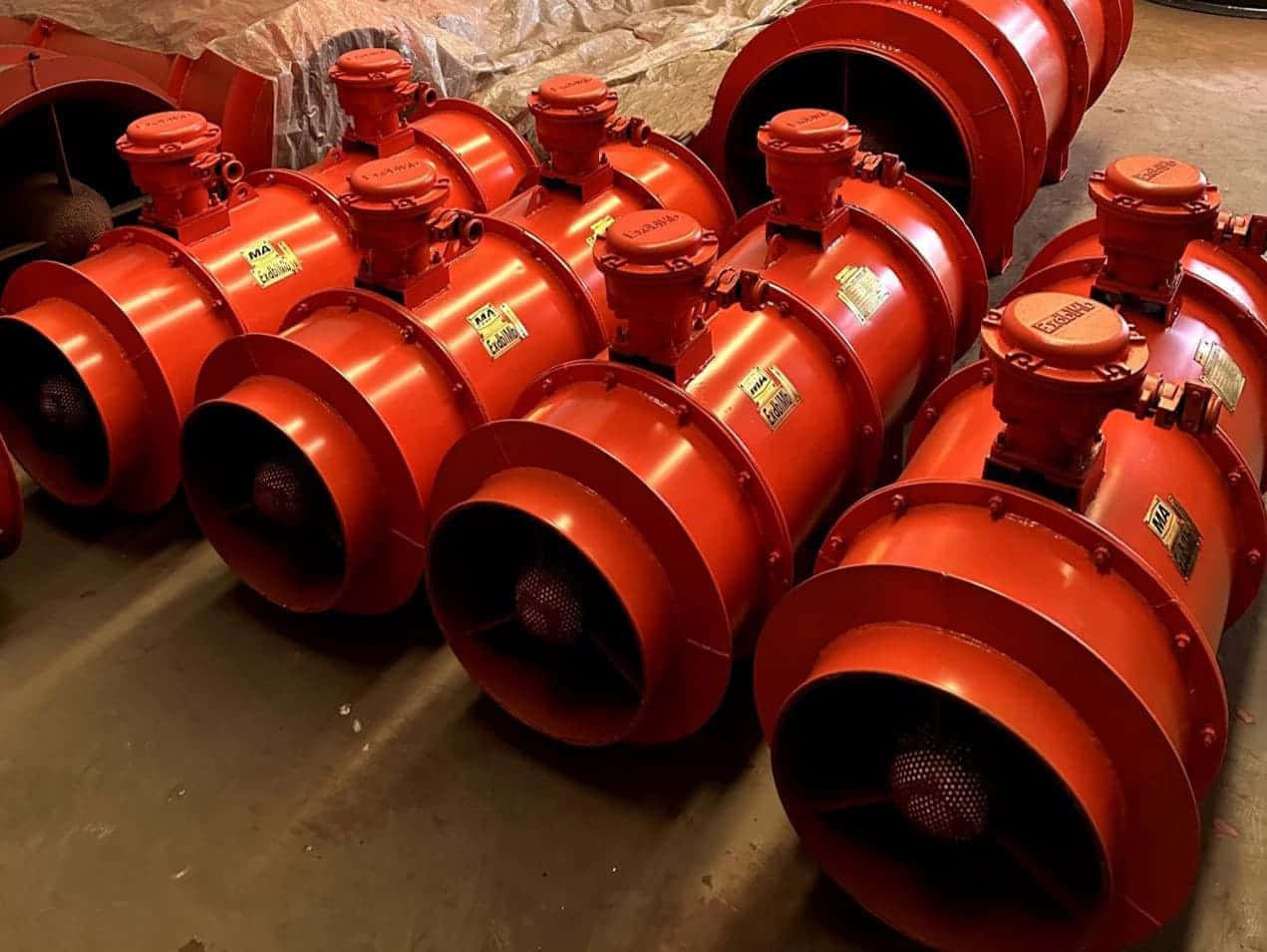
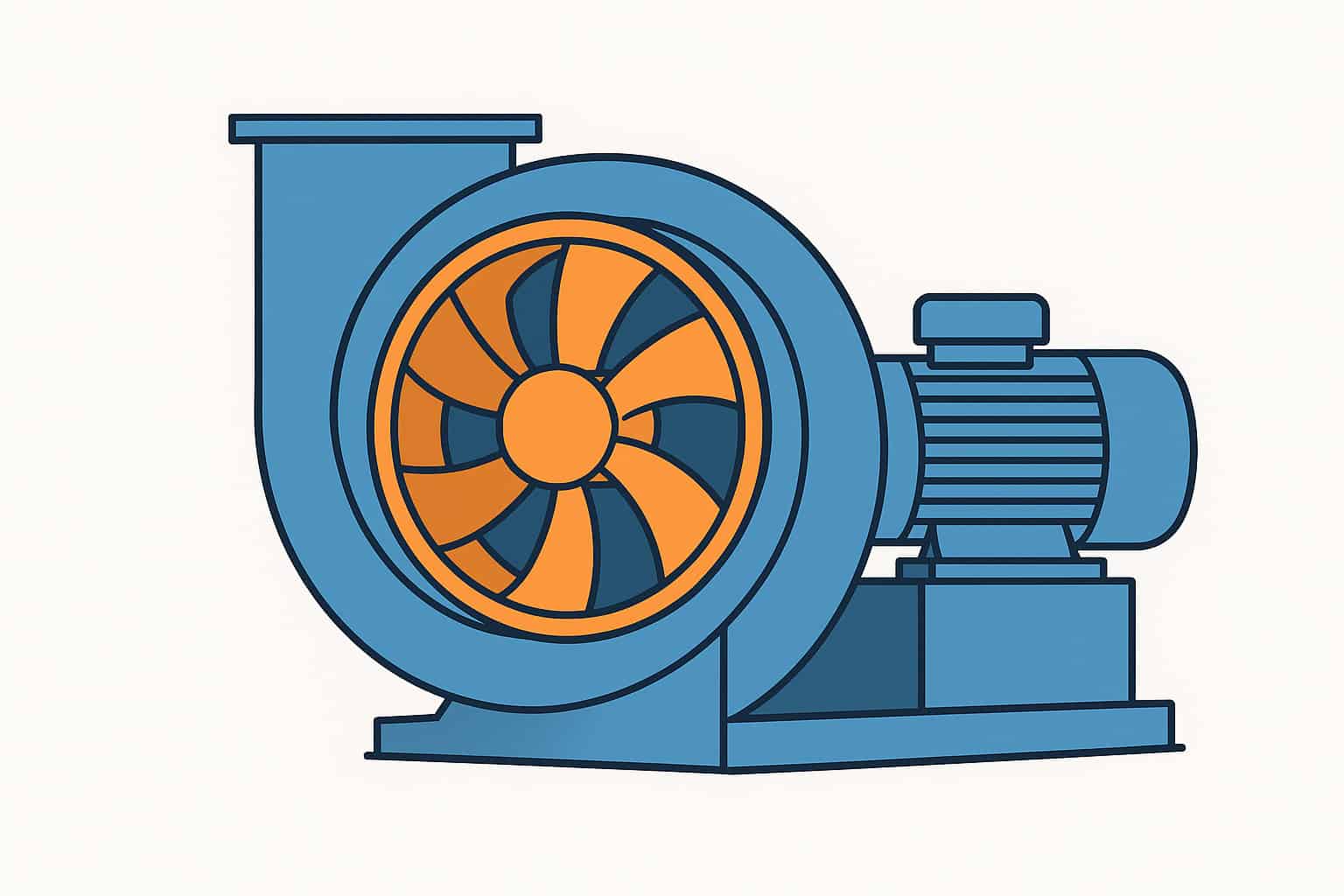
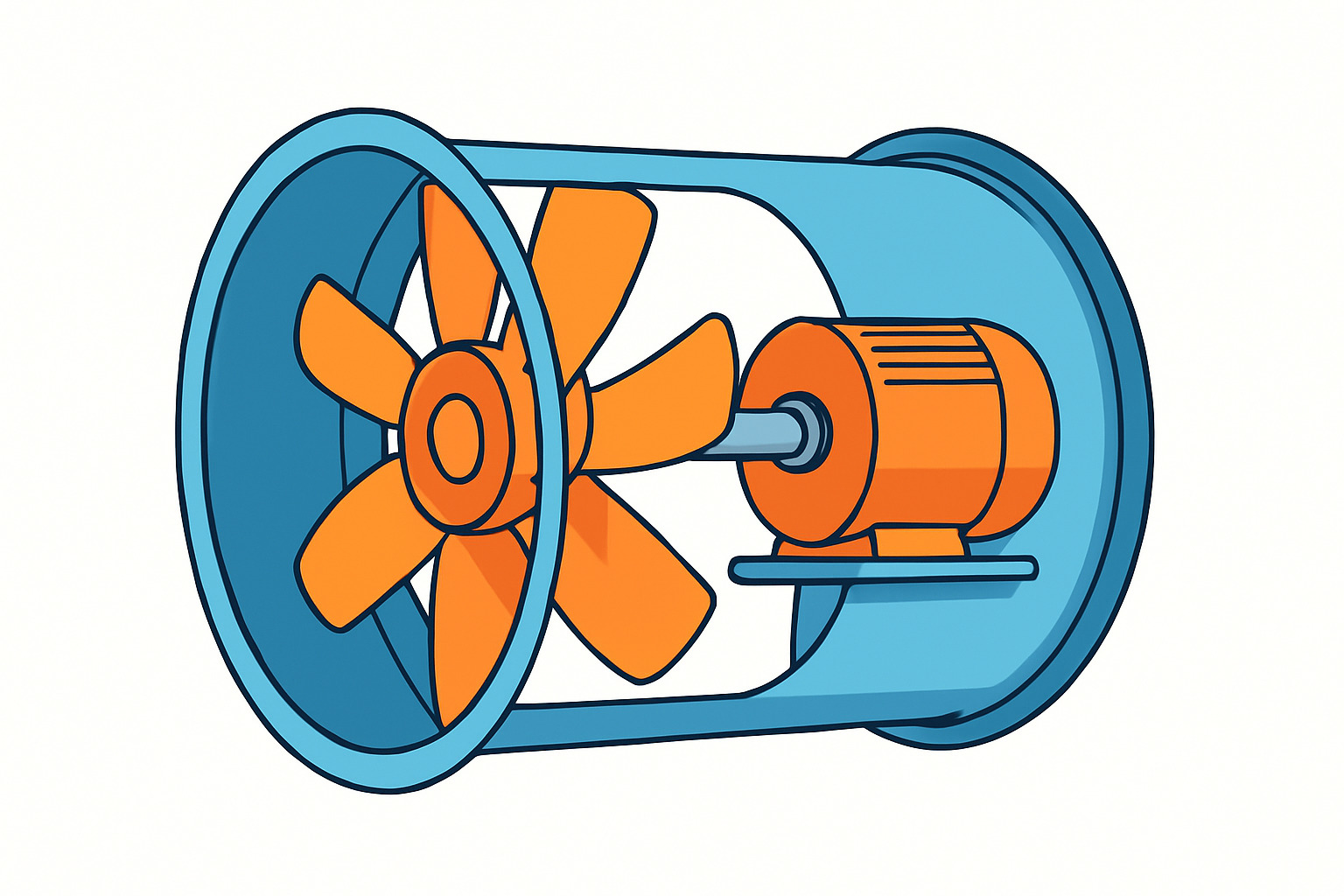
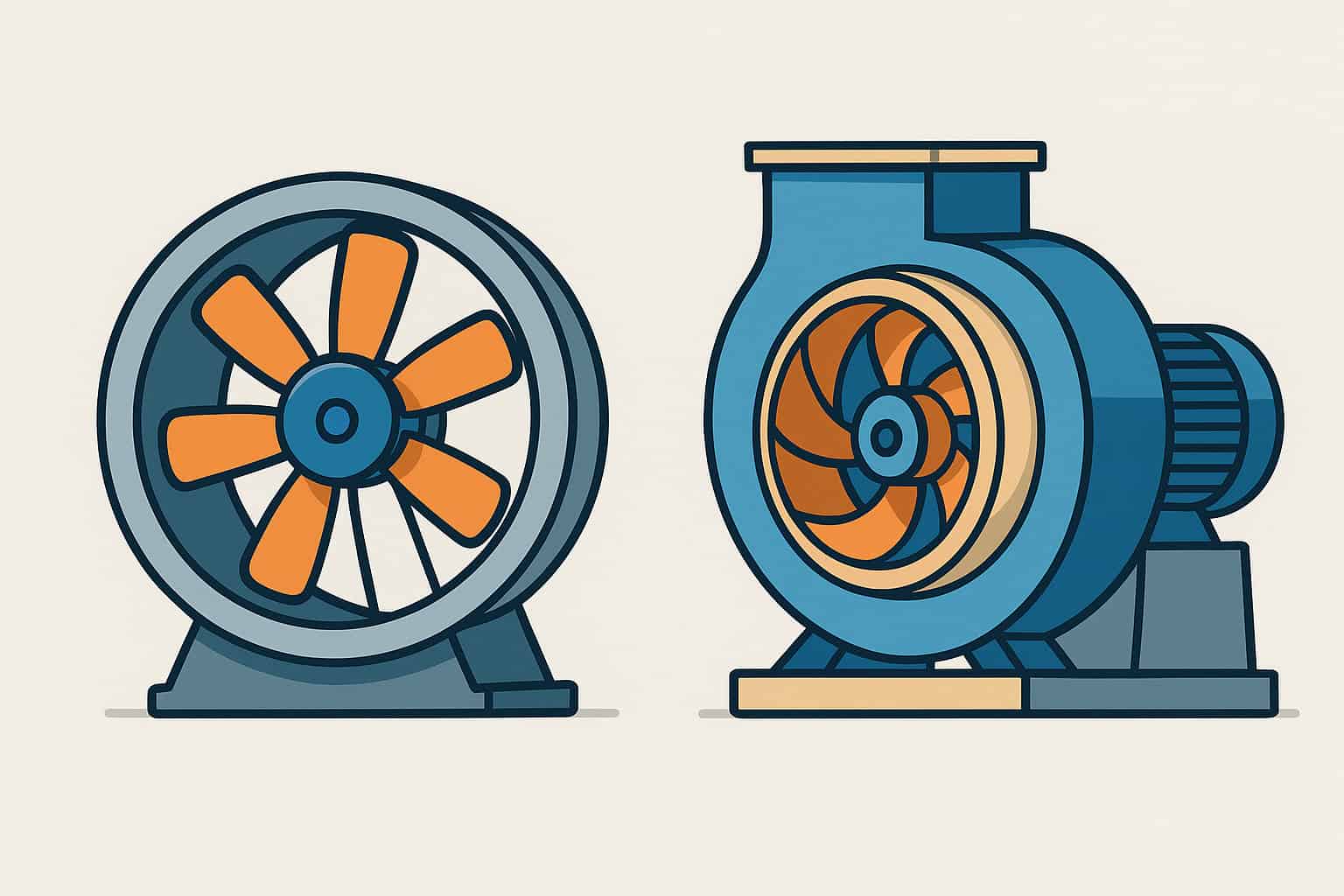
Mine and tunnel ventilation fans generally do need to vent outside or to another safe discharge point, because their primary function is to remove contaminated air from underground workings and enclosed structures. When fans move air in a mine or tunnel, they are transporting dust, diesel exhaust, blasting fumes, gases, and excess heat. If this air were discharged into another enclosed space without proper dilution and dispersion, the contamination problem would simply be relocated instead of solved.
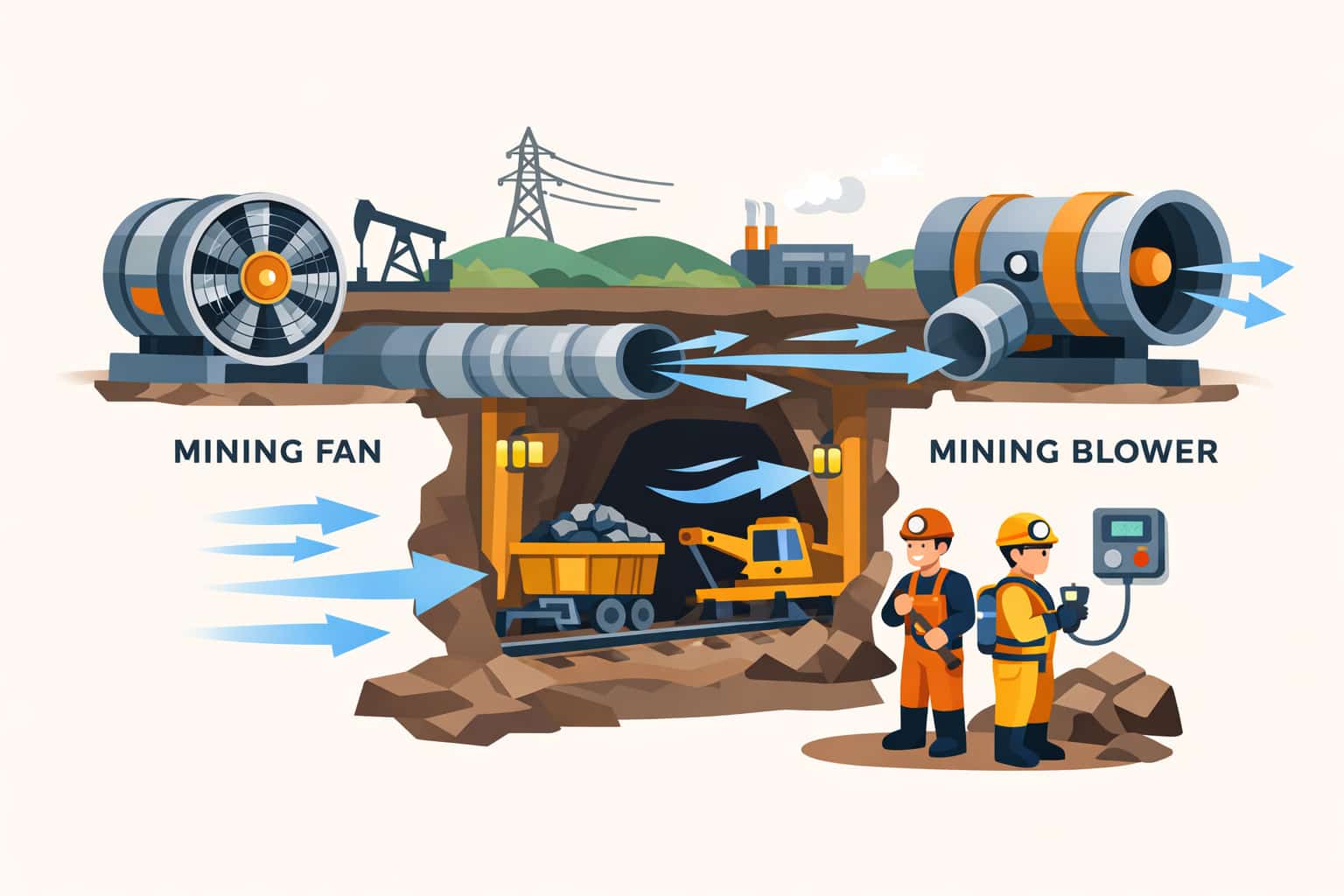
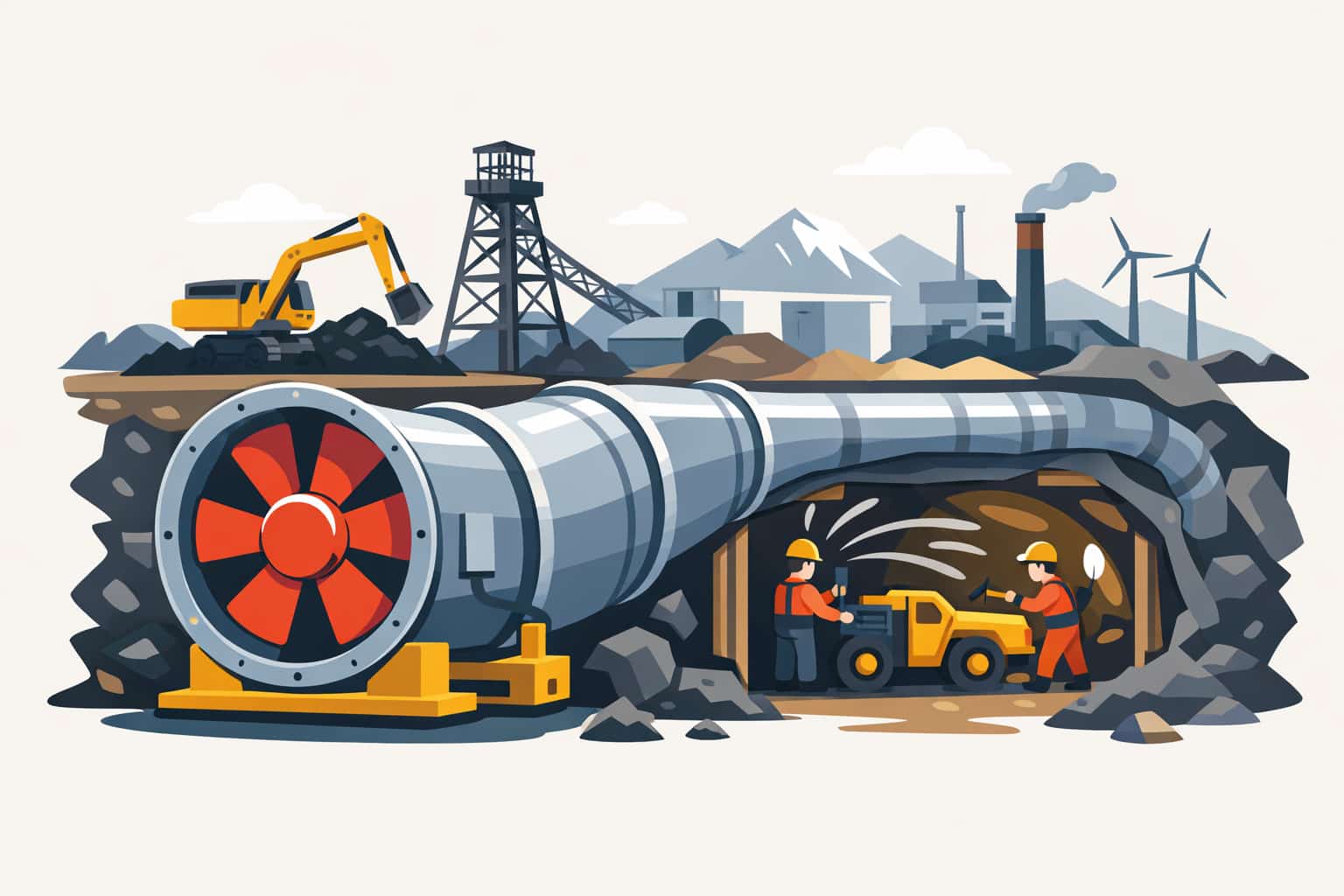
In a typical underground mine ventilation system, main fans are installed at shafts, raises, or portals. They are arranged either as exhaust fans that pull air from the mine or as forcing fans that push air into the mine. In both cases, the air that leaves the system must be discharged to a location where it can disperse safely into the atmosphere. This usually means exhaust stacks or shaft collars located away from office areas, workshops, and nearby communities, and at heights that promote mixing with ambient air. Sound attenuation and pollution control measures may also be added depending on local regulations.
For road and rail tunnels, large axial tunnel fans and jet fans push polluted air toward portals or ventilation shafts. The exhaust air is released through portals or dedicated exhaust stacks that are carefully positioned relative to roads, buildings, and sensitive receptors. In urban areas, the design often includes tall exhaust stacks, silencers, and sometimes filtration or NOx reduction systems to meet environmental standards. The goal is always the same: keep exhaust out of the tunnel and away from people and equipment at ground level as much as reasonably practicable.
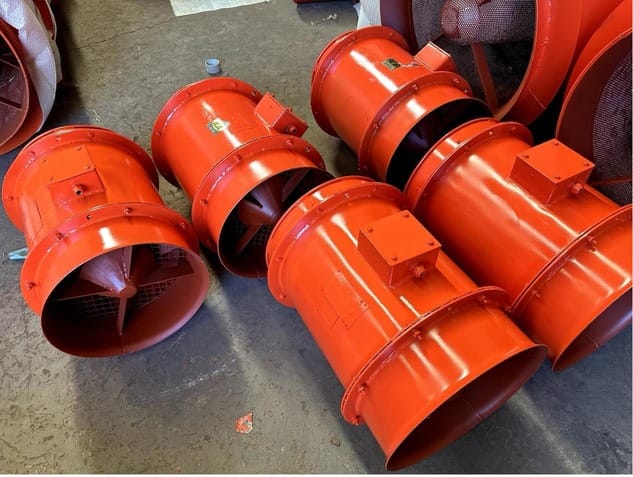
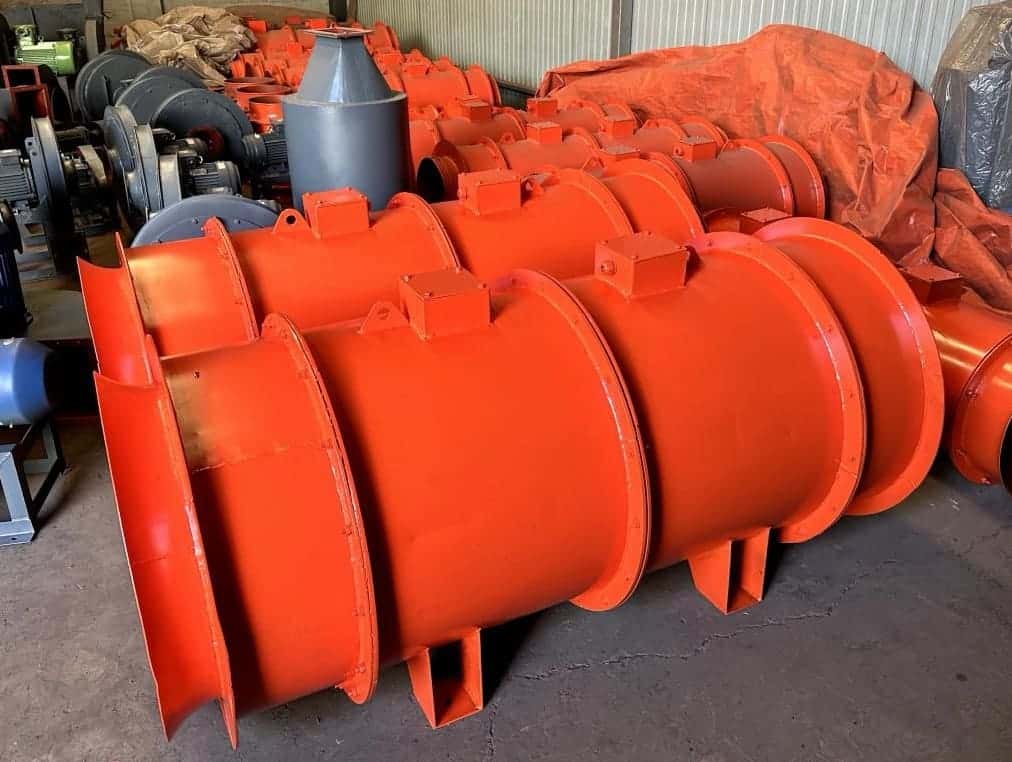
One important detail is that not every fan in a mine or tunnel vents directly outside. Auxiliary fans and duct fans often move air within the underground network, taking fresh air to a face or pulling contaminated air from a heading into a return airway. However, the downstream path of that air eventually leads to main exhaust fans or portal flows that ultimately discharge outside. The system is designed so that air follows a controlled path from intake to return, ending at a safe outlet location on surface.
Occasionally, industrial or plant extraction fans connected to a mine may discharge into filtration systems, scrubbers, or heat recovery units before venting outside. Even in those cases, the final step is to release cleaned air to the atmosphere in a controlled way, not to send it back into occupied workspaces. In short, mine and tunnel ventilation fans form part of a complete system whose endpoint is almost always a safe external discharge, ensuring that contaminants are permanently removed from underground working environments.