













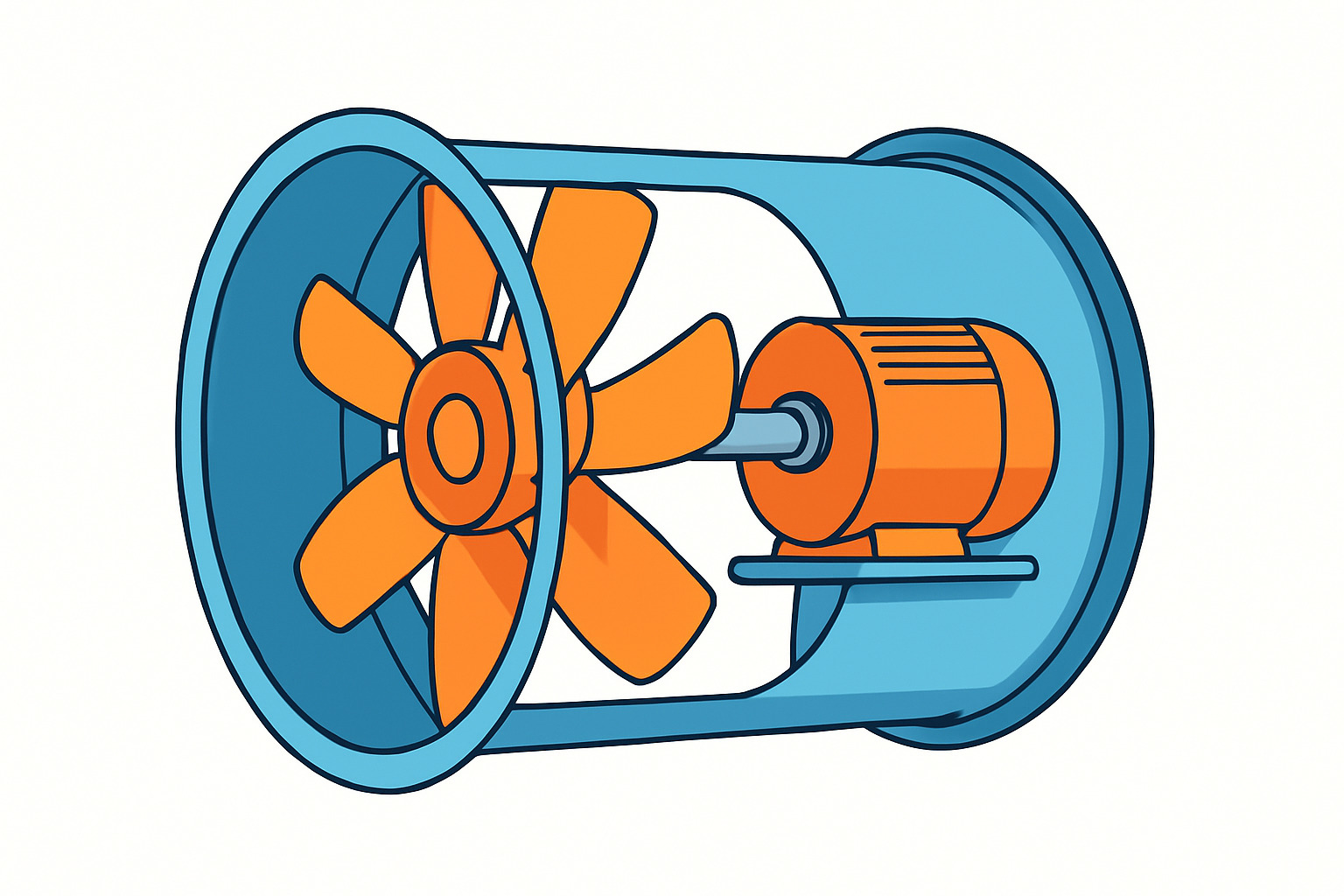
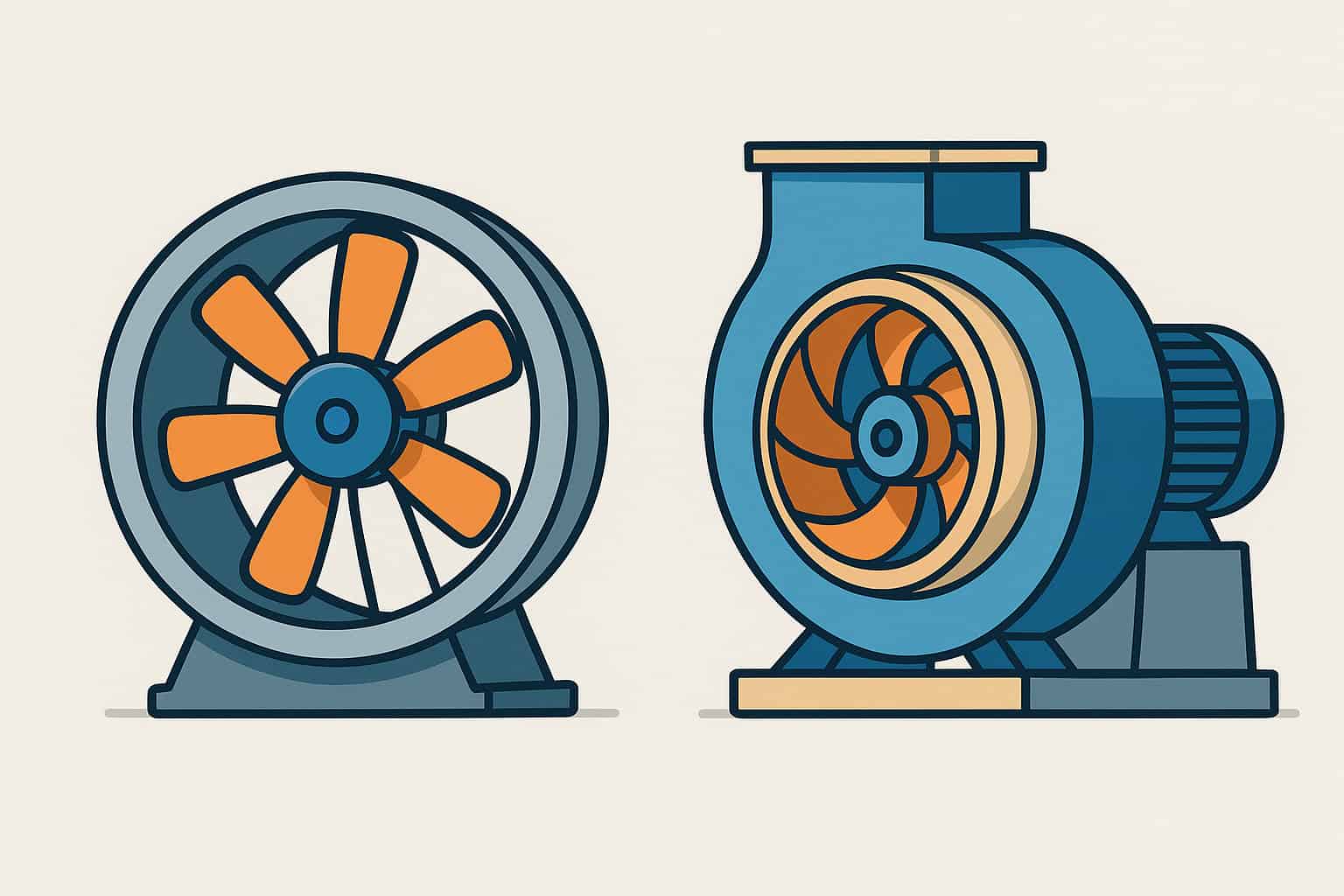
Yes, tunnels do need ventilation. Whether a tunnel is used for road traffic, railways, metros or mining access, it is essentially a long enclosed tube where air cannot freely circulate. Without a ventilation system, exhaust gases, dust, heat and smoke would accumulate quickly, making the tunnel unsafe and unusable. Ventilation provides a controlled way to move fresh air in and contaminated air out using fans, shafts and ducts.
In road tunnels, vehicles emit carbon monoxide, nitrogen oxides and particulates. These pollutants must be kept below regulatory limits to protect drivers and maintenance workers. Ventilation systems use axial tunnel fans, jet fans and ventilation shafts to dilute and remove exhaust gases. The same logic applies to rail and metro tunnels, where diesel locomotives, braking systems and electrical equipment generate gases and dust that need to be controlled.
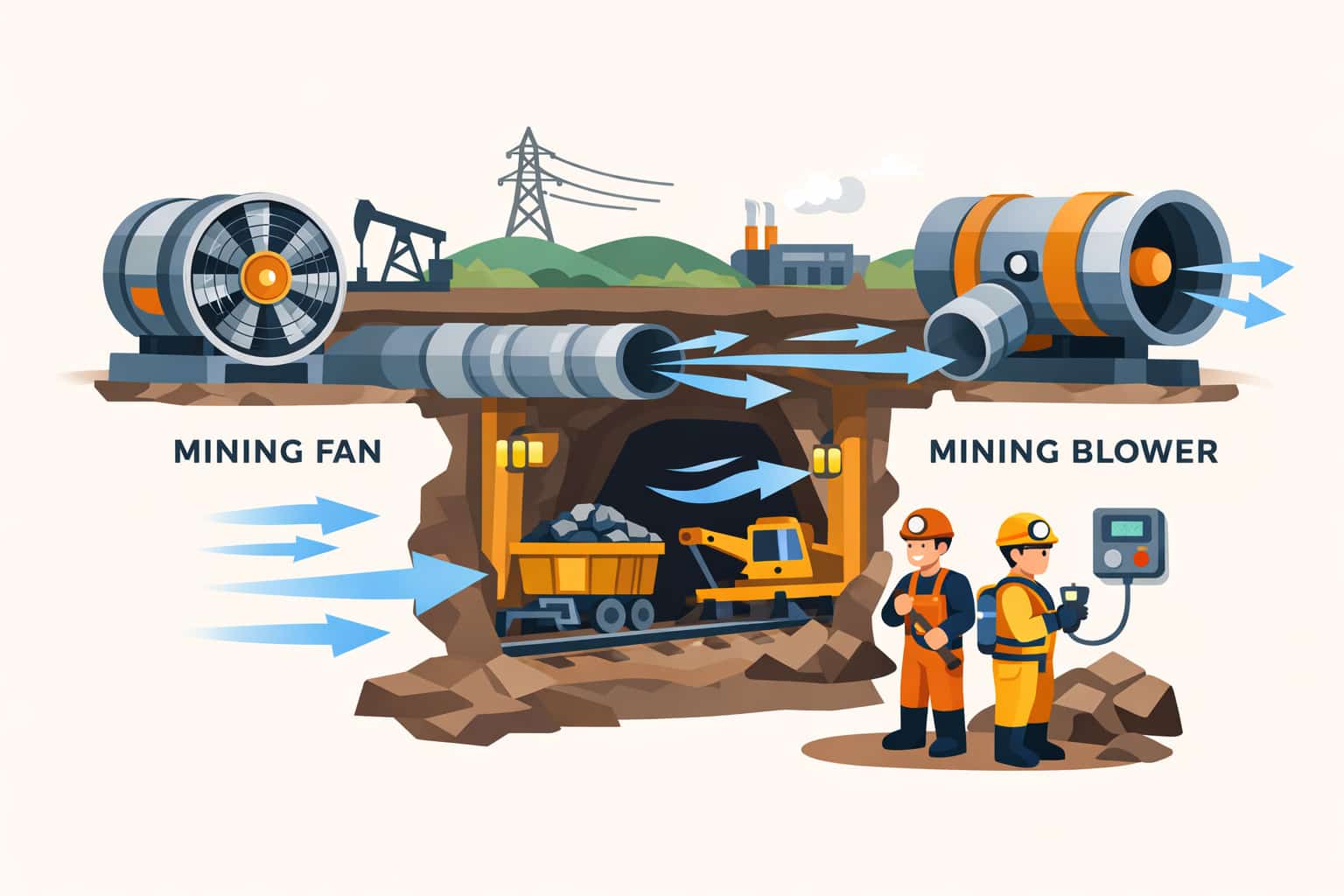
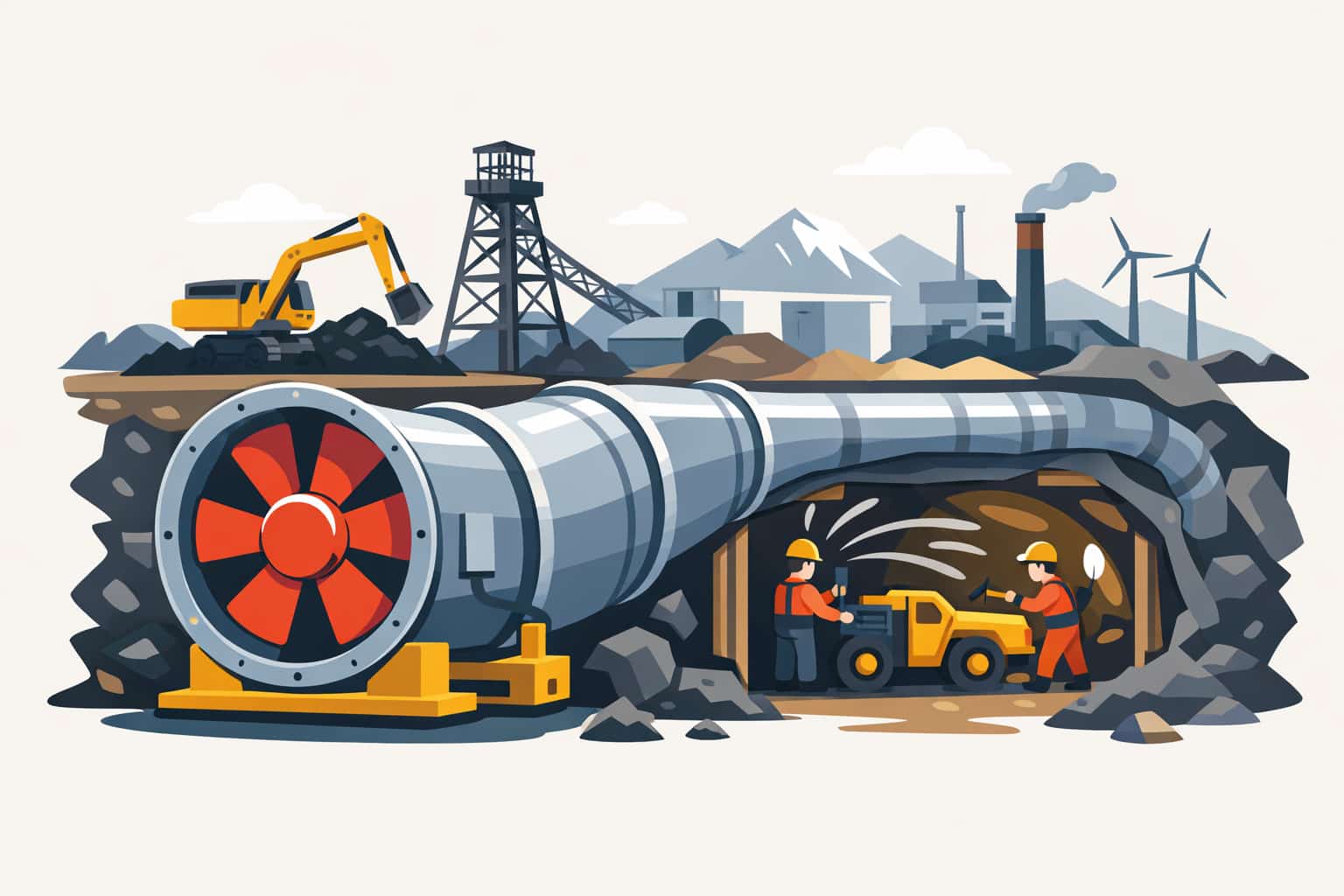
In mining tunnels and headings, ventilation is even more critical. Diesel equipment, blasting fumes and naturally occurring gases from the orebody all add contaminants to the air. Mining tunnel ventilation uses main mine fans, booster fans and auxiliary fans with ducts to push fresh air along the tunnel and draw contaminated air back to returns. This protects miners, maintains visibility and helps meet strict legal standards for gas and dust exposure underground.
Ventilation is also needed to manage heat and humidity in tunnels. Engines, electrical equipment and friction from vehicle movement generate heat, while groundwater or process water can add moisture. Ventilation moves warm, humid air out and brings cooler, drier air in, reducing the risk of overheating, condensation and corrosion. In long or deep tunnels, this thermal control is essential for reliable operation of power cables, signalling systems and other infrastructure.
Perhaps the most critical reason tunnels need ventilation is fire and smoke control. A fire in a tunnel produces large volumes of hot smoke and toxic gases. Ventilation systems are designed so that fans and dampers can operate in emergency modes, directing smoke along planned routes and keeping escape paths as clear as possible. For mining tunnels, the ventilation plan also supports emergency evacuation and rescue, and may include reversible fans or special smoke extraction arrangements.
Finally, regulations and design standards explicitly require that tunnels have adequate ventilation systems. Designers must demonstrate that air quality and smoke control targets are met under normal traffic, congestion and emergency scenarios. This is only achievable with a well-engineered combination of ventilation fans, shafts, ducts and control systems.
In summary, tunnels do need ventilation. Without it, air quality, temperature and smoke conditions would quickly become unacceptable. Properly designed tunnel and mining ventilation systems ensure that enclosed transport and industrial tunnels are safe and reliable throughout their operating life.
