
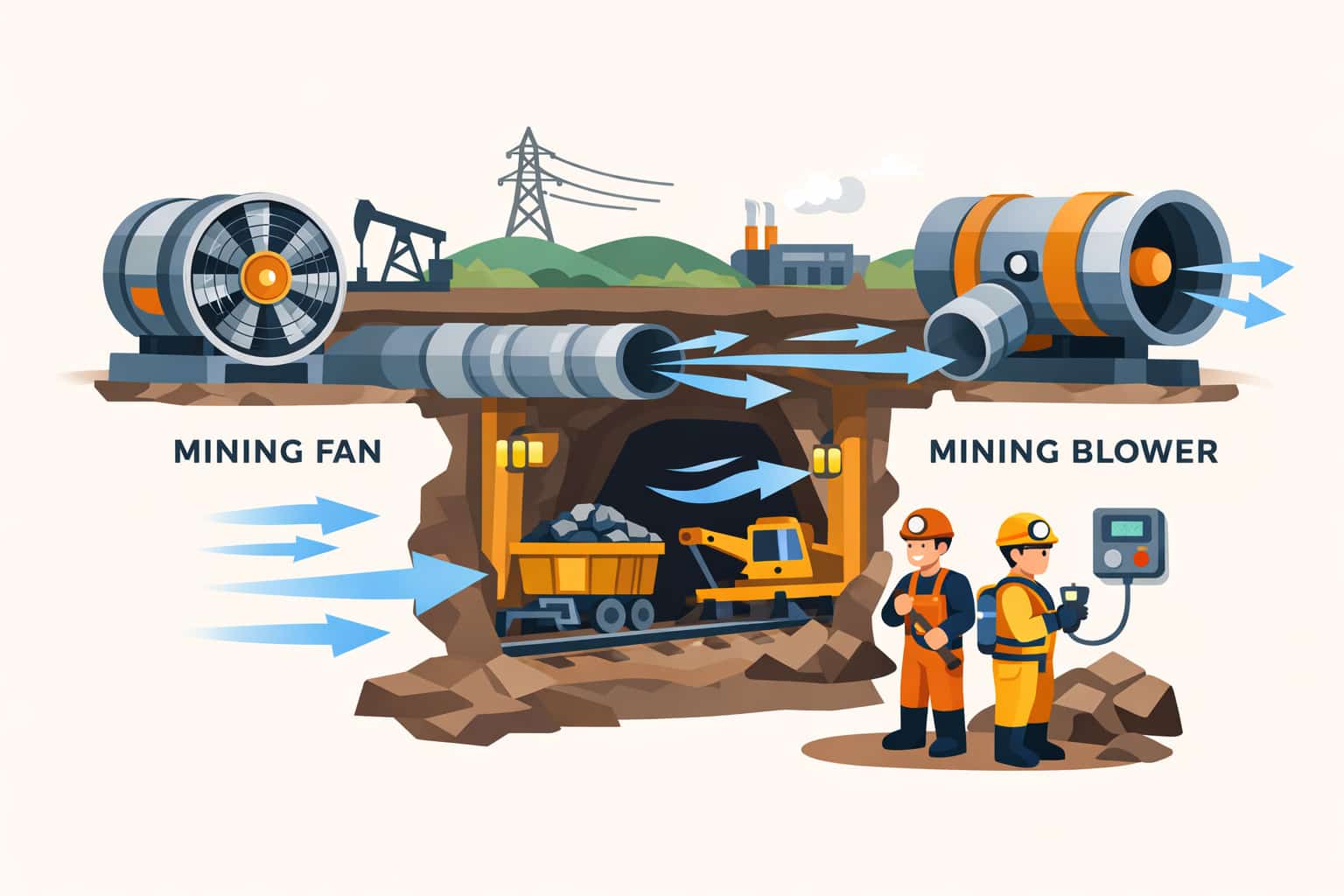
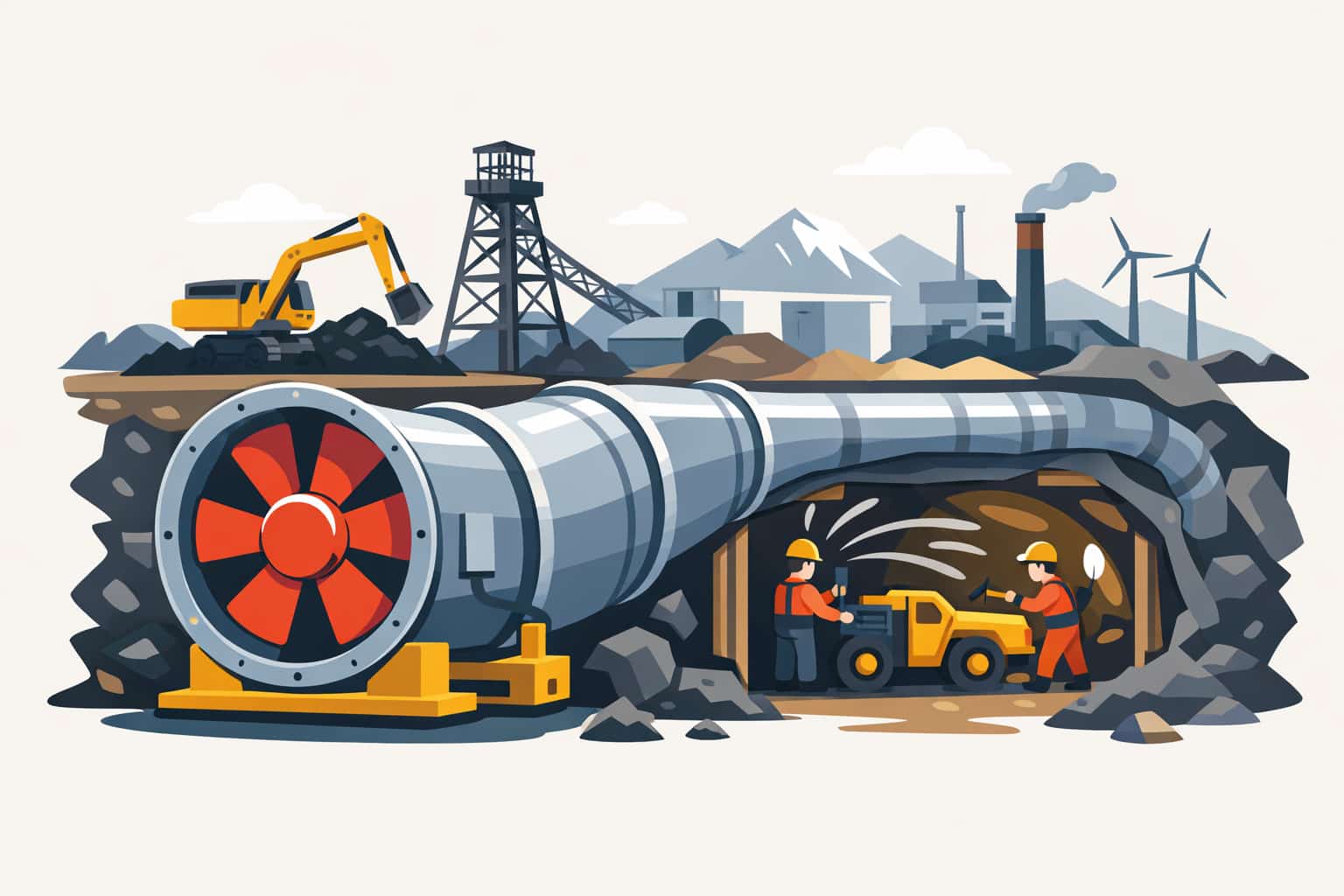
Ventilation systems can use a lot of electricity, especially in large industrial plants and underground mines. Fans and blowers often run many hours per day and are some of the biggest single electrical loads on site. However, the actual energy use depends heavily on fan size, pressure duty, efficiency and how well the system is designed, controlled and maintained.
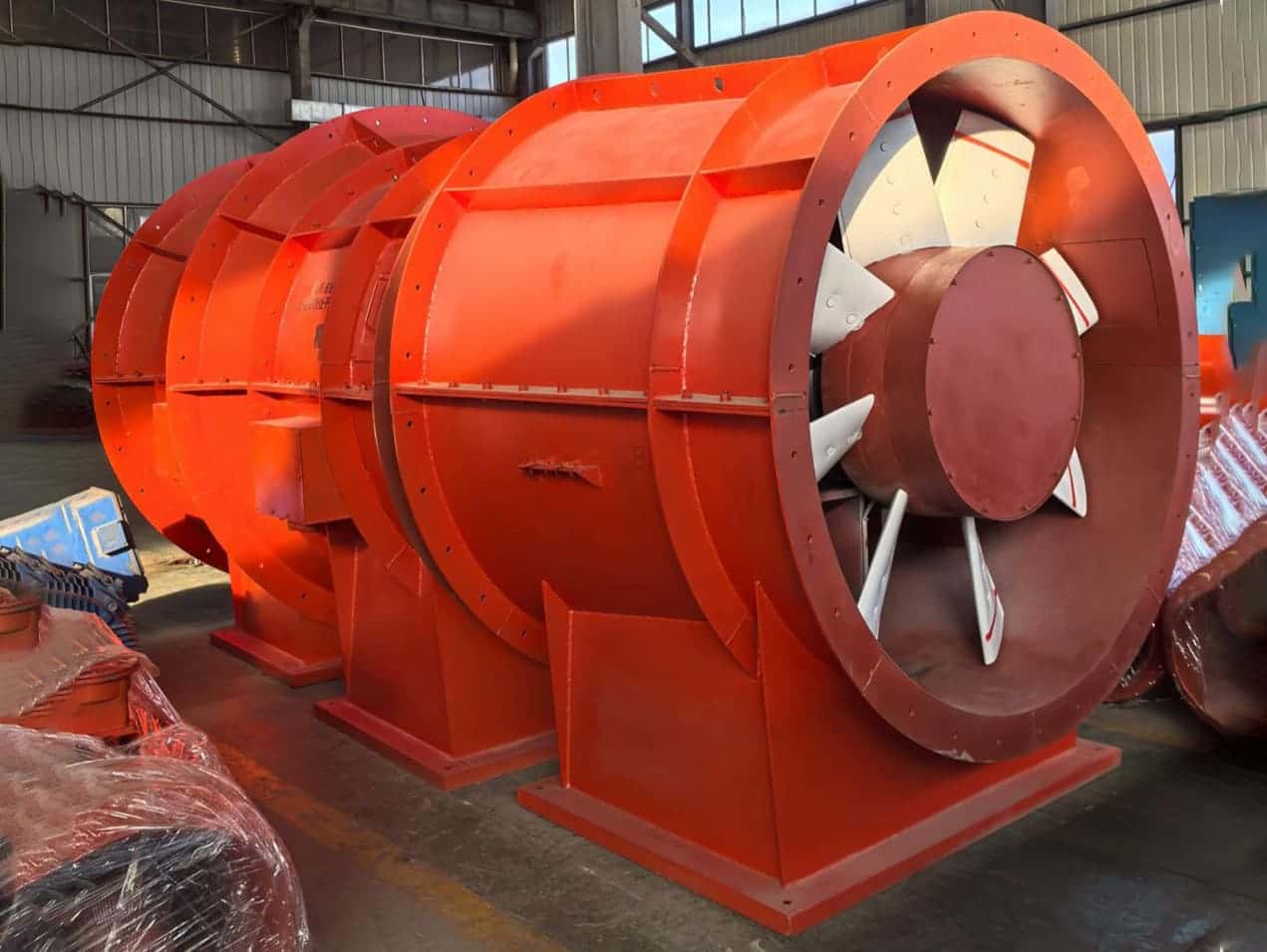
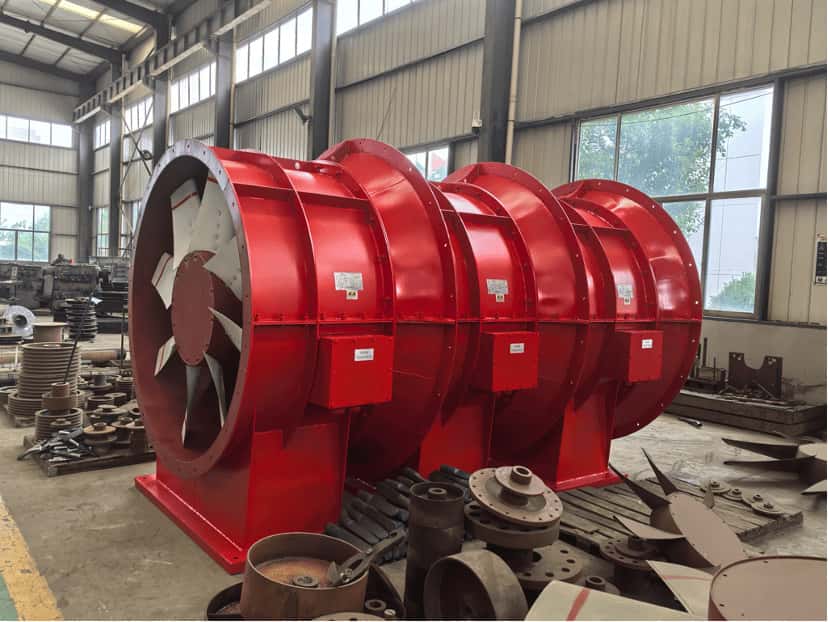
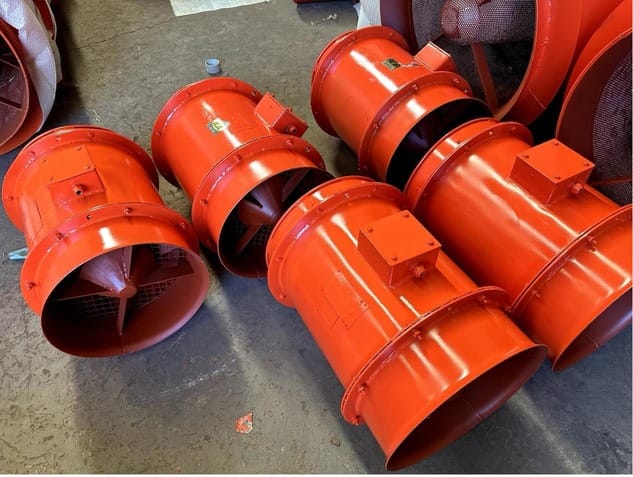
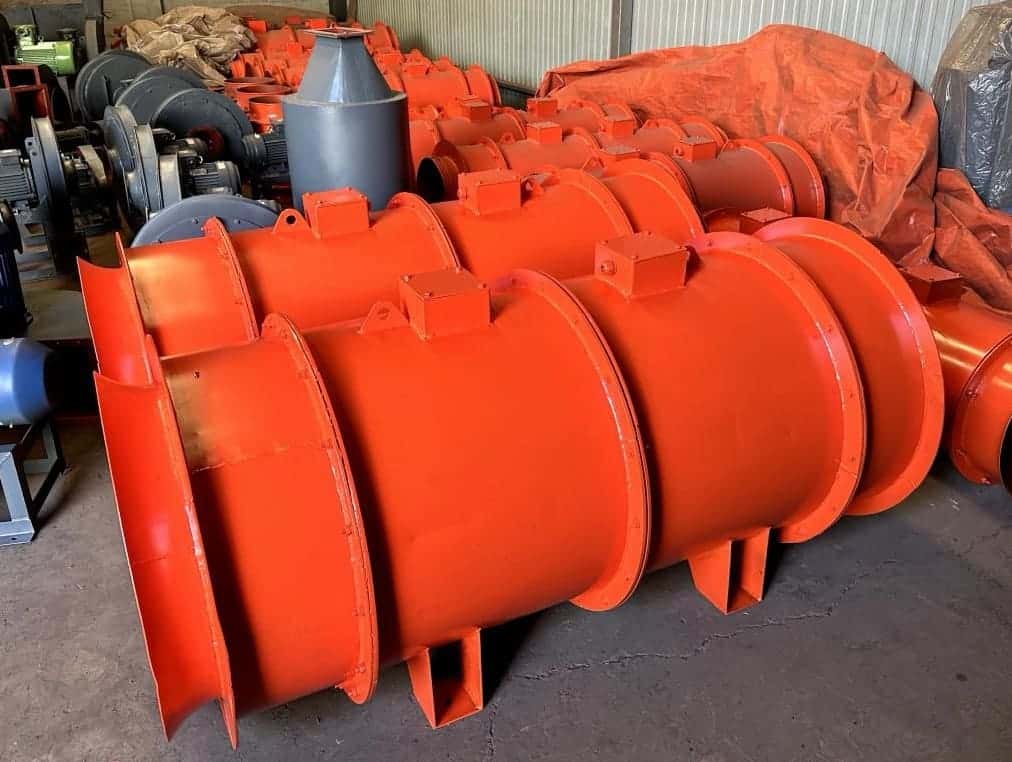
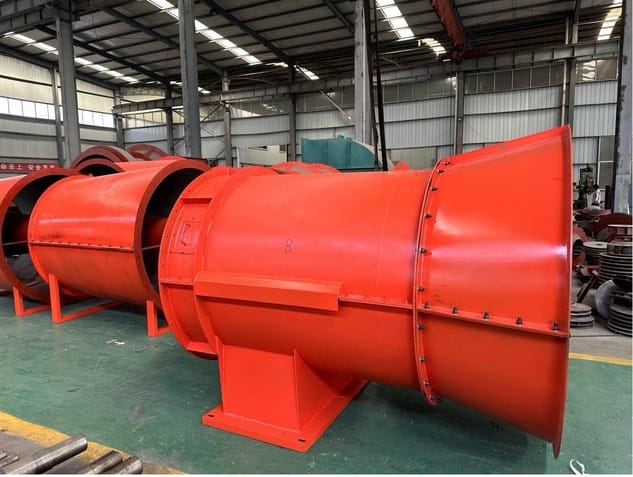
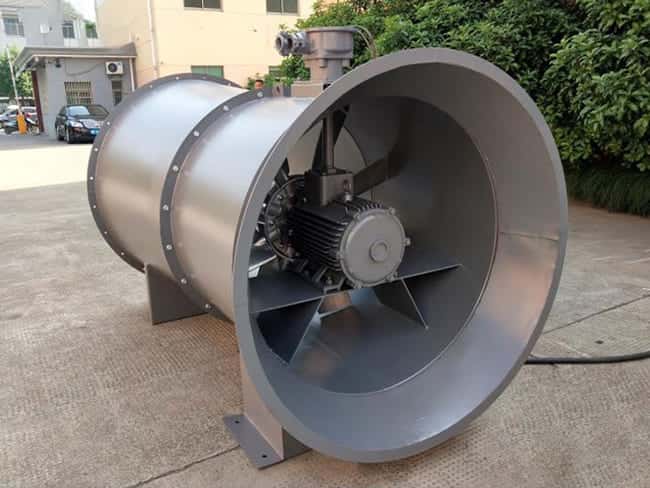
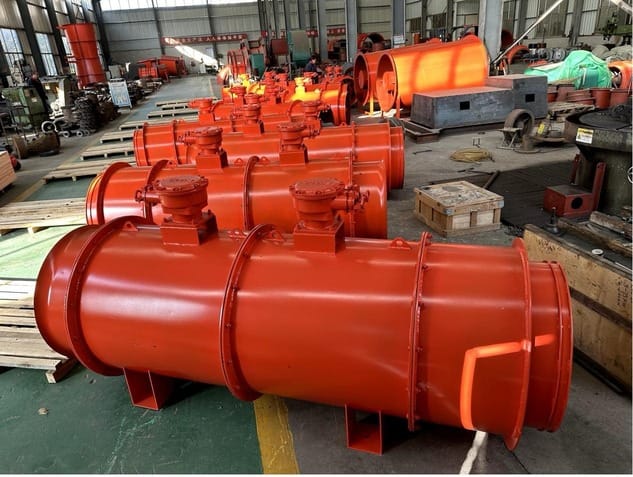
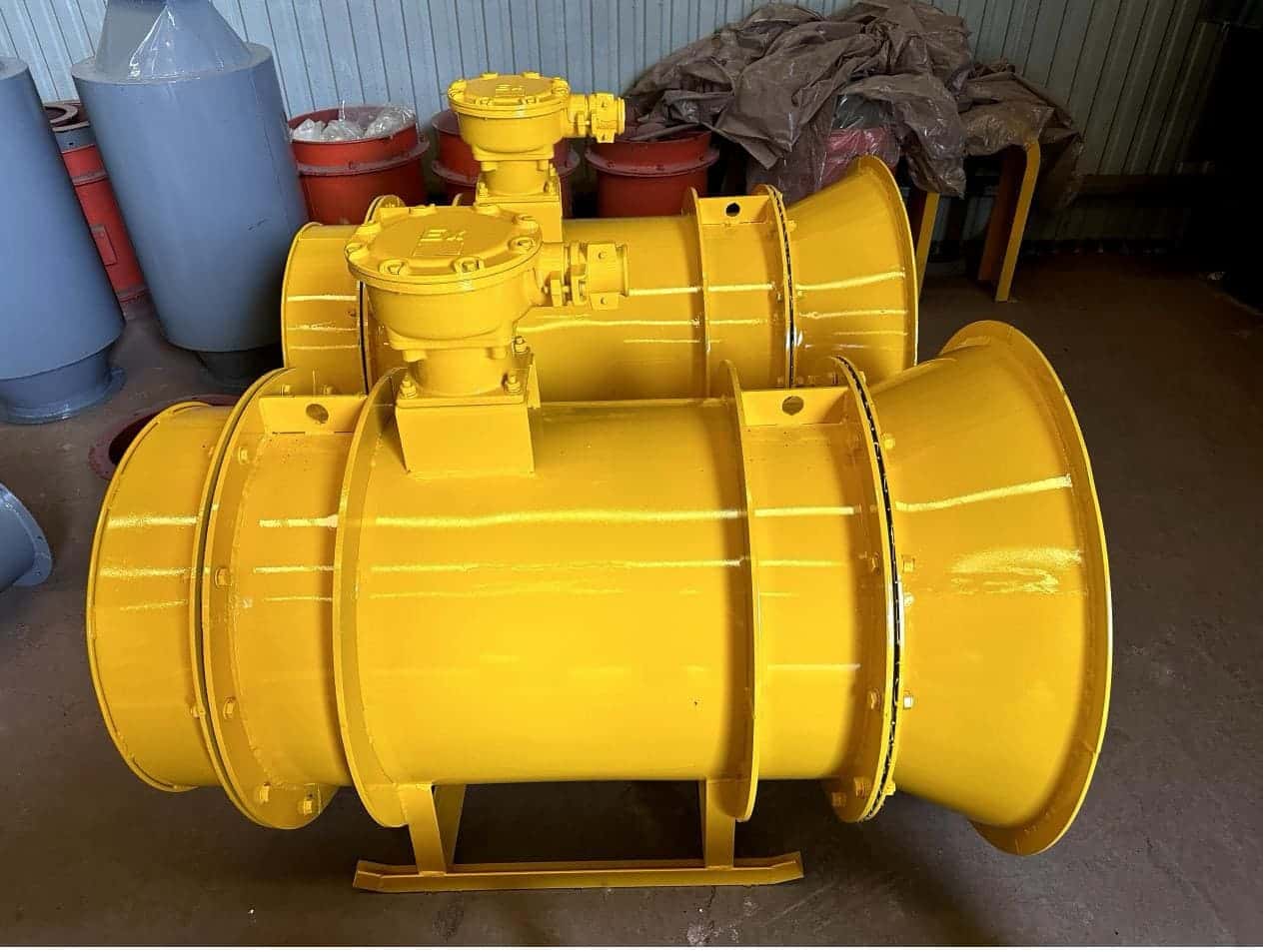
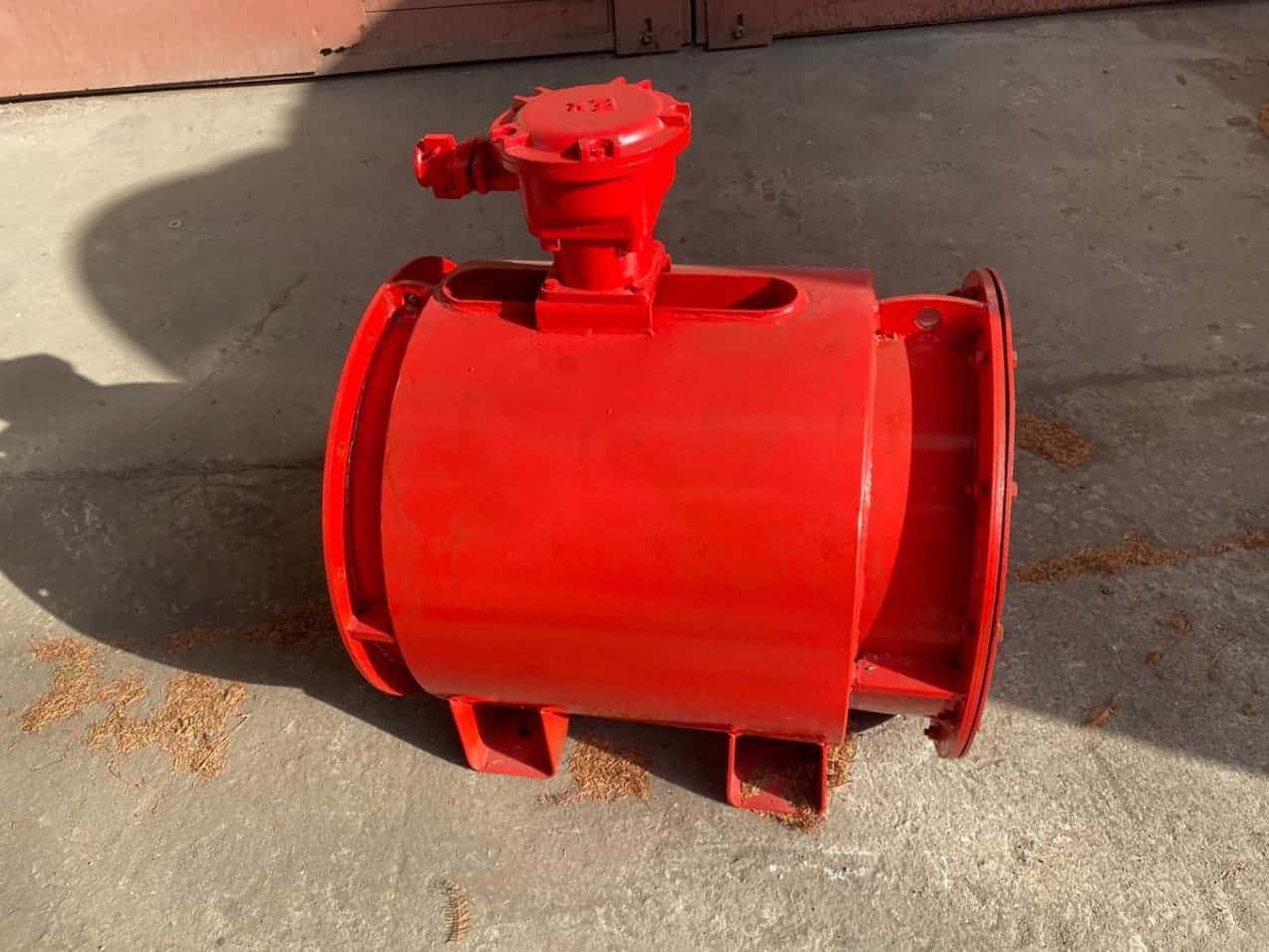
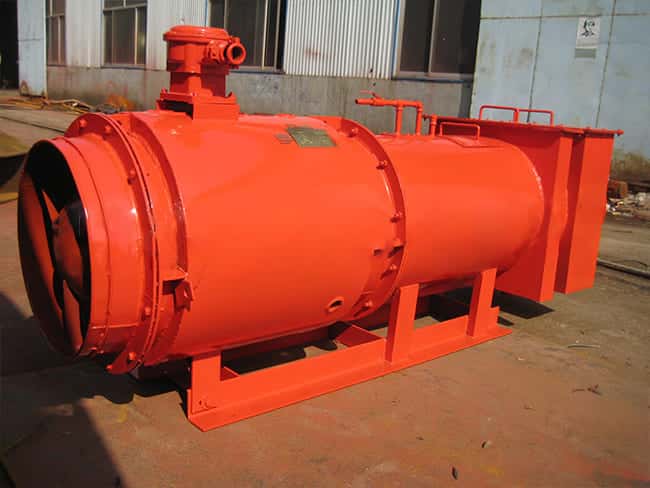
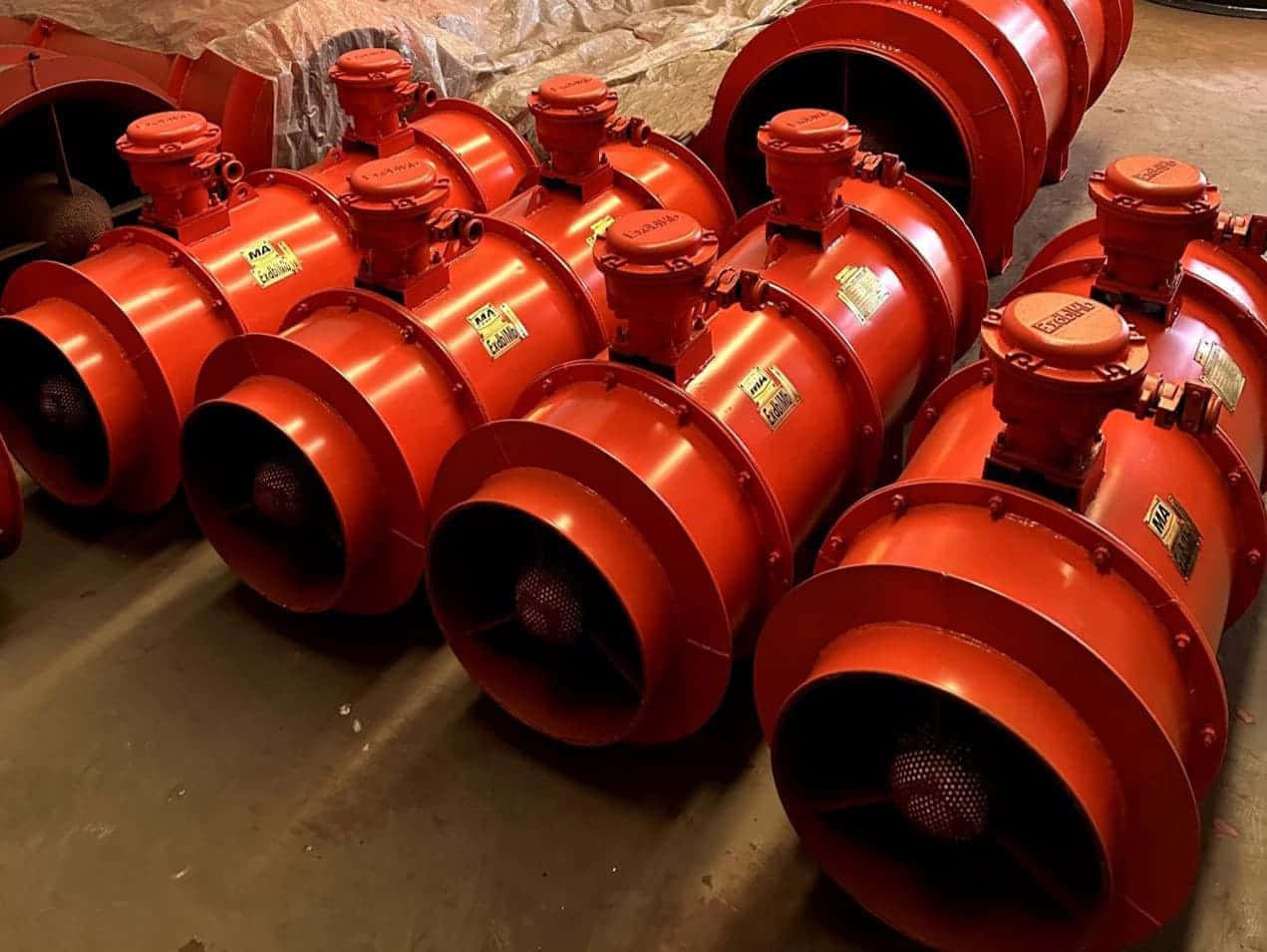
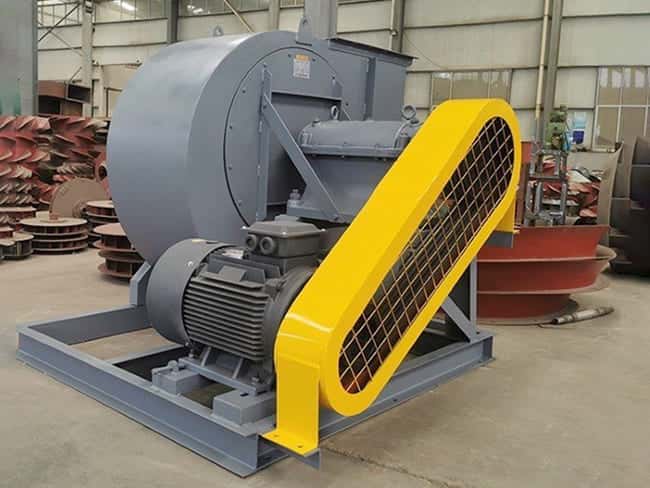
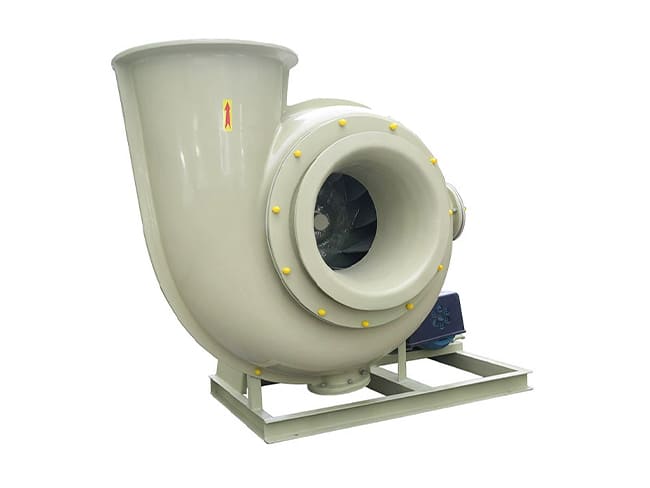
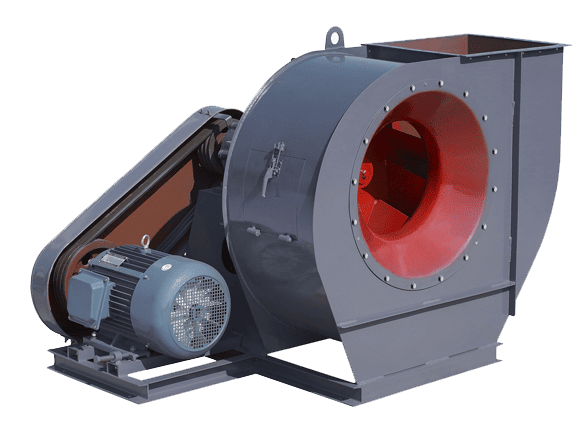
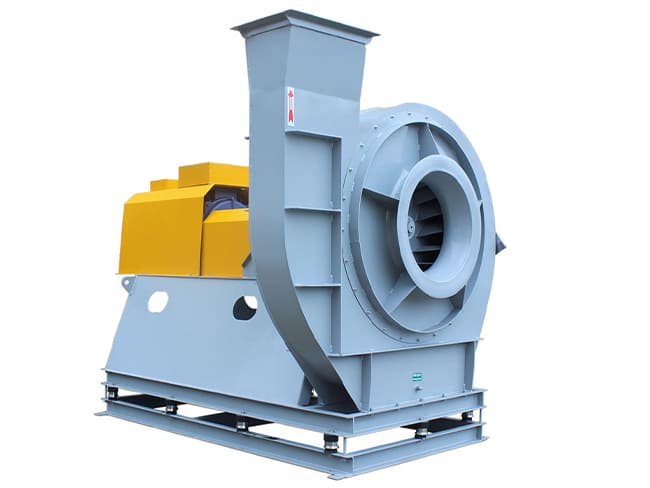
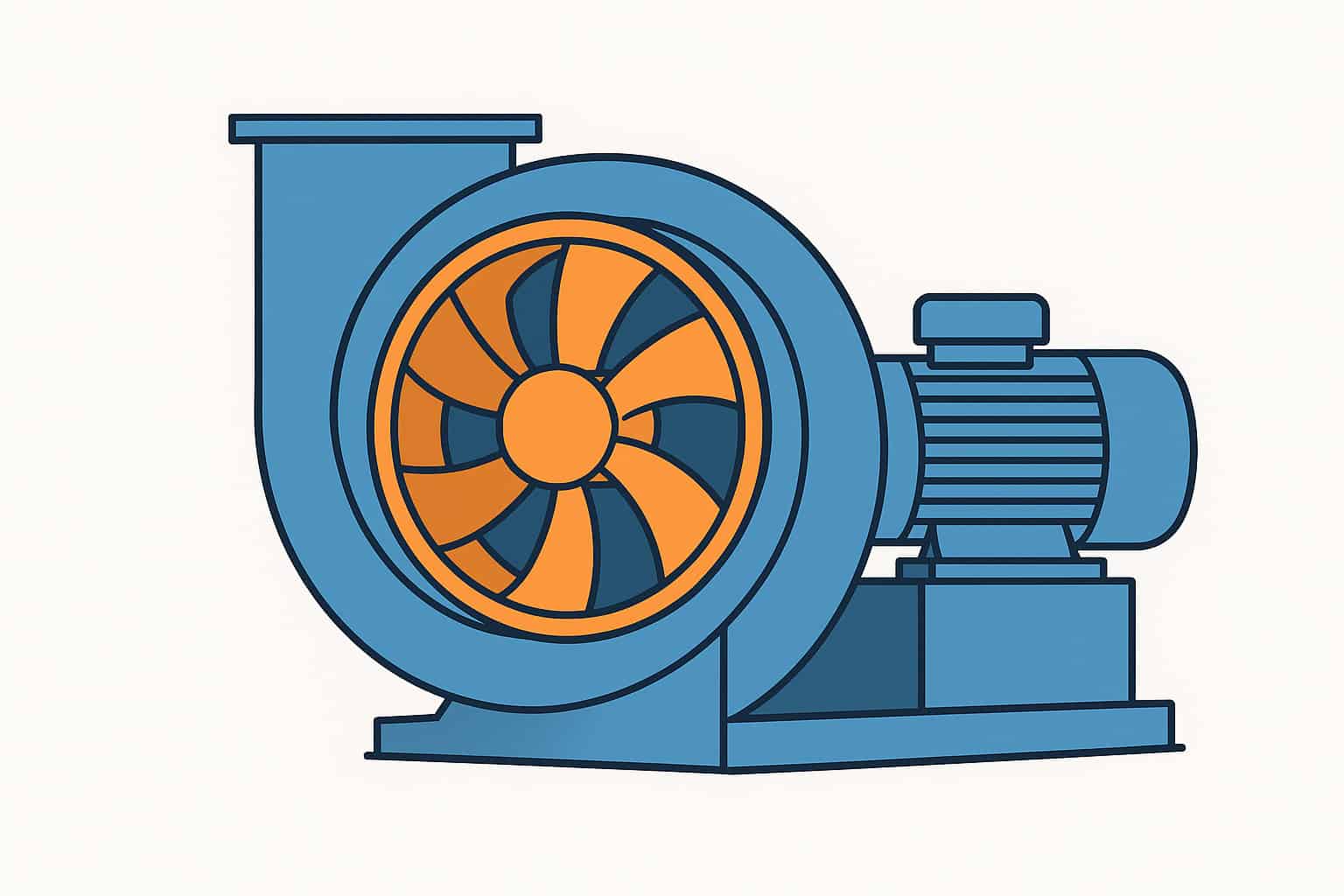
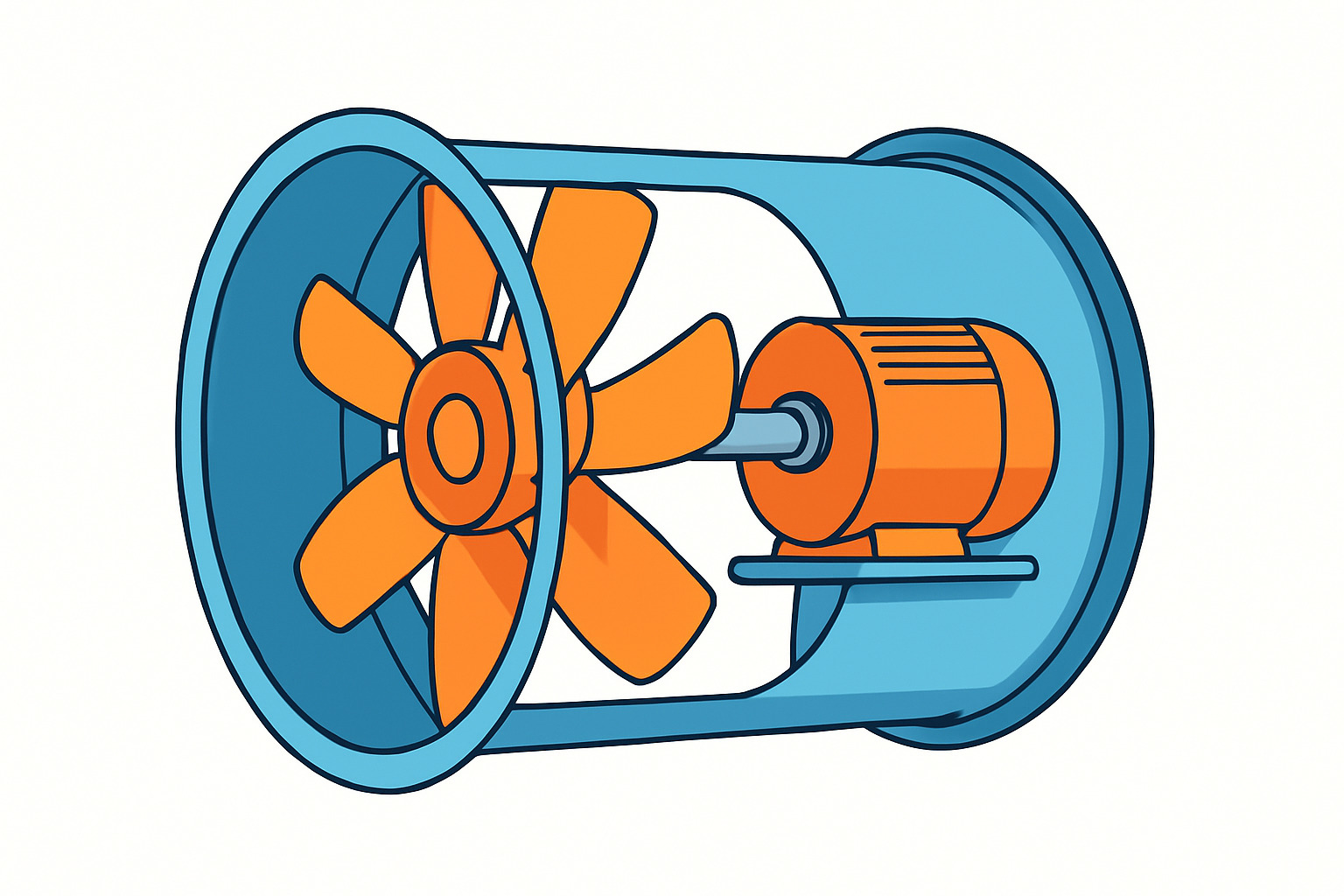
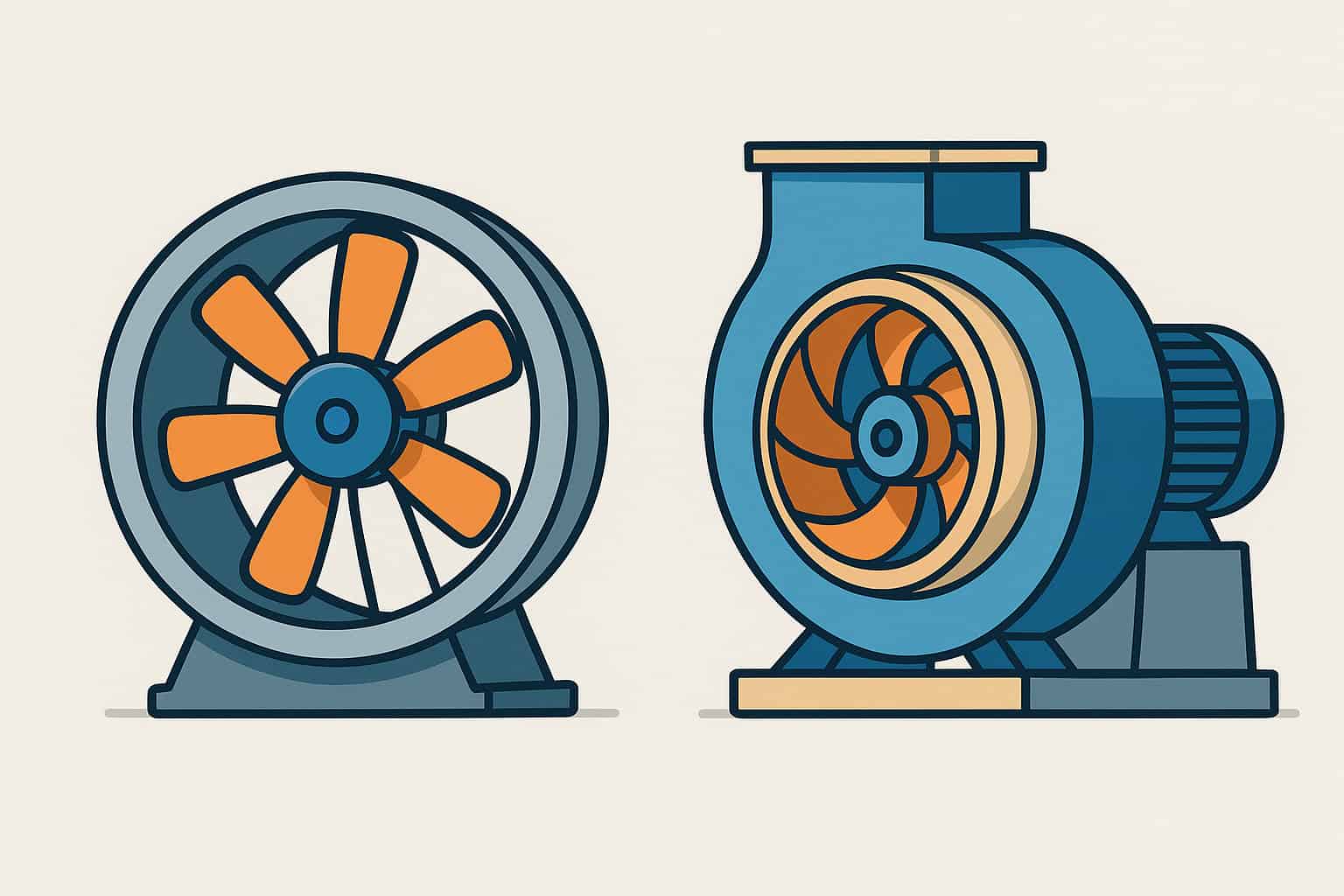
The core of any mechanical ventilation system is the fan or blower. The power they draw depends on airflow, pressure rise and efficiency. Moving huge volumes of air through long ducts, filters and roadways at significant pressure naturally requires more power than gently circulating air in a small room. Main mine fans, for example, can easily consume hundreds of kilowatts or even megawatts, because they must overcome the resistance of long underground circuits and provide safe airflows.
Ventilation energy use is strongly influenced by the fan laws. If you increase fan speed, airflow rises roughly in proportion, pressure rises with the square of speed and power rises with the cube of speed. This means that a small increase in speed can cause a large increase in electricity consumption. Conversely, modest reductions in speed—made possible by variable-frequency drives—can deliver substantial energy savings when full flow is not required.
The design of the duct or airway system is just as important. Poorly sized ducts, unnecessary bends, sharp transitions, dirty filters and partially closed dampers all increase system resistance. The fan must then work harder, using more electricity to deliver the same airflow. Good design aims to minimise pressure drop by using efficient hoods, smooth duct layouts, appropriate velocities and well-maintained filters or scrubbers.
In many facilities, ventilation systems run continuously, even when production is low. Without proper controls and zoning, this leads to wasted energy. Modern systems may use variable-speed drives, pressure sensors and occupancy or gas sensors to adjust airflow to real needs—reducing speed when areas are unoccupied or when contaminant levels are low, and increasing it only when necessary for safety or comfort.
Maintenance practices also affect electricity use. Dirty impellers, worn belts, misaligned drives, clogged filters and fouled heat exchangers all force the system to consume more power for the same result. Regular cleaning, inspection and adjustment help keep fans running at their intended efficiency.
In summary, ventilation systems can indeed use a lot of electricity, but they do not have to be wasteful. Well-selected fans, efficient duct design, variable-speed control and good maintenance can significantly reduce power consumption while still providing the airflow needed for safe, healthy and productive working environments.