
Whether you need ducting for an exhaust fan depends on where the contaminated air is generated and where it must be discharged. In some cases, a fan can exhaust directly through a wall or window. In many industrial and mining applications, however, ducting is essential to capture air at the source and carry it safely to the outside or to a treatment system.
For small domestic or light commercial installations, such as a bathroom or a small room, a wall-mounted or window-mounted exhaust fan may not require separate ducting. The fan is mounted directly in the wall or window opening and discharges air straight outdoors. This simple arrangement is cheap and effective when the fan is close to the external wall and when the building layout allows direct discharge.
In contrast, many industrial exhaust systems cannot place the fan directly at an outside wall. Process equipment, welding stations, chemical tanks or dusty transfer points may be located deep inside a building. In these cases, ducts connect hoods or grilles at the source to an exhaust fan and then to an outlet or stack. Ducting allows the system to pull contaminated air from multiple points and route it to filters, scrubbers or a safe discharge location away from workers and air intakes.
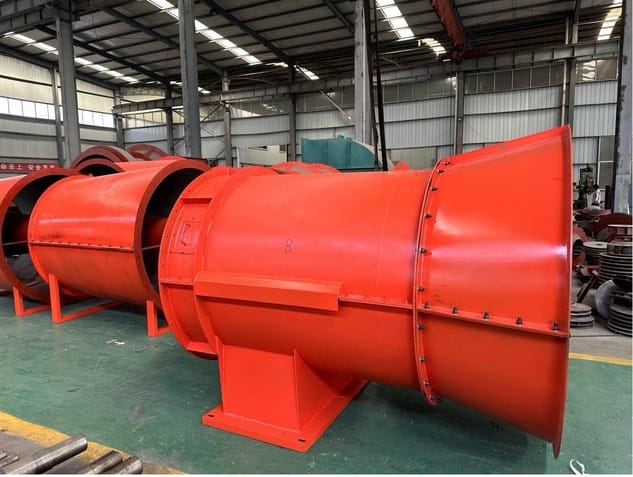
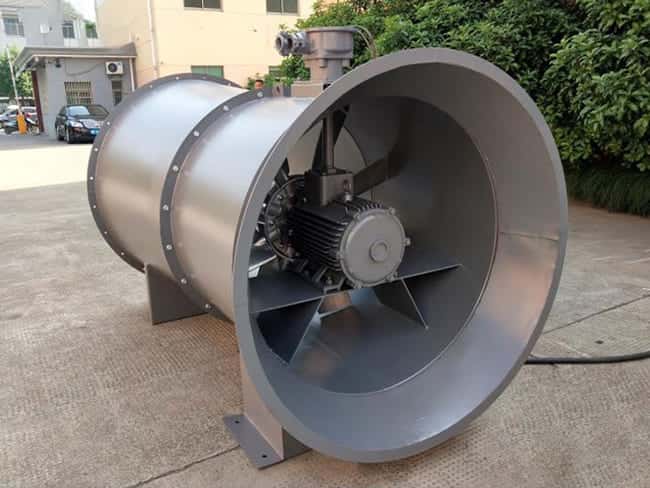
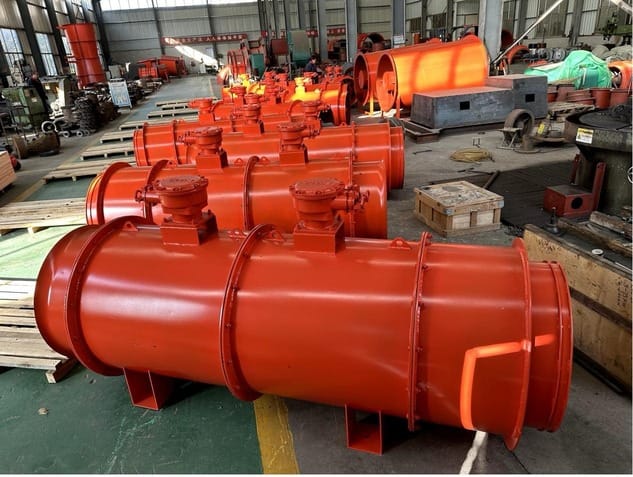
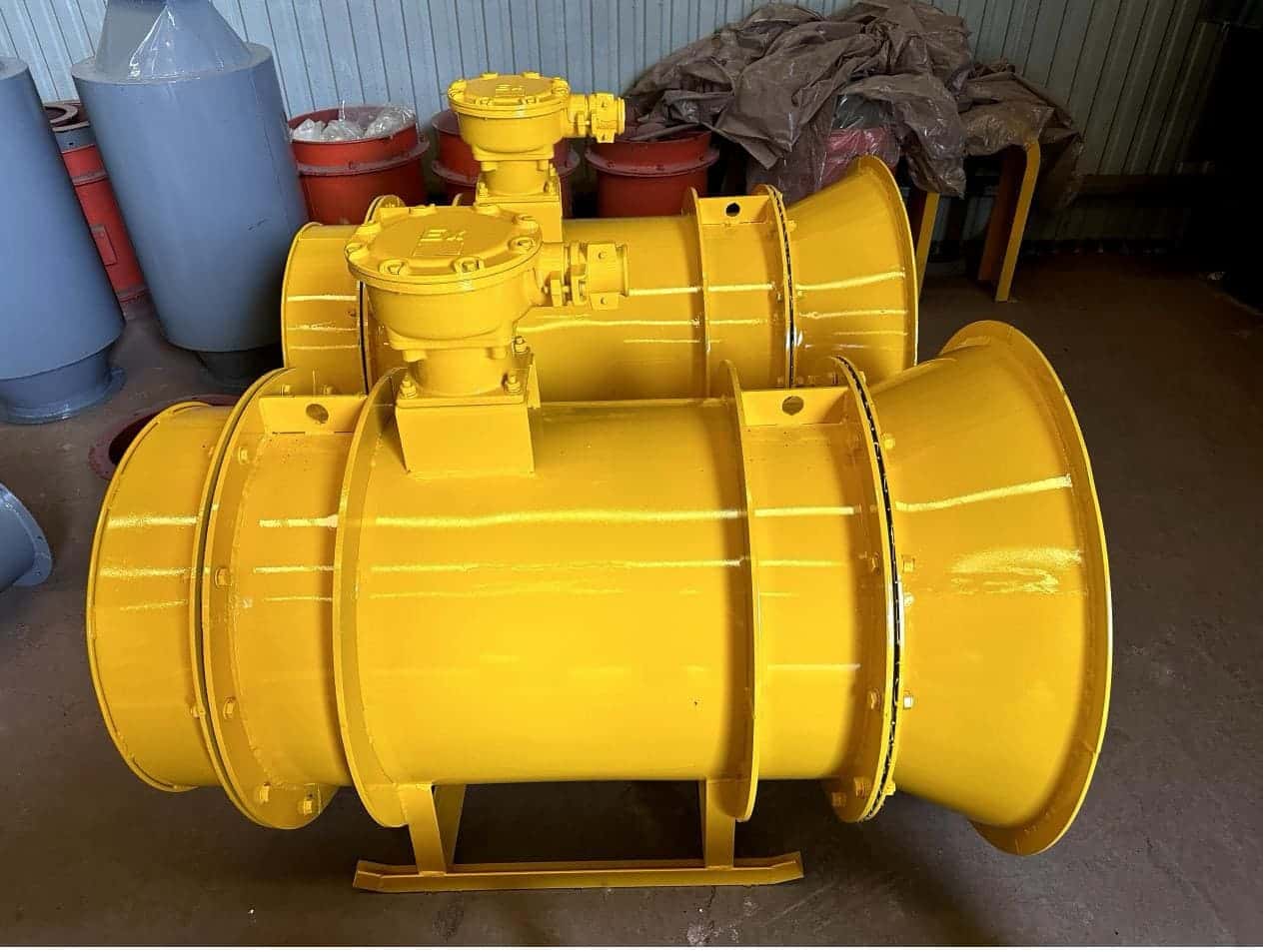
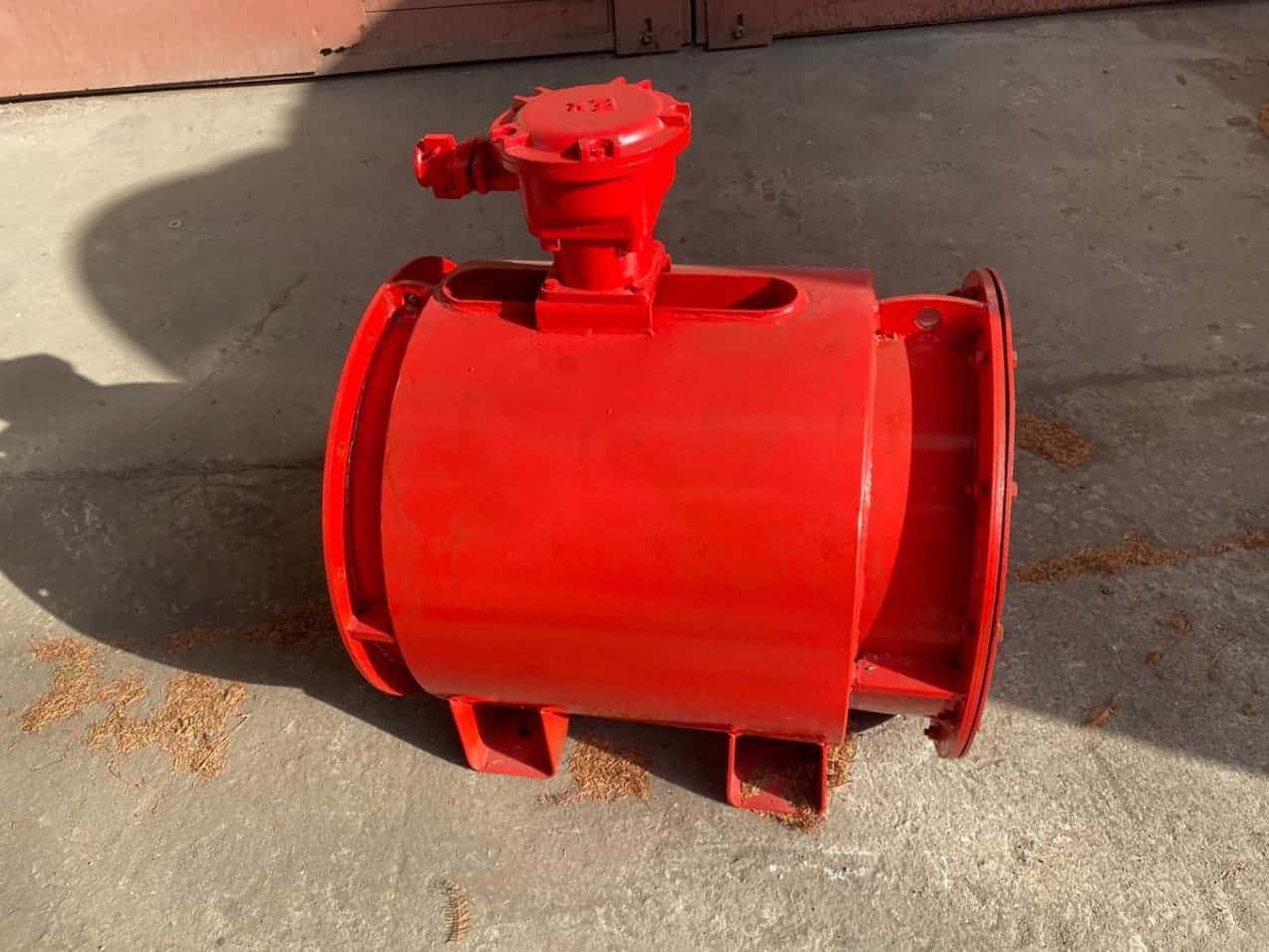
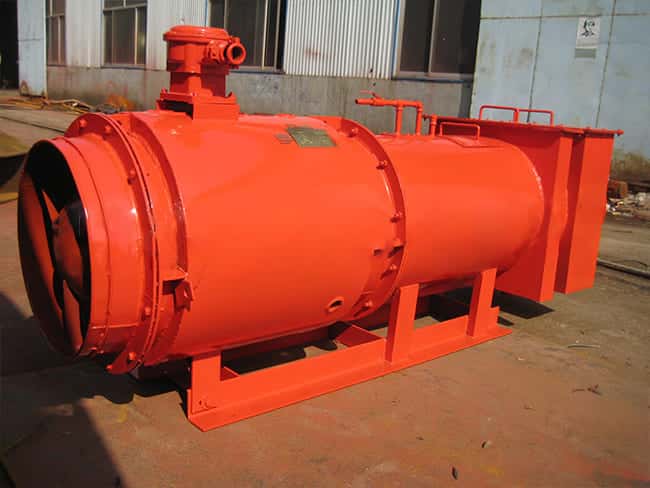
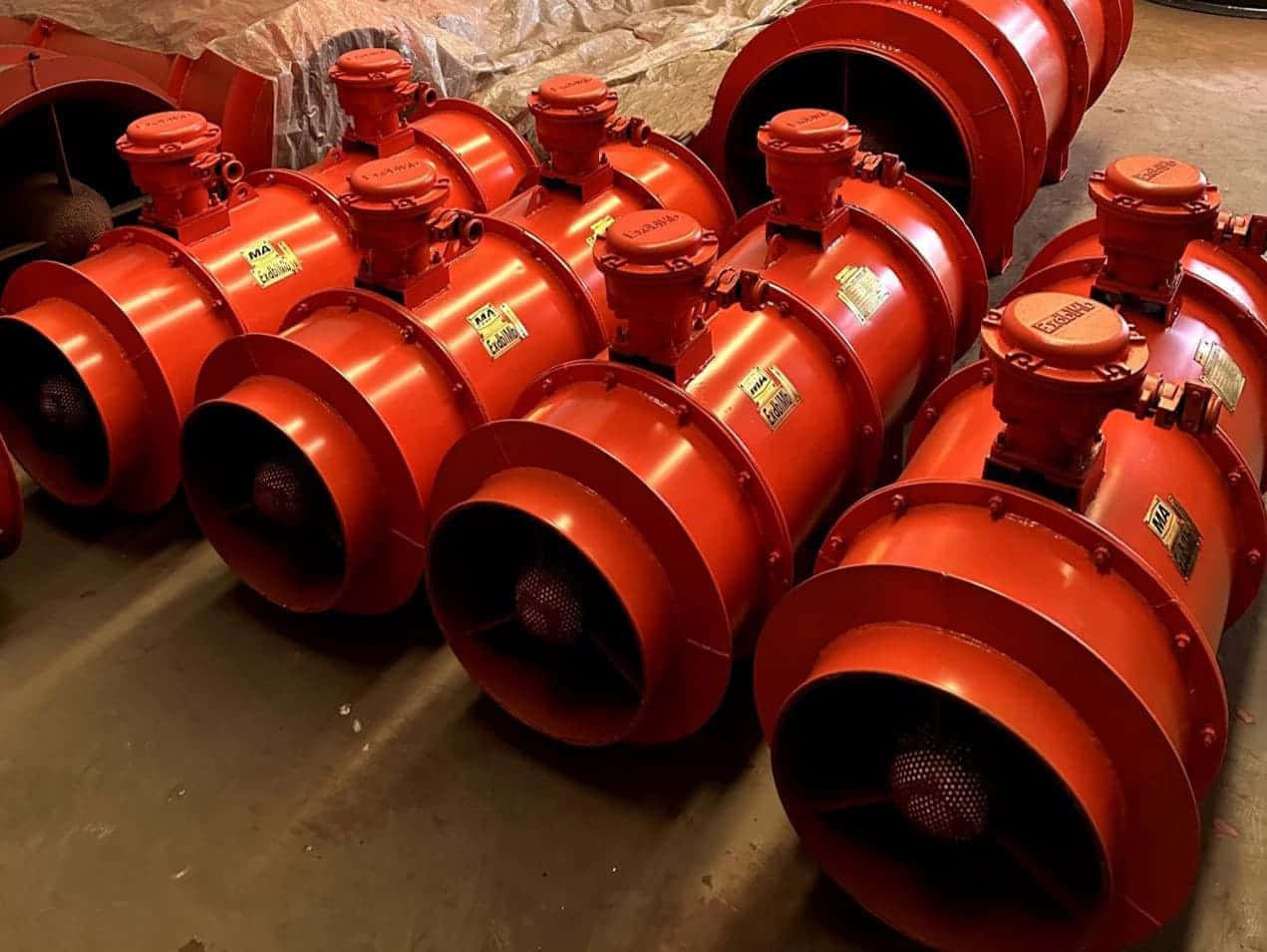
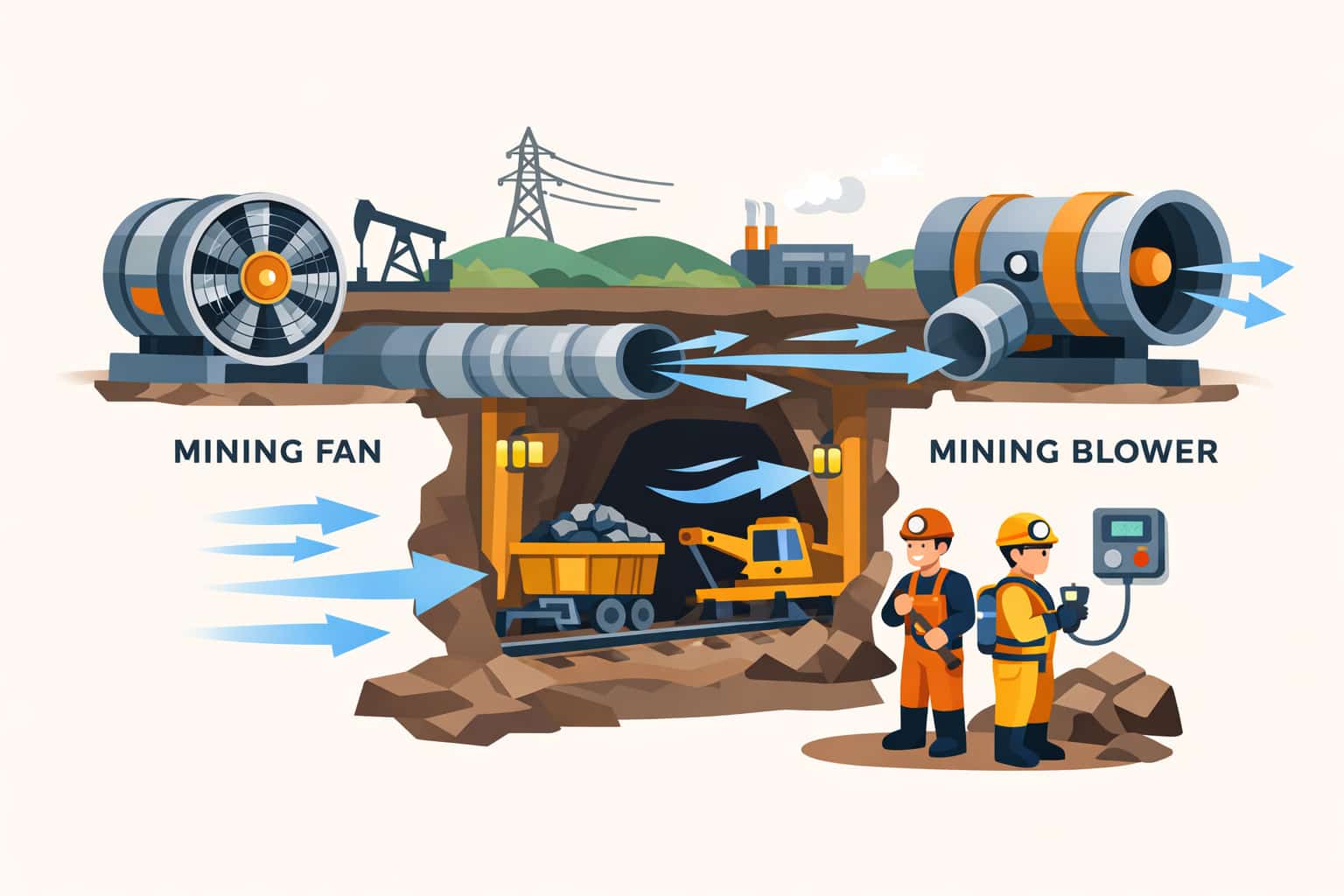
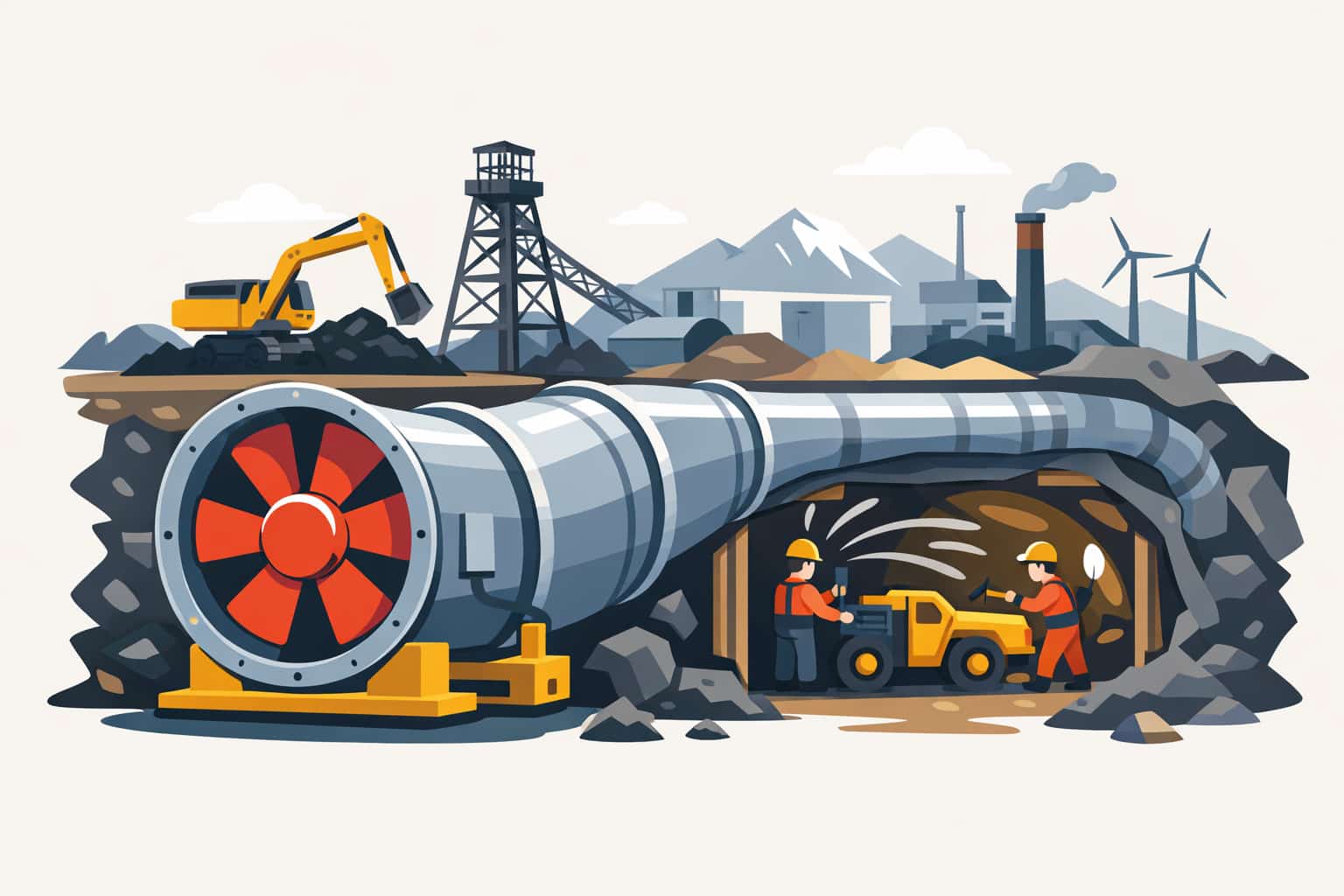
In underground mines and tunnelling, ducting is a critical part of auxiliary ventilation. Portable fans are connected to long lengths of flexible duct that carry fresh air into blind headings or remove exhaust air from confined areas. Without ducting, the fan would simply mix air near its location rather than delivering ventilation where workers are actually operating. Duct design—diameter, length, leakage control and hanging method—strongly affects how much airflow reaches the working face.
Even when ducting is needed, its design quality is important. Poorly sized ducts, sharp bends and leaky joints increase resistance and reduce system performance. Smooth, properly sized ducts with gradual transitions help the exhaust fan work efficiently and keep energy consumption under control. In some cases, short duct runs or simple hood and stack arrangements may be enough; in others, complex duct networks and multiple fans are required.
In summary, you do not always need ducting for an exhaust fan, particularly when the fan can be mounted directly in an external wall or roof. But in most industrial and mining ventilation systems, ducting is essential to capture contaminants at the source and move them to a safe discharge point. The decision should be based on the location of the source, building or mine layout, and the need for effective, controlled airflow.
