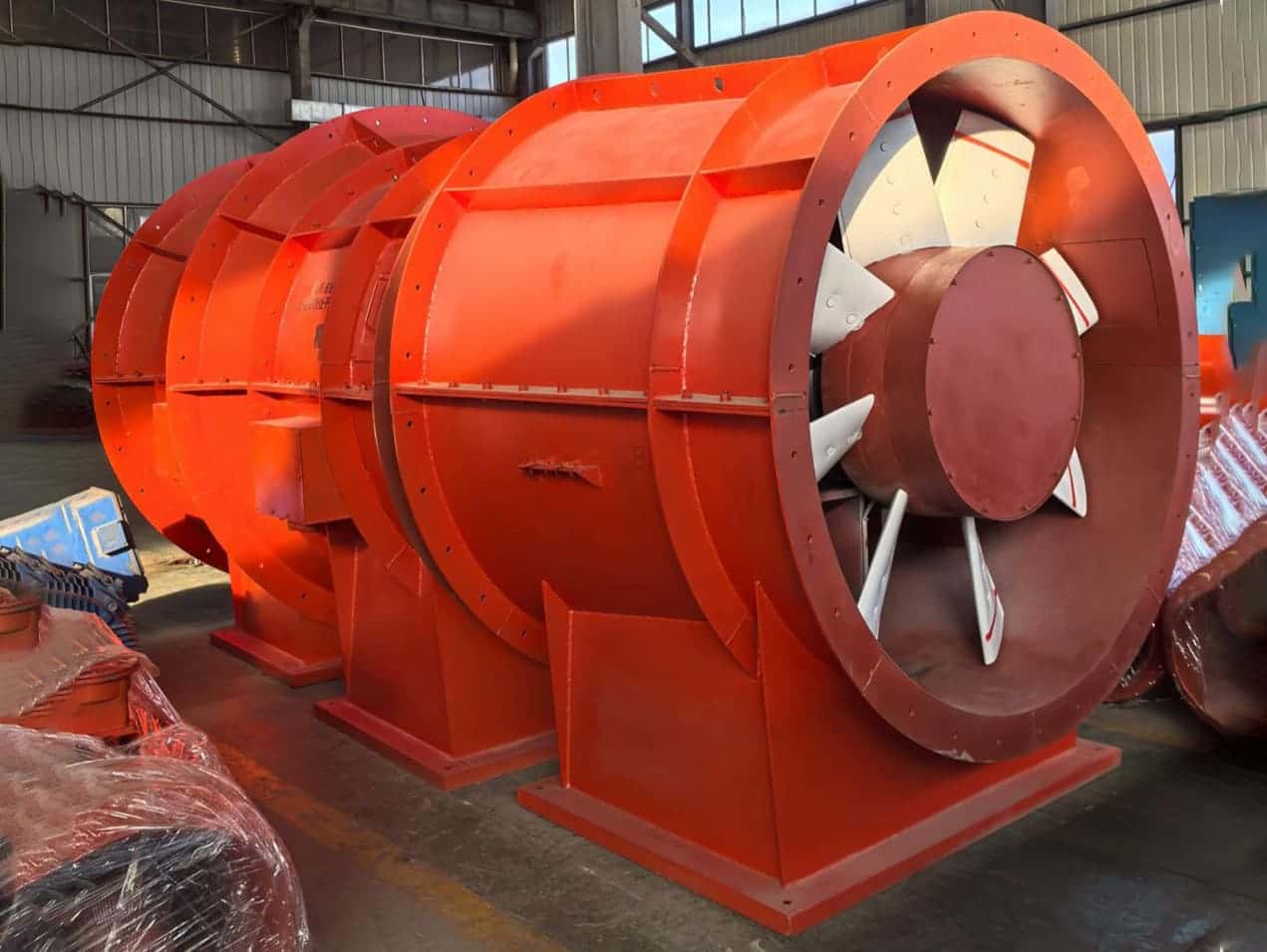
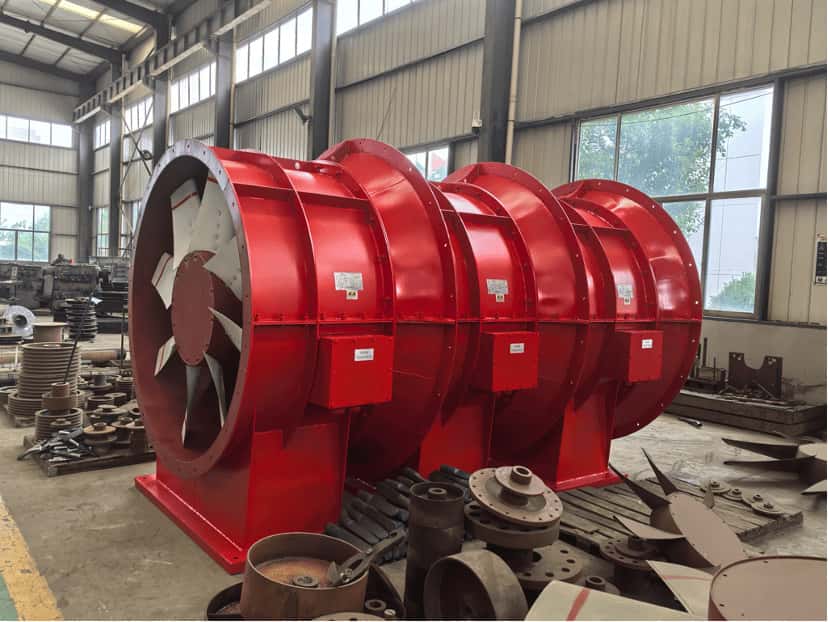
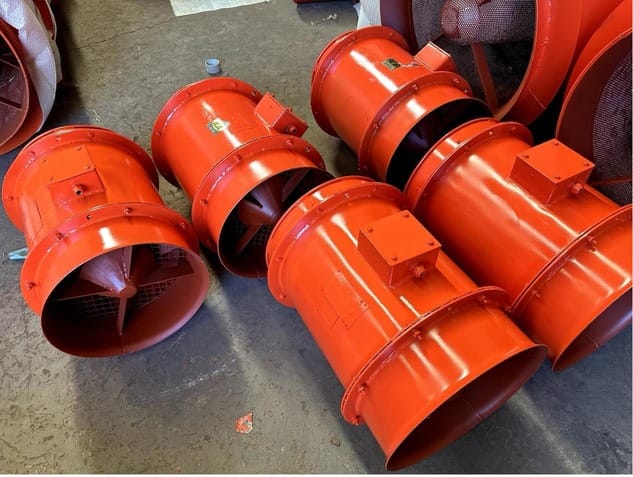
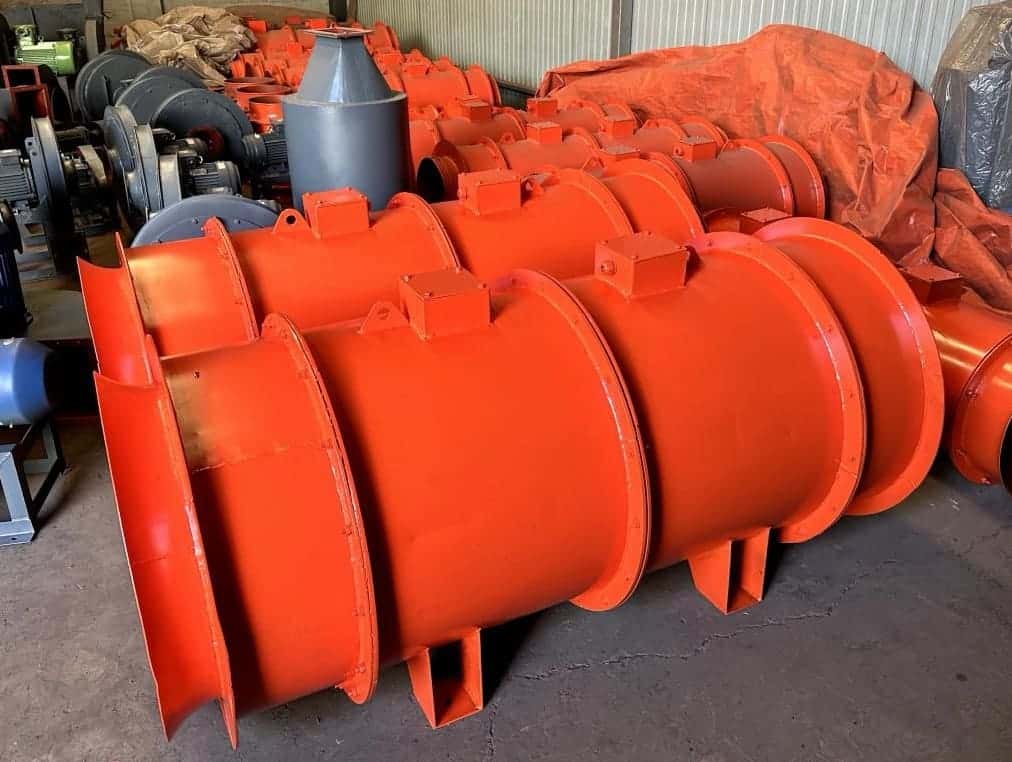
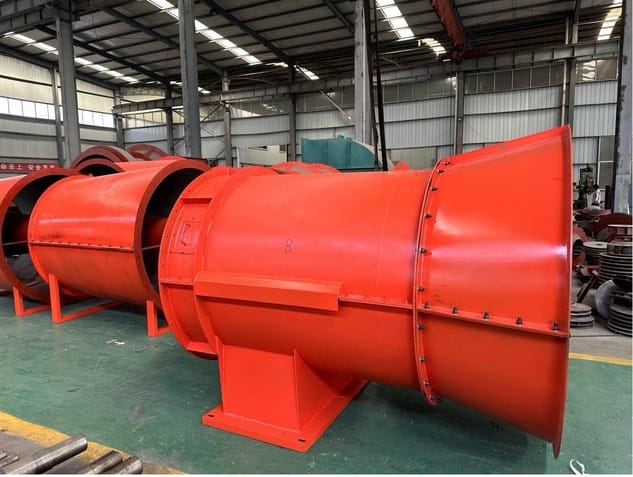
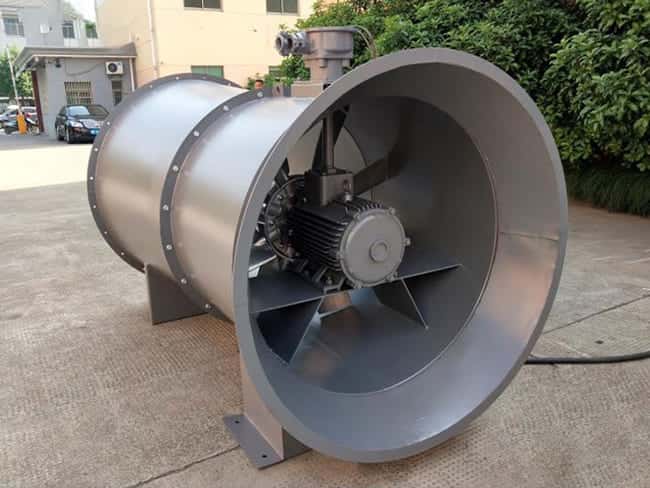
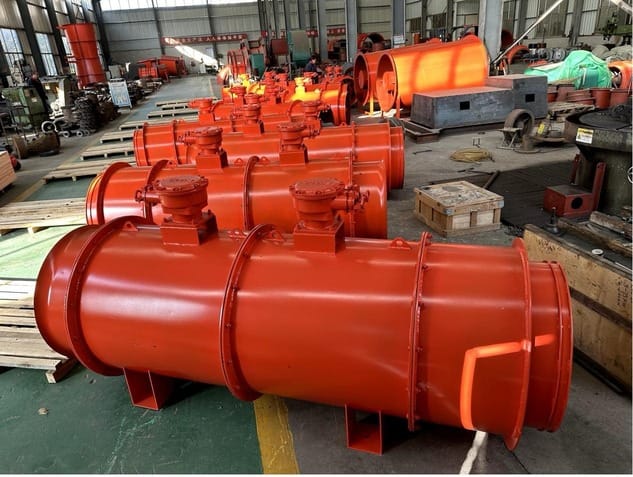
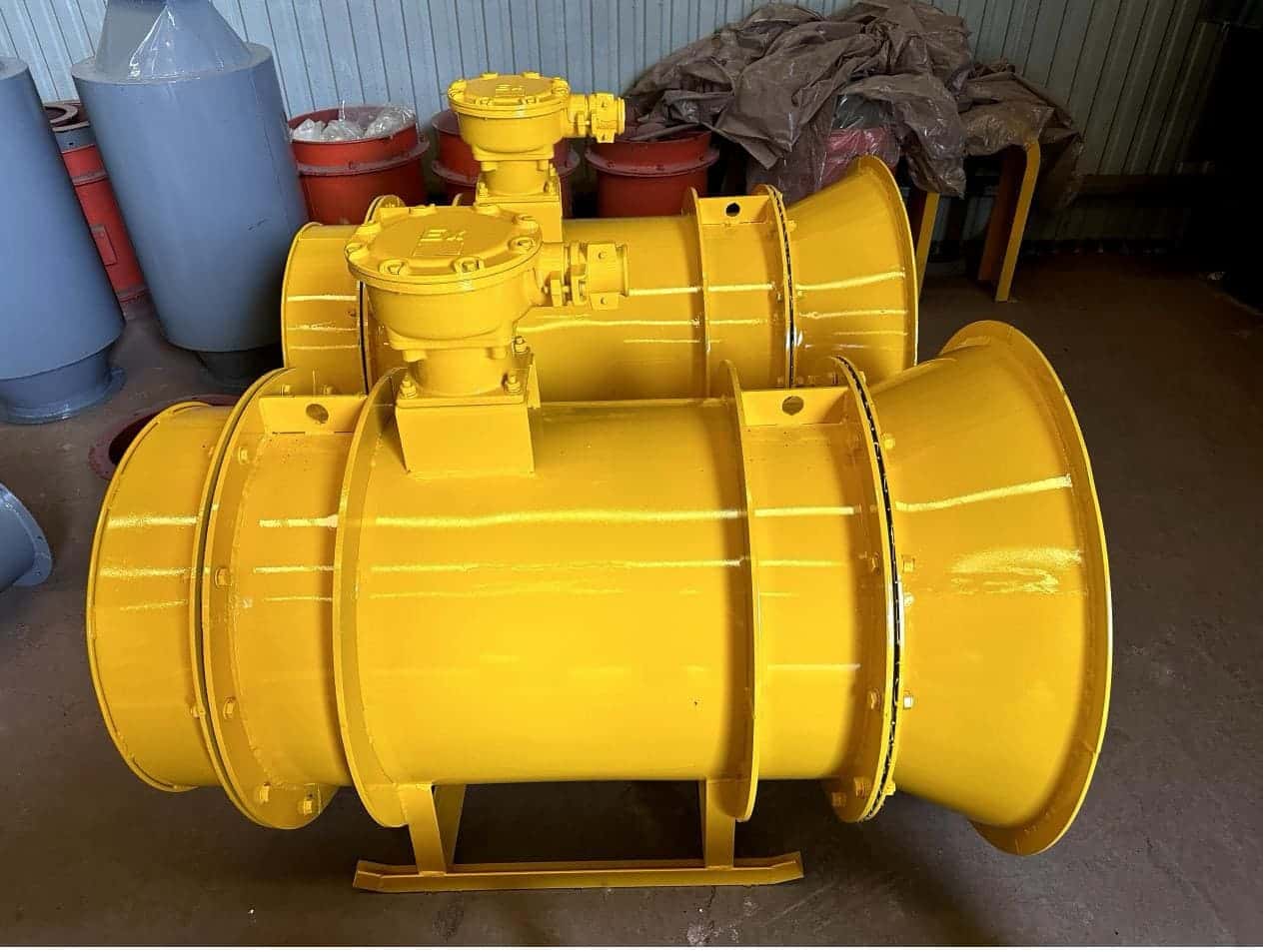
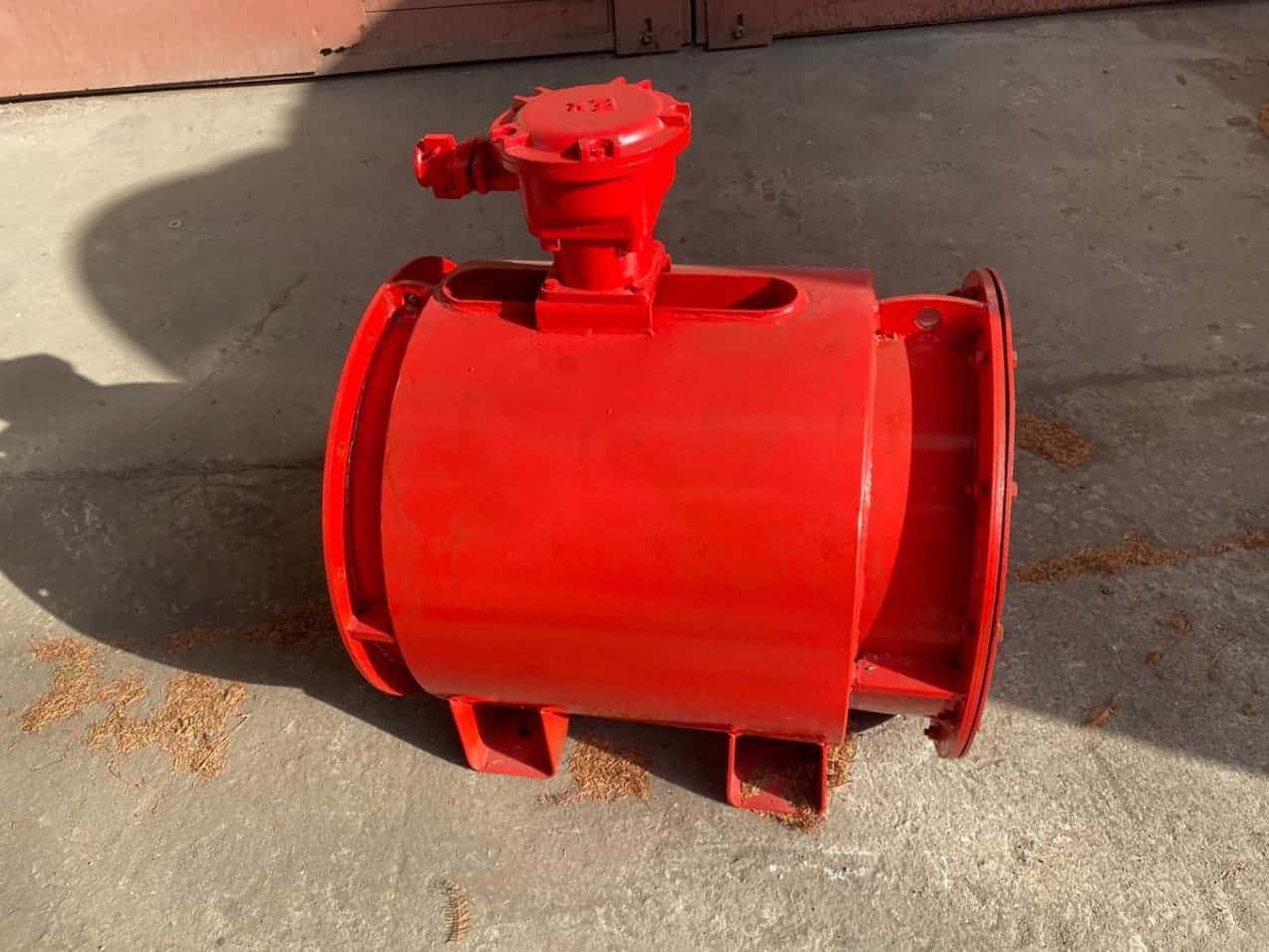
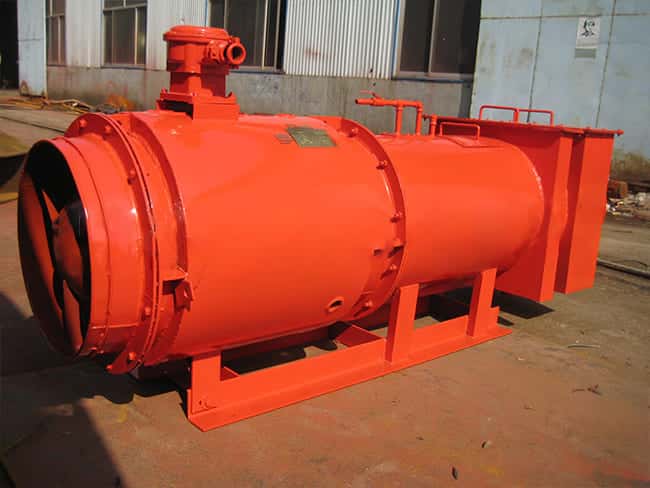
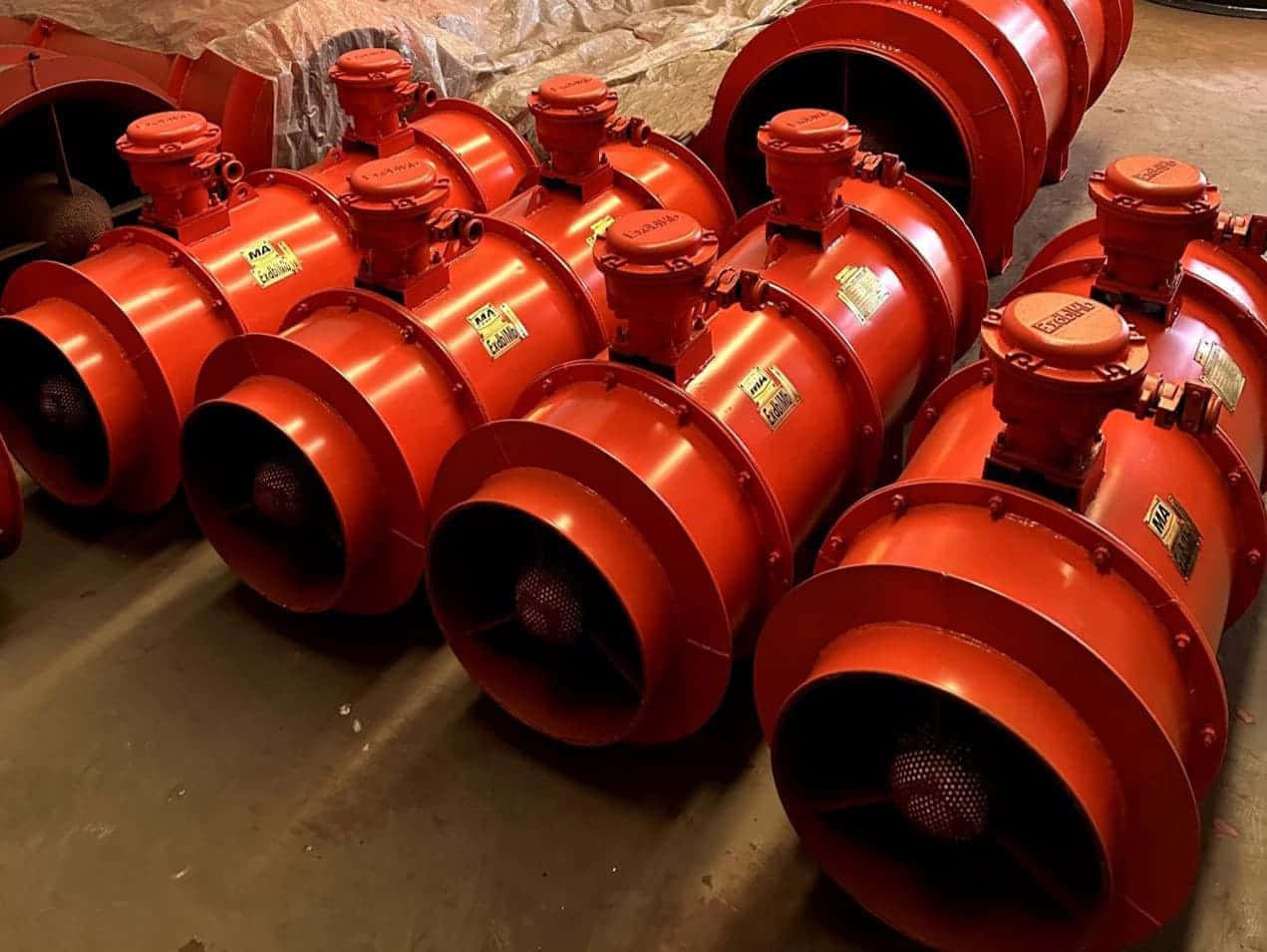
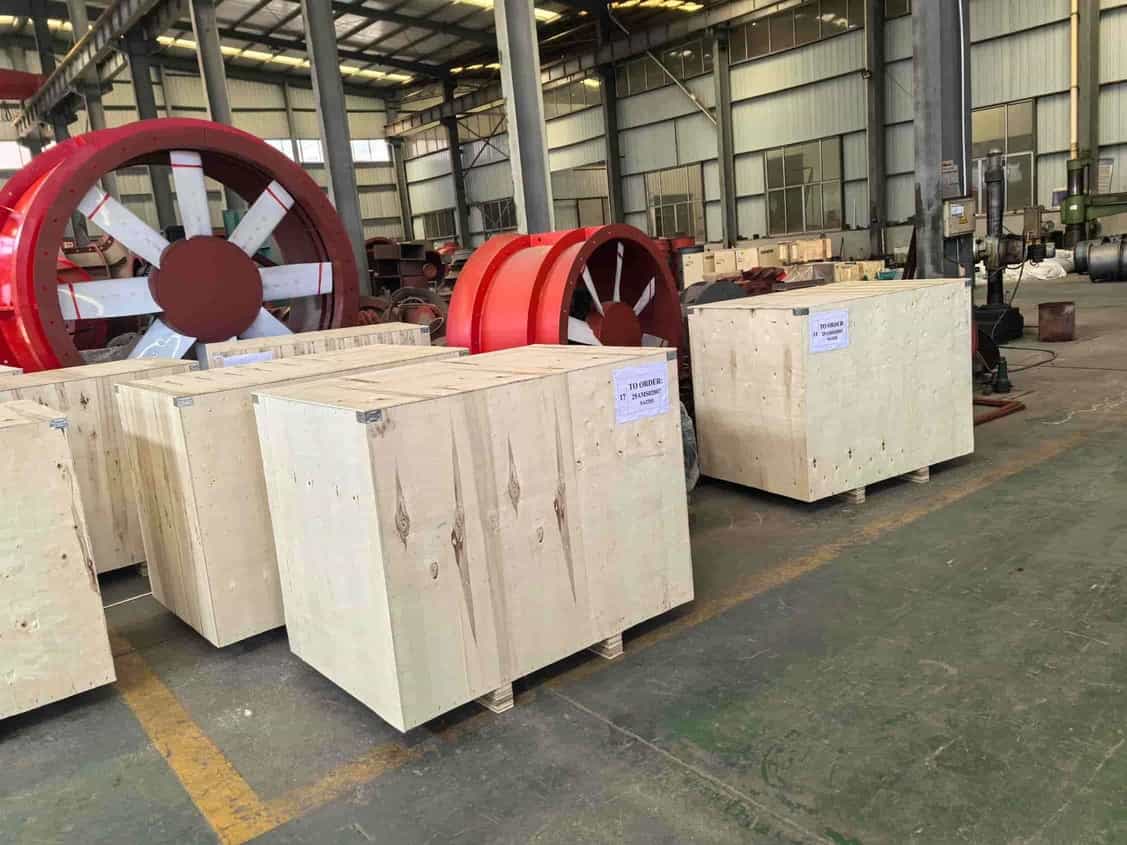
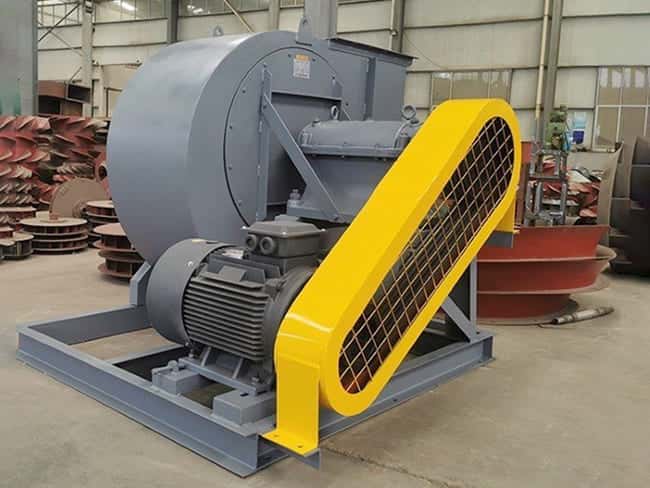
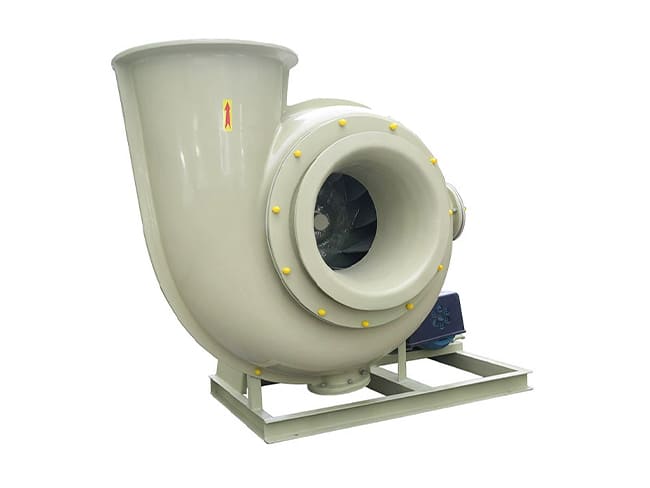
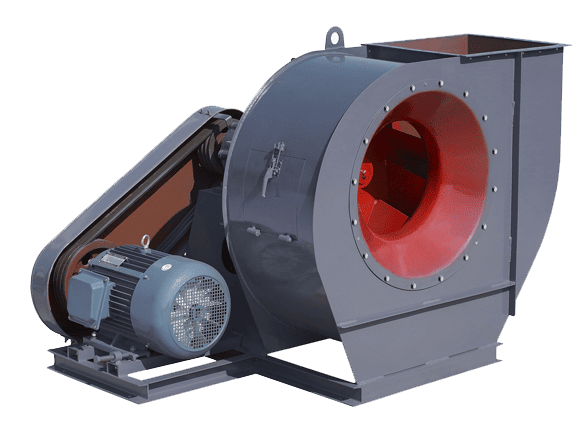
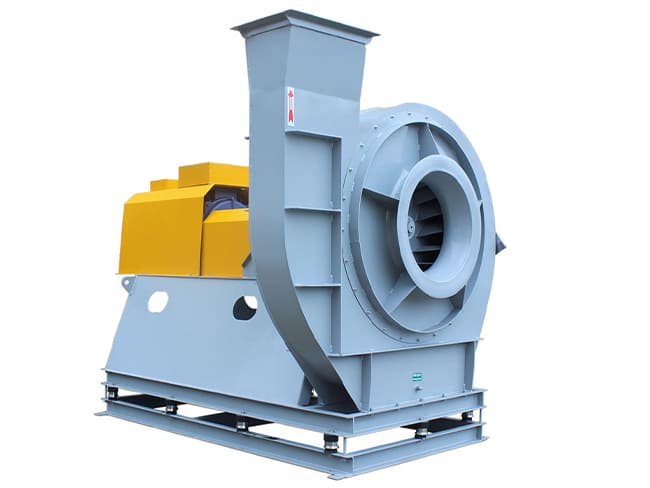
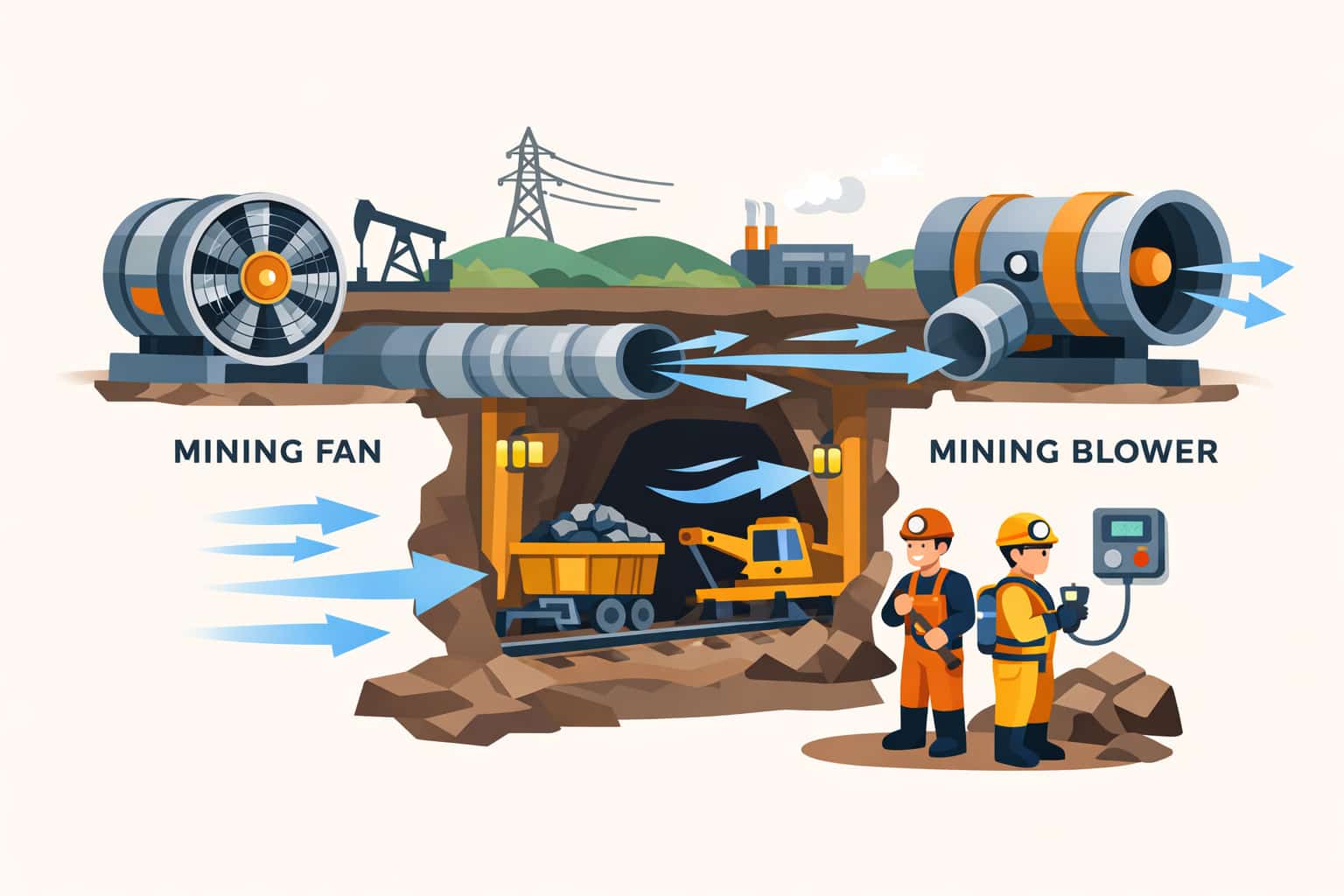
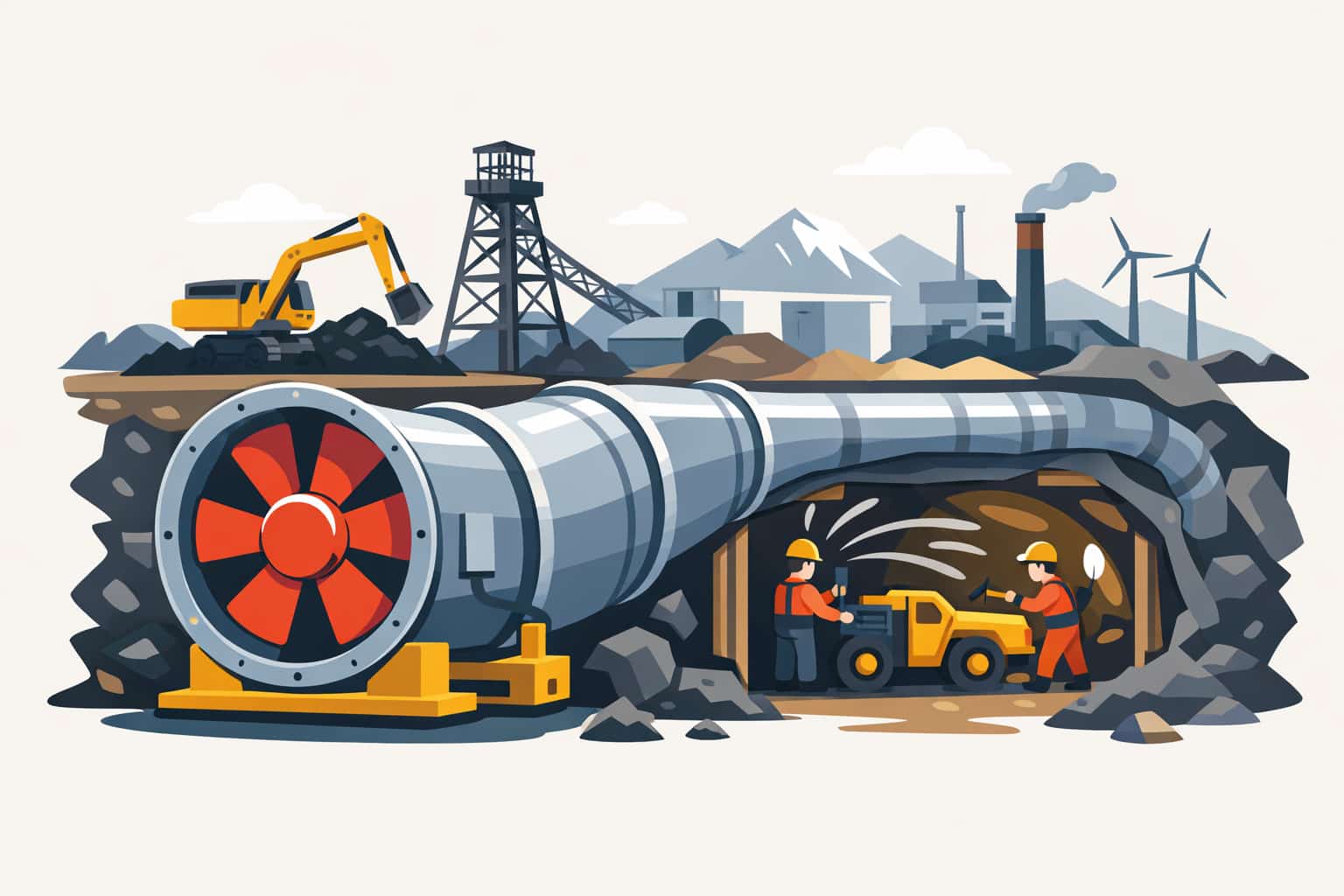
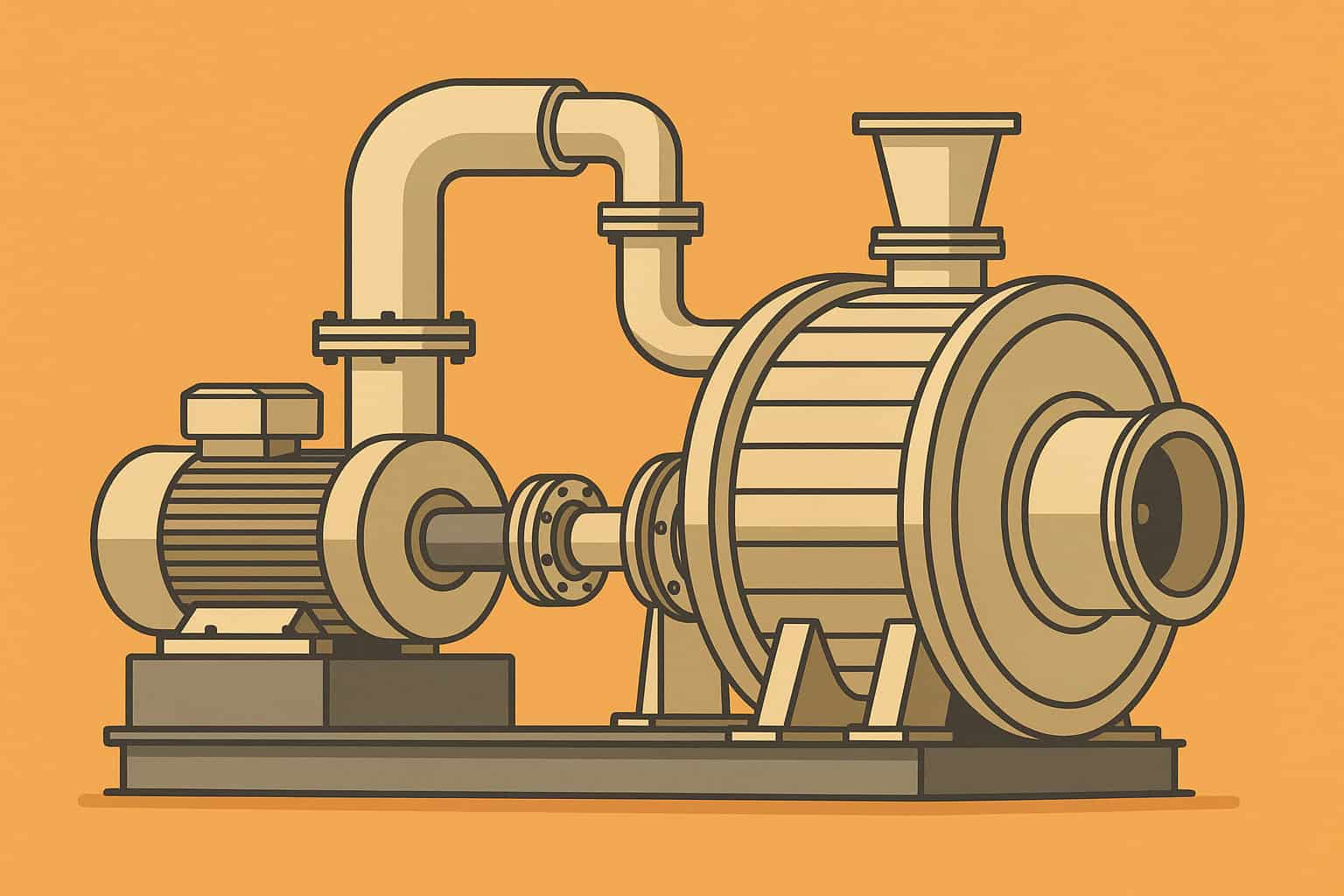
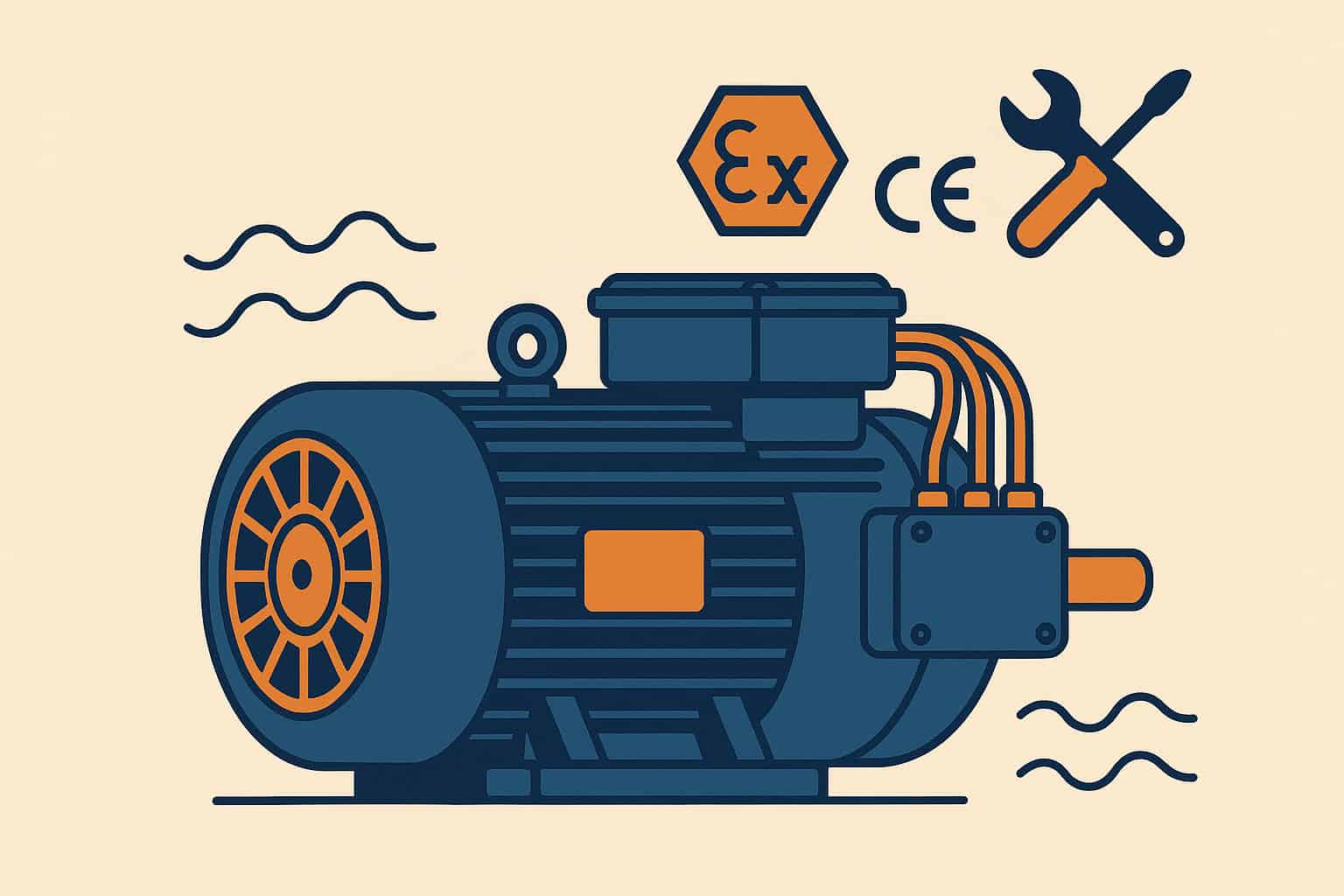
A blower can use a lot of electricity, but how much it actually consumes depends on its size, pressure duty, running hours and efficiency. Compared with low-pressure comfort fans, blowers typically operate at higher pressures and therefore require more power for the same airflow. In industrial plants and mines, blowers and large fans are often among the biggest single electrical loads in the ventilation or process system.
The power drawn by a blower is determined by the airflow, pressure and efficiency. In simple terms, brake power is proportional to air volume multiplied by pressure, divided by overall efficiency. High-pressure duties such as dust collection through filters, pneumatic conveying or long, restrictive duct networks naturally require more energy than low-pressure room ventilation. A small workshop blower may use only a few kilowatts, while a large industrial blower in a process plant can easily consume tens or hundreds of kilowatts.
Fan and blower performance follows the fan laws. If speed increases, airflow rises roughly in proportion, pressure rises with the square of speed and power rises with the cube of speed. This means that even a modest increase in blower speed can significantly increase electricity consumption. Conversely, reducing speed slightly, using a variable-frequency drive, can yield substantial energy savings when full capacity is not needed.
Whether a blower "uses a lot of electricity" also depends on how efficiently it is selected and operated. A well-sized blower running near its best efficiency point will use less energy than an oversized or undersized machine forced to operate in an unfavourable region of its curve. Poor duct design, dirty filters, partly closed dampers and leaks all increase system resistance, forcing the blower to work harder and consume more power.
In mining and heavy industry, energy costs for ventilation and process blowers are significant. As a result, many operators invest in high-efficiency blowers, variable-frequency drives and improved duct layouts to reduce power consumption. Regular maintenance—such as cleaning impellers, replacing clogged filters, checking belt tension and ensuring proper alignment—also helps keep energy use under control.
In summary, blowers do tend to use more electricity than low-pressure fans because they operate at higher pressure, but the actual amount depends on the duty and design. Good selection, efficient control and proper system design can greatly reduce the electricity a blower uses while still delivering the required airflow and pressure for safe, reliable operation.