
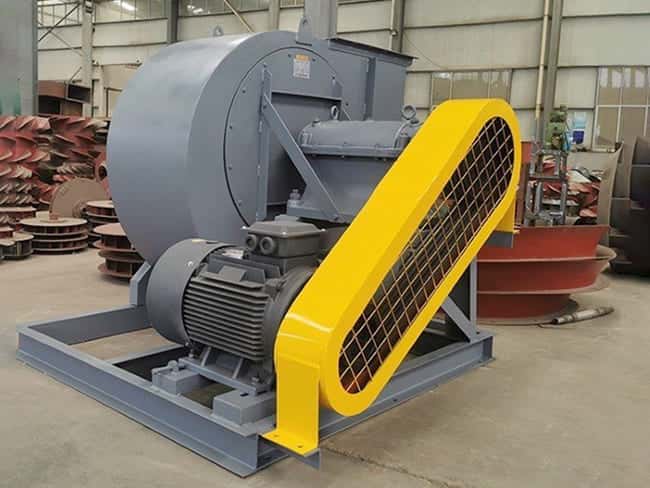
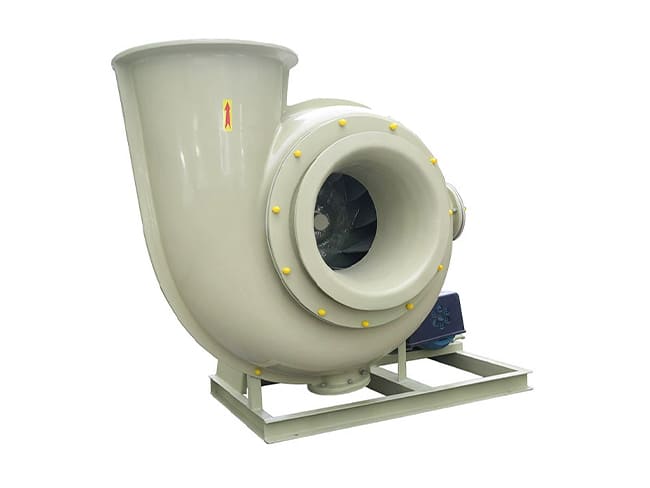
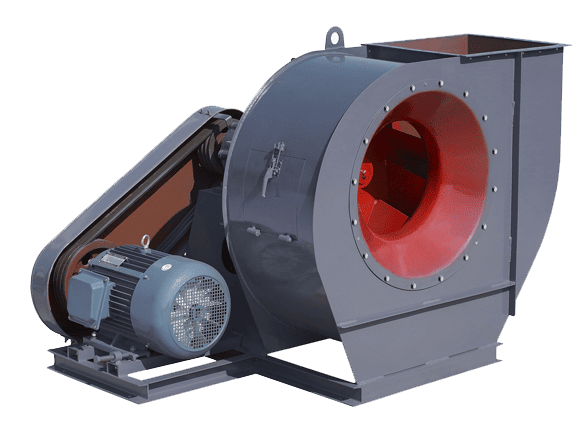
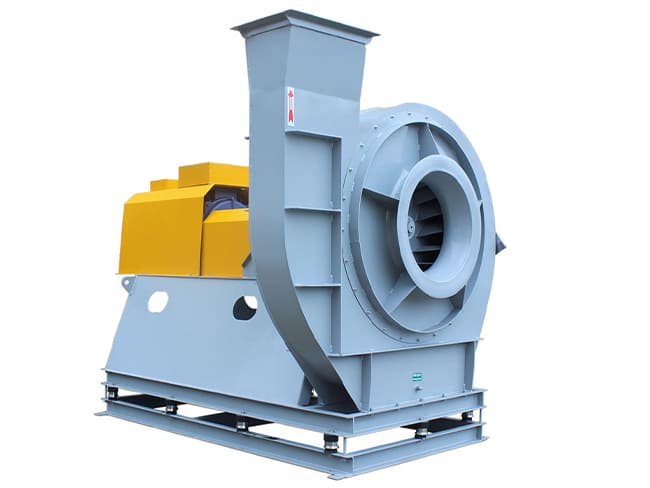
Yes, an exhaust fan can help remove moisture, but it is important to understand how it works and what its limits are. An exhaust fan does not magically absorb water; instead, it removes humid air from a space and replaces it with drier air from outside or from other parts of the building. Over time, this air exchange reduces humidity levels and helps control condensation, mould growth and discomfort.
In bathrooms and kitchens, exhaust fans are widely used to remove steam and moisture generated by showers, cooking and dishwashing. When the fan runs, it pulls warm, humid air out through a duct to the outdoors. Cooler, usually drier air enters the room through gaps around doors, windows or dedicated intake grilles. If the fan is sized correctly and operated for long enough after moisture is produced, humidity in the room will drop back to normal levels more quickly than it would without mechanical exhaust.
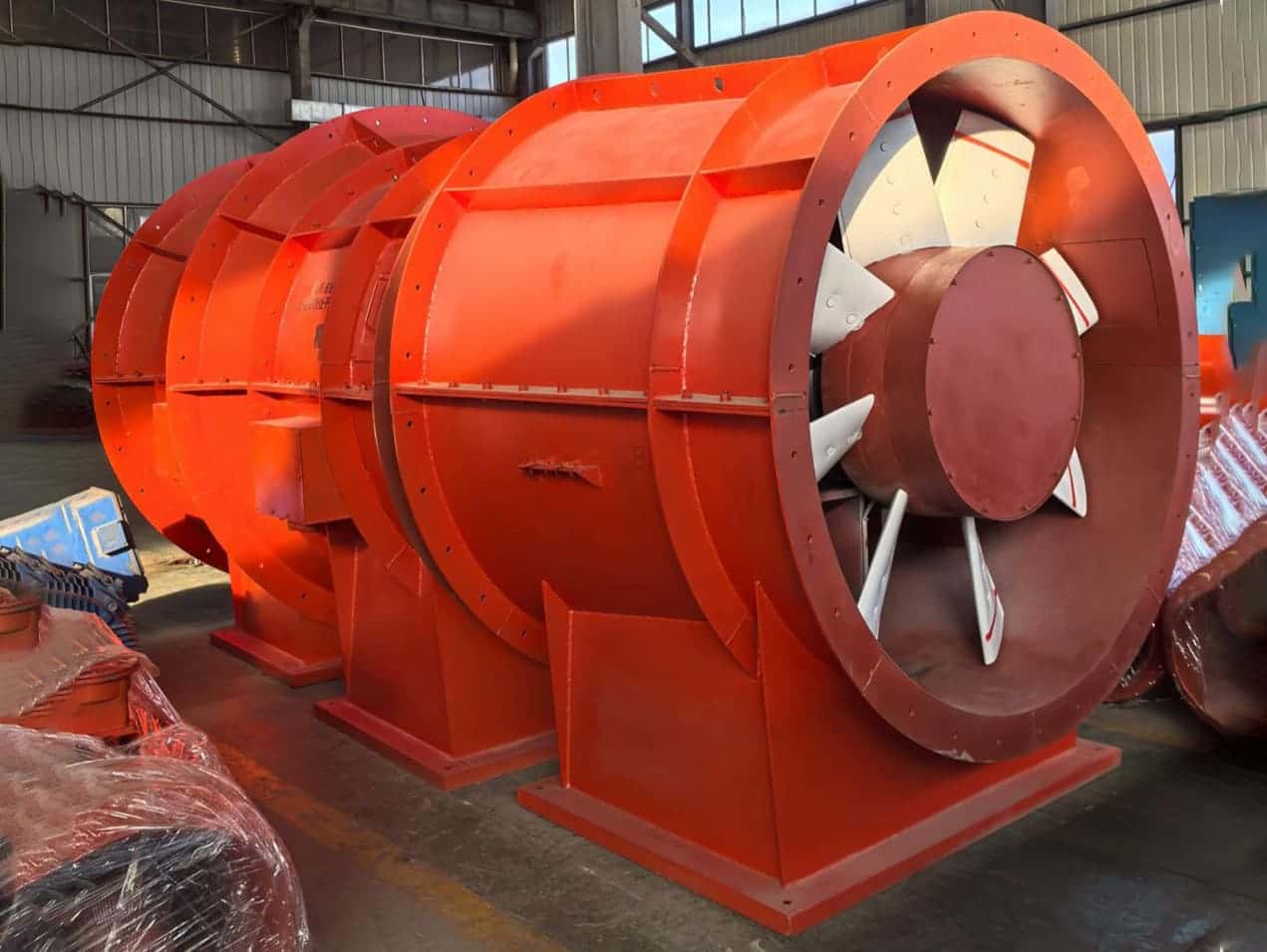
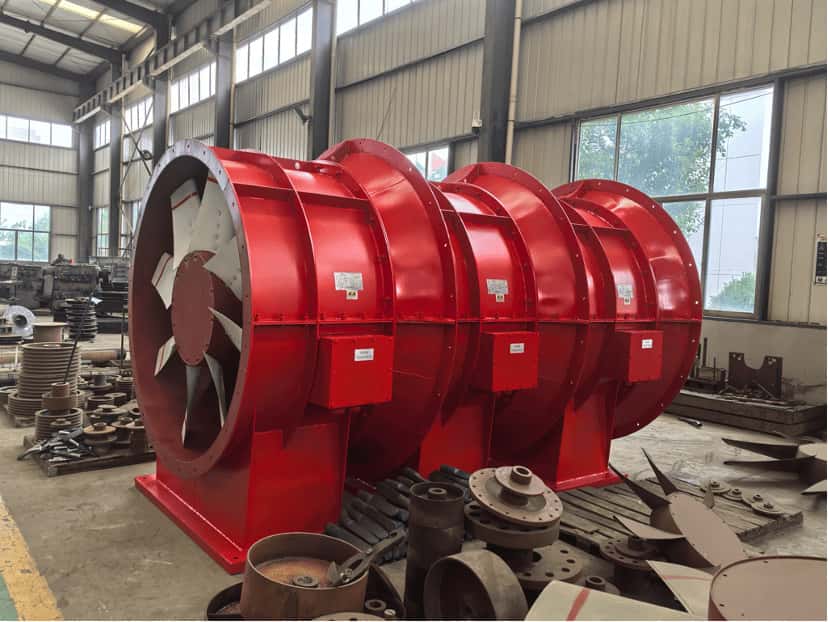
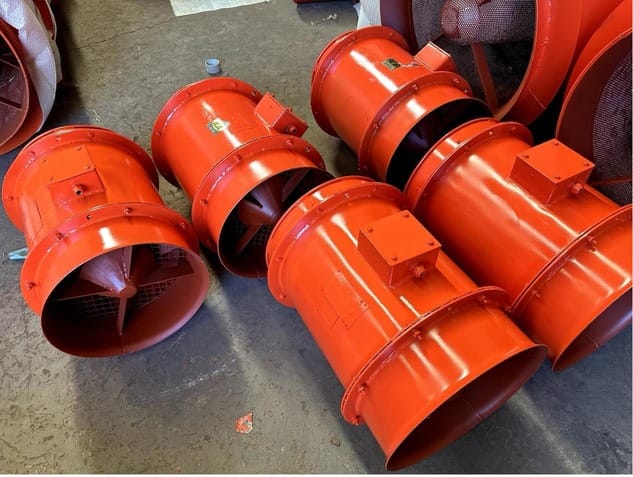
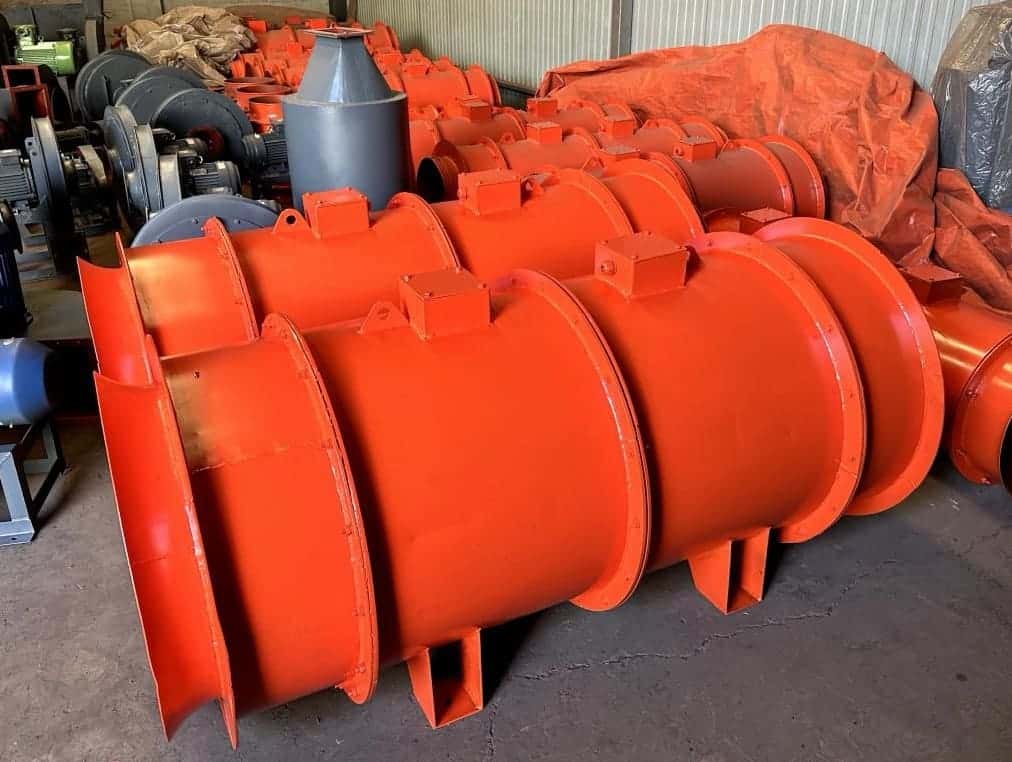
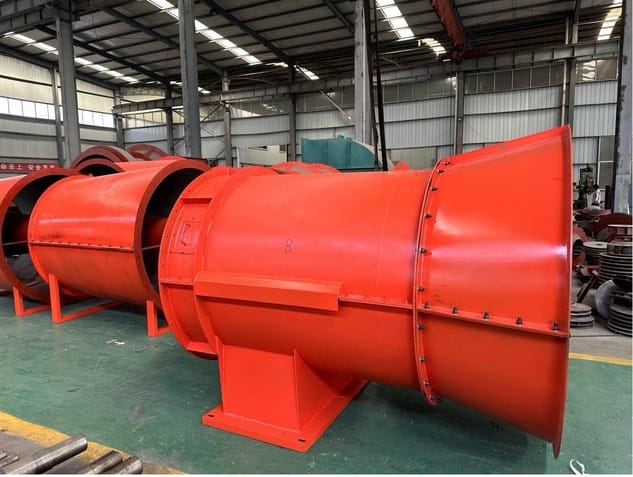
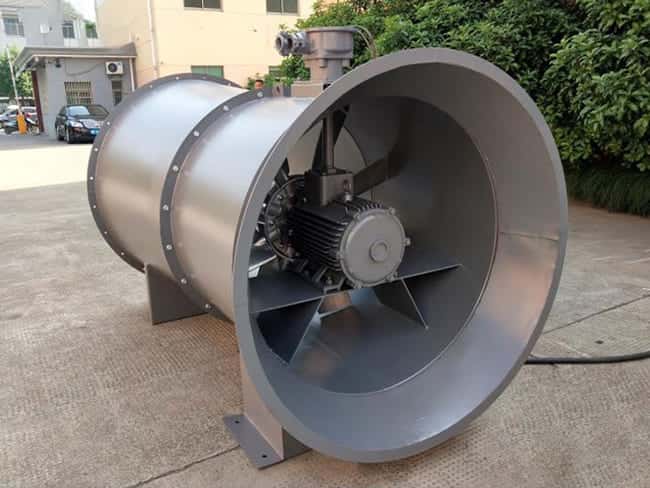
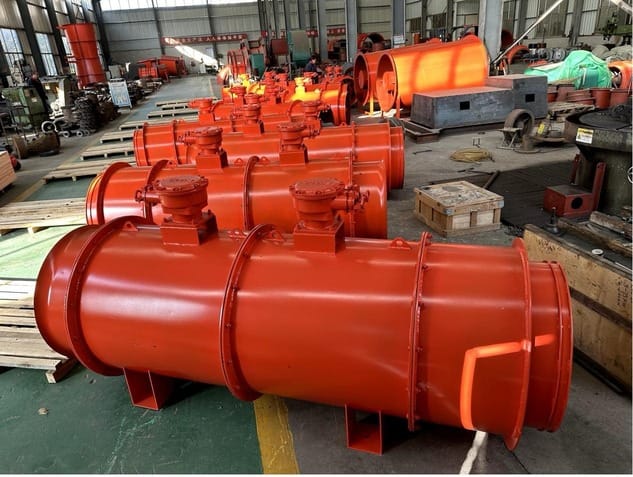
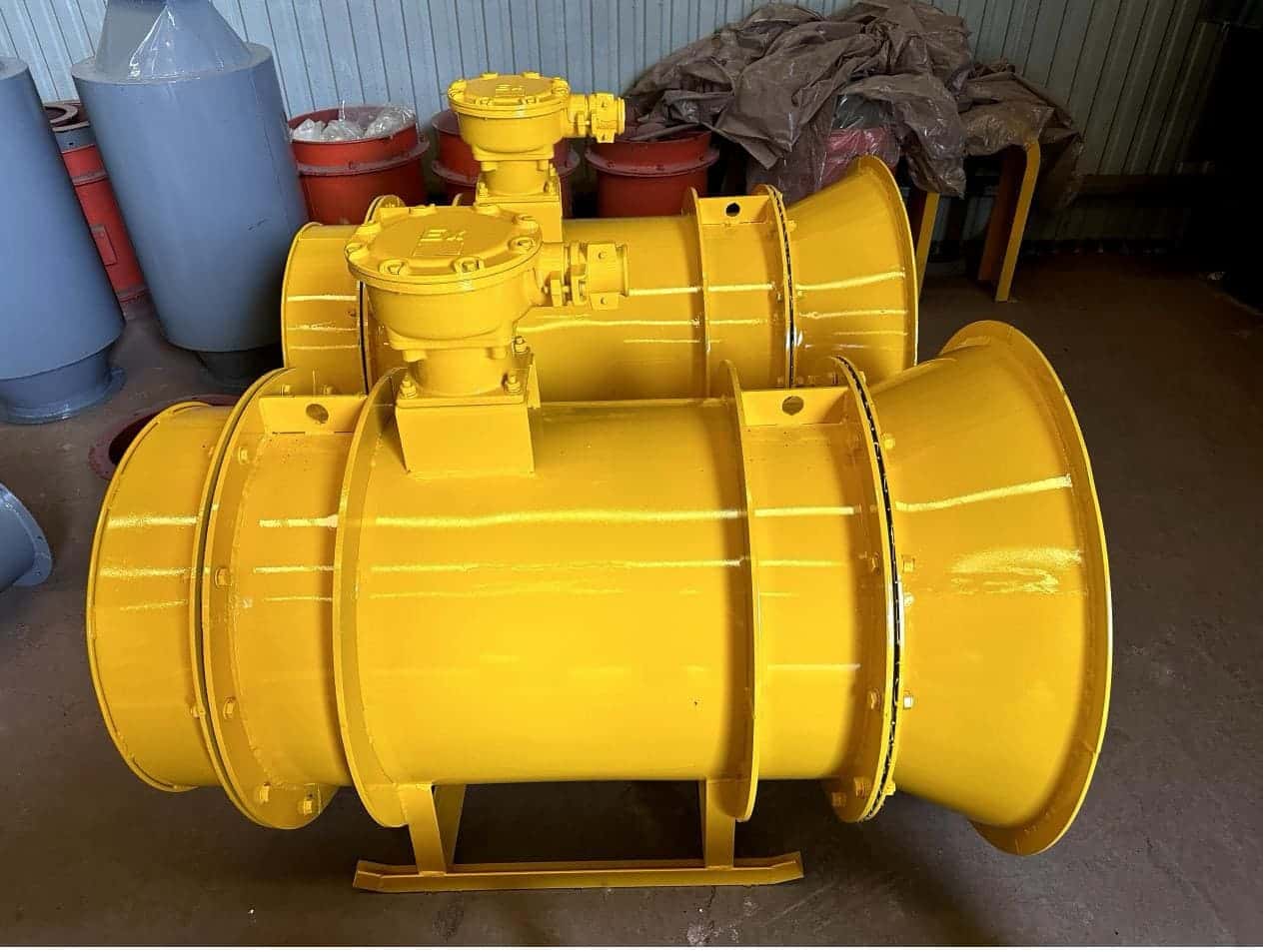
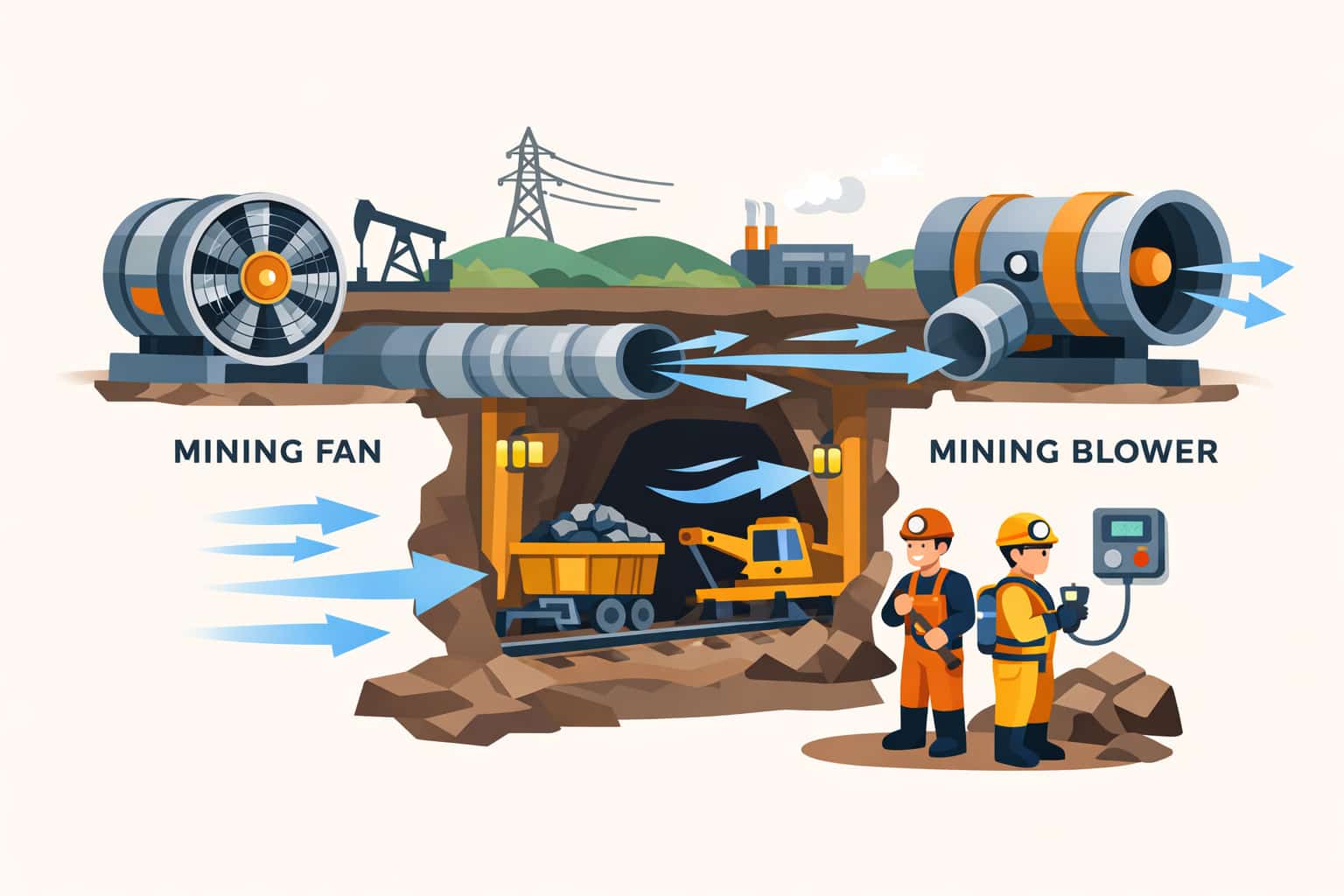
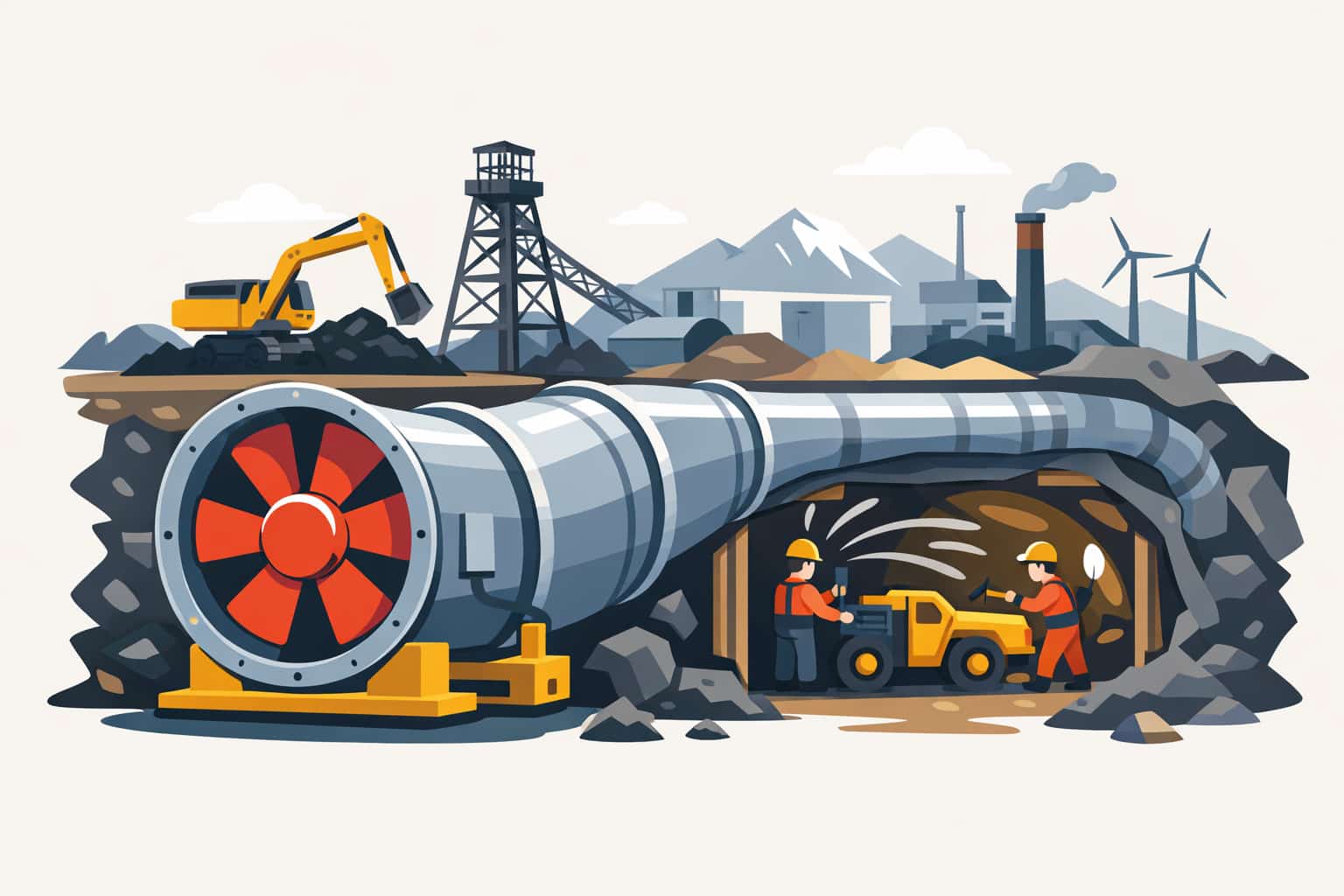
In industrial and mining environments, exhaust fans can also help control moisture from processes like washing, spraying, cooling and underground water inflow. By exhausting humid air and supplying fresh air, they reduce fogging, condensation on equipment and corrosion. However, because airflows and moisture loads are much higher in these settings, engineers often combine exhaust fans with dedicated dehumidification, heating or air distribution systems to achieve stable and safe conditions.
The effectiveness of an exhaust fan in removing moisture depends on several factors:
- Airflow rate: The fan must be able to change the air in the space often enough to keep humidity under control. Undersized fans will struggle to remove moisture quickly.
- Run time: The fan should continue running after showers, cooking or wet processes stop. Many guidelines recommend at least 15–30 minutes of post-event operation in bathrooms.
- Path for makeup air: There must be a way for fresh air to enter the space. A tightly sealed room with a running exhaust fan may not achieve its rated airflow, reducing moisture removal.
- Outdoor humidity: If the outside air is also very humid, the difference between indoor and outdoor moisture levels may be small, limiting the effectiveness of simple exhaust.
It is also important to note that exhaust fans alone cannot solve structural moisture problems such as water leaks, rising damp or poor insulation that leads to cold surfaces. In those cases, repairs, insulation upgrades and possibly dehumidifiers are required in addition to ventilation.
In summary, an exhaust fan does help remove moisture by extracting humid air and allowing drier air to replace it. Its success depends on proper sizing, run time, makeup air and the surrounding climate. In many homes and industrial facilities, exhaust fans are an essential part of moisture control, but they work best as part of a comprehensive ventilation and building design strategy.