
Yes, OSHA does require ventilation, but the exact rules depend on the type of workplace, the processes involved and the specific contaminants present. In general, OSHA’s regulations and guidance state that employers must provide a working environment where exposure to dusts, fumes, gases and vapours is kept below permissible limits. Adequate natural or mechanical ventilation is one of the main tools for achieving that, together with substitution, enclosure, process control and personal protective equipment.
OSHA’s standards cover ventilation in several ways. There are general requirements for safe workplaces that apply to almost all facilities, and there are task-specific standards for operations such as welding, cutting, abrasive blasting, painting, chemical handling, confined space work and grain handling. Many of these standards explicitly require local exhaust systems, dilution ventilation or mechanical fans to control airborne contaminants in production areas, tunnels, tanks and underground spaces.
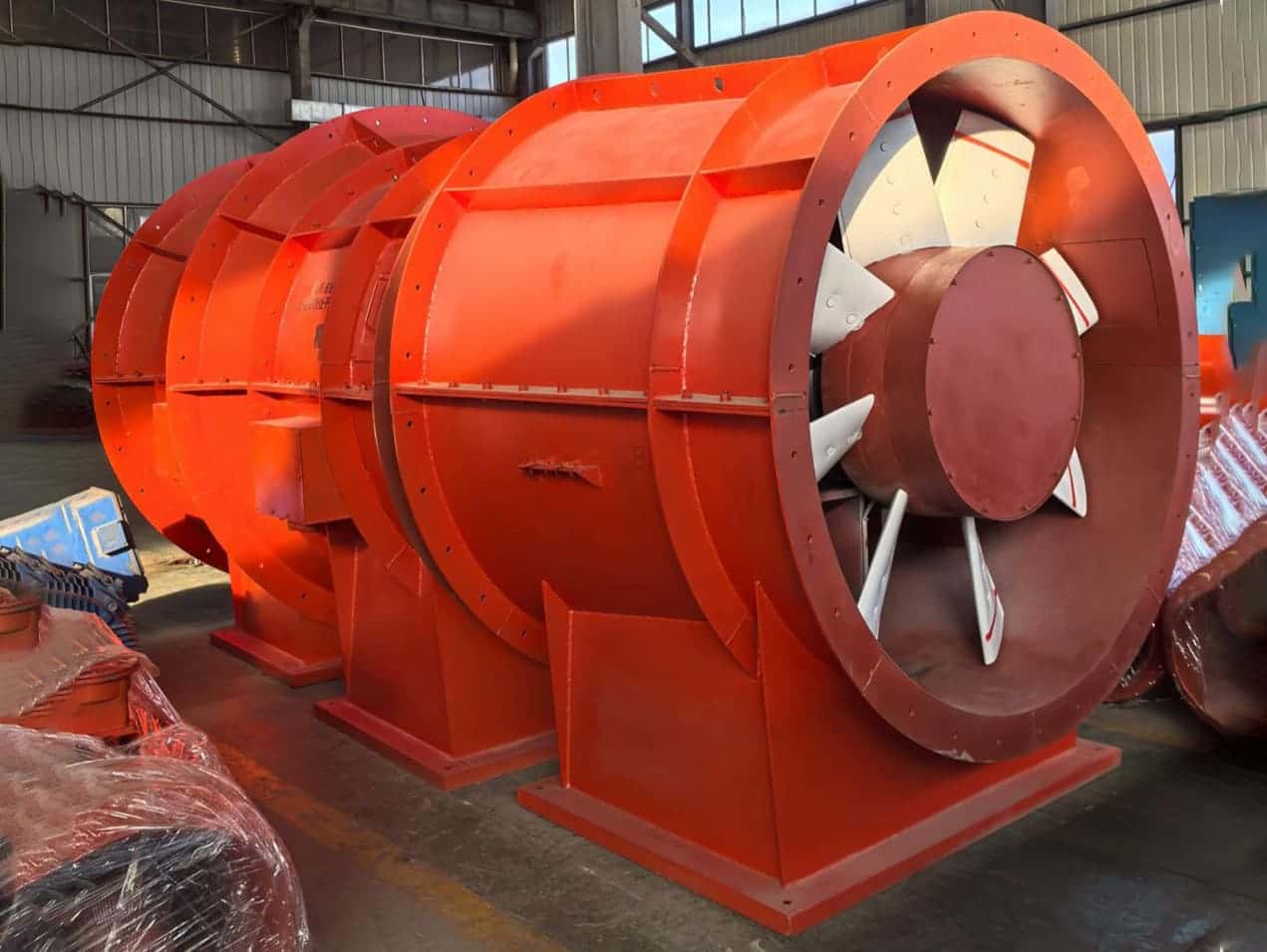
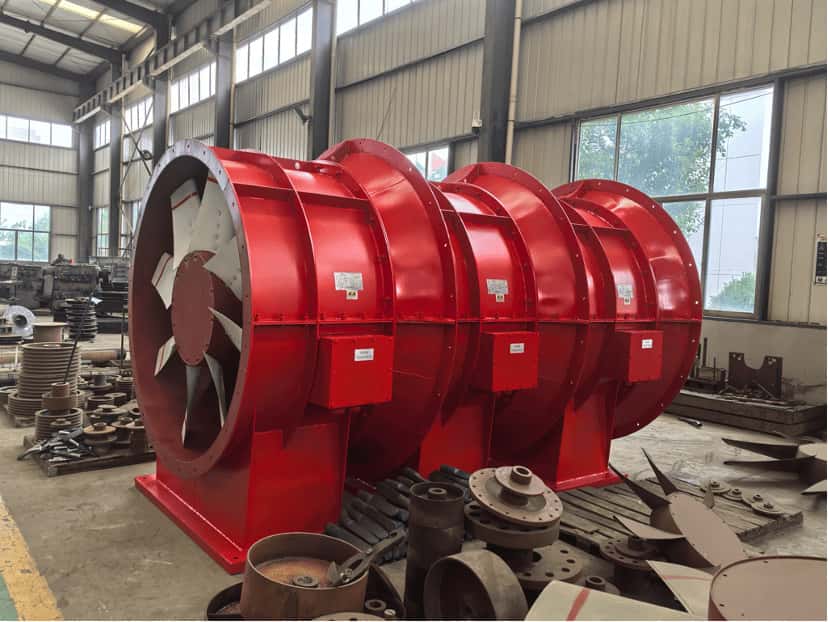
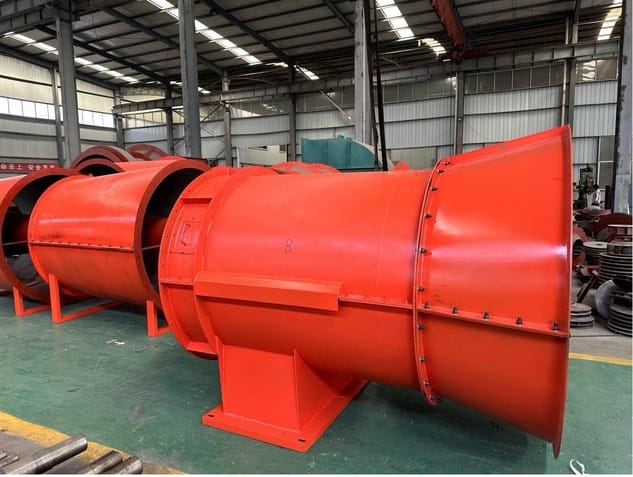
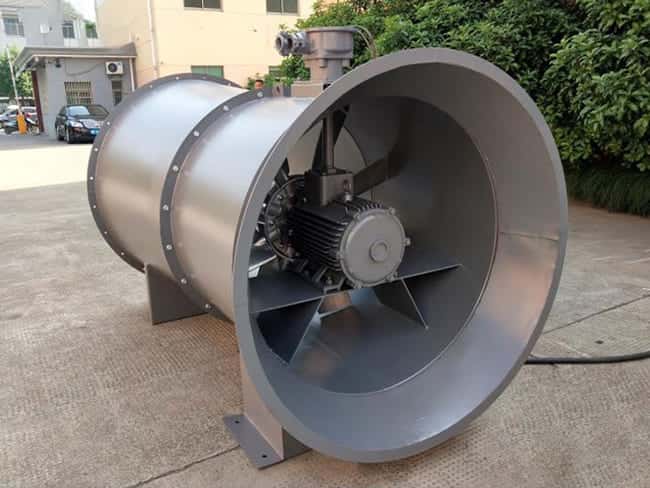
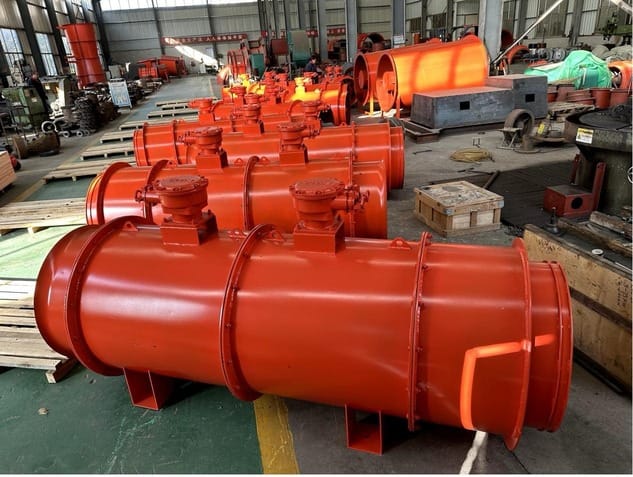
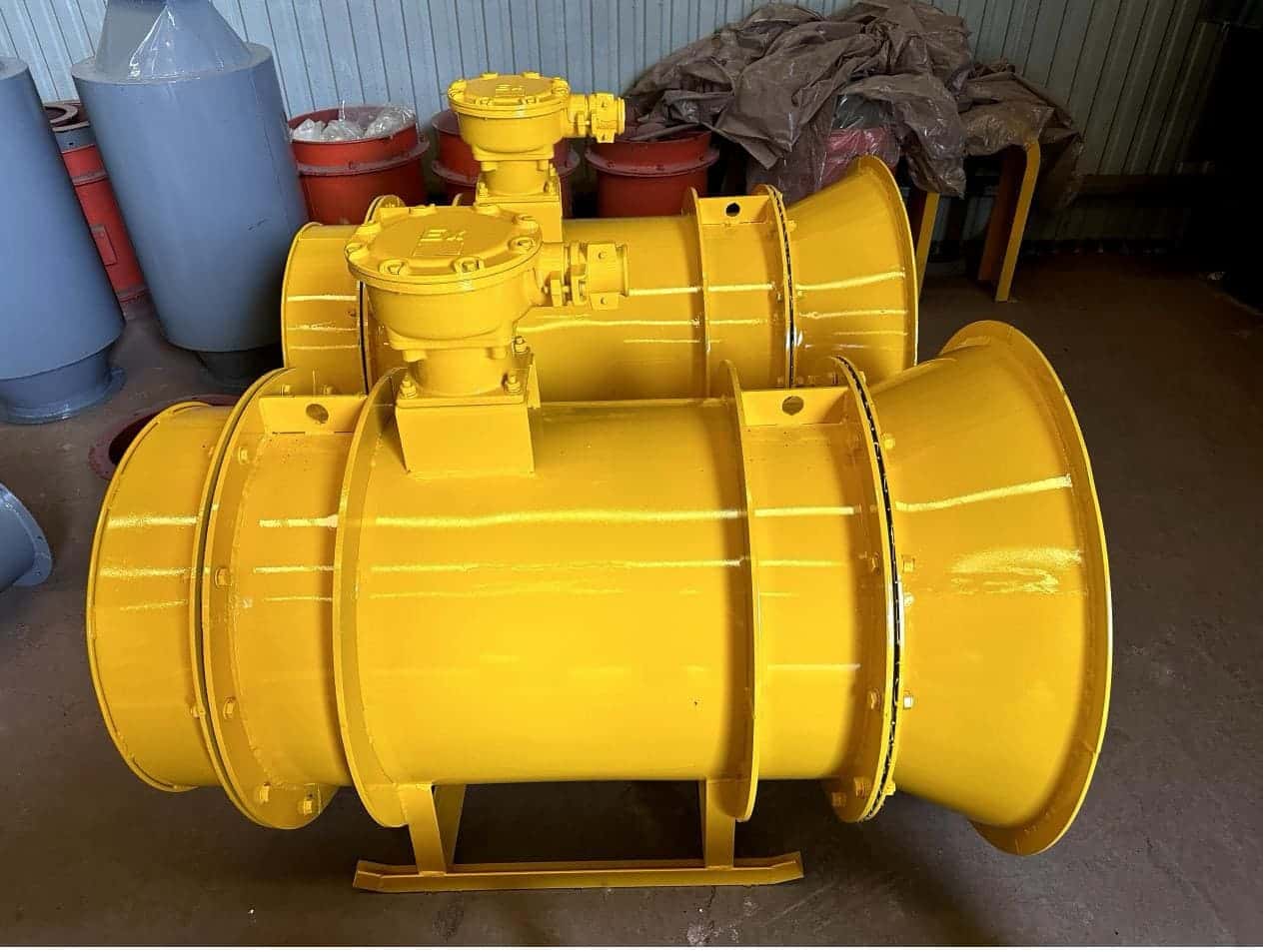
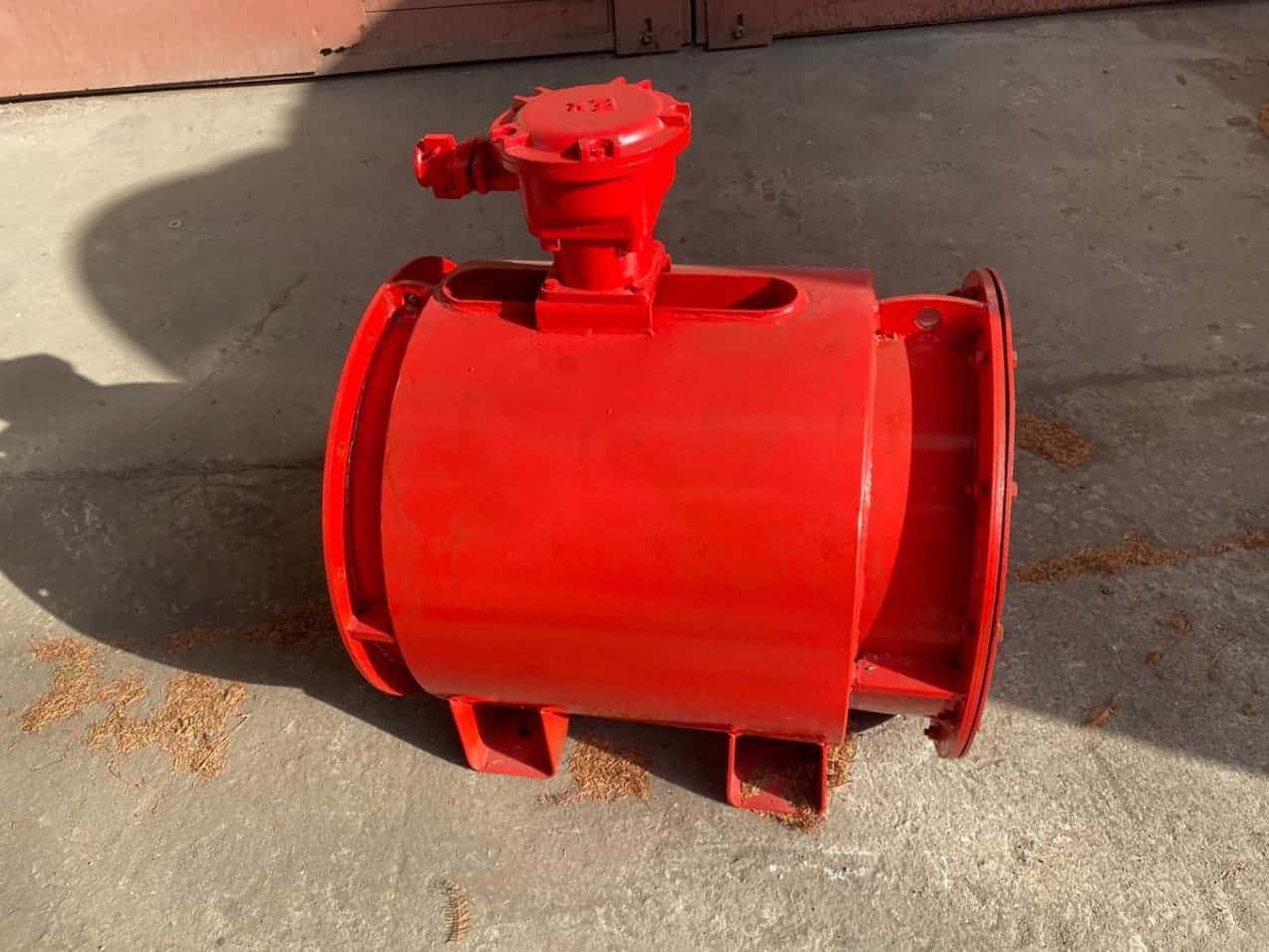
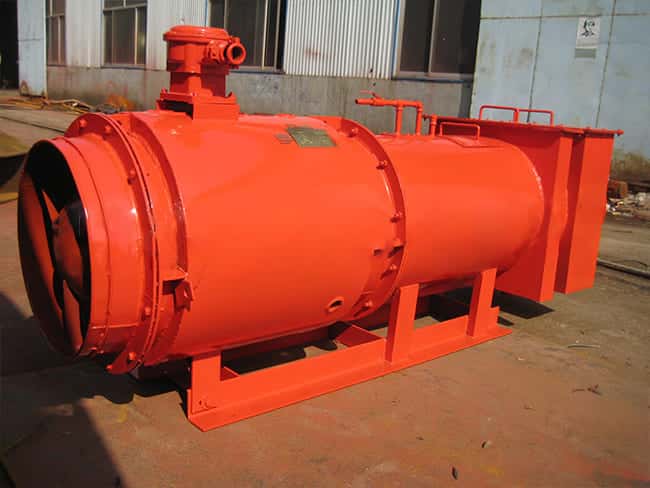
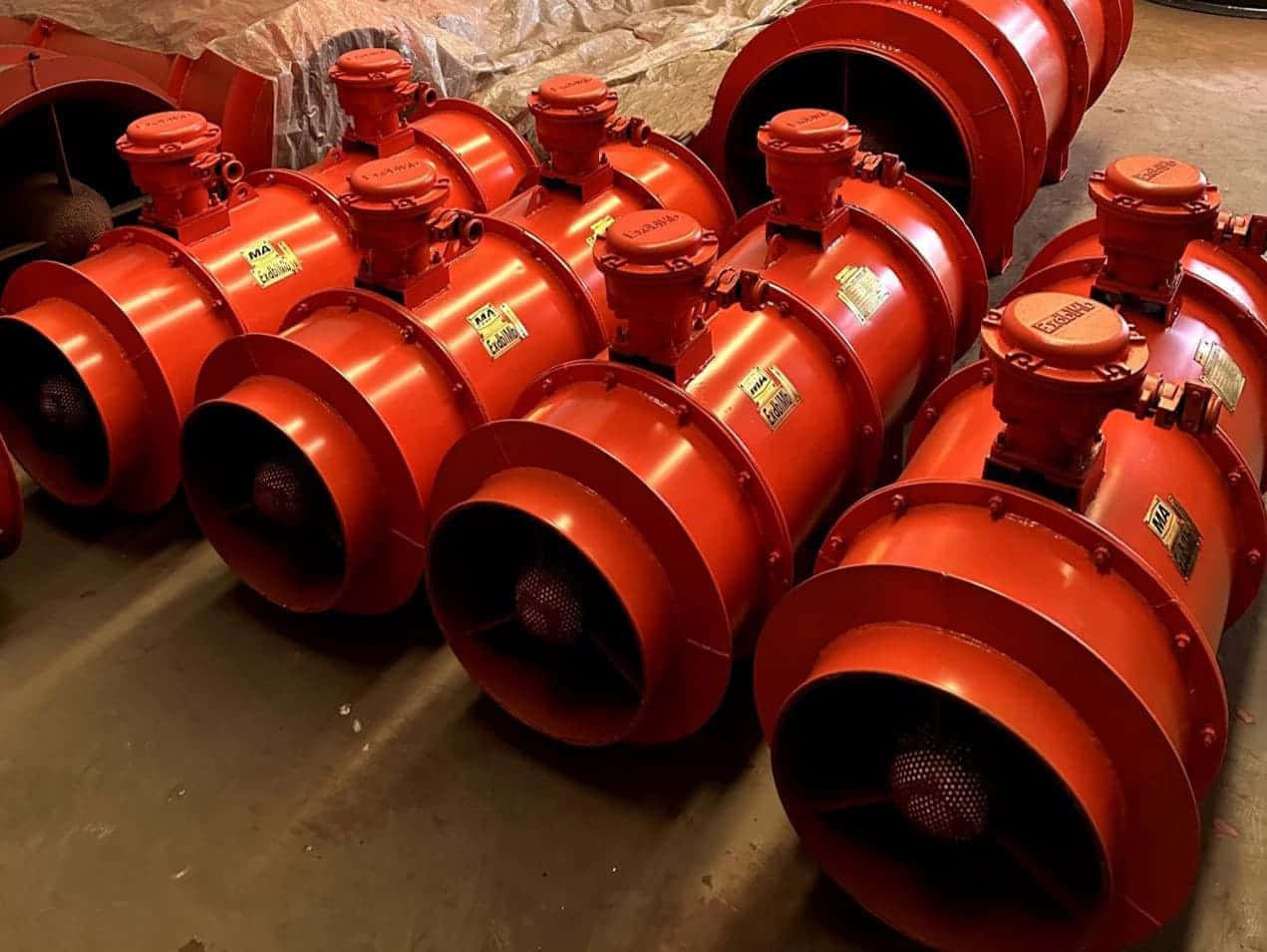
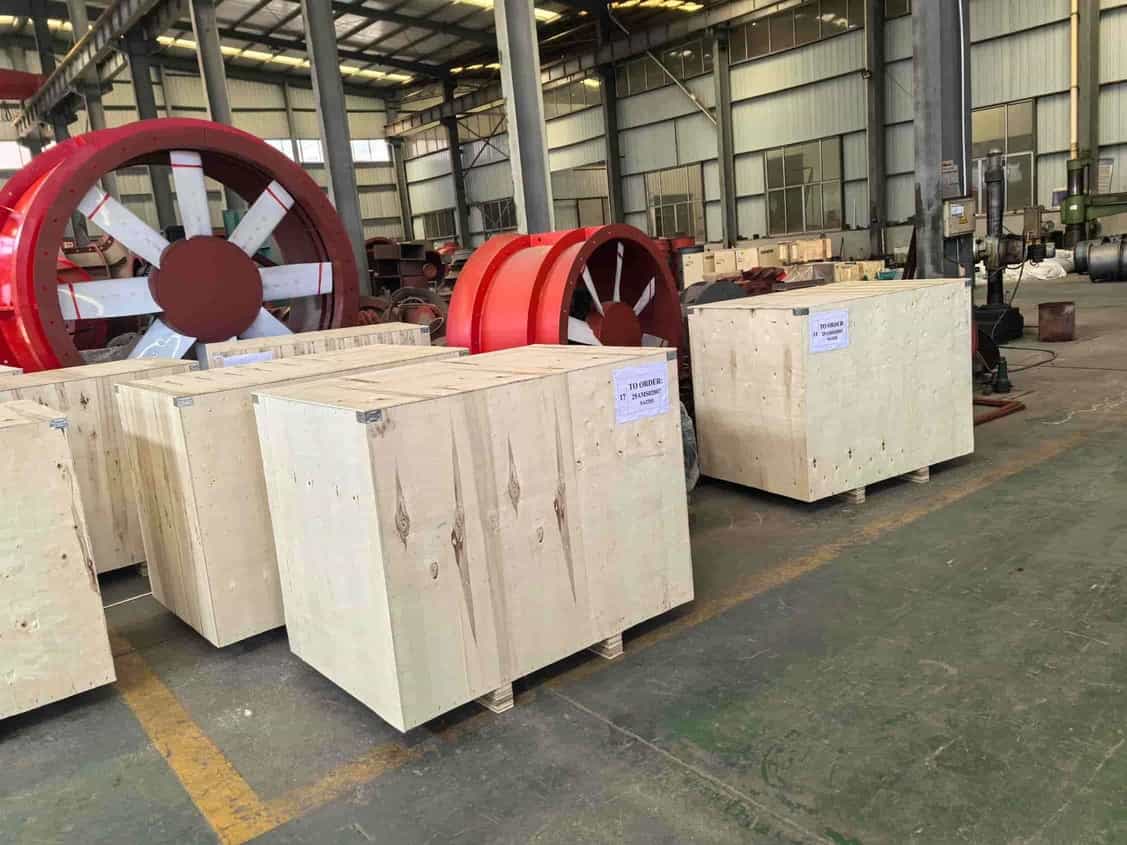
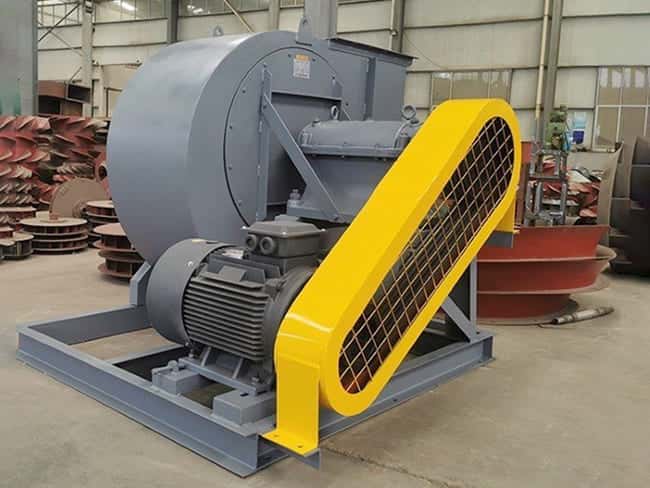
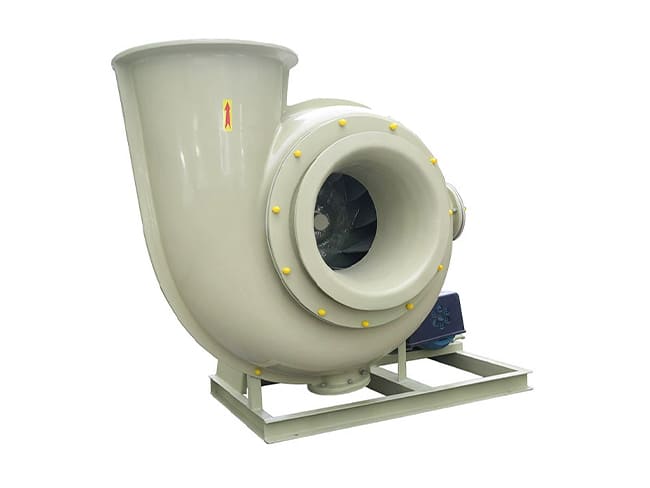
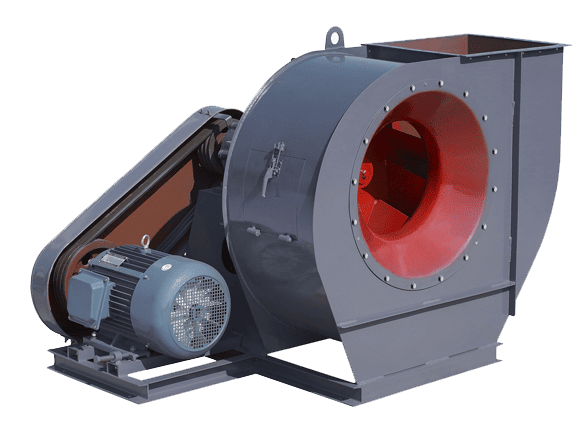
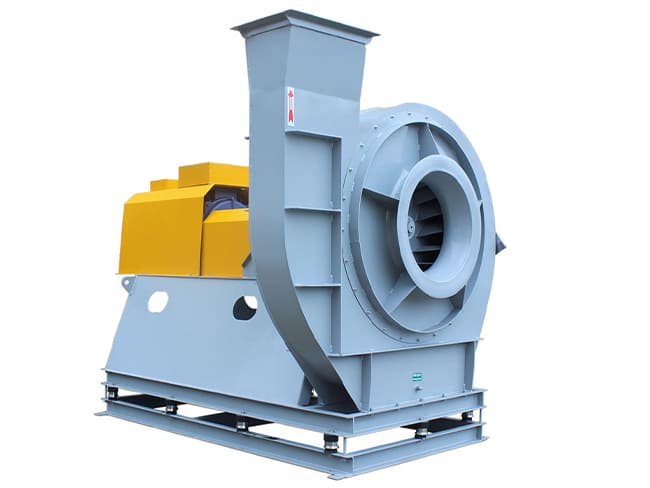
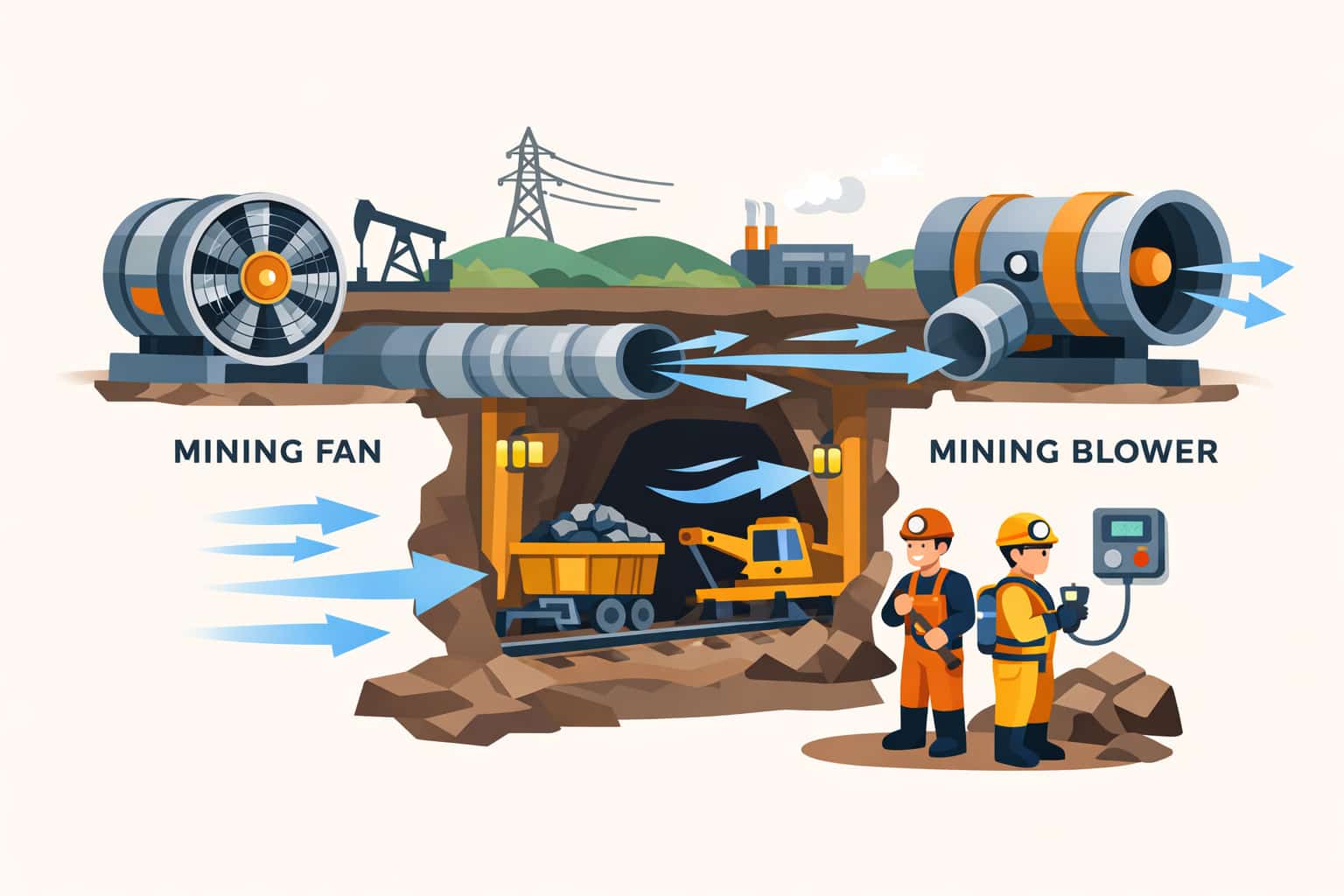
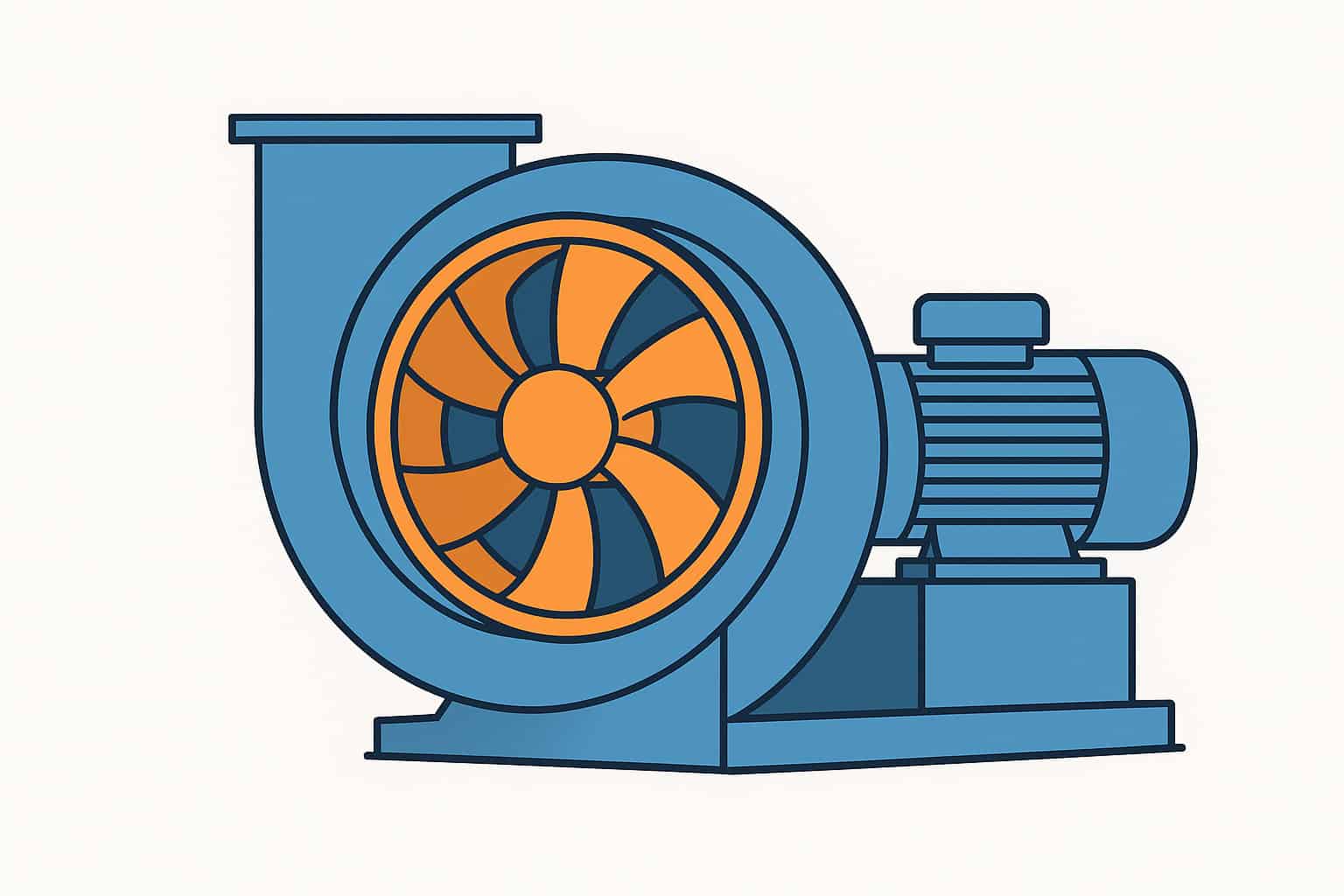
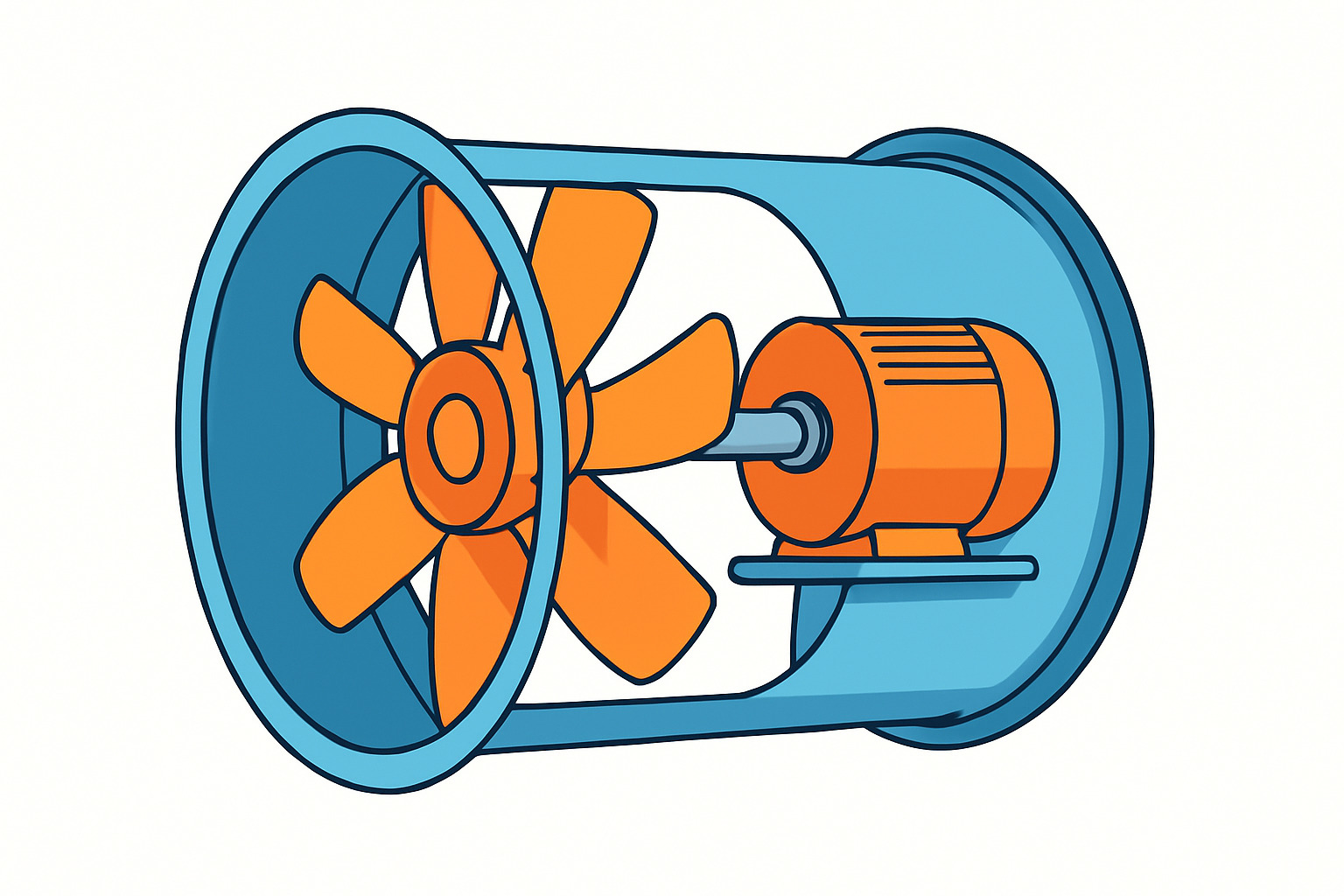
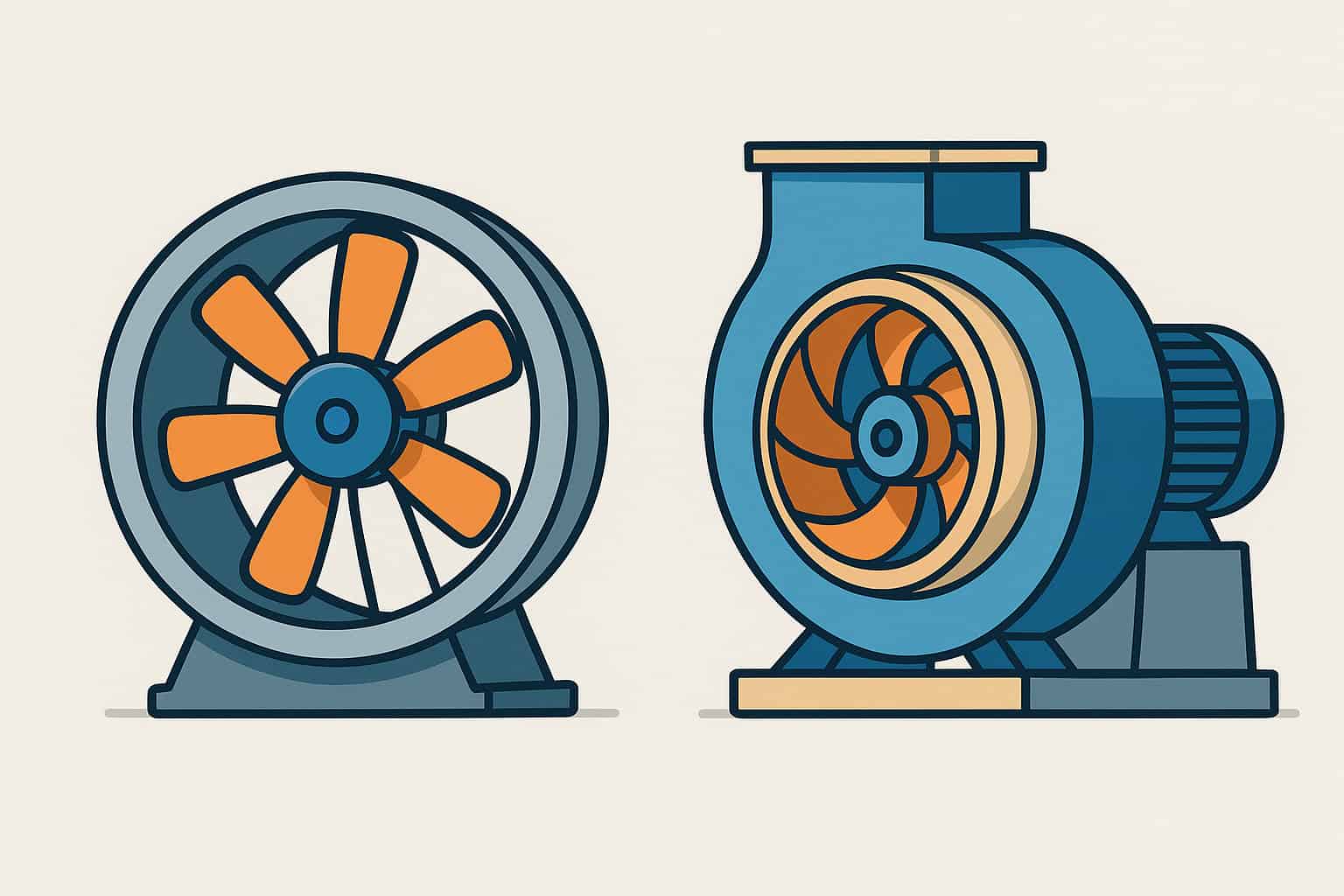
In industrial plants and facilities linked to mining, ventilation usually includes a combination of general supply and exhaust fans plus local exhaust ventilation above dusty or fume-producing equipment. Main axial or centrifugal fans supply fresh air, while process exhaust fans and dust collection blowers capture contaminants at their source. When properly designed, these systems reduce contaminant levels well below OSHA limits and improve temperature and humidity conditions as well.
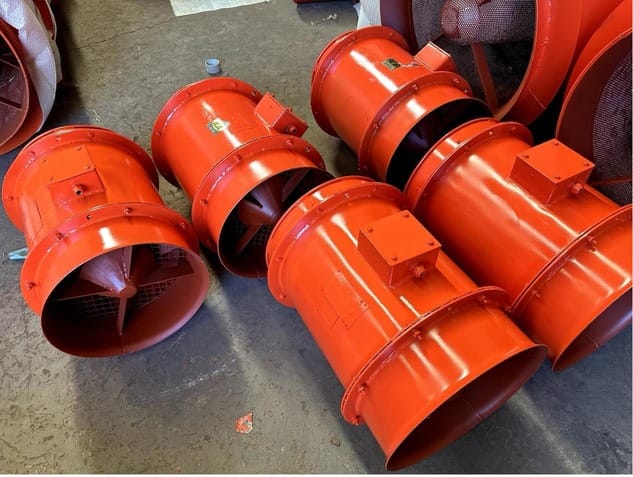
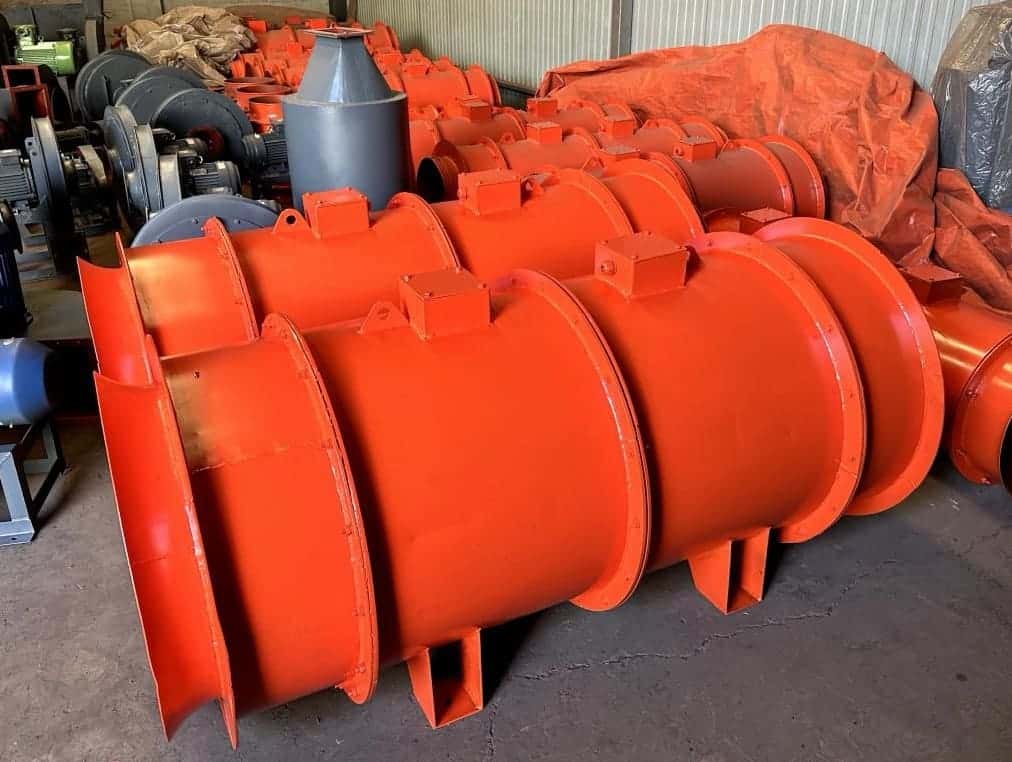
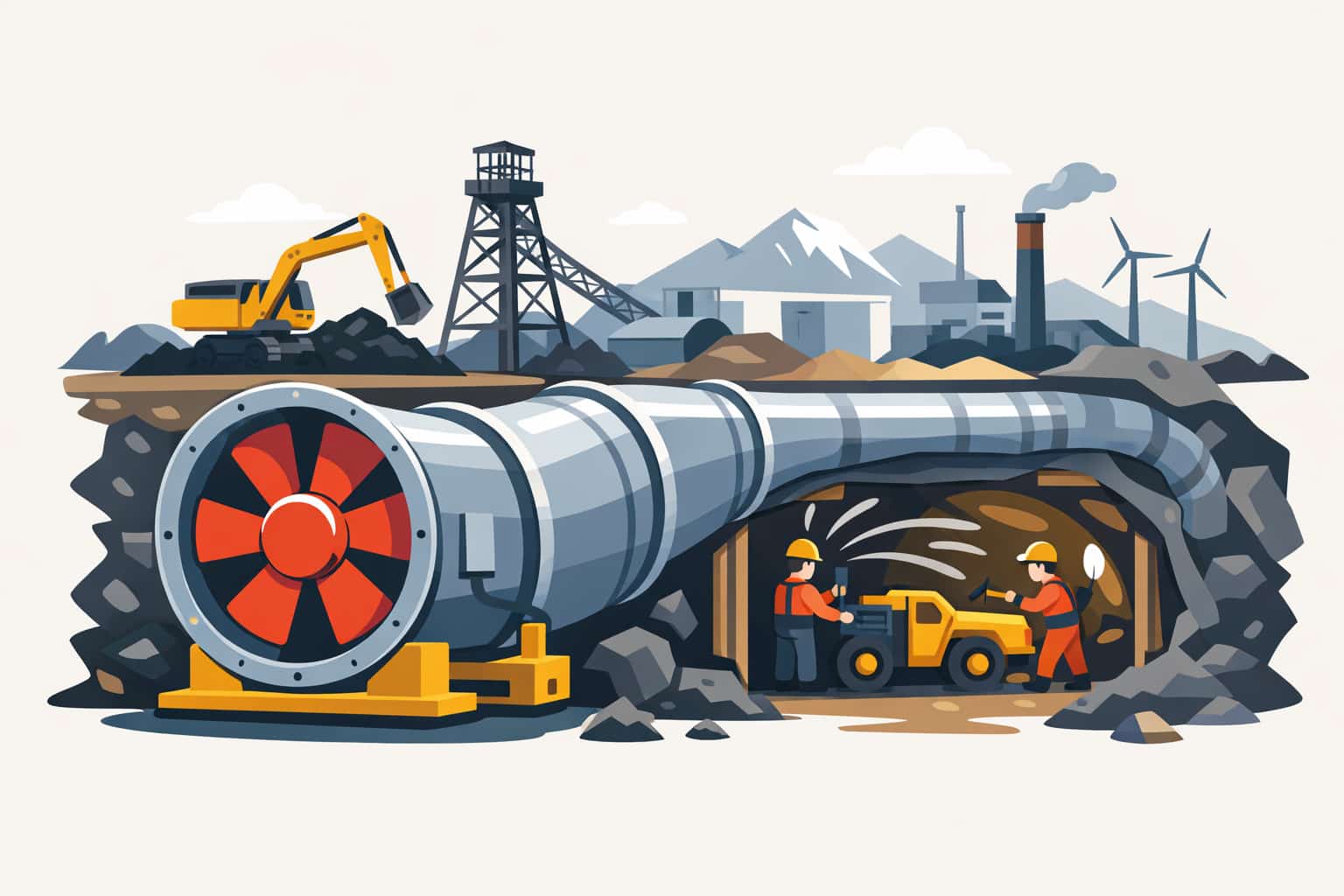
For underground mines, ventilation is normally regulated by mining-specific legislation rather than OSHA’s general industry rules, but the safety principles are similar: maintain sufficient airflow, keep contaminants below exposure limits and ensure that diesel emissions and explosive gases cannot accumulate. Mine ventilation fans, auxiliary duct fans and monitoring systems are therefore critical safety equipment.
OSHA also expects employers to ensure that ventilation equipment is maintained and operated correctly. Fans, ducts and filters must be inspected and kept in good condition so that airflow is not restricted by dust buildup, damage or blocked inlets. Where monitoring shows that contaminant levels are approaching limits, employers are expected to improve ventilation, adjust processes or strengthen other controls.
In summary, OSHA does not prescribe one single ventilation system for every workplace, but it does require employers to provide adequate ventilation so that airborne hazards remain within legal limits. In practice, this means designing, installing and maintaining appropriate industrial fans and ventilation systems wherever workers could be exposed to harmful dusts, fumes or gases.
