












Mine booster fans are typically powered and controlled using robust electric motor systems combined with dedicated starters, drives and automation. Because booster fans are critical safety equipment in underground ventilation, their power supplies and control schemes must be reliable, compliant with regulations and fully integrated into the mine’s overall electrical and control architecture.
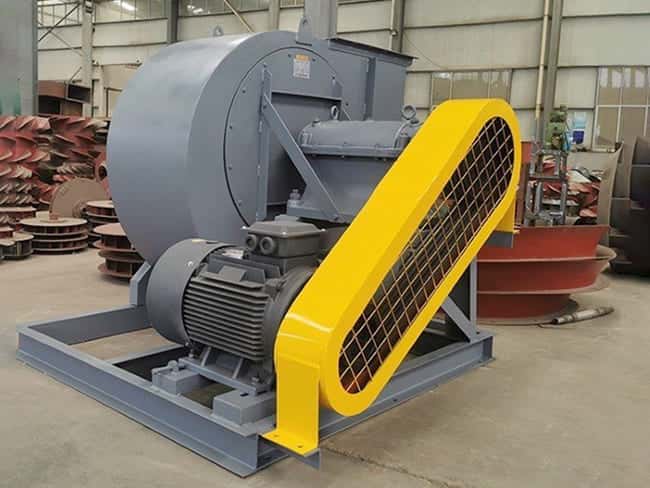
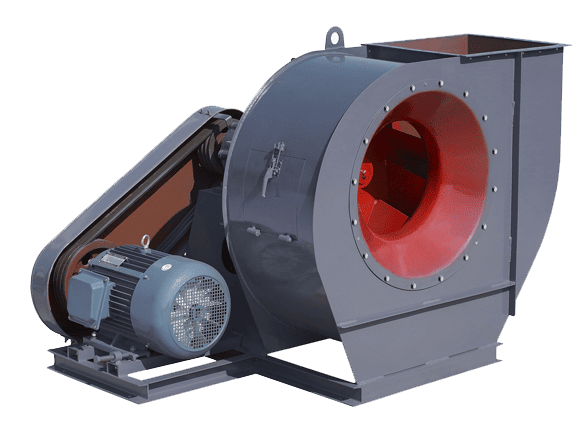
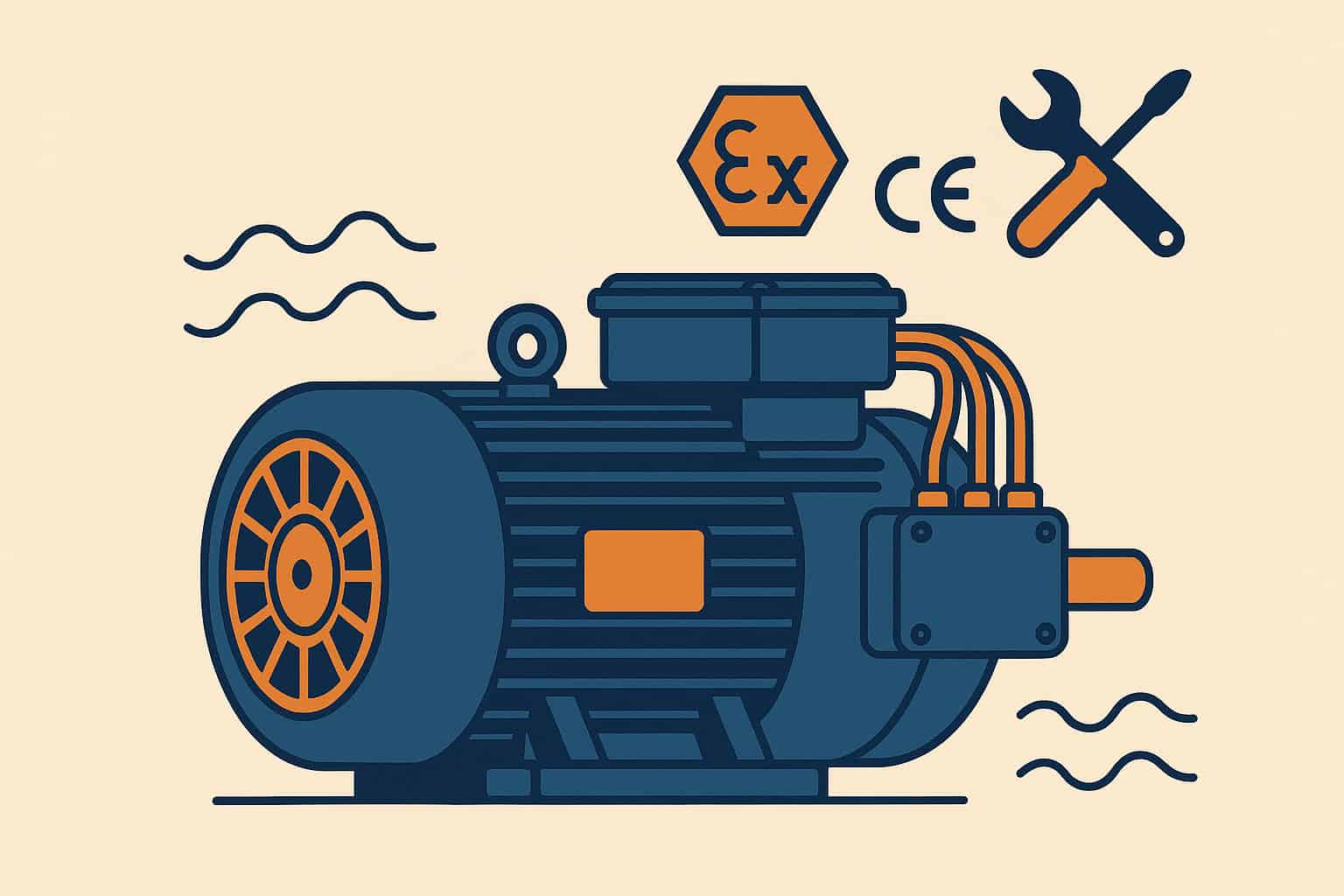
From a power perspective, most booster fans use three-phase electric motors sized to match the required airflow and pressure. In large metal mines, higher-voltage supplies are often used to minimize cable losses and voltage drop over long distances underground. In smaller or shallower mines, booster fans may be supplied at lower voltages, but in all cases the motor, cables and protection devices must be chosen to withstand the harsh mining environment, including dust, moisture, vibration and occasional impacts.
The basic method of control is via motor starters and circuit protection. Traditional systems use direct-on-line or star–delta starters to bring the fan up to speed, combined with overload relays, short-circuit protection and earth leakage devices. In modern designs, variable speed drives (VSDs or VFDs) are increasingly used. A VSD allows the speed of the booster fan to be adjusted dynamically, which lets ventilation engineers fine-tune airflow and pressure as production levels, gas emissions and temperature conditions change over time.
Mine booster fans are usually integrated into a central control and monitoring system. Local control panels near the fan provide manual start, stop and emergency stop functions, as well as status indication and alarms. These panels are connected via communication networks (fibre, copper or wireless) to the mine control room. Operators can then start and stop fans remotely, change speed setpoints on variable speed drives and monitor parameters such as motor current, vibration, bearing temperature and airflow.
In gassy or coal mines, booster fan power and control equipment must meet stringent explosion-proof or flameproof requirements. Motors, switchgear and field devices may need to be housed in certified enclosures or located in intake airways with appropriate separation from return air. Interlocks and permissives are used so that fans cannot be operated in unsafe configurations, and emergency stop systems are designed to shut down or reconfigure boosters according to the mine’s emergency ventilation plan.
Automation plays an increasing role in how mine booster fans are controlled. In advanced systems, booster fans are part of ventilation-on-demand strategies, where fan speeds and operating modes are adjusted automatically based on the location of people and equipment, real-time gas readings and production schedules. This reduces energy consumption while maintaining or improving safety, and it requires reliable communication between fan drives, monitoring sensors and supervisory control software.
In summary, mine booster fans are powered by heavy-duty electric motors supplied through dedicated electrical infrastructure and are controlled by starters or variable speed drives. They are monitored and operated using local panels and centralized control systems, often with automation and ventilation-on-demand logic, all designed to ensure safe, reliable and energy-efficient booster ventilation.
