
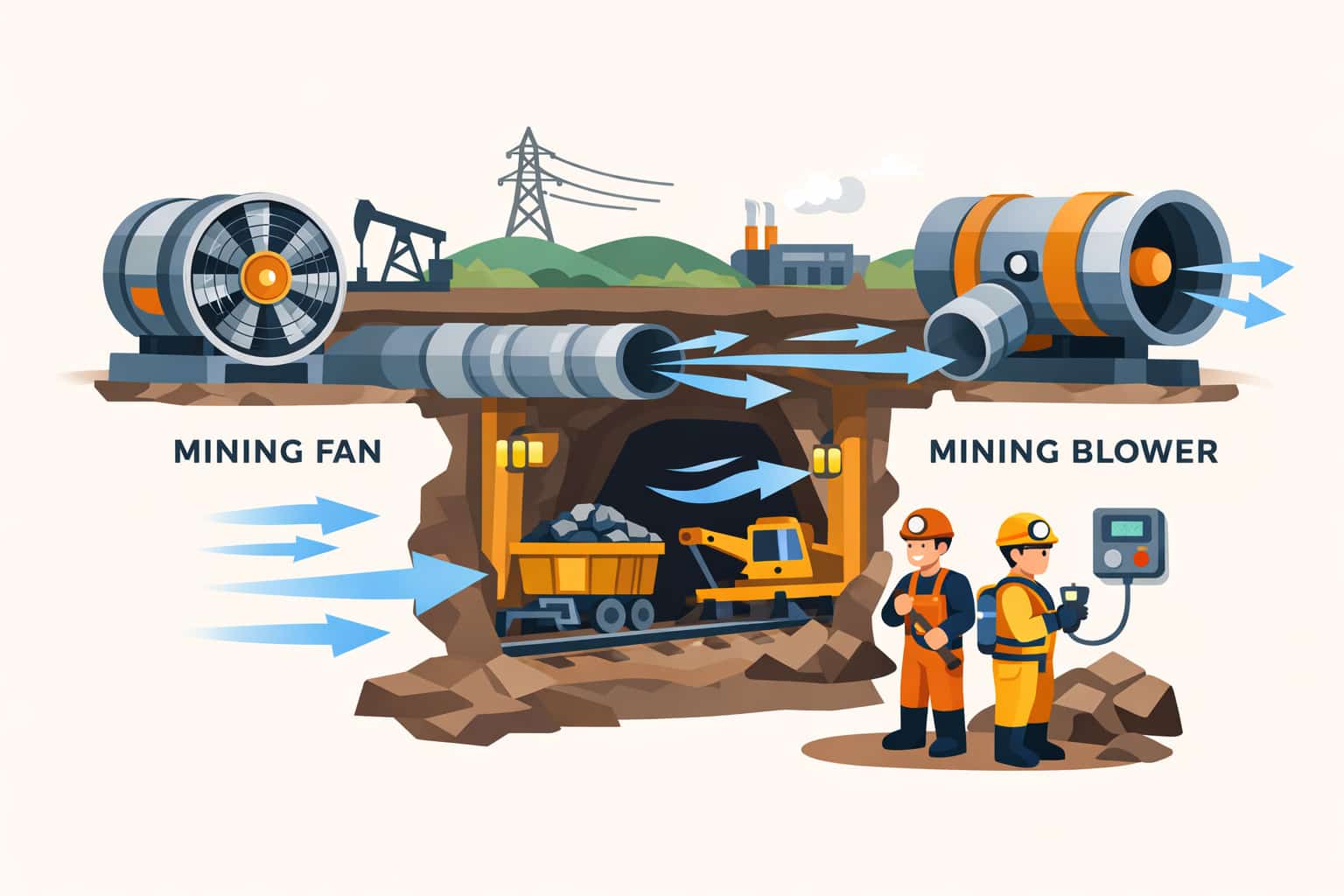
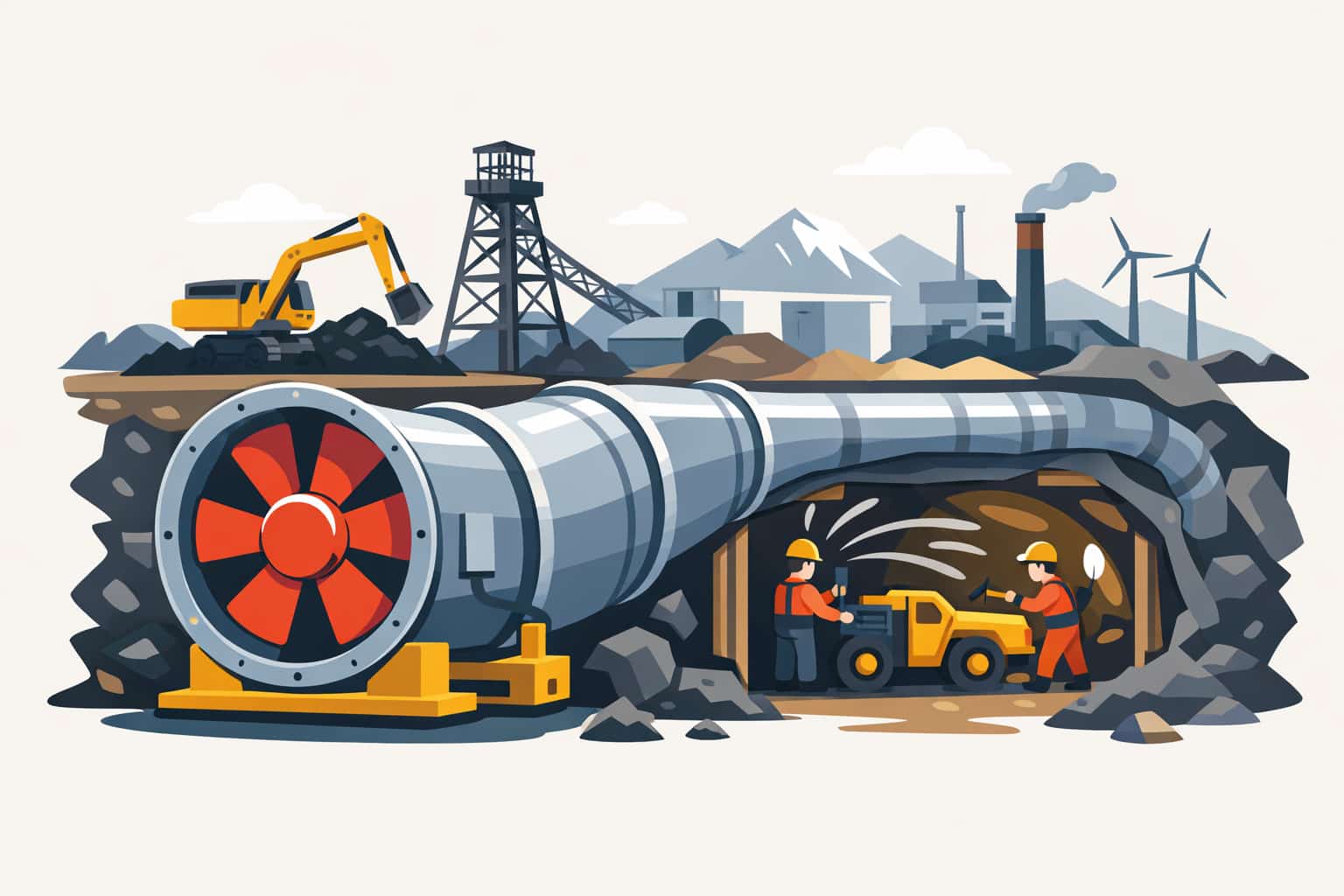
Mines are ventilated using a carefully engineered airflow network that delivers fresh air from surface openings to underground workings and removes contaminated air through dedicated return routes. Because modern mines are deep, extensive, and highly mechanized, simple natural airflow is not enough; large ventilation fans and control devices are needed to keep air quality, temperature, and airflow within safe limits across all levels and districts.
Ventilation starts with the layout of intake and return airways. Intakes carry fresh air from shafts, declines, or adits into the mine. Returns carry used air—containing dust, diesel exhaust, blasting fumes, and heat—back toward the surface. The mine layout is planned so that each production level and development district has clear intake and return paths, avoiding short circuits where air bypasses working faces.
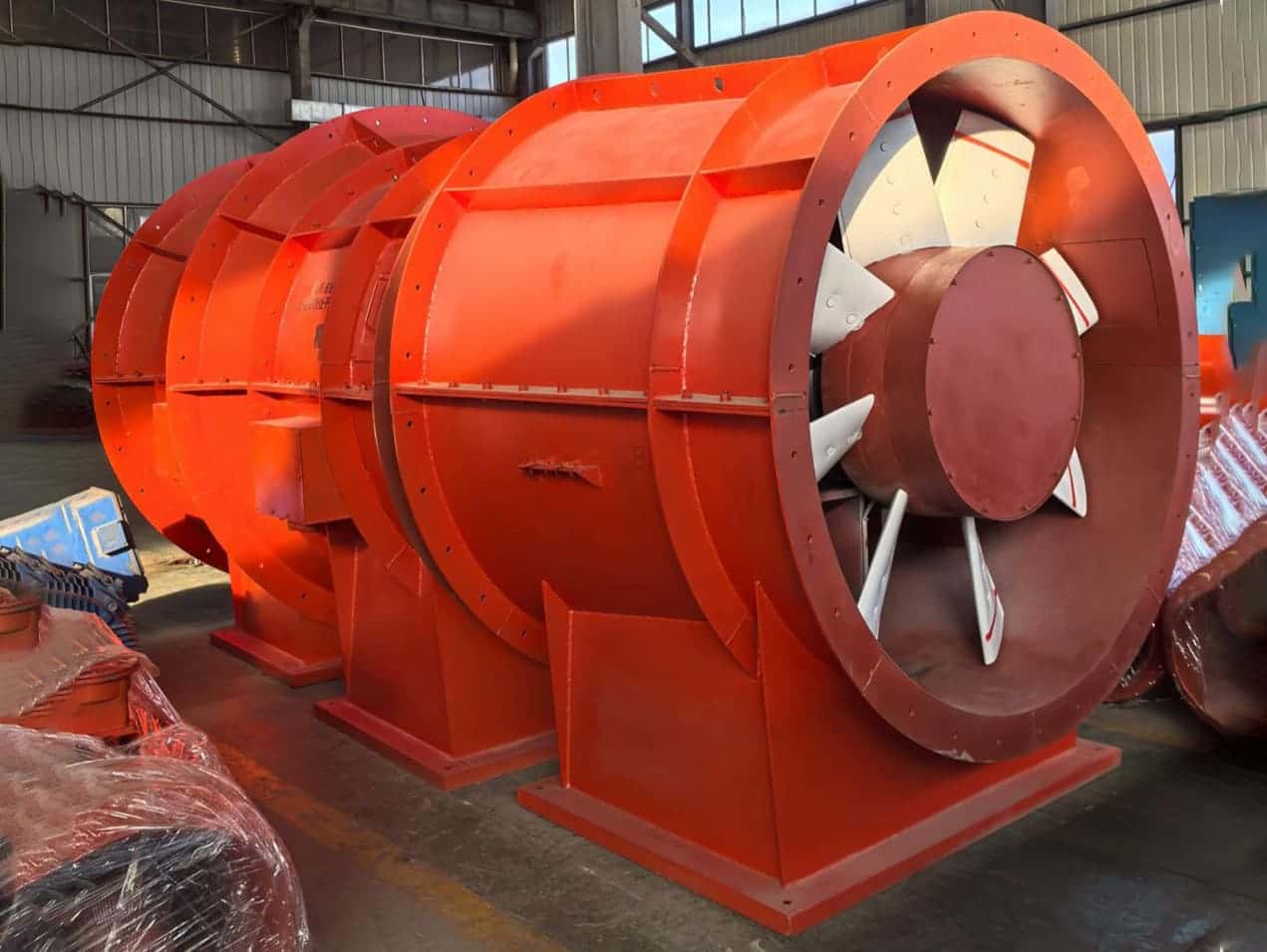
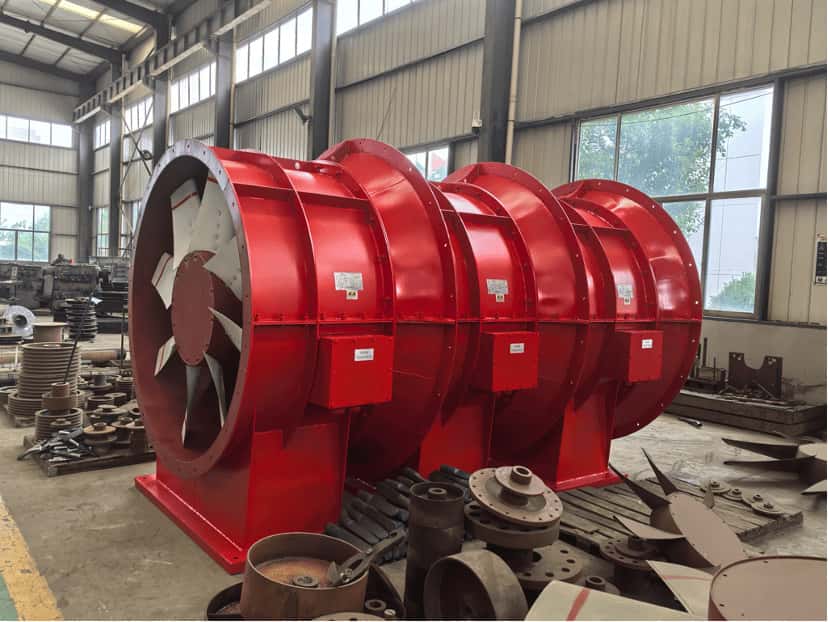
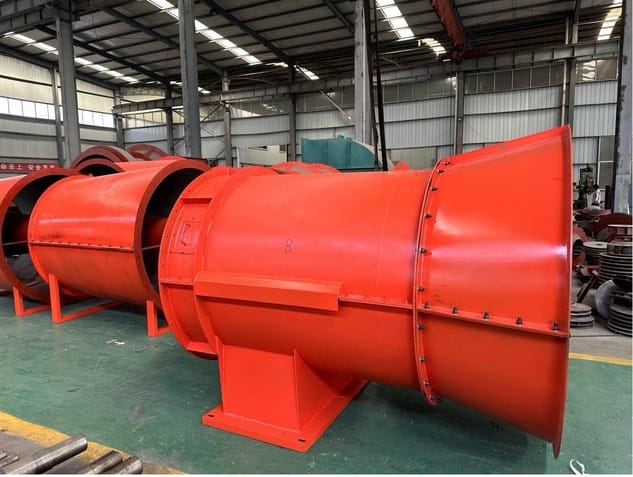
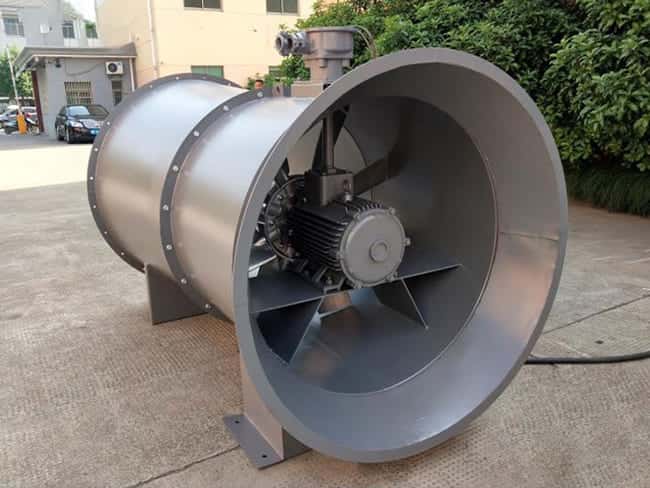
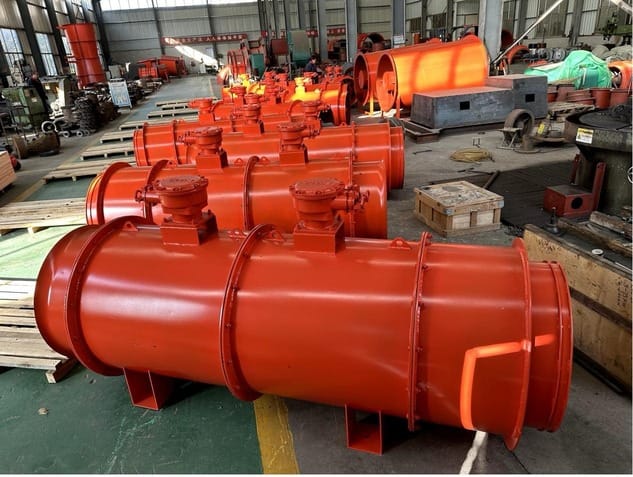
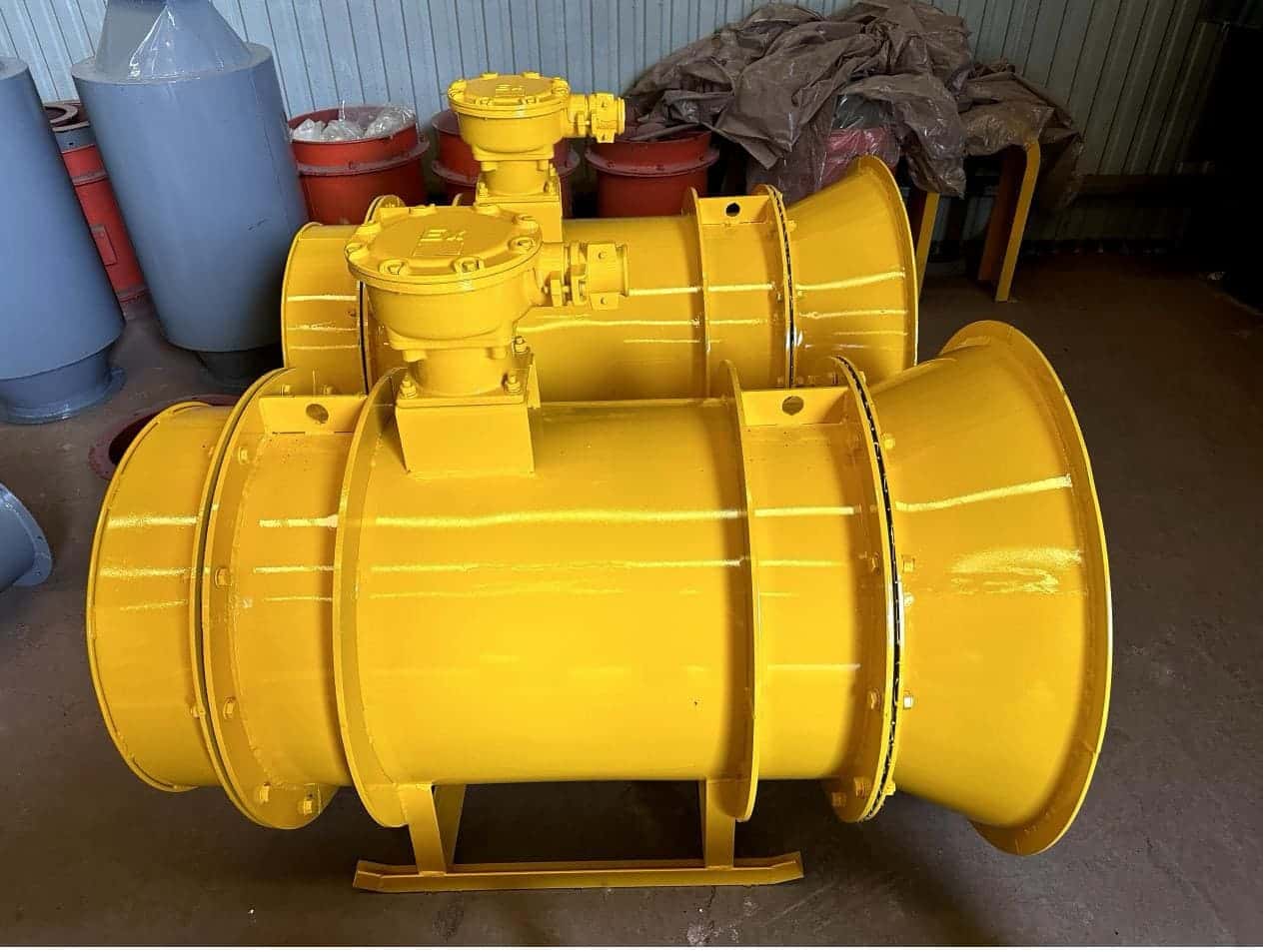
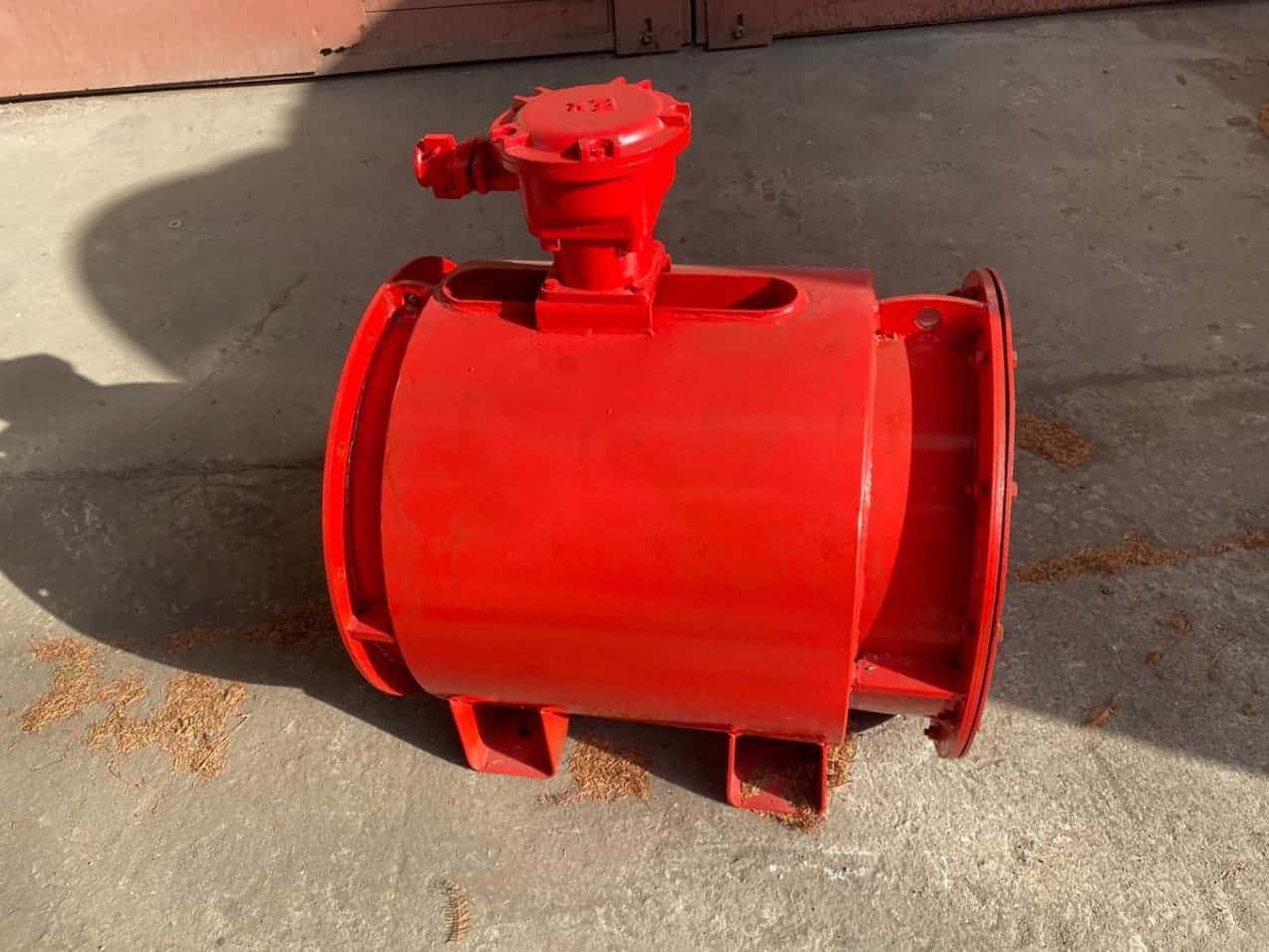
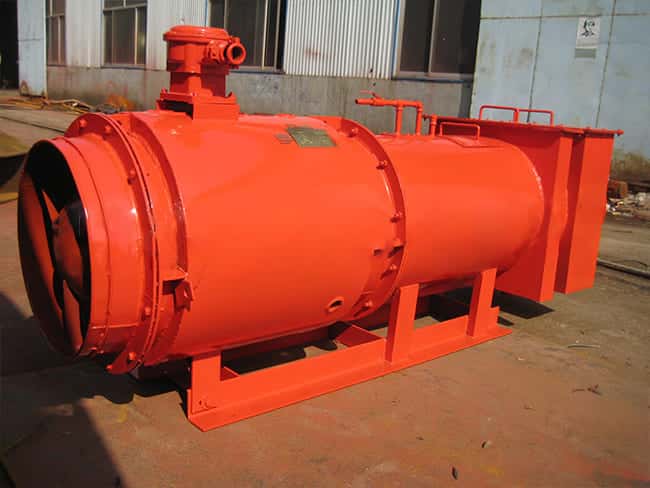
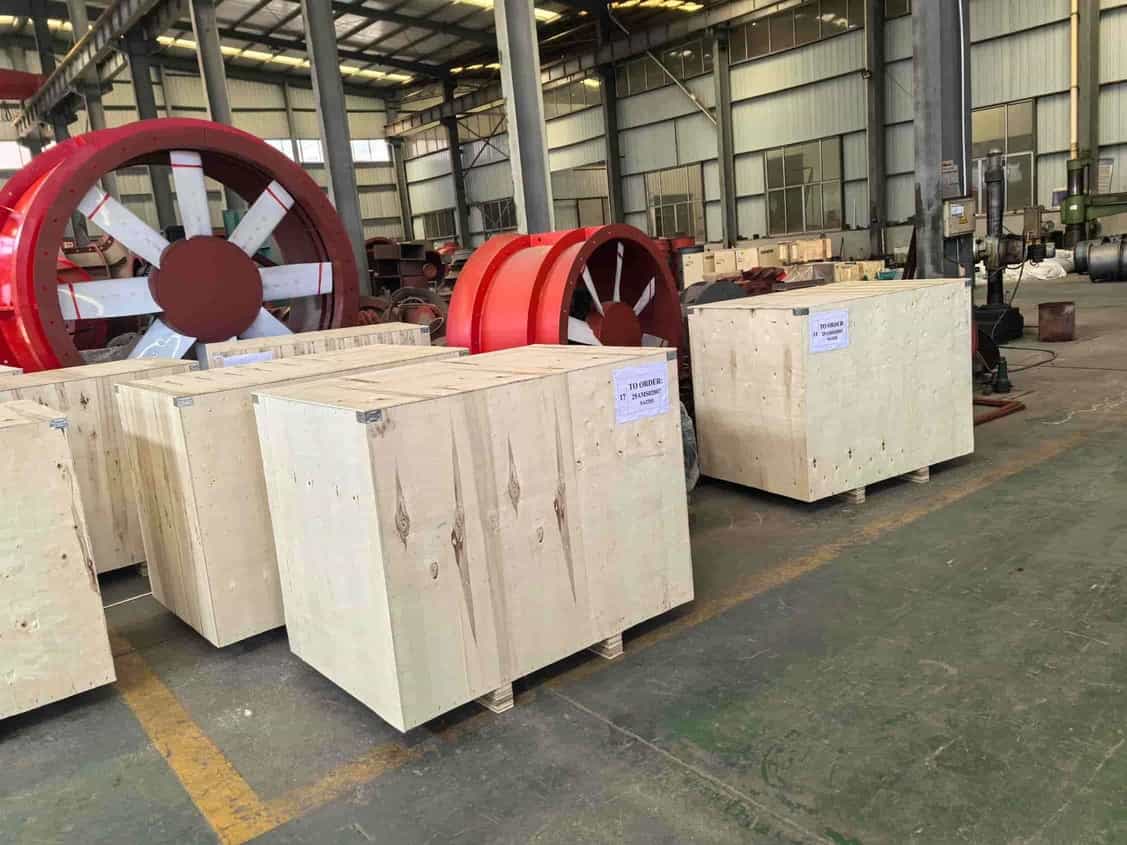
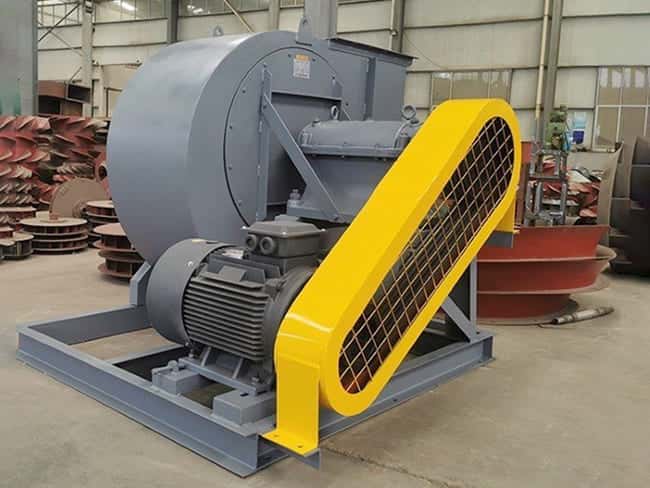
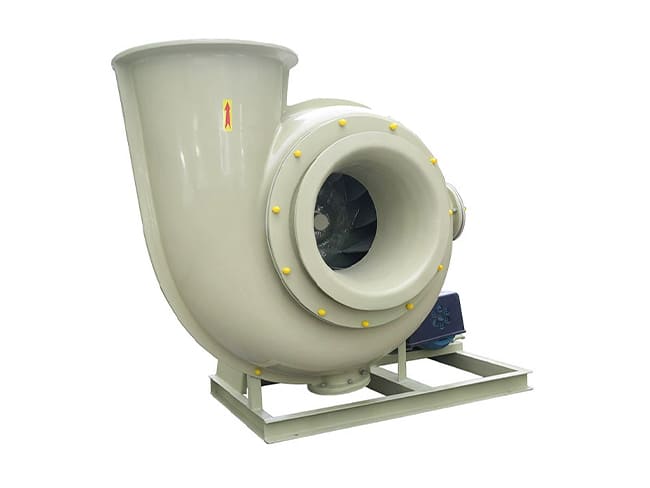
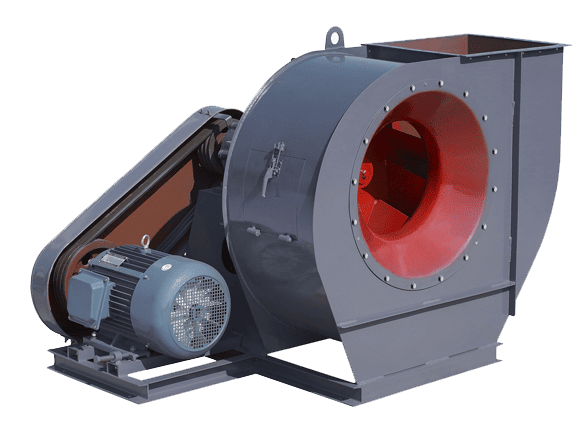
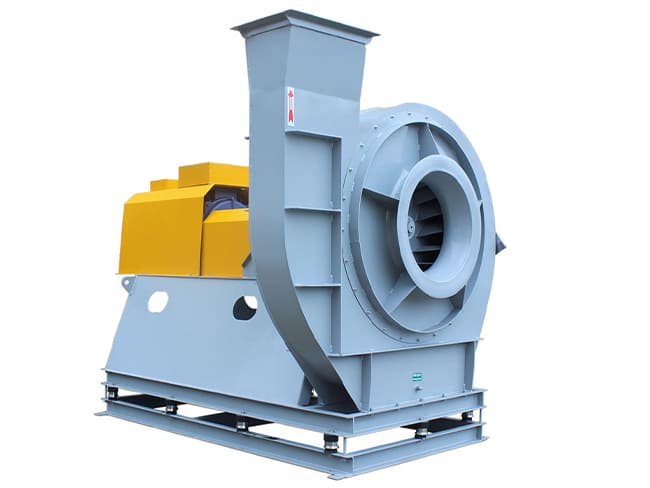
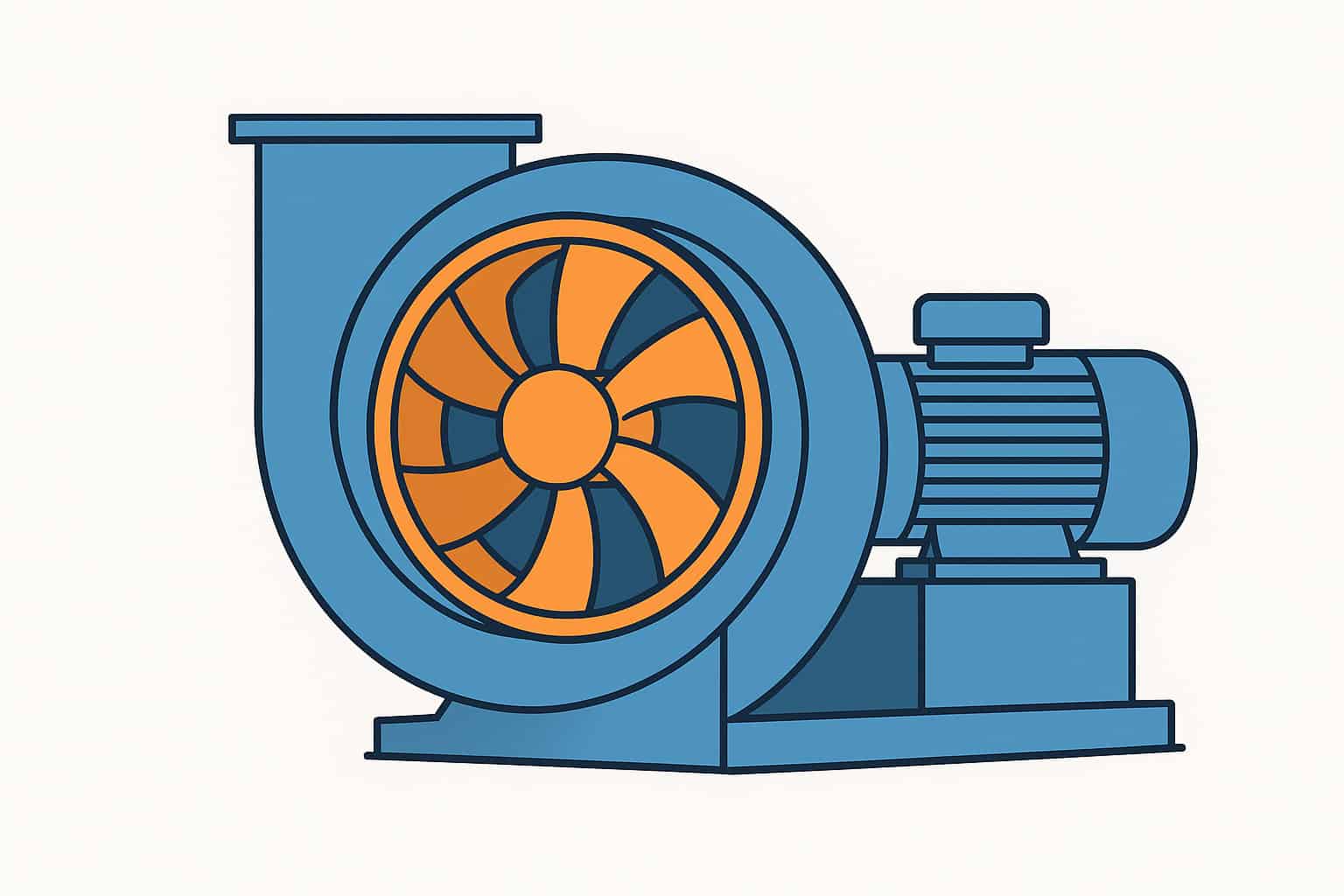
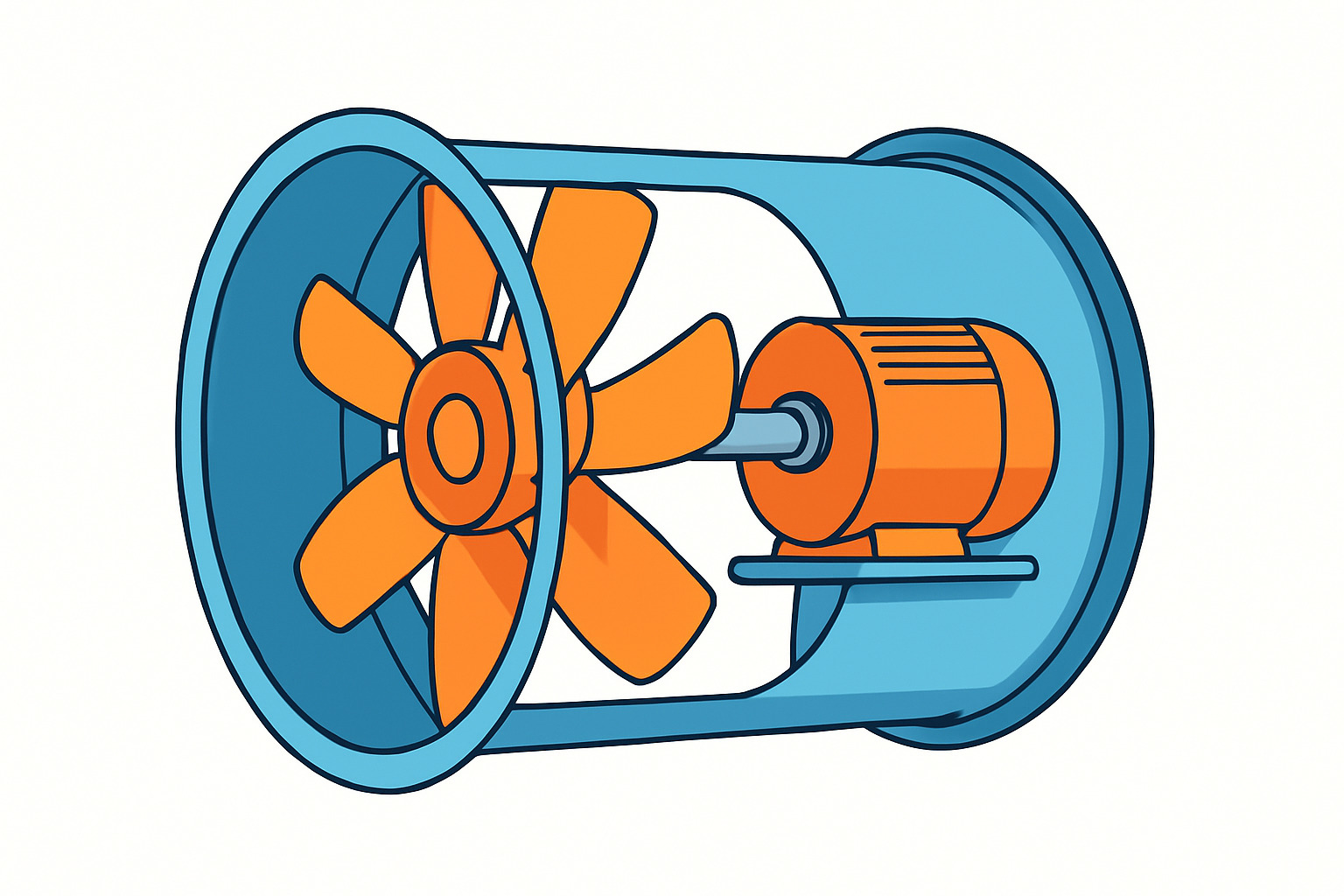
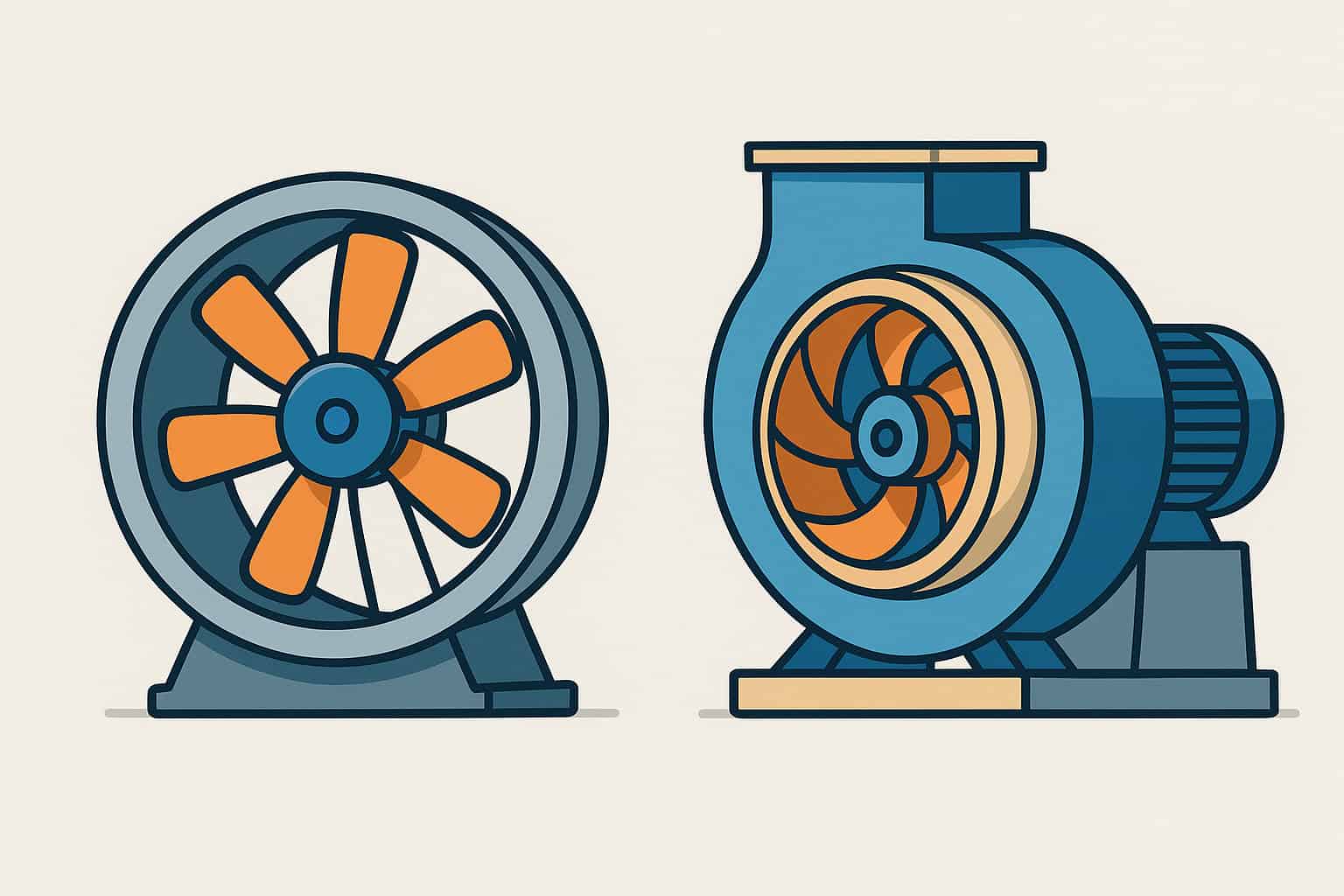
To drive airflow through this network, mines use large main ventilation fans installed at surface fan stations connected to shafts or drifts. These fans may operate as exhaust fans, pulling air out of the mine, or as forcing fans, pushing air in, or in a combination depending on design. They are usually axial or centrifugal fans sized to provide the required volume and pressure for the entire mine. Many operations run main fans continuously and use duty/standby arrangements for reliability.
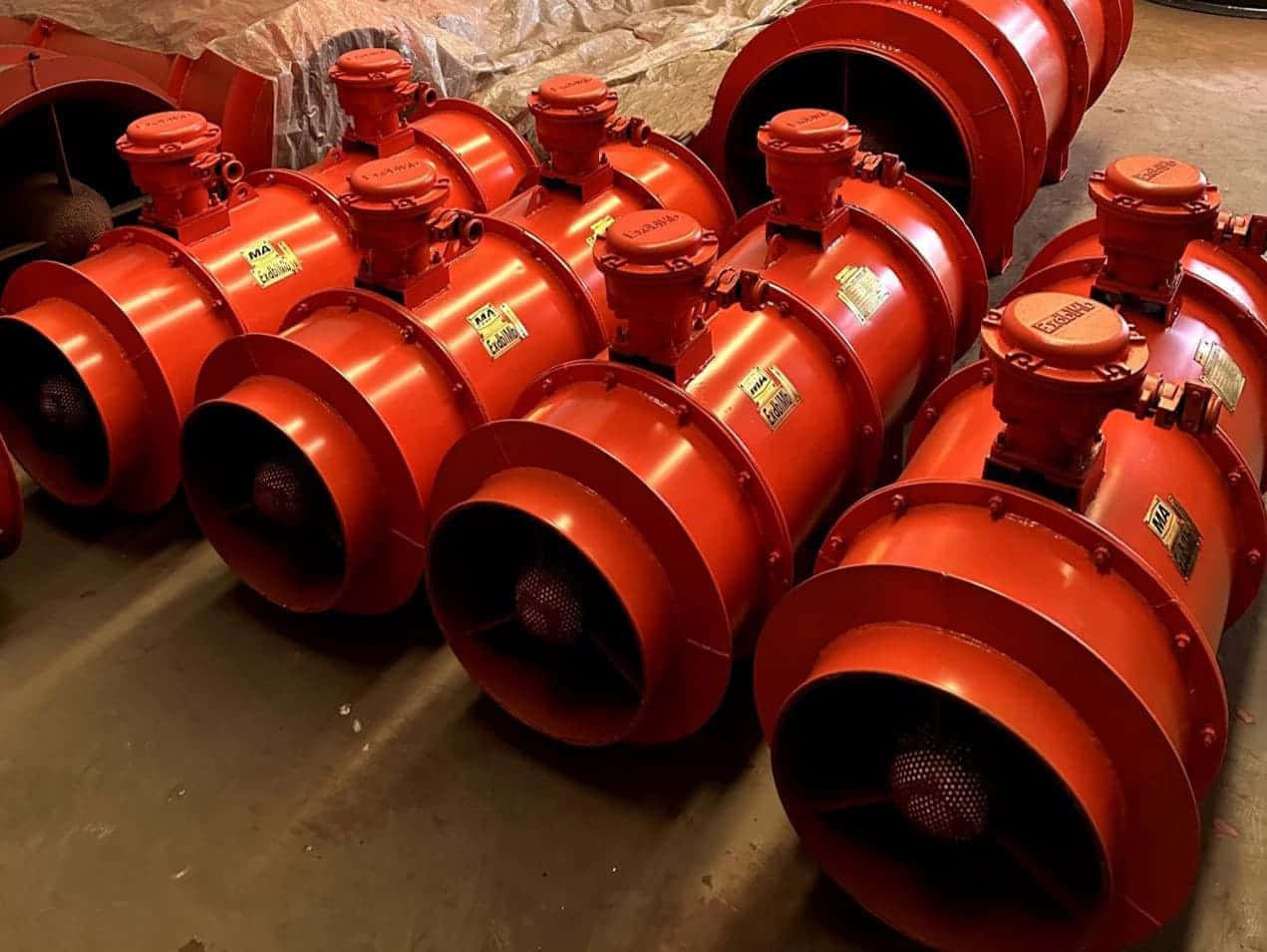
In deep or complex operations, booster fans may be added inside the network to increase pressure in specific branches or districts. These fans help maintain target airflow in areas far from intakes or in high-resistance circuits. Because booster fans affect pressure distribution and airflow splits, their location and operation are carefully engineered and monitored to avoid recirculation or unstable flows.
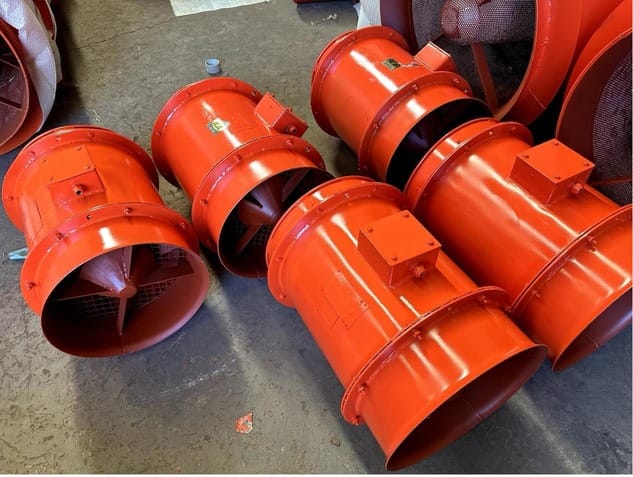
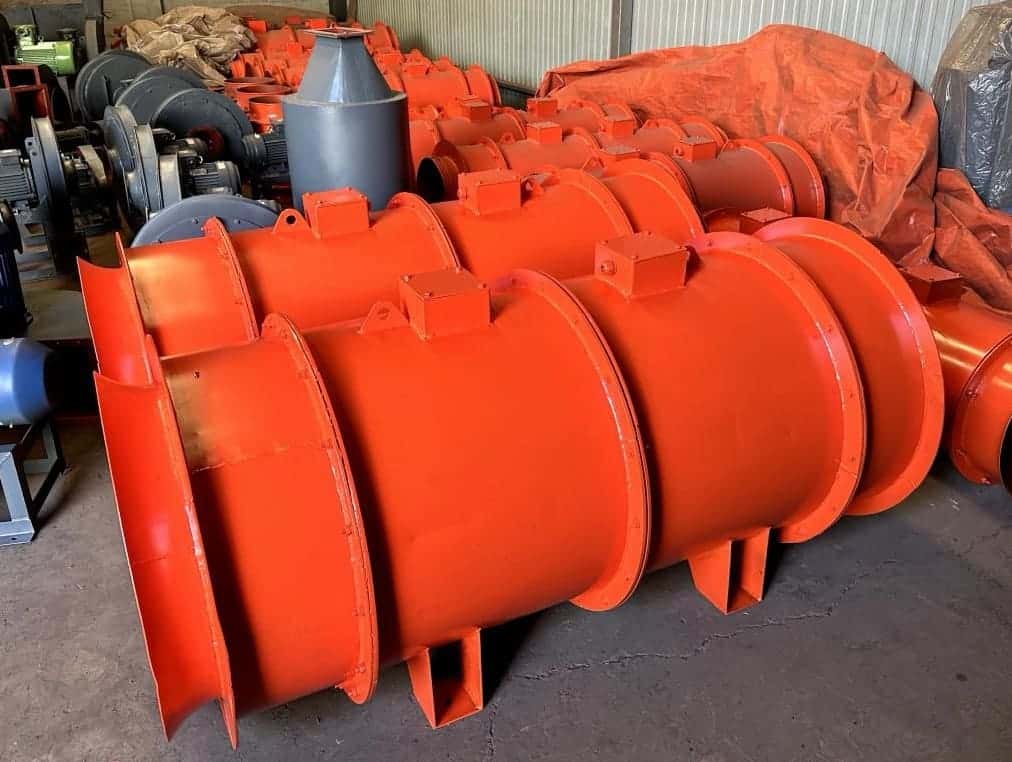
Closer to the working faces, mines rely on auxiliary ventilation systems. Smaller fans connected to flexible or rigid ducting deliver fresh air to headings, blind ends, and crosscuts where the main airflow alone cannot reach. In a forcing arrangement, the auxiliary fan pushes clean air through ducts to the face; in an exhaust arrangement, it pulls contaminated air away from the face into returns. Duct design, leakage control, and outlet positioning are critical to ensure that required airflow actually reaches the workers and equipment.
Airflow distribution is shaped by ventilation control devices such as regulators, doors, stoppings, seals, and air crossings. Regulators adjust resistance in branches to balance airflow between districts. Doors and airlocks allow vehicle passage while maintaining separation between intakes and returns. Stoppings and seals divide airways and isolate abandoned areas to prevent contaminated air from migrating into active zones.
Finally, mines are ventilated through continuous measurement and adjustment. Airflow, gas levels, temperature, and pressure are measured at key points. Engineers update ventilation models and plans as the mine advances, relocate auxiliary systems, and adjust regulators and fan speeds. Some operations implement ventilation on demand, using automation to change fan output and regulator settings based on real-time needs.
In summary, mines are ventilated by combining main, booster, and auxiliary fans with intake and return airways and a set of control devices that guide and balance airflow. This integrated system keeps air clean, breathable, and thermally acceptable, and it evolves alongside the mine as new levels and districts are opened.