
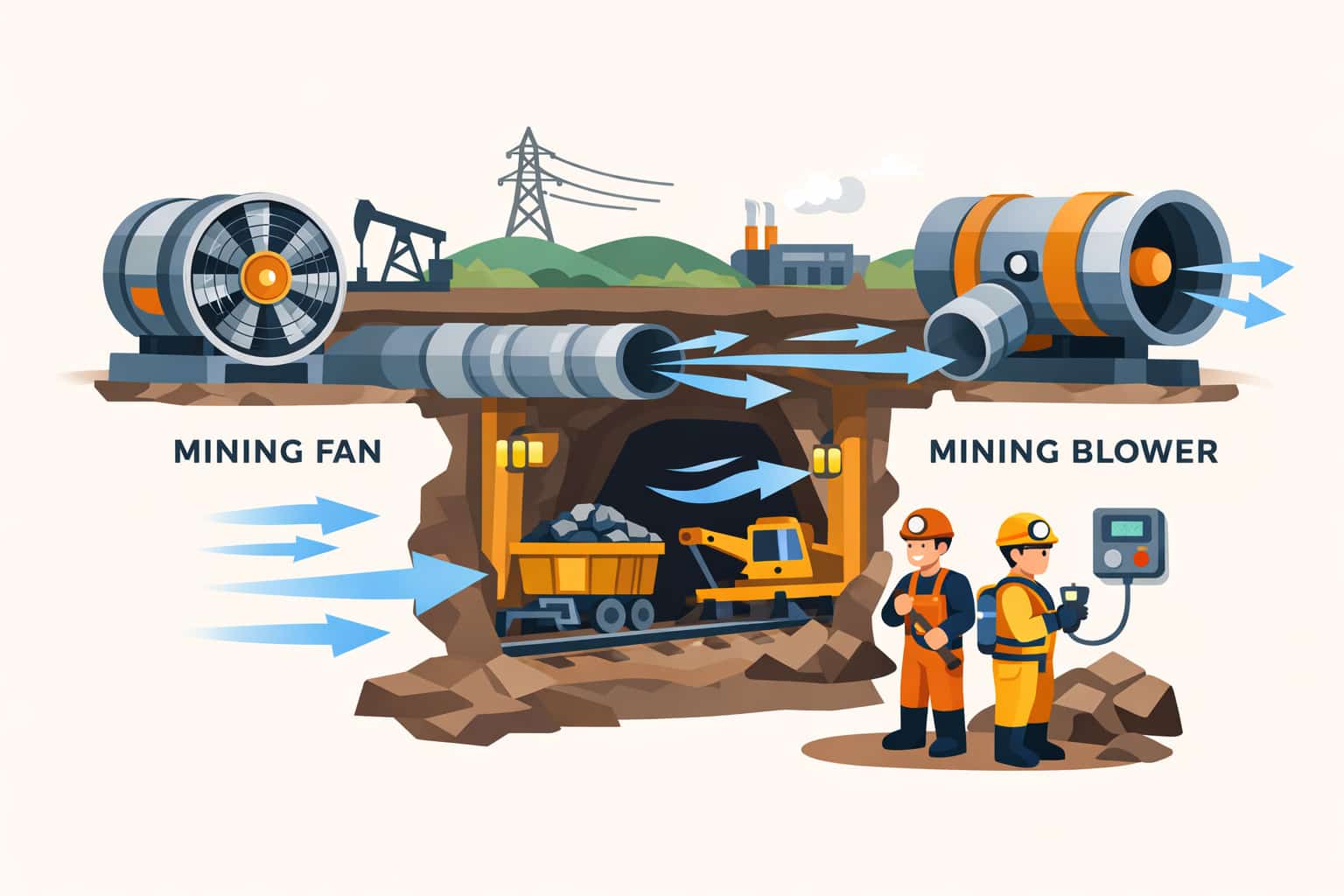
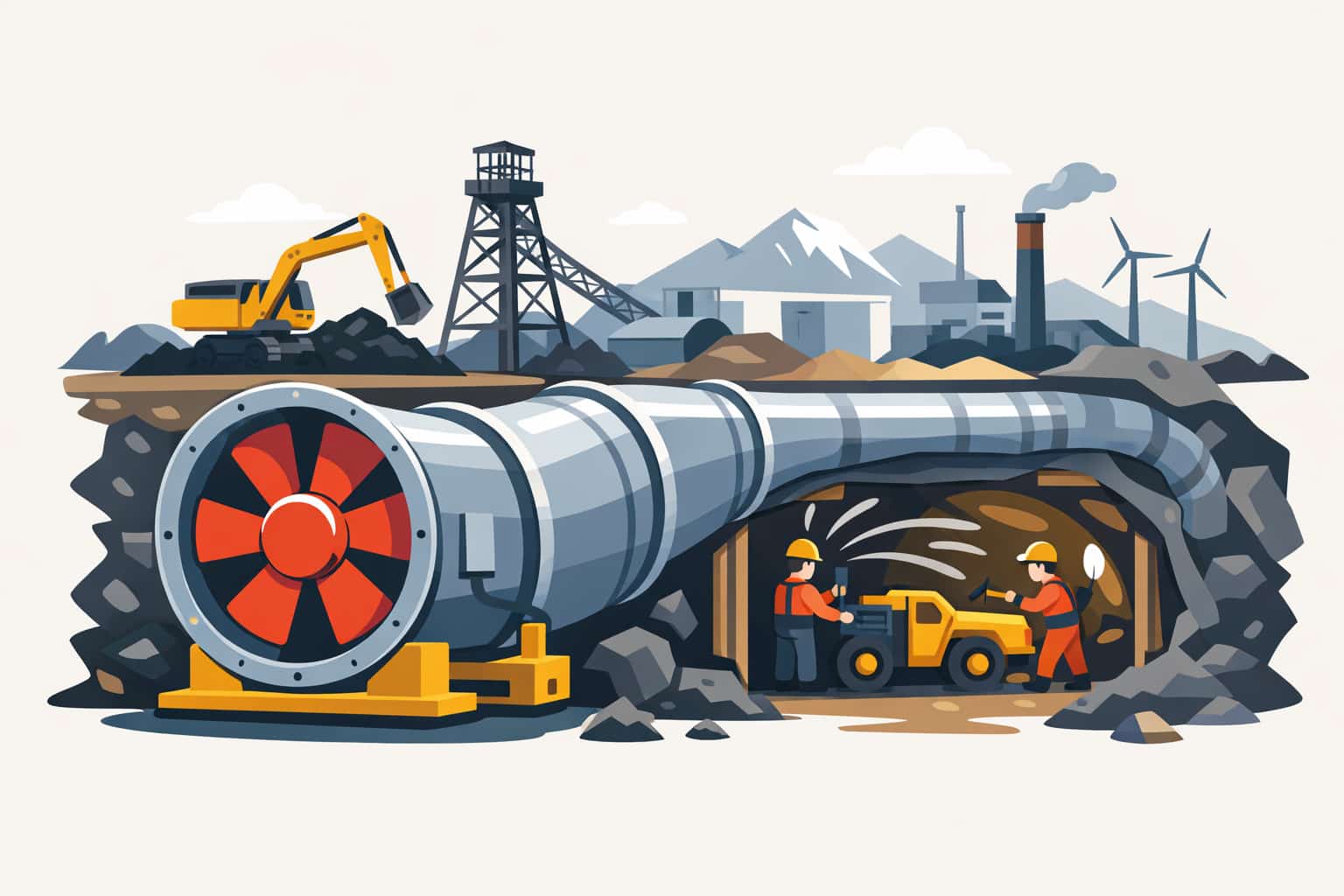
Underground mines are ventilated using a deliberately engineered airflow network that brings fresh air from the surface, distributes it through working areas, and removes contaminated air through return airways. The system combines main fans, airways, and ventilation controls with local auxiliary ventilation to ensure safe conditions across a constantly changing mine layout.
At the highest level, ventilation starts with intake and return routes. Intakes carry clean air from the surface into shafts, declines, and drifts, feeding districts and work areas. Returns carry used air, containing dust, diesel exhaust, and blasting fumes, back toward the exhaust point at surface. To keep air flowing in the desired direction, mines use stoppings, seals, doors, and overcasts or undercasts to separate intake and return routes and limit leakage between them.
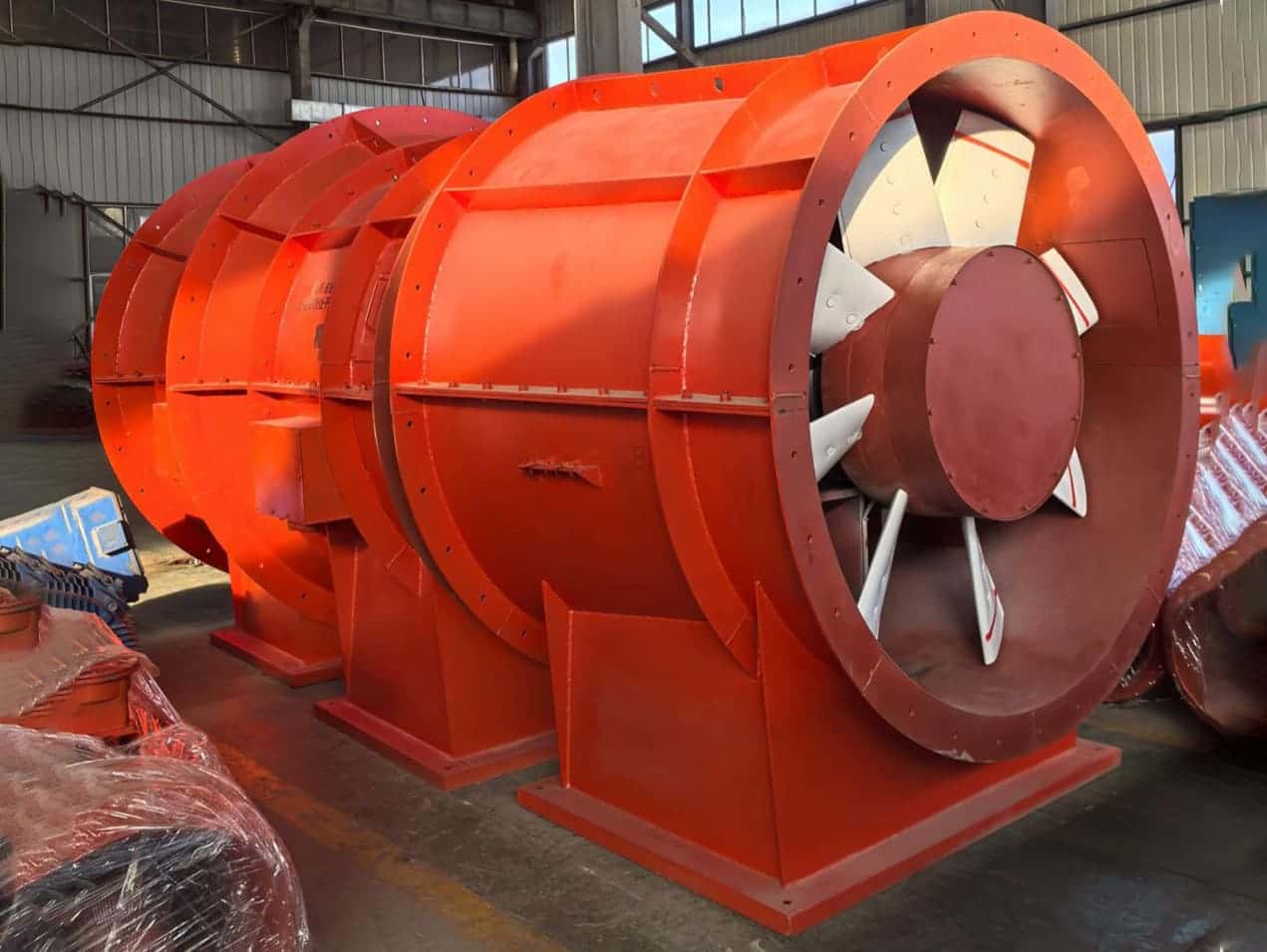
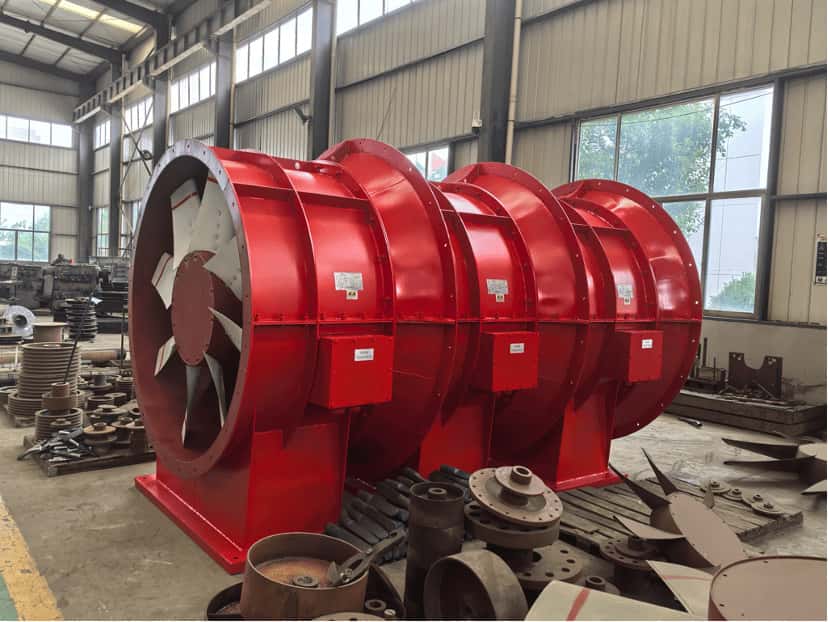
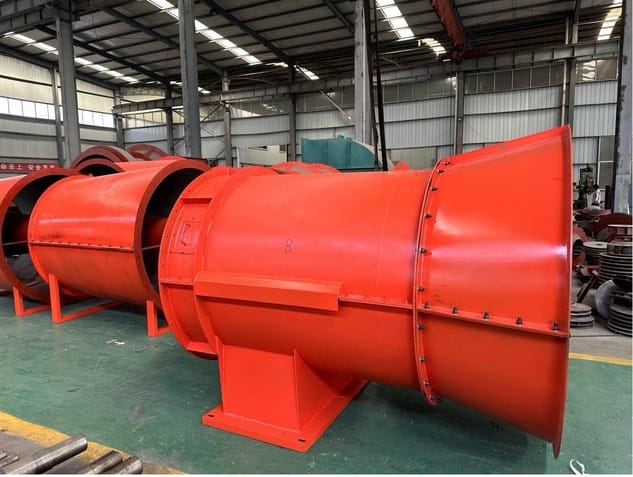
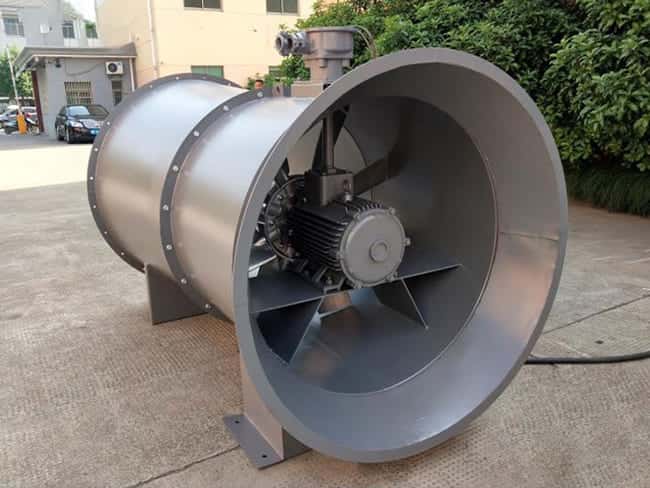
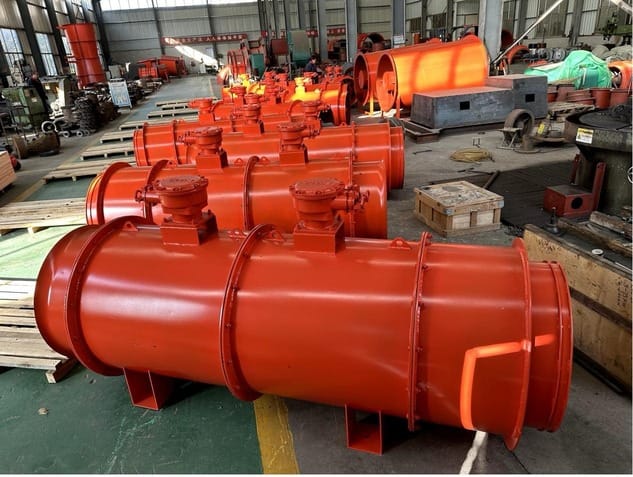
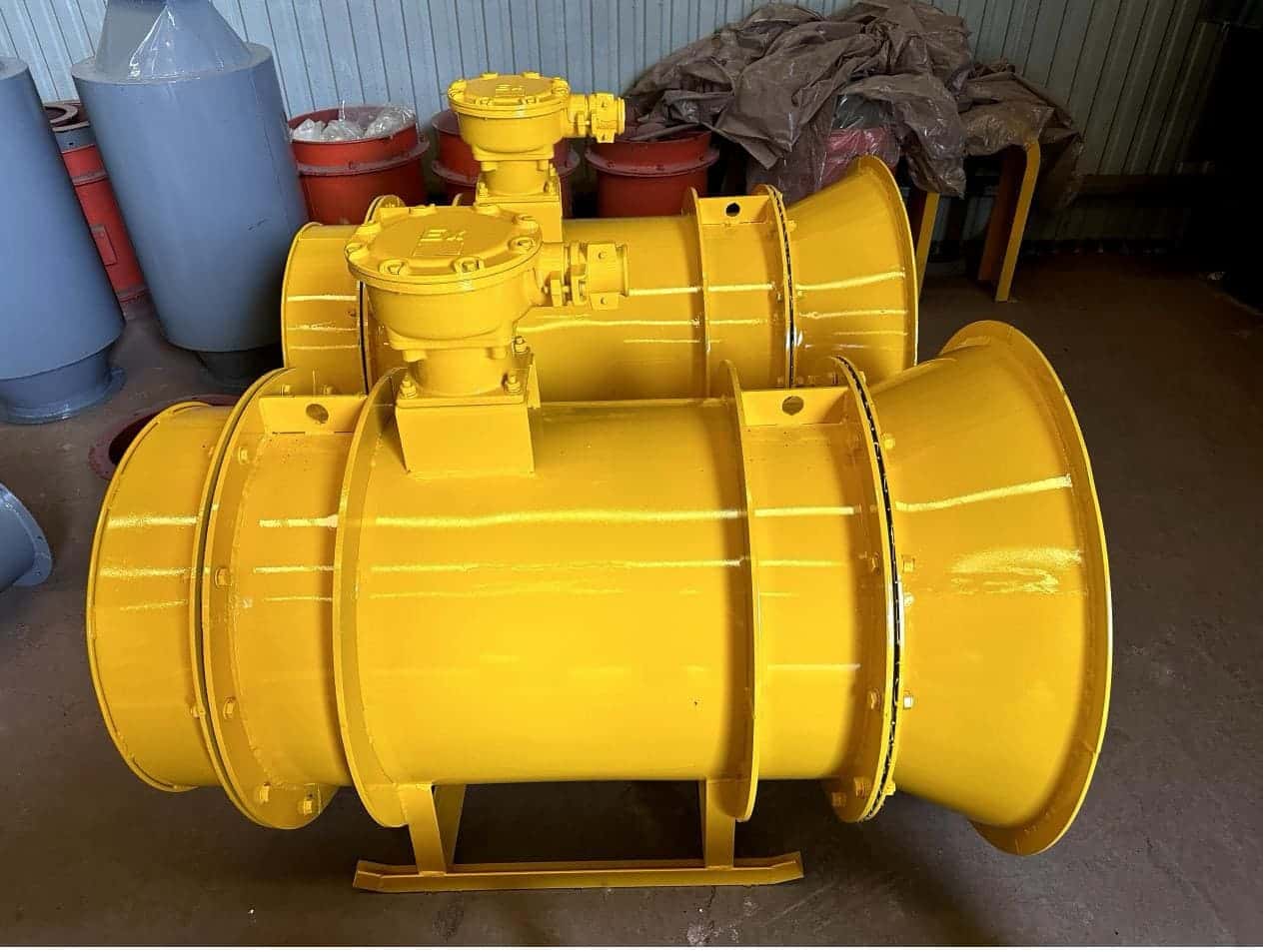
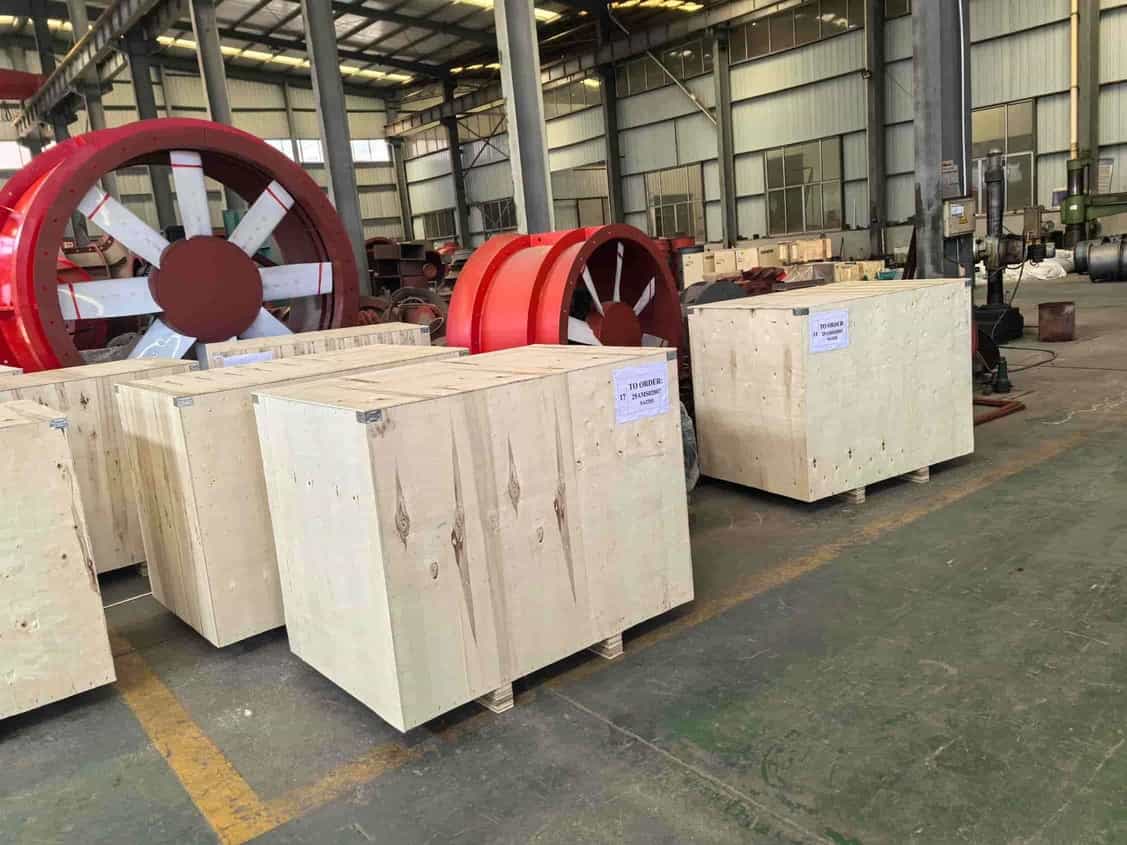
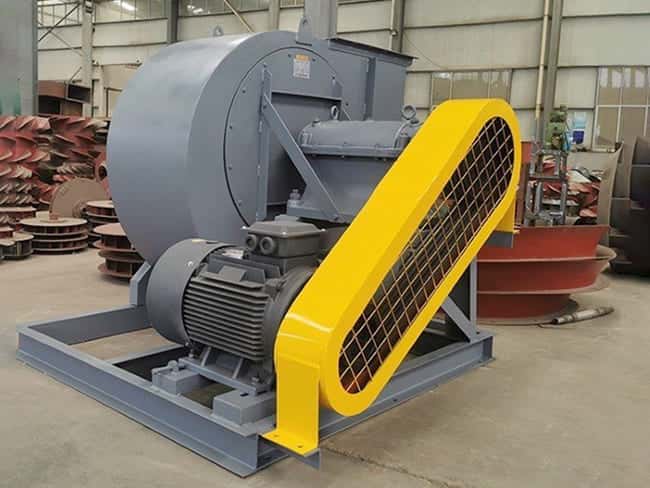
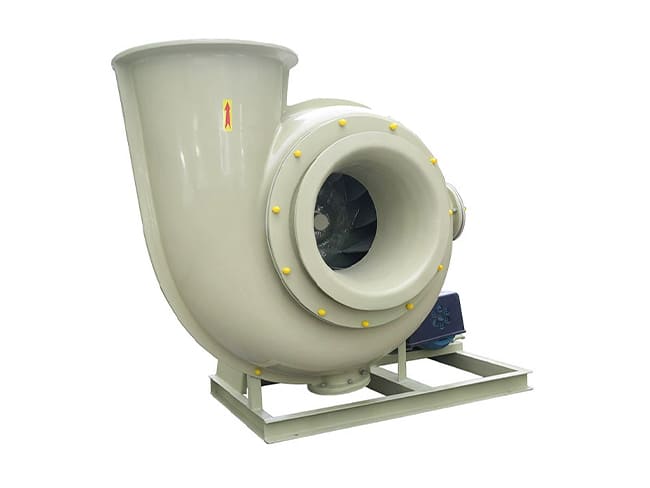
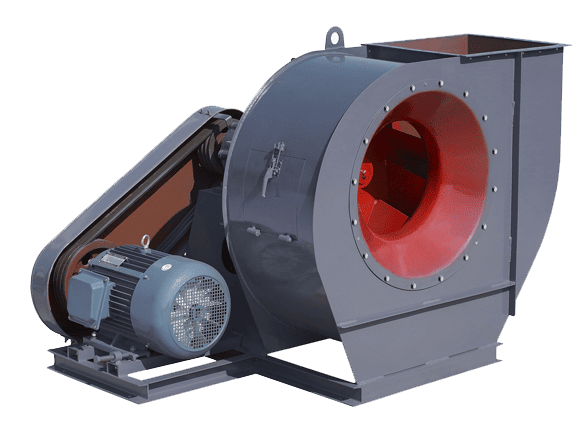
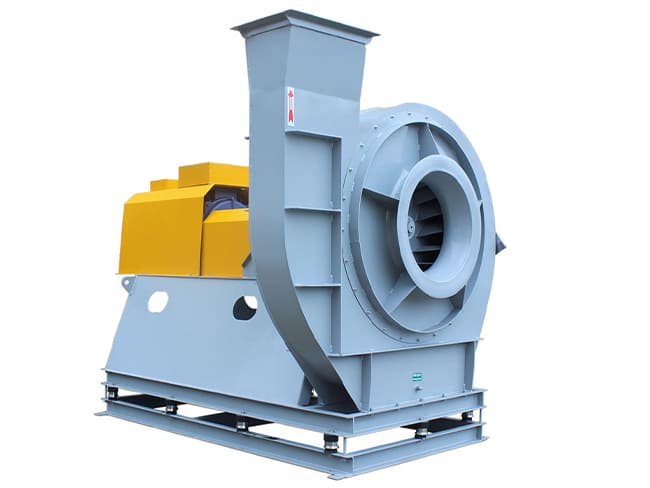
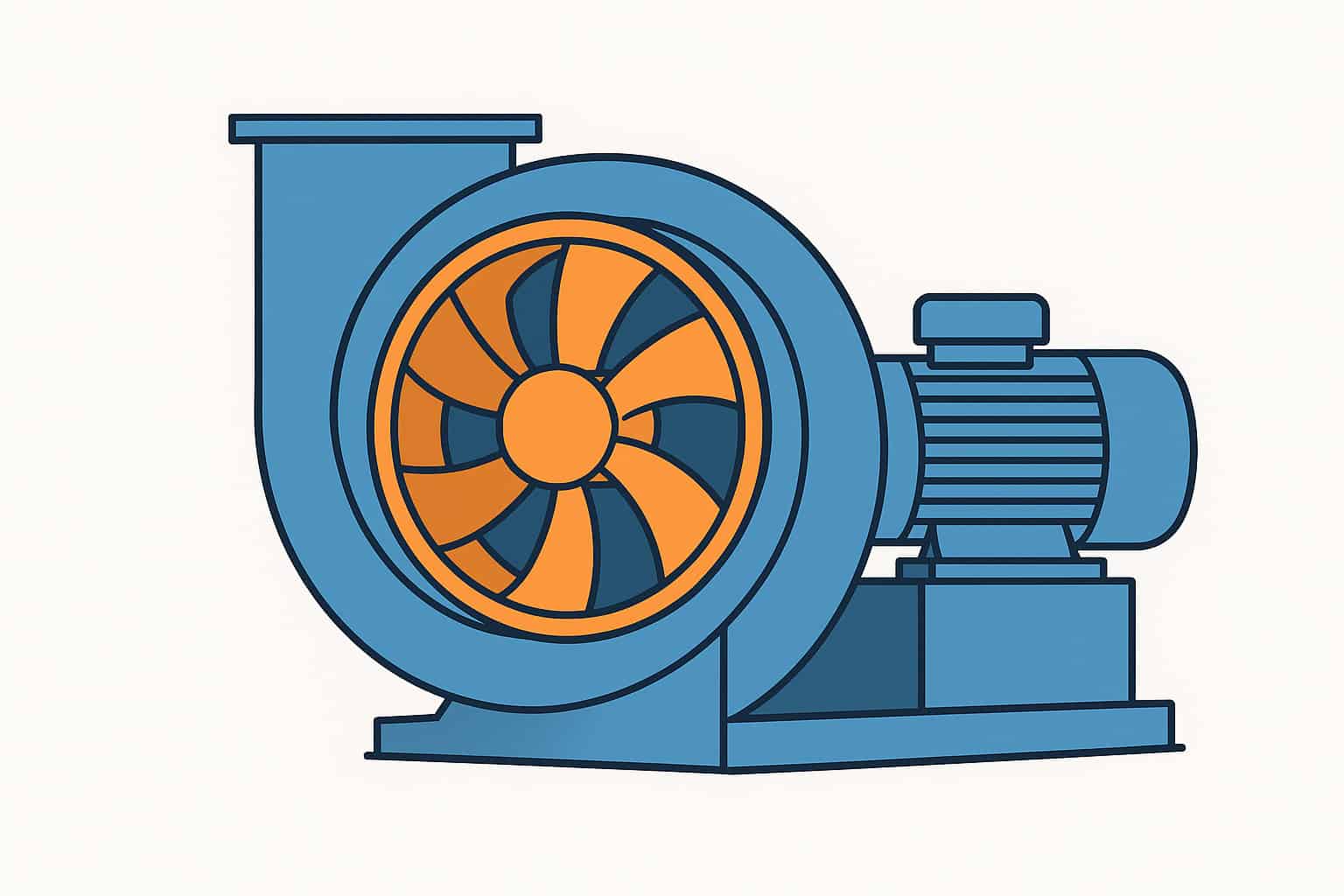
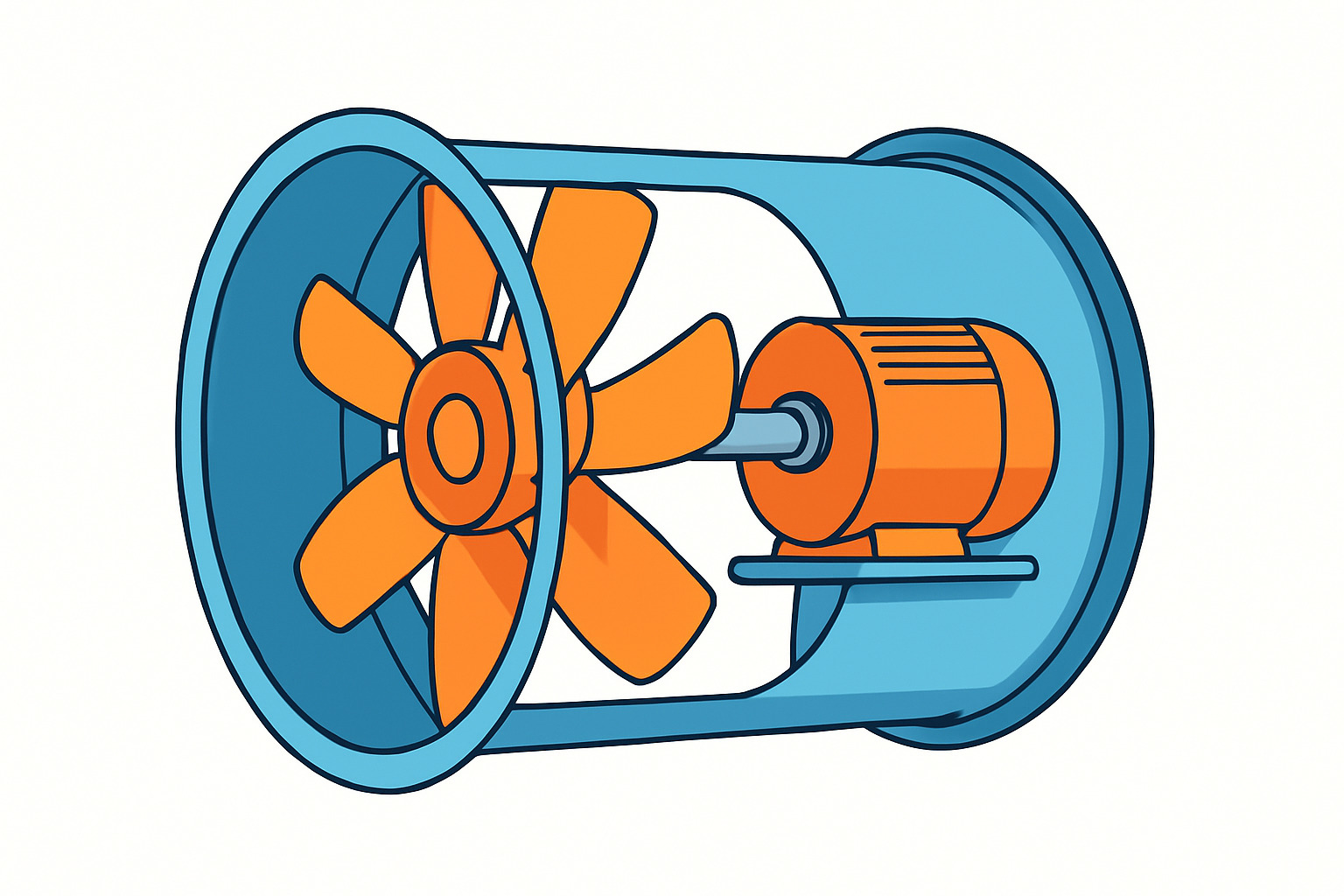
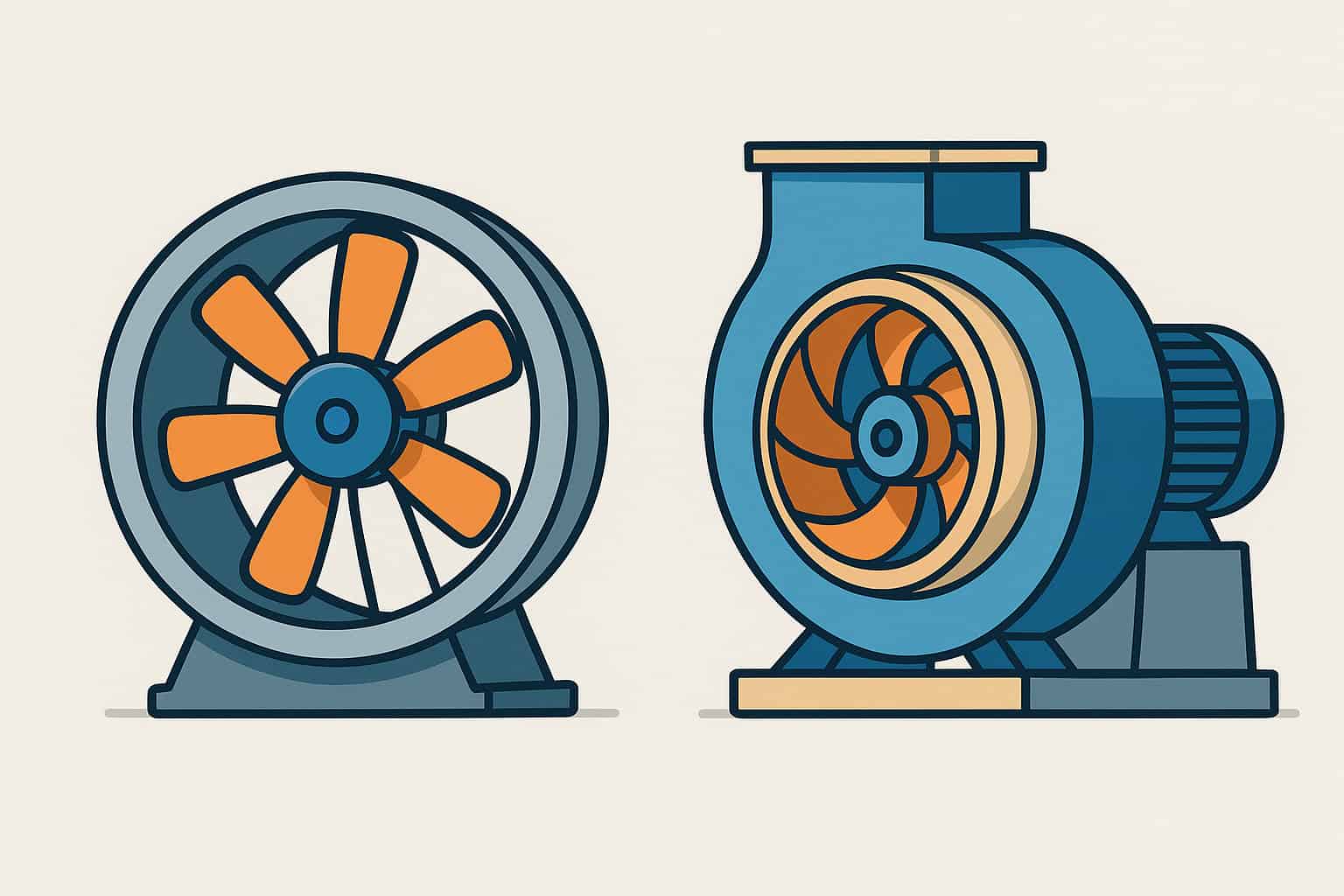
The pressure difference that drives this airflow is provided by main mine fans. These large axial or centrifugal fans are typically installed at the surface on shafts or portals. Depending on design, they may operate as exhaust fans (pulling air out of the mine) or forcing fans (pushing air in), or a combination of both. Main fans are selected to meet the required duty point—the airflow and static pressure required for the mine resistance network—and often run continuously.
In deep or extensive mines, booster fans may be added within the network to increase airflow in specific districts or panels. Booster fans raise pressure in a branch to overcome additional resistance from long airways or complex layouts. Because they affect airflow splits across the network, booster fans must be designed, controlled, and monitored carefully to prevent undesirable recirculation and unstable flows.
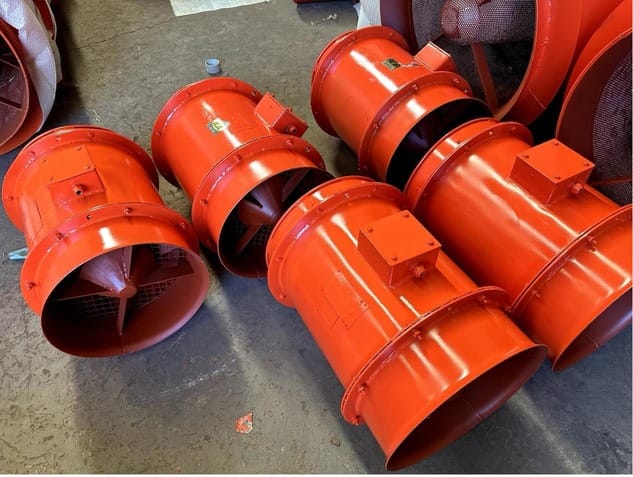
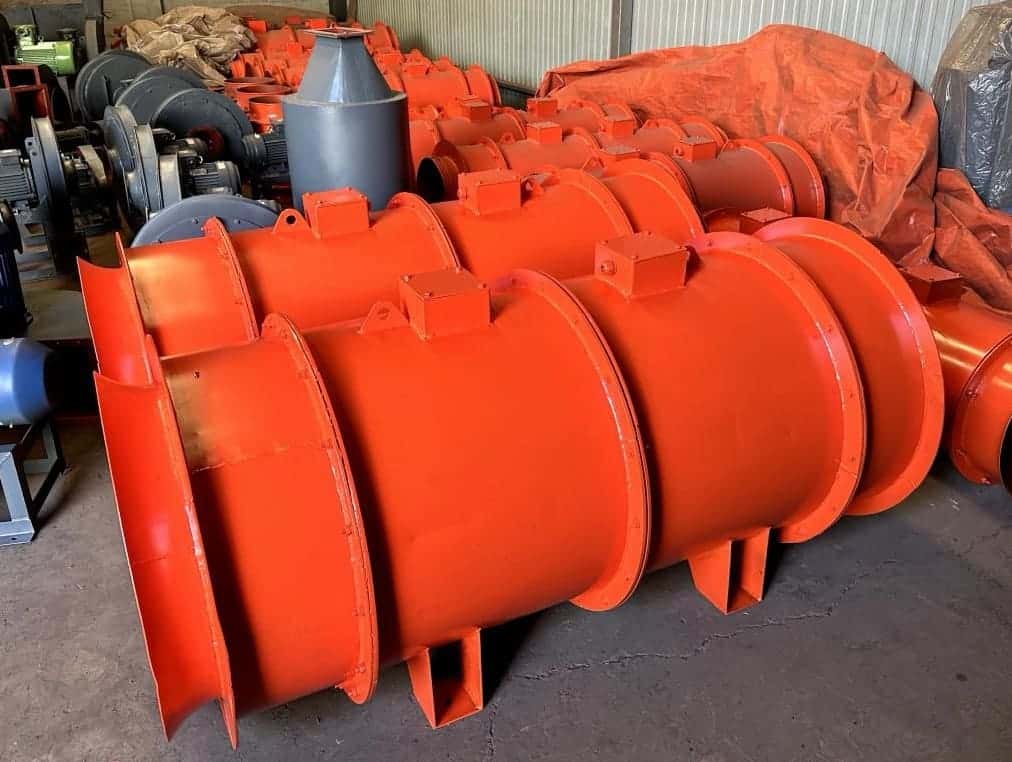
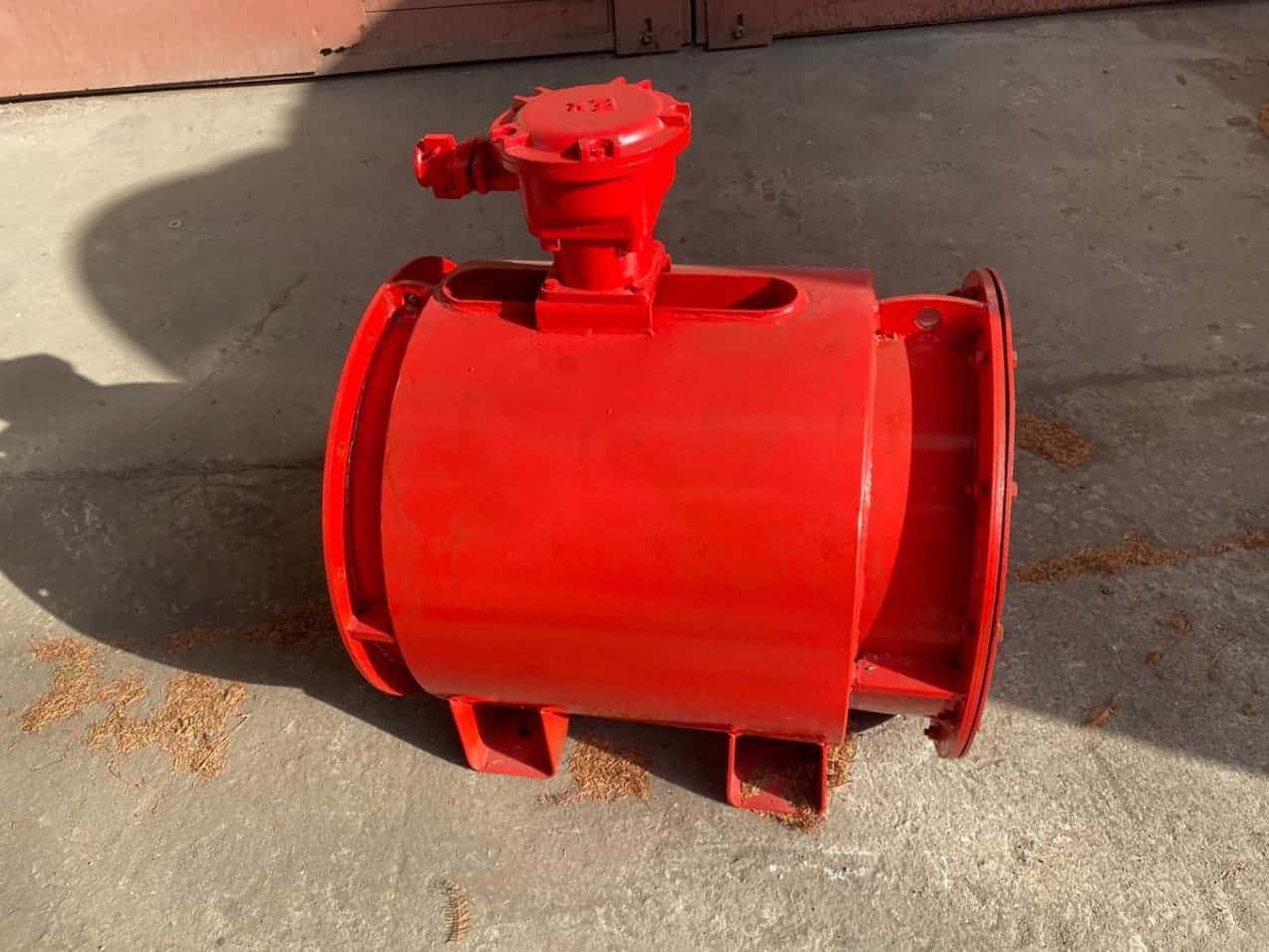
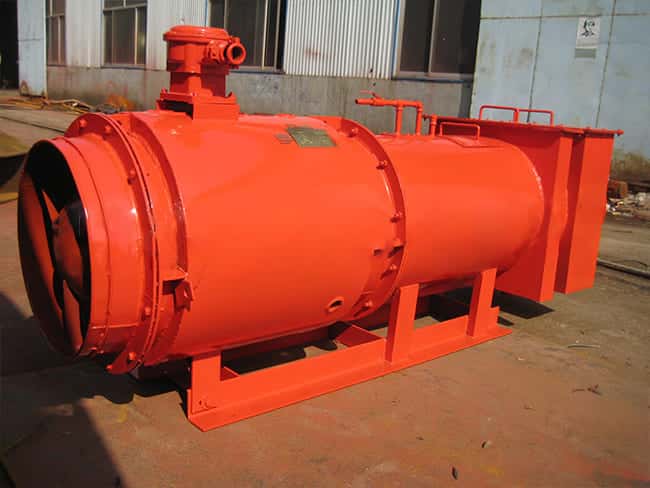
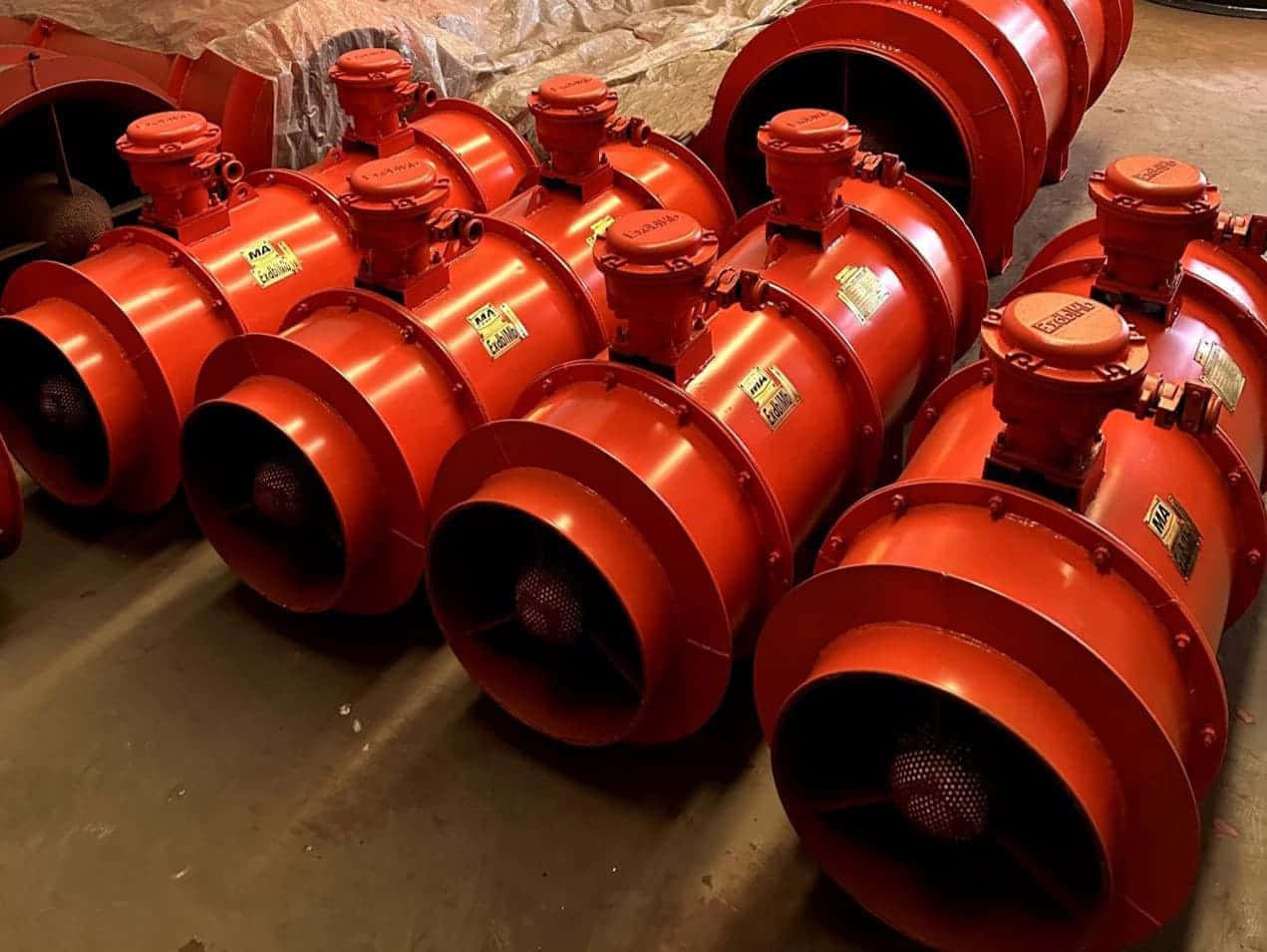
While main and booster fans manage the overall network, auxiliary ventilation systems handle local needs at headings and blind ends. Auxiliary fans working with ventilation ducting deliver fresh air to advancing faces or extract contaminated air from them. As headings progress, ducts are extended and the auxiliary ventilation layout is adjusted so that the required airflow reaches workers and equipment at the face.
Ventilation controls such as regulators, doors, and stoppings play a vital role in how underground mines are ventilated. By adding resistance or redirecting airflow, these devices help ensure that each district receives its target air quantity. Poorly maintained controls, open doors, or damaged stoppings can dramatically change airflow distribution and reduce ventilation effectiveness in critical areas.
Finally, underground mine ventilation relies on measurement and monitoring. Mines perform regular airflow and pressure surveys, gas measurements, and inspections of fan stations, controls, and ducting. As the mine layout evolves, engineers update the ventilation plan, adjust regulators, and, if necessary, upgrade fan capacity to meet new demands.
In summary, underground mines are ventilated through a combination of surface main fans, intake and return airways, booster fans where required, and auxiliary ducted systems at headings. This integrated network is continuously managed, monitored, and adjusted to keep air quality, temperature, and airflow at safe and efficient levels for mining operations.