
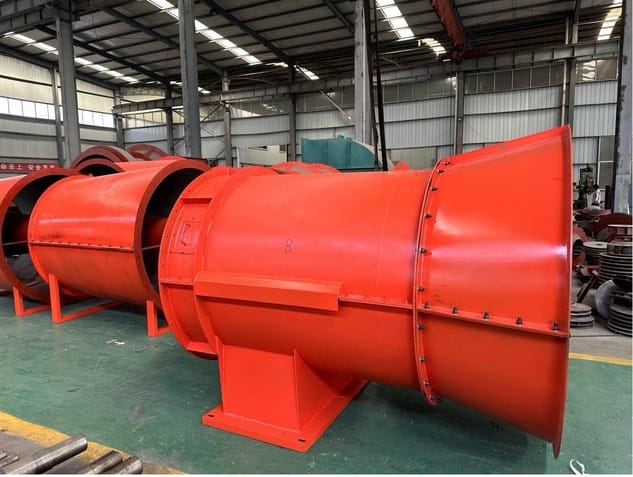
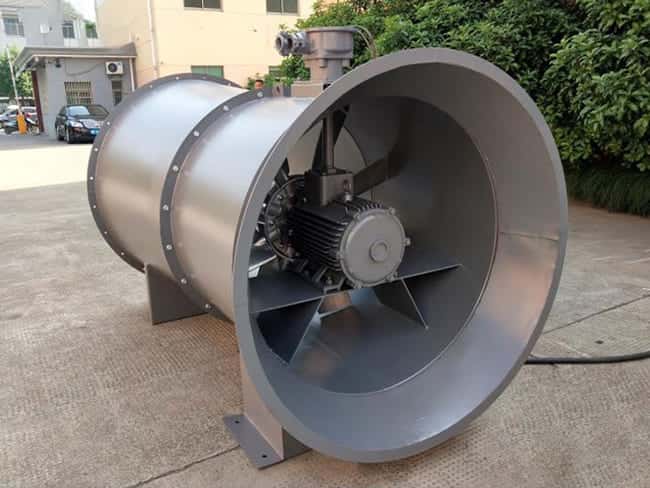
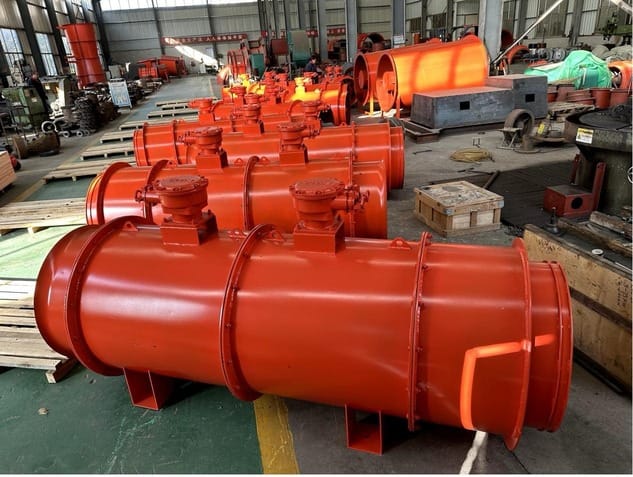
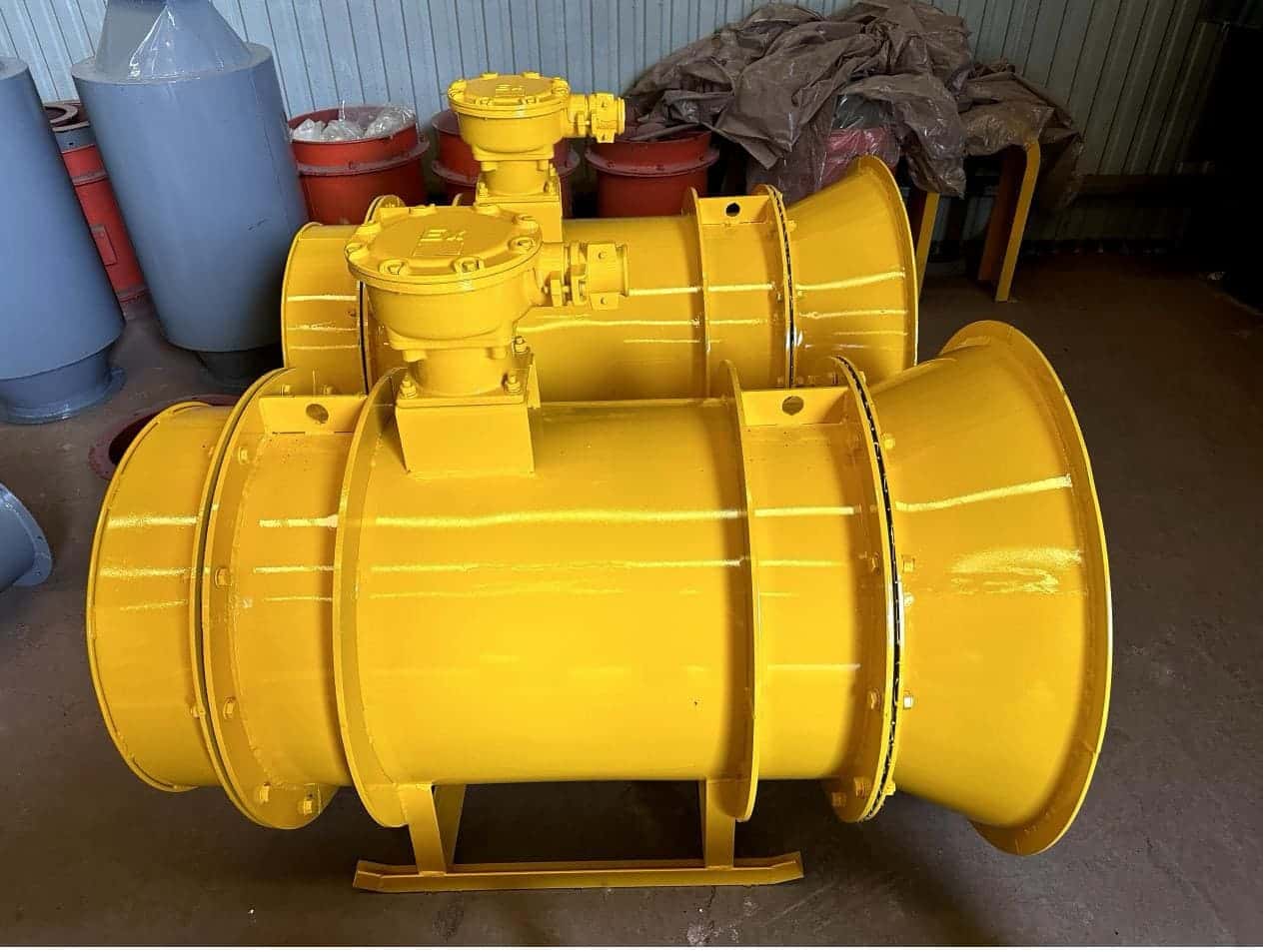


To tell whether a fan is rotating clockwise (CW) or counterclockwise (CCW), you must know which side you are looking from and then observe the direction of rotation relative to that viewpoint. In industrial and mining ventilation, correct rotation is essential for delivering the specified airflow and pressure.
Fan manufacturers always define CW or CCW from a reference side, most commonly the drive side (motor side) or the air inlet side. The fan nameplate or drawing usually states something like “Rotation: CW viewed from drive end” or “CCW seen from inlet”. This description tells you which side to stand on when judging the direction.
Once you are on the correct side, imagine a clock face on the fan shaft. If the impeller rotates in the same direction as the hands of a clock, that is clockwise (CW). If it rotates in the opposite direction, that is counterclockwise (CCW). For safety, always observe from a distance or through inspection windows while the fan is running, and follow plant lockout procedures if guards must be removed.
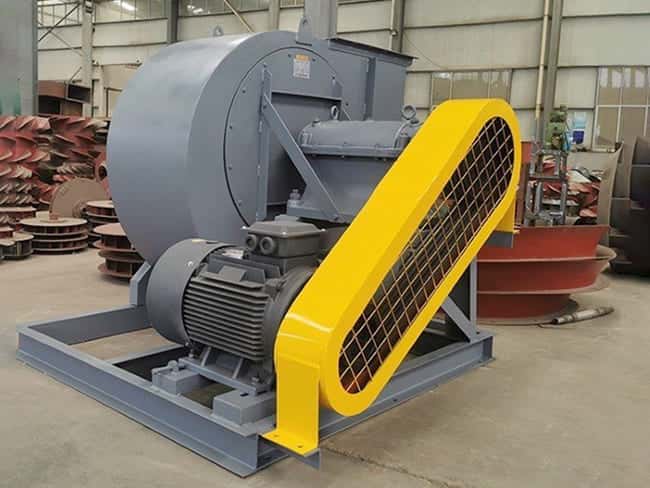
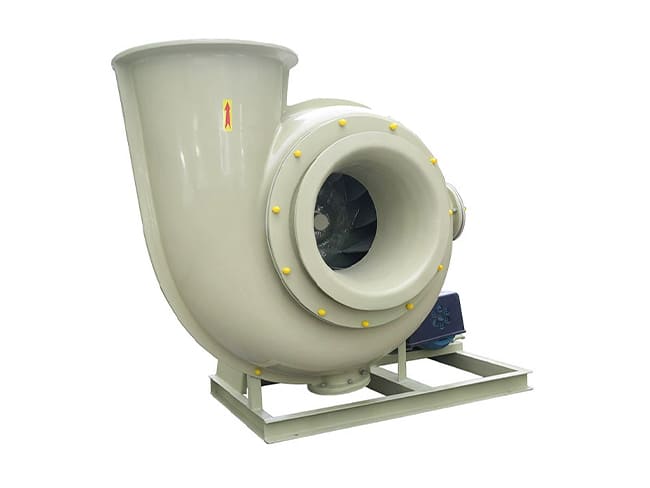
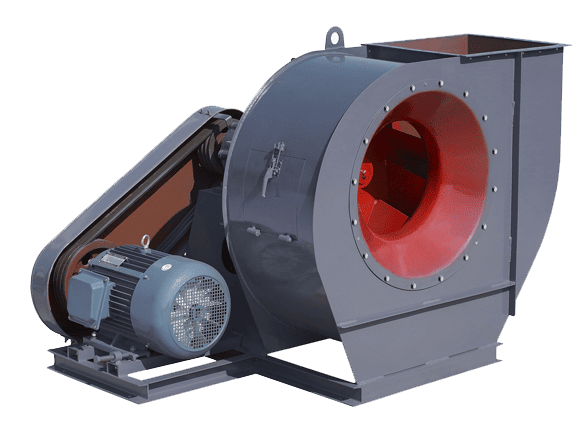
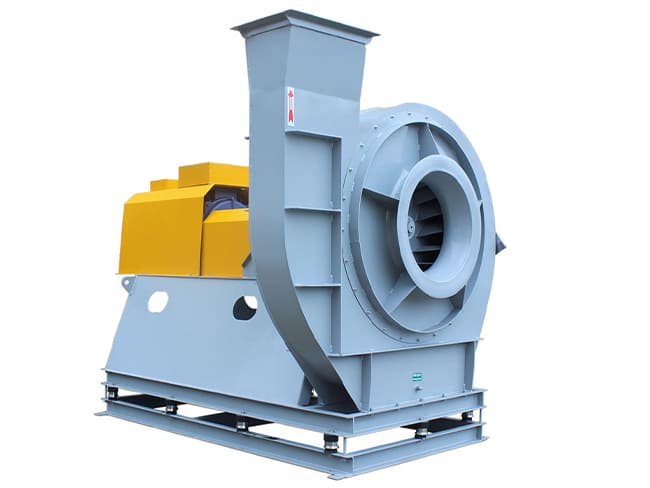
Most industrial fans also have cast or sticker arrows on the housing that show both rotation direction and airflow direction. One arrow wrapped around the shaft area indicates the required rotation (CW or CCW), and another arrow along the casing indicates the intended airflow path. If the motor wiring is reversed and the fan runs opposite to the rotation arrow, airflow and pressure will often be much lower than the design values, especially for centrifugal fans.
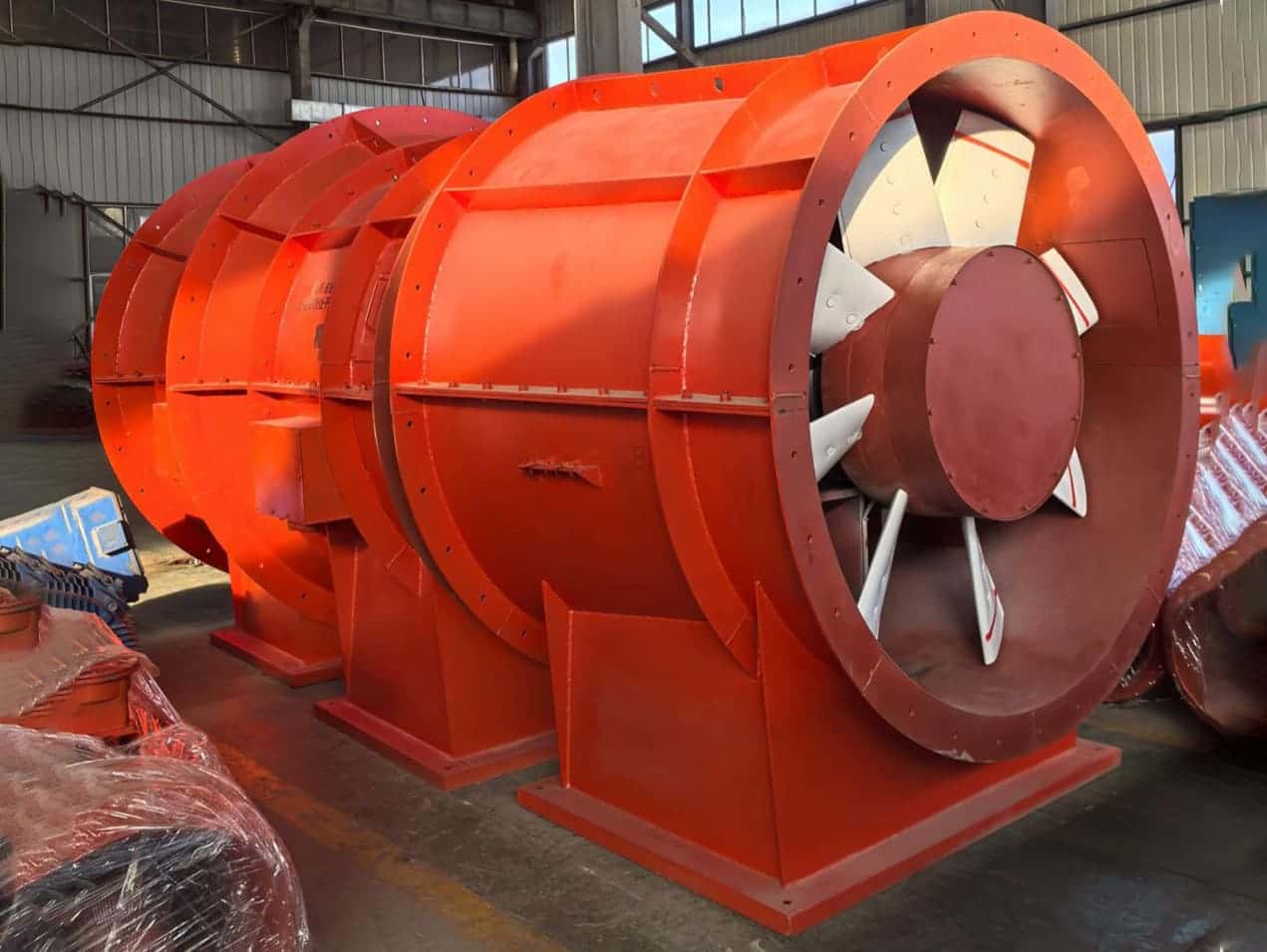
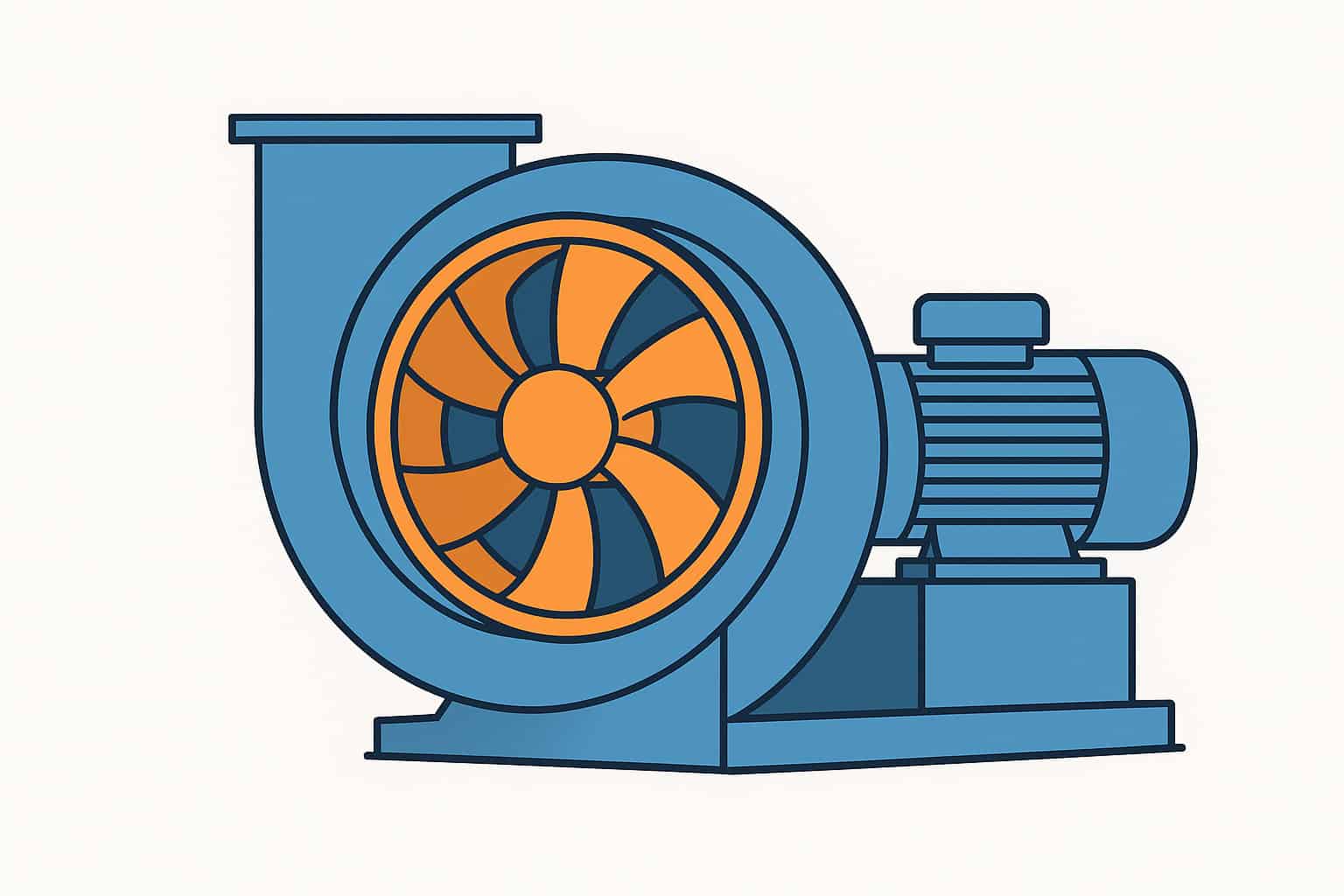
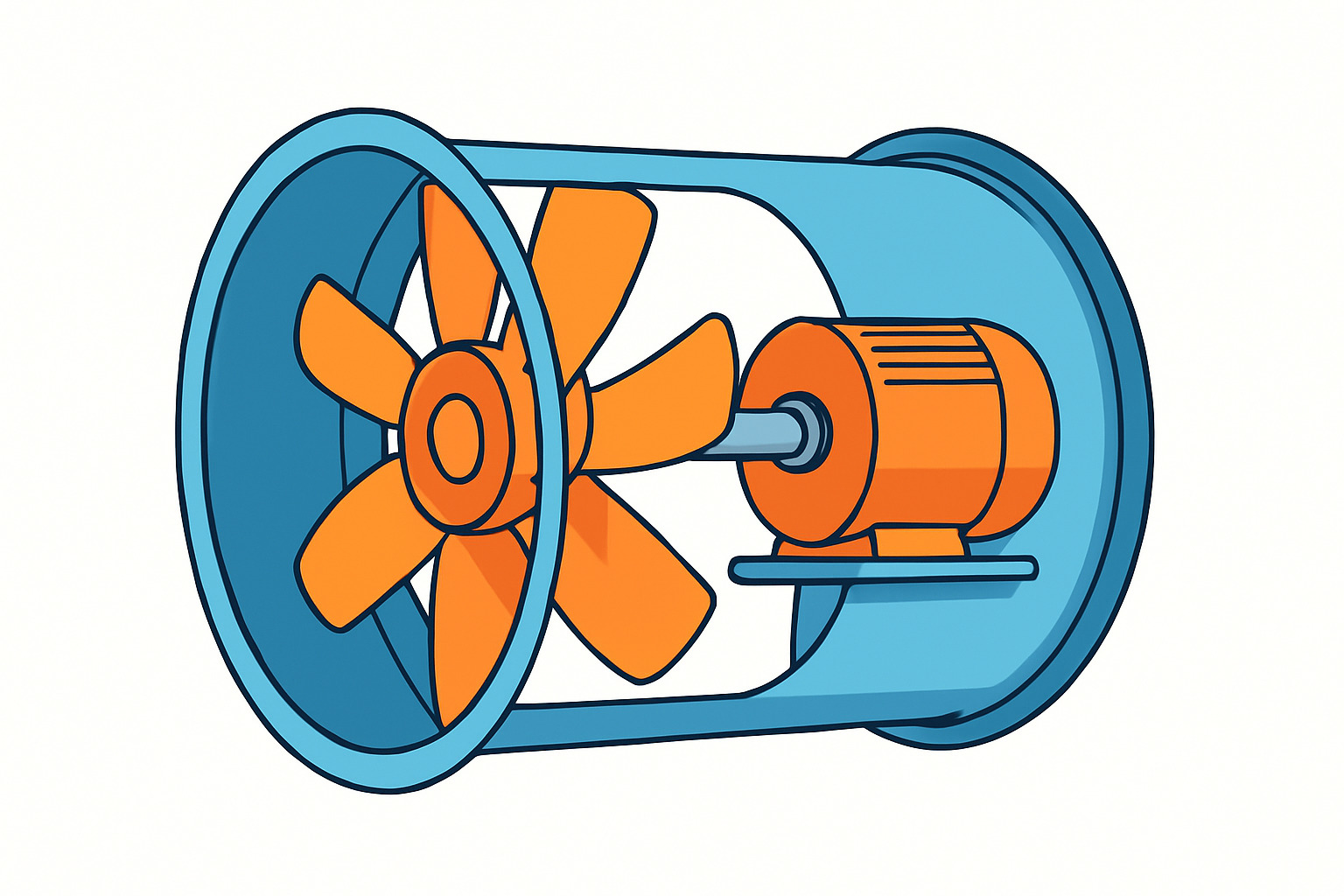
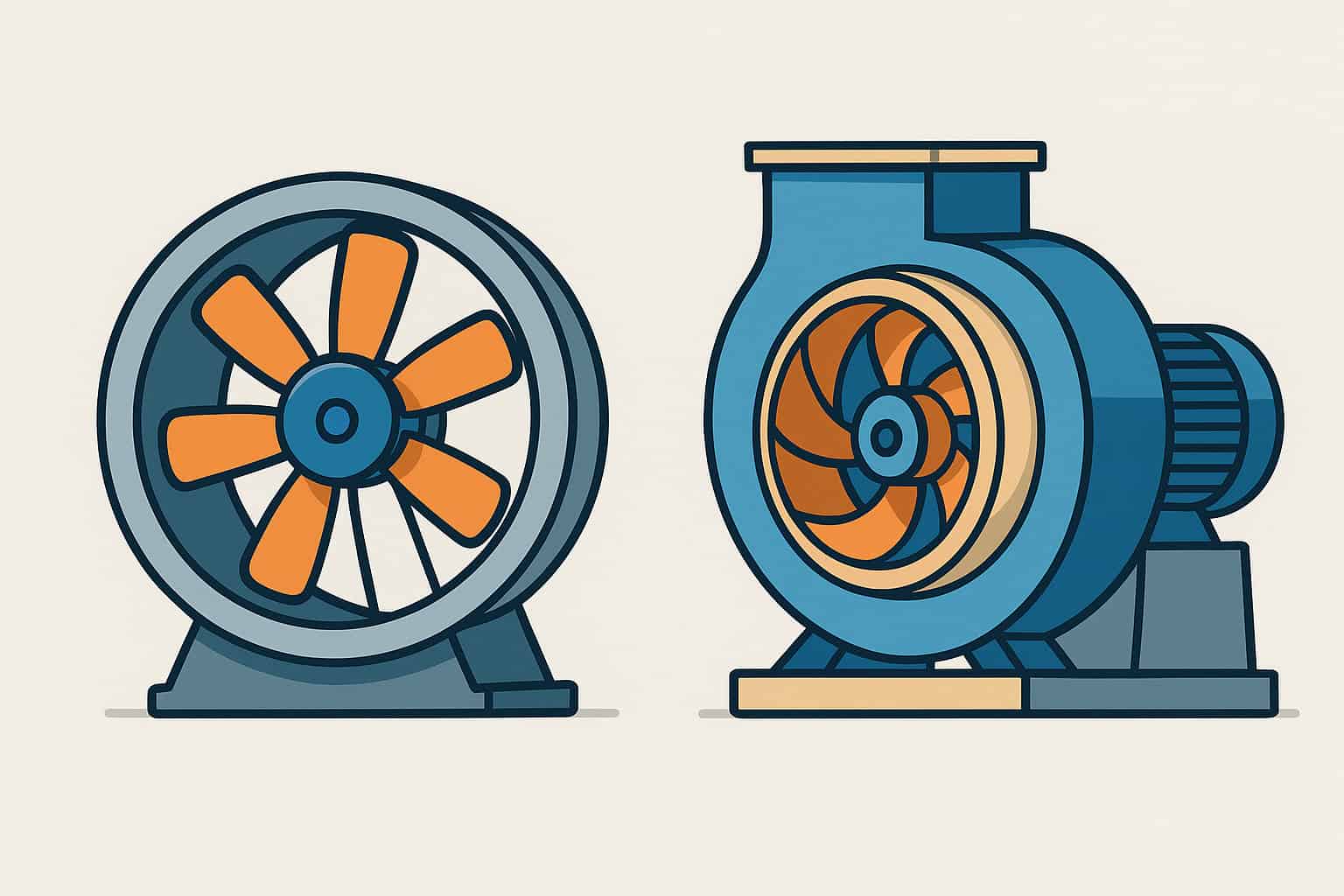
You can also use the blade shape as a visual guide. For axial fans, the leading edge of the blade usually points in the direction of rotation, similar to a propeller. For centrifugal fans, the curvature of the blades and the outlet of the scroll housing indicate which direction the impeller should turn to throw air towards the outlet. However, these checks are only reliable when you already understand the fan design, so they should be used together with arrows and documentation.
In commissioning and troubleshooting, it is good practice to confirm rotation before full-speed operation. Momentarily “bumping” the motor (with guards in place and following all safety rules) allows you to see the starting direction, and the wiring can be corrected if needed. Verifying CW vs CCW rotation ensures the fan delivers the expected performance and avoids overloading the motor or causing unstable operation.
In summary, to tell CW vs CCW fan rotation direction you must check from the correct reference side, use the arrows on the housing, compare rotation with a clock face and, where appropriate, use blade shape and airflow direction as supporting clues. Always follow safety procedures when inspecting rotating equipment.