

Air vent fans, whether they are small bathroom exhaust fans or large industrial ventilation fans, all work on the same basic principle: a rotating impeller adds energy to the air, creating a pressure difference that moves air through grilles, ducts and vents. By pulling stale air out or pushing fresh air in, these fans control air quality, temperature and humidity in the space they serve.
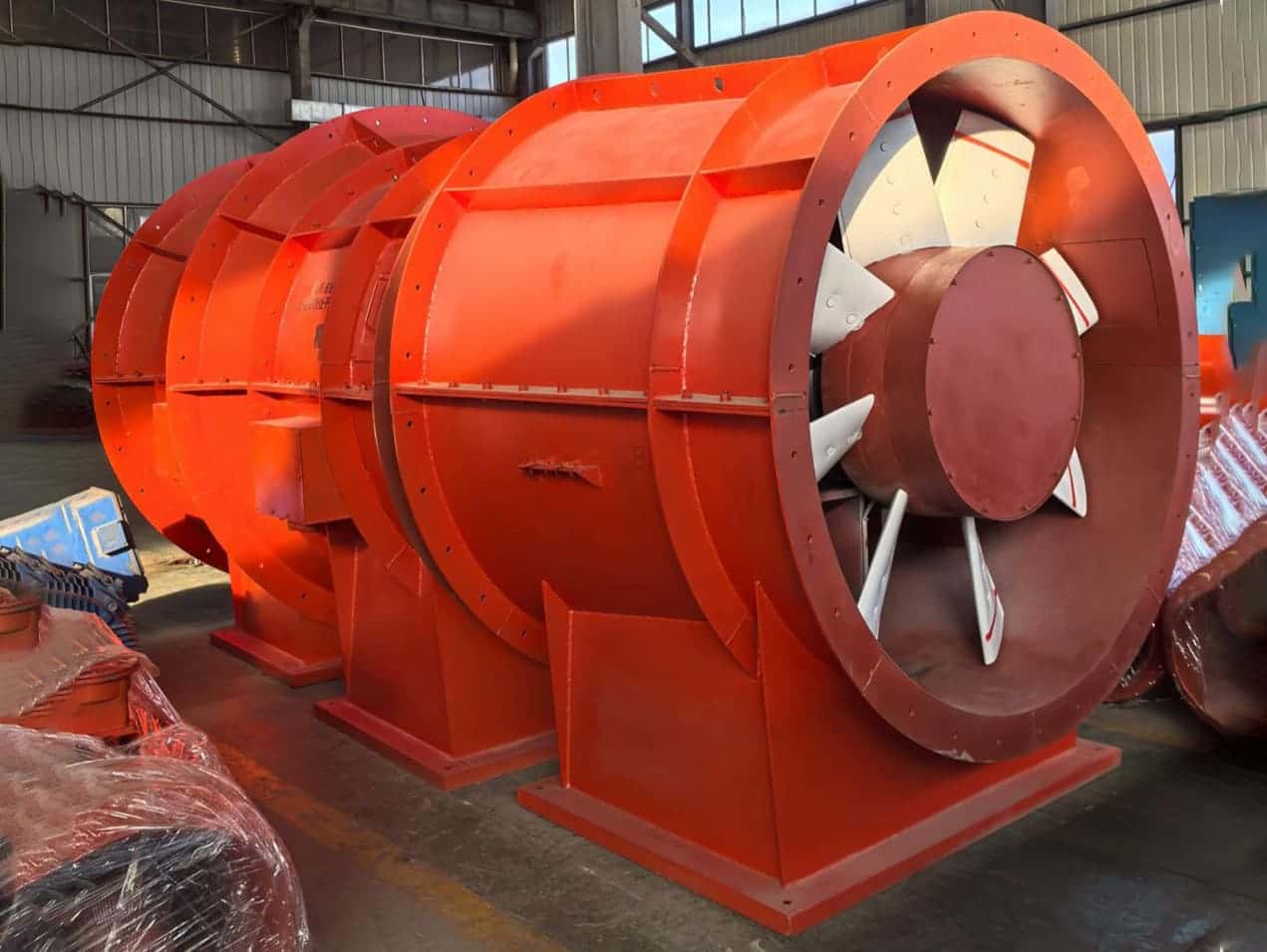
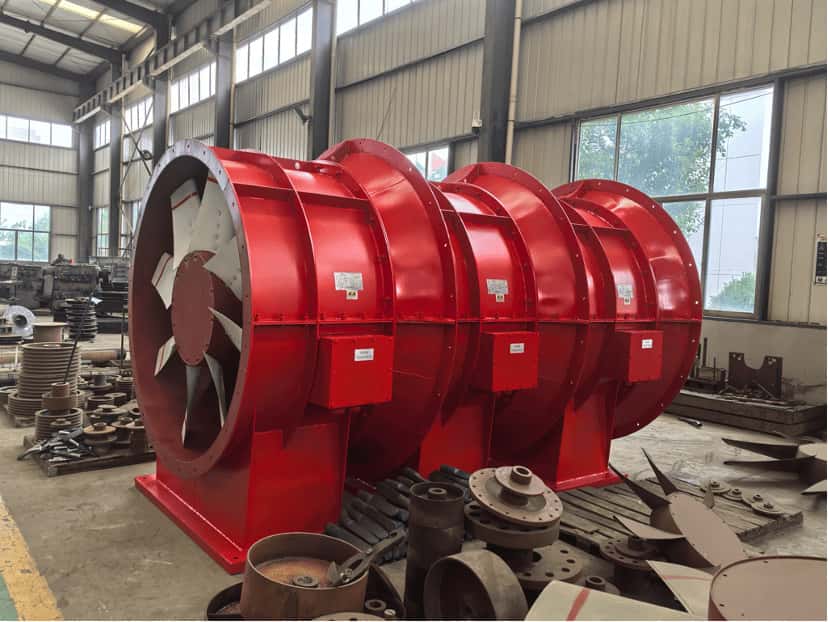
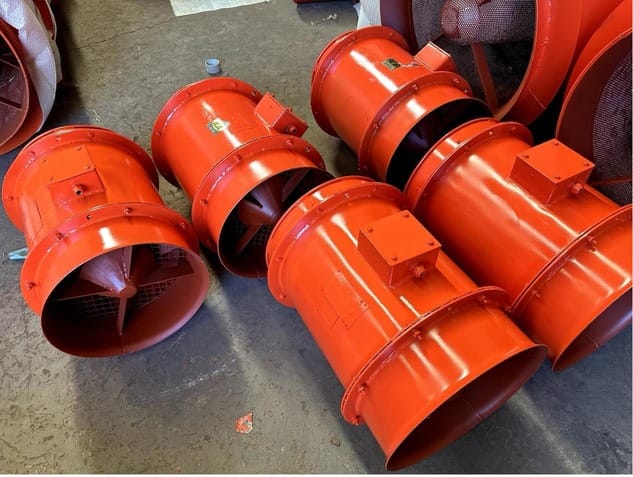
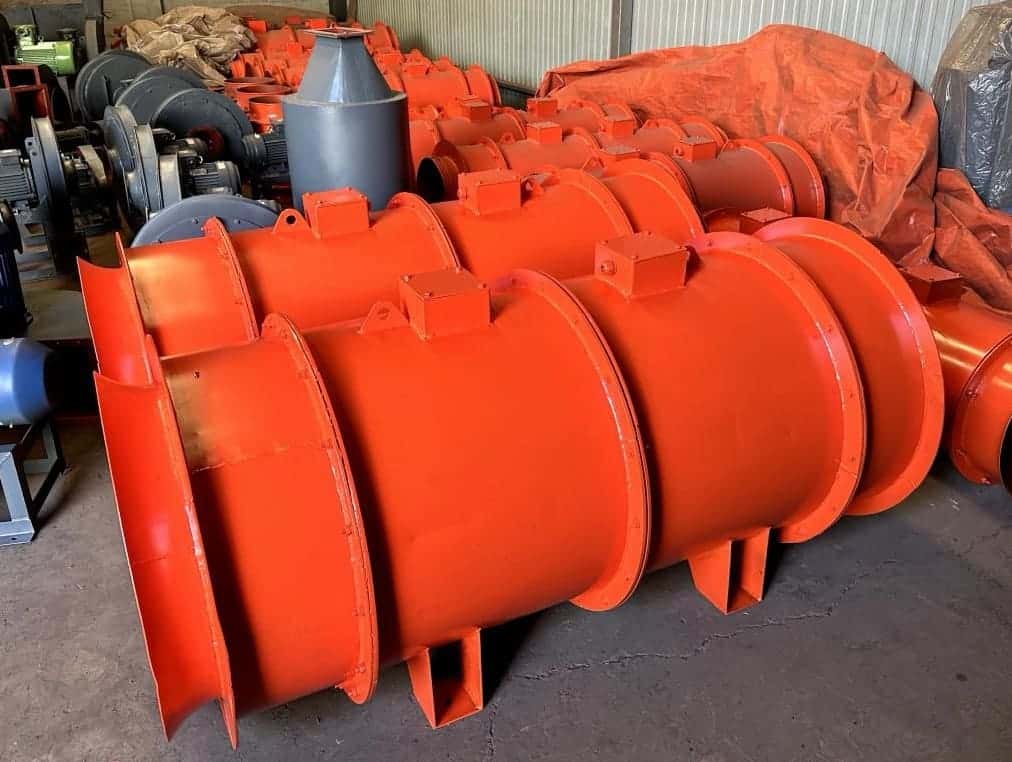
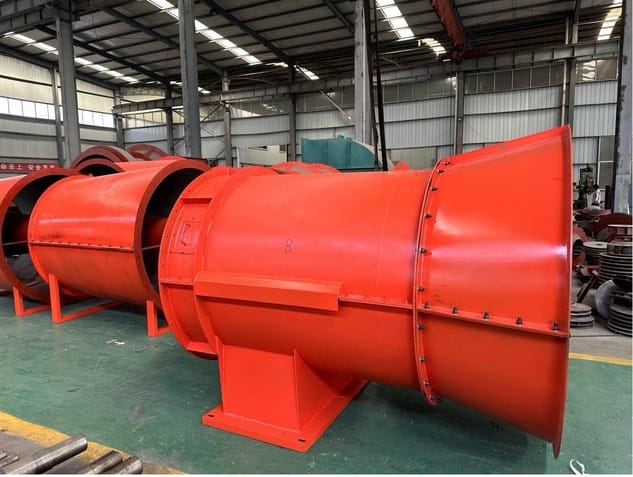
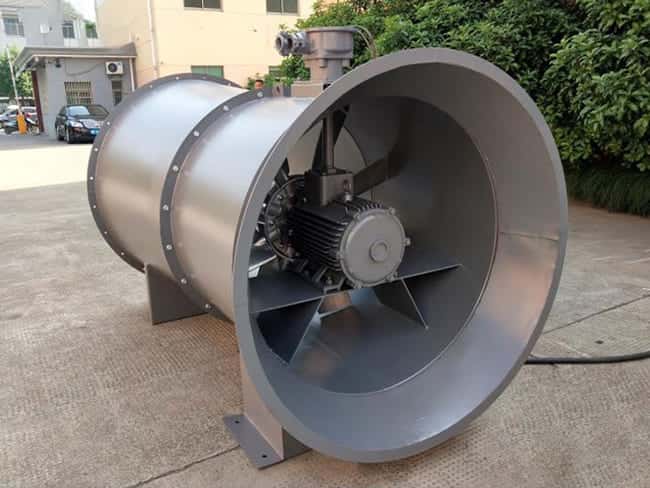
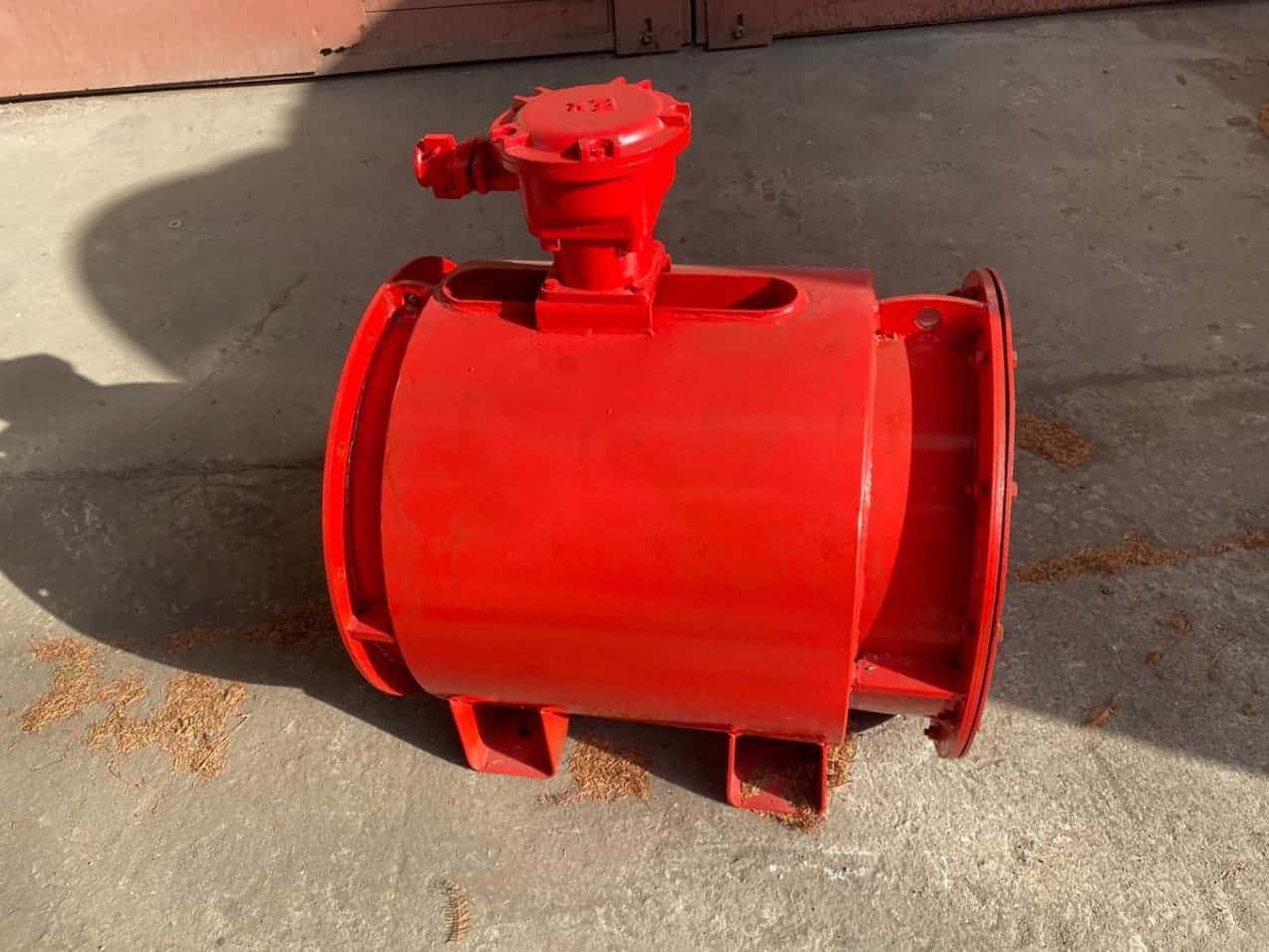
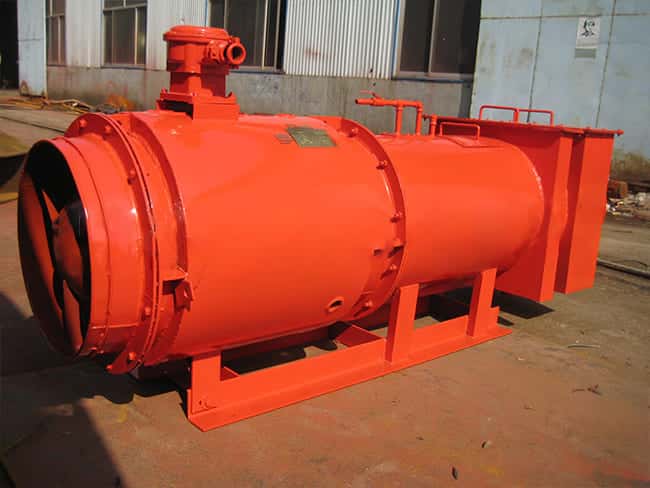
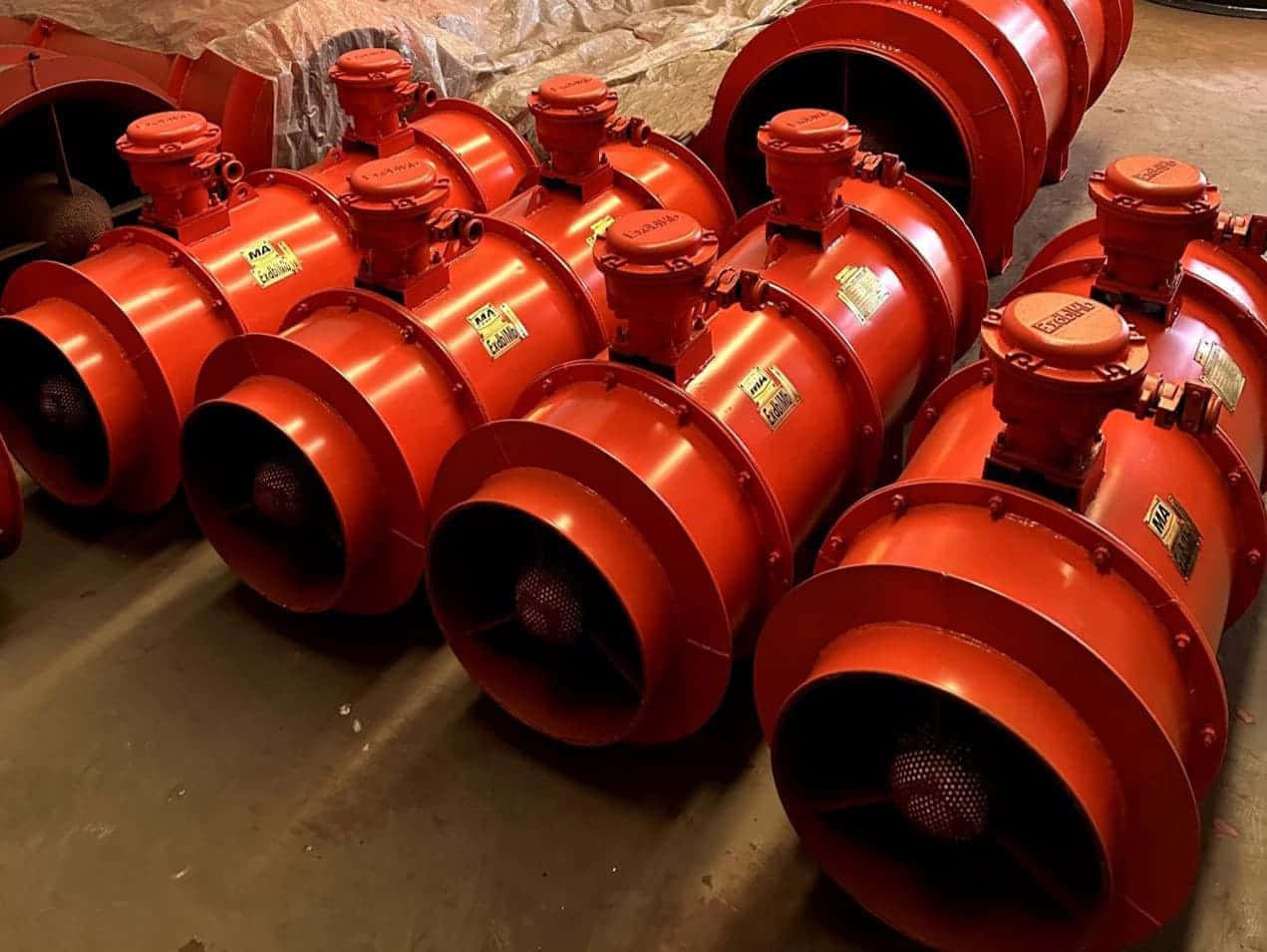
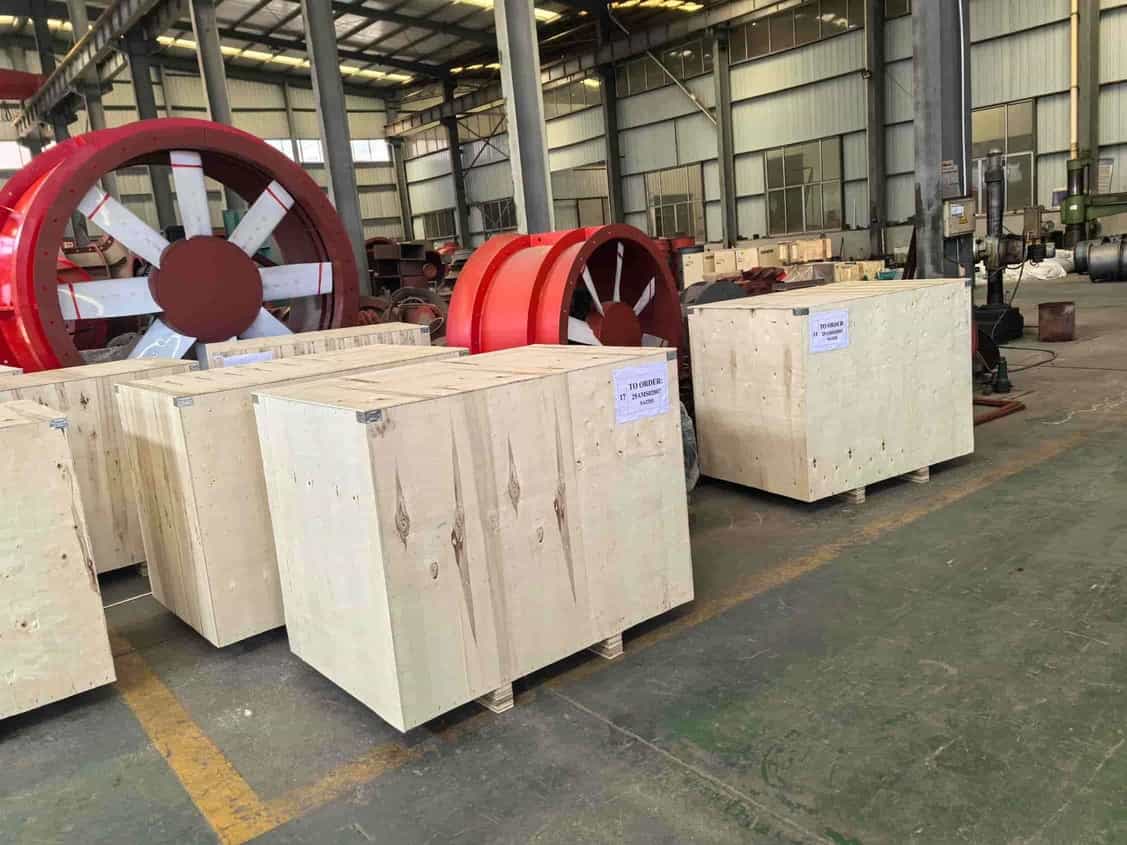
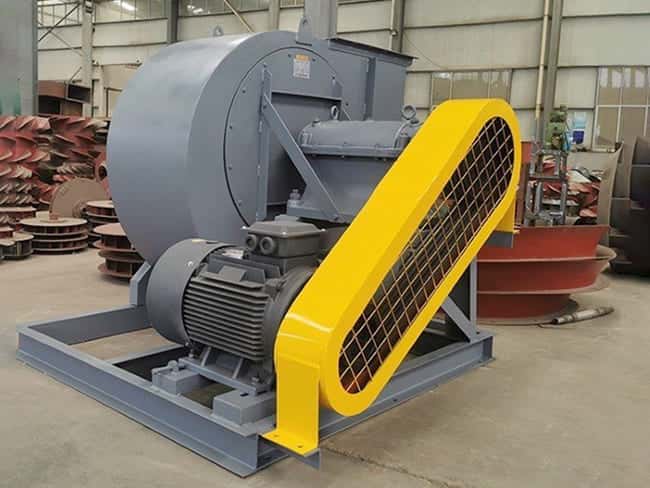
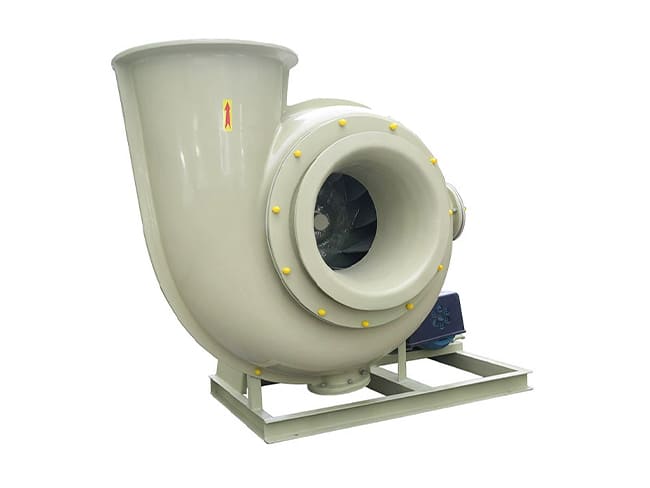
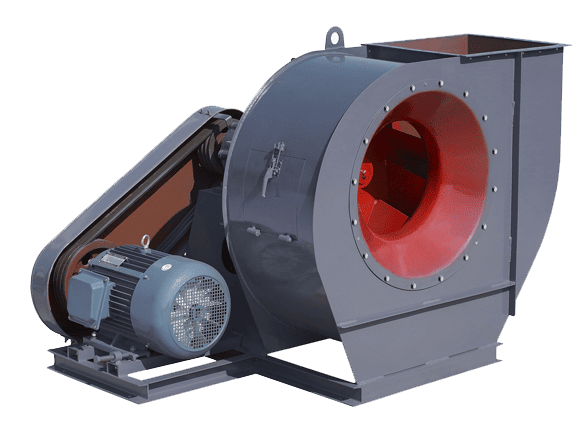
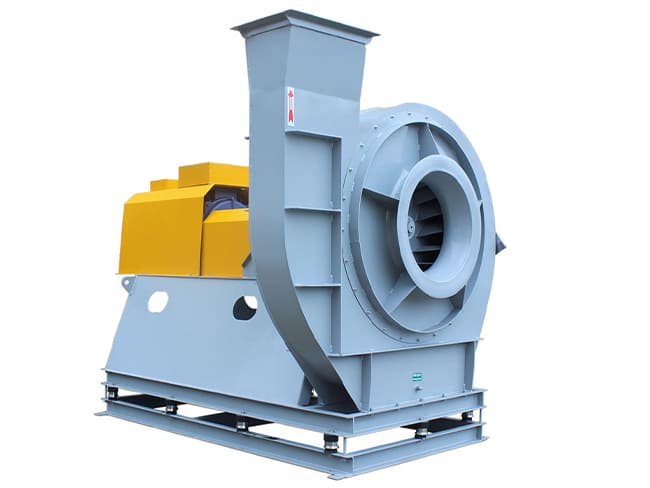
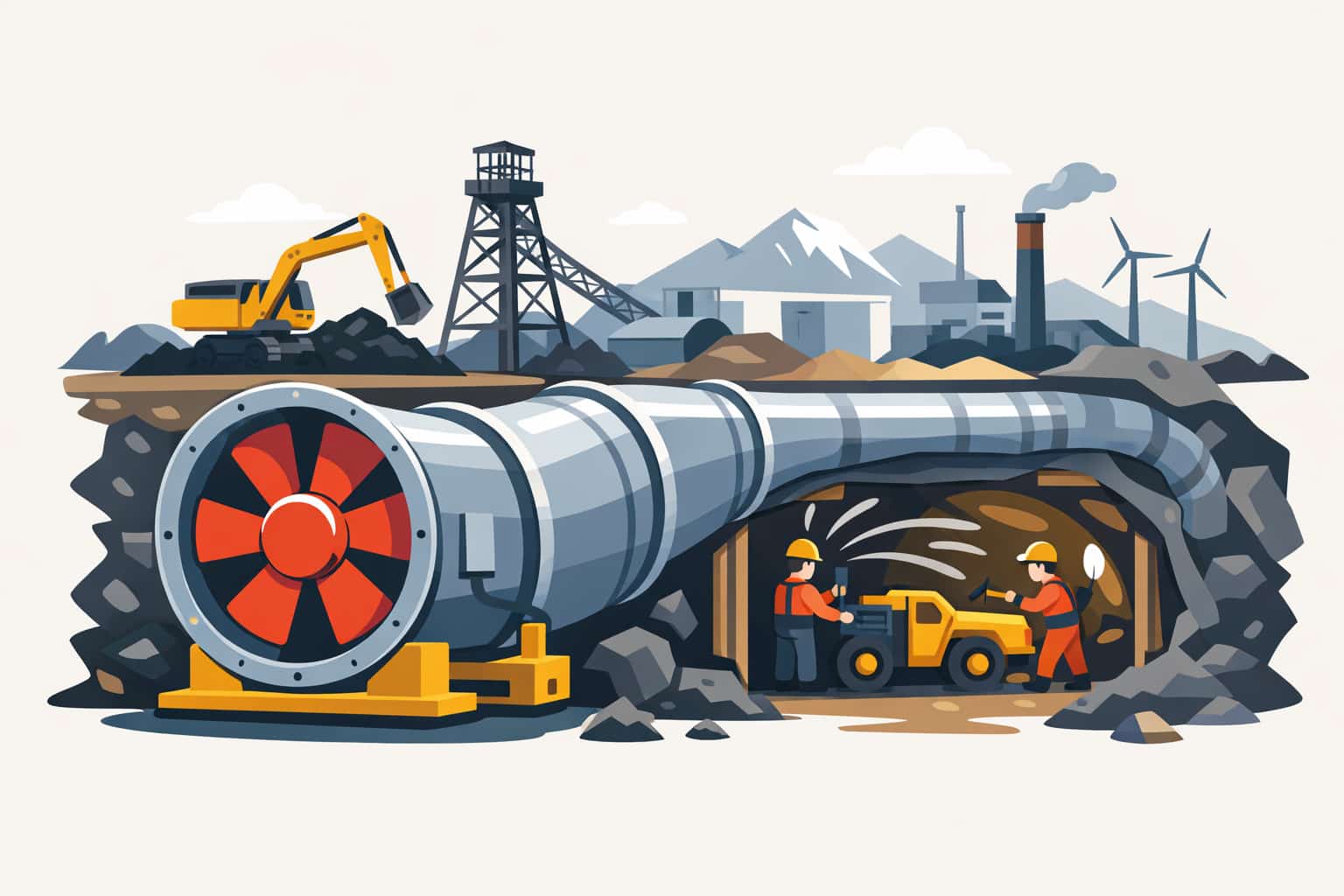
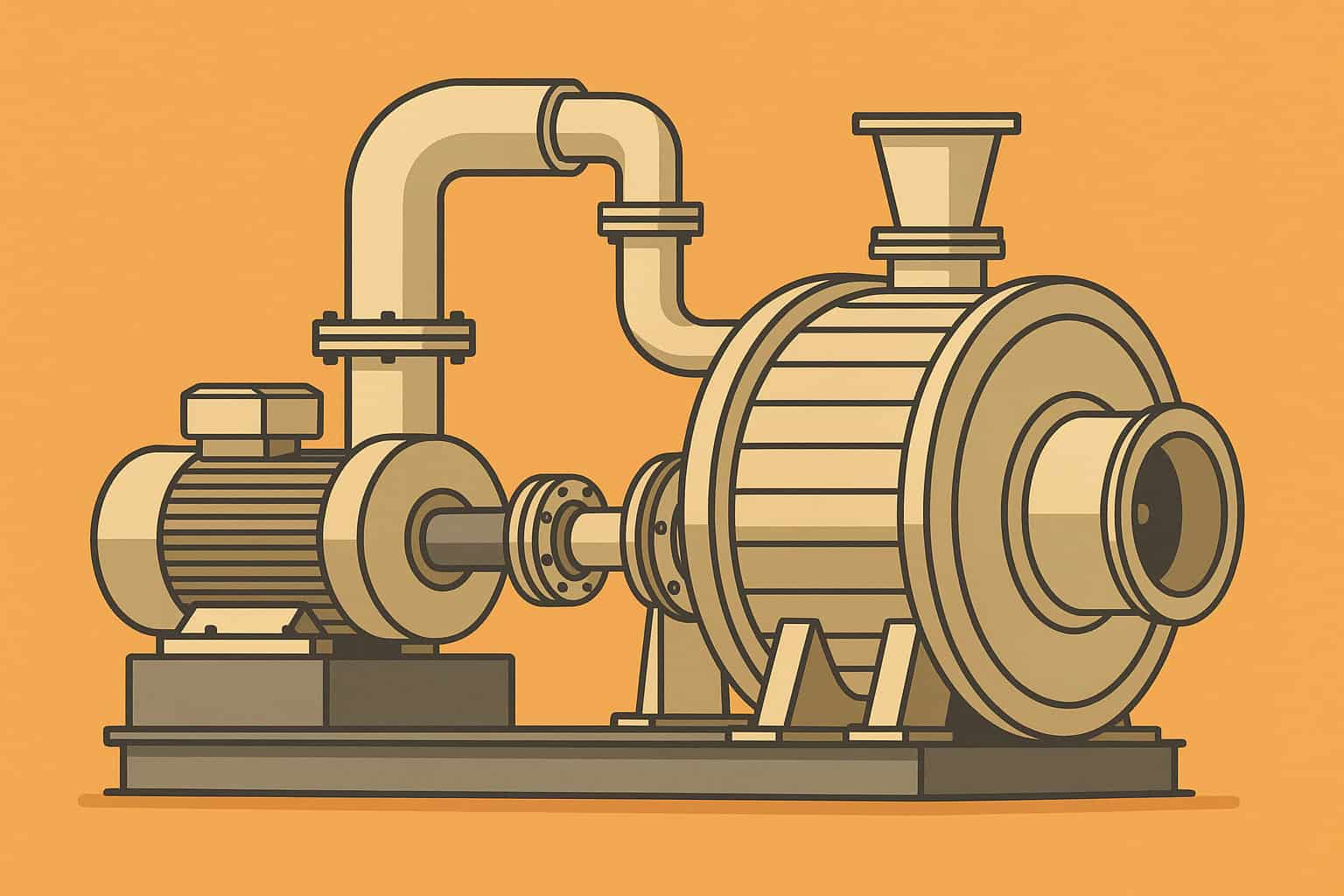
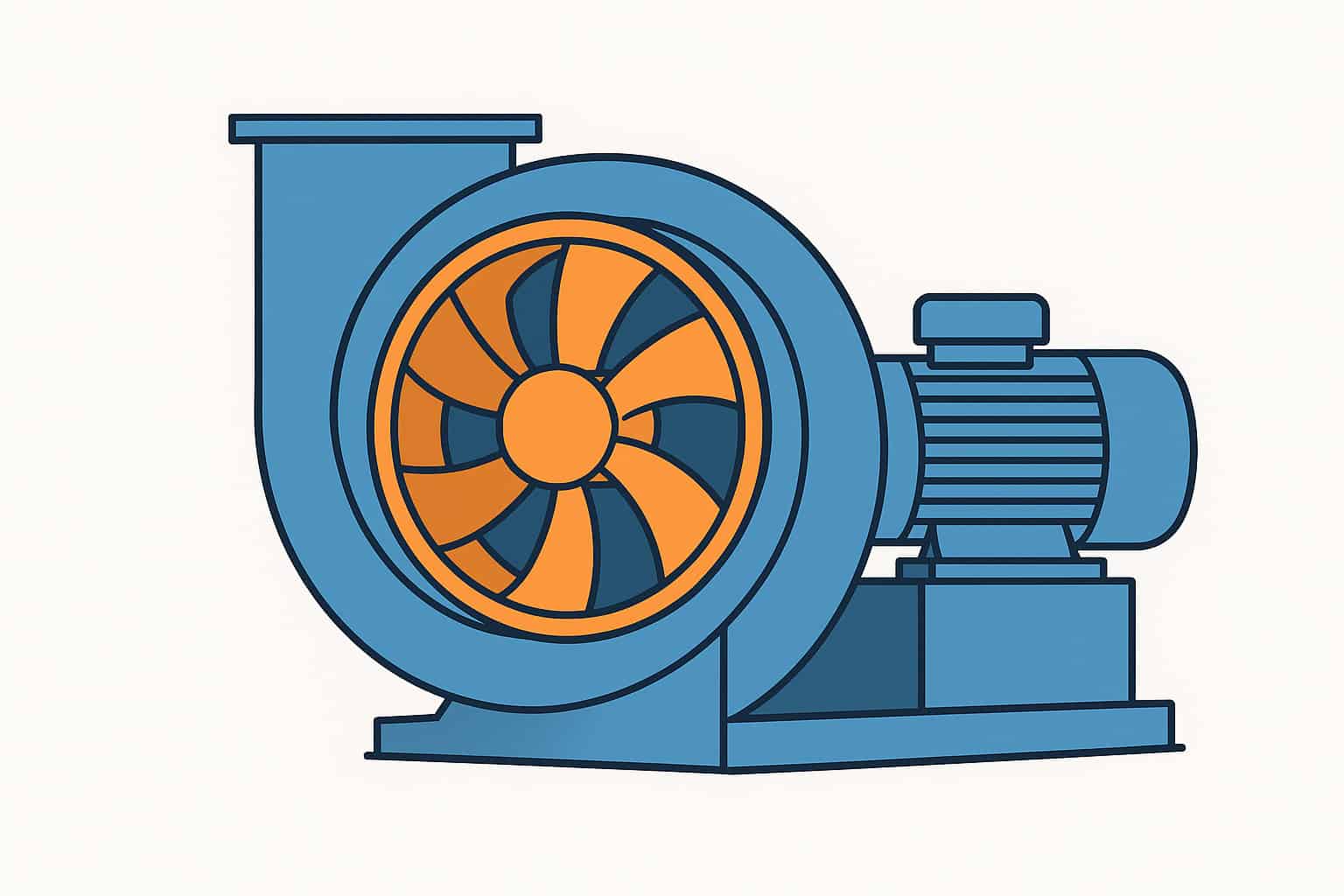
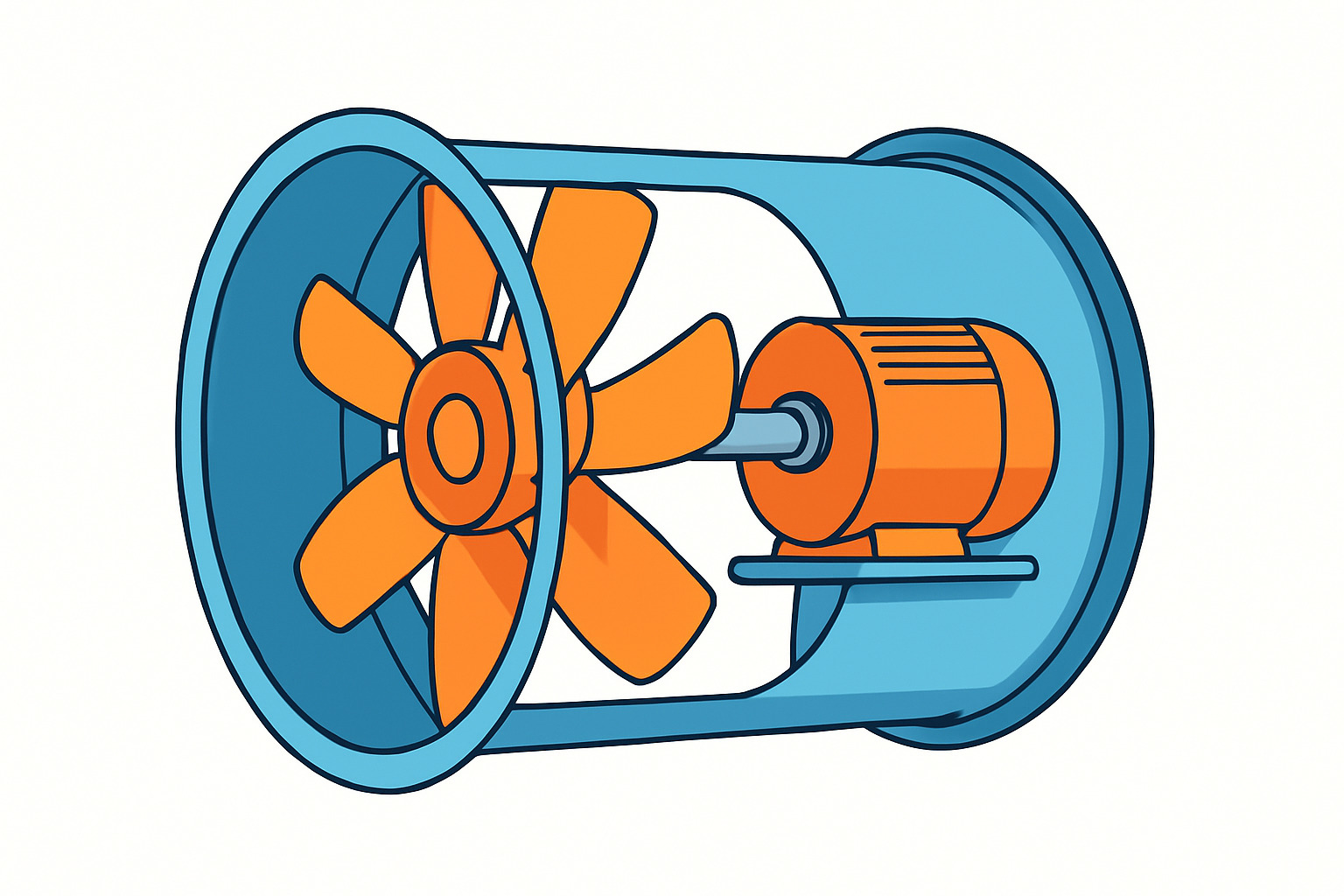
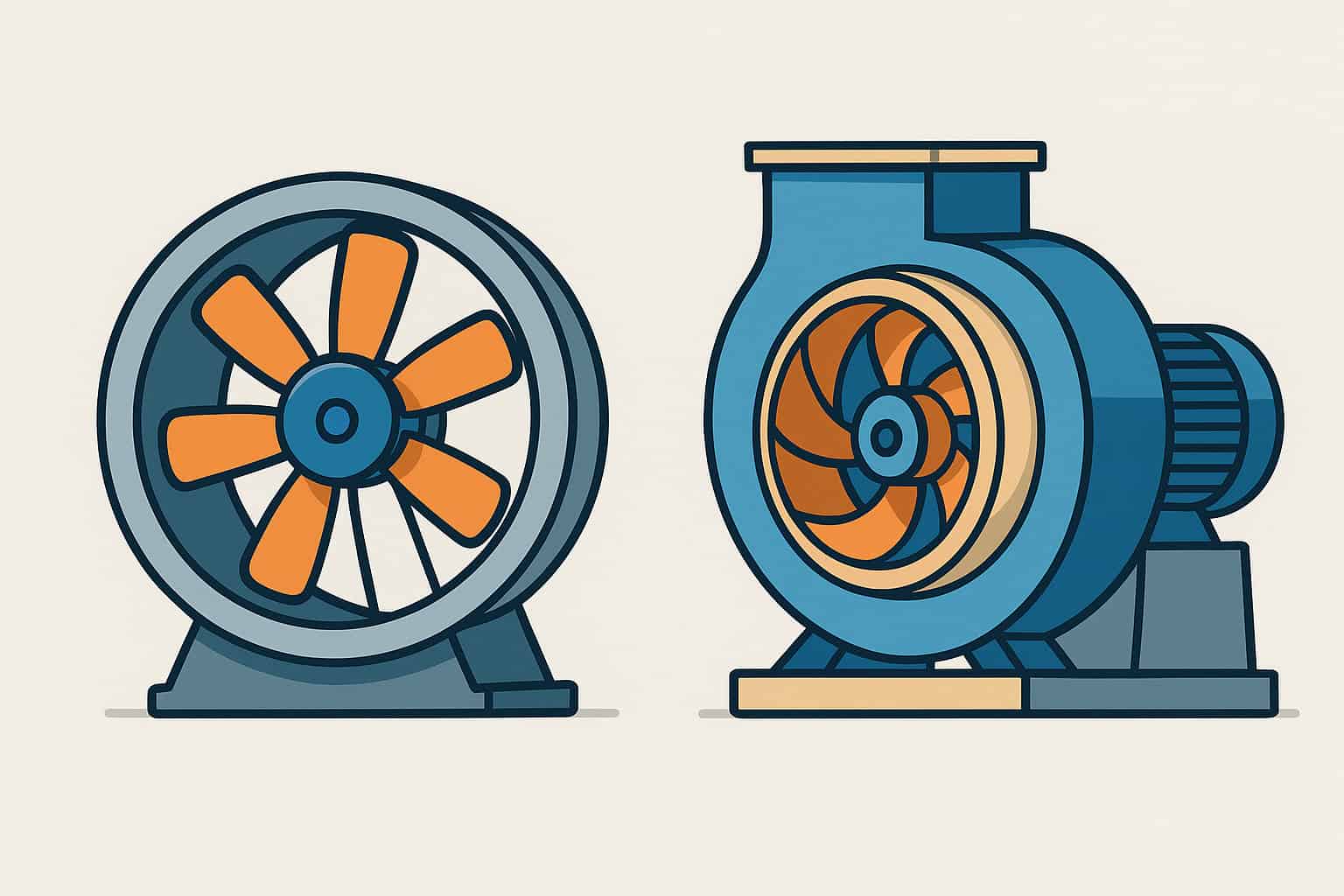
Inside a typical air vent fan, an electric motor drives an impeller with blades shaped to move air. In an axial vent fan, the blades push air parallel to the shaft, much like a propeller. These fans are common in wall-mounted or inline duct fans and in many mining and tunnel ventilation systems. In a centrifugal vent fan, the impeller throws air radially outward into a spiral casing, which then guides the air into a duct. Centrifugal vent fans are used when higher pressure is needed, for example to pull air through long ducts, filters or dust collectors.
When the fan runs, it creates a region of slightly lower pressure on the suction side and higher pressure on the discharge side. Air flows naturally from the surrounding space into the low-pressure zone at the fan inlet and is pushed out where the pressure is higher. If the fan is installed as an exhaust fan, it pulls air from the room and discharges it outdoors through a vent or duct. Fresh air enters the room through gaps, doors or dedicated intake grilles. If the fan is installed as a supply fan, it pushes outdoor air into the space and indoor air leaves through exhaust openings.
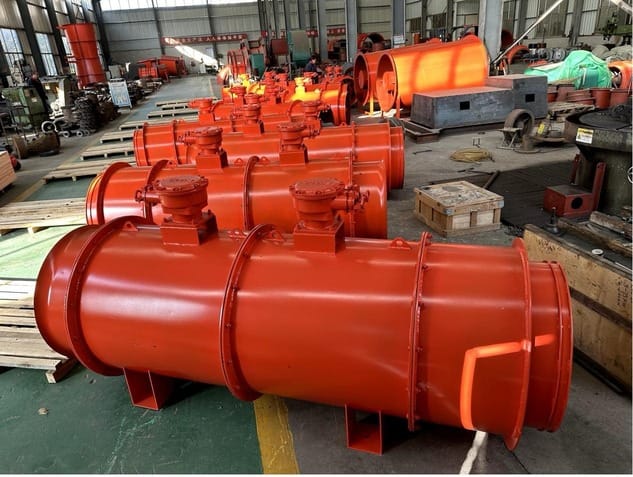
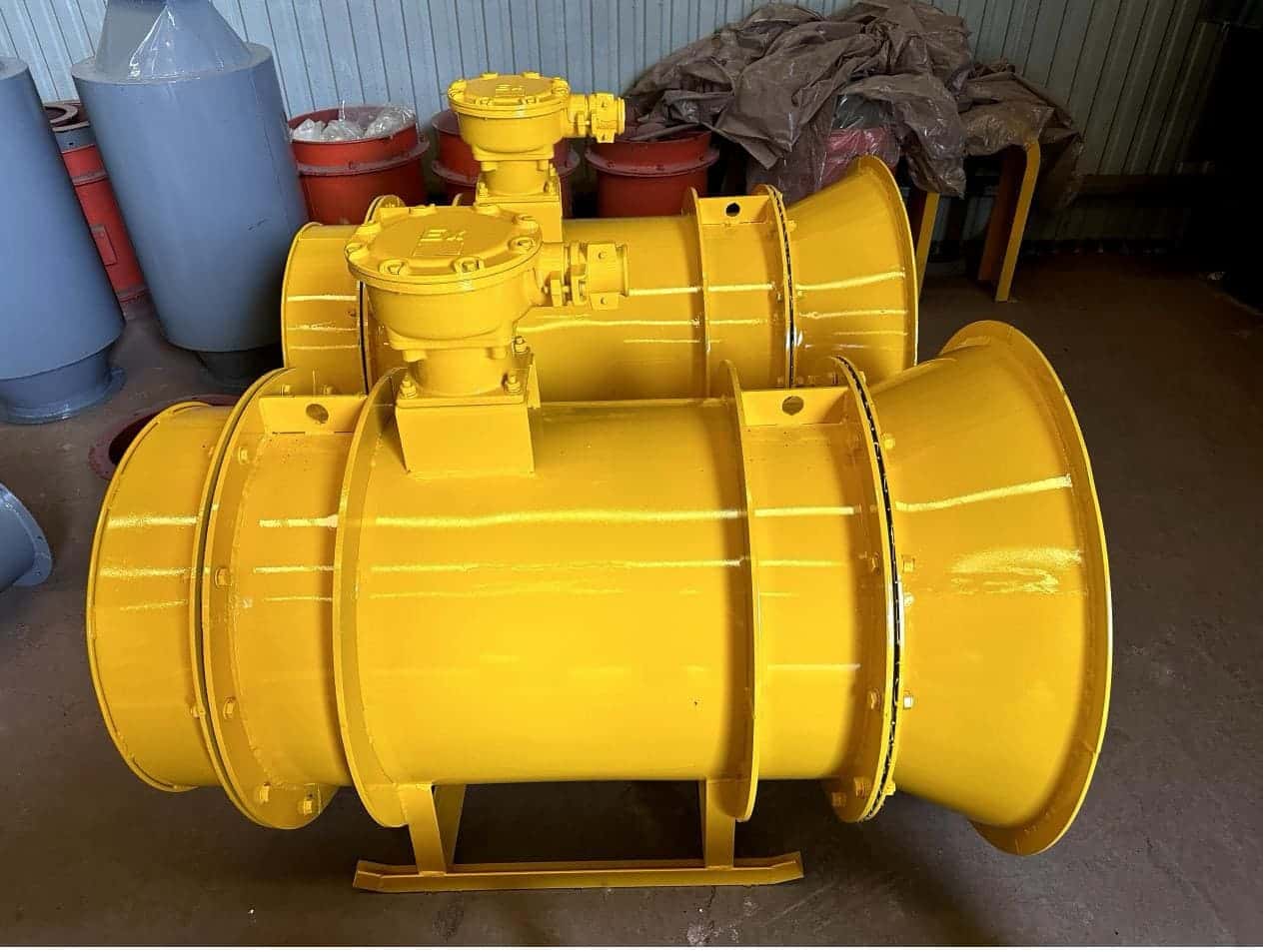
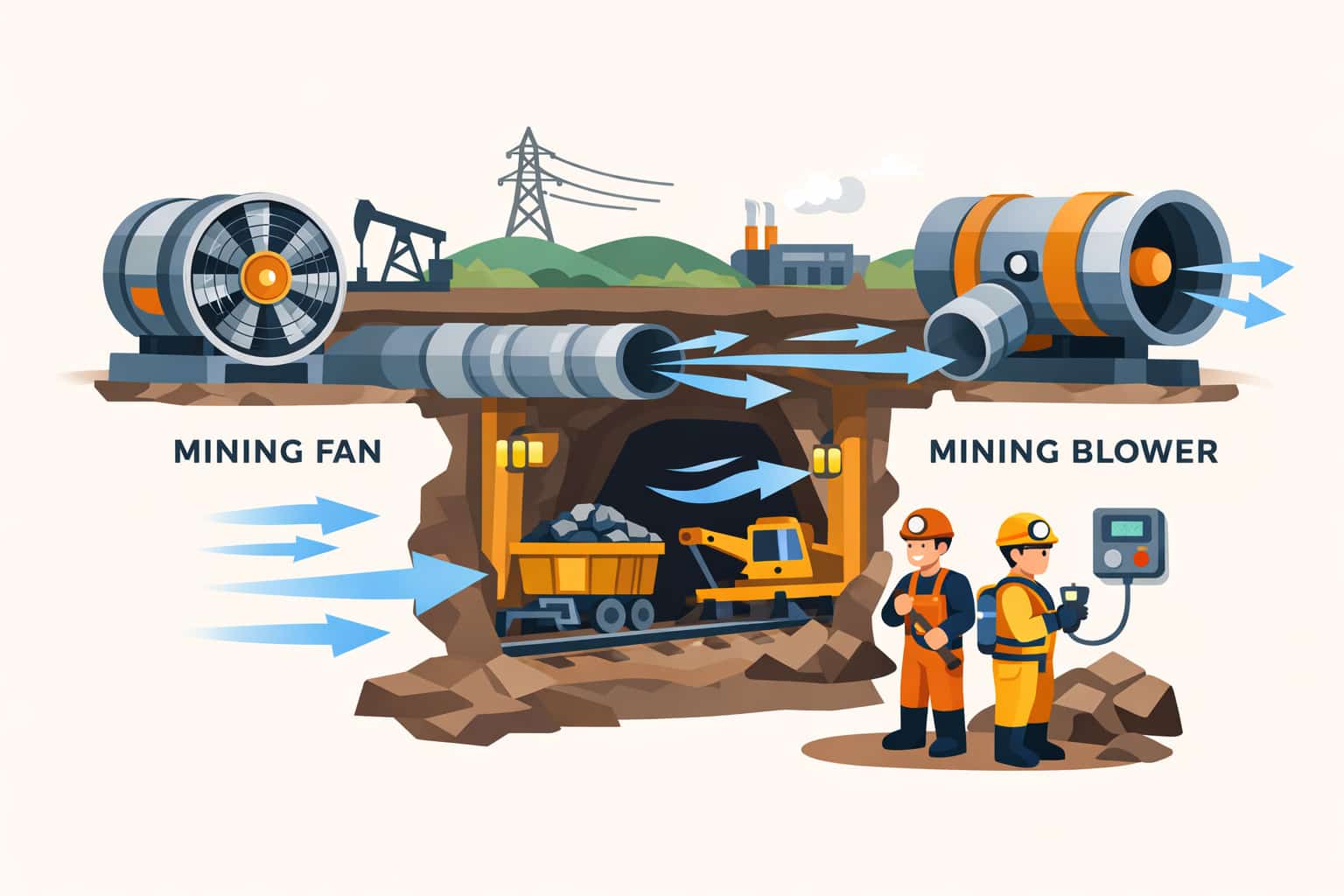
In industrial and mining applications, air vent fans are part of larger ventilation systems. Main fans on shafts, booster fans and auxiliary duct fans work together to create a network of pressure differences throughout the mine or plant. Doors, stoppings, louvers and regulators direct the airflow so that fresh air follows planned routes to workplaces and contaminated air returns to exhaust points. Sensors and controls may adjust fan speed or damper positions to respond to changing conditions.
Even small domestic vent fans follow the same logic. A bathroom or kitchen exhaust fan mounted in a wall or ceiling typically uses a compact axial or centrifugal impeller to pull moist or odorous air out of the room and expel it through a duct to the outside. This prevents condensation, mould growth and lingering smells by ensuring that air is replaced regularly.
In summary, air vent fans work by using a rotating impeller to create a pressure difference that moves air from one place to another. By exhausting stale air, supplying fresh air or doing both as part of a larger ventilation system, they help maintain safe, comfortable and efficient conditions in homes, factories, tunnels and underground mines.