
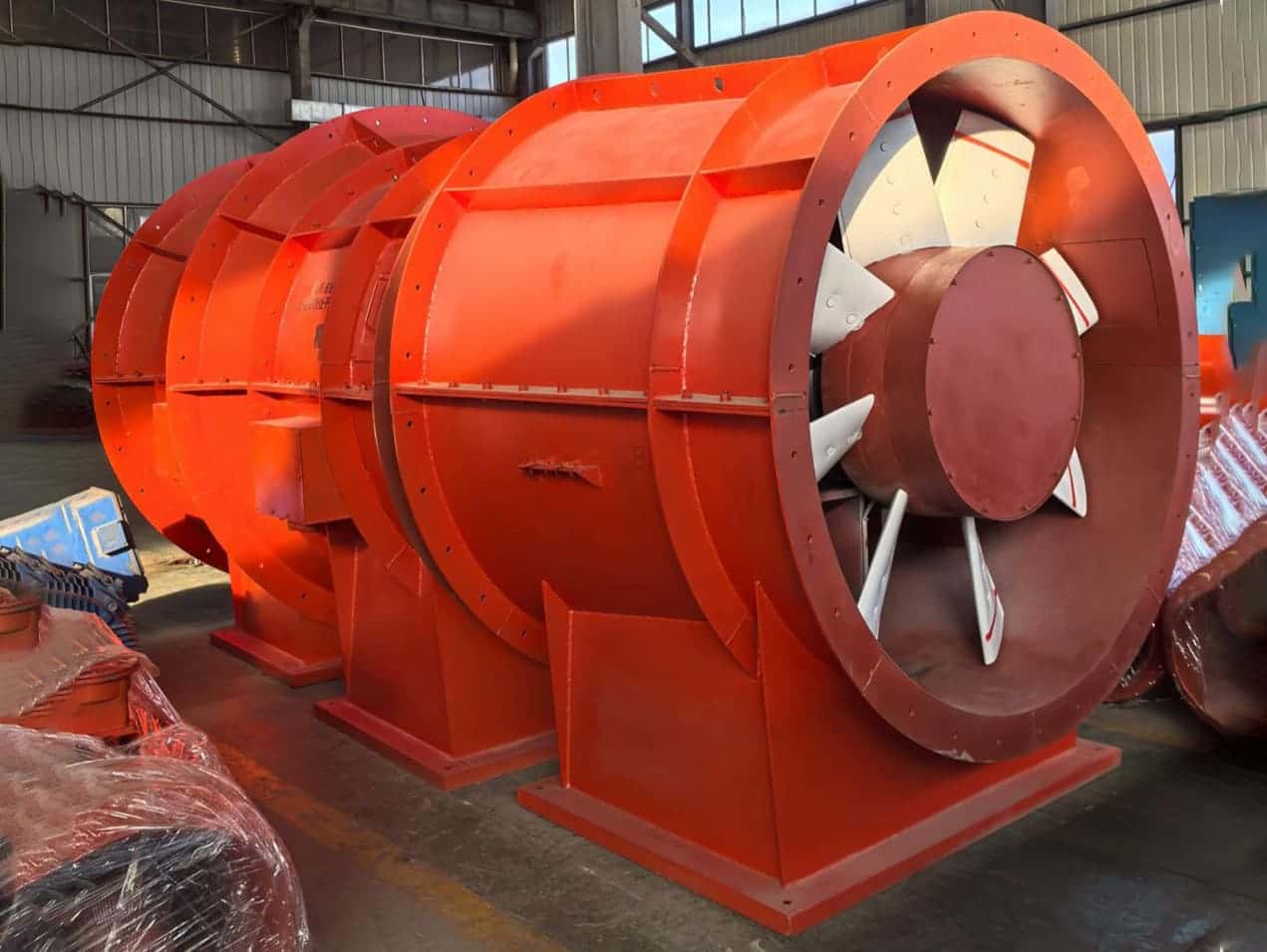
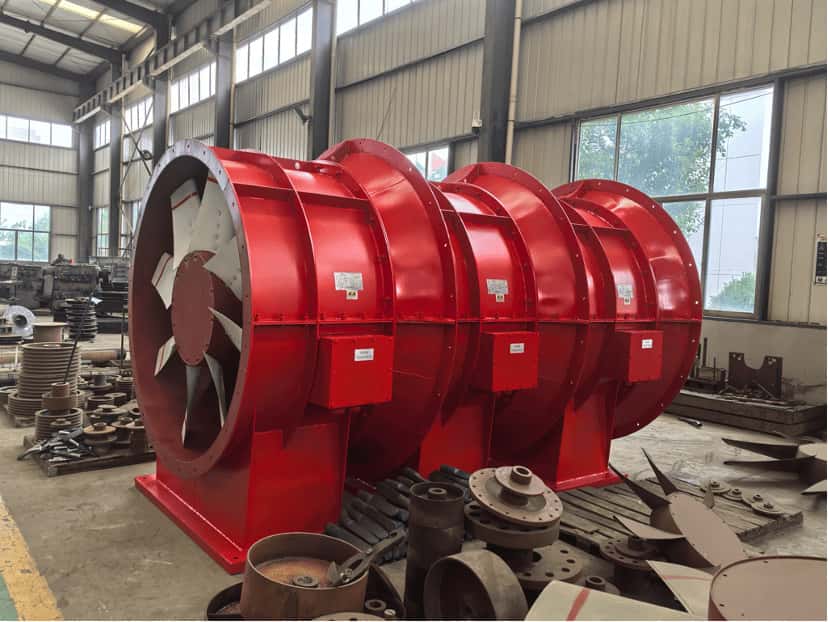
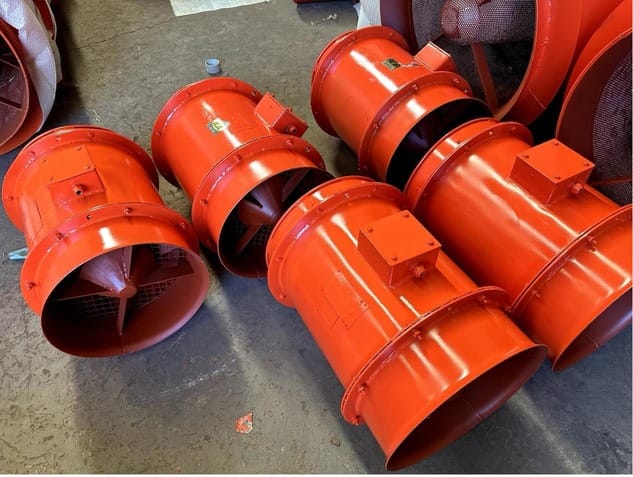
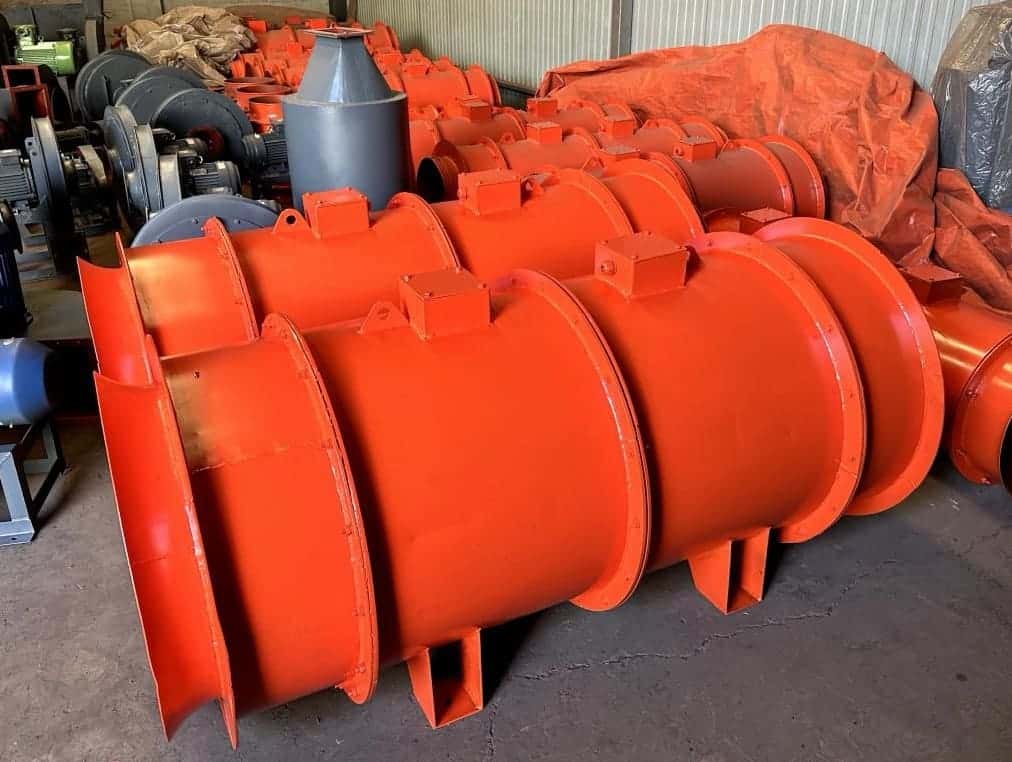
To answer how you choose the right ventilation fan, you must start with the job the fan has to do. In industrial plants and mines, a fan is not just a piece of hardware; it is part of a complete ventilation system, and its performance must match the required airflow, pressure, environment and safety standards.
The first step is to define airflow and pressure. How many cubic metres per hour (or CFM) of air do you need to move, and against what resistance? For a workshop, this might be the volume needed to dilute heat and fumes. For a mine heading, it will be the airflow required by regulations and gas/dust calculations. Engineers then estimate the pressure drop through ducts, filters, bends, dampers and mine roadways. The combination of required flow and pressure defines the target duty point for the fan.
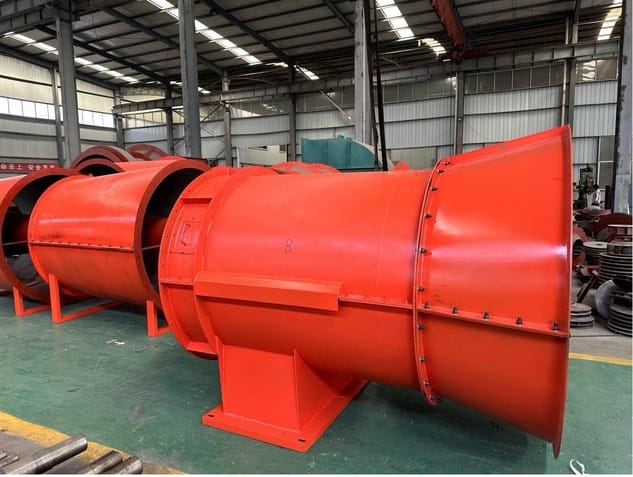
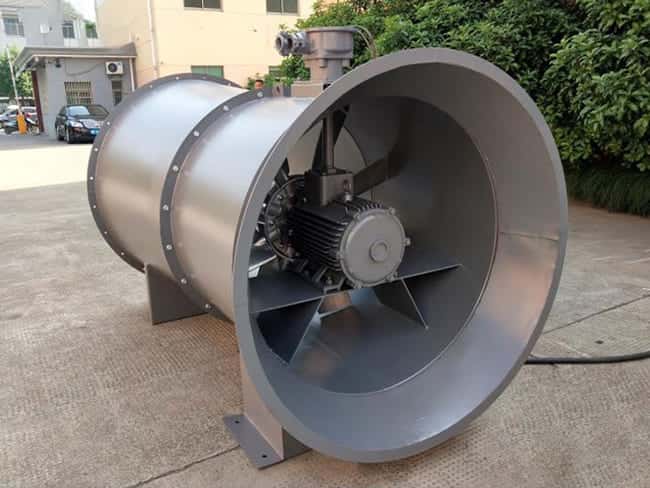
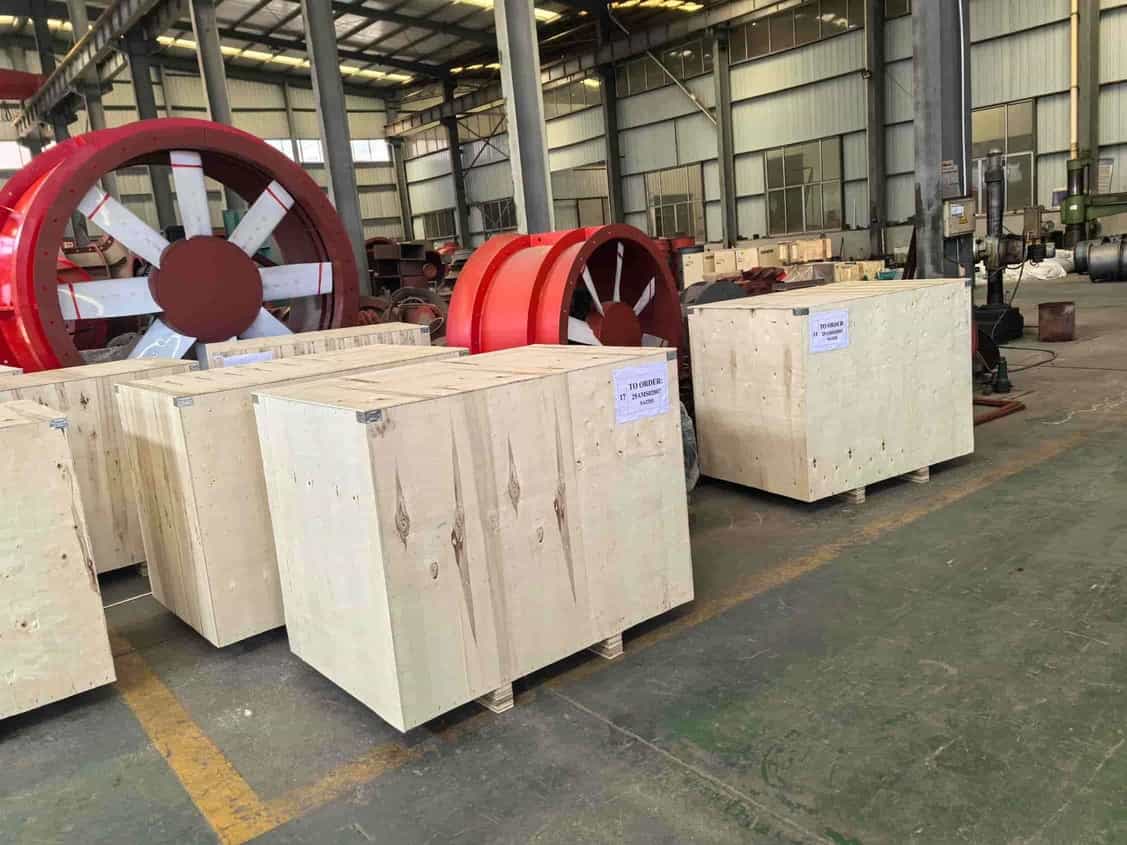
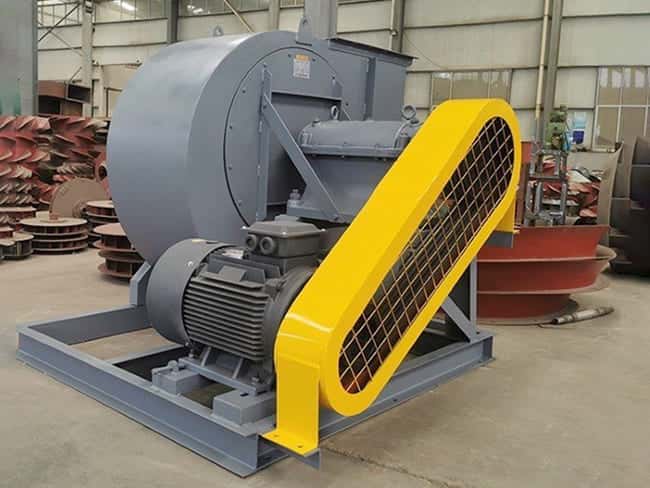
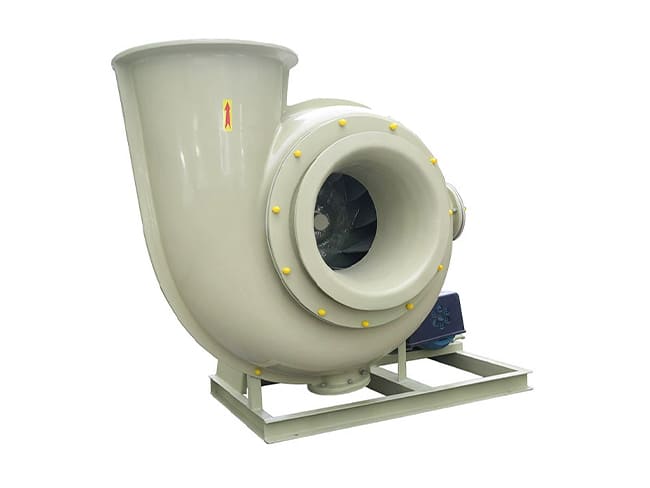
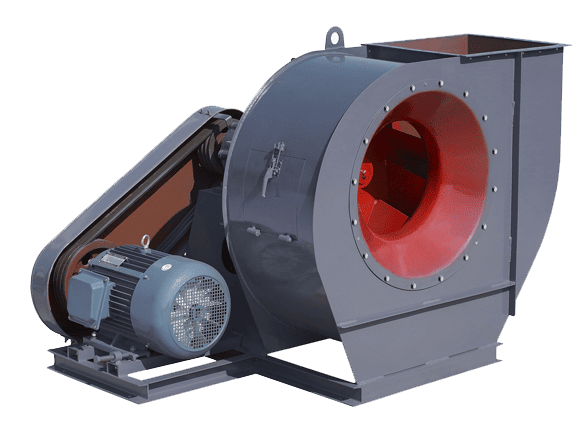
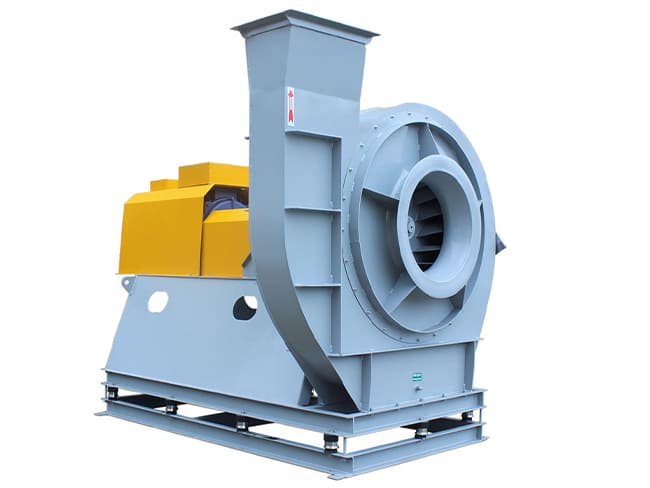
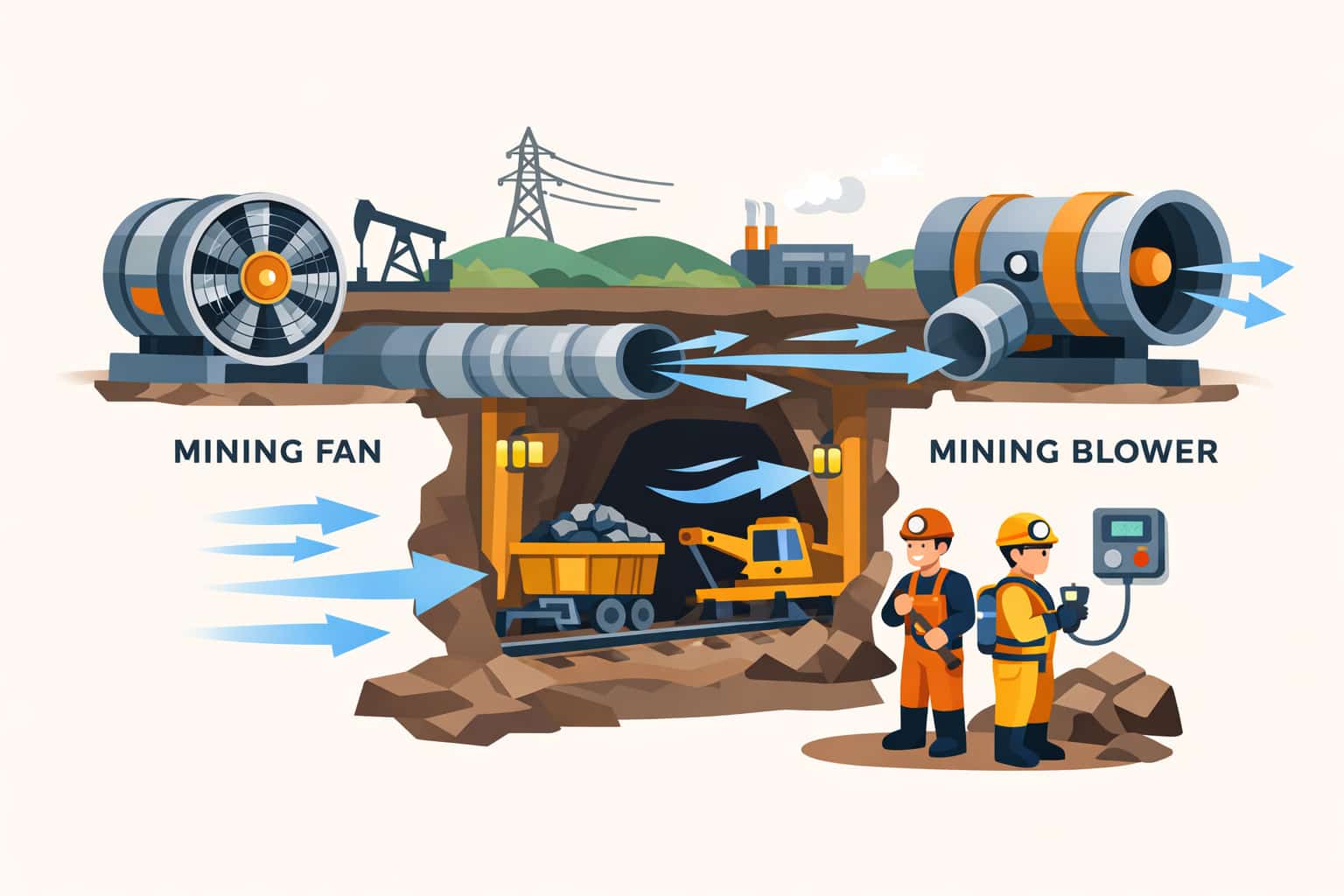
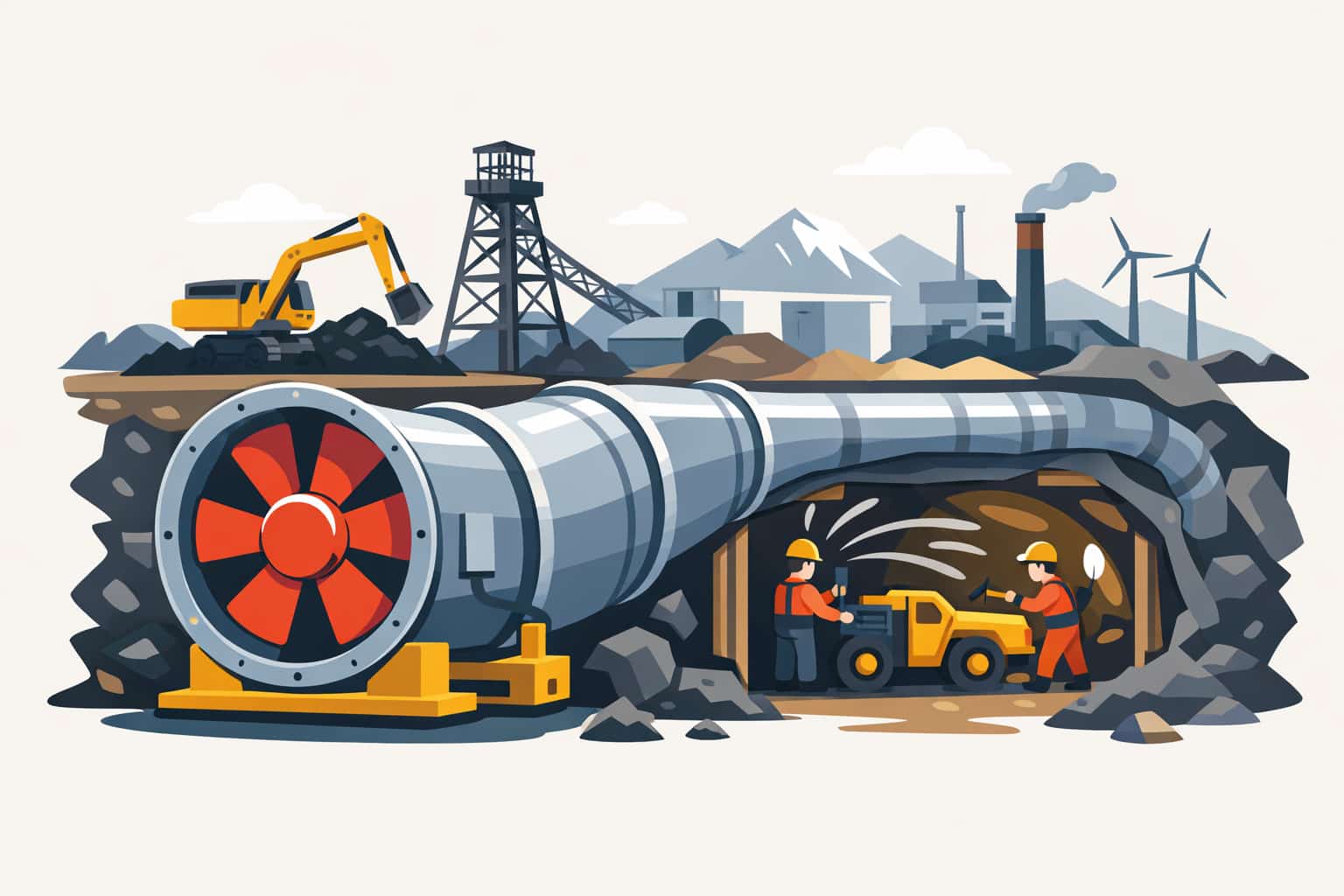
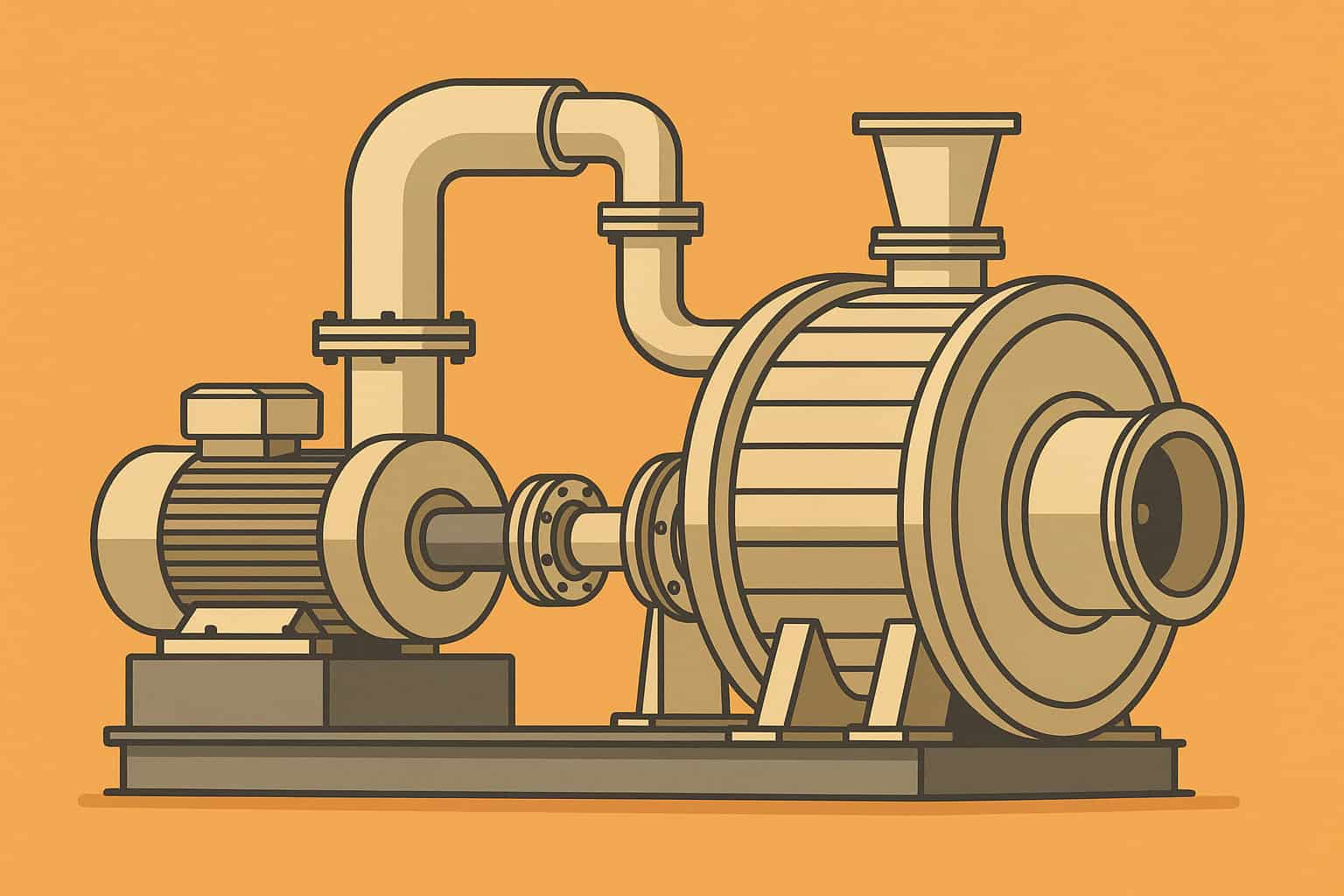
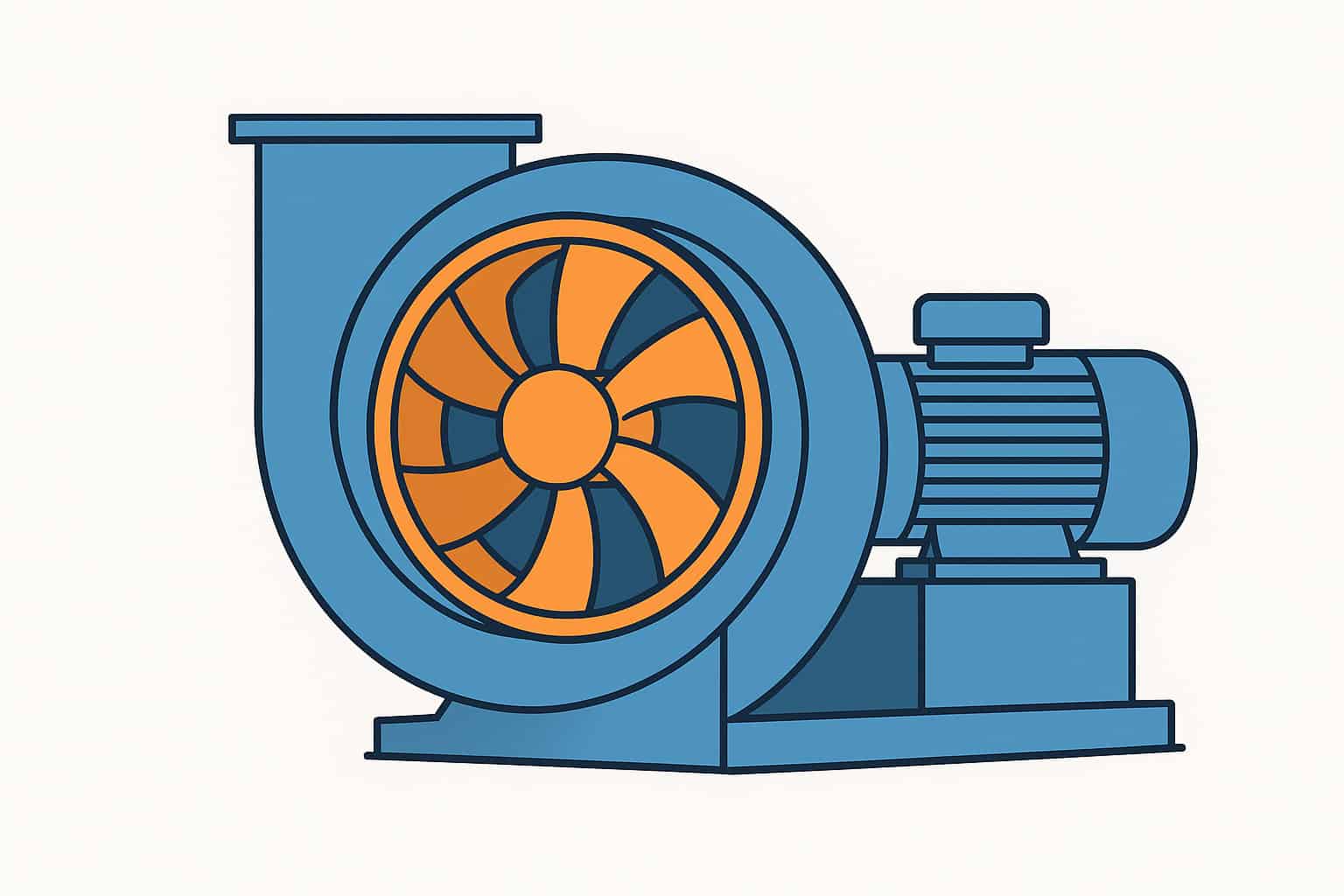
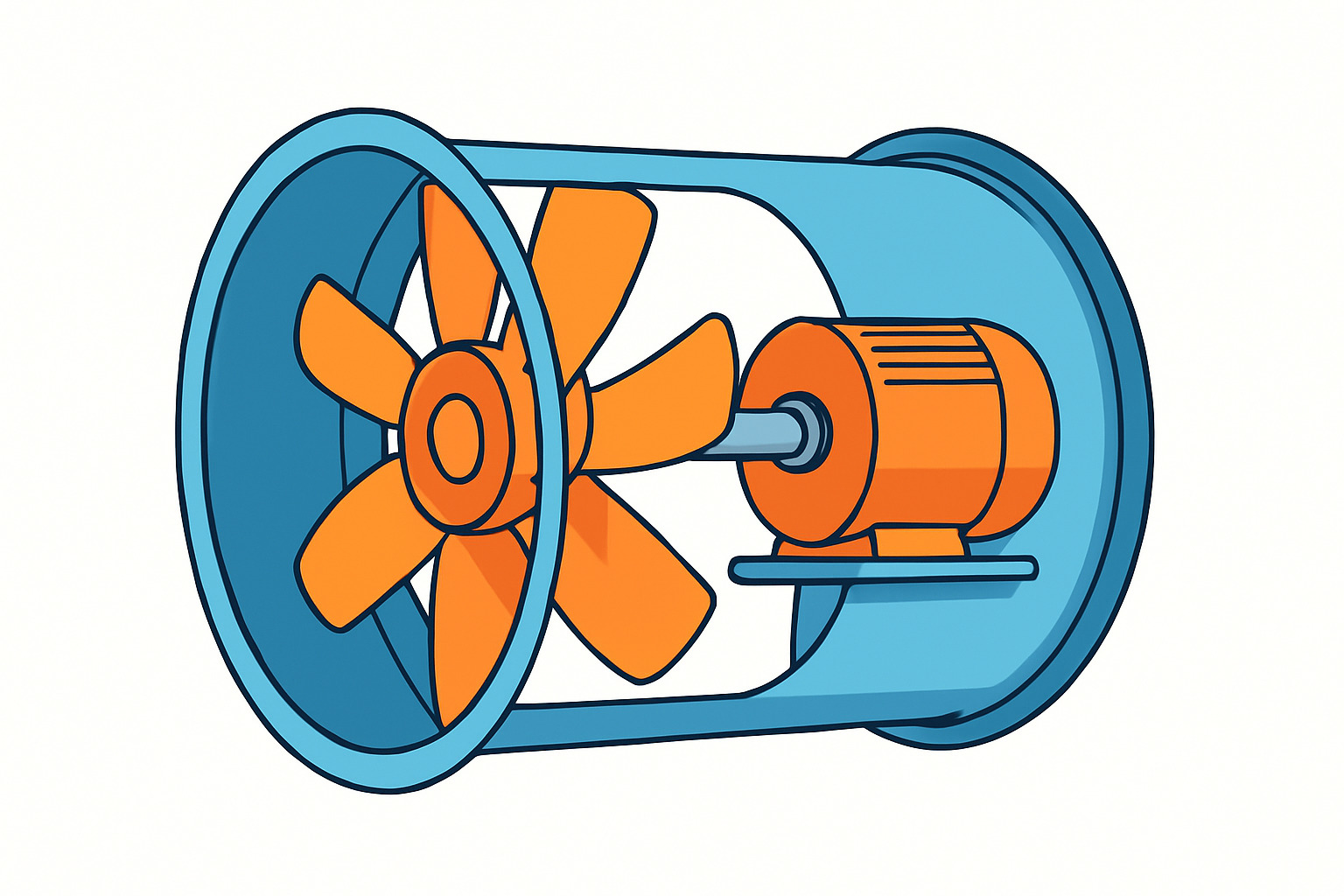
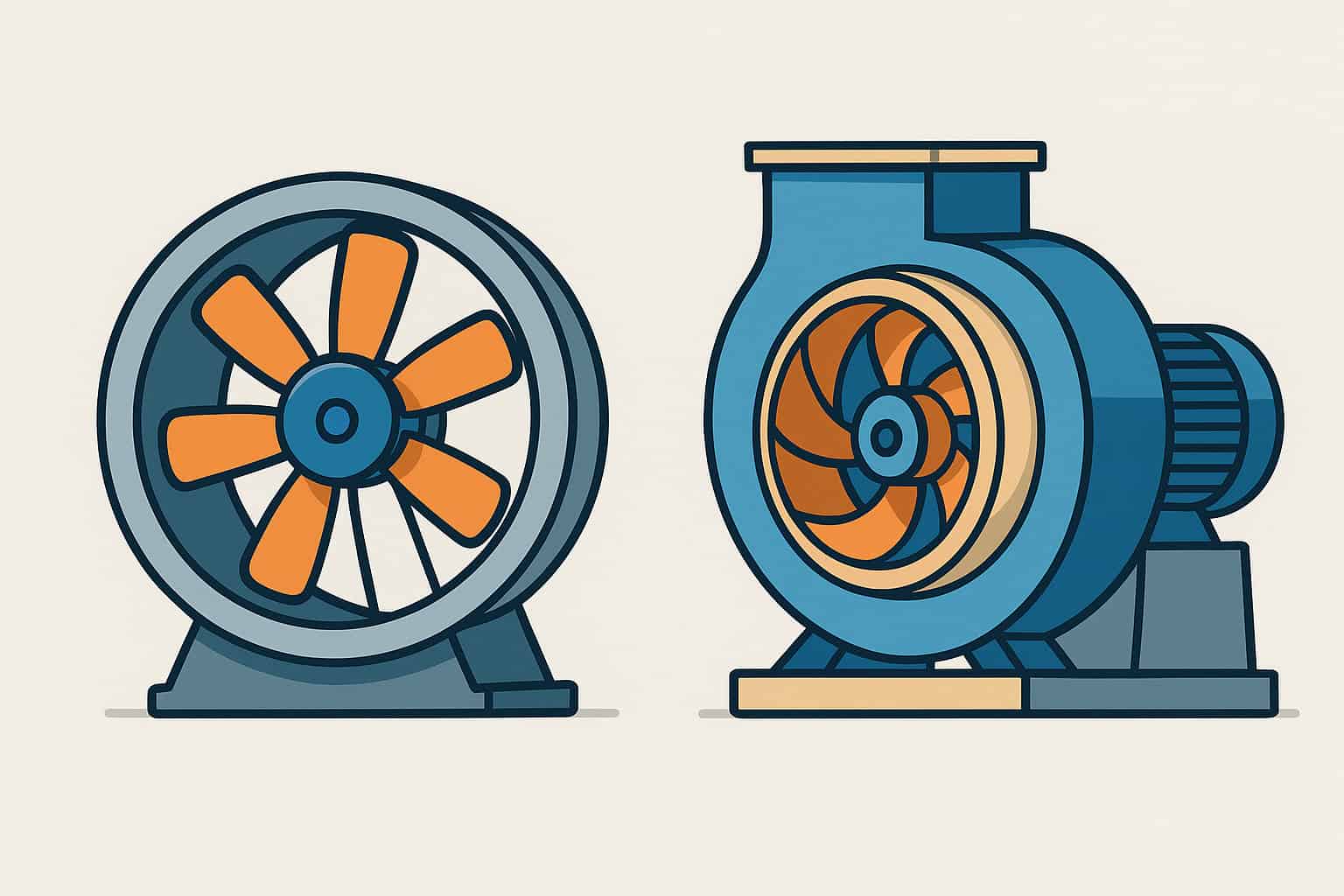
Next, decide between axial and centrifugal fan types. Axial fans are usually best for high-volume, low- to medium-pressure ventilation in open spaces, tunnels and main mine circuits. Centrifugal fans and blowers are better for higher-pressure systems with long ducts, dust collectors or scrubbers. Within these families there are subtypes—vane-axial, tube-axial, backward-curved, radial blade—that are chosen based on efficiency, dust loading and noise requirements.
After you know the type, you select a specific fan size and speed using manufacturer performance curves. You look for a model whose curve passes near your duty point so the fan operates close to its best efficiency region. This reduces energy consumption, vibration and noise. Where variable demand is expected, you may specify a variable-frequency drive so fan speed can be adjusted while maintaining good efficiency.
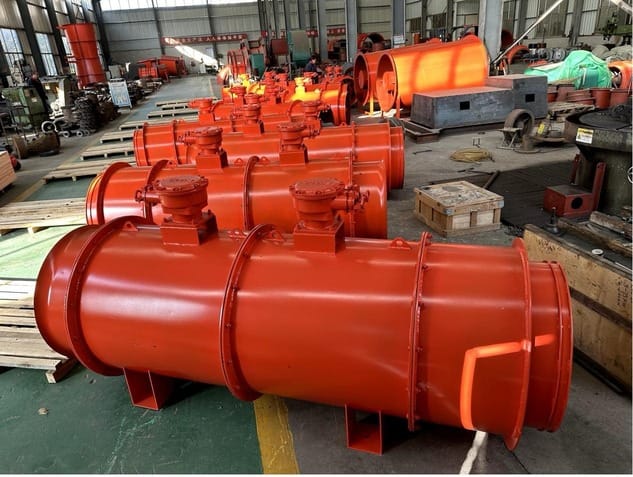
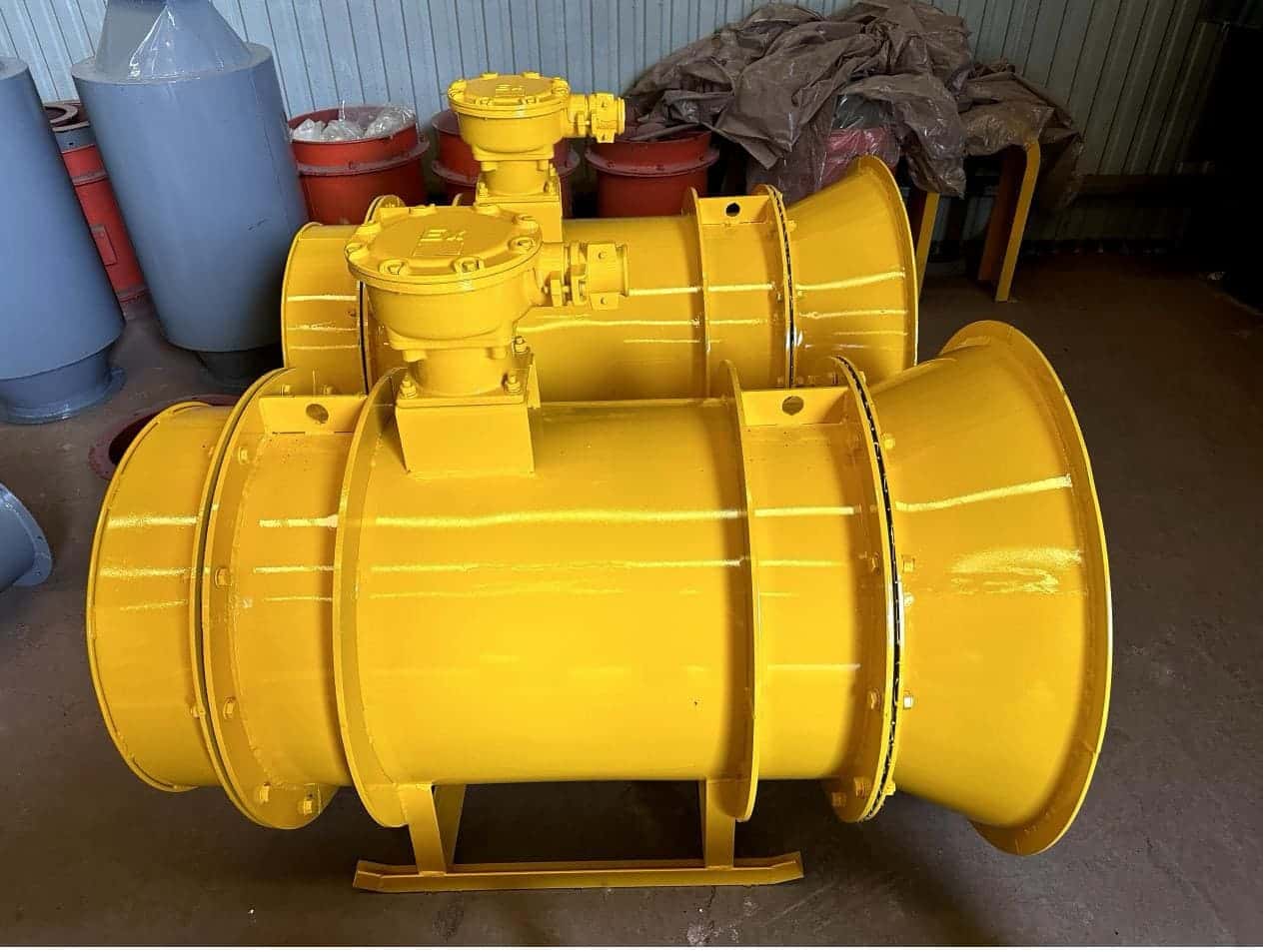
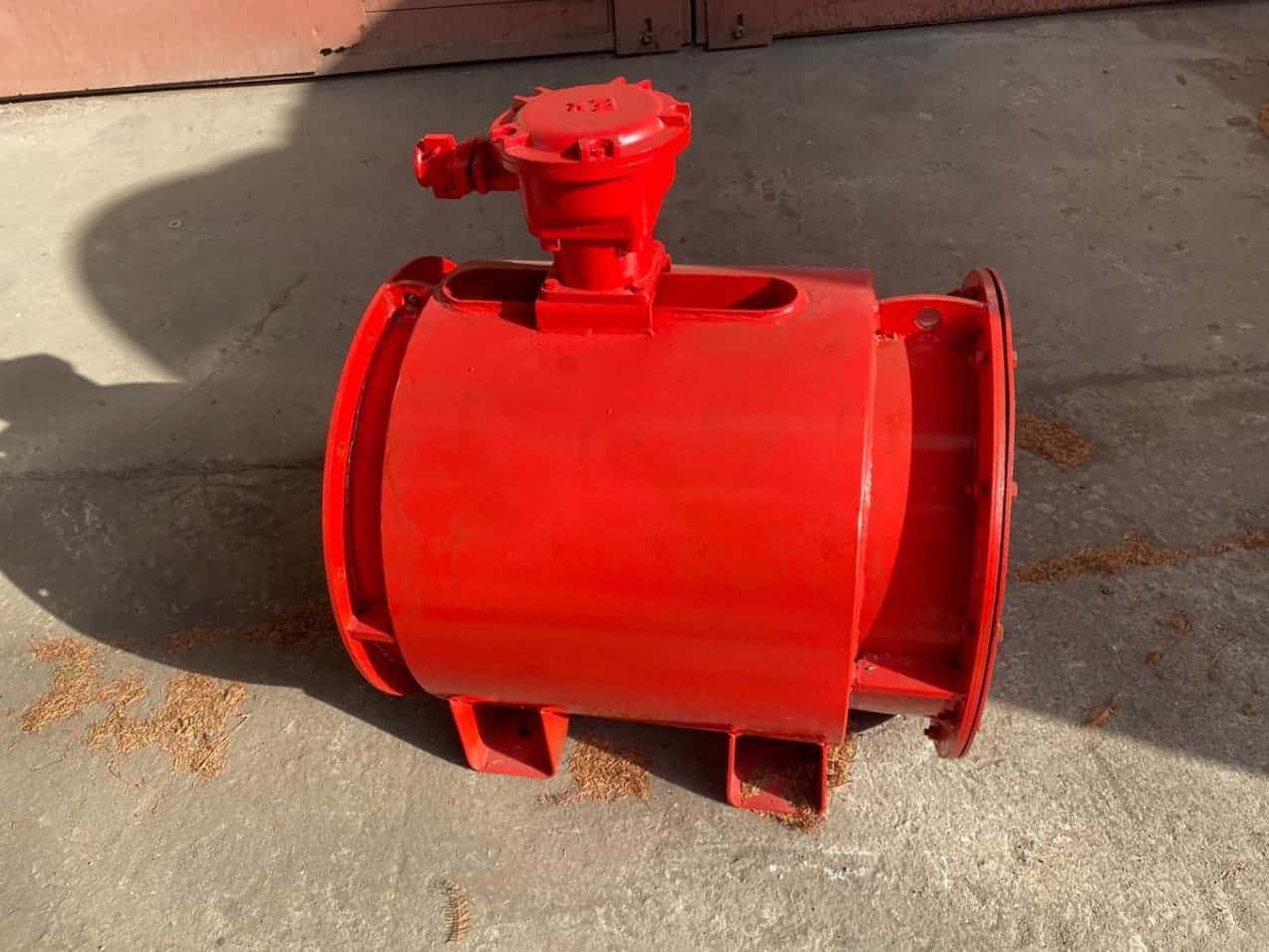
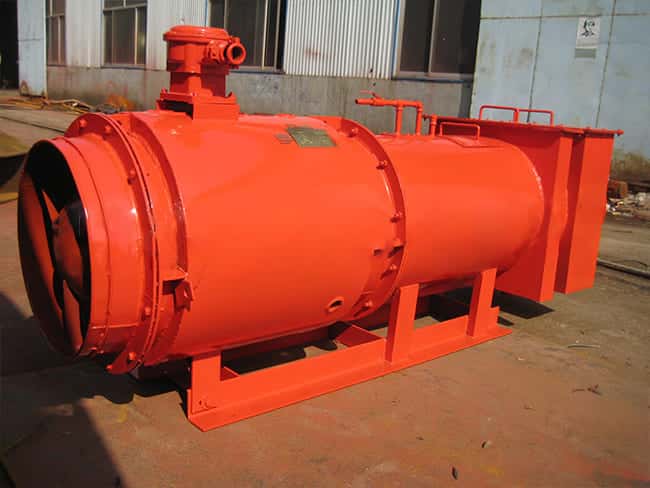
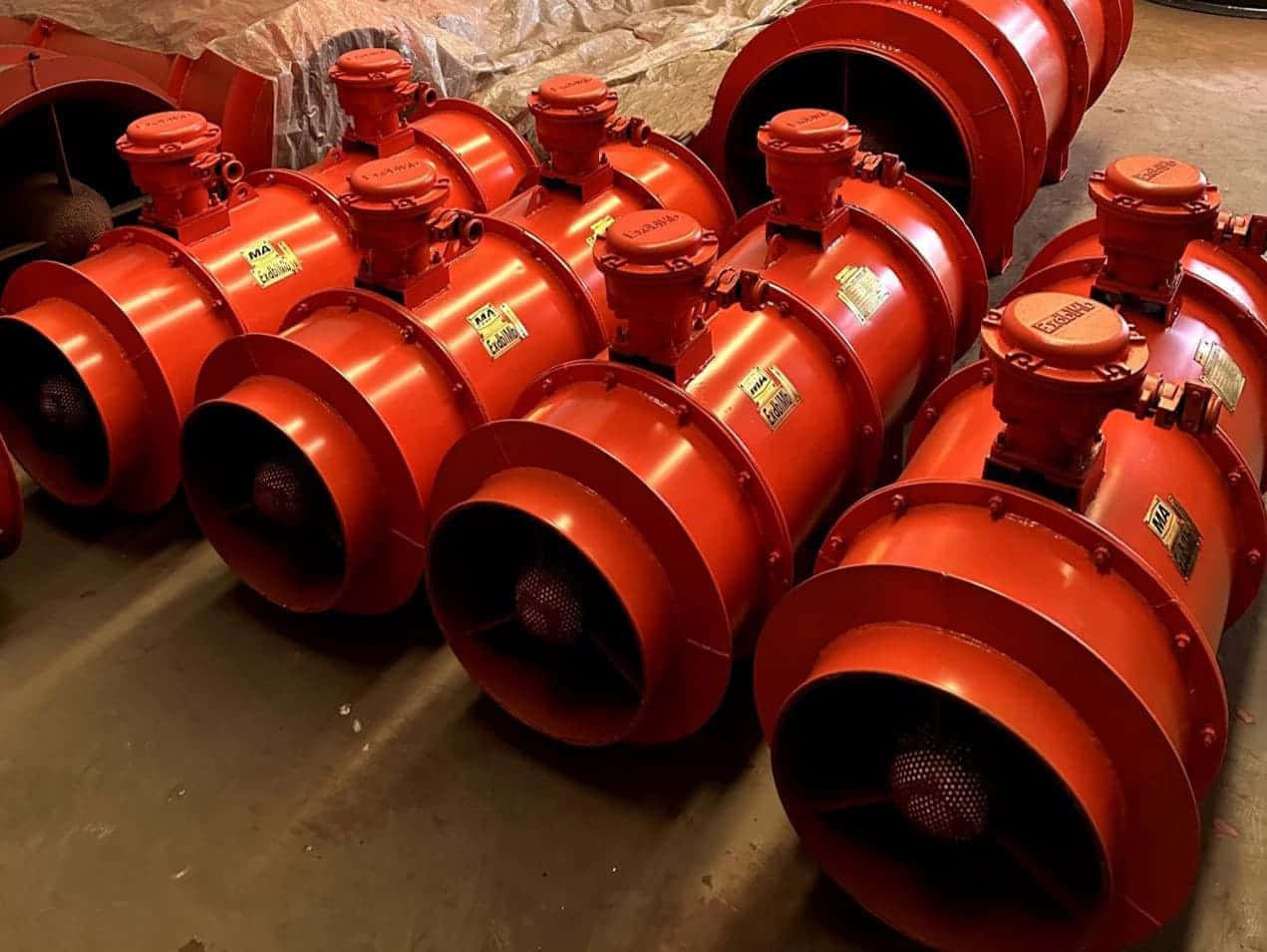
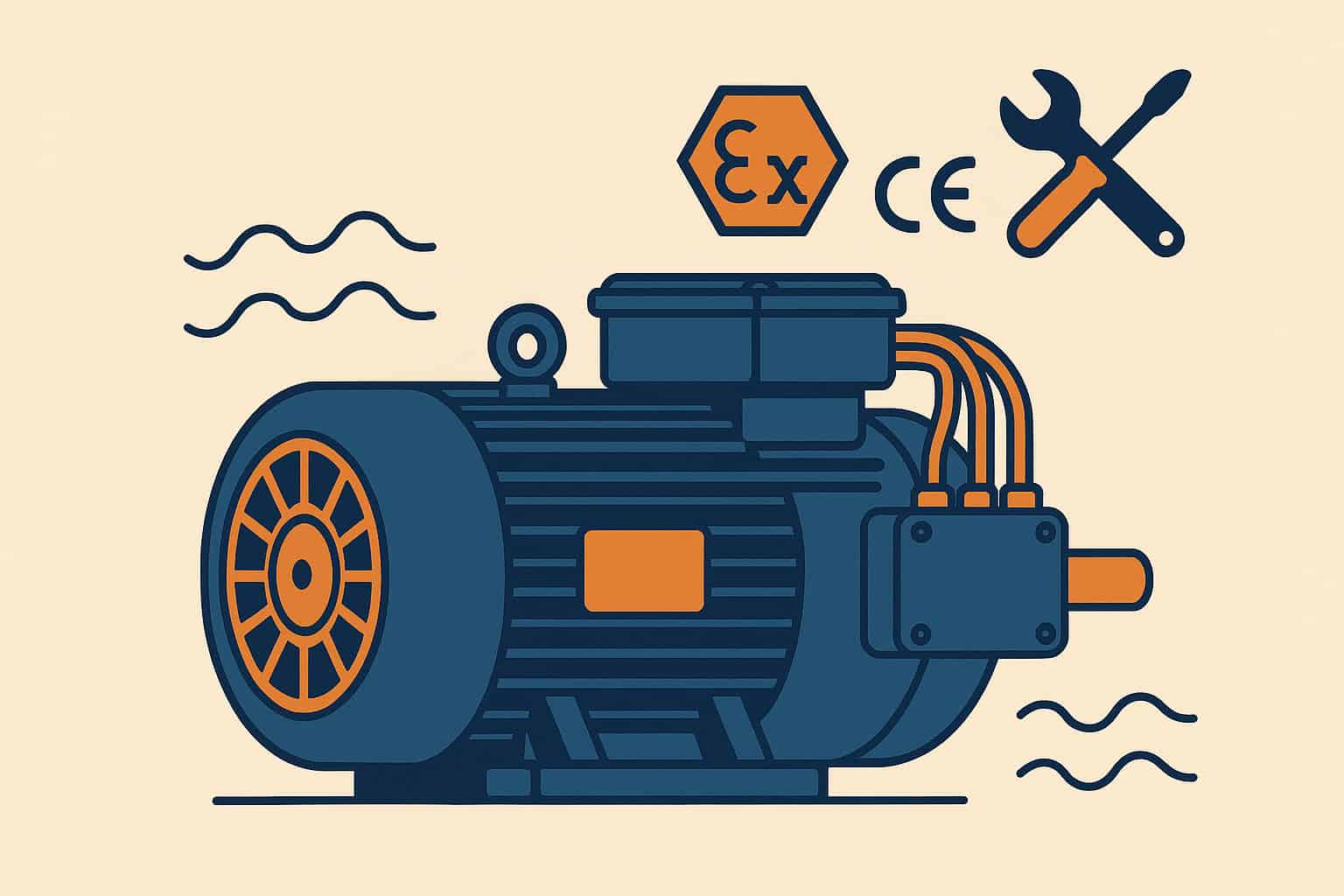
Environmental and safety factors are just as important. For hot, corrosive or dusty air, you may need special materials, coatings or radial-blade designs. In explosive atmospheres, such as coal mines or chemical plants, fans must be certified explosion-proof or meet ATEX/IECEx requirements. Noise limits, space constraints, access for maintenance and available power supply (voltage, frequency, single/three-phase) also influence your choice.
Finally, think about life-cycle cost, not just purchase price. A cheap but inefficient fan can cost far more over its life in electricity and unplanned downtime than a higher-quality unit running near its best efficiency point. For critical mining fans and main industrial exhaust fans, reliability and certification are often worth more than small differences in initial cost.
In summary, to choose the right ventilation fan you must define airflow and pressure, select an appropriate type (axial or centrifugal), pick a model that operates efficiently at your duty point, and ensure that materials, safety ratings and noise levels match the environment where the fan will work.
