
The only reliable way to know if a fan is explosion proof is to check its certifications and markings, not just its appearance. Explosion proof fans for hazardous areas are tested and approved by recognised bodies, and that information must be clearly shown on the nameplate and in the technical documents.
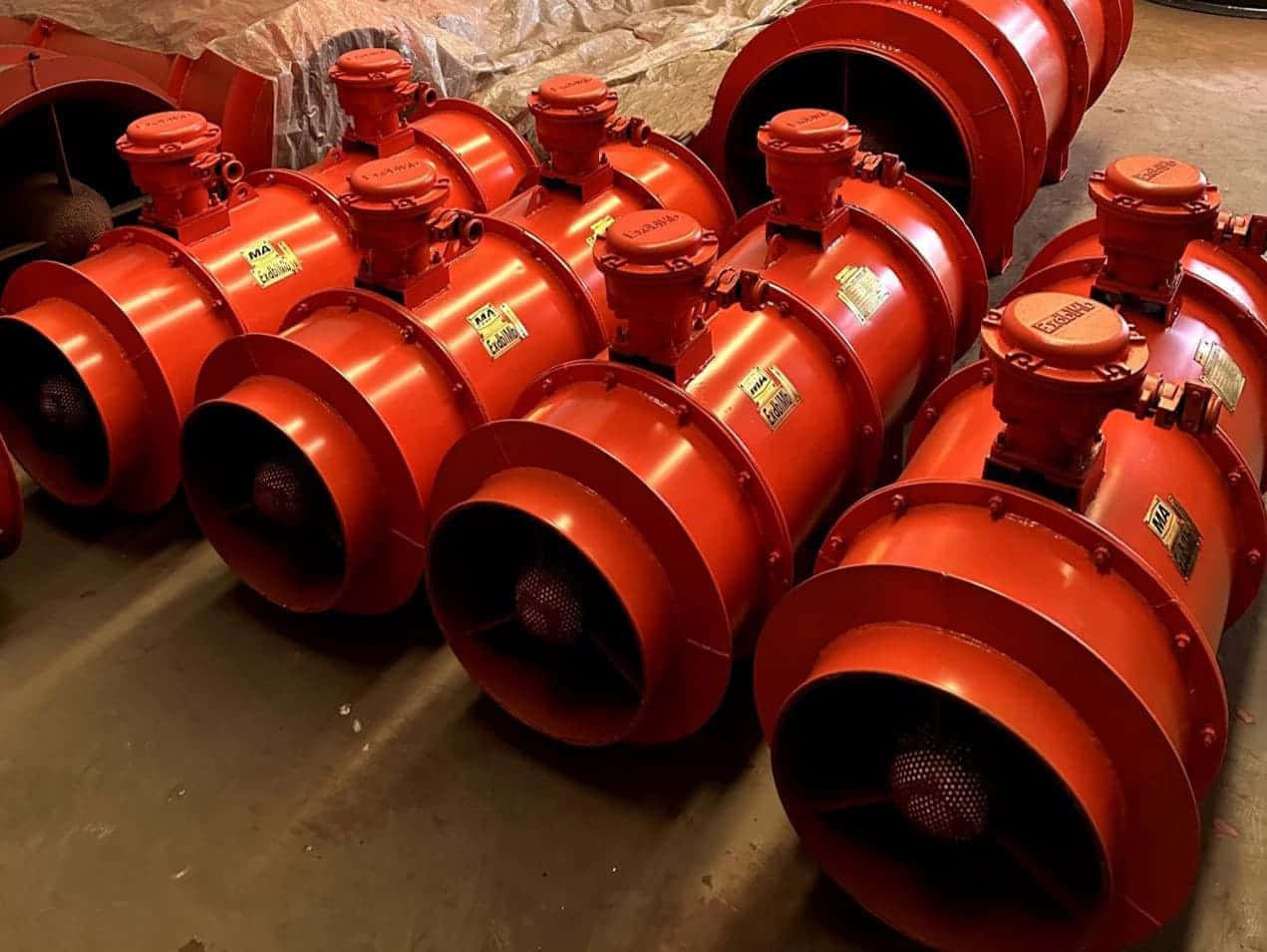
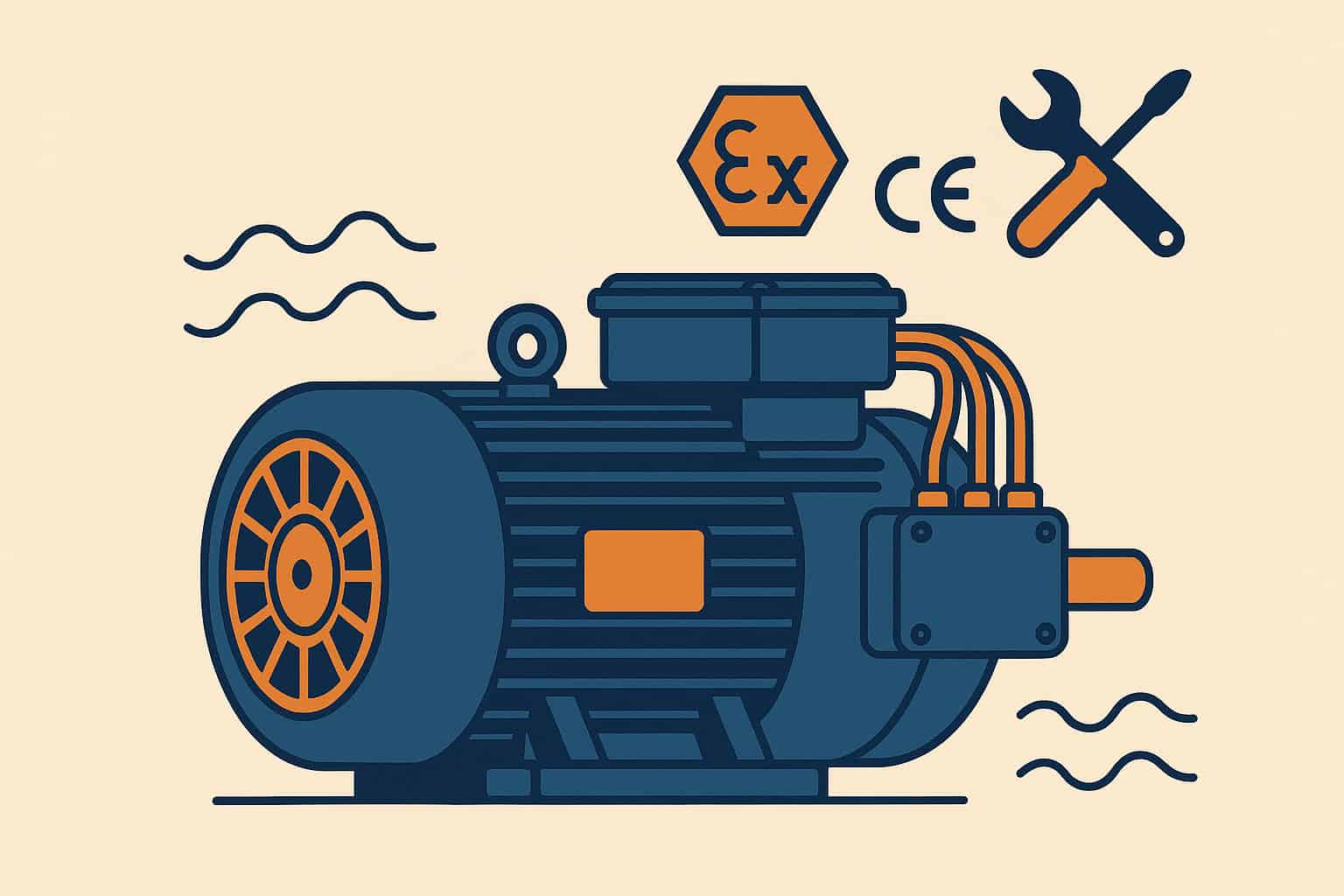
Start by looking at the fan nameplate. Explosion proof or flameproof fans usually have specific codes and logos that show compliance with standards such as ATEX, IECEx or local hazardous area regulations. On the nameplate you should see the equipment group, category or zone classification, gas or dust group, temperature class and an approval or certificate number. If the label is missing, unclear or does not mention hazardous area ratings, you should assume the fan is not explosion proof.
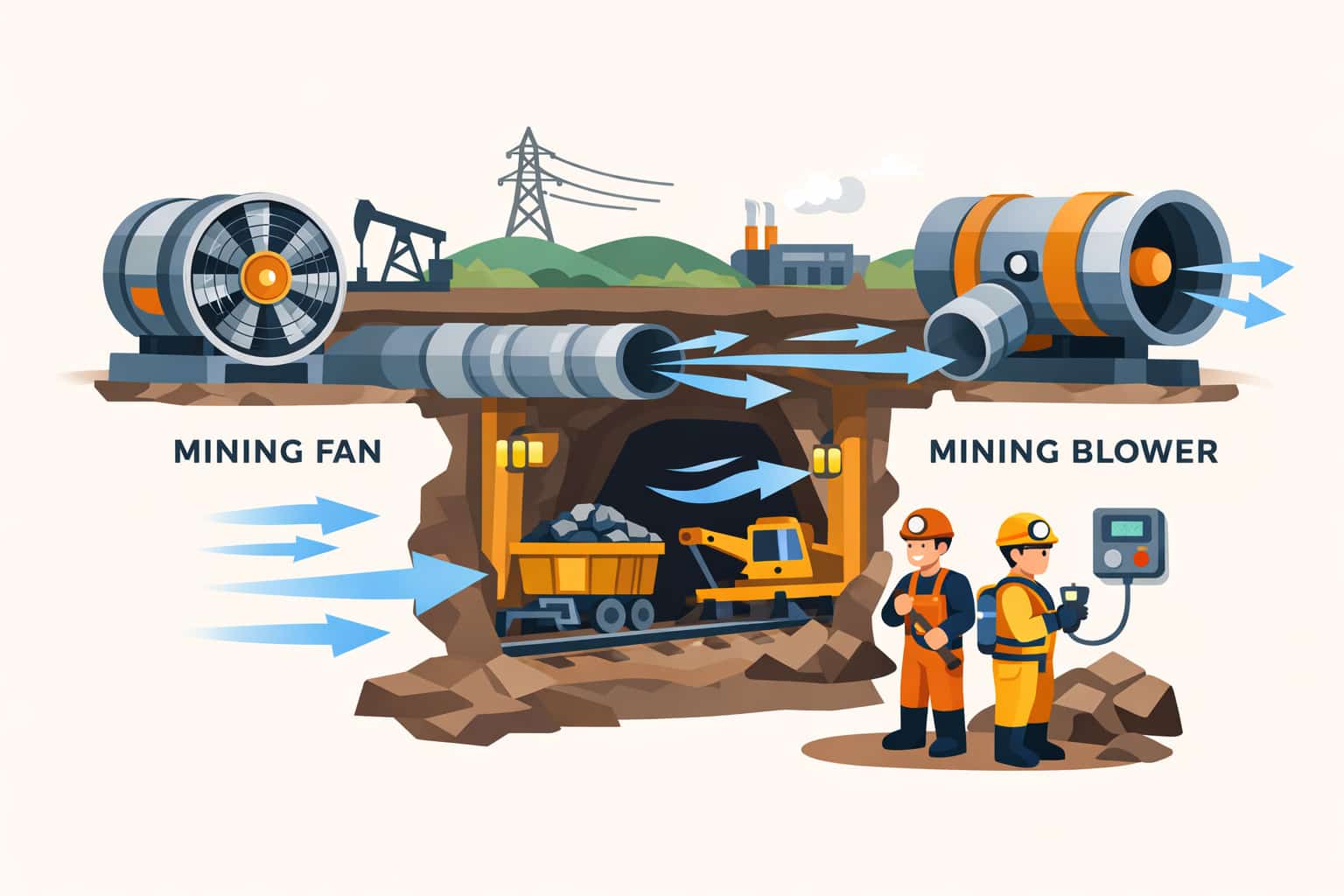
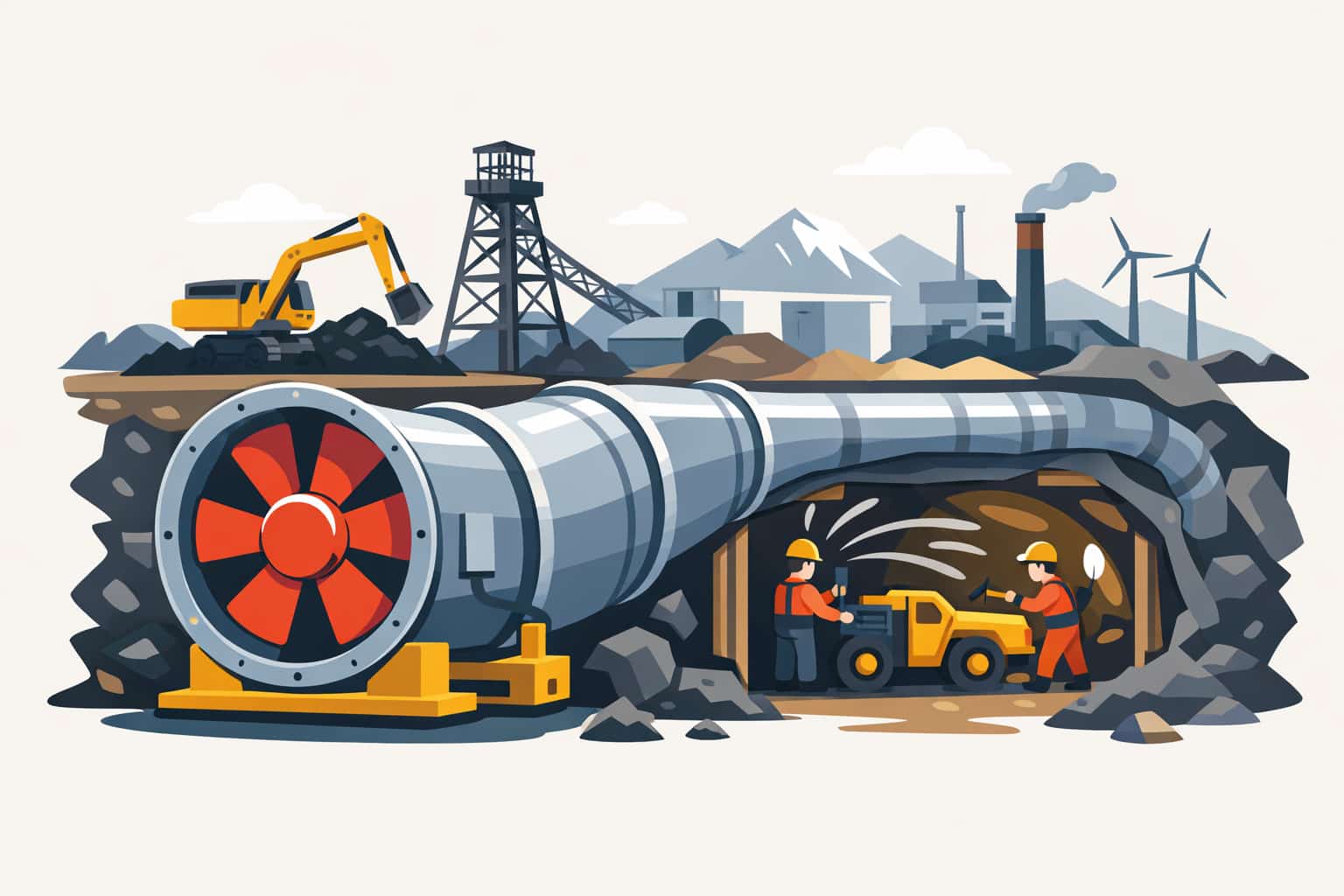
Next, compare the fan markings with your site hazardous area classification. Your electrical or safety department should have documents that define which zones or classes exist around the fan location and which gases, vapours or dusts are present. The fan must be certified for at least that level of risk. For example, a fan approved only for Zone 2 is not suitable in a Zone 1 location. In underground mining, fans for gassy coal mines must meet specific flameproof requirements and be used only where their certificates allow.
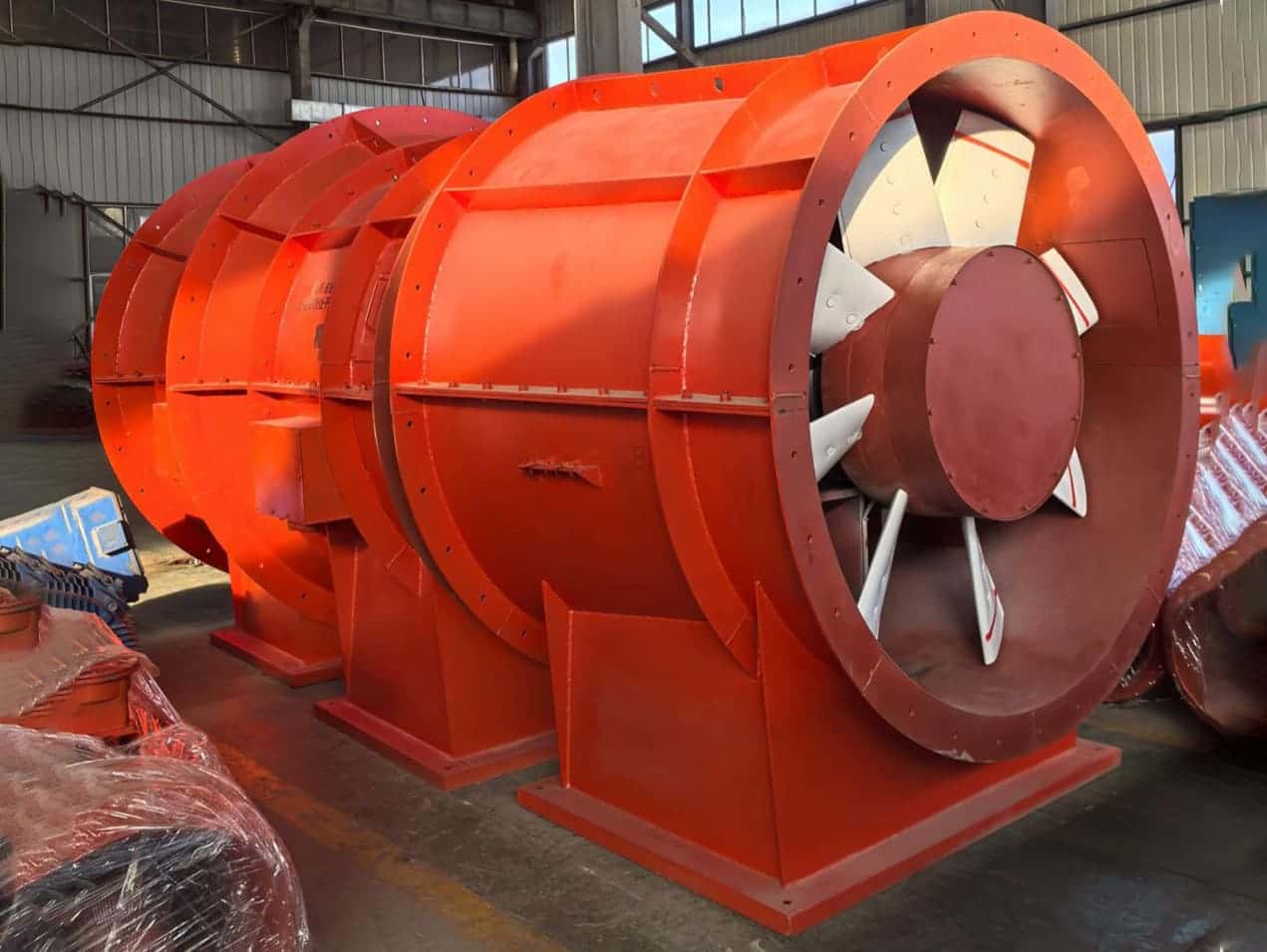
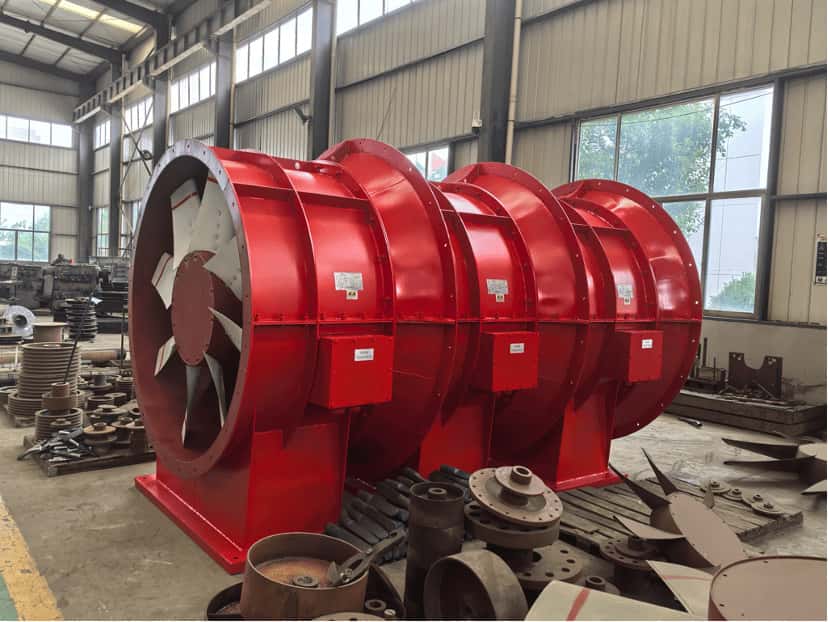
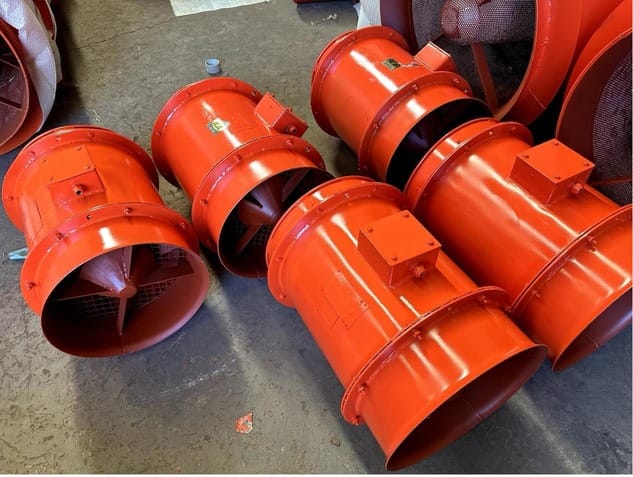
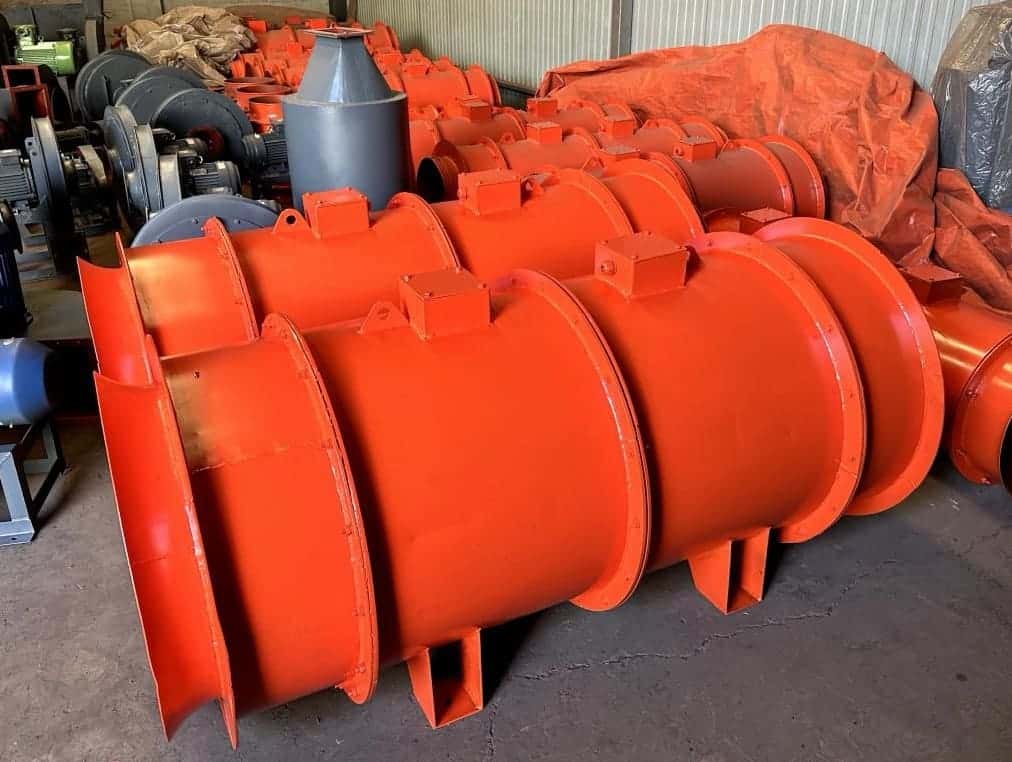
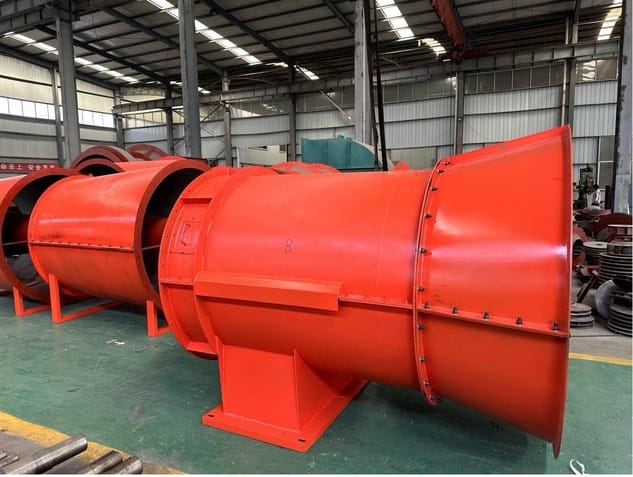
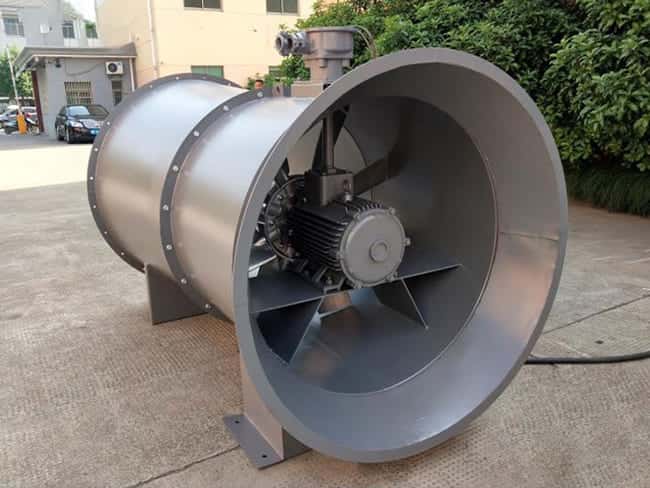
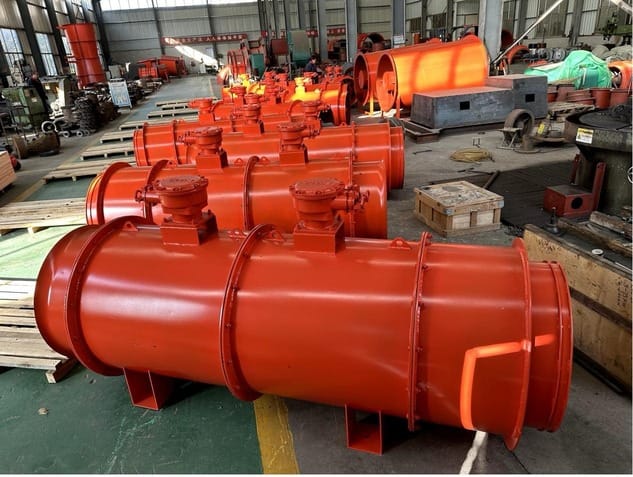
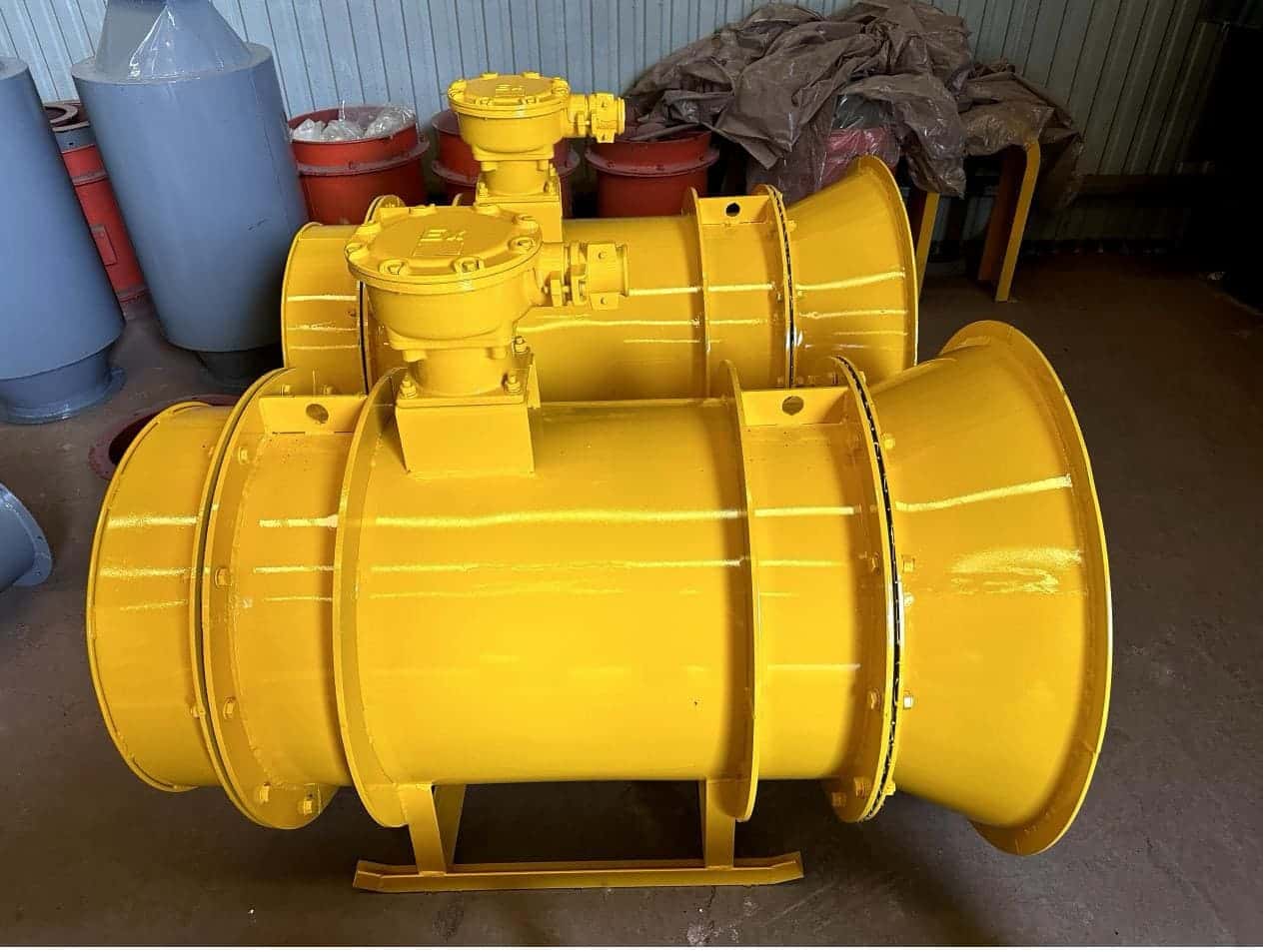
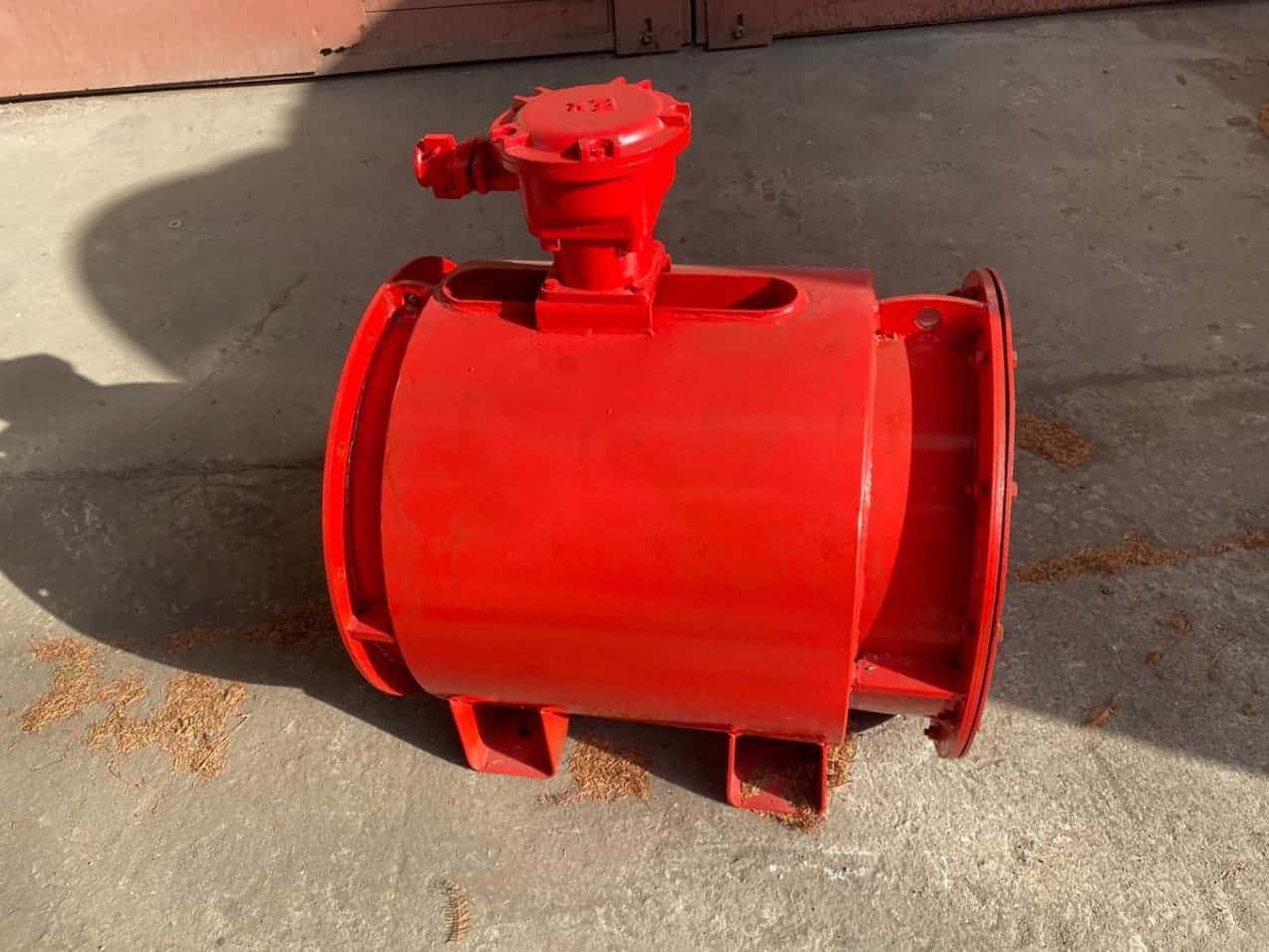
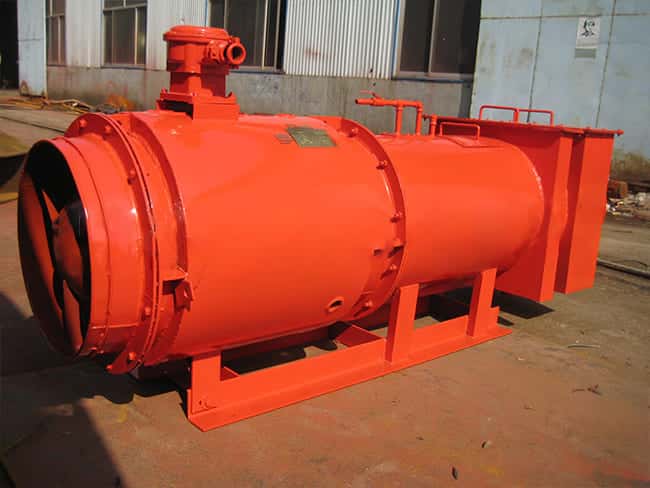
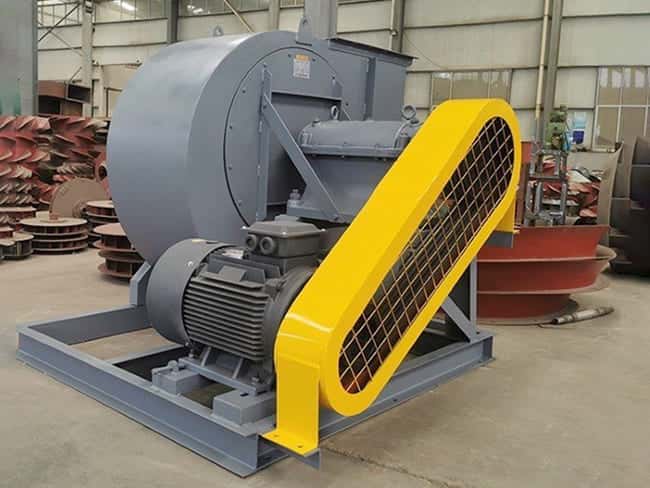
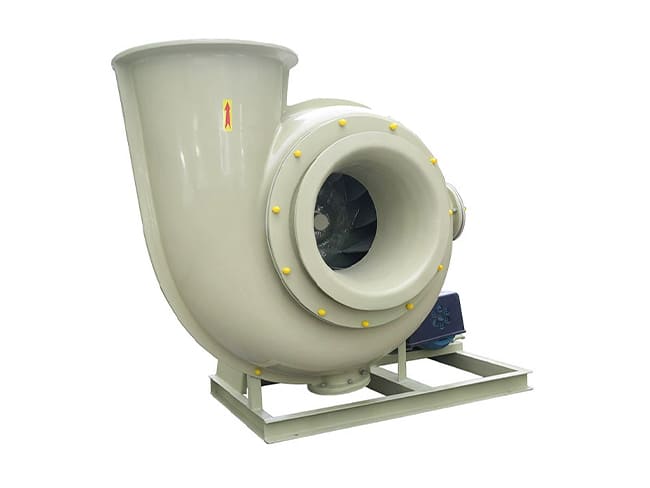
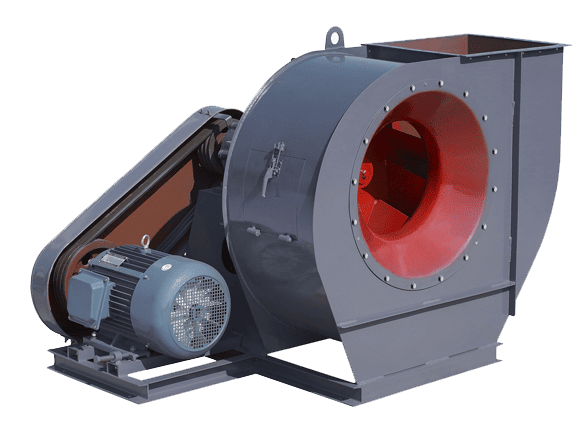
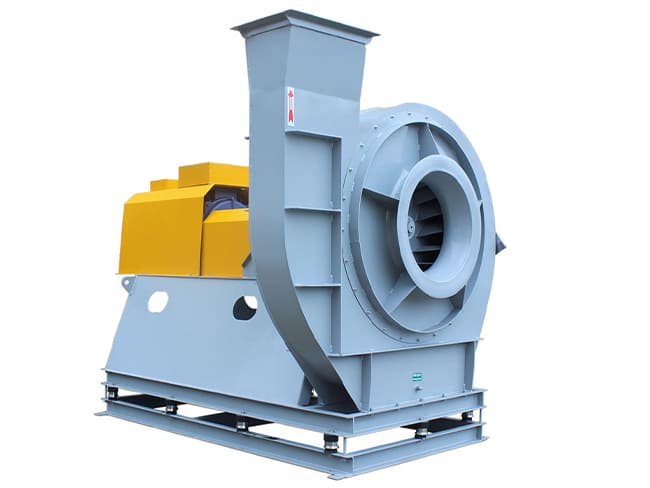
The fan’s construction details provide additional clues. Explosion proof fans typically have a flameproof or increased safety motor, robust terminal boxes with certified cable glands and tight clearances between rotating and fixed parts to avoid sparking. Materials may be selected to reduce impact sparking, and maximum surface temperatures are controlled so that the fan stays within its temperature class. However, you cannot judge certification from looks alone; you still need the official markings.
Always ask the manufacturer or supplier for the certificate and technical file. A genuine explosion proof fan will have formal documentation listing the standard applied, test laboratory, certificate number and detailed marking. If the supplier cannot provide this, or if the paperwork does not match the nameplate, treat the fan as non compliant and do not install it in a hazardous zone.
In summary, you know a fan is explosion proof when its nameplate and documentation clearly show the correct hazardous area approvals for your site, backed by recognised certification. Visual guesses are not enough; proper markings and paperwork are essential for safe use in explosive atmospheres.