
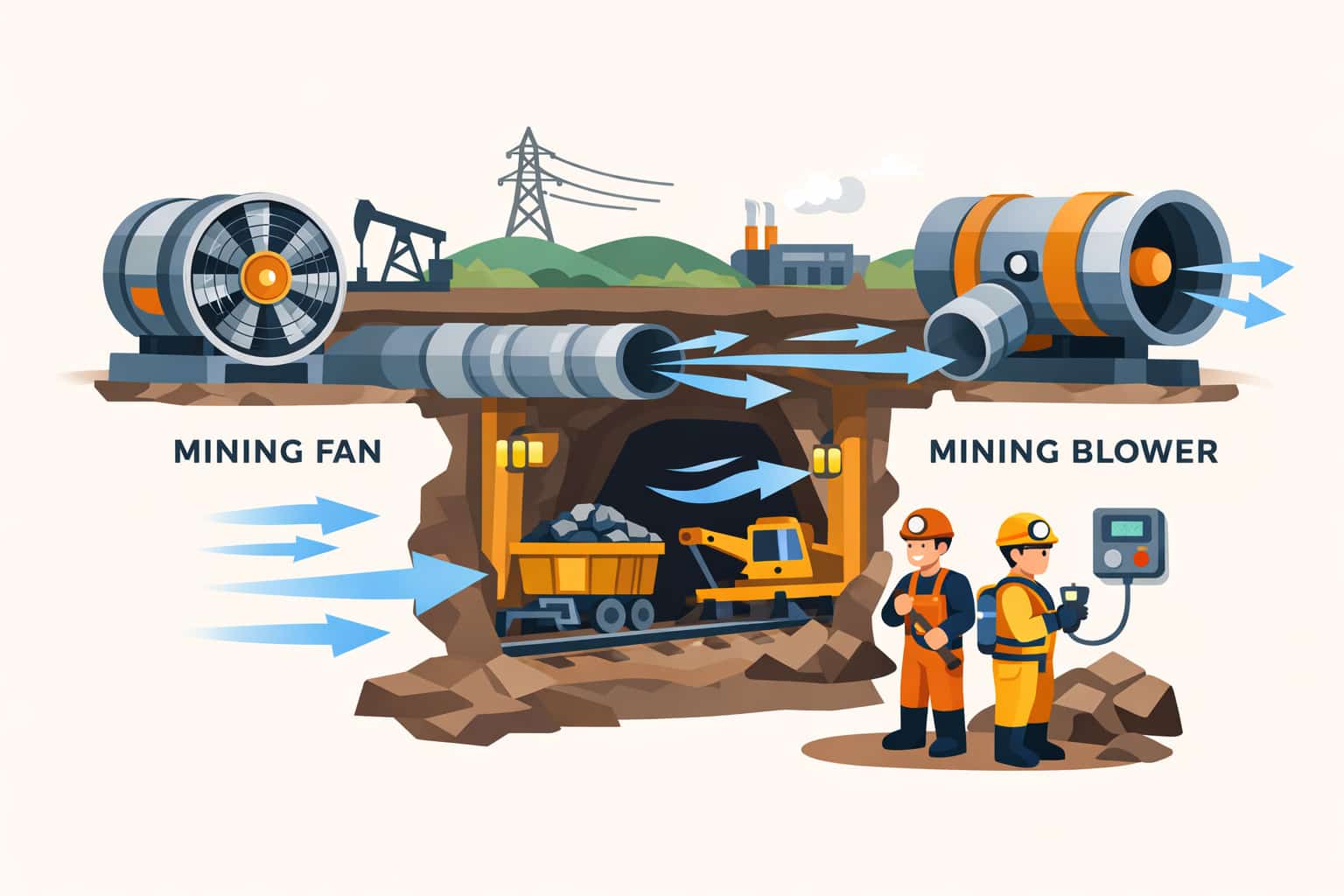
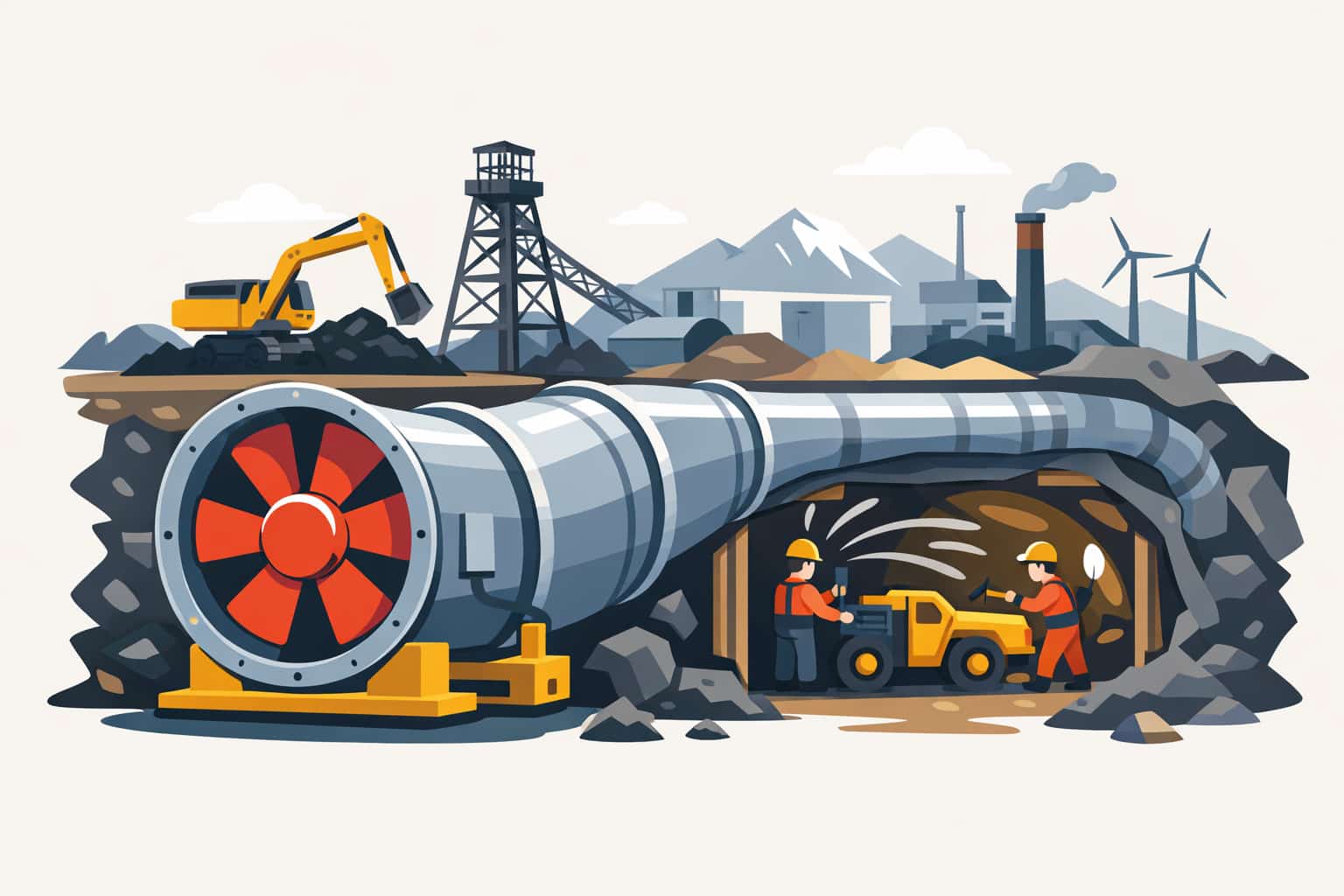

Ventilating a mine shaft means using fans and control devices to move fresh air down to underground workings and bring contaminated air back to the surface safely. Because the shaft is often the main connection between surface and the mine, its ventilation design has a big impact on airflow distribution, hoisting operations, and worker safety.
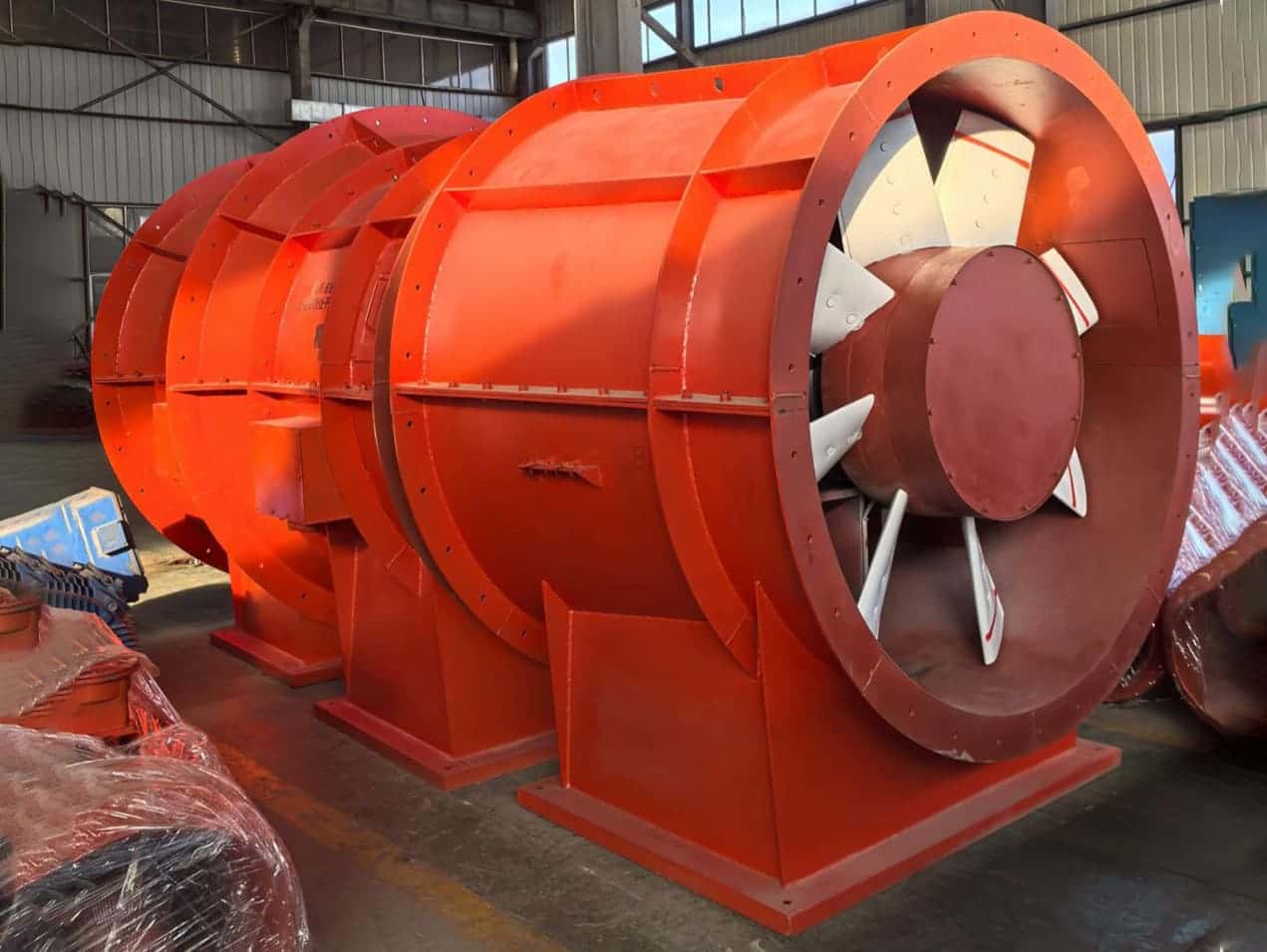
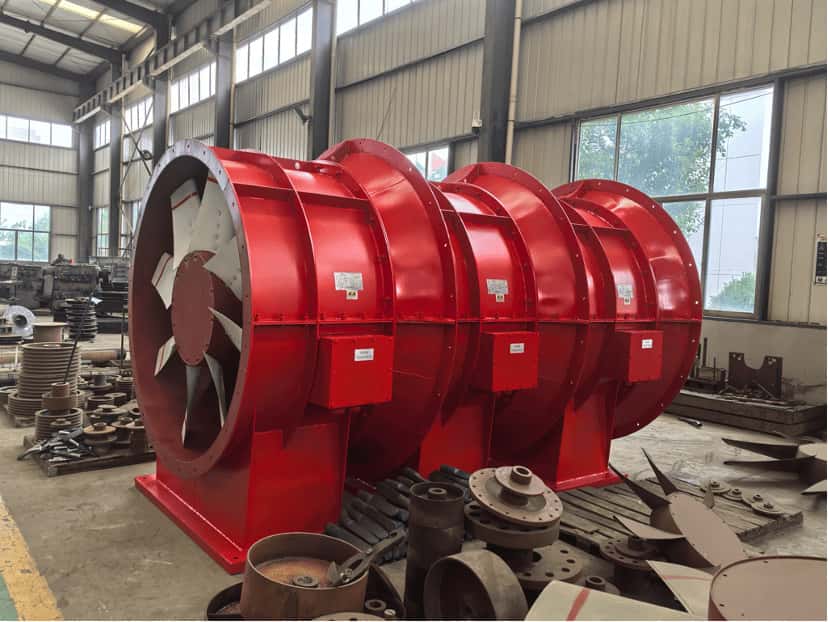
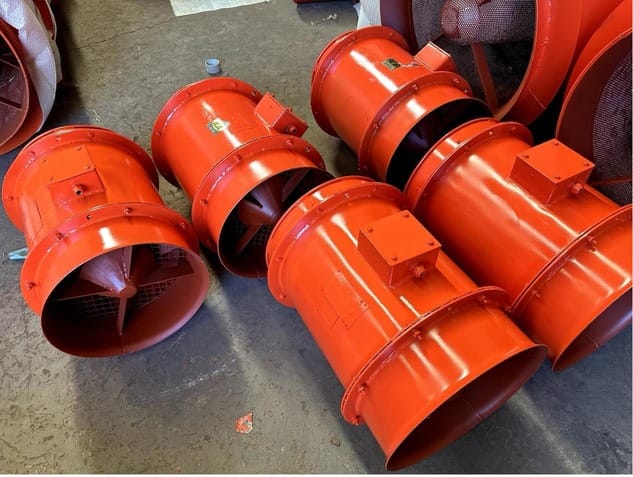
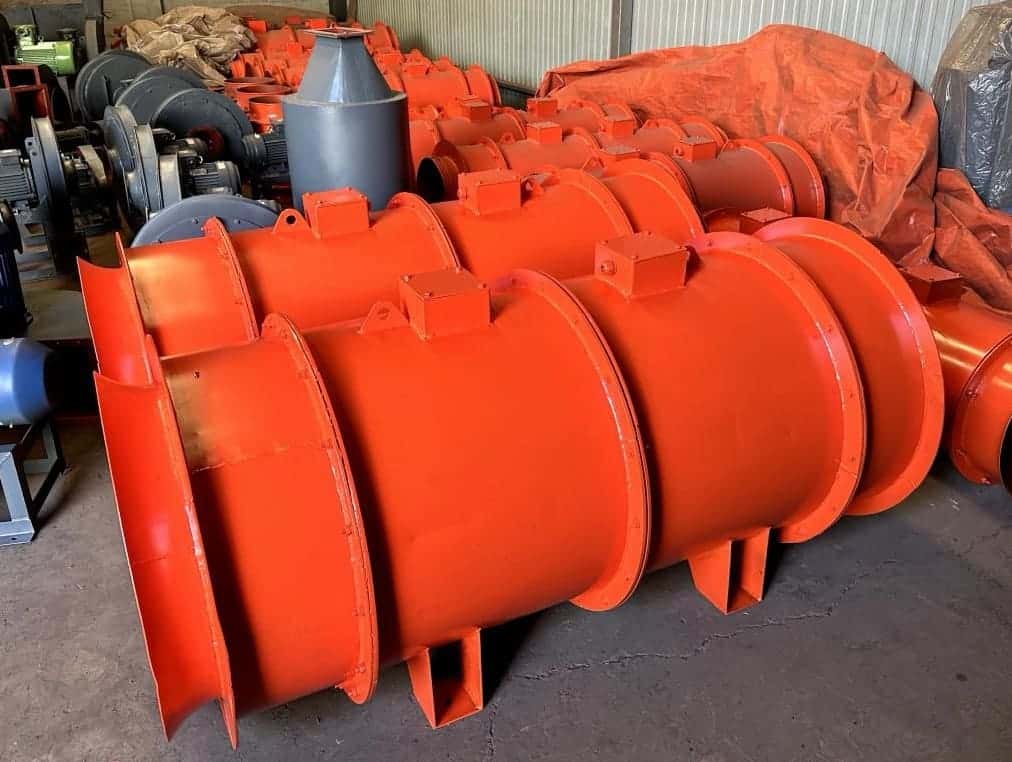
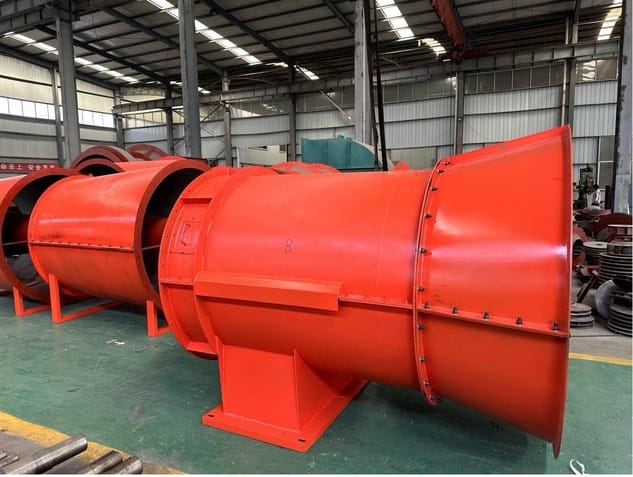
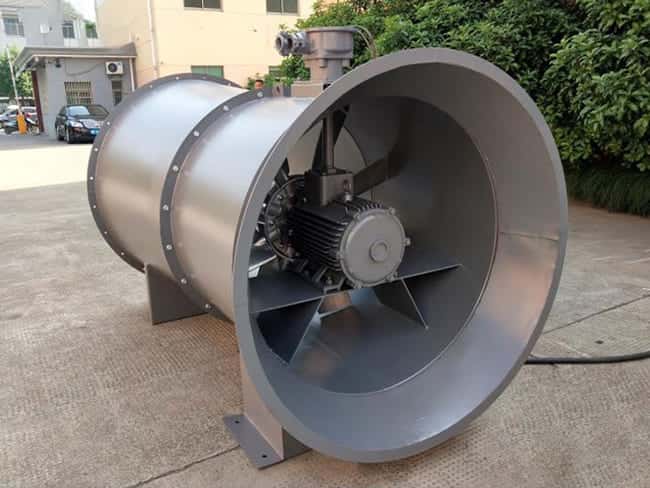
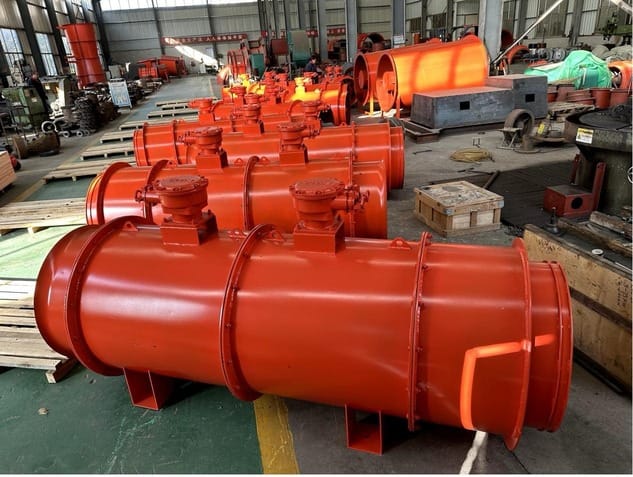
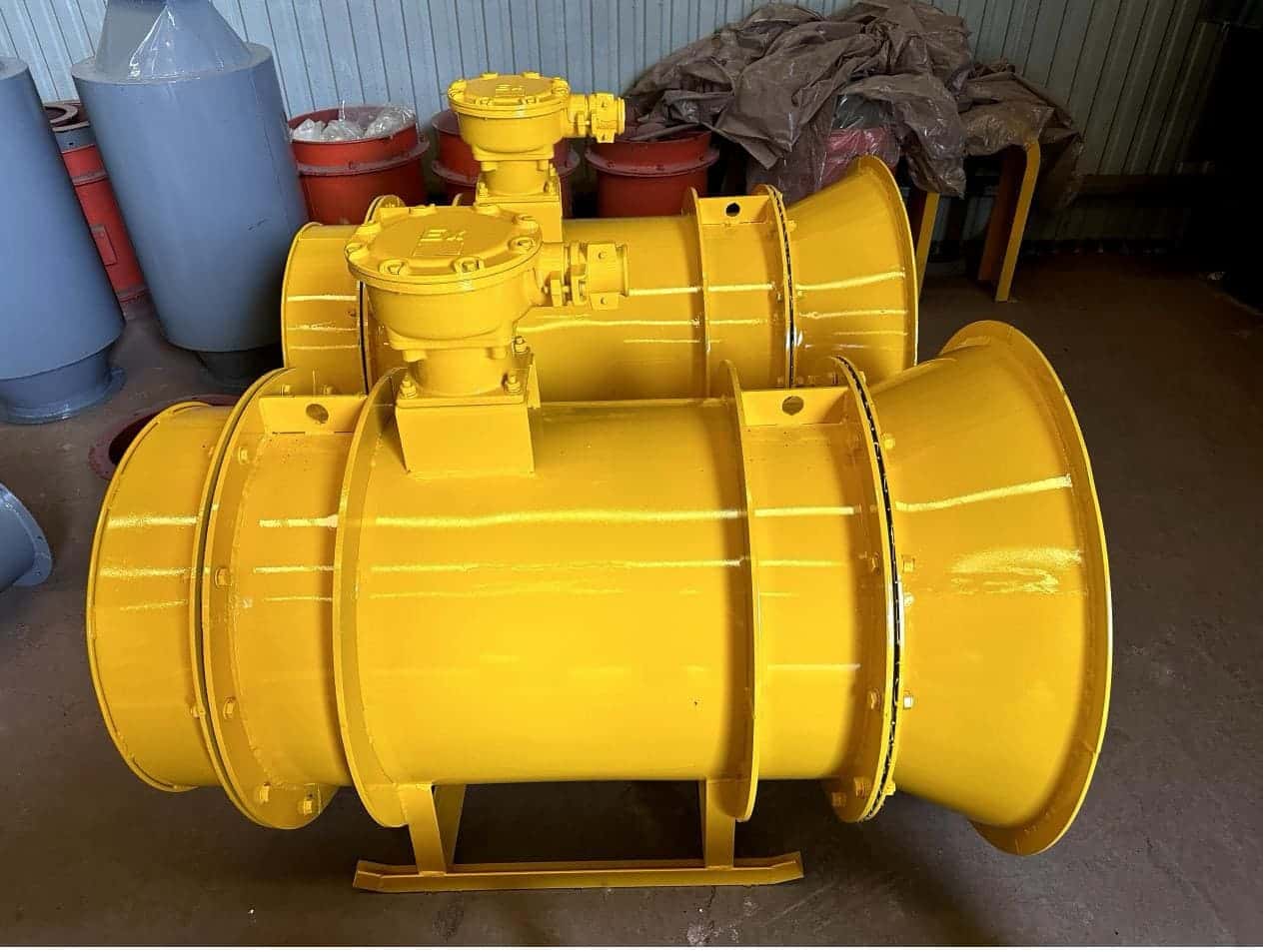
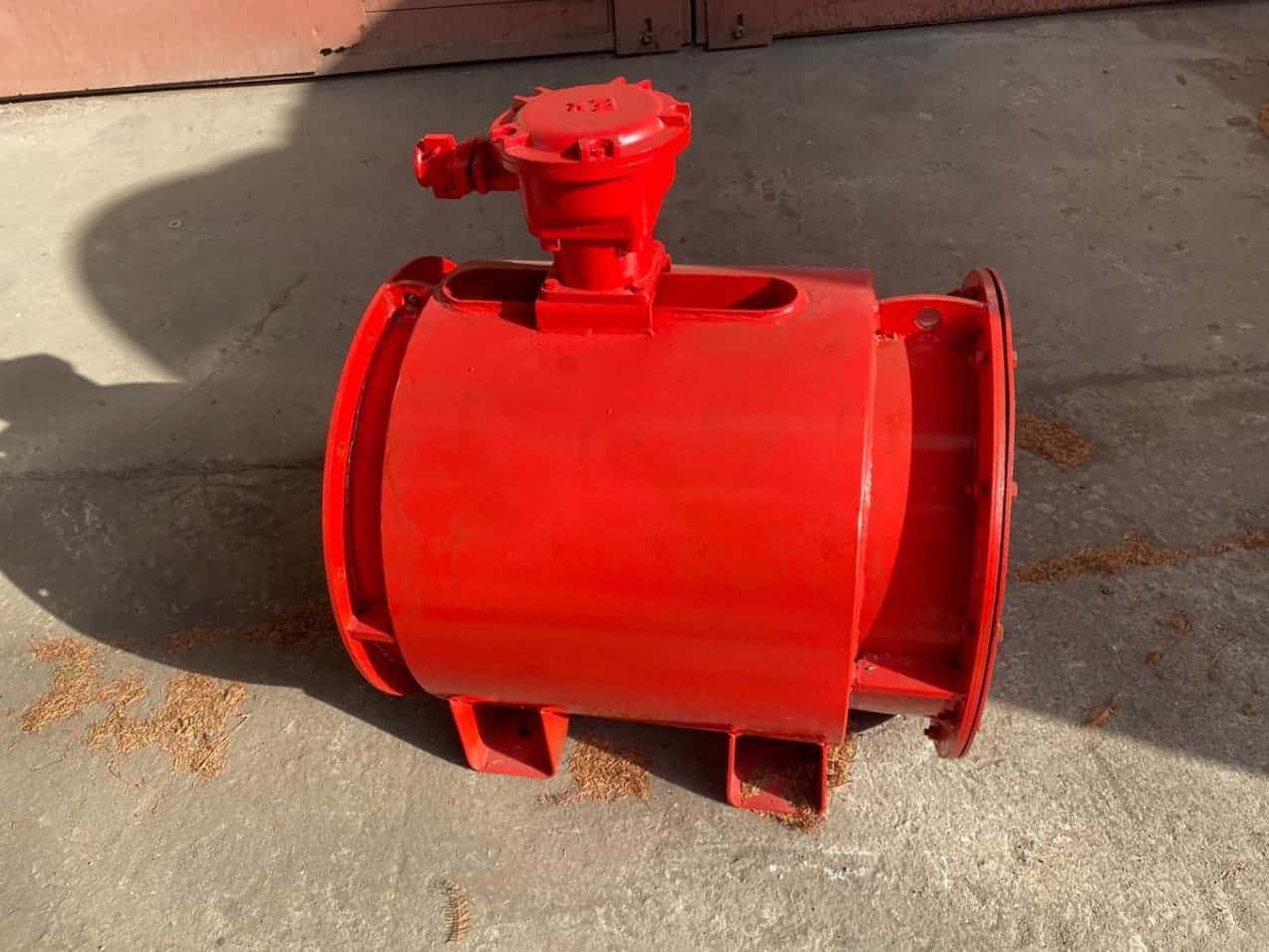
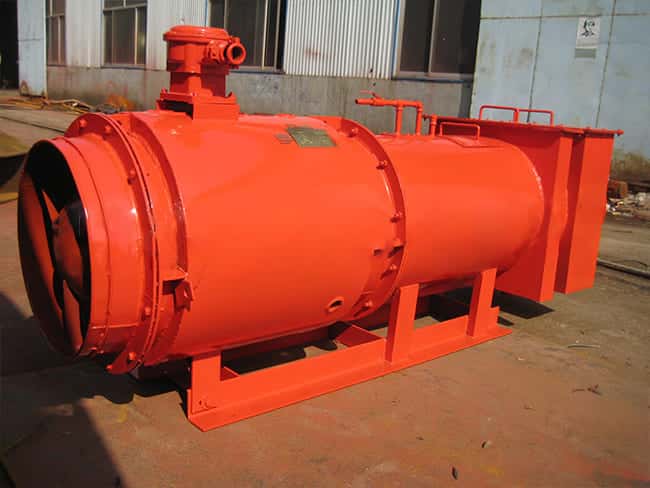
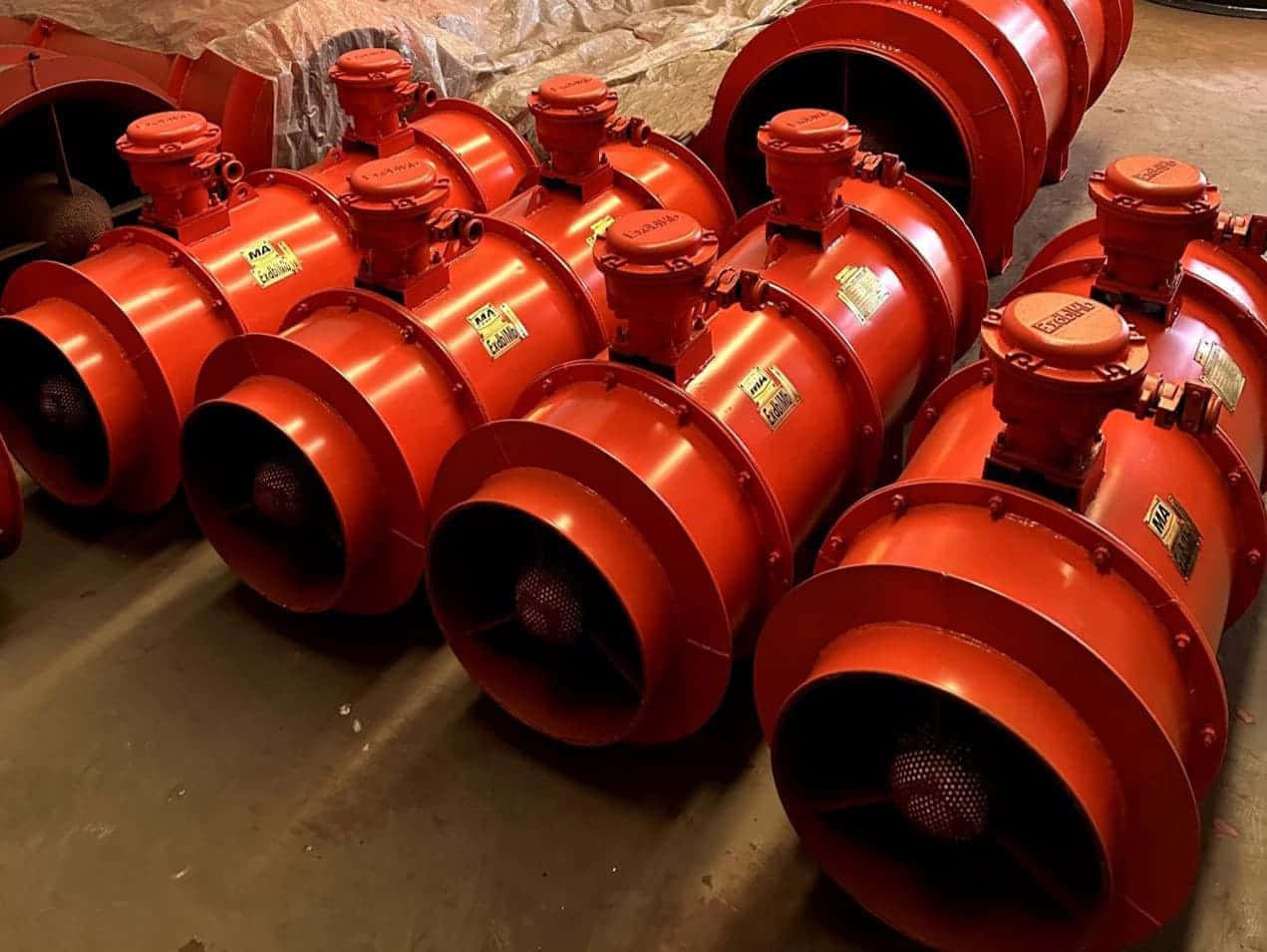
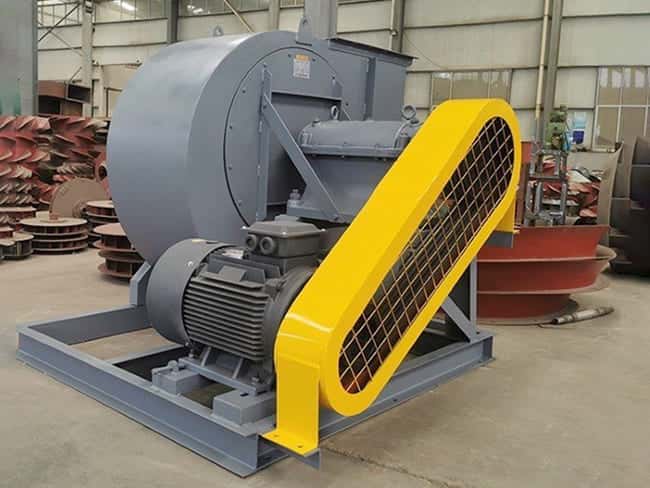
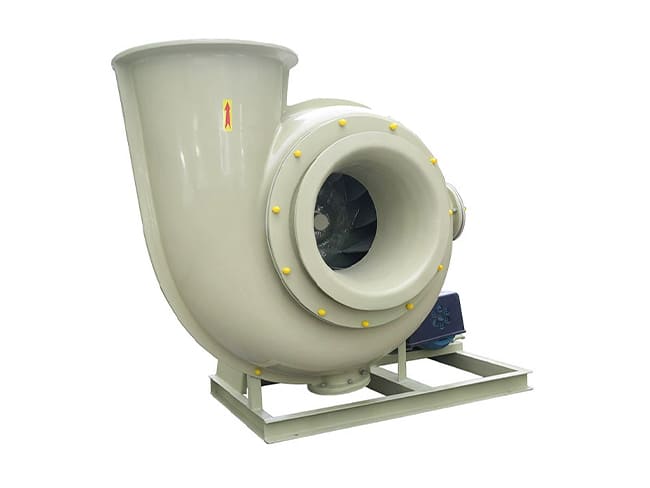
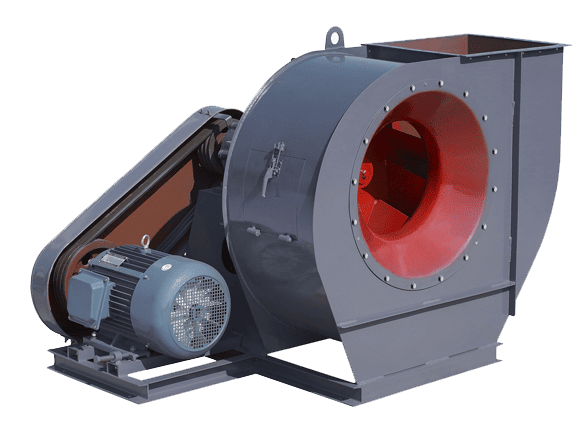
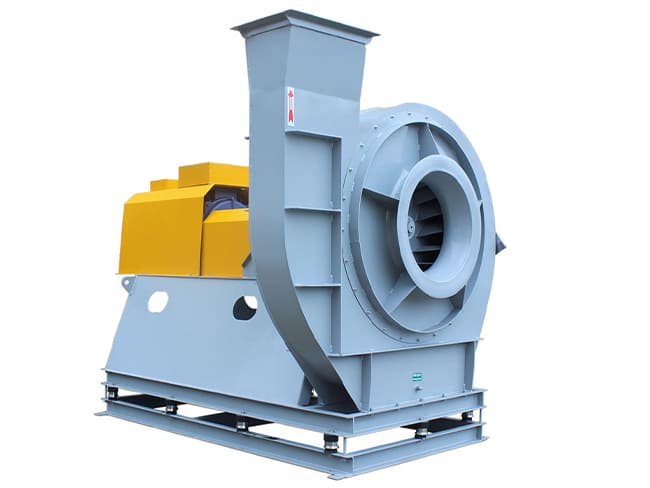
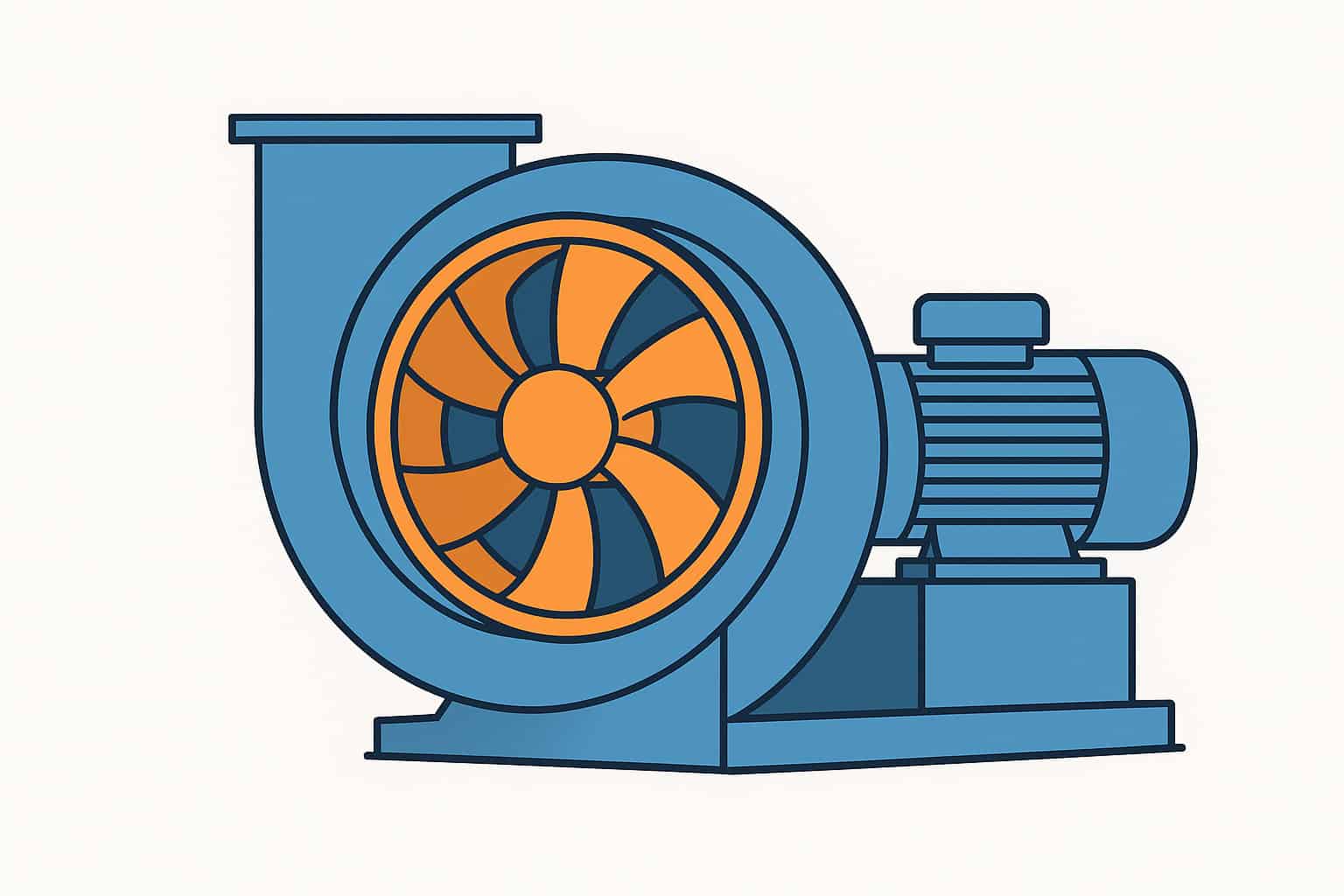
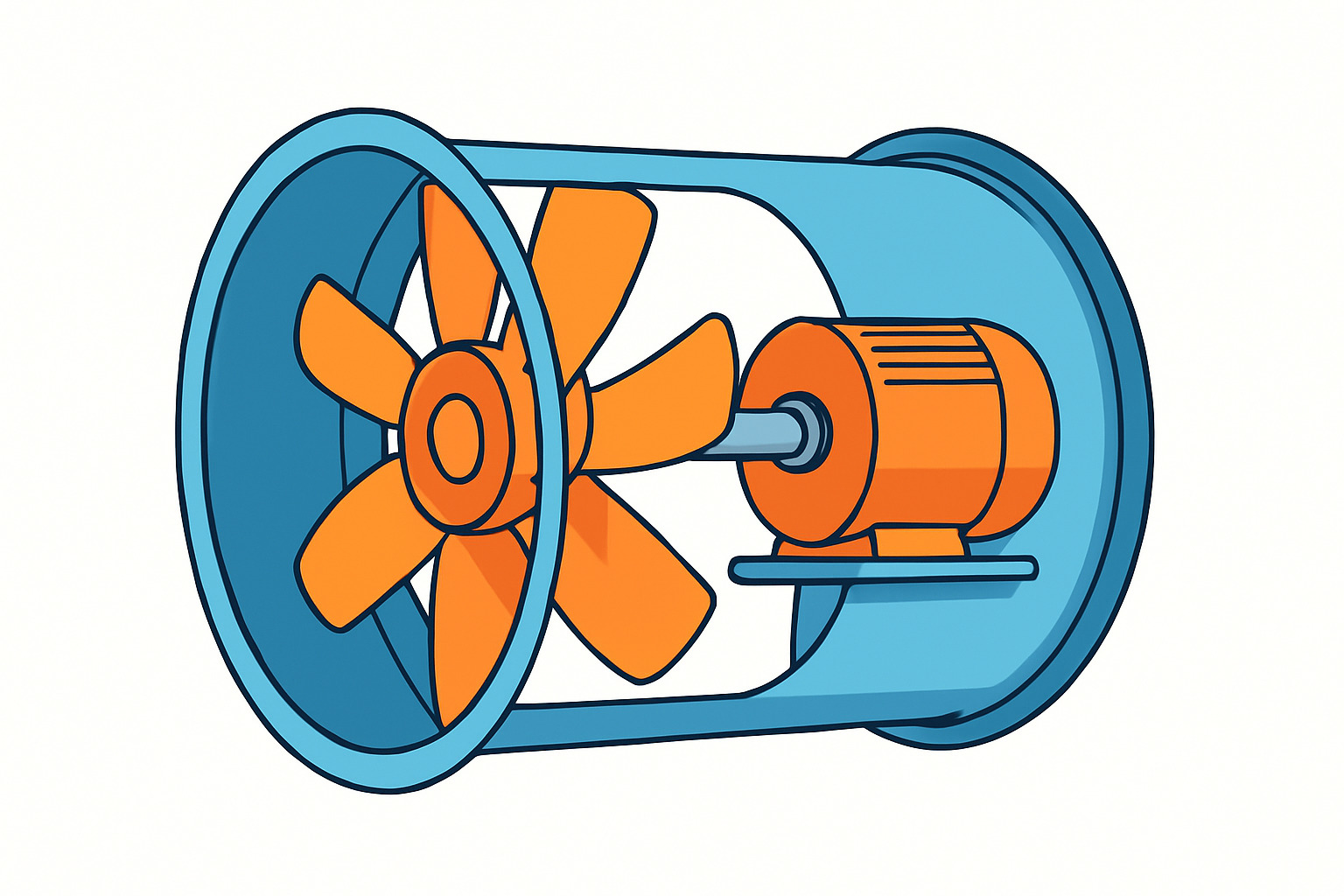
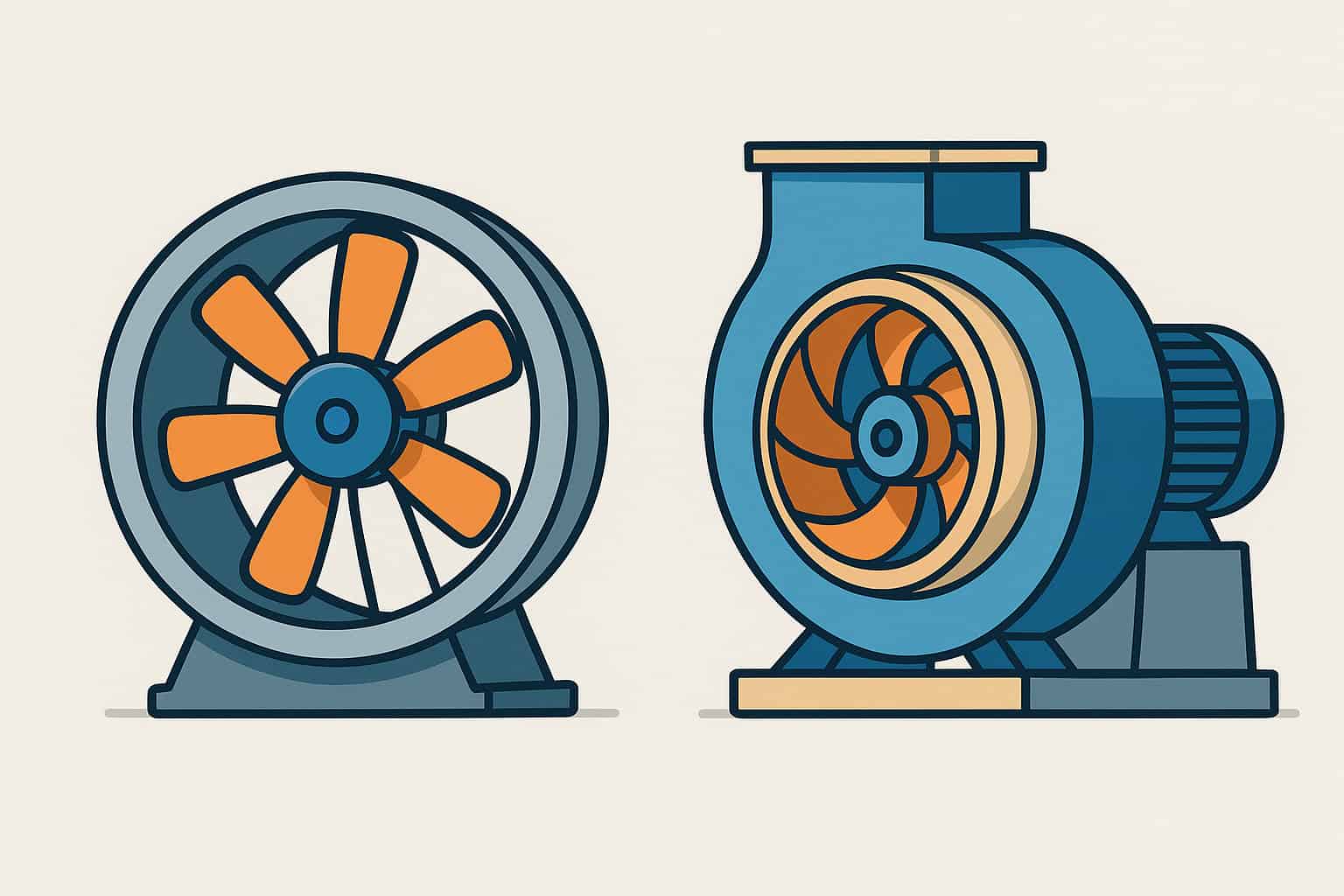
In many mines, the vertical shaft is designated as either a primary intake or a primary return airway. When used as an intake, fresh air from surface is drawn down the shaft and into underground levels. Large axial or centrifugal mine ventilation fans are installed at the shaft collar or at a connected drift. In an exhaust arrangement, the shaft carries return air up from the mine to the surface fans, which discharge contaminated air into the atmosphere through stacks or diffusers at a safe location.
To ventilate a mine shaft effectively, engineers must consider airflow paths inside the shaft. Hoist ropes, cages, guides, pipes, and cables all create resistance and turbulence. Airflow is guided by shaft steelwork and by airtight partitions or brattices that separate intake and return compartments if the same shaft is used for both functions. Shaft stations at each level connect the shaft airflow to crosscuts, drifts, and ramps leading to production areas.
Main ventilation fans provide the pressure needed to move air through the shaft, but control devices fine-tune the system. Air doors, regulators, and stoppings underground direct intake air toward active faces and return air toward exhaust routes. Shaft bulkheads or ventilation doors at collar level help isolate the shaft from buildings and prevent recirculation of exhaust back into intakes.
Mine shafts are often ventilated in combination with other openings such as declines, raises, or dedicated ventilation shafts. For example, fresh air may enter through a downcast shaft and return through an upcast ventilation shaft driven by powerful axial fans. In some layouts, one shaft serves as both intake and hoisting route while a separate shaft or raise handles return air, reducing dust and gas exposure near the hoist.
Finally, safe shaft ventilation requires ongoing monitoring and maintenance. Airflow and pressure are measured regularly in the shaft and at key levels. Ice, water inflow, or rockfall can change the effective cross-section and resistance of the shaft, so inspections are essential. When mine layouts change or deeper levels are added, ventilation plans are updated and fans may be upgraded or reconfigured to ensure that the shaft continues to deliver the required airflow to underground workings.
In summary, mines ventilate shafts by using main ventilation fans, careful intake/return designation, internal partitions, and control devices that distribute airflow to each level. The shaft is a core part of the mine ventilation network and must be engineered and managed as a critical safety system.