
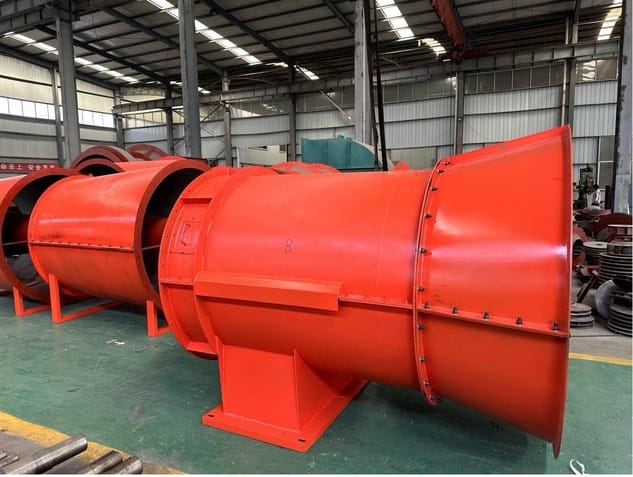
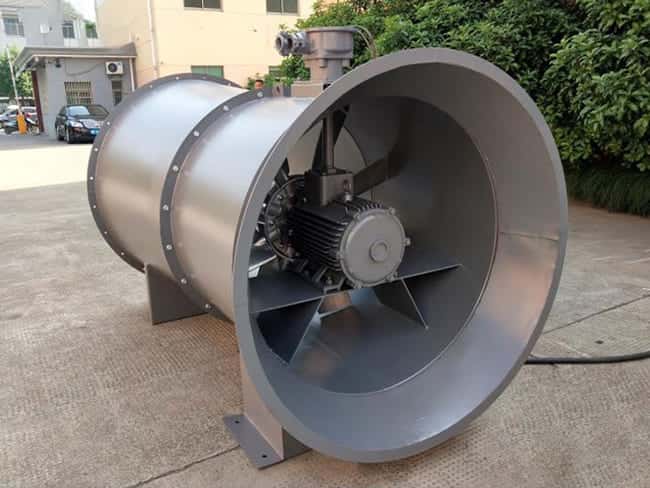
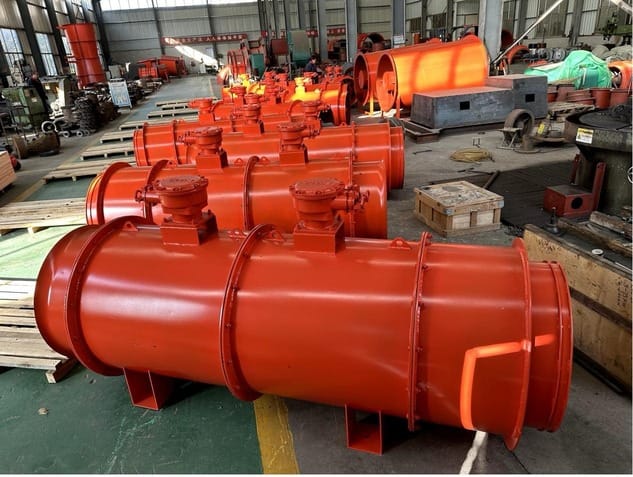
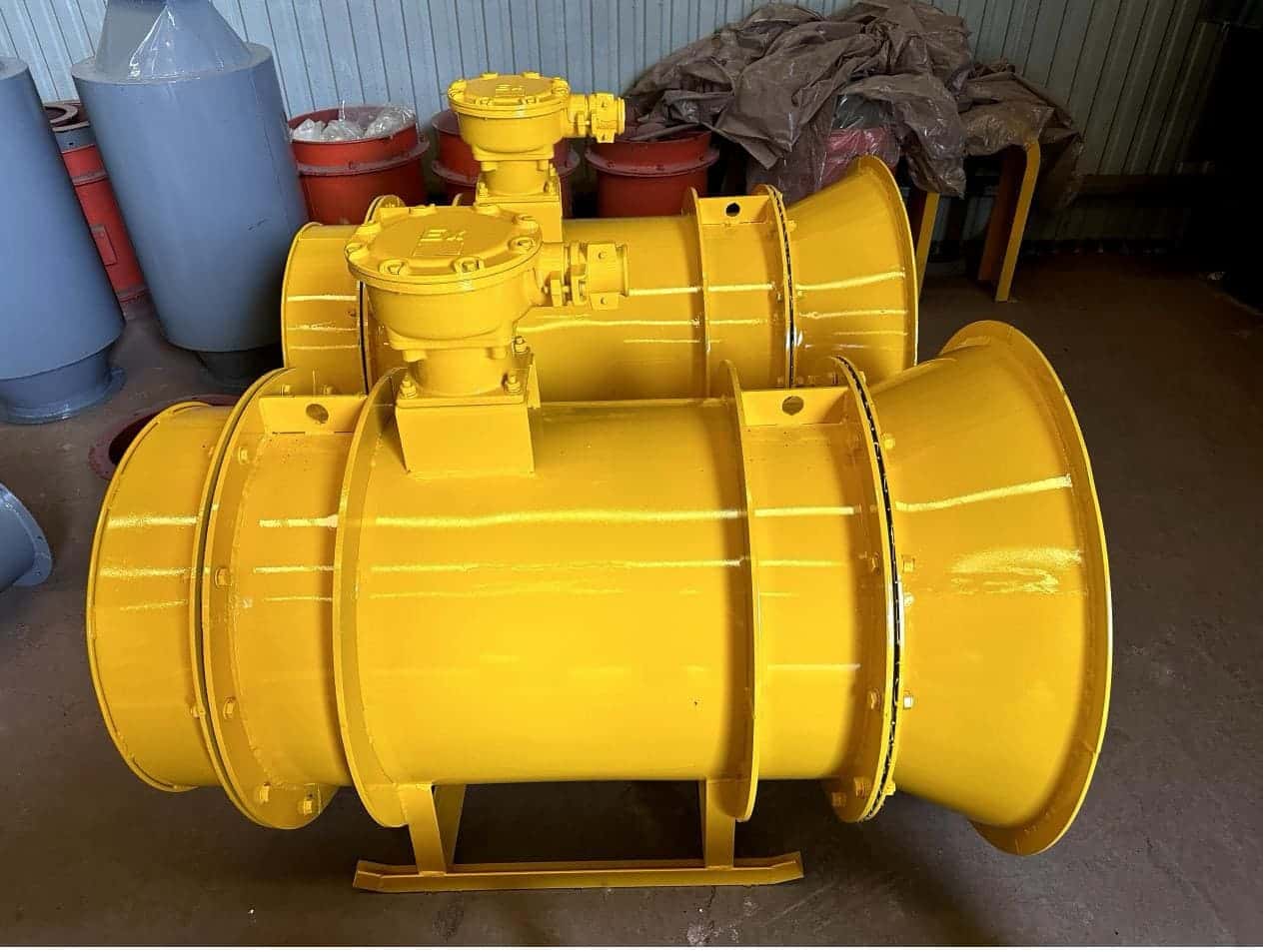
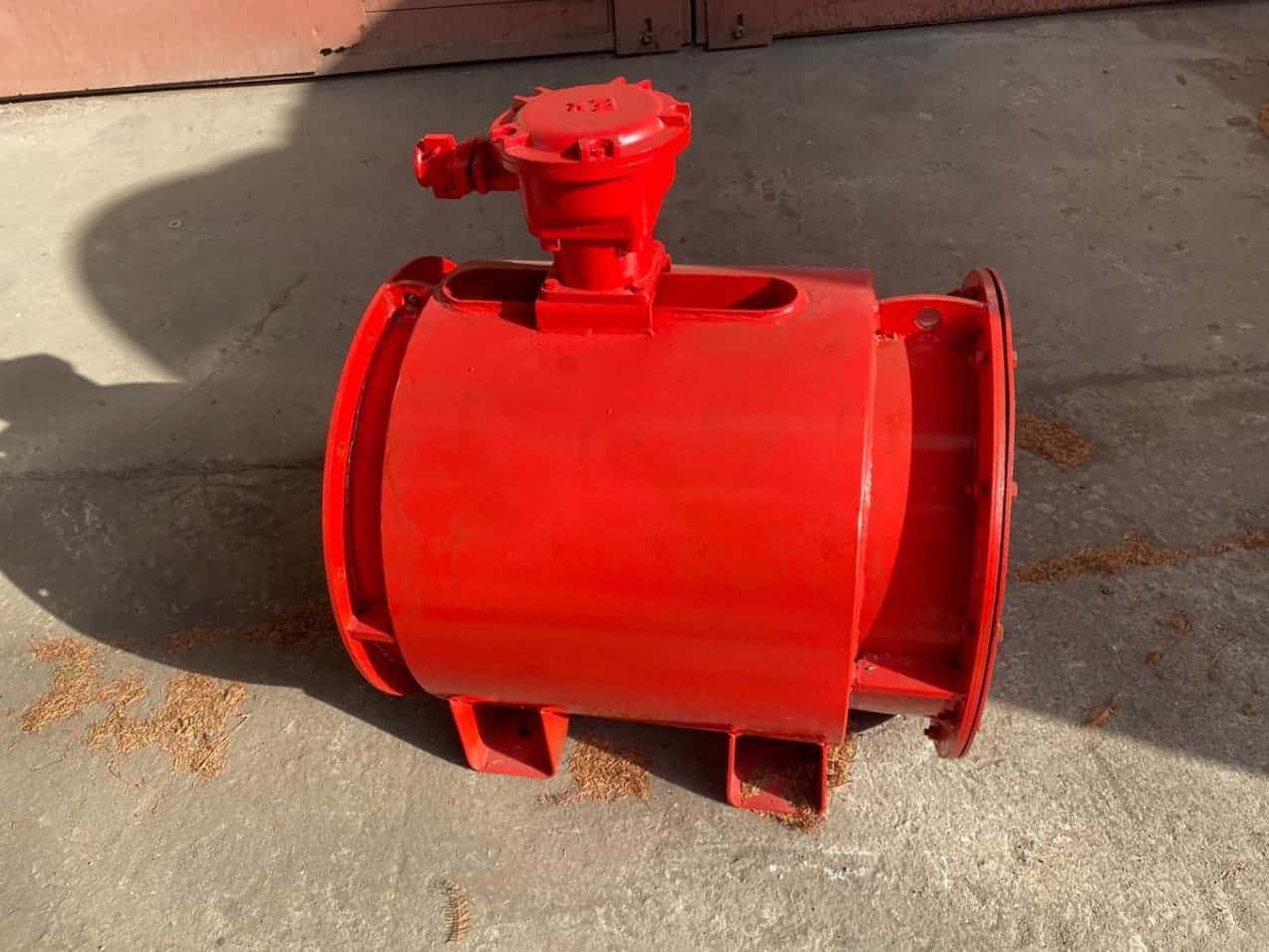
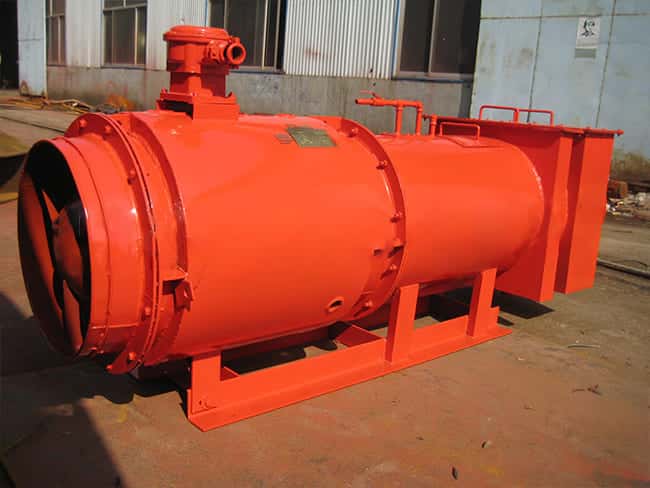
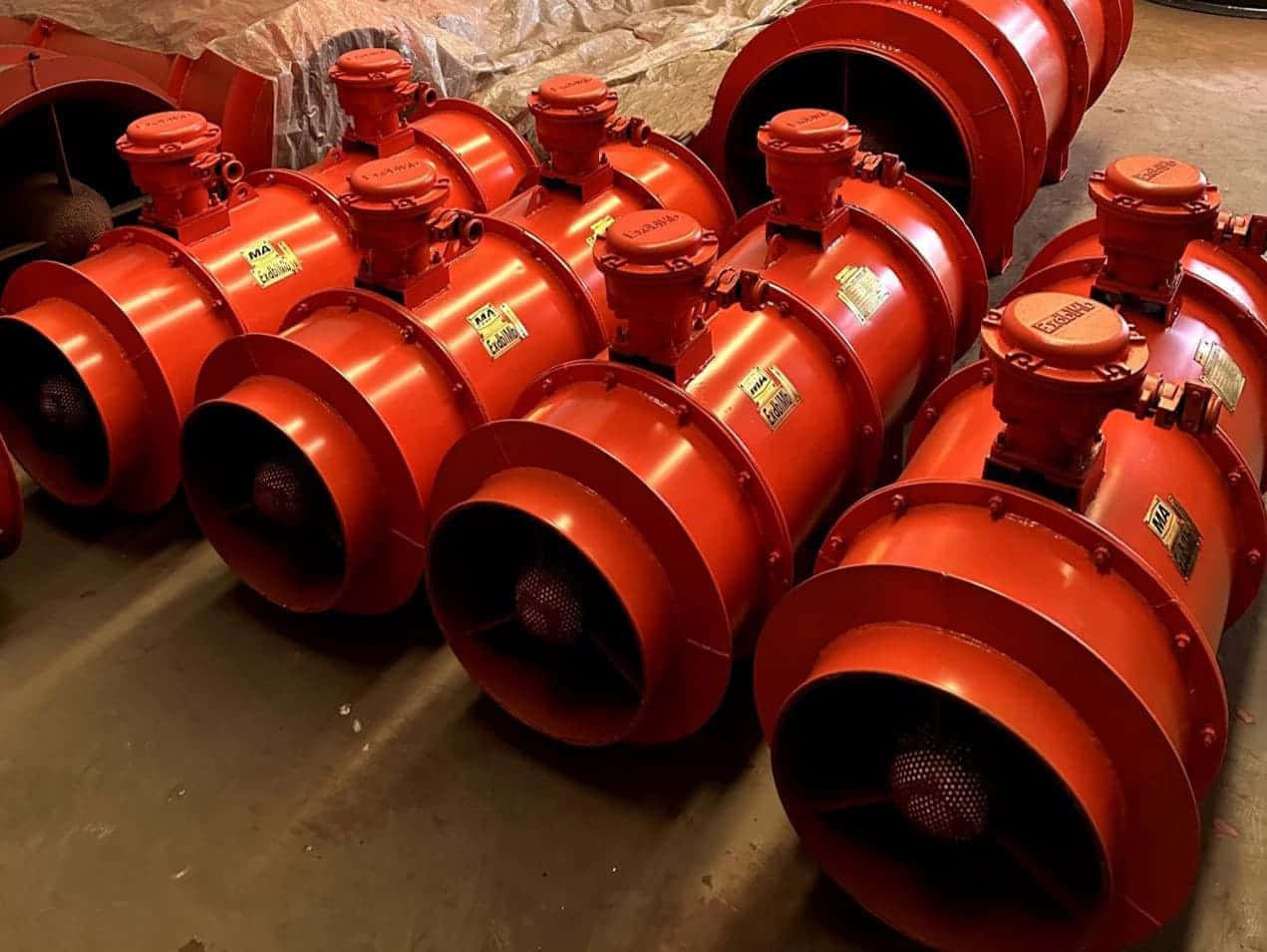
Ventilation ducts are the hidden highways of a ventilation system. They work by guiding air from fans and air-handling units to the spaces that need fresh air, and then back again for recirculation or exhaust. Instead of allowing air to move randomly, ducts create a controlled network that delivers the right airflow to each room, process area or underground heading.
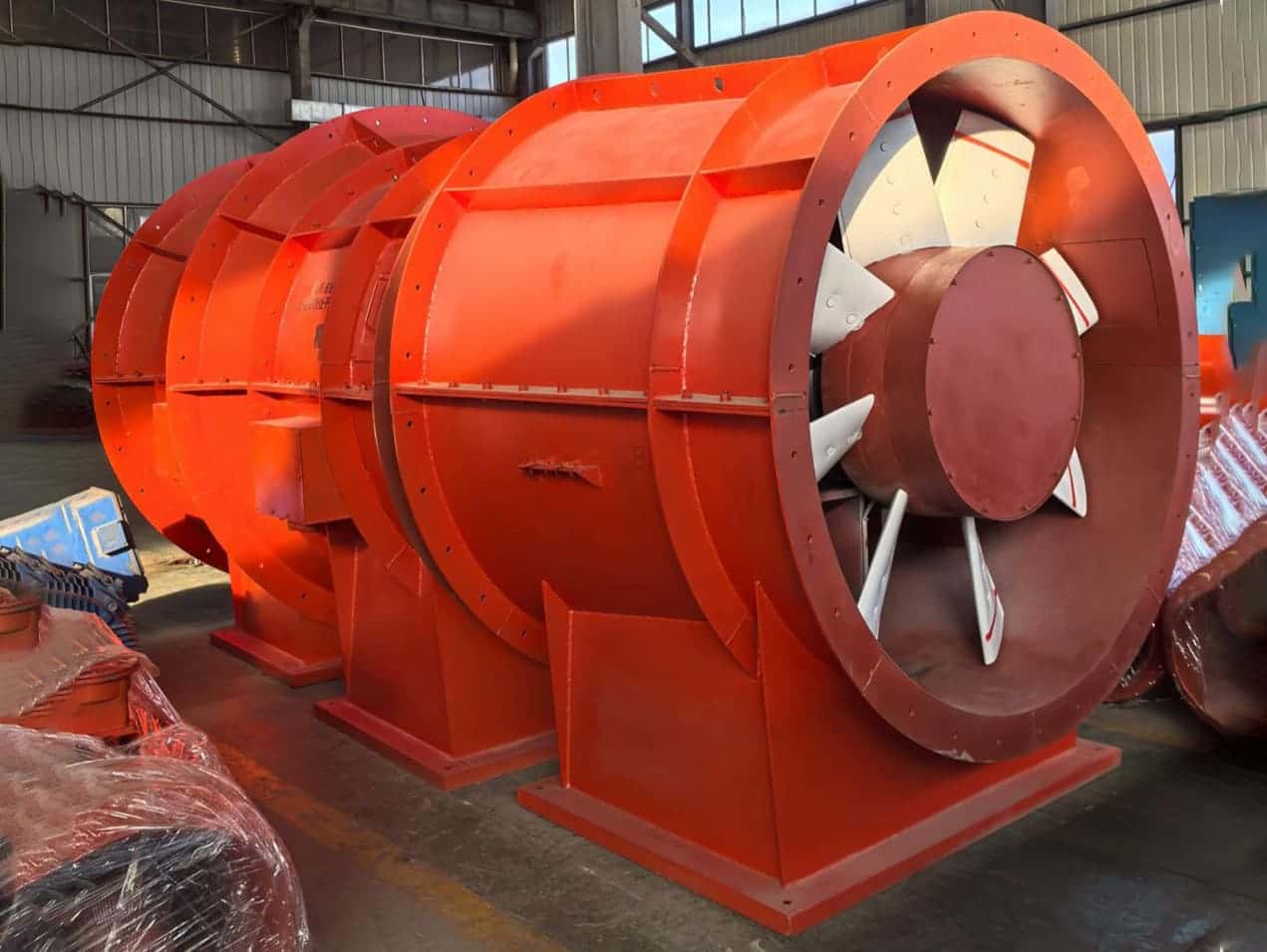
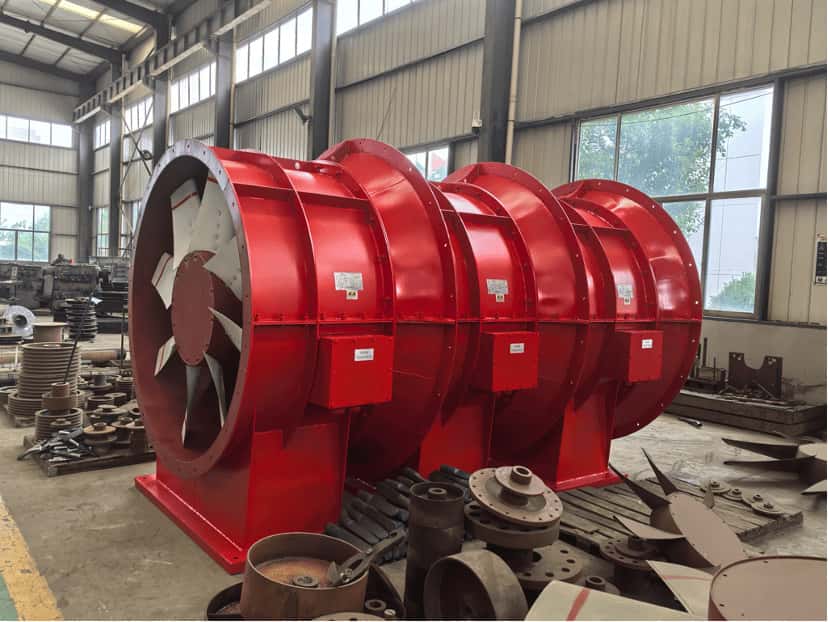
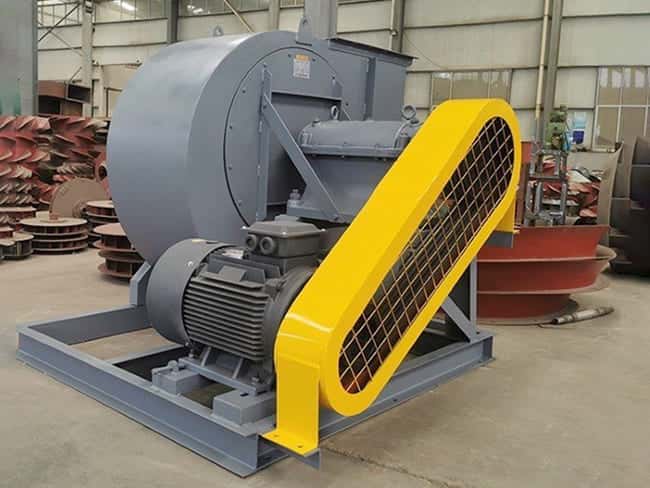
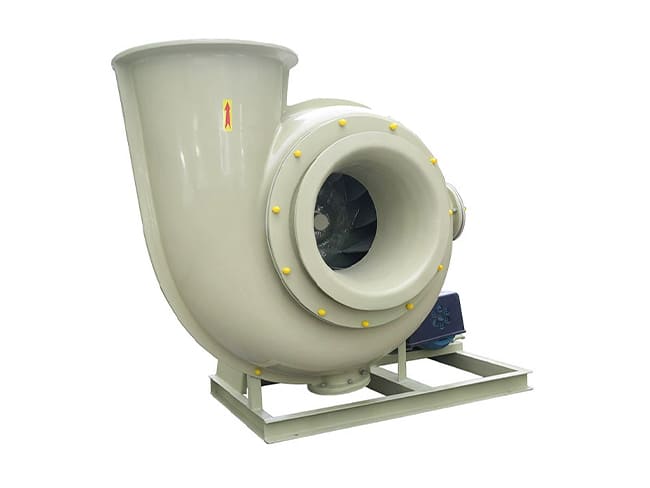
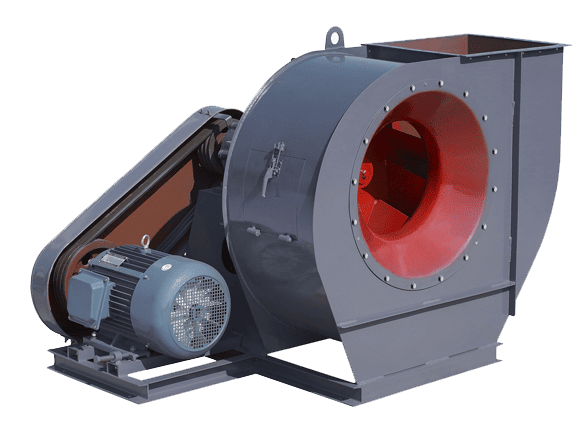
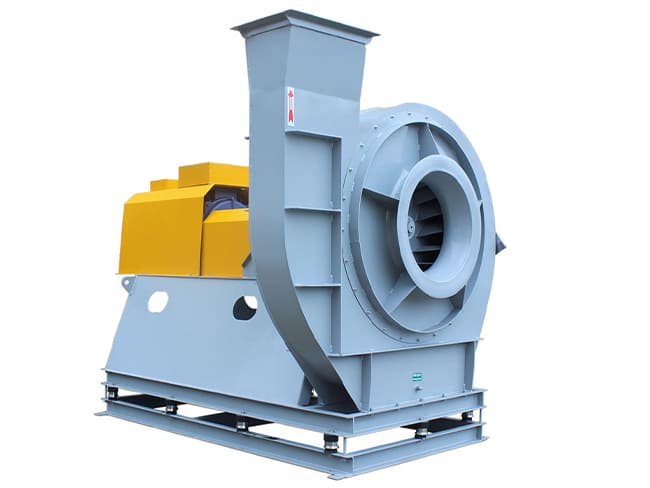
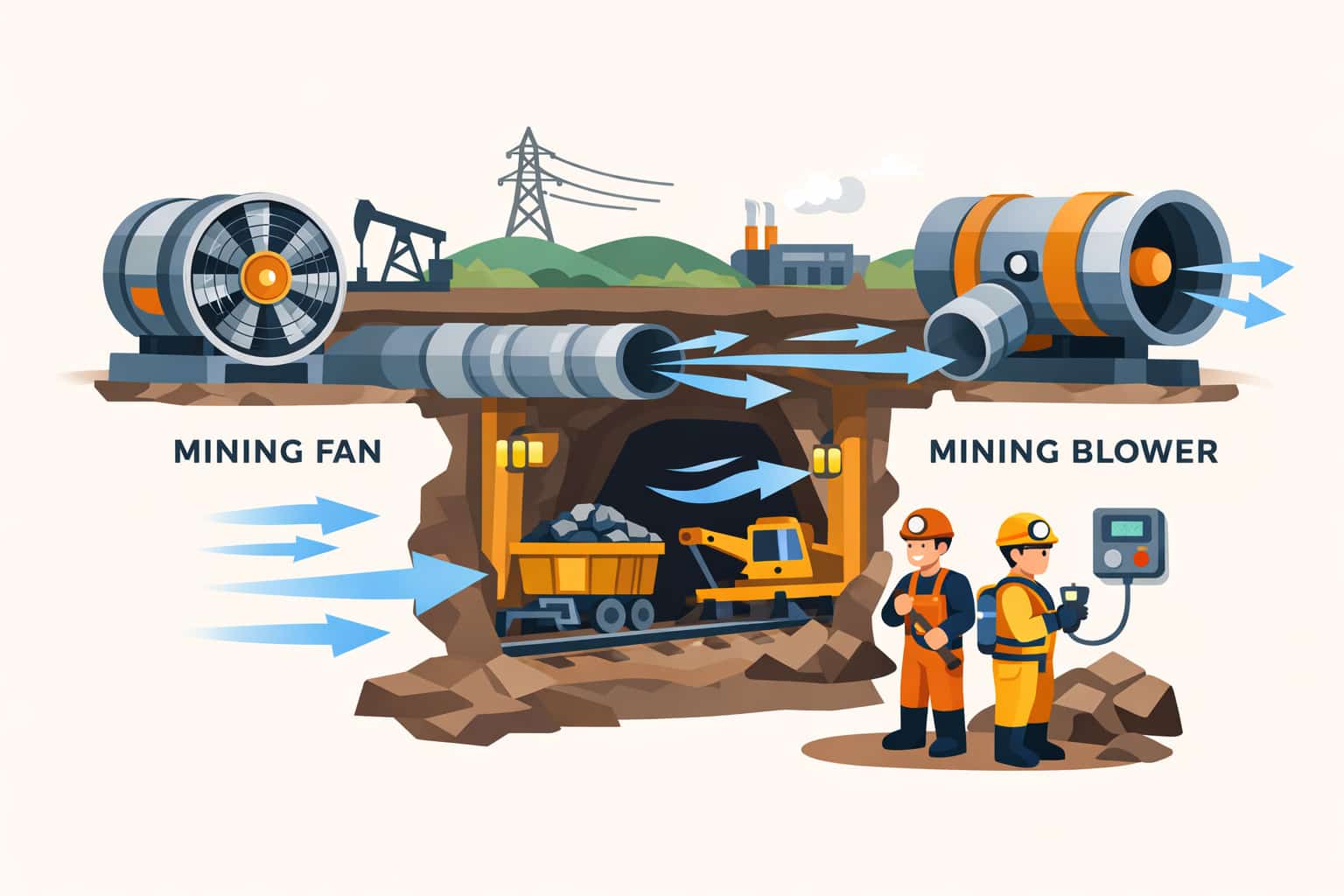
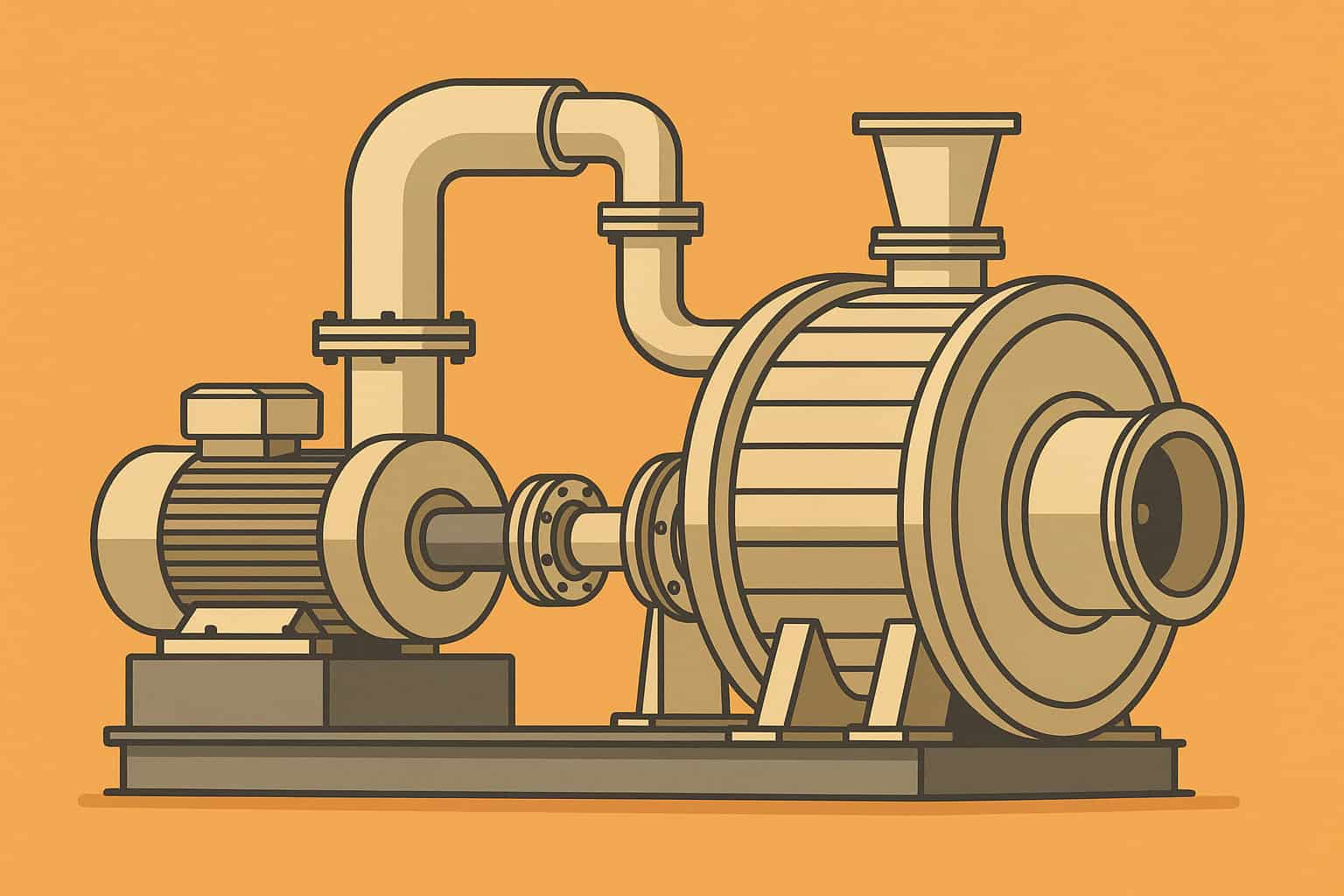
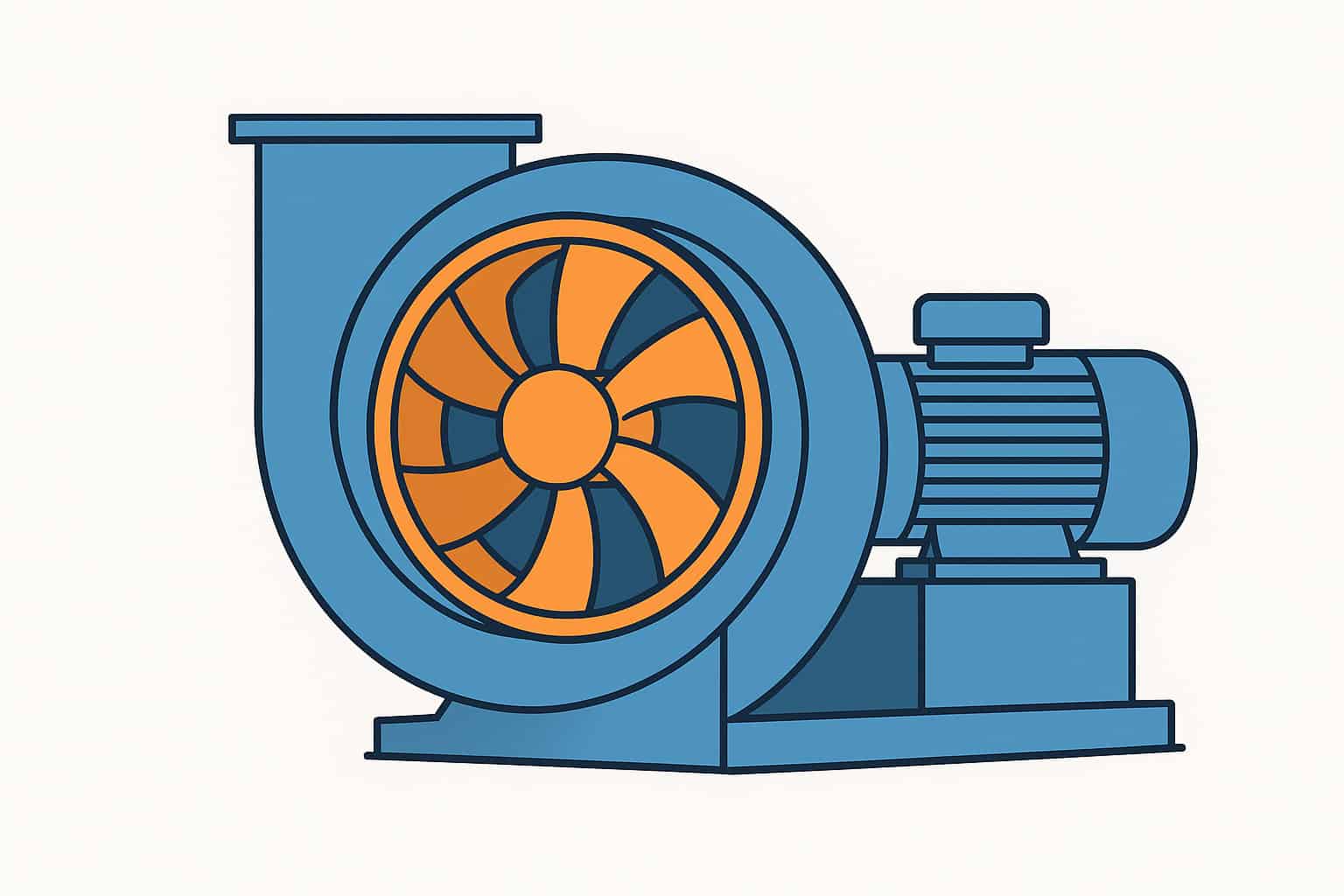
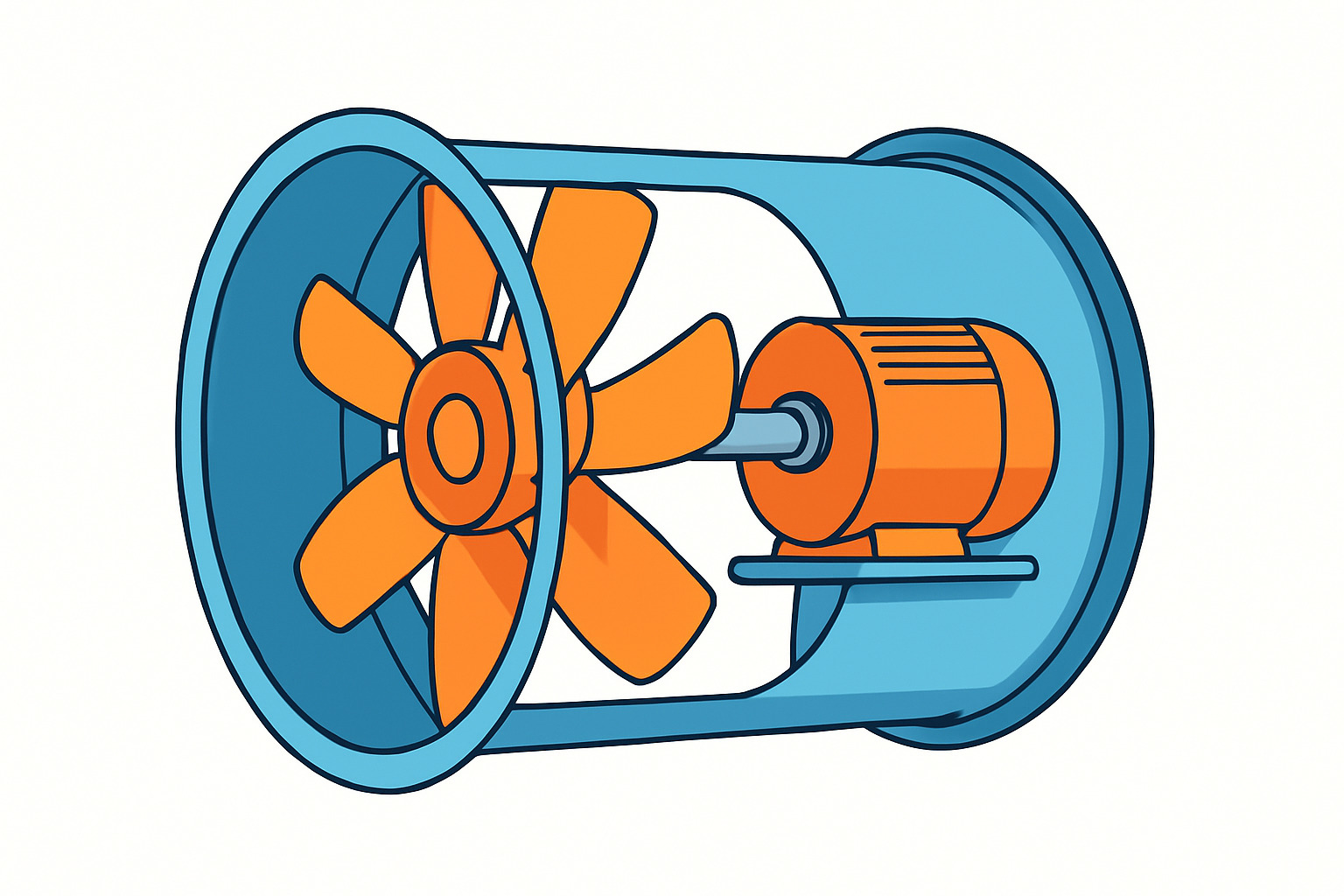
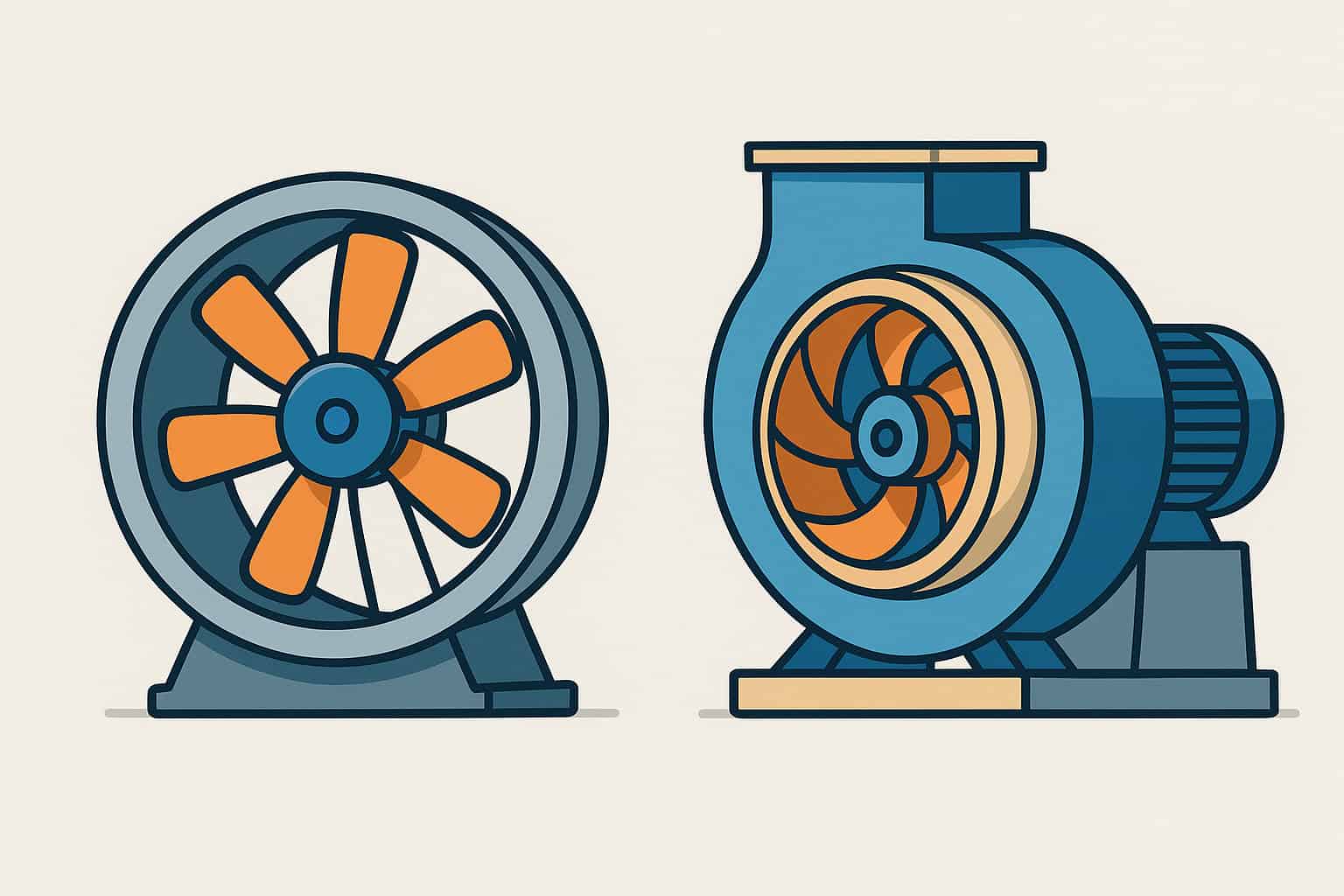
At the heart of the system is a fan—often a centrifugal or axial fan in buildings, and large main fans or auxiliary fans in mines. When the fan runs, it creates a pressure difference between its inlet and outlet. The higher-pressure side pushes air into the supply ducts, while the lower-pressure side pulls air out of the return or exhaust ducts. The ducts connect these two sides to the spaces being ventilated, so the fan’s pressure is converted into a steady airflow through the network.
Ventilation ducts are sized based on the air volume and allowable pressure loss. Air flowing through a duct experiences friction along the walls and additional losses at bends, branches and fittings. Engineers use these losses to calculate how large each duct must be so that the fan can overcome the resistance without wasting energy. Too small a duct causes high pressure loss, noise and power consumption; too large a duct increases material and installation cost without much benefit.
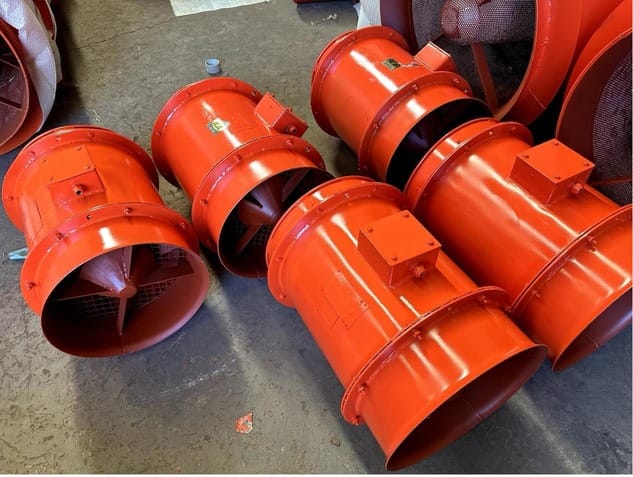
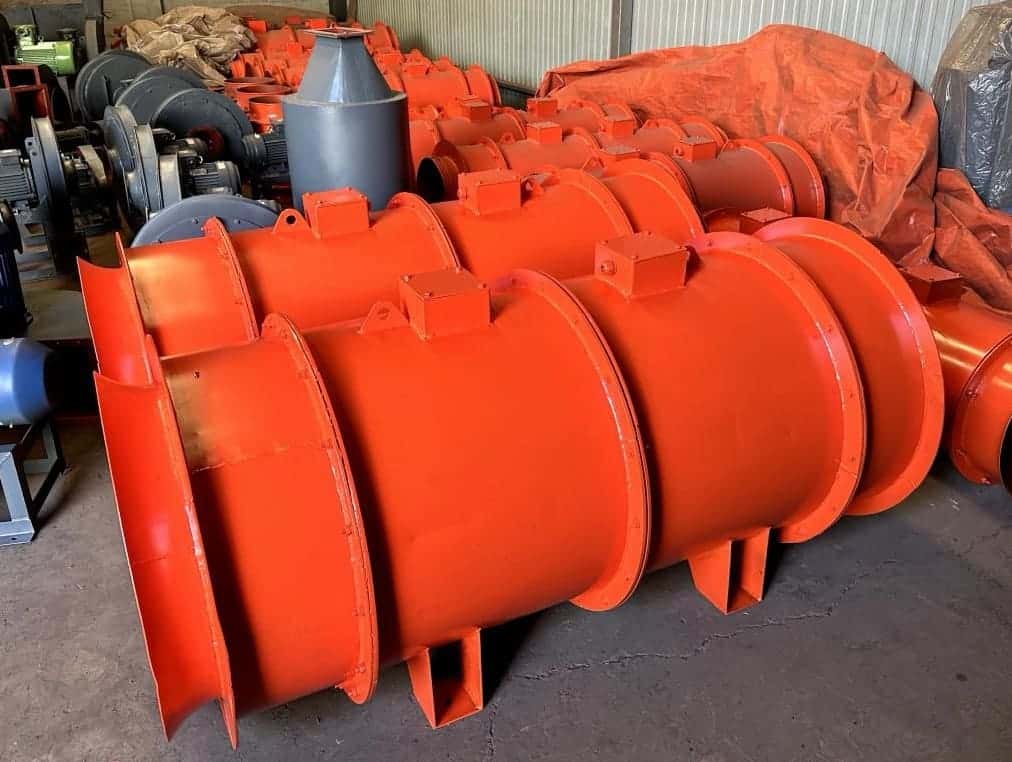
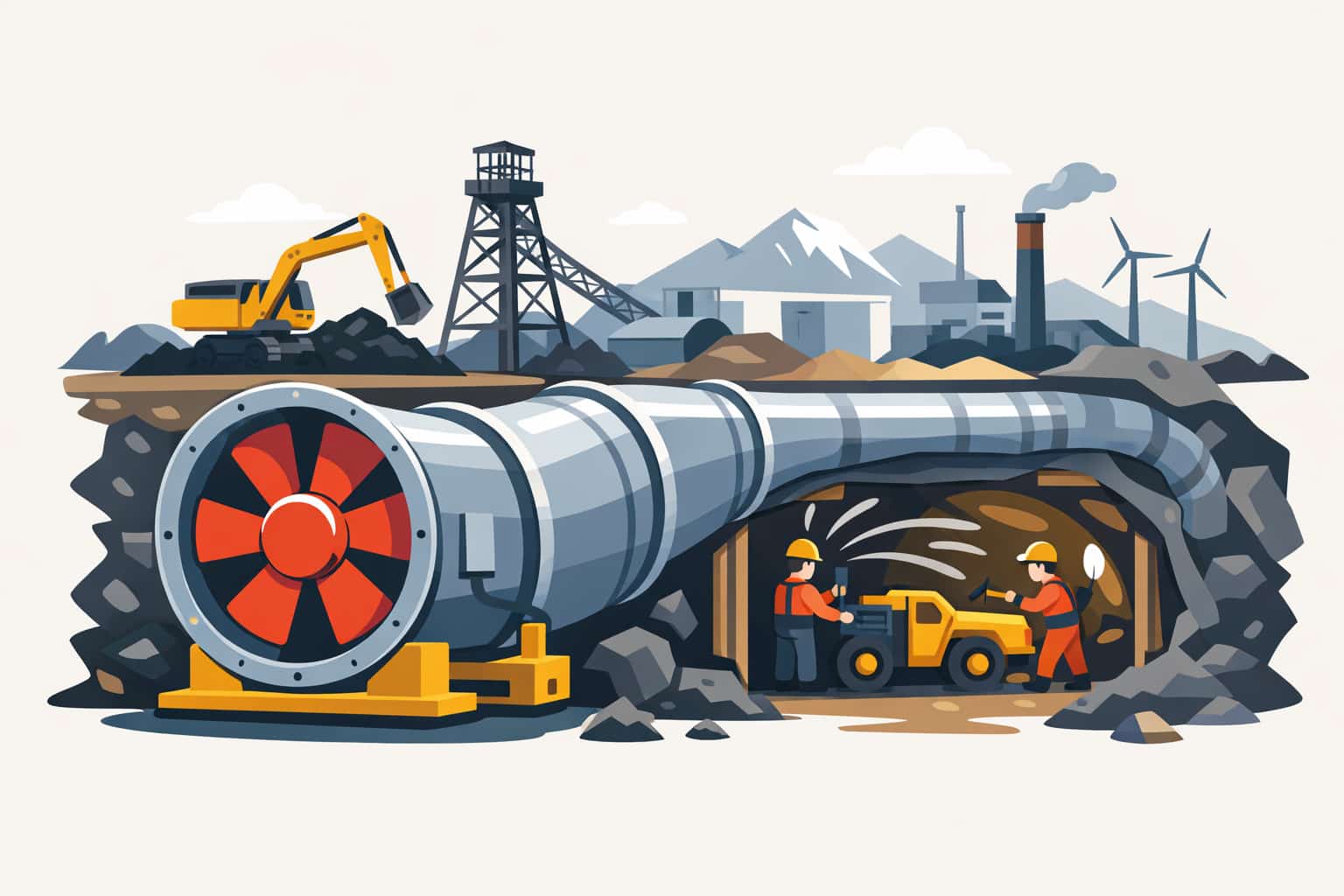
In a building, supply ducts branch out from a main trunk to smaller branches that feed diffusers and grilles. Return ducts collect air from return grilles and transport it back to the air-handling unit. In industrial plants, ducts also connect local exhaust hoods at machines to filters and exhaust fans. In underground mining, flexible or steel ducts run from an auxiliary fan in the main airway to the face of a development drive, delivering fresh air where the main ventilation cannot reach directly.
To make ducts work properly, designers include dampers, balancing devices and access doors. Dampers regulate flow in each branch so that some zones do not get too much air while others receive too little. Balancing ensures that the overall system operates as intended. Access doors allow cleaning and inspection, which are important to prevent dust buildup and maintain capacity.
Good ventilation duct systems also consider leakage and insulation. Poorly sealed ducts can lose a significant portion of the airflow before it reaches the intended location, forcing fans to work harder. In air-conditioned systems, uninsulated ducts may lose or gain heat, reducing efficiency. In mines, damaged or leaking ducts can drastically reduce the air reaching the face and compromise safety.
In summary, ventilation ducts work by providing carefully designed enclosed paths that link fans to spaces, controlling resistance and distribution so that each area receives the correct amount of air for health, comfort and safety.