
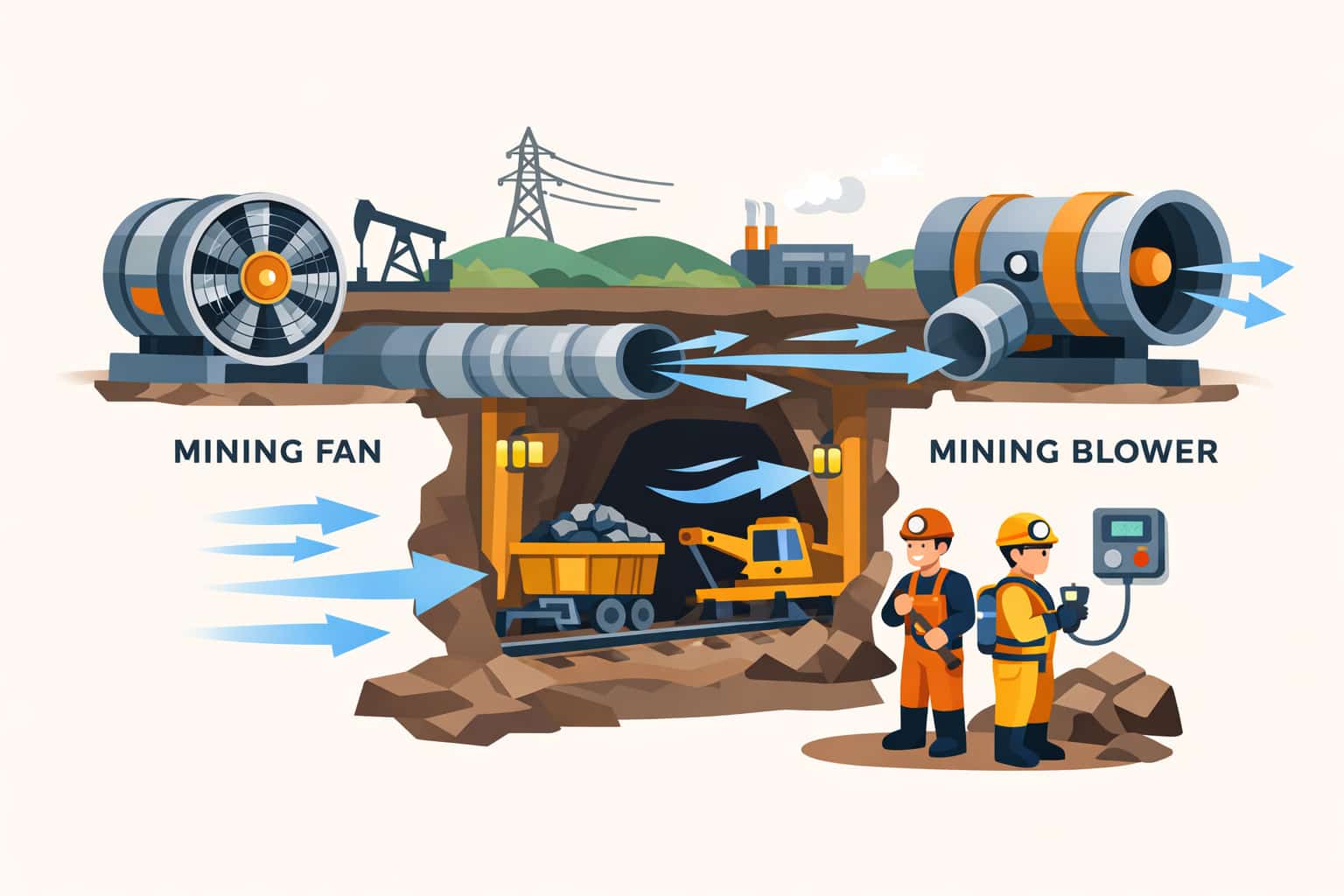
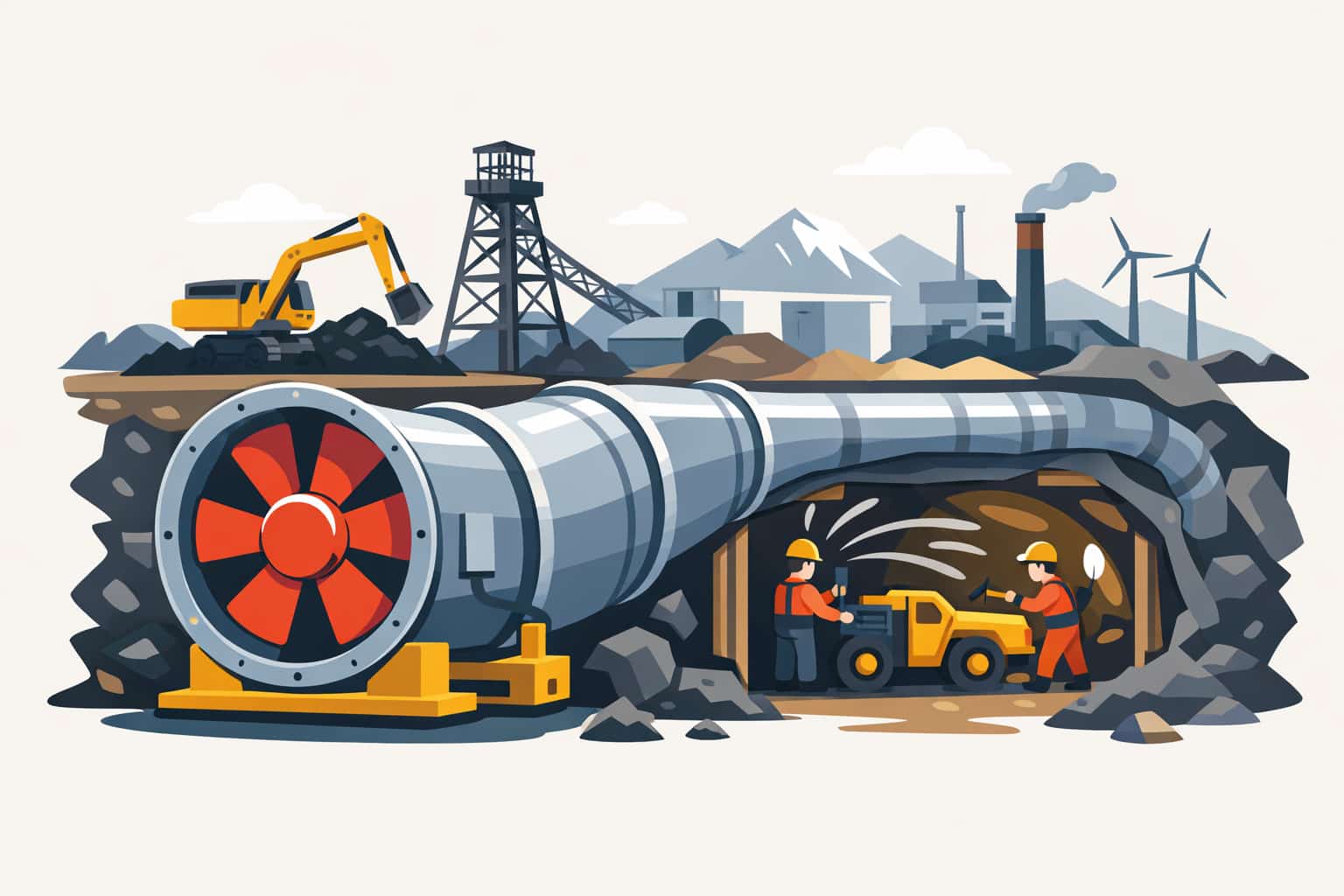
Vents work by providing controlled openings for air to move into and out of a building, duct system or underground mine. On their own they are passive components, but when combined with wind, temperature differences or mechanical fans they become part of a complete ventilation system that replaces stale air with fresh air.
In its simplest form, a vent is just an opening fitted with a grille or louver. If the vent is located low on a wall or under a roof overhang, it often acts as an intake vent, letting cooler outside air enter. High-level roof or ridge vents tend to act as exhaust vents, allowing warm, buoyant air to escape. Wind blowing across the building creates small pressure differences between the windward and leeward sides; air naturally flows from high pressure to low pressure through the vents, generating natural ventilation.
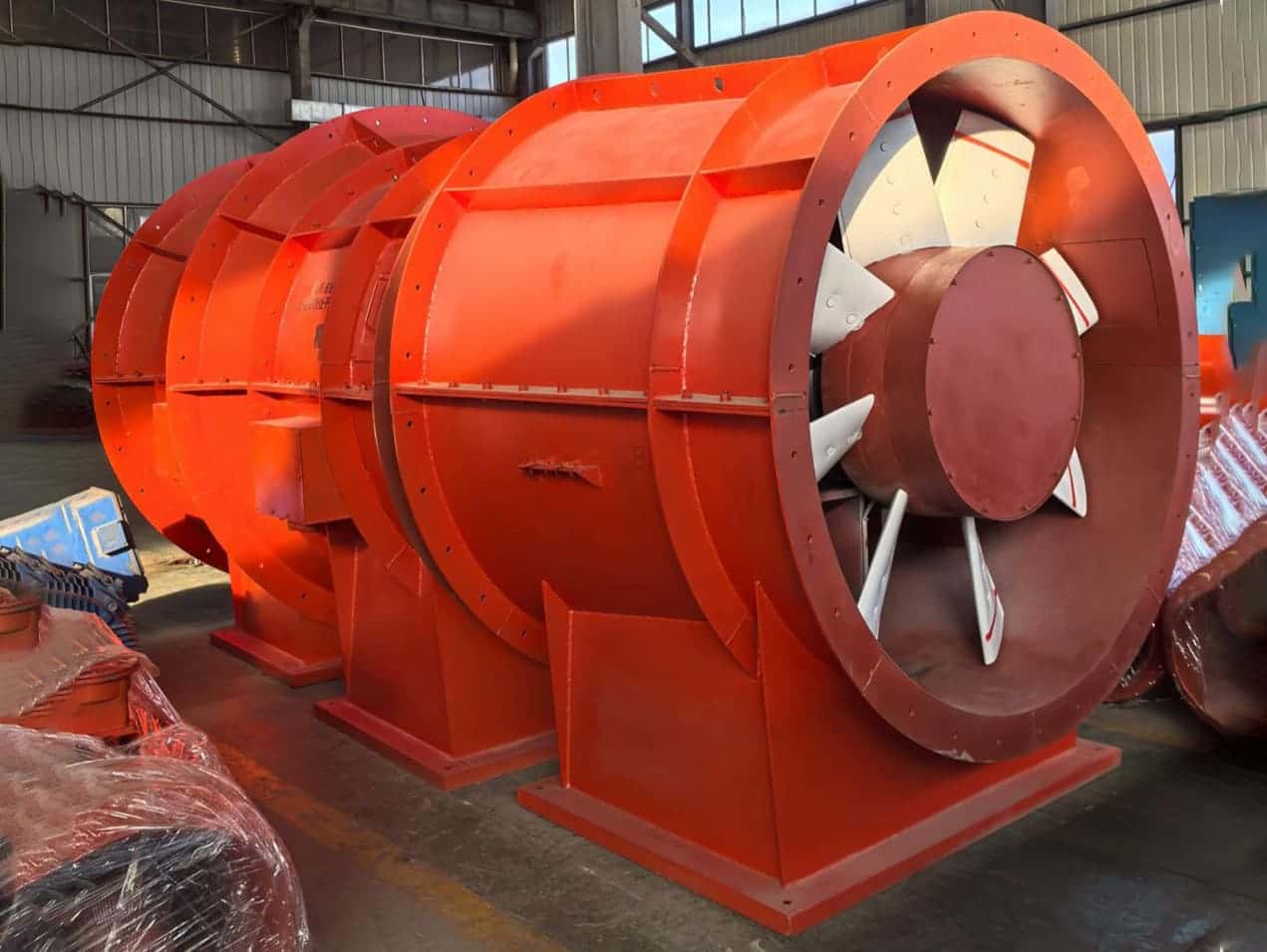
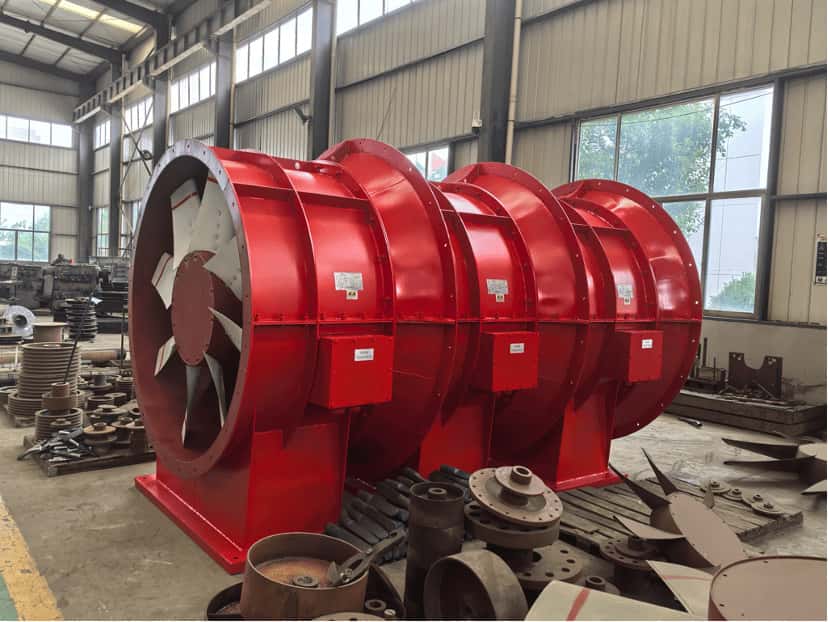
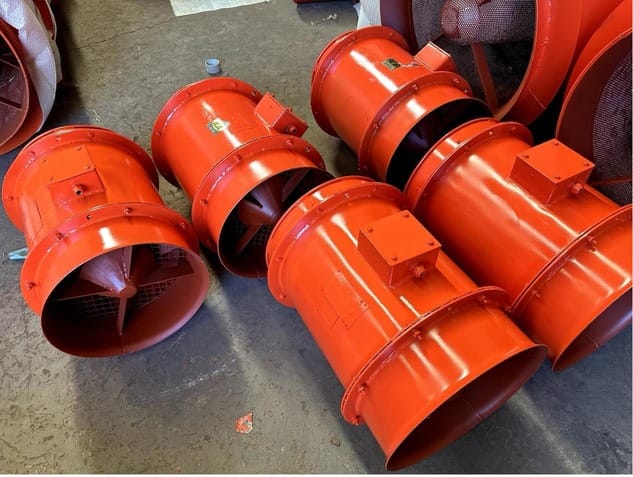
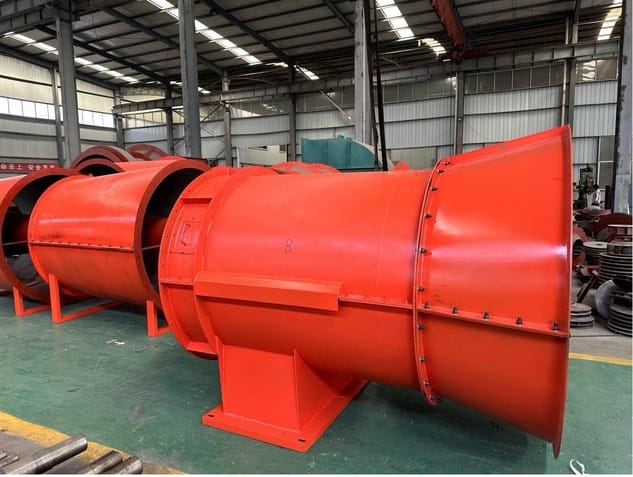
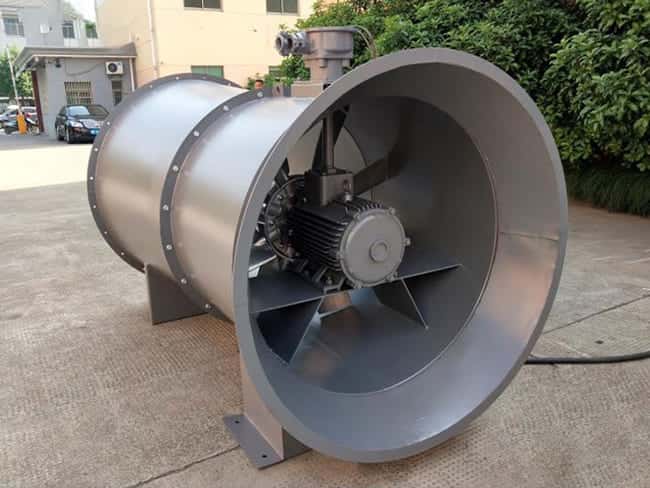
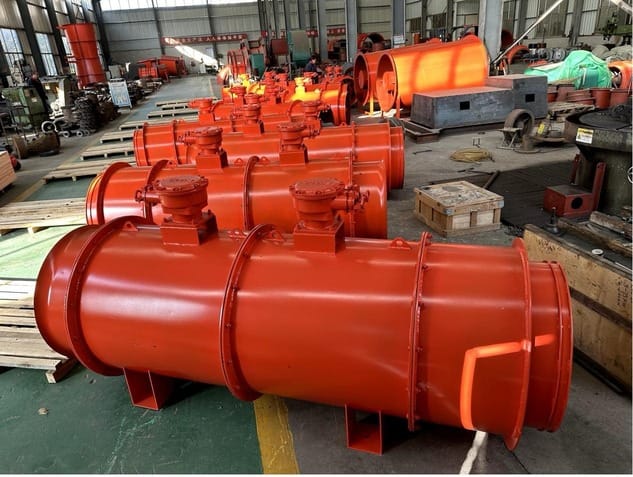
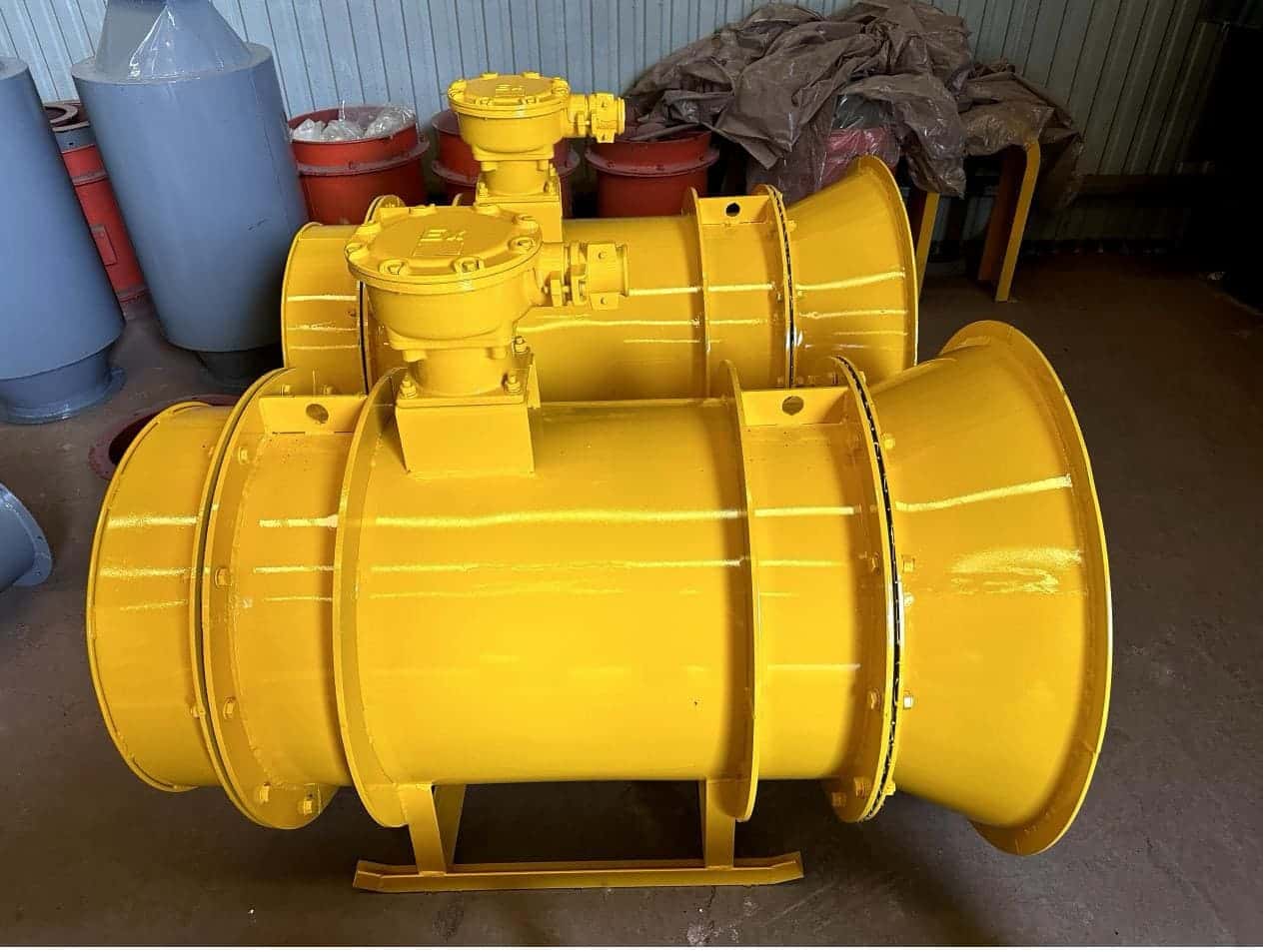
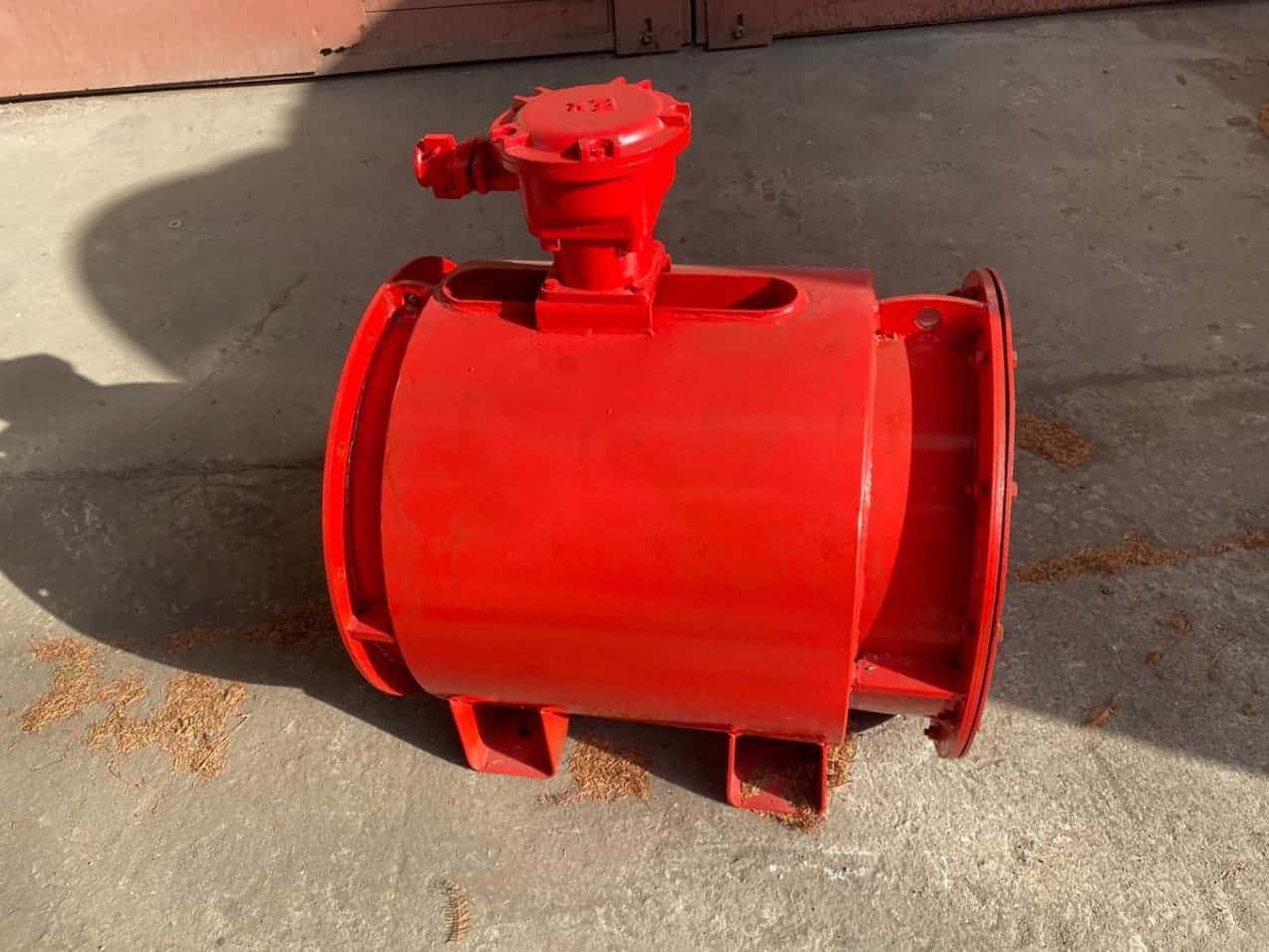
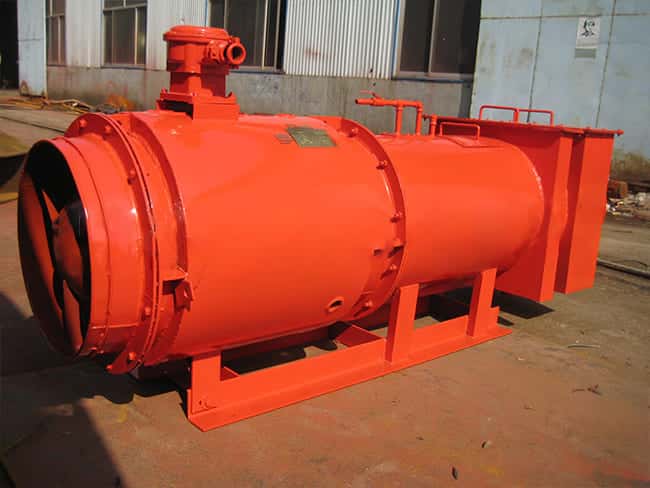
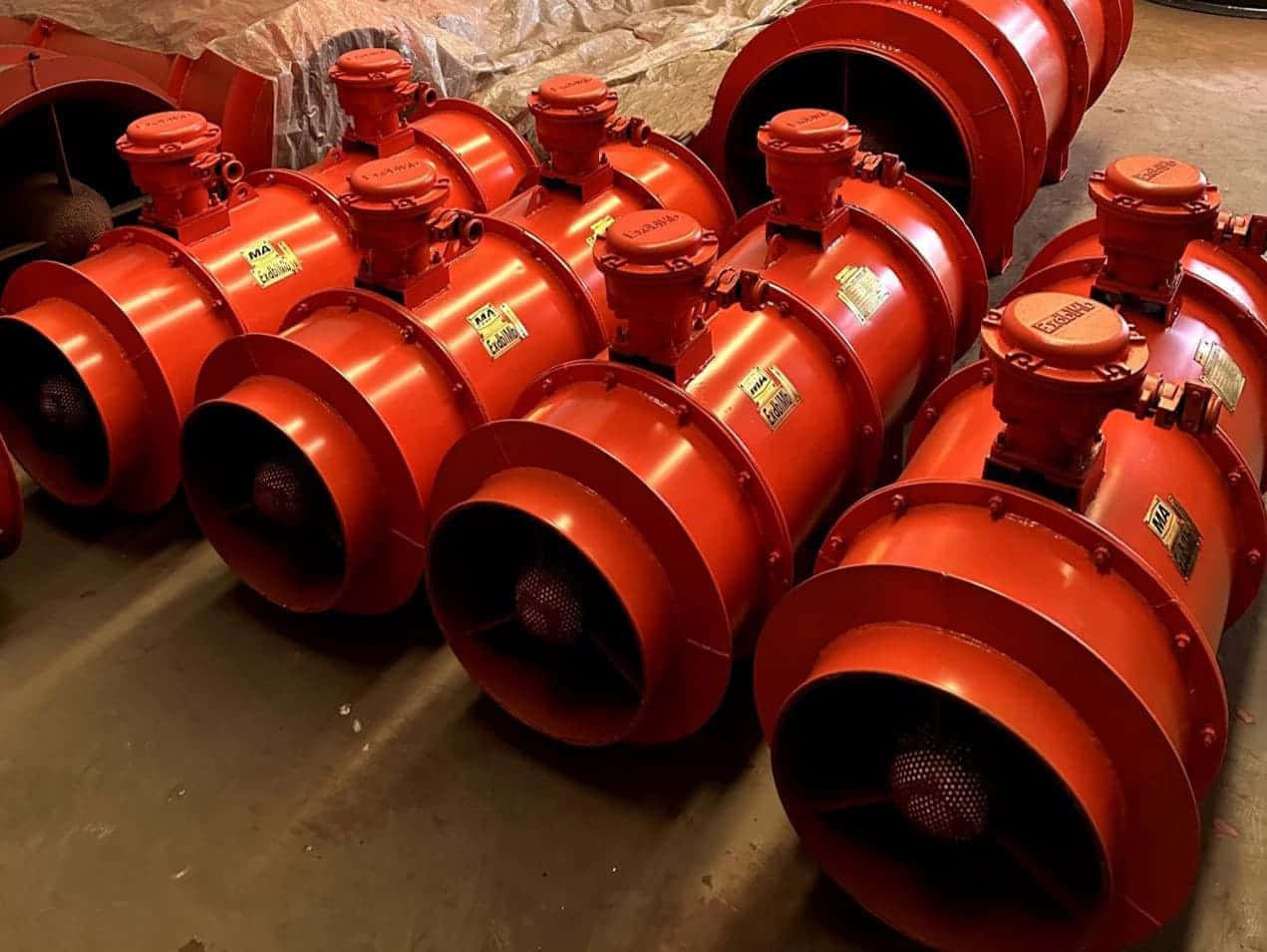
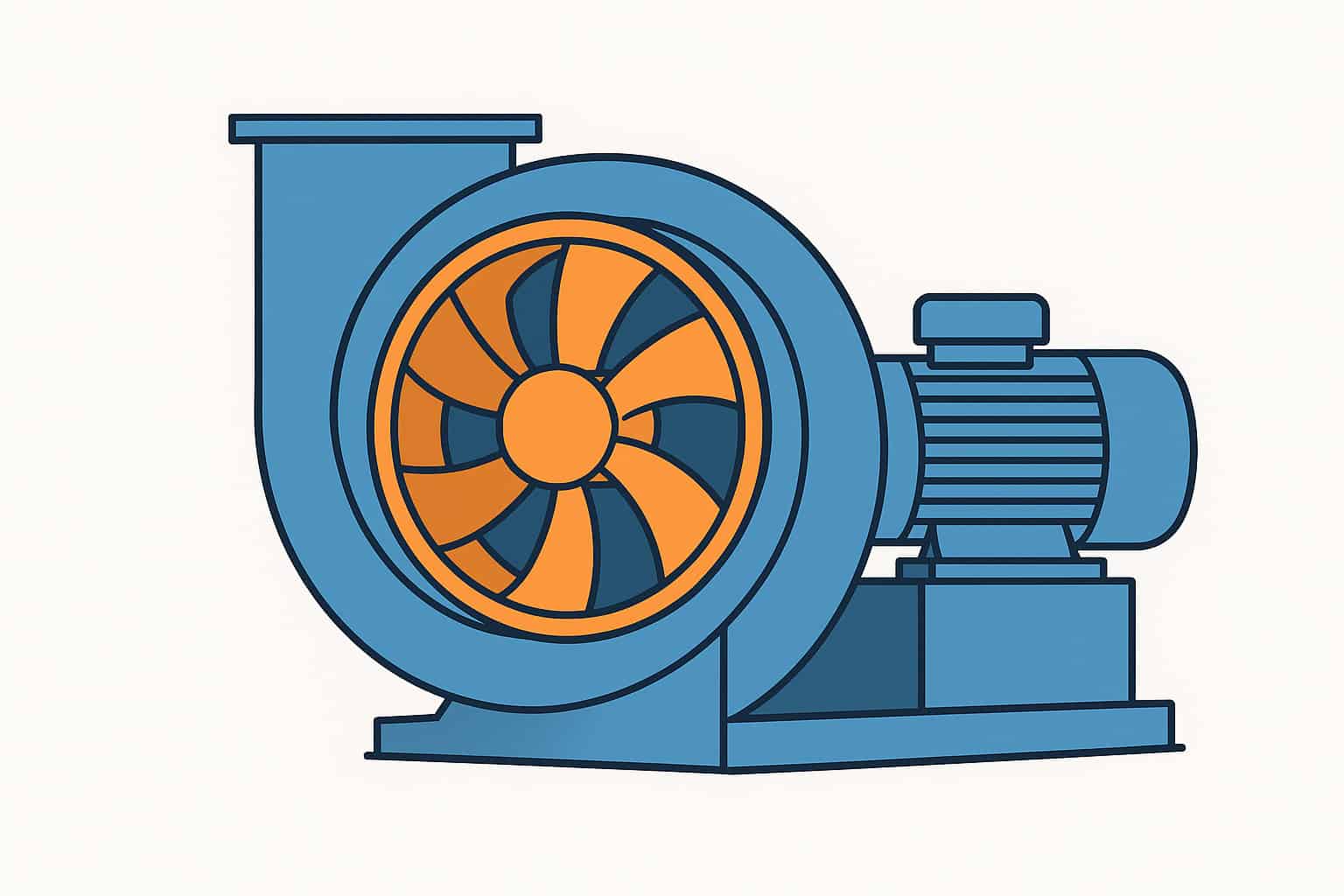
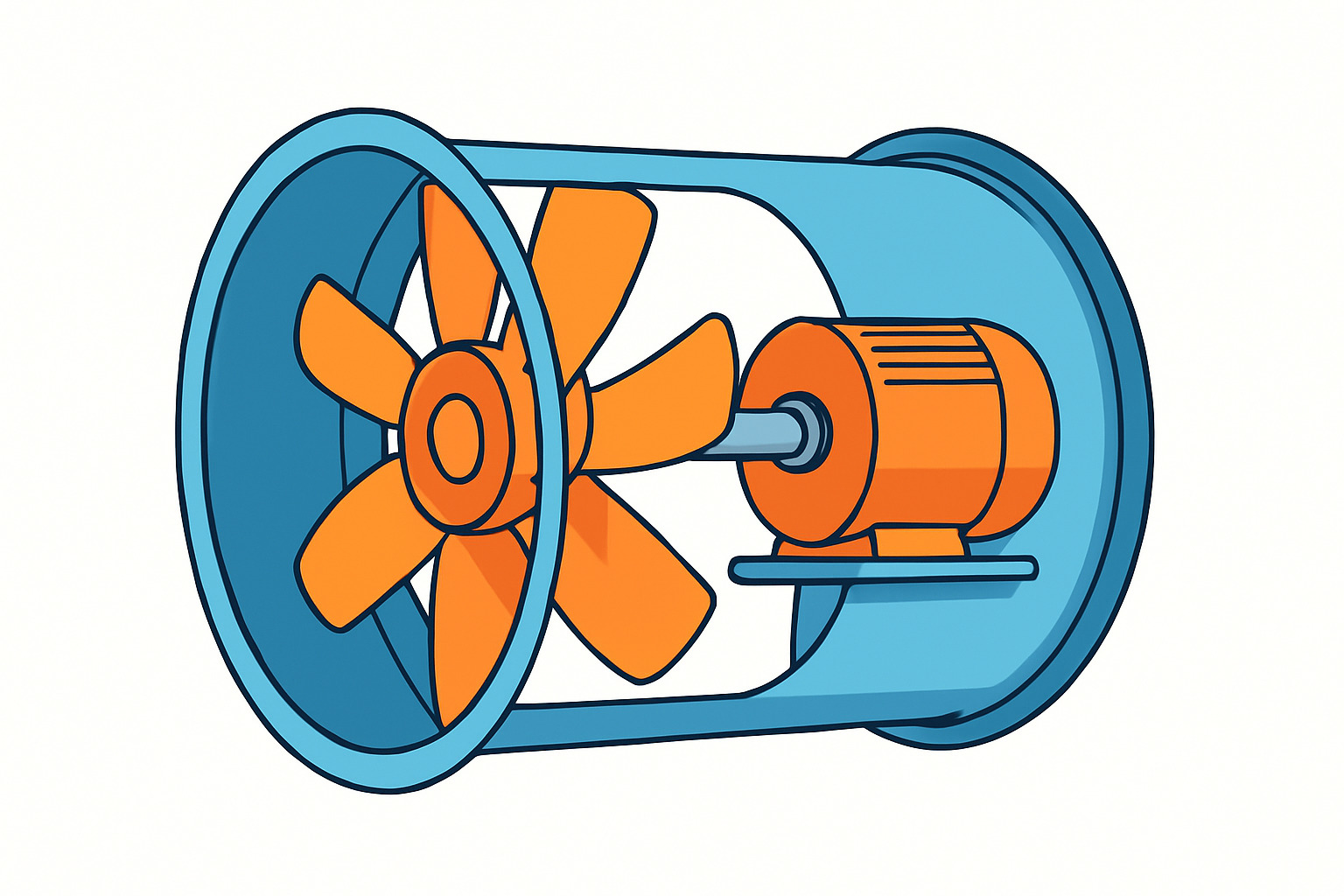
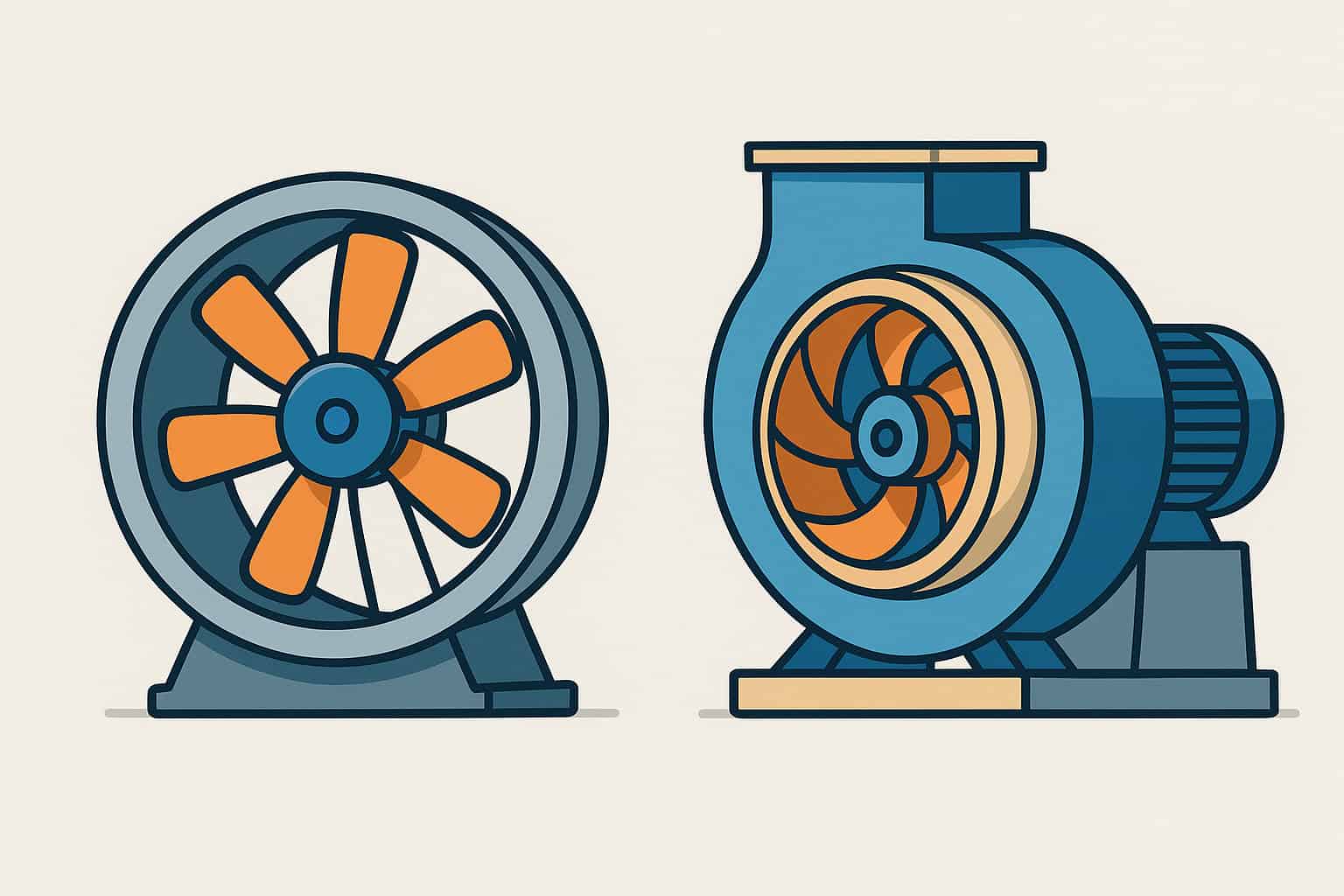
When mechanical fans are added, the way vents work becomes more controlled and predictable. Supply or intake fans push fresh air into the system through intake vents, while exhaust fans pull contaminated air out through exhaust vents. In industrial plants, wall louvers connected to large axial fans draw air in or discharge it out. In underground mines, intake portals and shaft collars act as large vents at the ends of the airways, and main fans impose the required air movement through those openings.
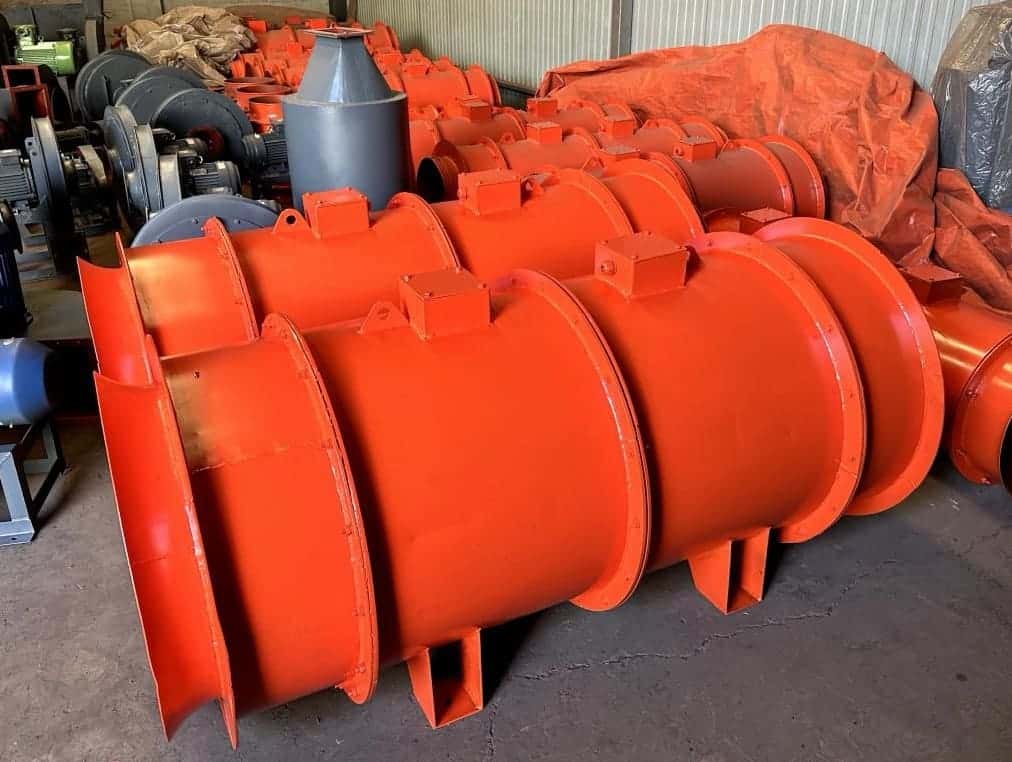
Inside the building or mine, vents are often connected to ducts. Supply vents (diffusers, grilles, slot outlets) distribute air from ducts into rooms or headings, while return or extract vents collect air and send it back through ducts to central air-handling units or exhaust fans. The size, shape and position of each vent determine how air enters or leaves the space, whether as a gentle displacement flow or as a high-velocity jet.
Good vent design also considers protection and control. Louvers are angled to shed rain; insect screens and bird guards keep out debris. Dampers behind vents can be adjusted or motorised to regulate how much air passes through or to shut off certain paths during fire or maintenance. In mines and heavy industry, regulators and vent doors (air doors) function as large controllable vents to balance airflow between different branches of the network.
In summary, vents work by providing carefully located and shaped openings that allow air to flow under the influence of wind, buoyancy or fans. They are key points where the designer can control how fresh air enters, how exhaust air leaves and how the overall ventilation pattern in buildings, factories and mines is achieved.