
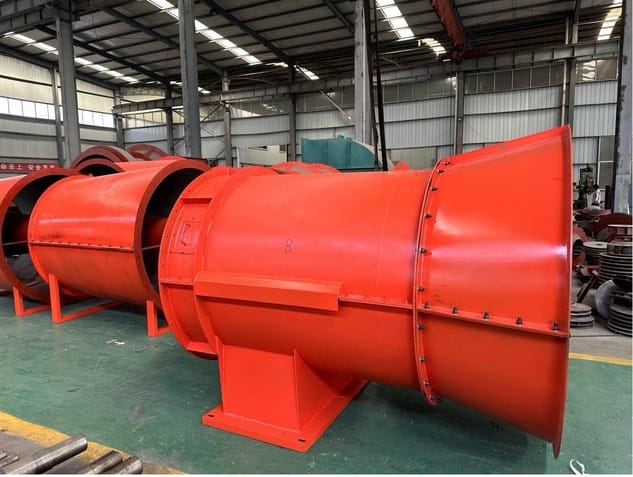
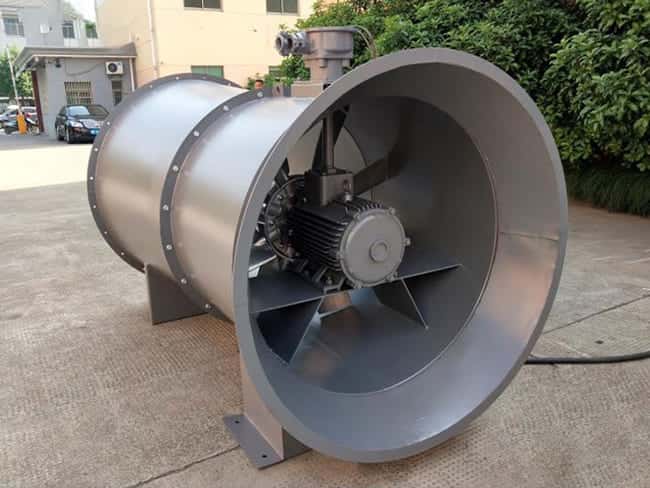
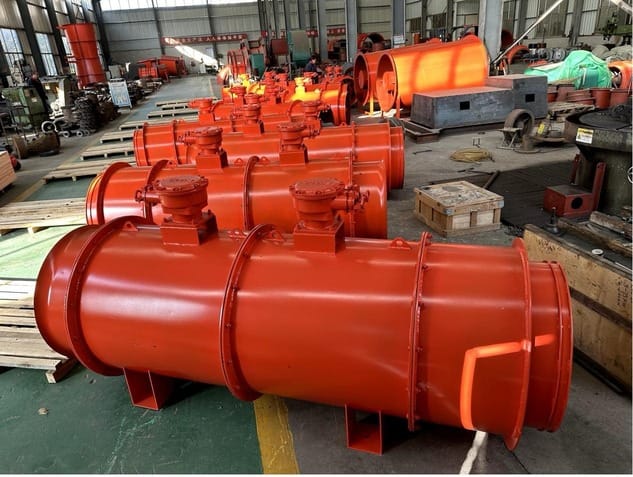
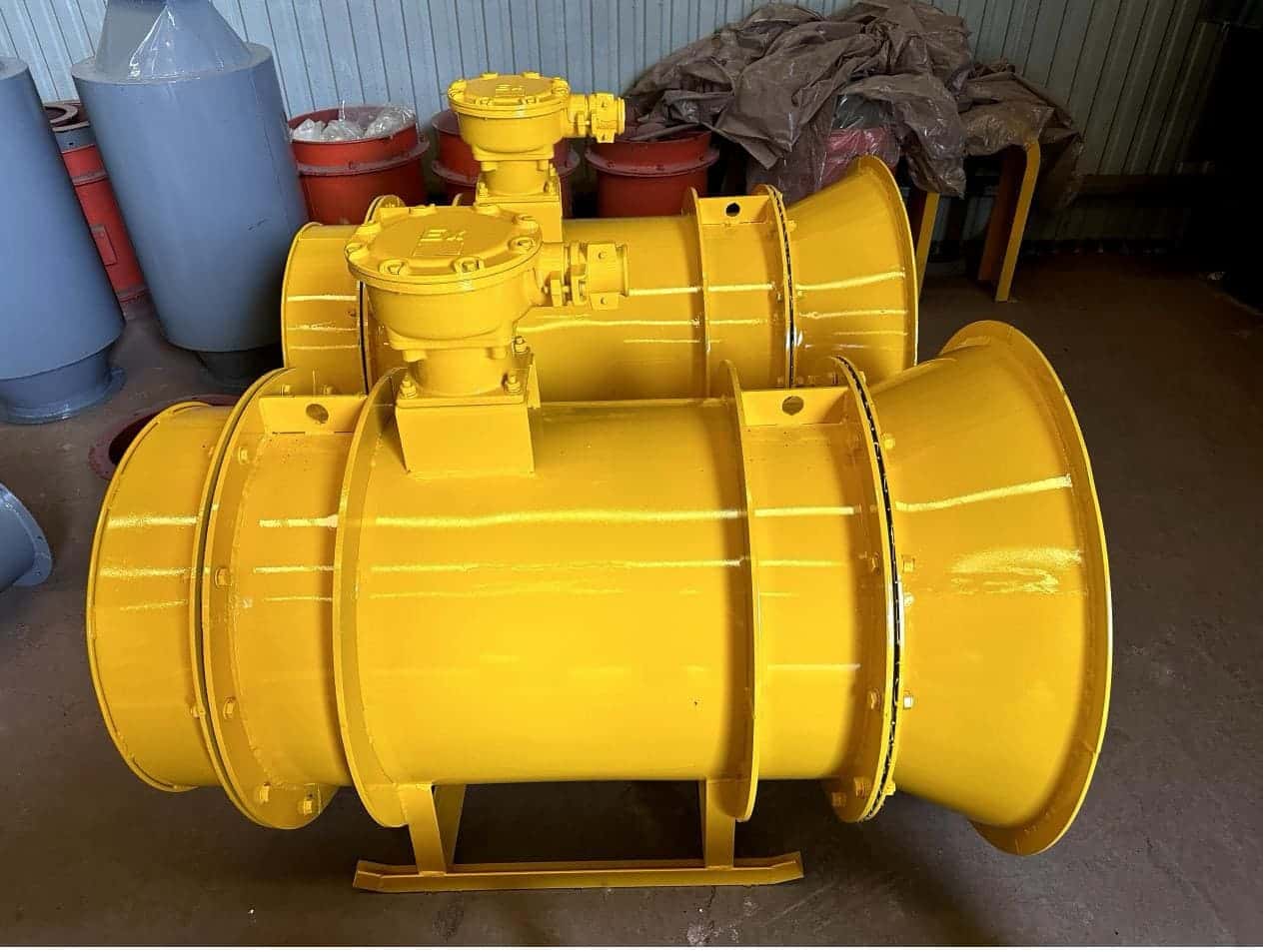
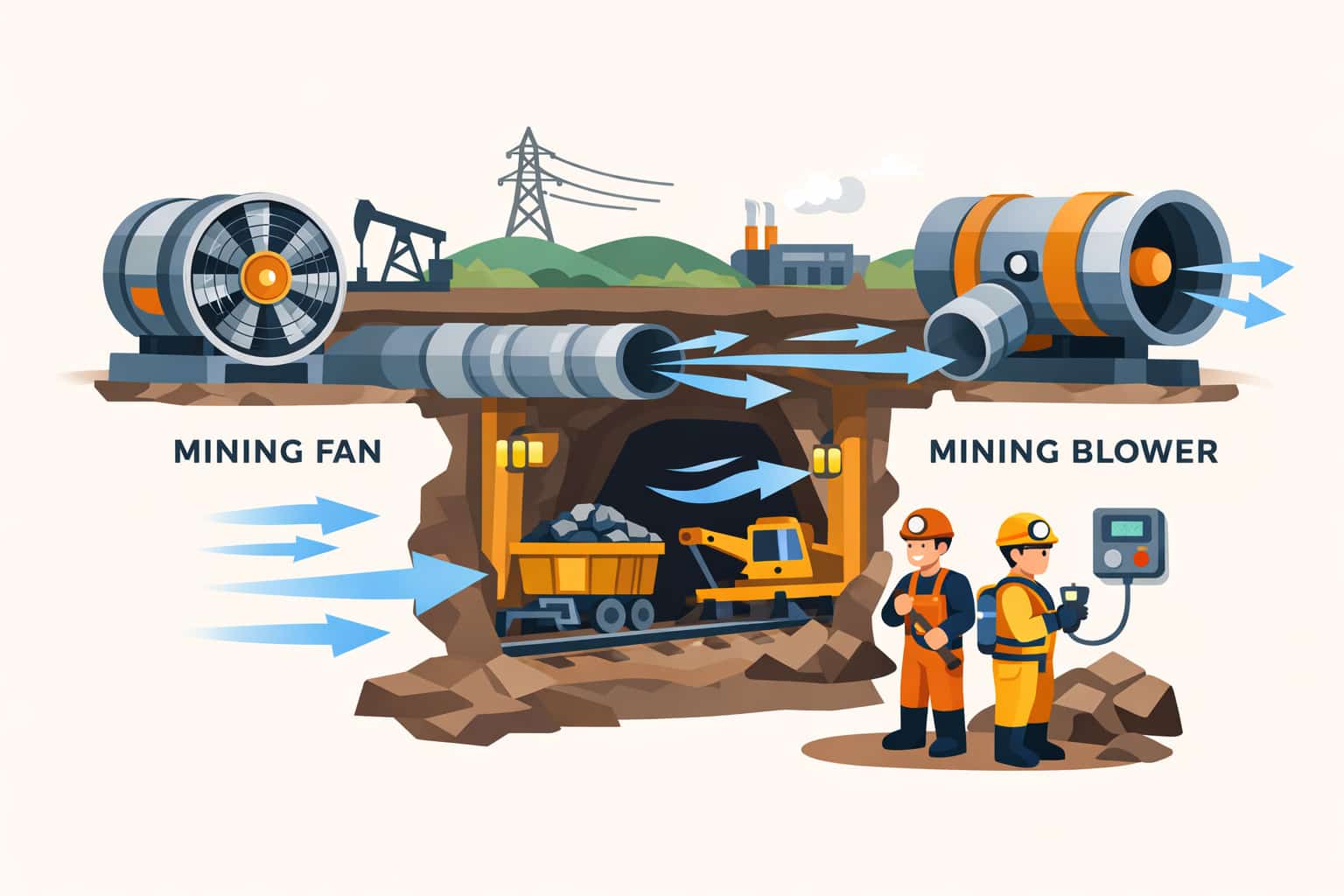
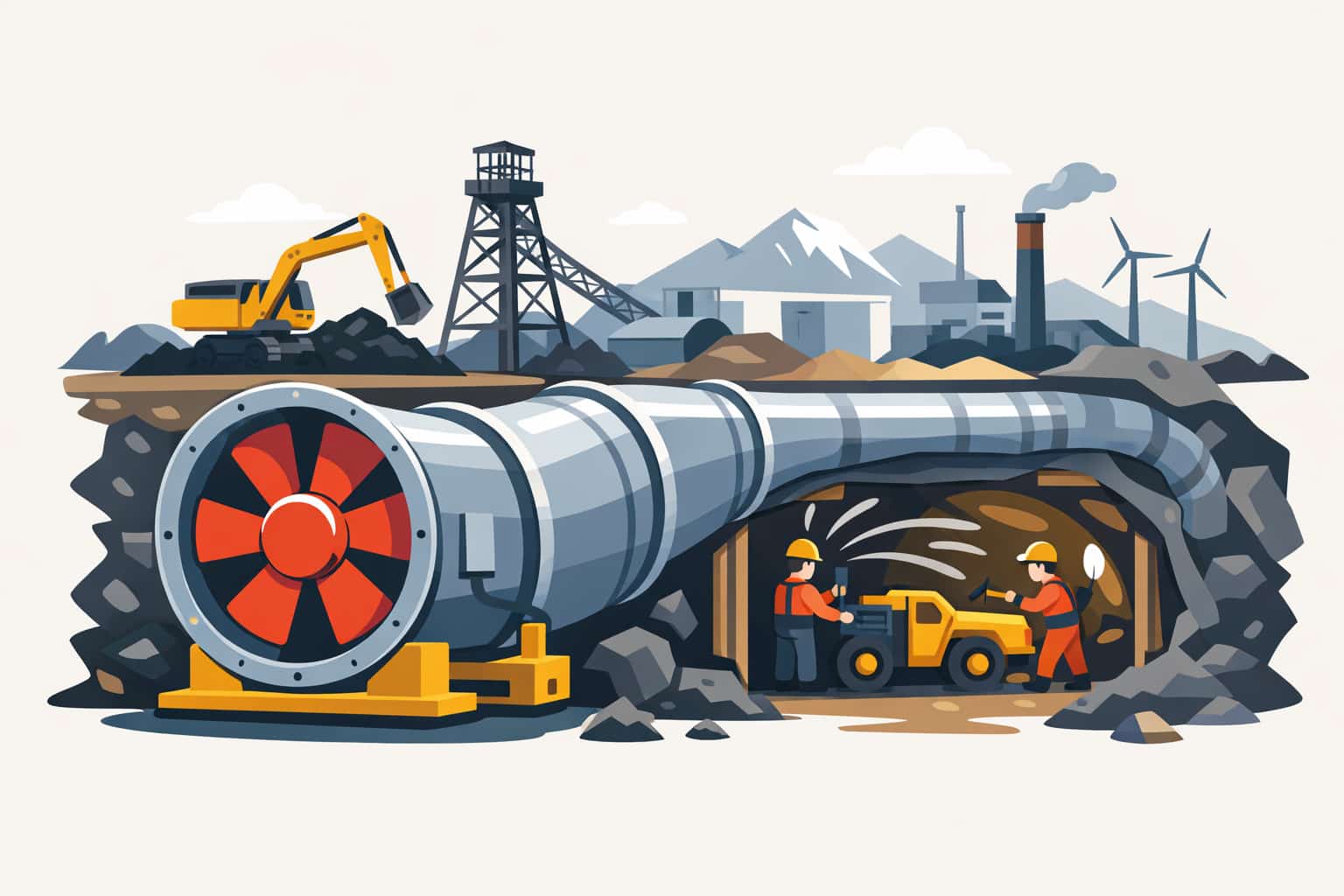
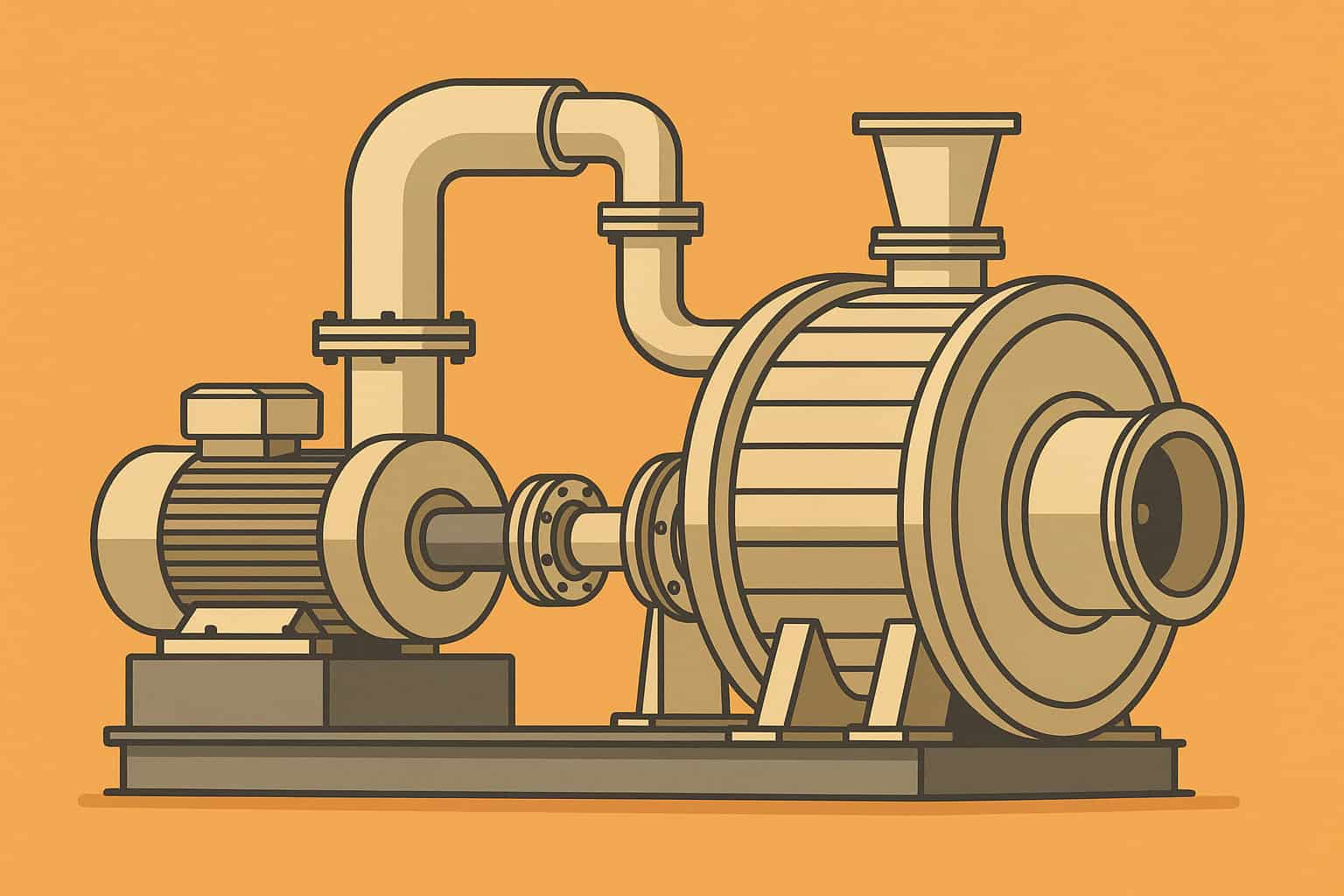
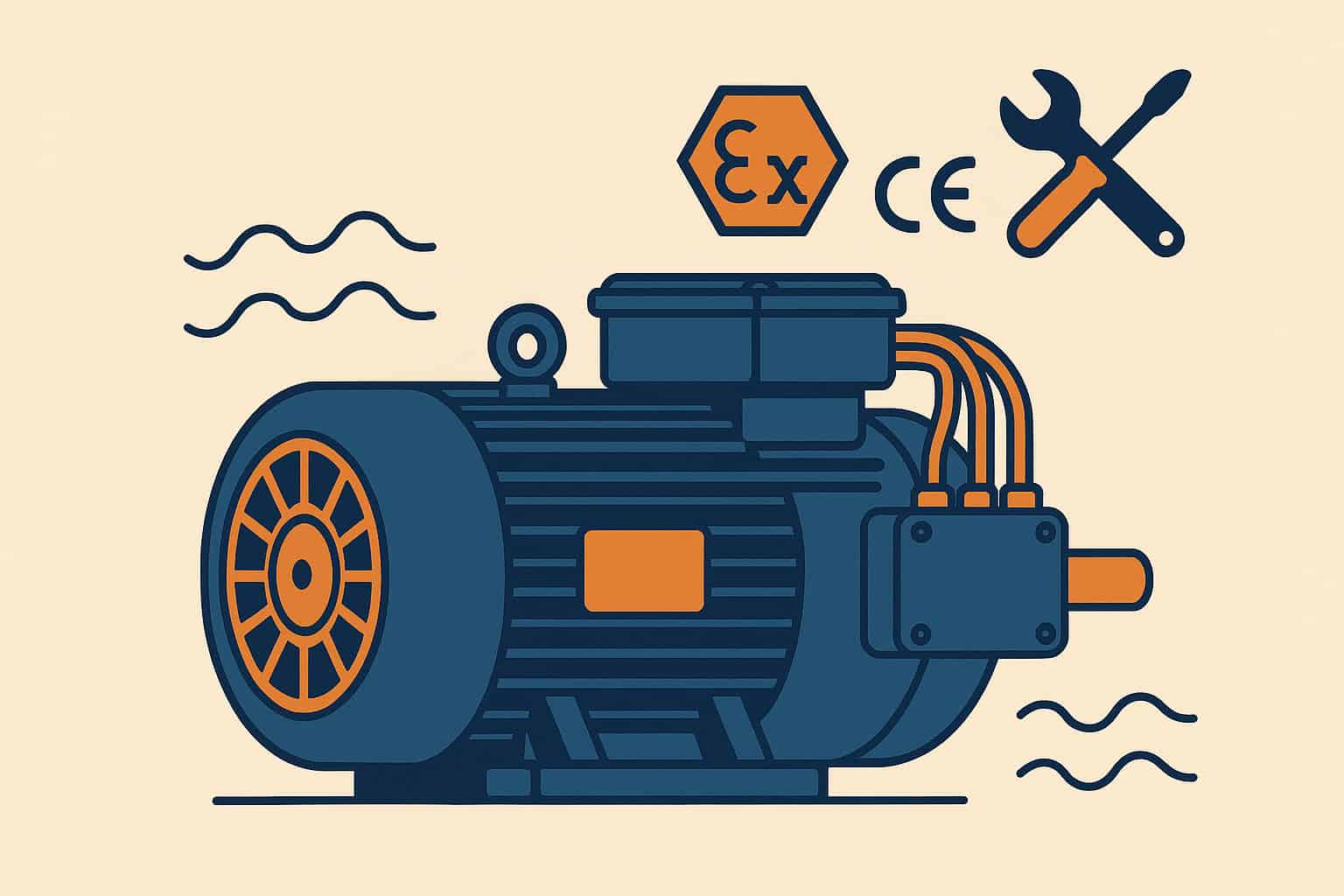
Budgeting a mining ventilation fan purchase and lifecycle cost means looking beyond the initial price tag and analysing the total cost of ownership over the life of the mine. Ventilation fans are long-lived, energy-intensive assets that directly affect safety and production, so a careful budget must combine capital expenditure (CAPEX) with operating expenditure (OPEX) and risk-related costs such as downtime.
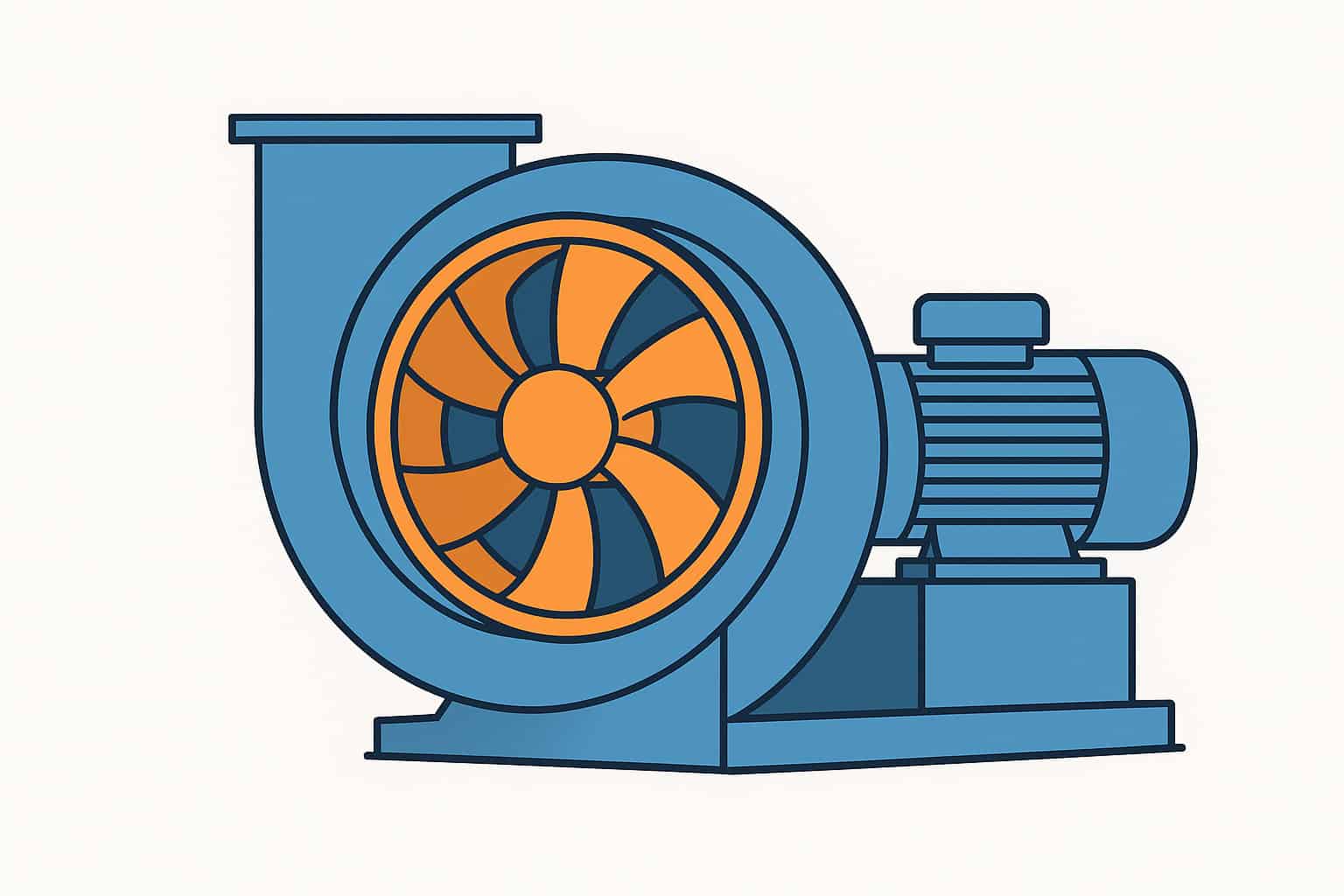
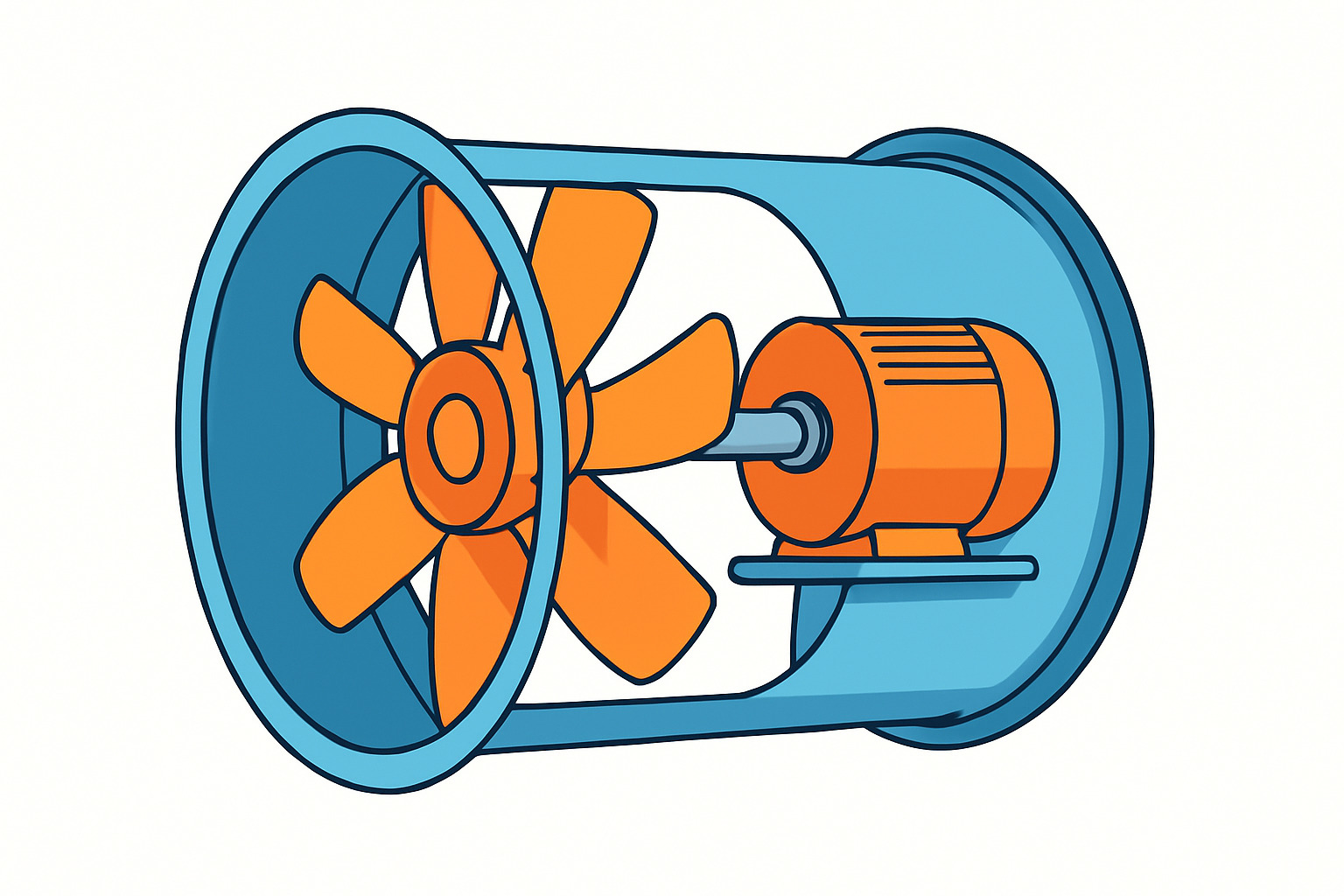
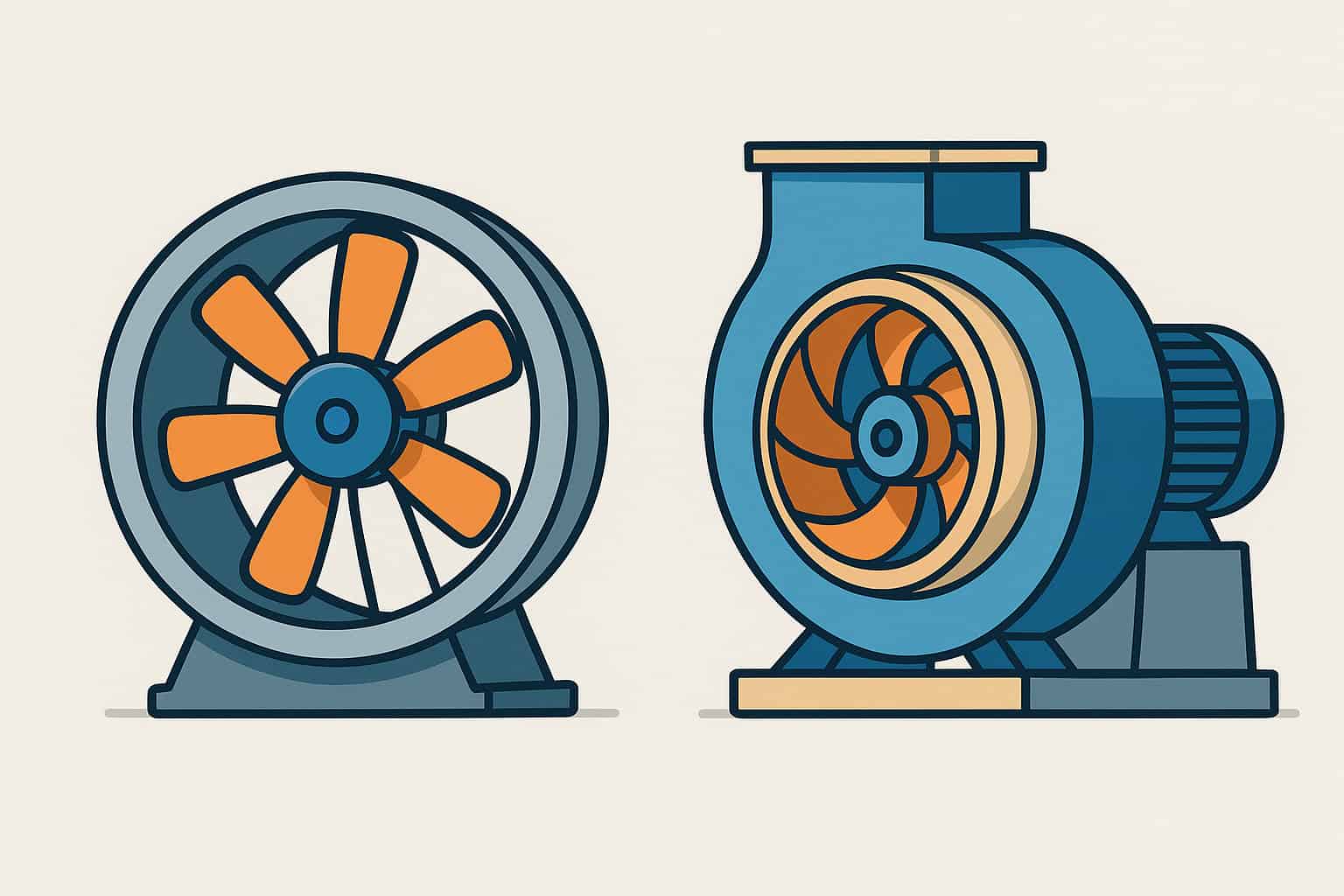
The first step is to define the technical duty of the fan: required airflow, pressure, operating schedule, location (surface or underground), environmental conditions and any explosion proof or noise requirements. These parameters determine the fan type (axial or centrifugal), size, speed and motor rating, and they greatly influence both CAPEX and OPEX. A fan that is slightly more expensive but significantly more efficient can save large amounts of energy over its life.
On the CAPEX side, your budget should include the fan and motor purchase cost, plus associated equipment such as silencers, diffusers, inlet boxes, vibration and temperature sensors, and any variable speed drives. You must also account for civil works and installation: fan chambers, foundations, steel supports, access platforms, cranes or lifting beams and electrical infrastructure. Engineering, design and commissioning services form another CAPEX component that should be explicitly costed.
On the OPEX side, energy consumption is often the dominant cost. To estimate it, you multiply the fan’s expected power draw by operating hours and local electricity tariffs. Because fan power depends on airflow, pressure and efficiency, you should model different scenarios (for example, fixed speed vs variable speed, or different operating schedules) to see how energy cost changes. Ventilation-on-demand strategies can sometimes reduce energy use by adjusting fan output to actual needs, and these savings should be reflected in the lifecycle budget.
Maintenance and reliability are equally important. Your budget should include routine inspections, lubrication, bearing and seal replacement, balancing, and potential motor overhauls. Replacement of wear parts, such as blades in dusty, abrasive air, must also be considered. If the fan is a critical part of the ventilation system, you must estimate the cost of downtime or reduced production in case of failure and decide whether redundancy (for example, twin fans or a standby unit) is justified.
Over the life of the mine, you may need to upgrade or relocate fans as workings deepen or layouts change. The budget should therefore include allowances for possible modifications, such as changing impeller pitch, upgrading drives, adding booster fans or expanding fan chambers. It is also wise to consider expected increases in electricity prices and potential carbon pricing or emissions constraints that could affect the cost of running high-power equipment.
In summary, to budget a mining ventilation fan purchase and lifecycle cost, you define the duty, estimate CAPEX for equipment and installation, model energy use and maintenance as OPEX, and factor in reliability, redundancy and future upgrades. A fan with the lowest initial price is not always the cheapest over its life; a well-balanced budget focuses on total cost of ownership while meeting safety and ventilation requirements.