
Understanding how a fan works step by step is useful when you are designing or troubleshooting industrial and mining ventilation systems. Although there are many fan types, the basic principle is the same: a fan converts mechanical energy into a pressure difference that pushes air from one place to another.
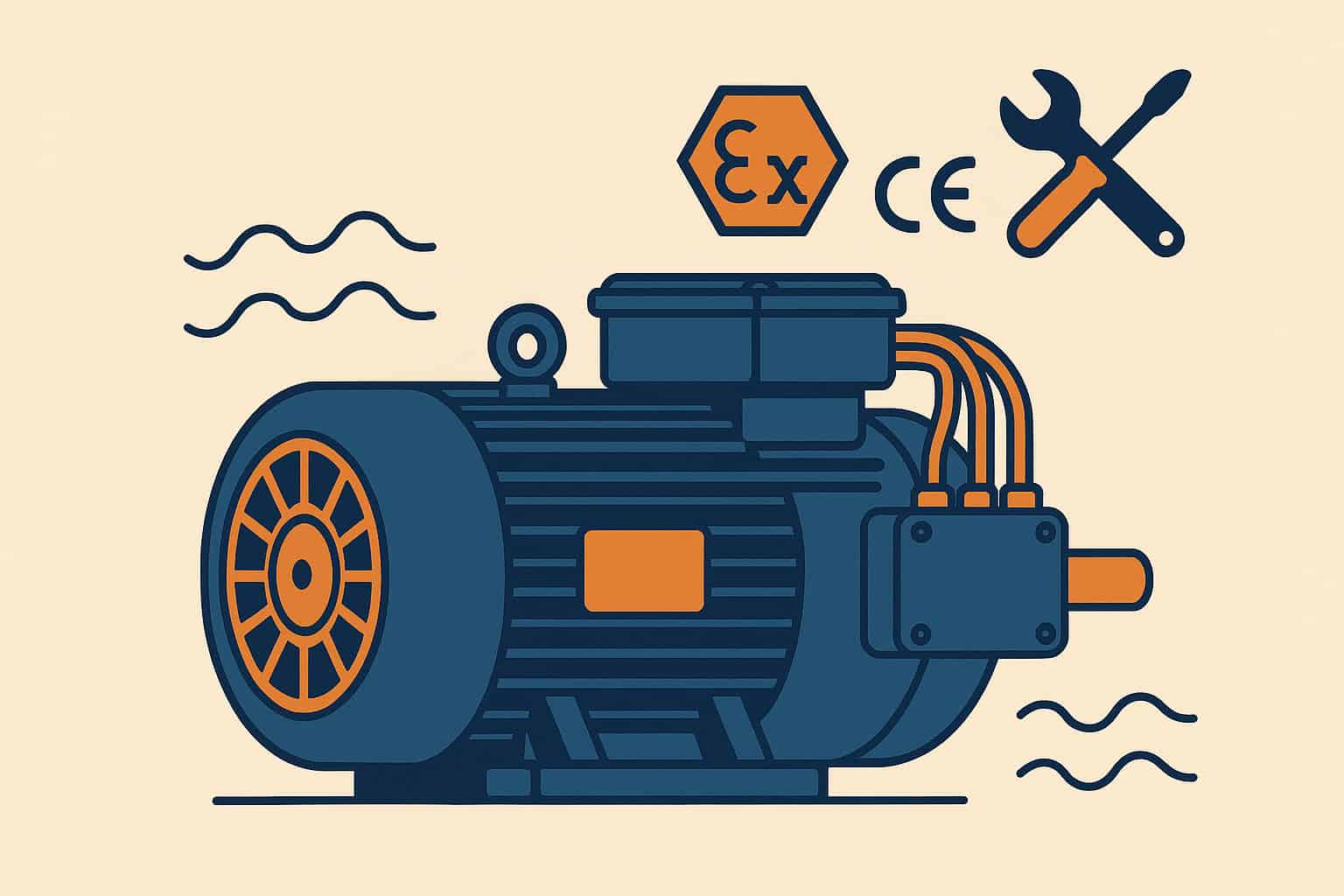
Step 1: Electrical power reaches the motor. Most industrial fans are driven by electric motors. When you energise the motor, three-phase current flows through the stator windings, creating a rotating magnetic field. The rotor follows this field, converting electrical energy into mechanical rotation. In some systems, a variable-frequency drive controls the motor speed by adjusting the supply frequency.
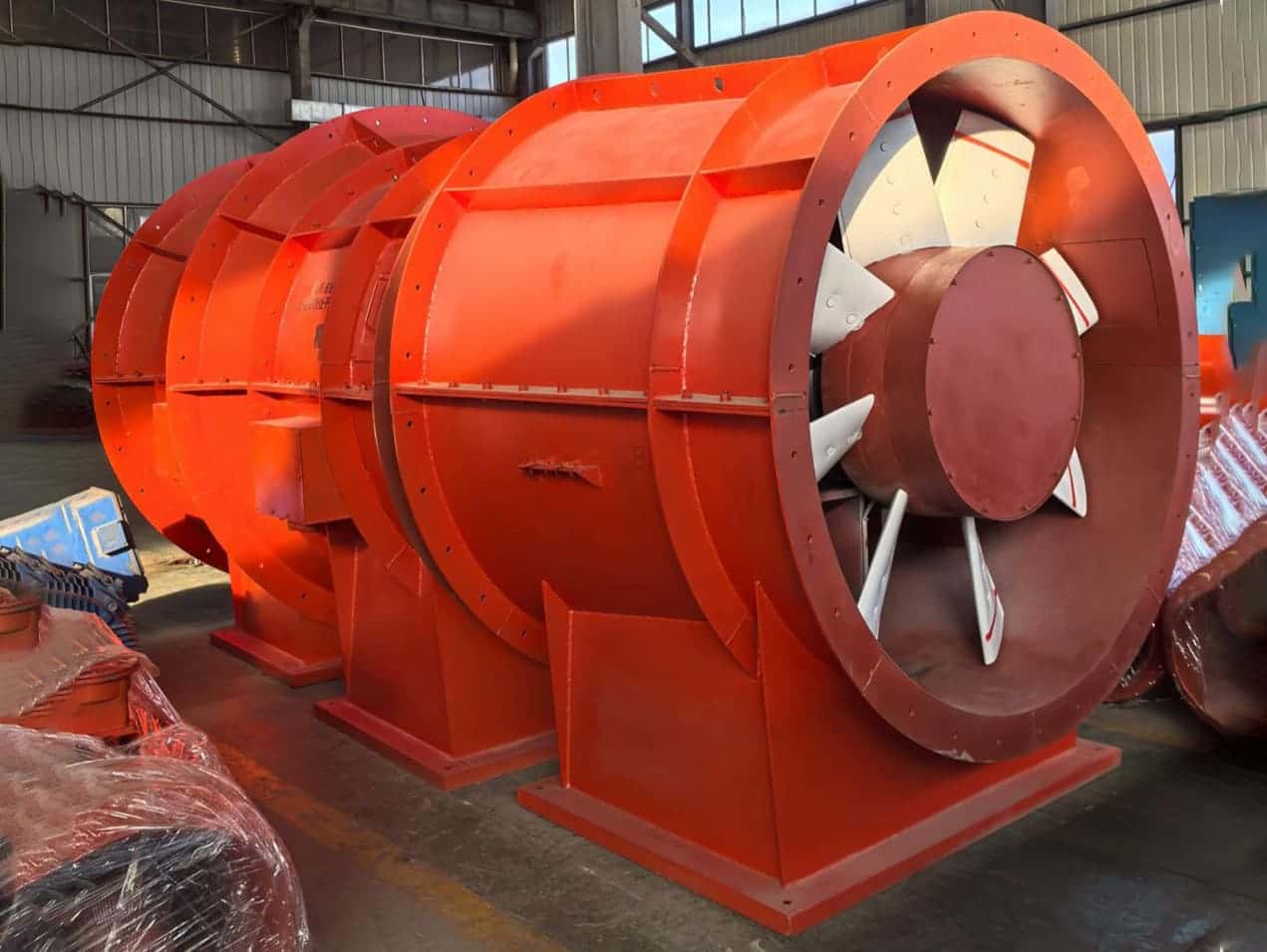
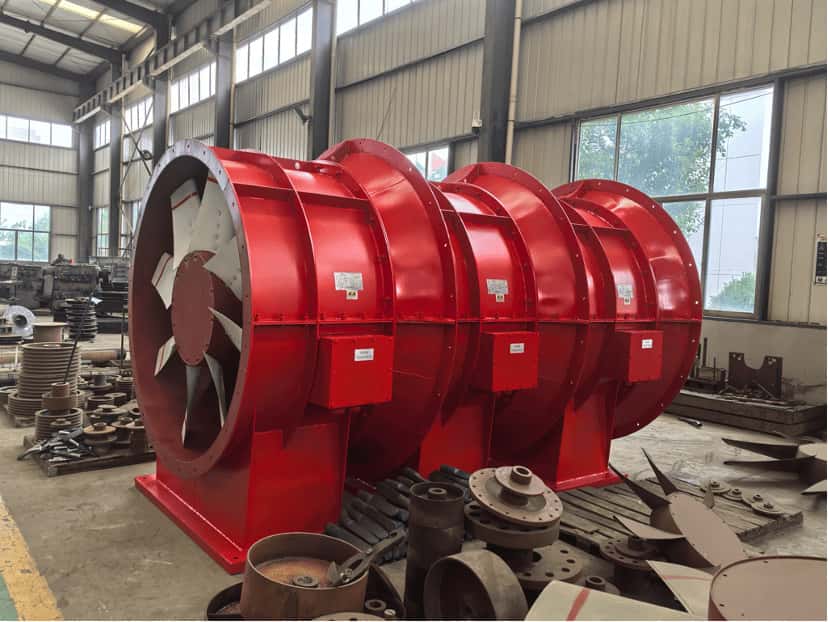
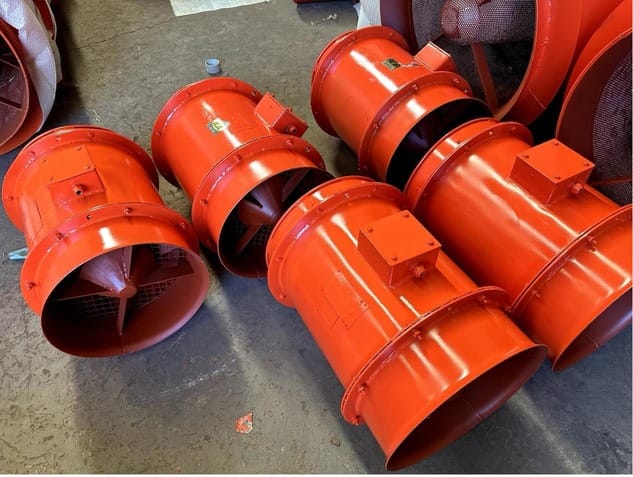
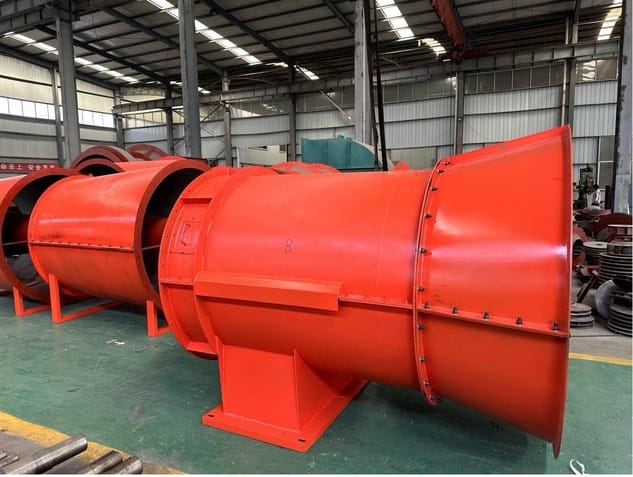
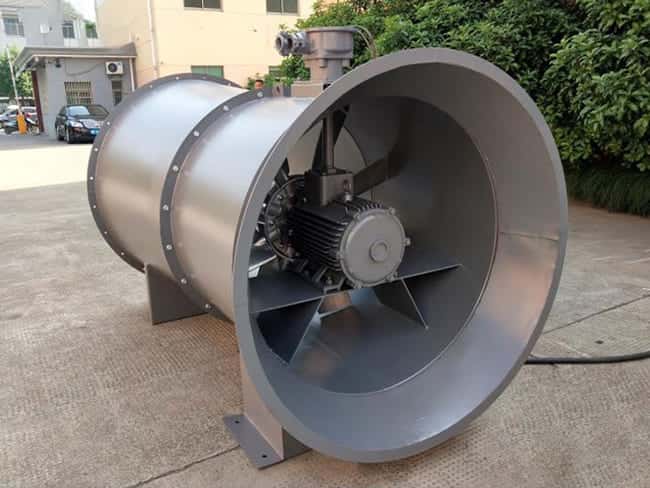
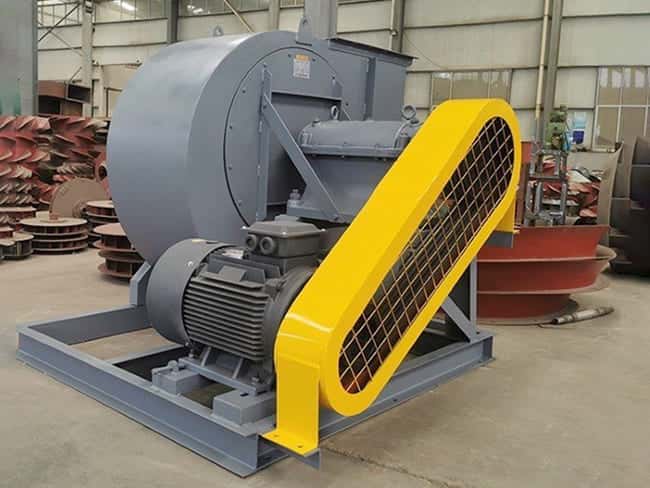
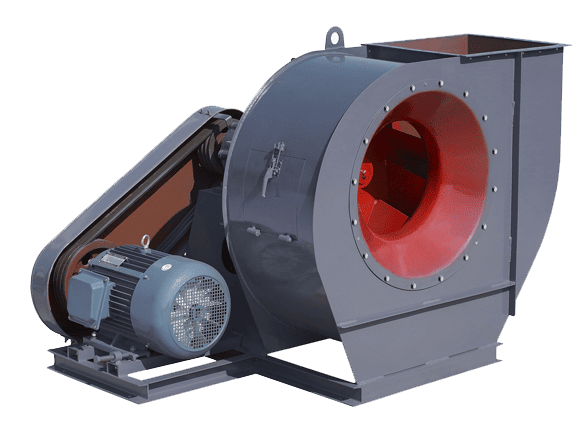
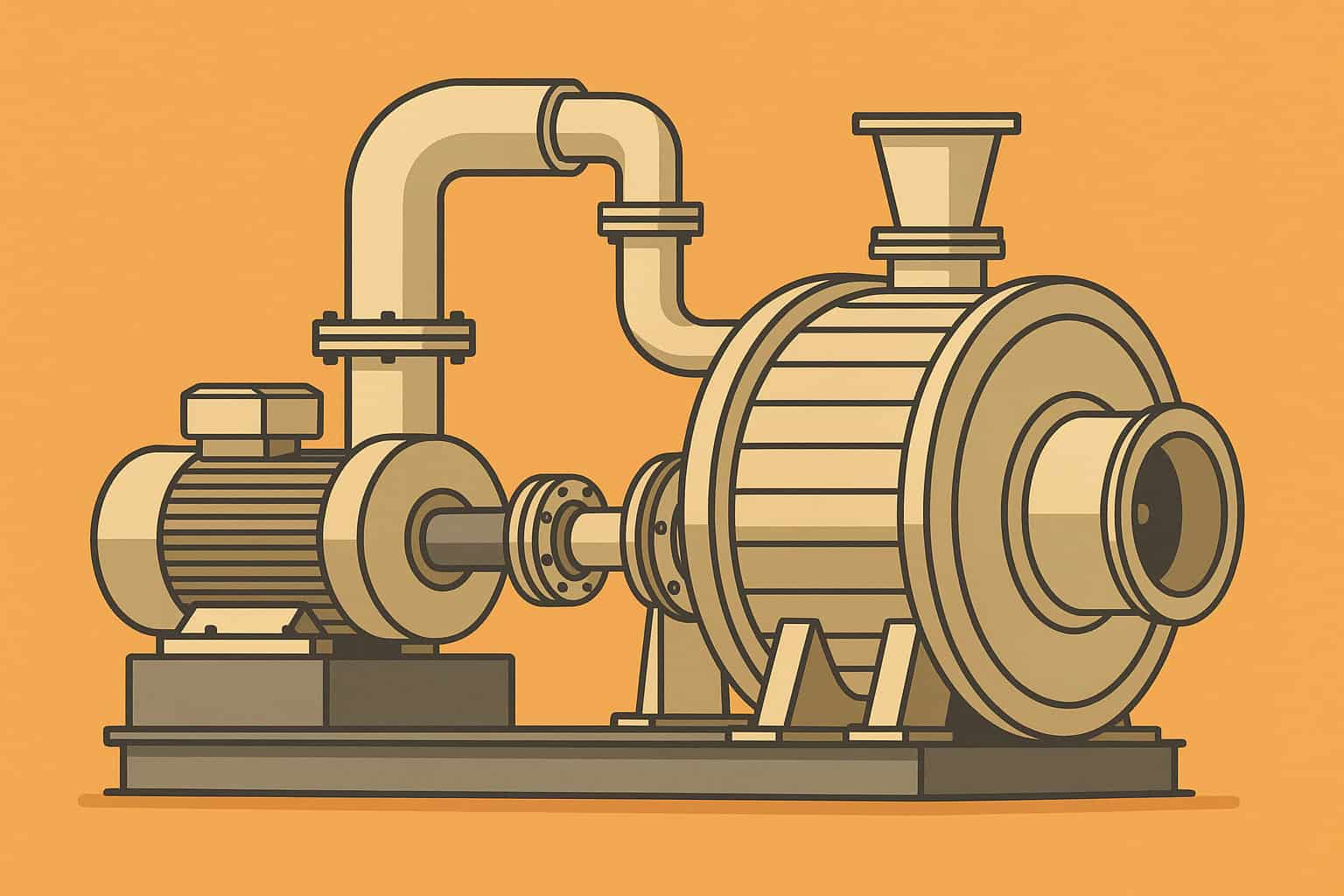
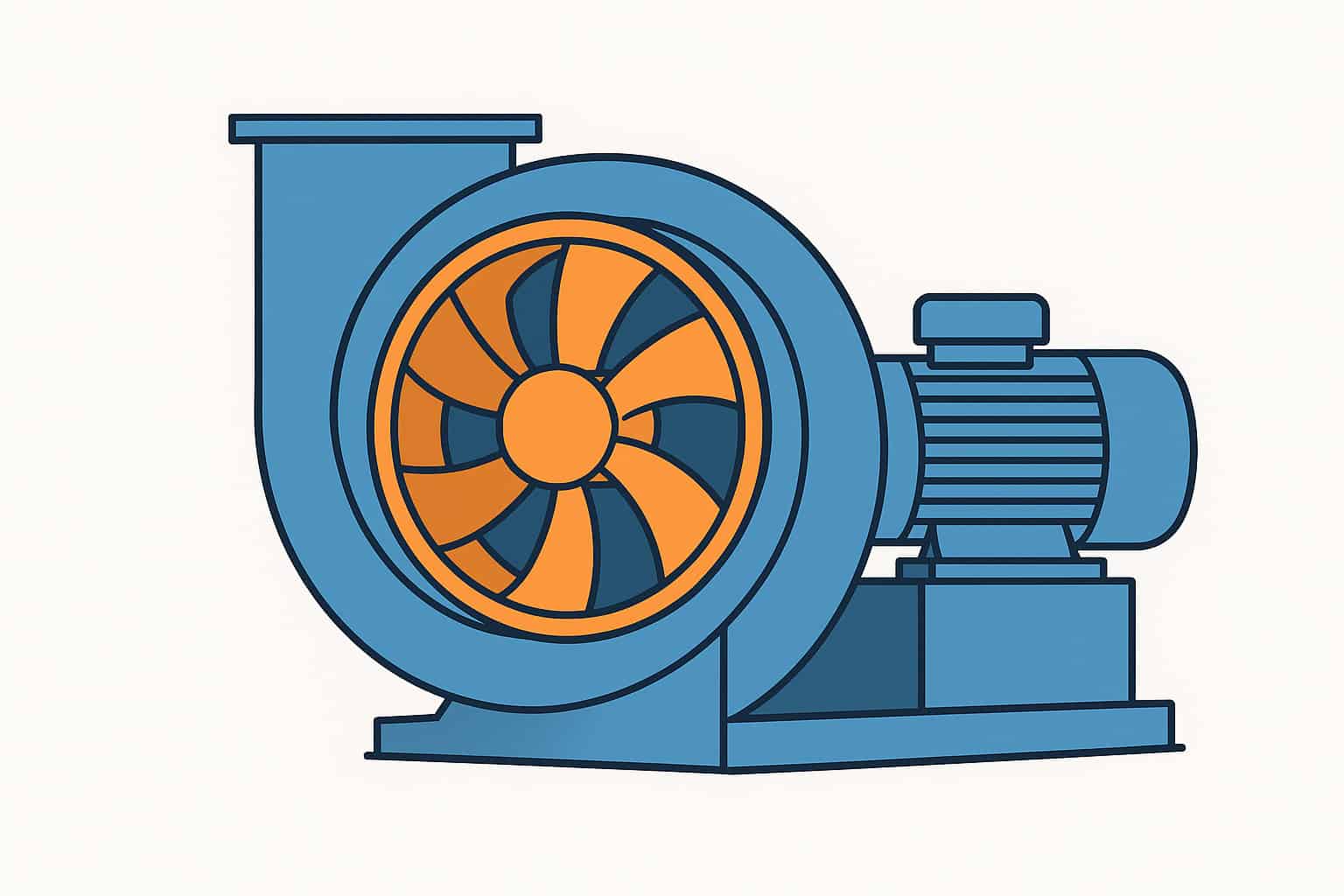
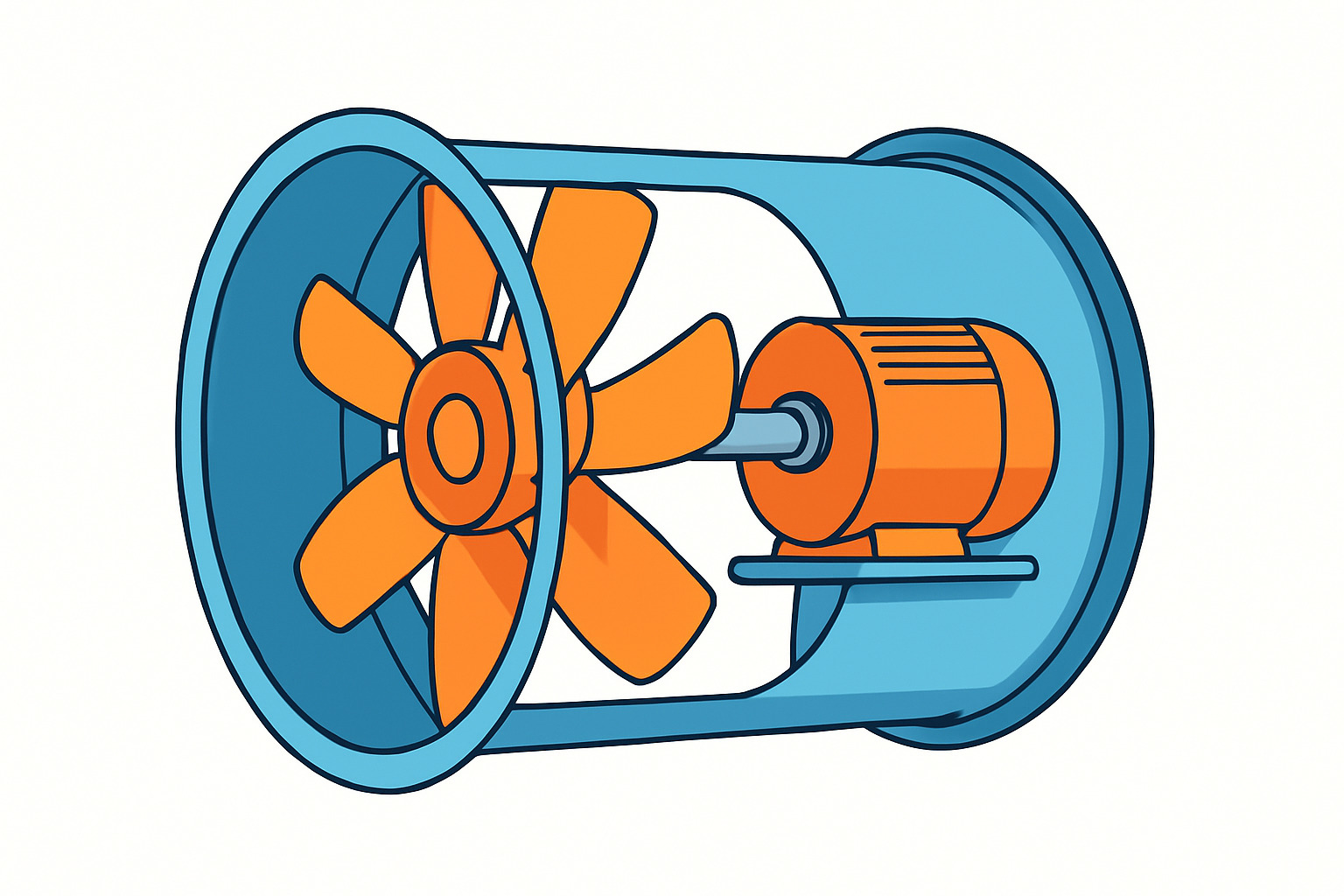
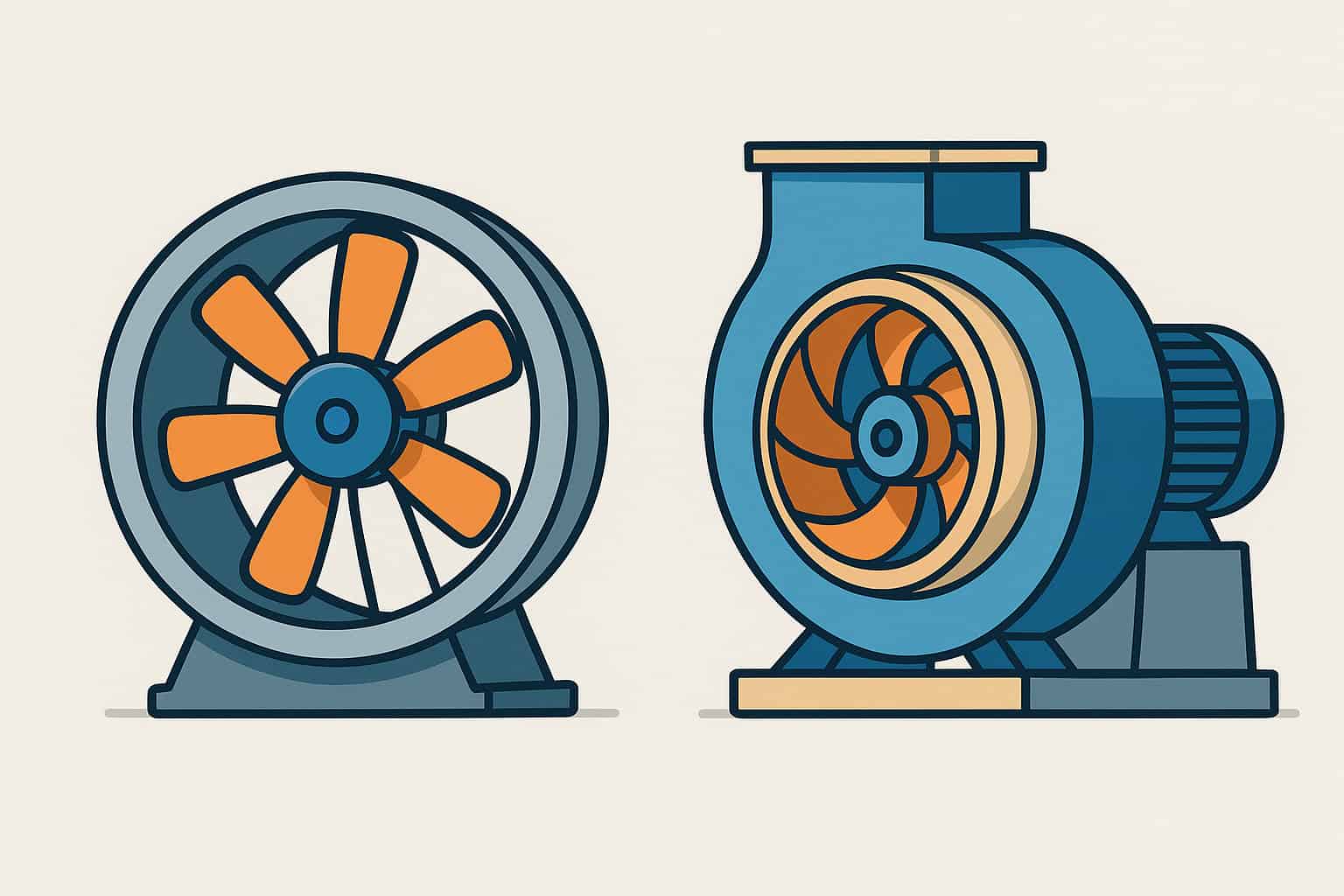
Step 2: The motor turns the fan shaft and impeller. The motor is connected to the fan either directly, through a coupling, or indirectly, via belts and pulleys. As the motor rotates, it turns the shaft and the impeller (the assembly of blades mounted on a hub). In an axial fan, the blades are arranged like a propeller; in a centrifugal fan, the blades sit inside a wheel or drum.
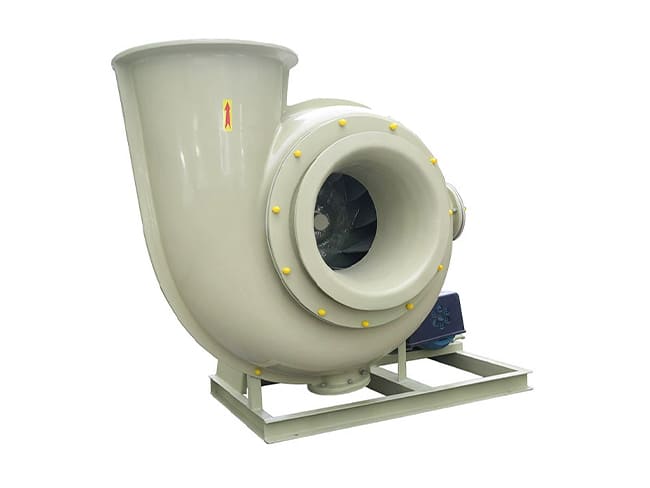
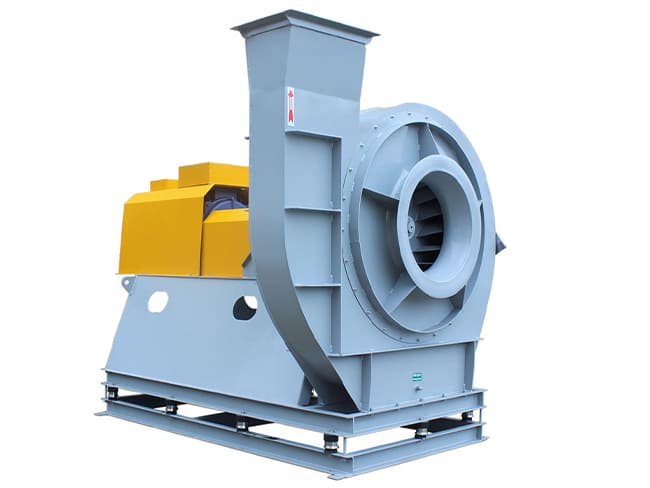
Step 3: The impeller adds energy to the air. As the blades rotate, they interact with the air around them. Their airfoil shape and angle of attack cause air to accelerate. In an axial fan, air is primarily accelerated in the direction of the shaft. In a centrifugal fan, air is initially drawn axially into the eye of the impeller and then flung radially outward by centrifugal force. In both cases, the impeller increases the air’s velocity and imparts mechanical energy to it.
Step 4: Velocity is partly converted to pressure. In the fan casing and connected ductwork, some of the air’s velocity is converted into static pressure. In axial fans, this happens as air passes through guide vanes or diffusers that straighten the flow and slow it slightly, raising pressure. In centrifugal fans, the scroll-shaped housing and outlet duct act as a diffuser, turning high-speed air into useful pressure. The result is a pressure difference between the fan inlet and outlet.
Step 5: The pressure difference drives airflow through the system. Air naturally flows from regions of higher pressure to lower pressure. The fan’s outlet pressure is slightly higher than the surrounding system, so air is pushed into ducts, rooms or mine roadways. At the inlet, pressure is slightly lower than ambient, so fresh air is drawn in. The entire ventilation network—ducts, filters, bends, dampers, equipment and mine openings—presents resistance to this flow. The fan and system reach a balance at the operating point where the fan’s pressure capability equals the system’s resistance at a particular airflow.
Step 6: The cycle continues as long as the fan runs. As long as electrical power is supplied and the motor and impeller continue to rotate, the fan keeps adding energy to the air. In a well-designed ventilation system, this produces a controlled, continuous flow that supplies fresh air, removes contaminants and manages temperature in industrial plants and underground mines.
In summary, a fan works step by step by turning electrical power into rotation, using blades to accelerate air, converting part of that velocity into pressure and driving airflow through the connected system. The details differ between axial and centrifugal designs, but the core principle is the same.