
A ventilation system works by moving fresh air into a space and removing contaminated or heated air using a coordinated network of fans, ducts and control devices. In industrial plants and underground mines, this is not just about comfort; it is a safety-critical function controlled by engineering design and regulations.
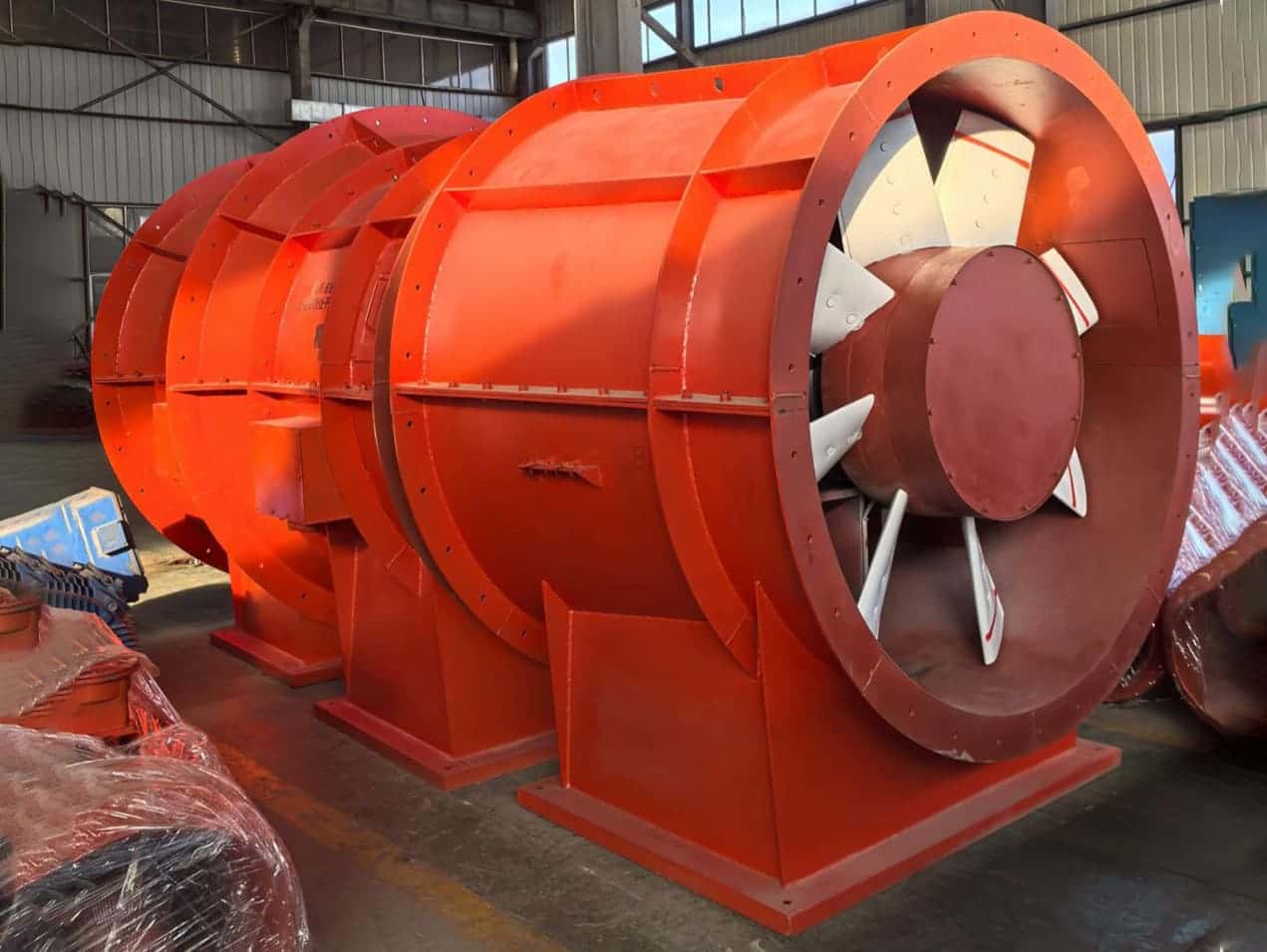
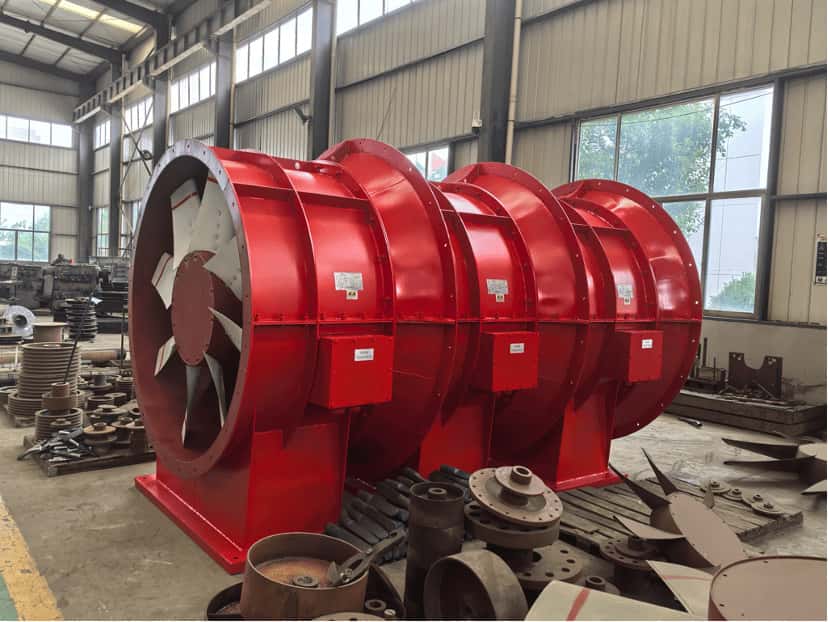
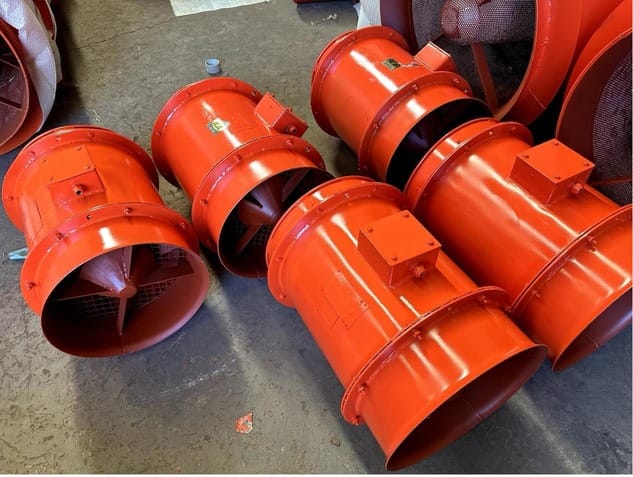
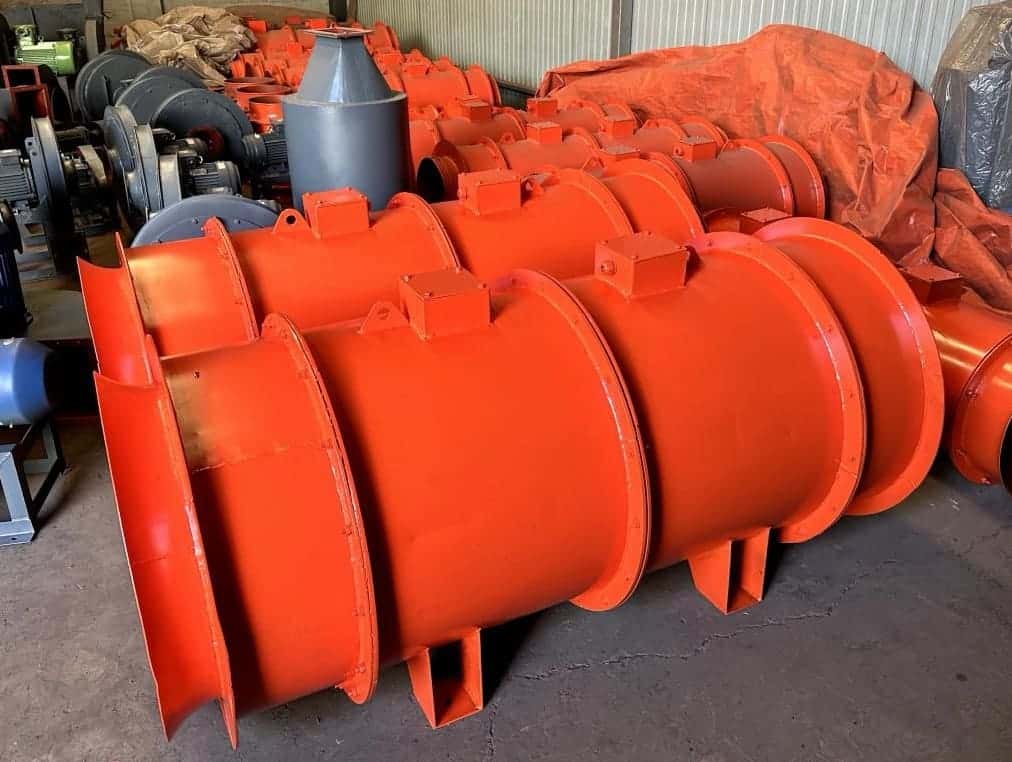
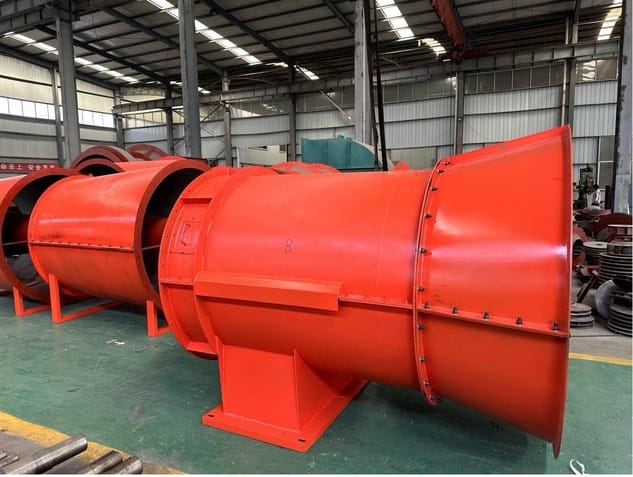
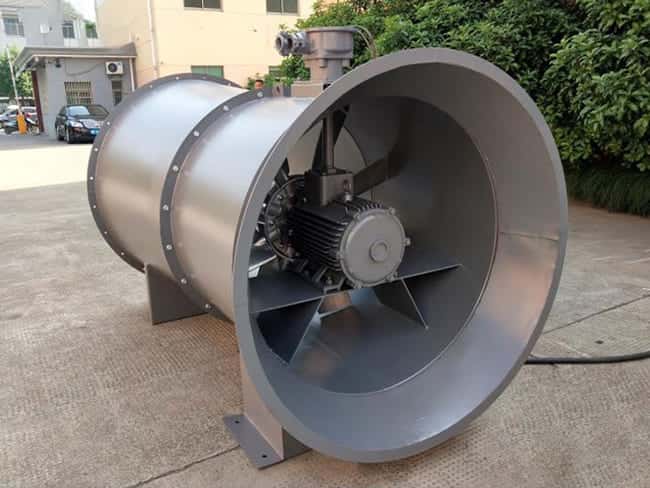
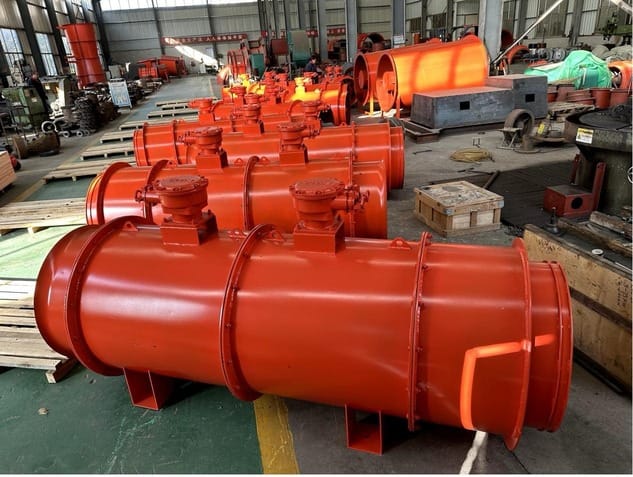
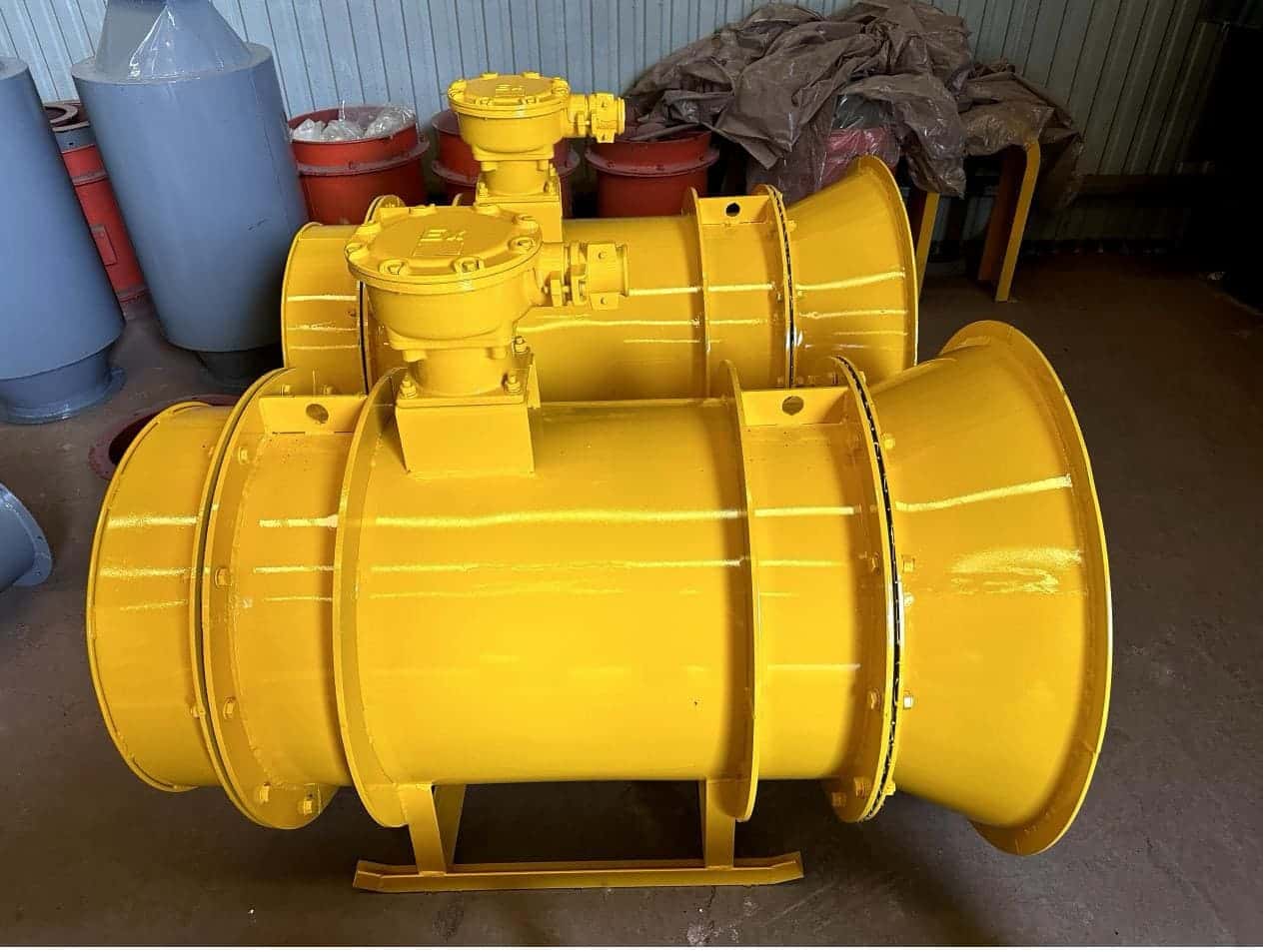
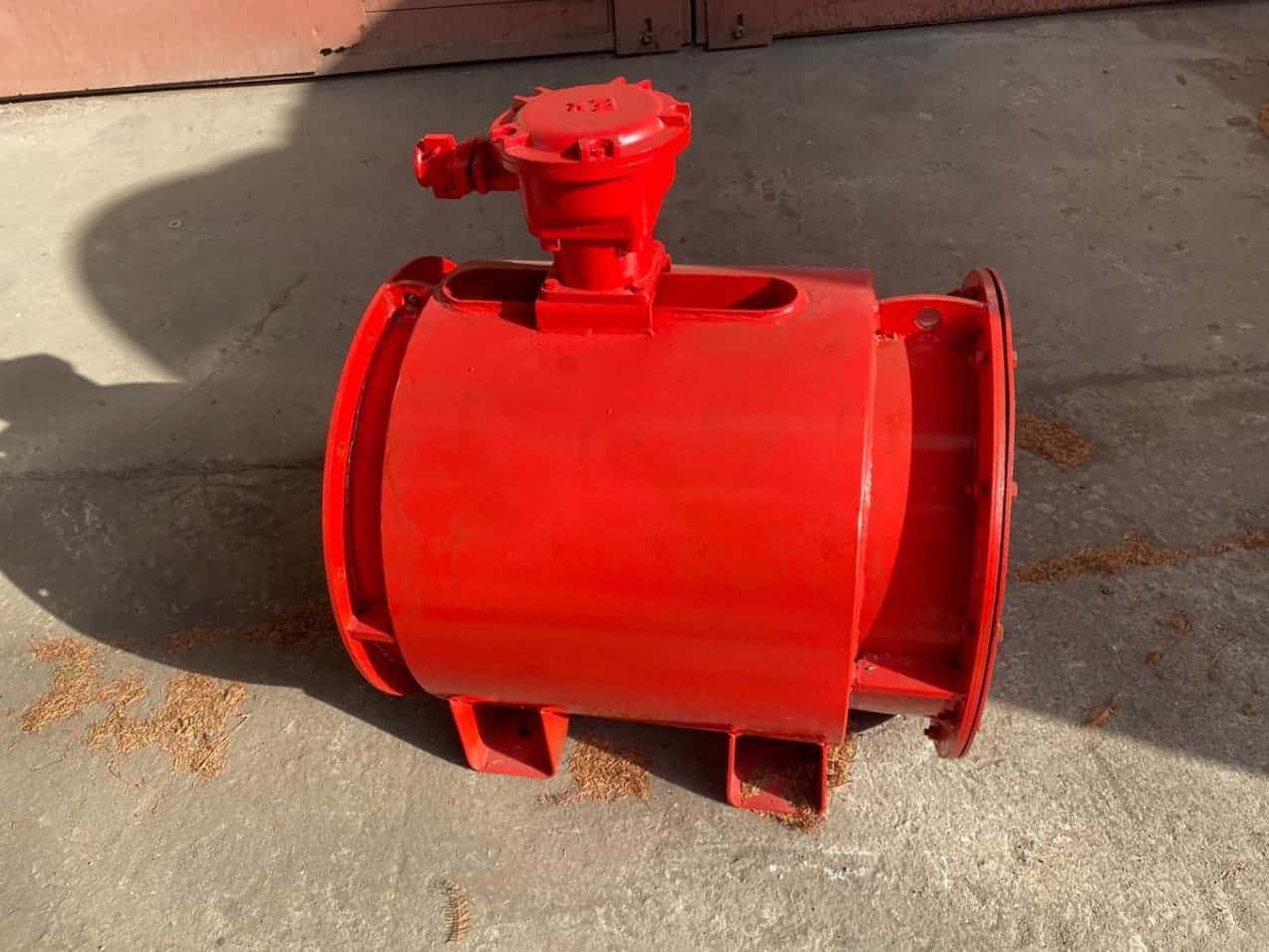
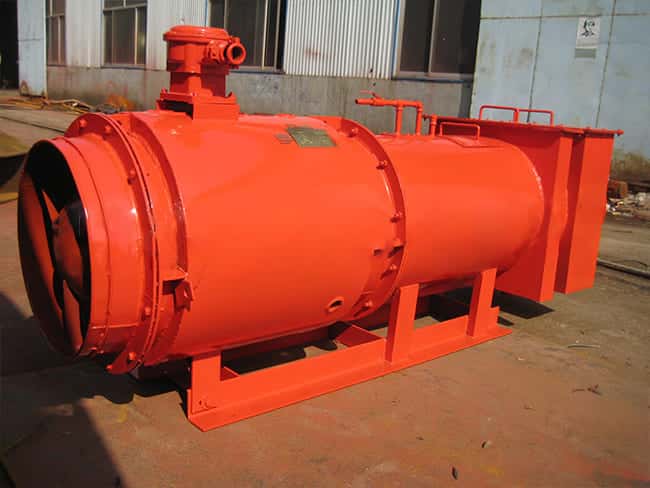
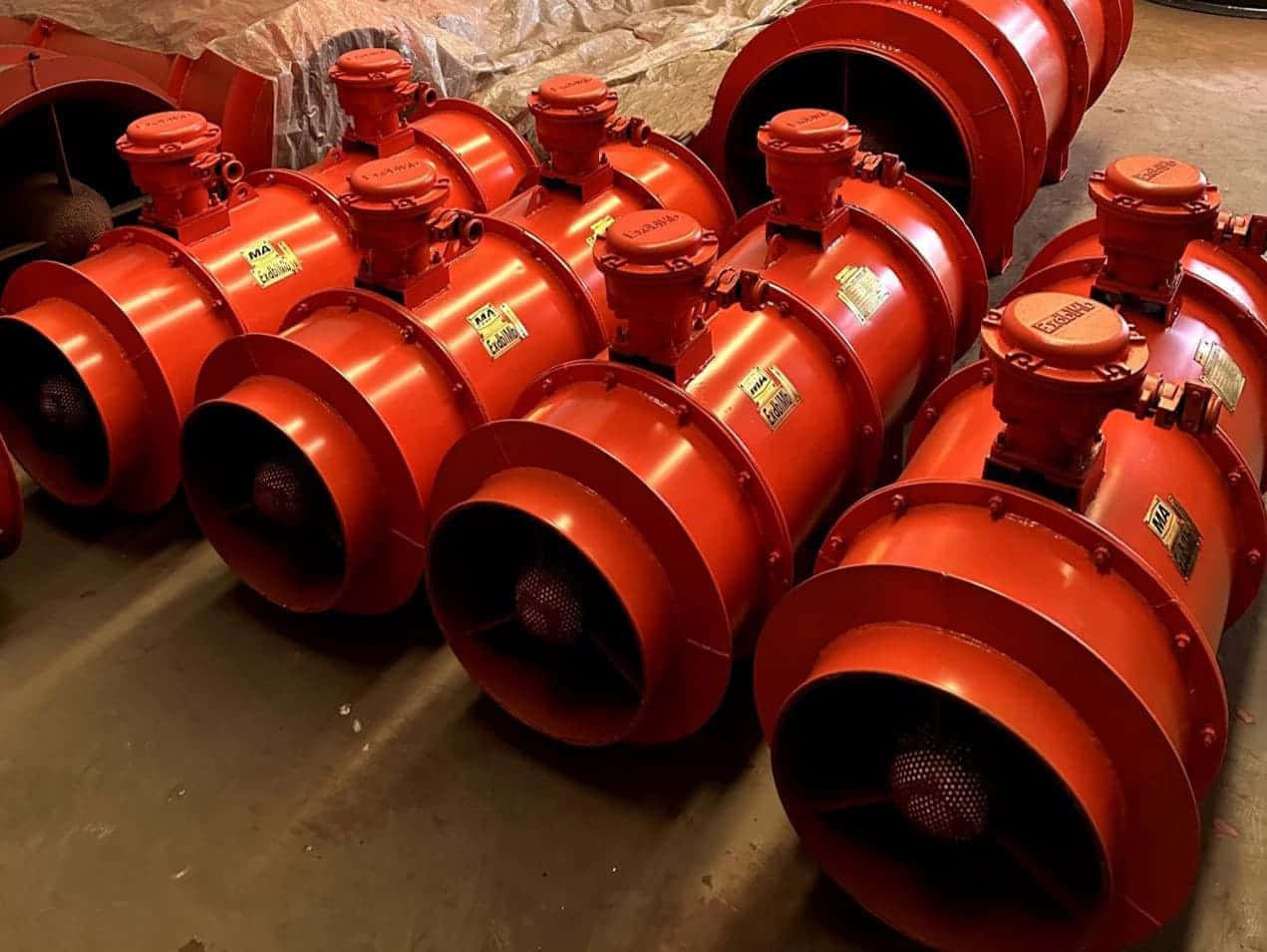
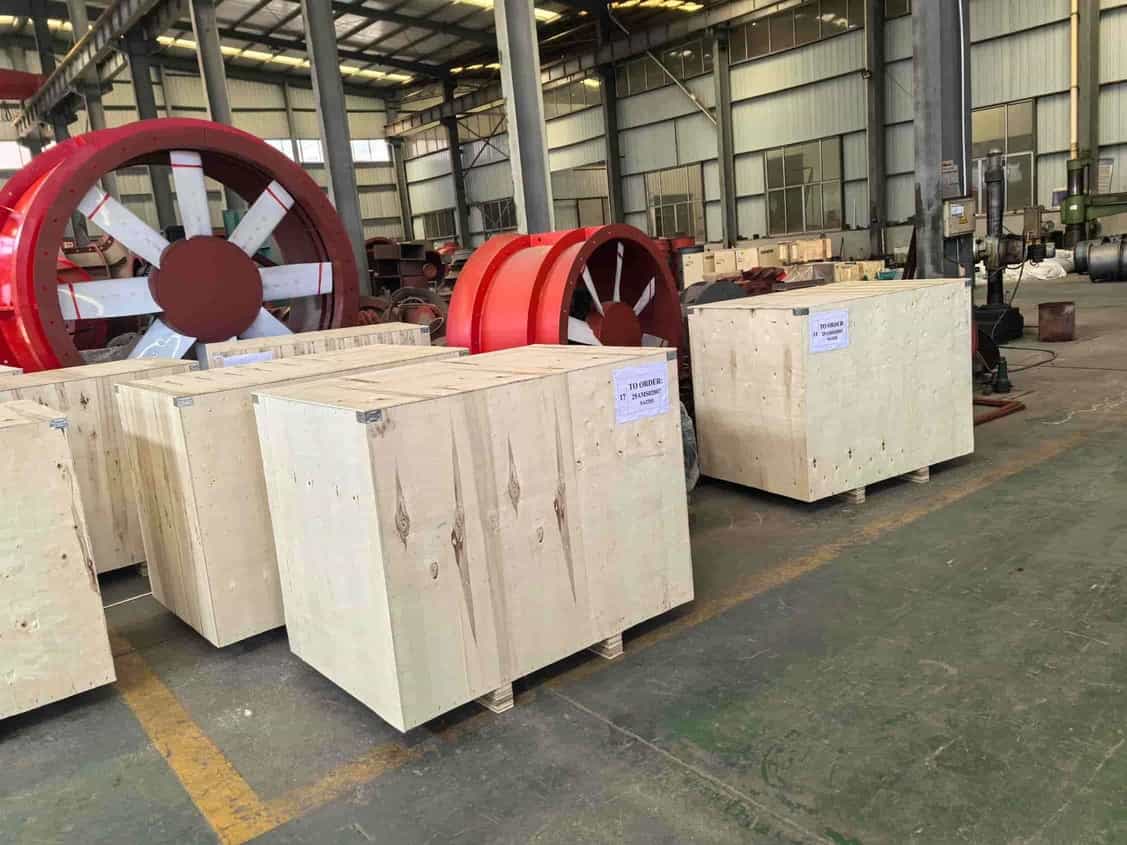
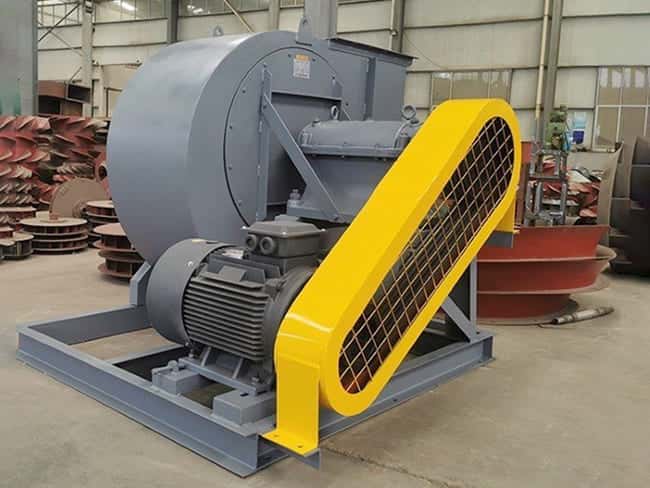
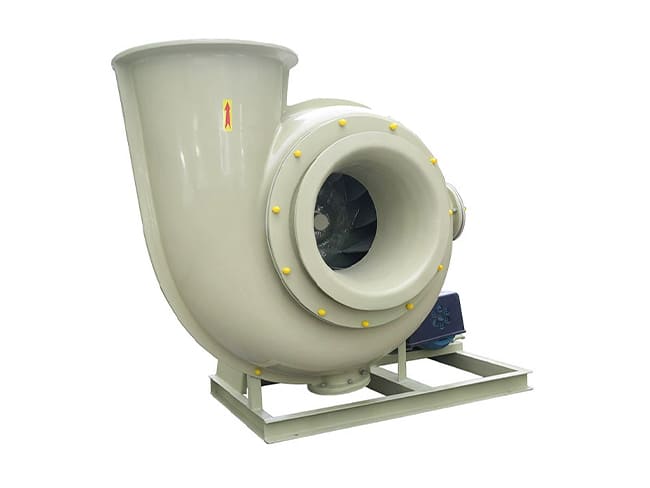
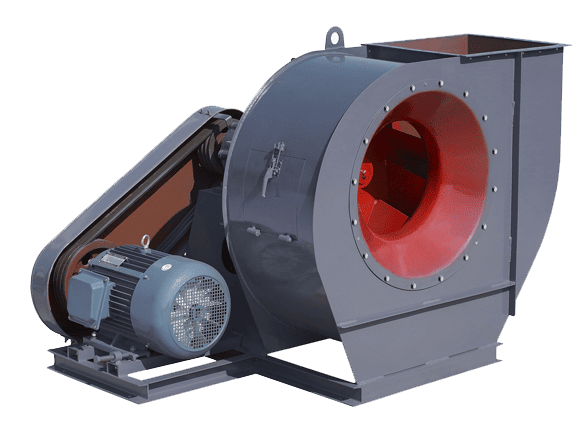
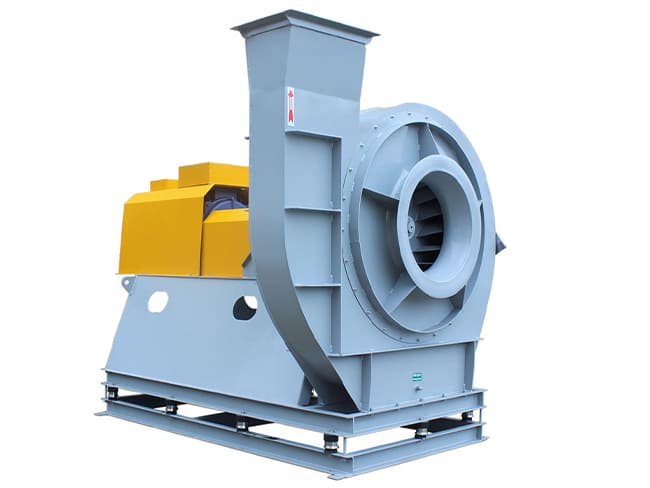
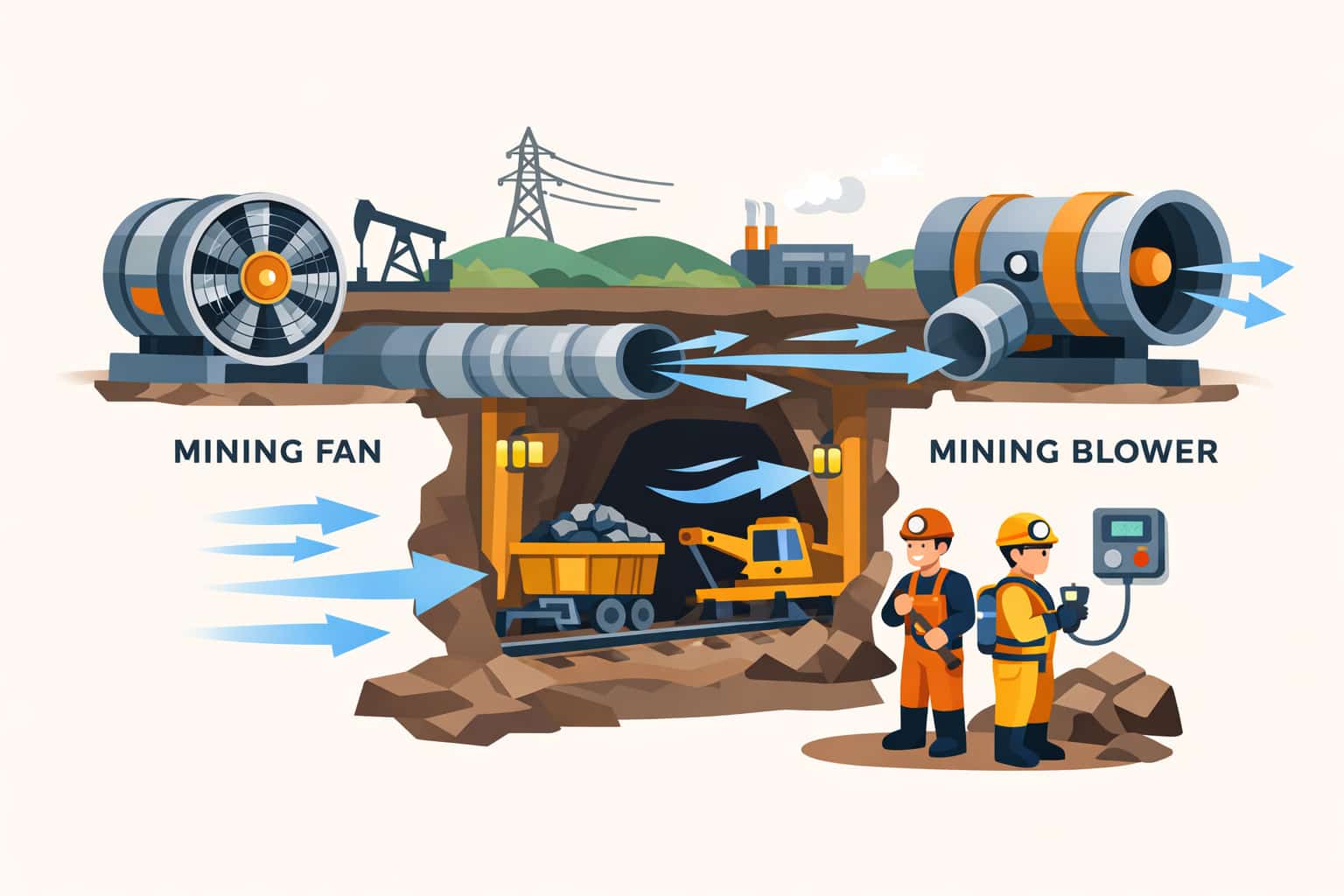
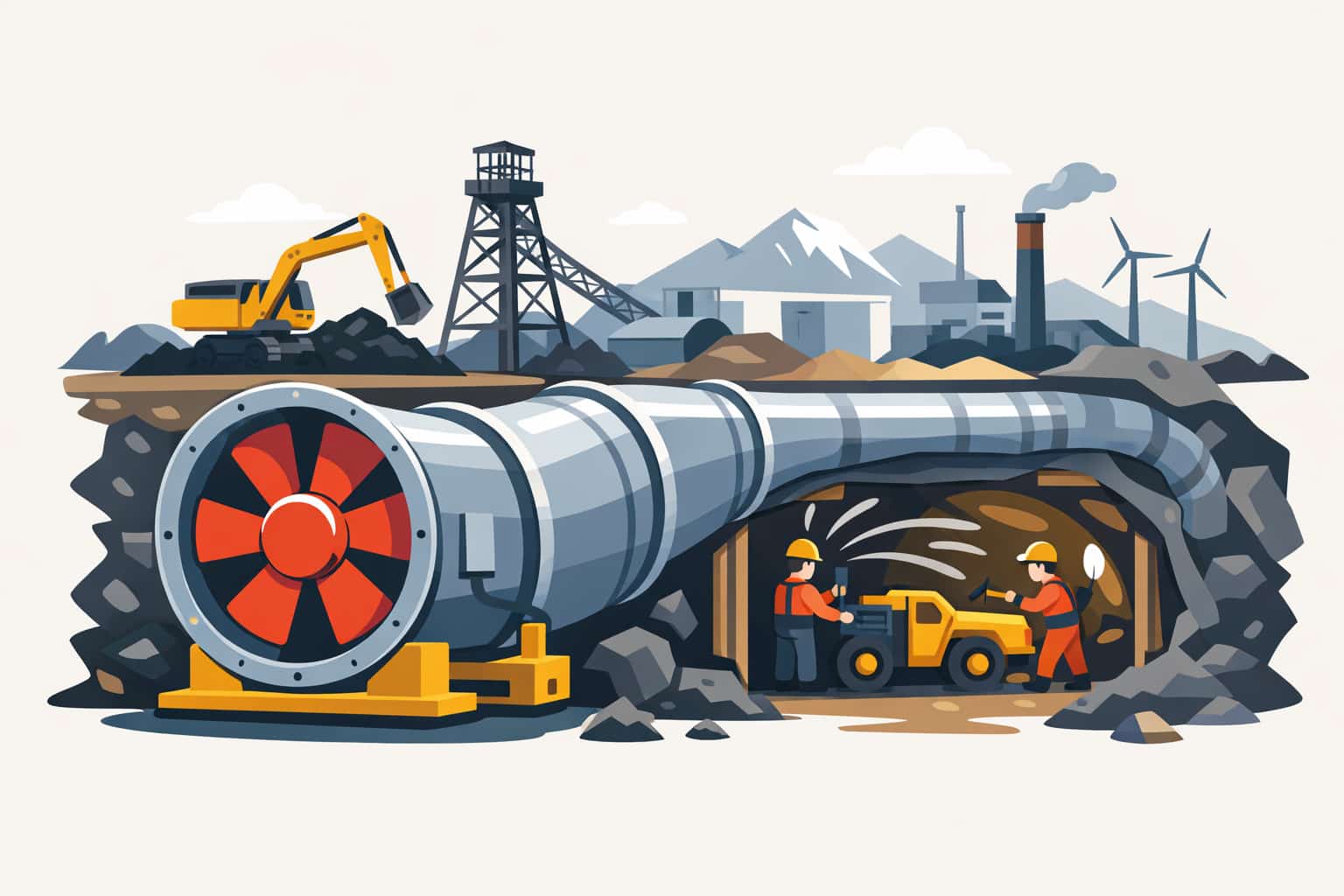
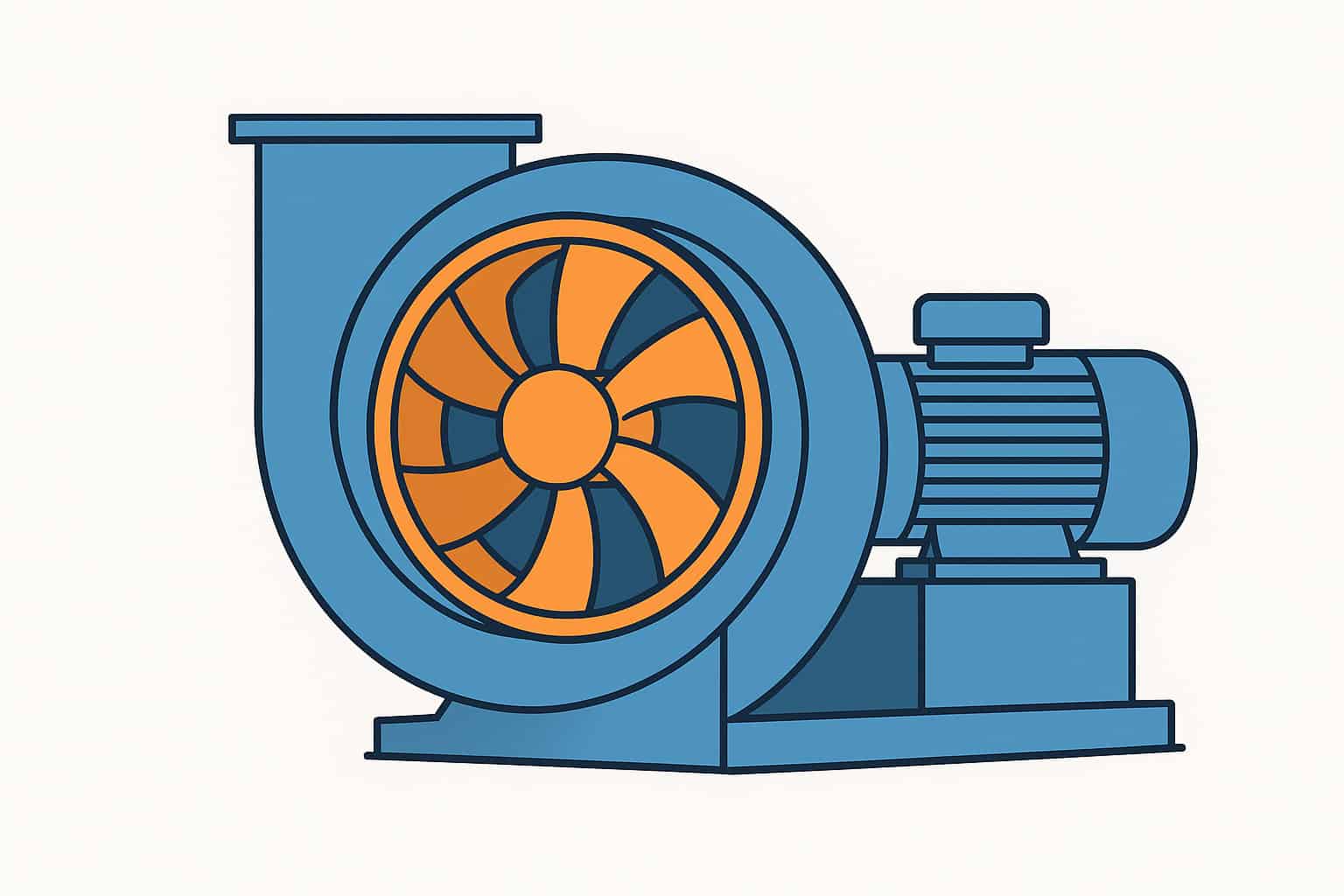
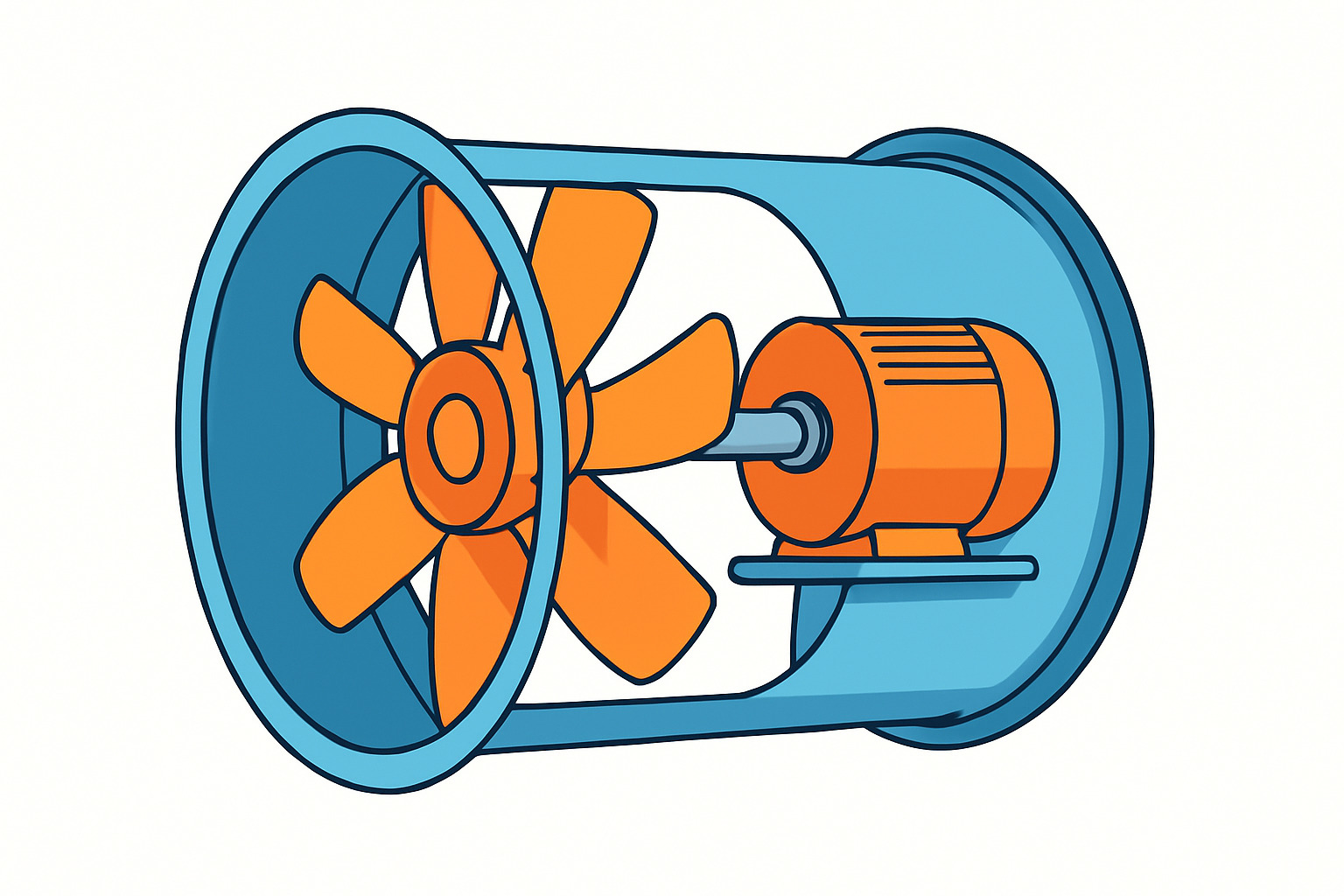
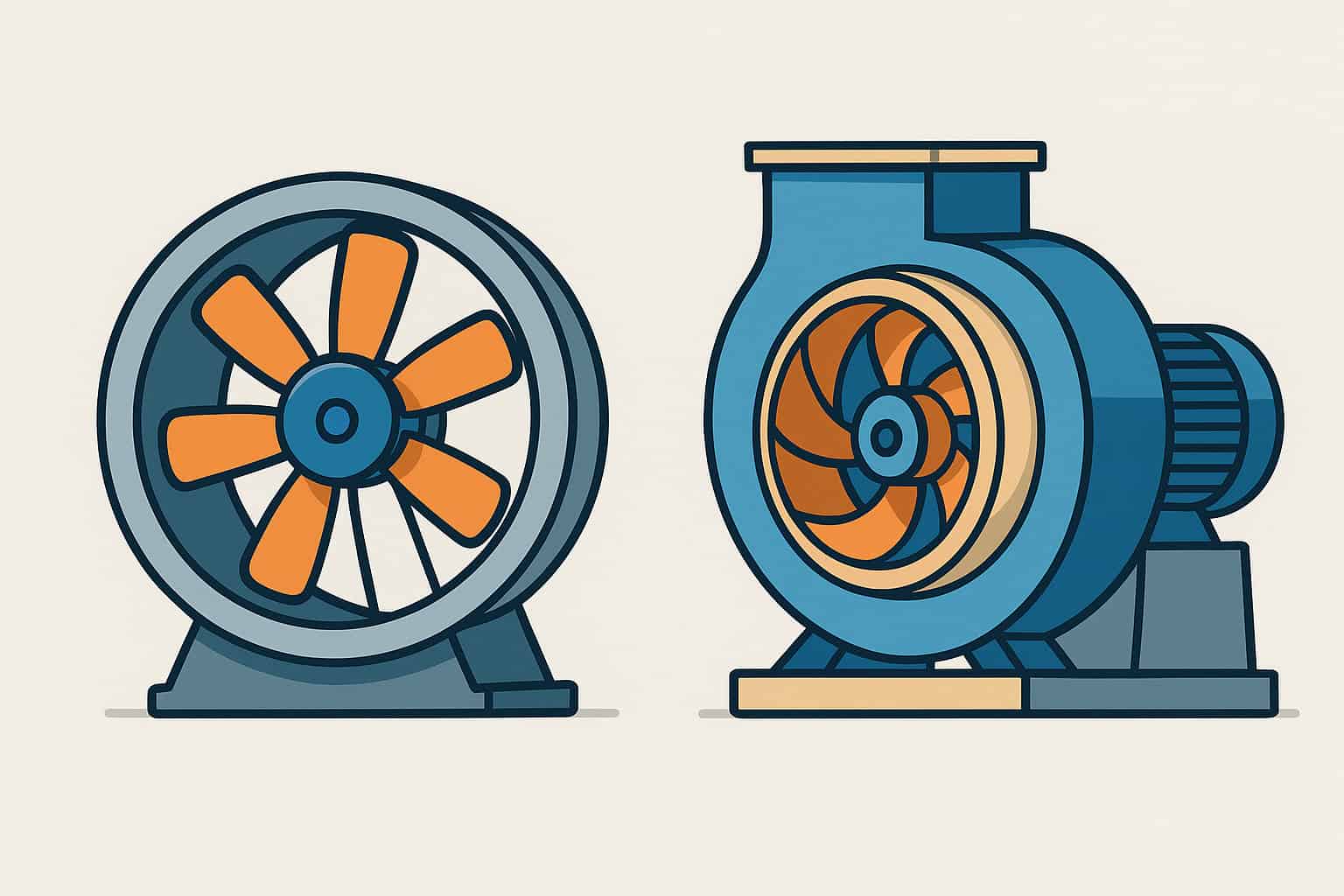
At the heart of any system are one or more fans. In buildings and factories, supply fans push outdoor air into air handling units and ducts, while exhaust fans pull stale air out through roof or wall outlets. In mining, large main fans create the overall intake and return airflow through shafts and roadways, and auxiliary fans with flexible ducts deliver fresh air into headings and remote areas.
The air follows a defined path through a network of ducts, shafts, airways and openings. Fresh air is drawn from outdoors, sometimes passing through filters, dampers and heat exchangers or cooling coils. It is then distributed via ducts to occupied zones or working faces. At the same time, exhaust ducts and returns collect warm, dusty or contaminated air and discharge it safely to atmosphere. The layout is carefully planned so that fresh air sweeps across people, machinery and processes before being removed.
To control both air quality and energy use, ventilation systems rely on control components such as dampers, regulators, louvers and variable-speed drives on fans. Sensors monitor temperature, humidity, gas concentration and sometimes dust levels. In advanced systems, these signals are fed to an automation system that adjusts fan speed and damper positions. When heat or contaminant loads increase, fans speed up; when loads fall, fans slow down to save energy while maintaining minimum legal airflow.
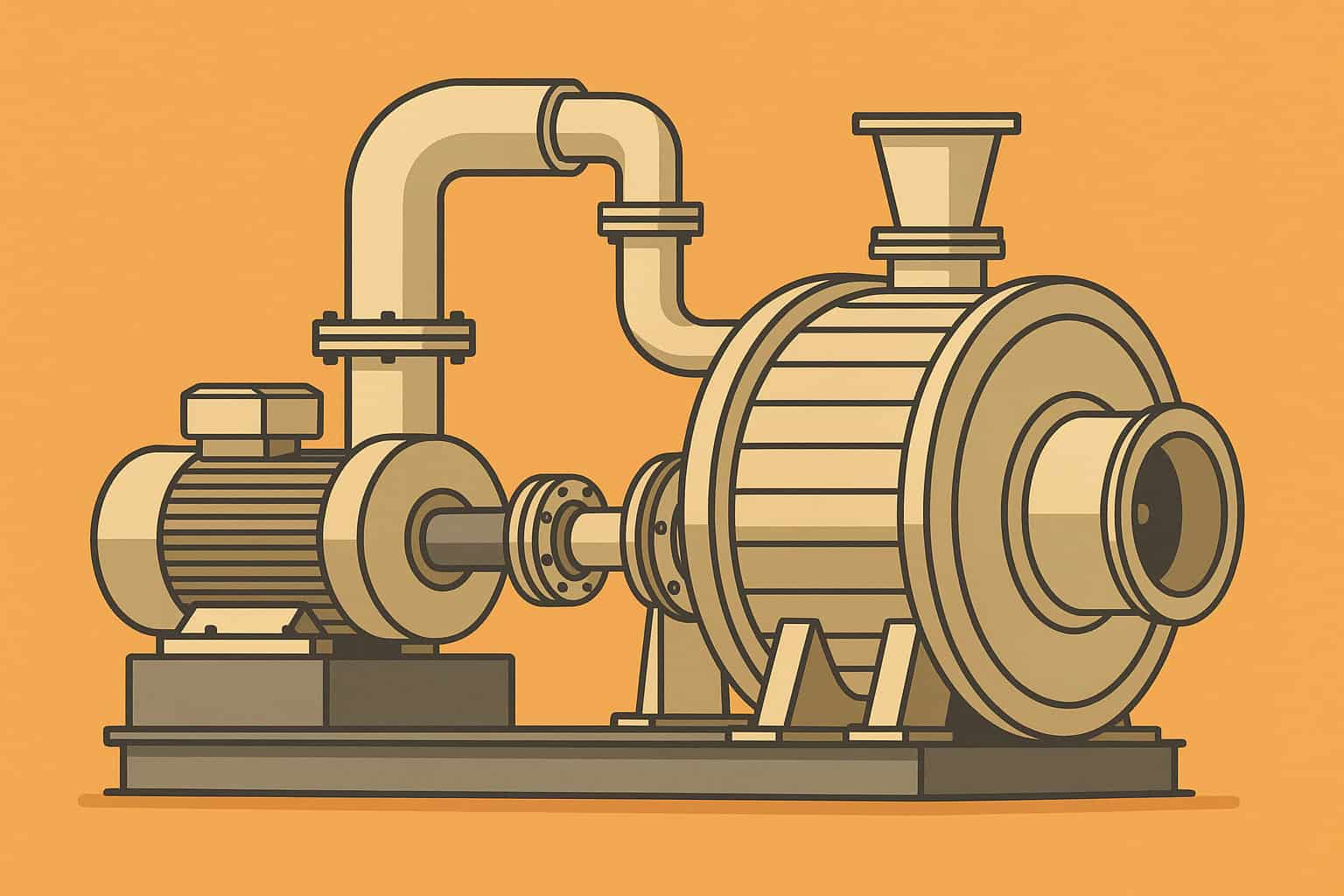
In industrial environments, local exhaust ventilation may be added to the general system. Hoods, capture arms and enclosures are placed near welding arcs, cutting points or chemical tanks. Small centrifugal or axial fans extract polluted air at the source and discharge it through filters or stacks. The general ventilation then supplies make-up air so that building pressure remains stable.
In underground mines, the ventilation system is more like a three-dimensional network. Main fans establish the primary circulation from intake shafts to return shafts. Regulators, stoppings and doors control how much air reaches each branch. Auxiliary and booster fans extend ventilation into development areas using ducts. Gas detectors and airflow measurements verify that statutory requirements for quantity and quality are met throughout the mine.
In summary, a ventilation system works by using fans to create pressure differences that move air along planned paths, with ducts and airways guiding the flow and control devices adjusting quantity and direction. Together, these elements ensure that fresh air reaches where it is needed and contaminated air is safely removed in industrial plants and mines.