
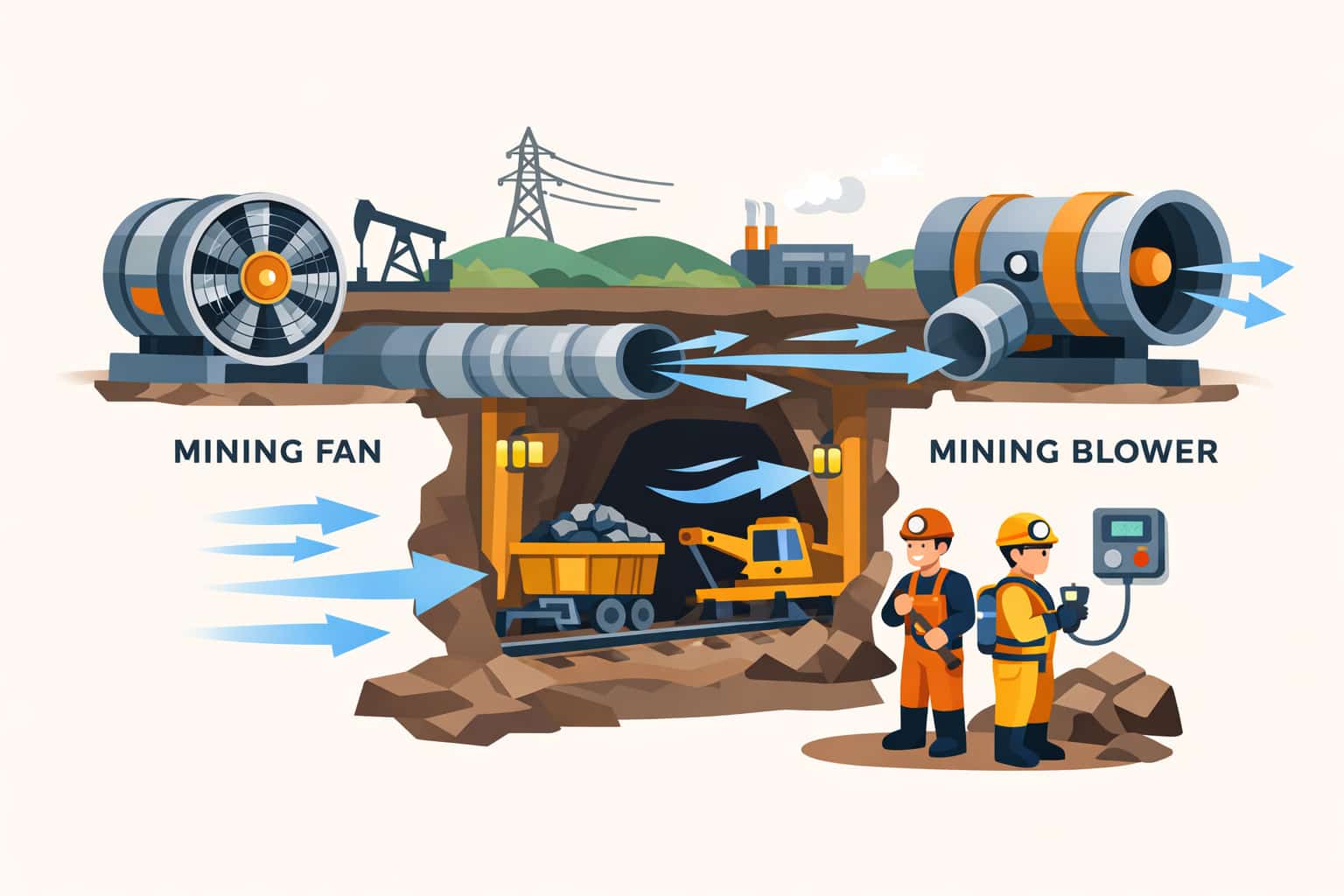
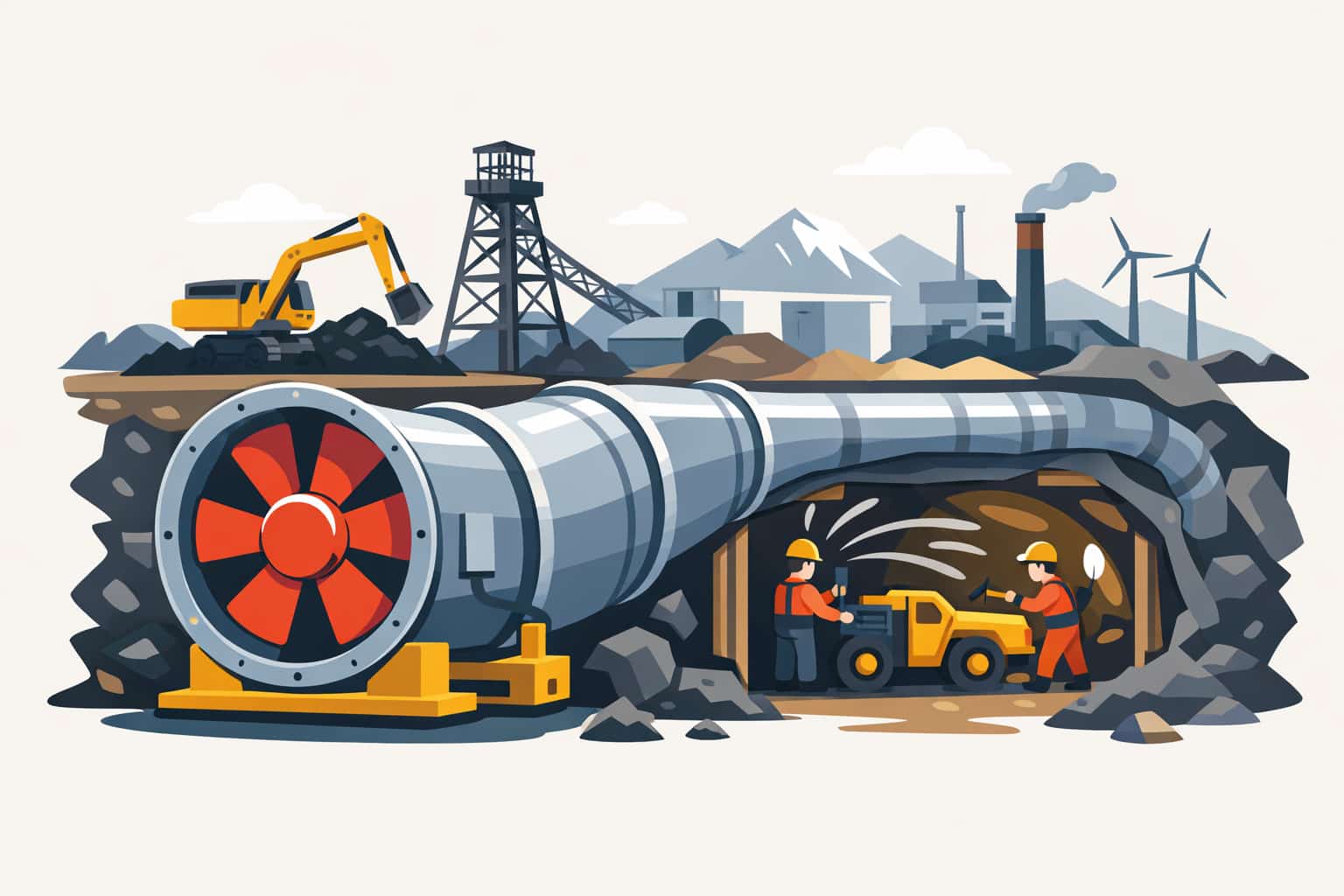
An air tunnel is an underground passage or structure built mainly to move air rather than to carry vehicles or ore. It works by providing a low-resistance path that allows pressure differences, created by tunnel ventilation fans or natural effects, to drive airflow between the surface and underground spaces. Air tunnels are used in mines, road and rail tunnels, and large underground facilities to supply fresh air and remove contaminated air safely.
The basic working principle of an air tunnel is pressure-driven flow. When a fan or natural pressure difference creates a higher pressure at one end of the tunnel than at the other, air flows from high pressure to low pressure. In a mine, for example, a main ventilation fan at a shaft may pull air out of a return tunnel (upcast tunnel), while fresh air enters through another opening and flows through intake tunnels to replace it. In a road tunnel, axial jet fans or shaft fans create a pressure gradient that moves air along the traffic tunnel and into or out of air tunnels and shafts.
For an air tunnel to work efficiently, its cross-section and lining are designed to keep airflow resistance low. A smooth, regular tunnel shape with gentle curves reduces friction and turbulence, which means less pressure is lost as air travels along it. Engineers size the tunnel diameter based on the required airflow and acceptable air velocity, balancing construction cost against long-term fan energy consumption.
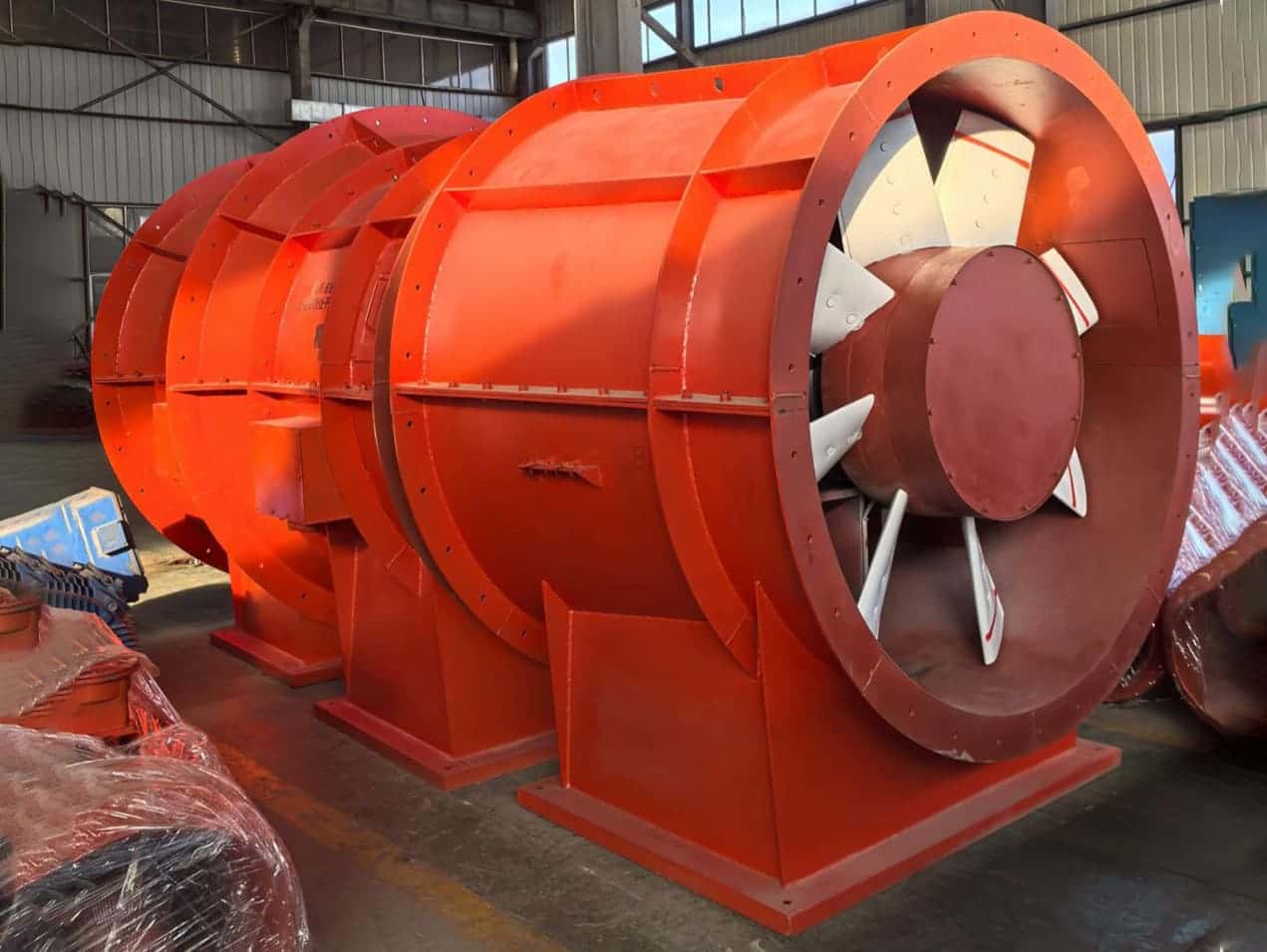
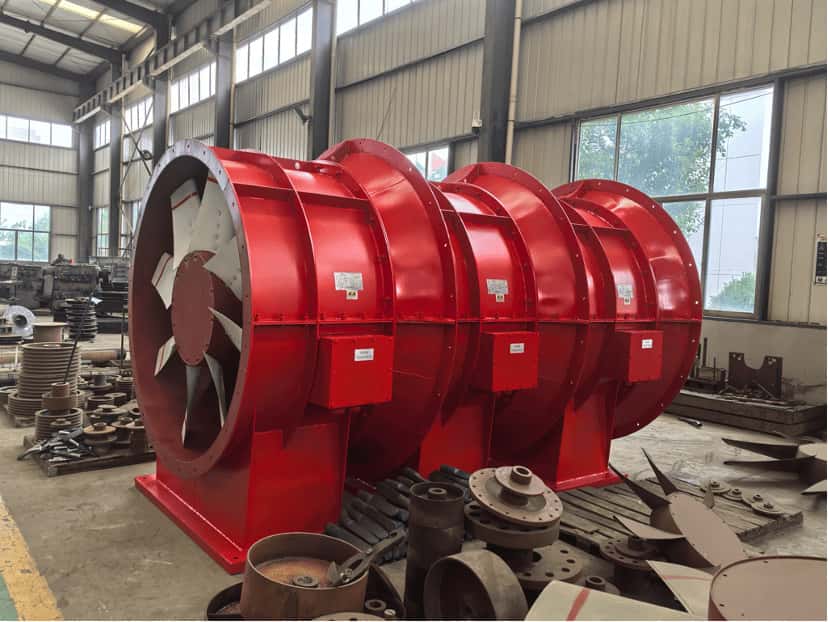
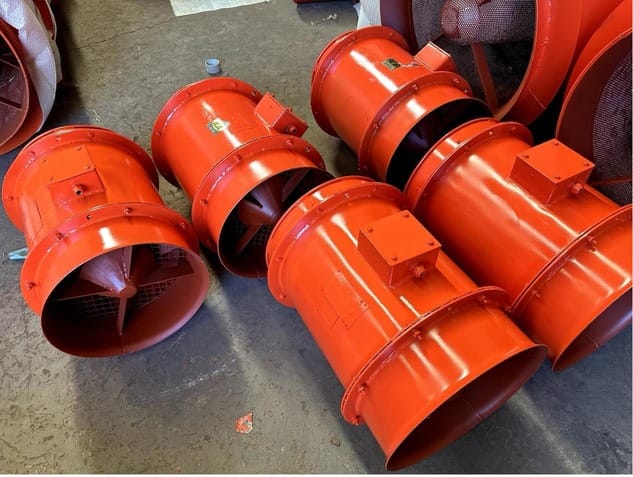
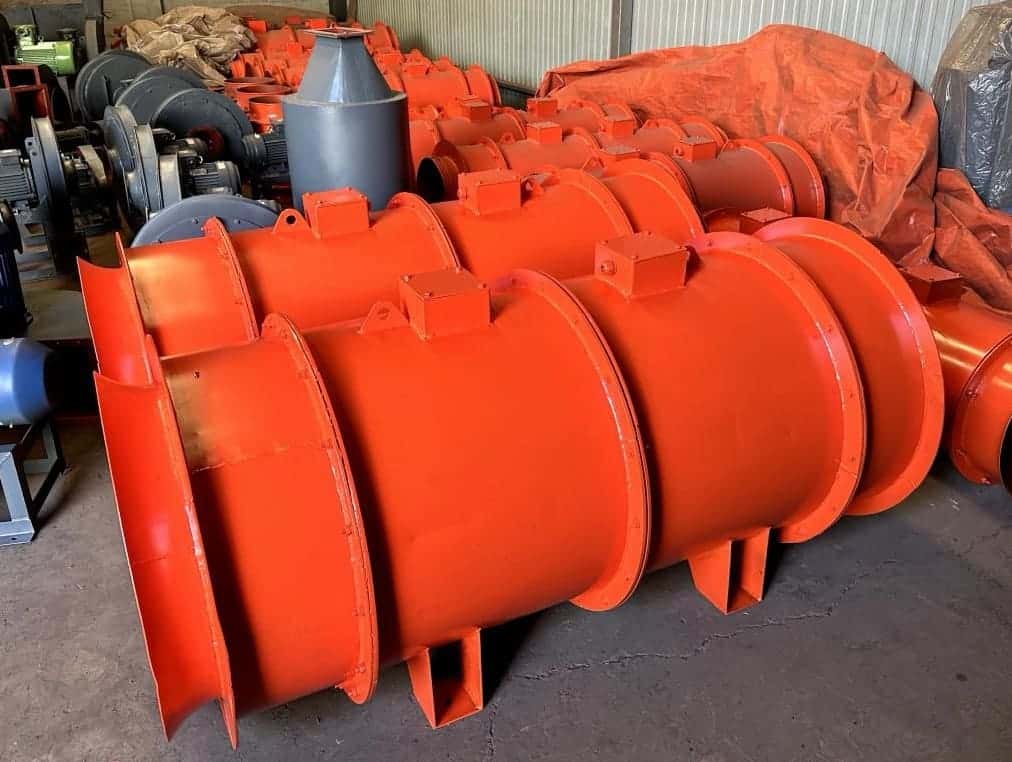
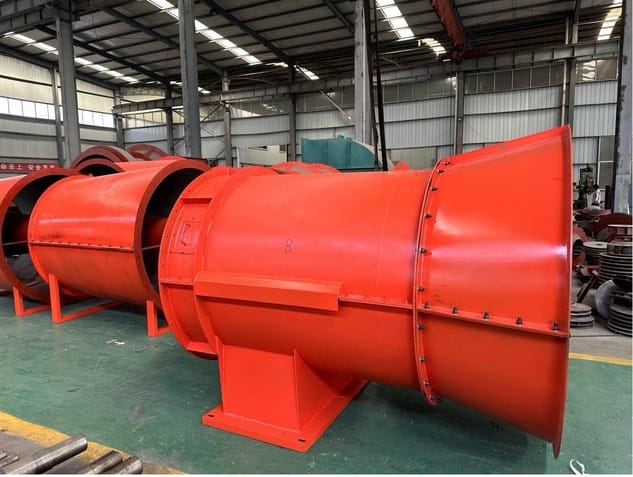
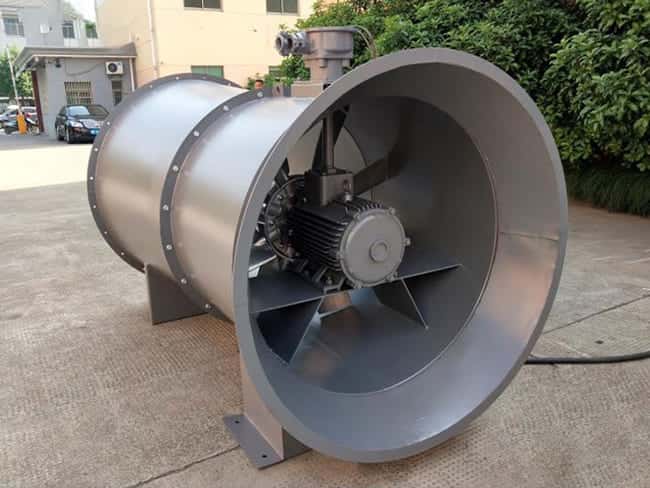
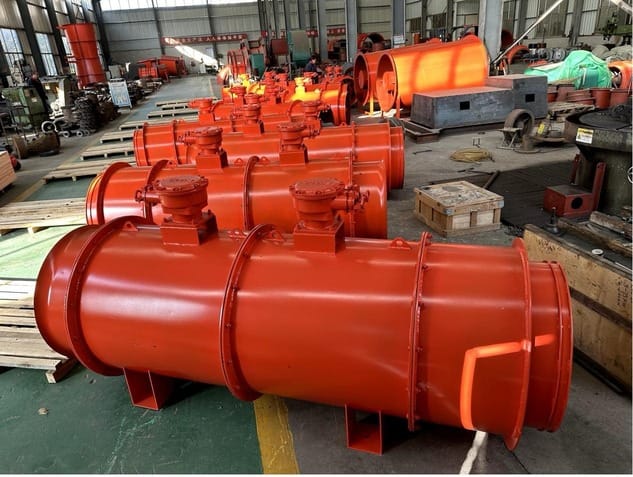
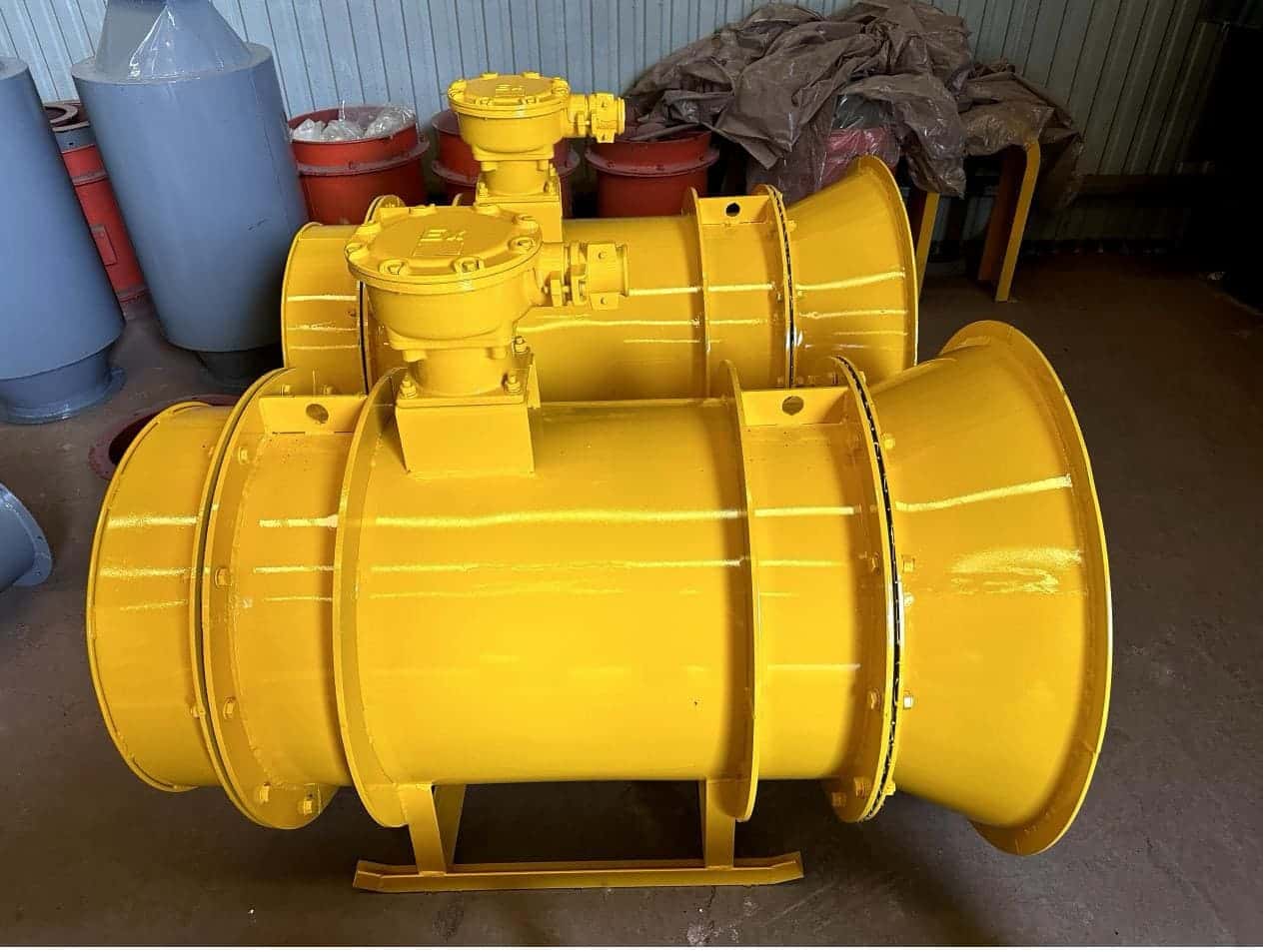
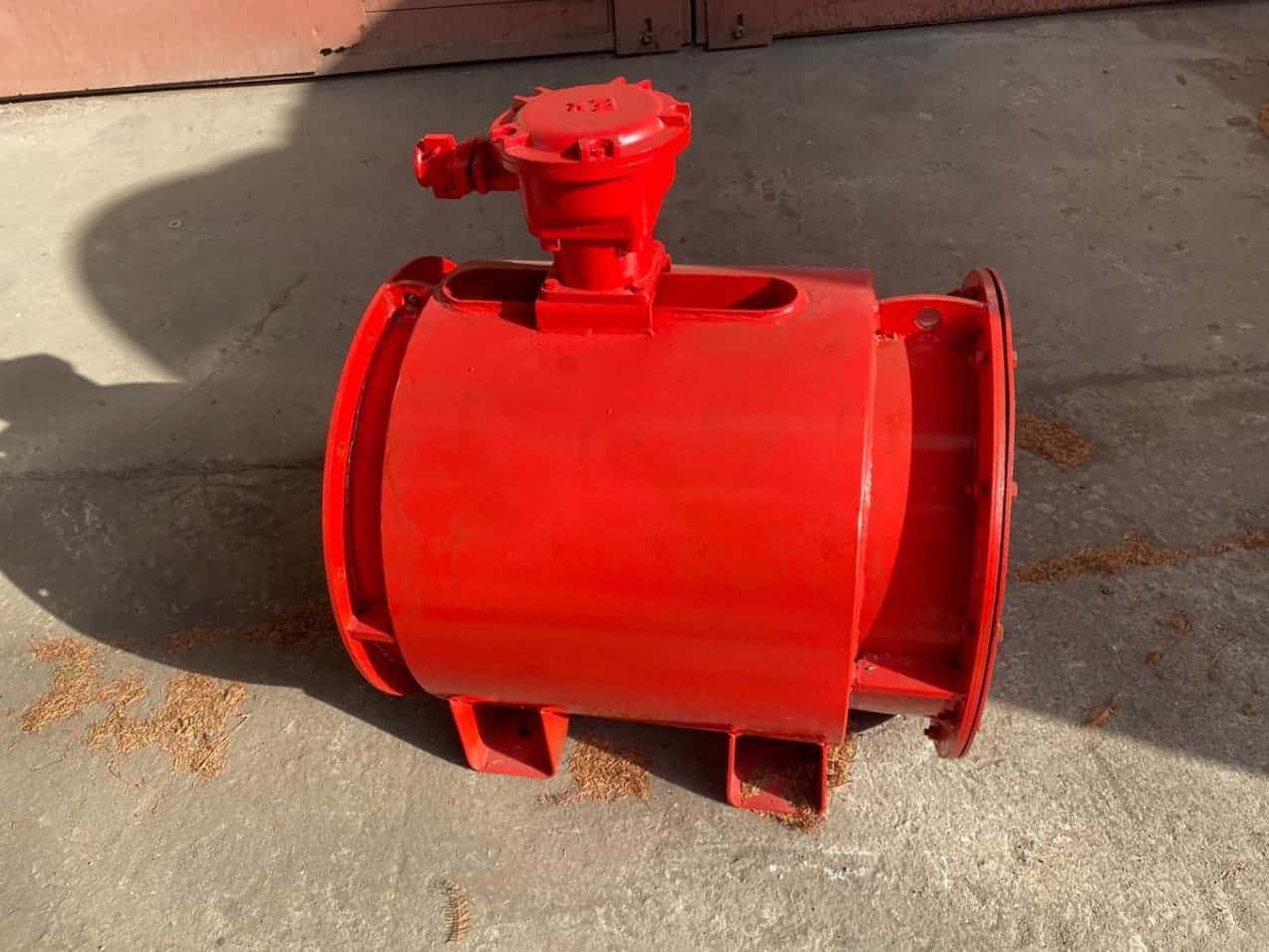
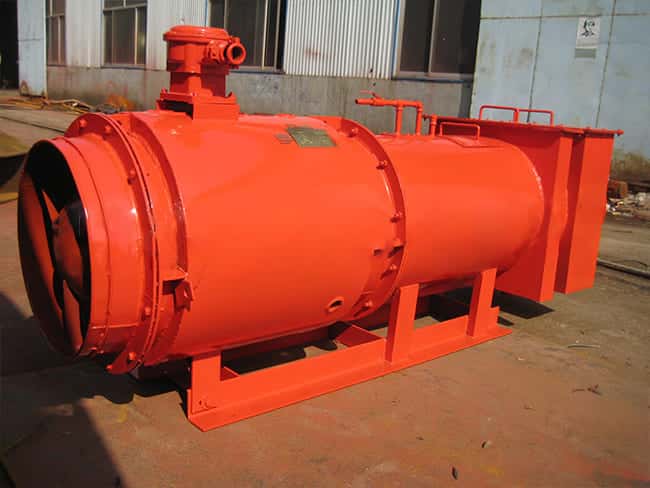
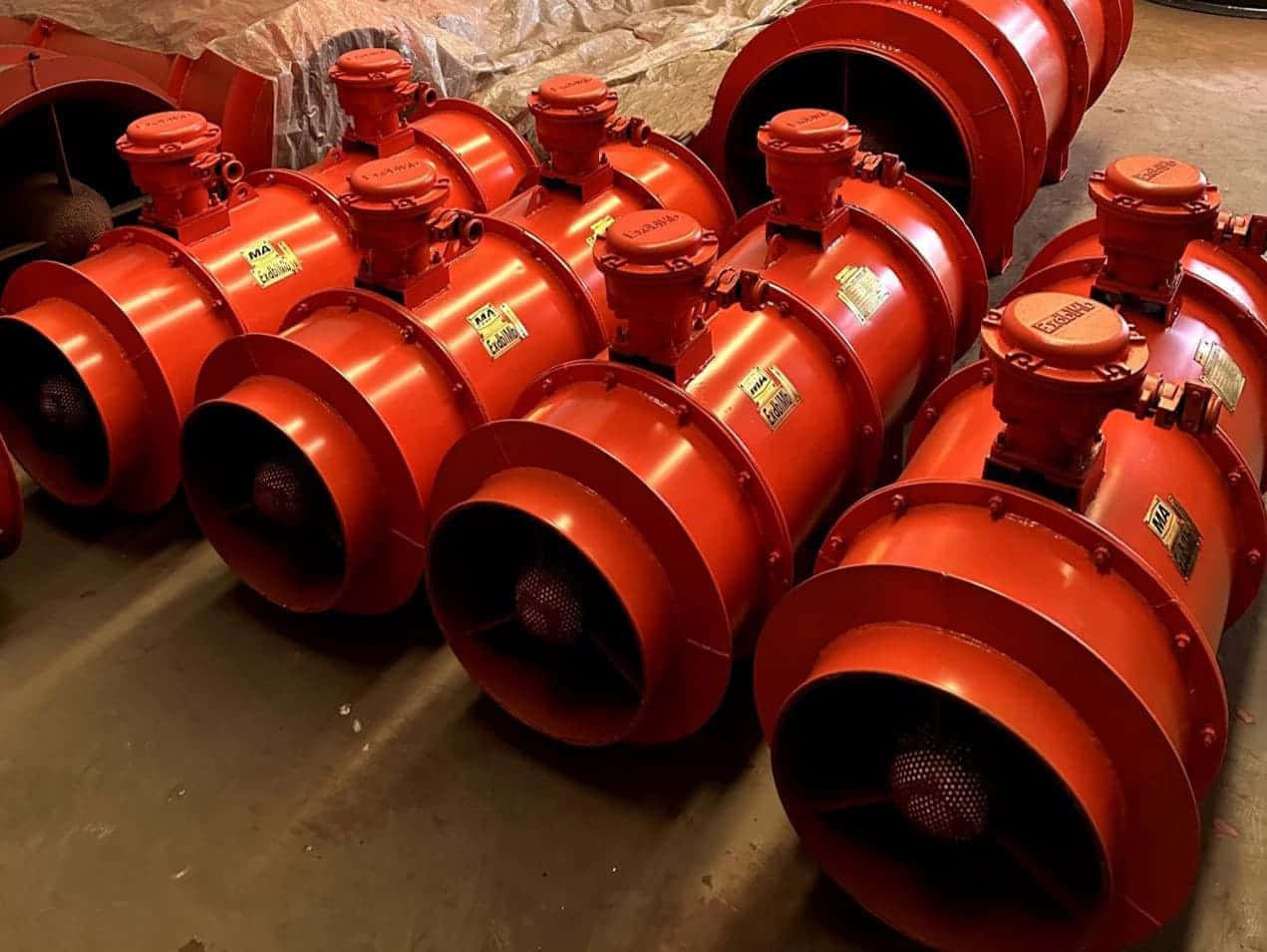
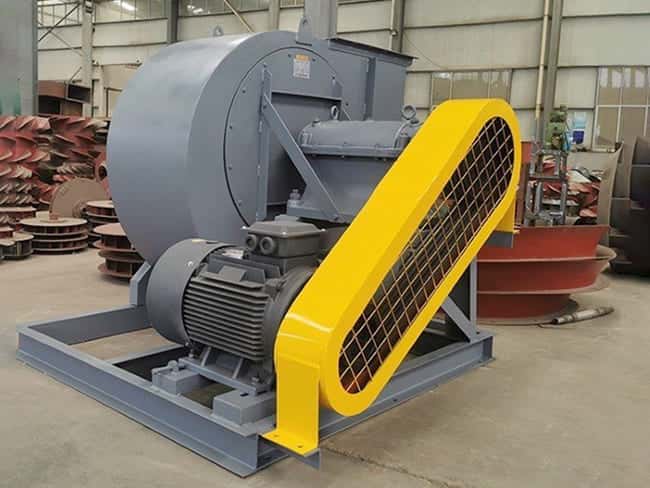
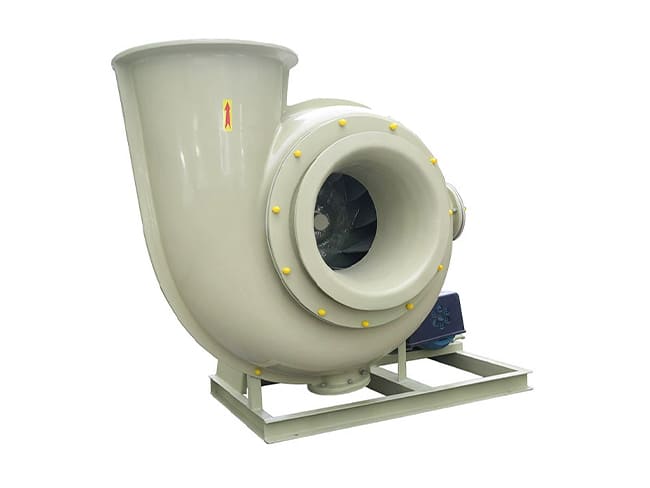
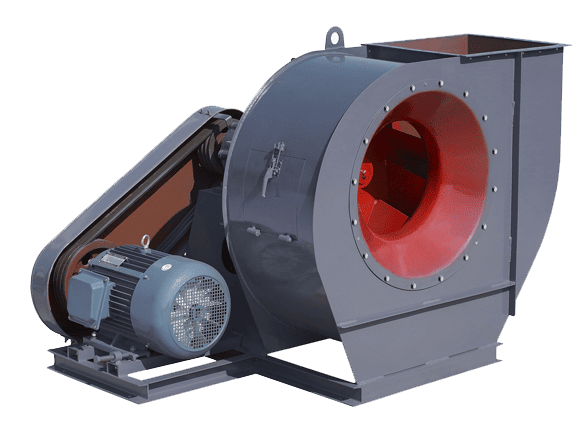
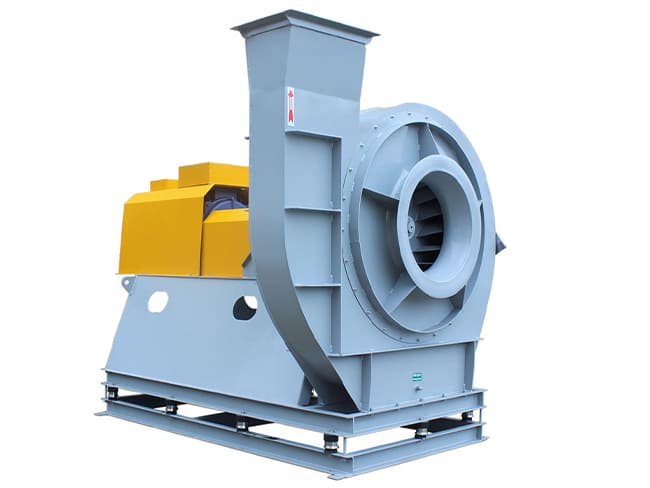
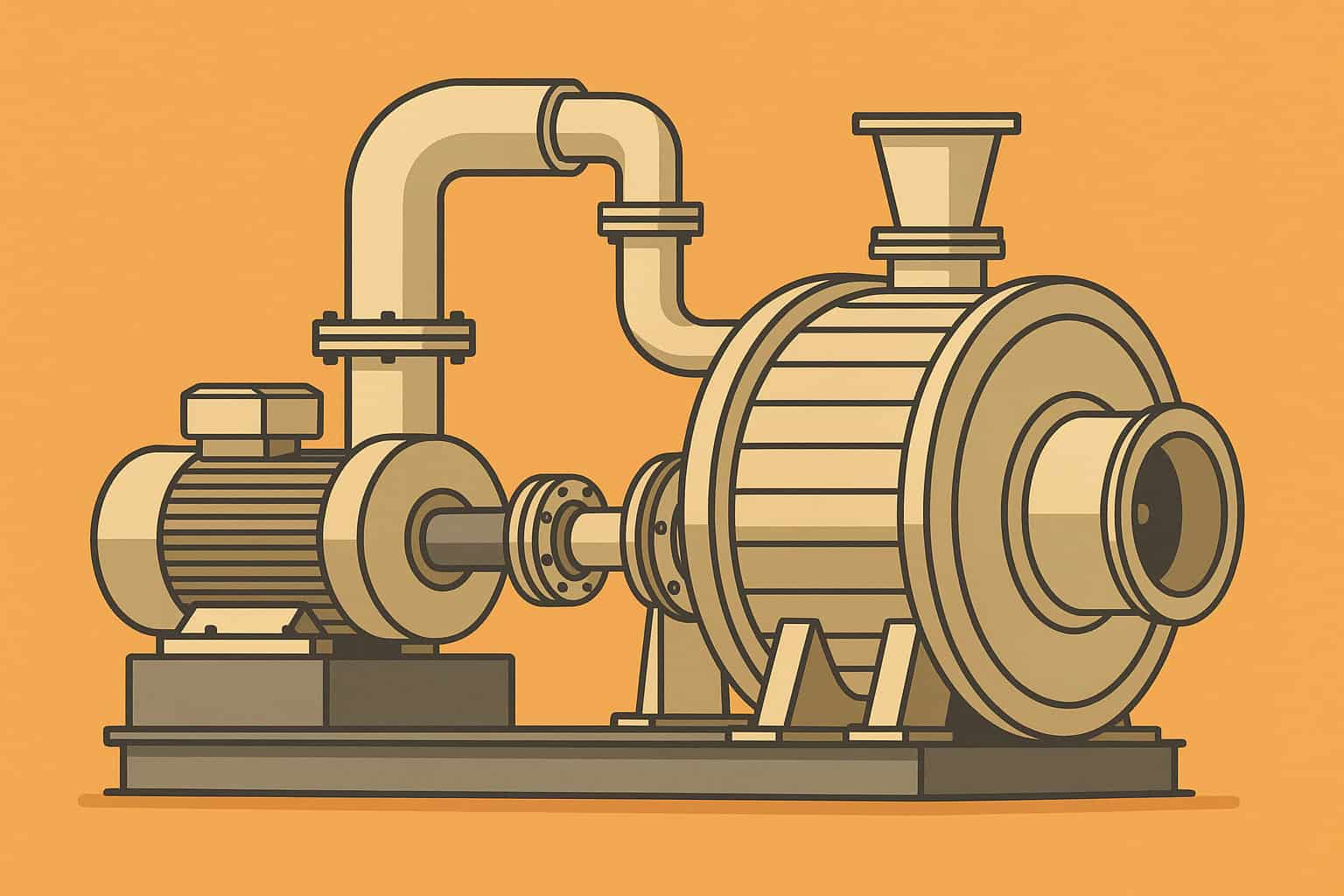
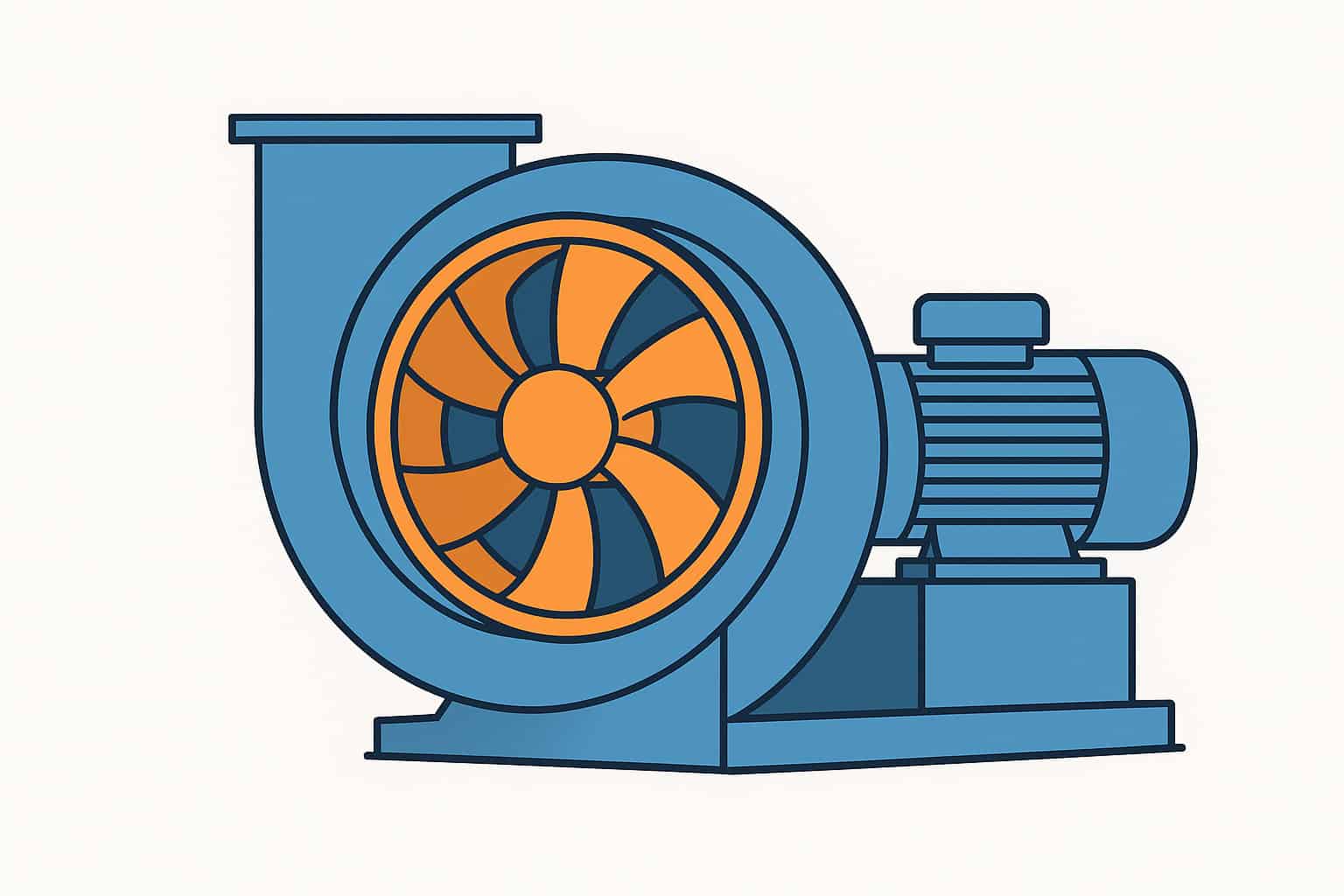
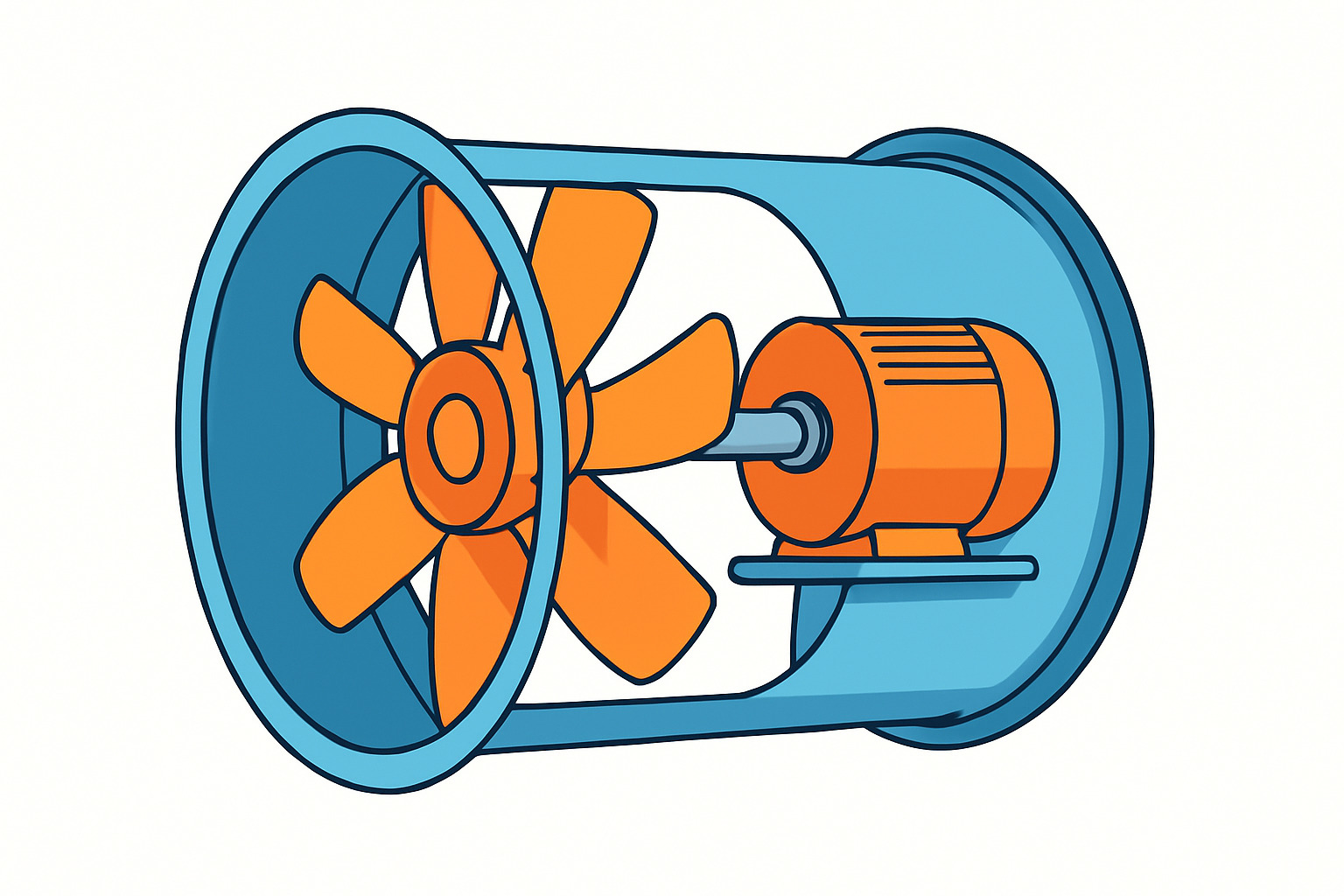
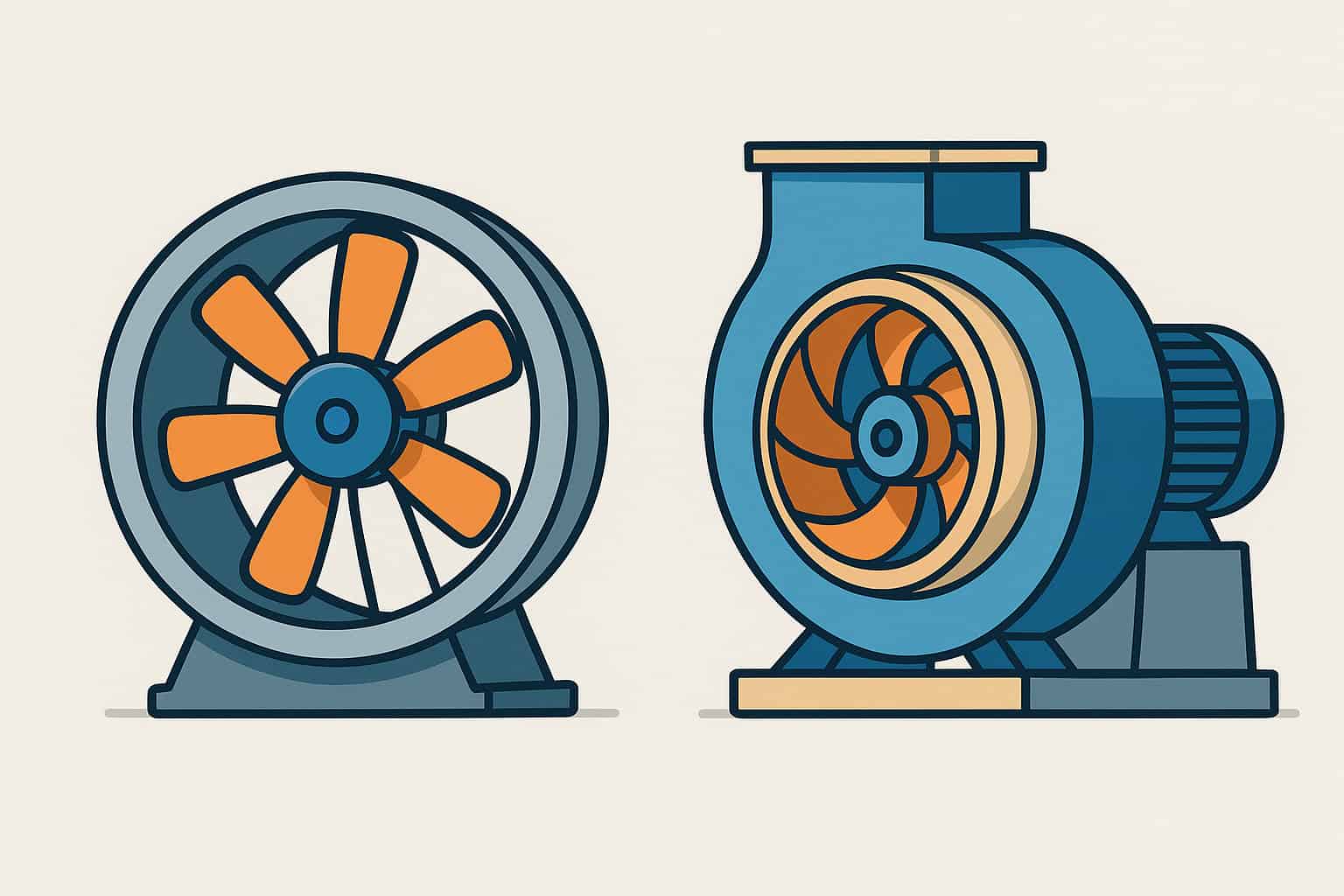
Air tunnels are integrated with ventilation fans and control devices. In many designs, axial or centrifugal fans are mounted at one end of the tunnel or in a connected shaft. When these fans operate, they either push air into the tunnel (supply) or pull air out of it (exhaust). Dampers, doors and regulators placed at junctions allow operators to open or close connections, direct air through different branches and adjust how much flow goes through each air tunnel.
In transport tunnels and some mines, air tunnels can form part of a transverse or semi-transverse ventilation system. One air tunnel may carry fresh air parallel to the main traffic or haulage tunnel, with vents delivering air into the main tunnel. Another air tunnel or duct system collects exhaust air from vents and returns it to a shaft with exhaust fans. The air tunnels work together to maintain air quality and manage smoke during emergency scenarios.
Air tunnels also play a role in emergency ventilation modes. During a fire, ventilation control systems may change fan direction, open or close dampers and use air tunnels as primary smoke exhaust routes. Because the air tunnels are separate from the main traffic or haulage space, they allow smoke to be removed without blowing it directly past evacuating people, improving safety.
In summary, an air tunnel works by providing a dedicated, low-resistance passage for airflow. It allows ventilation fans and natural pressure differences to move fresh air in and contaminated air out, forming a critical part of the overall tunnel or mine ventilation system.