
Cross ventilation works by creating a path for air to flow through a space, entering on one side and leaving on another. It is a form of natural ventilation that relies on wind and pressure differences instead of mechanical fans. When designed correctly, cross ventilation can provide effective cooling and fresh air with very low energy use in houses, offices and some industrial buildings.
The basic principle is simple. When wind blows against a building, pressure builds up on the windward side and drops on the leeward side. If you provide an opening, such as a window or vent, on the windward side, air will be pushed into the building. If there is another opening on the leeward side, air will be drawn out because of the lower pressure. The result is a flow of air across the interior from one opening to the other, which is what we call cross ventilation.
For cross ventilation to work well, you need paired openings and a reasonably clear path between them. Openings should be placed at similar heights or at heights that support the desired air movement. If furniture, partitions or equipment completely block the path, airflow will be weak. The larger the effective open area and the stronger the wind or temperature-driven pressure difference, the more air will move through the space.
In industrial buildings, cross ventilation can be supported by wall louvers, roof vents and large doors that allow fresh air to enter and warm air to escape. However, designers must consider dust, noise, security and weather when relying on natural cross ventilation. In hot or polluted environments, mechanical supply and exhaust fans are often added, turning the system into a mixed-mode solution that combines natural cross ventilation when conditions are favourable with fan-assisted ventilation when they are not.
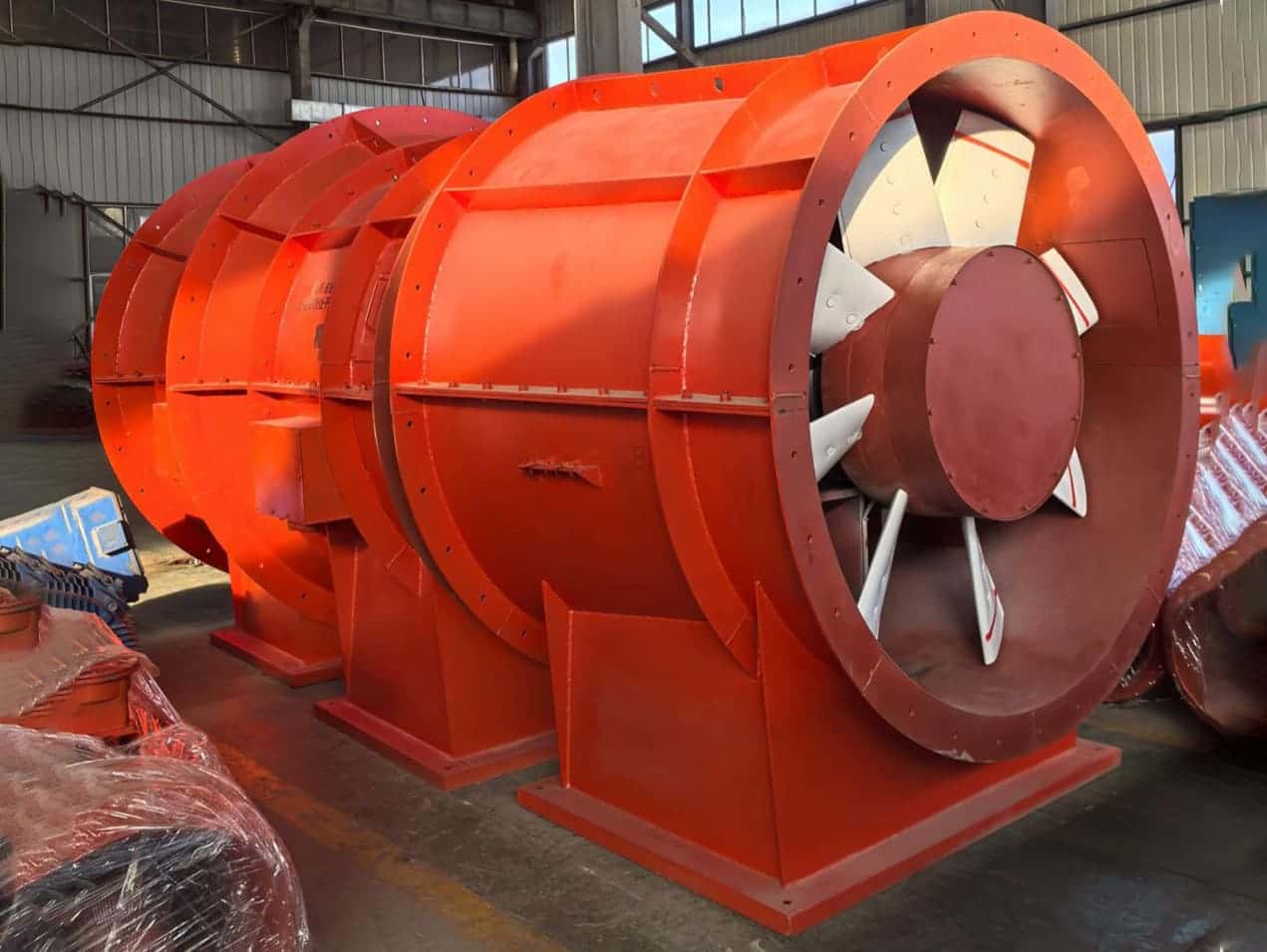
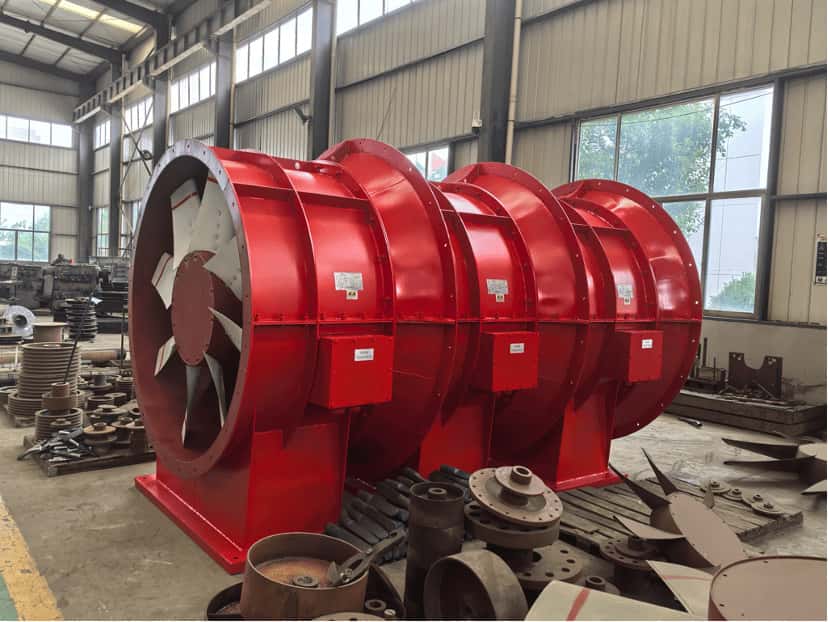
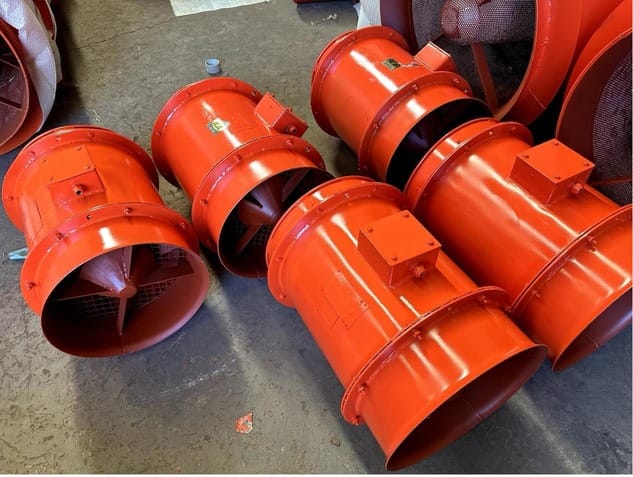
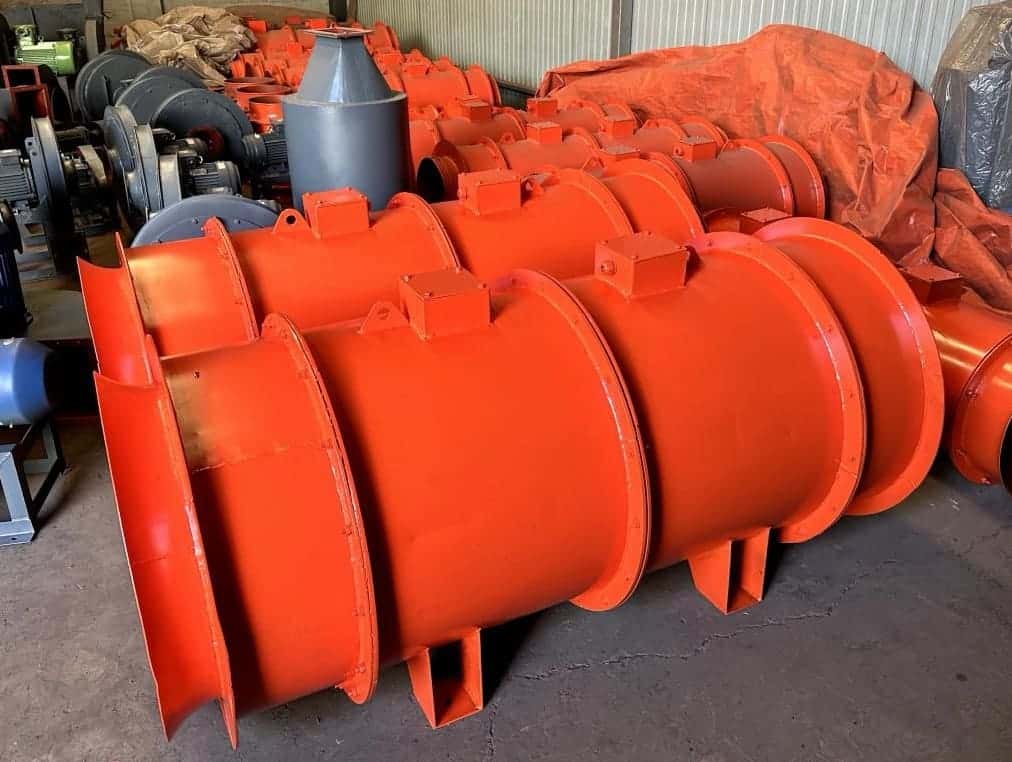
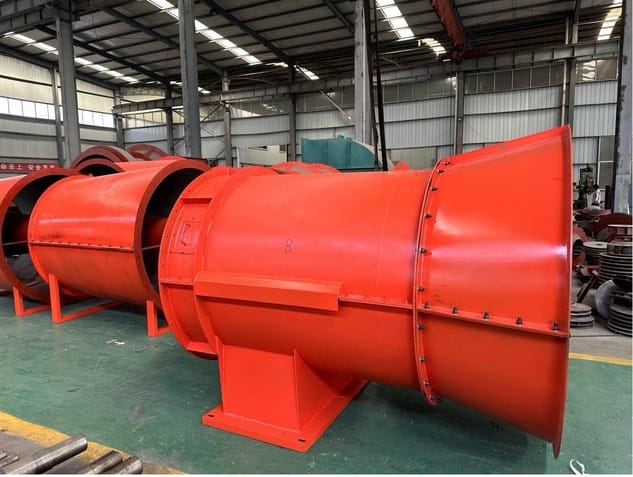
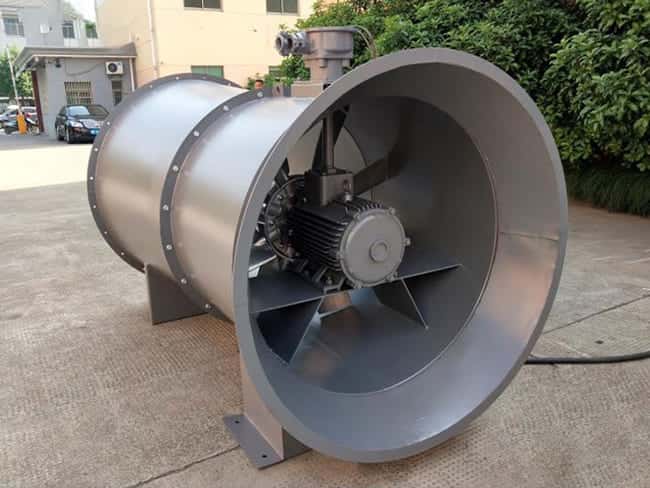
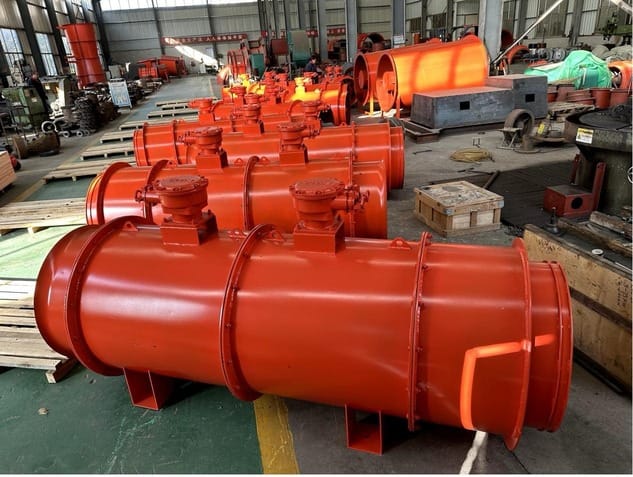
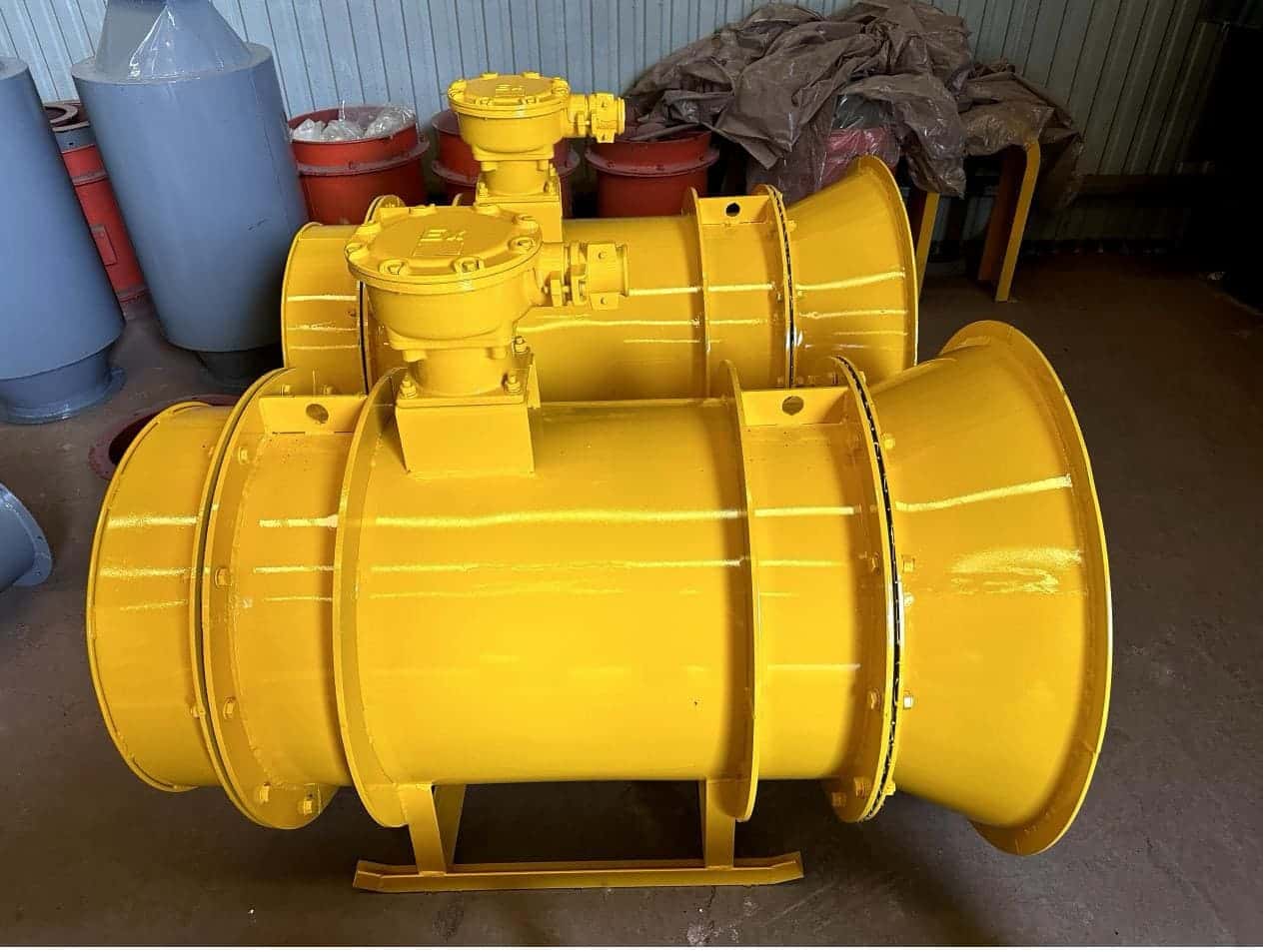
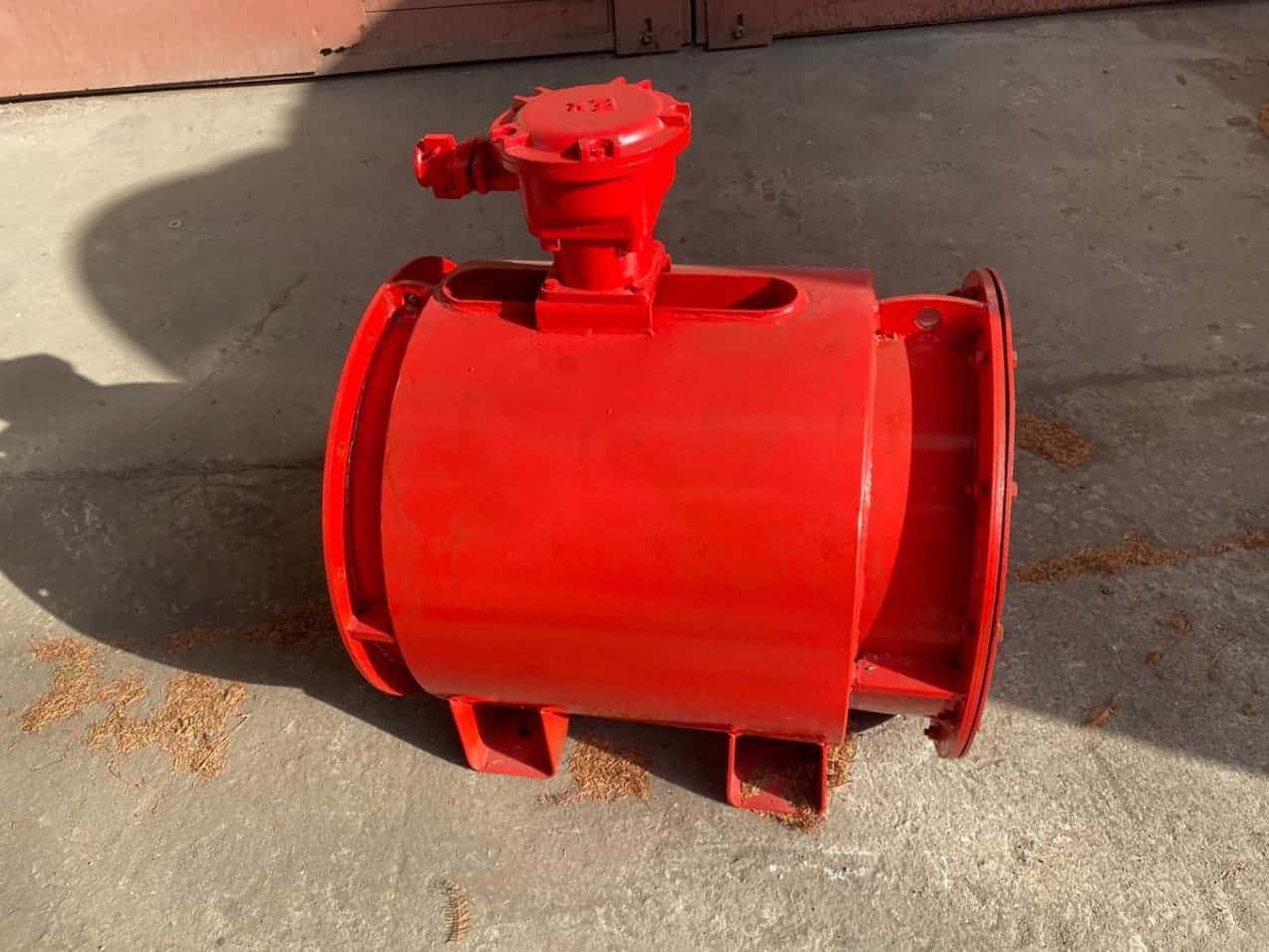
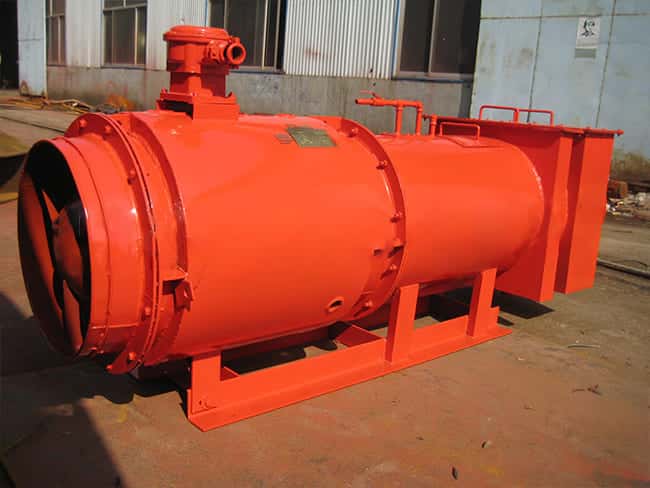
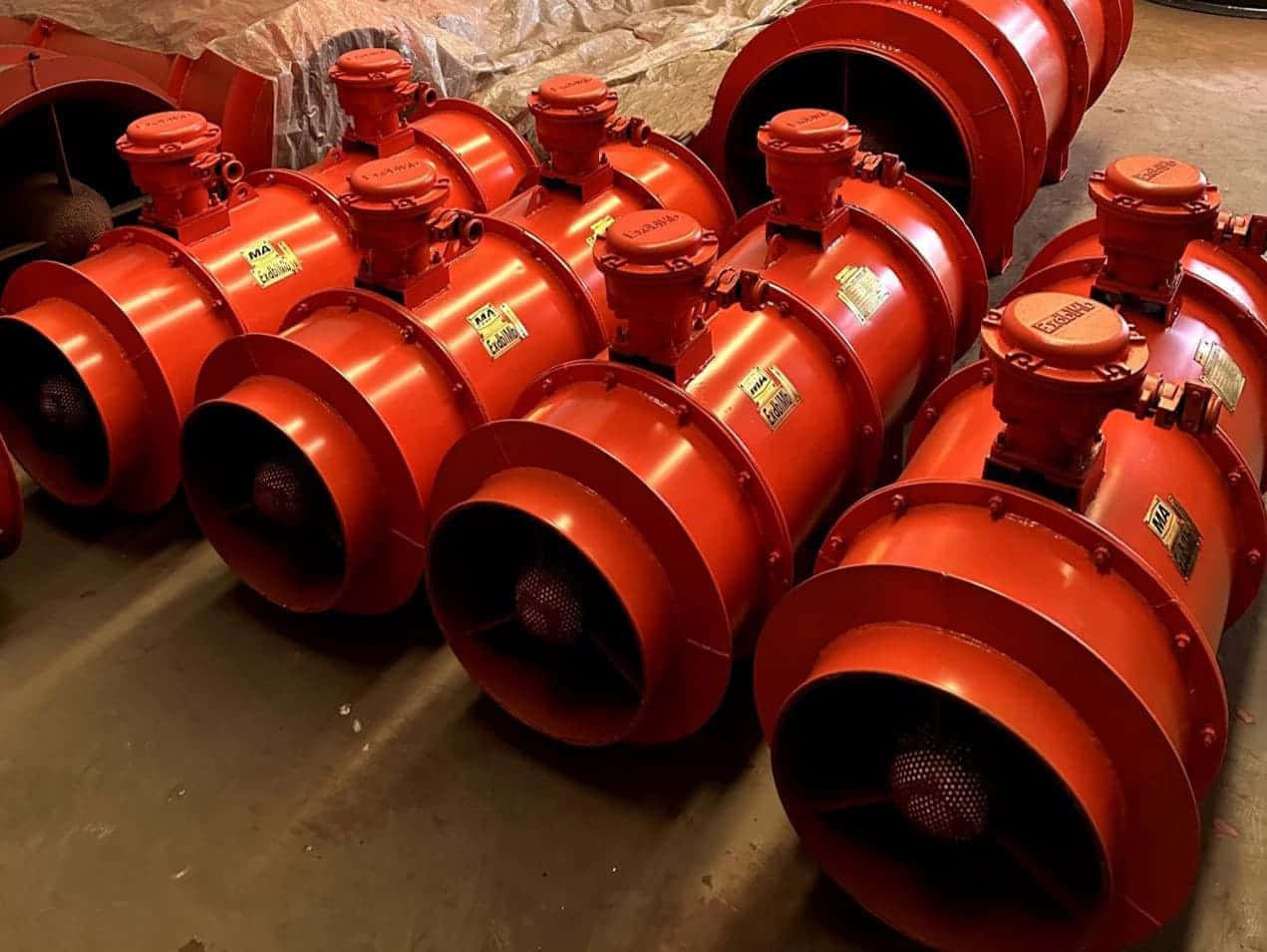
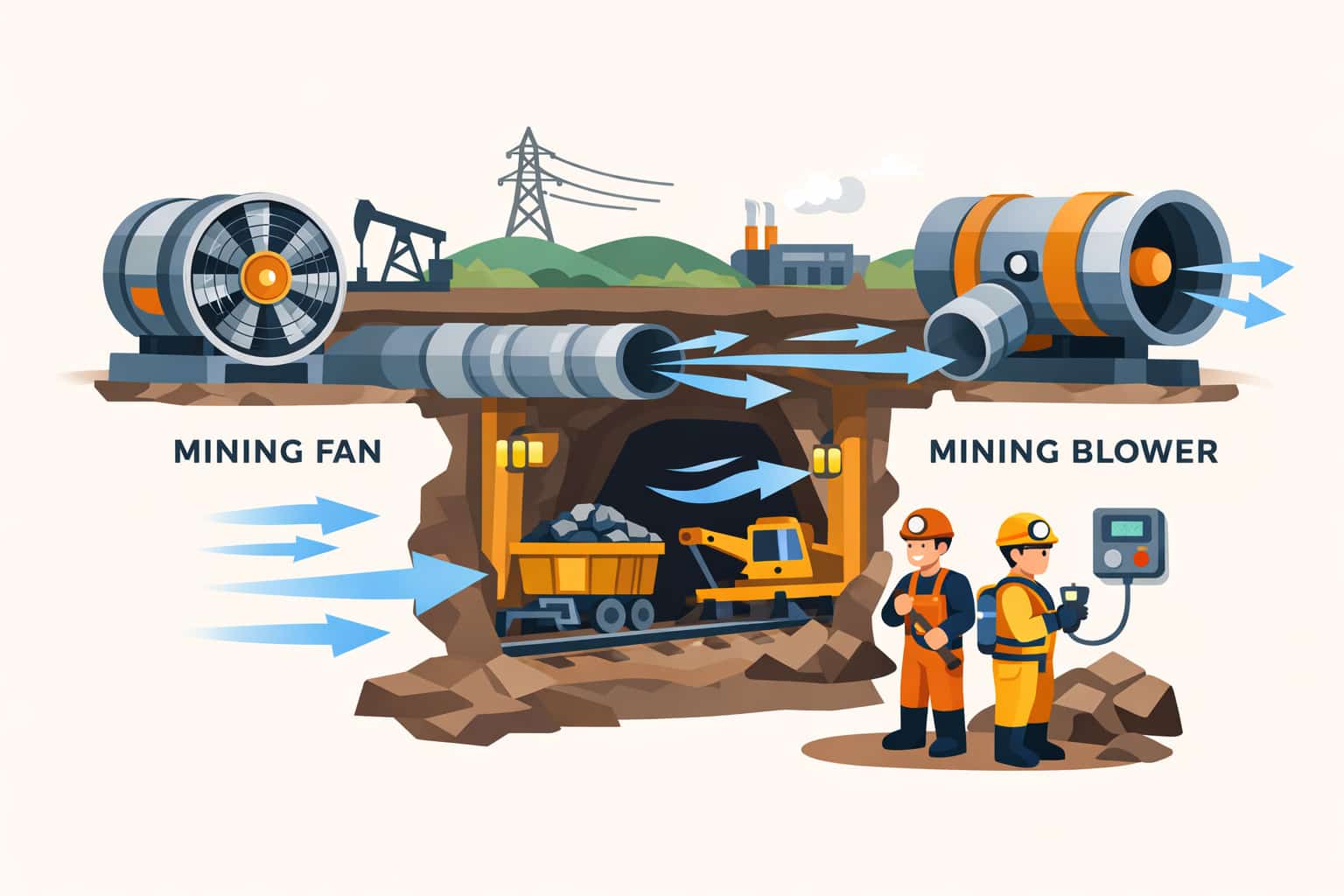
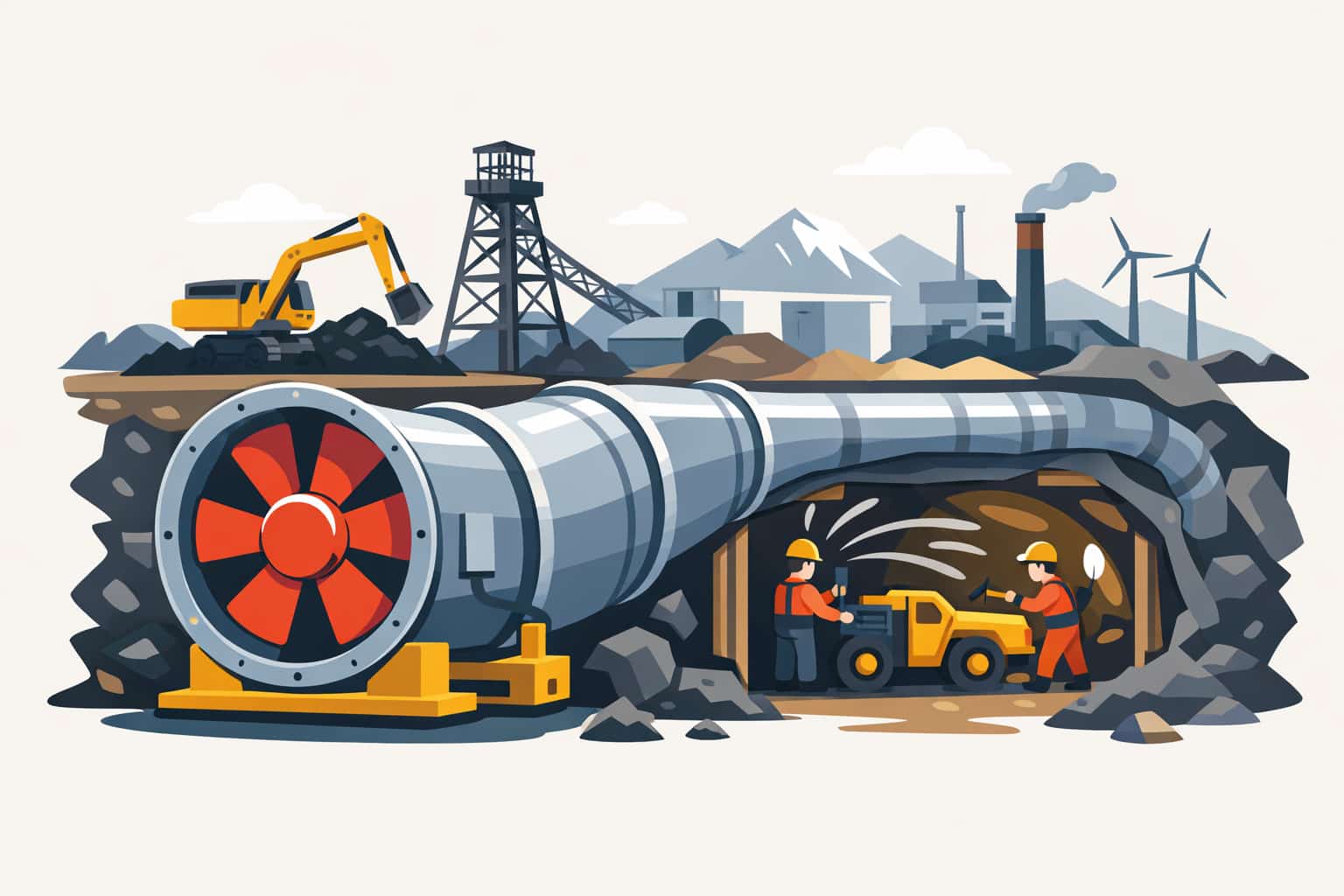
The same principle is applied on a much larger scale in mining and tunnelling, although there it is usually controlled by fans rather than by weather. Intake and return airways can be thought of as gigantic openings on different sides of the working area. Main and auxiliary fans create pressure differences that drive air from the intake side through the workings and out through the return, mimicking the cross ventilation concept but with reliable mechanical control.
In summary, cross ventilation works by using pressure differences between two sides of a space and providing aligned openings so that air enters from the high-pressure side and leaves from the low-pressure side. This natural flow can significantly improve comfort and air quality, but in industrial and mining environments it is often complemented or replaced by mechanical ventilation to ensure consistent, safe performance.