
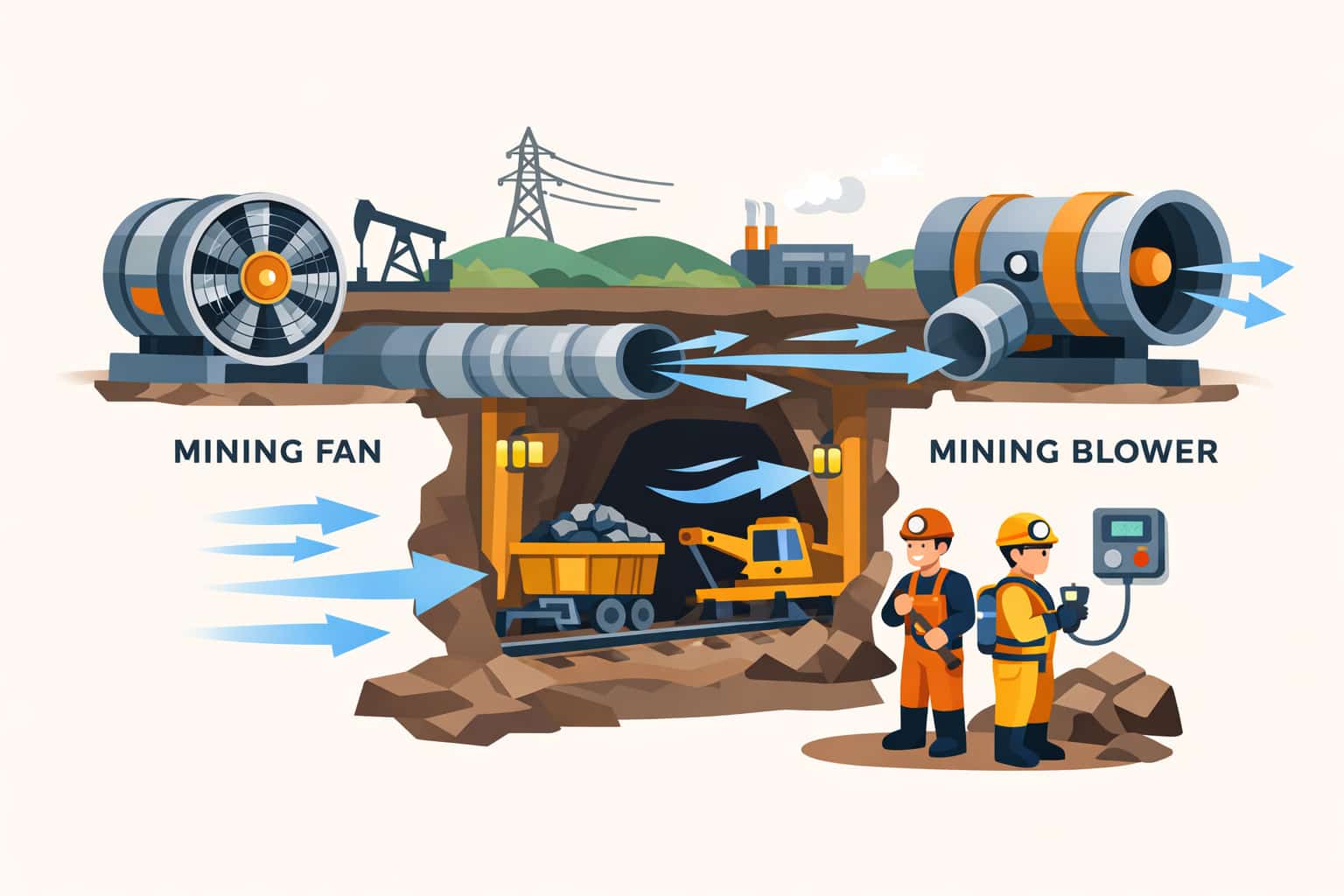
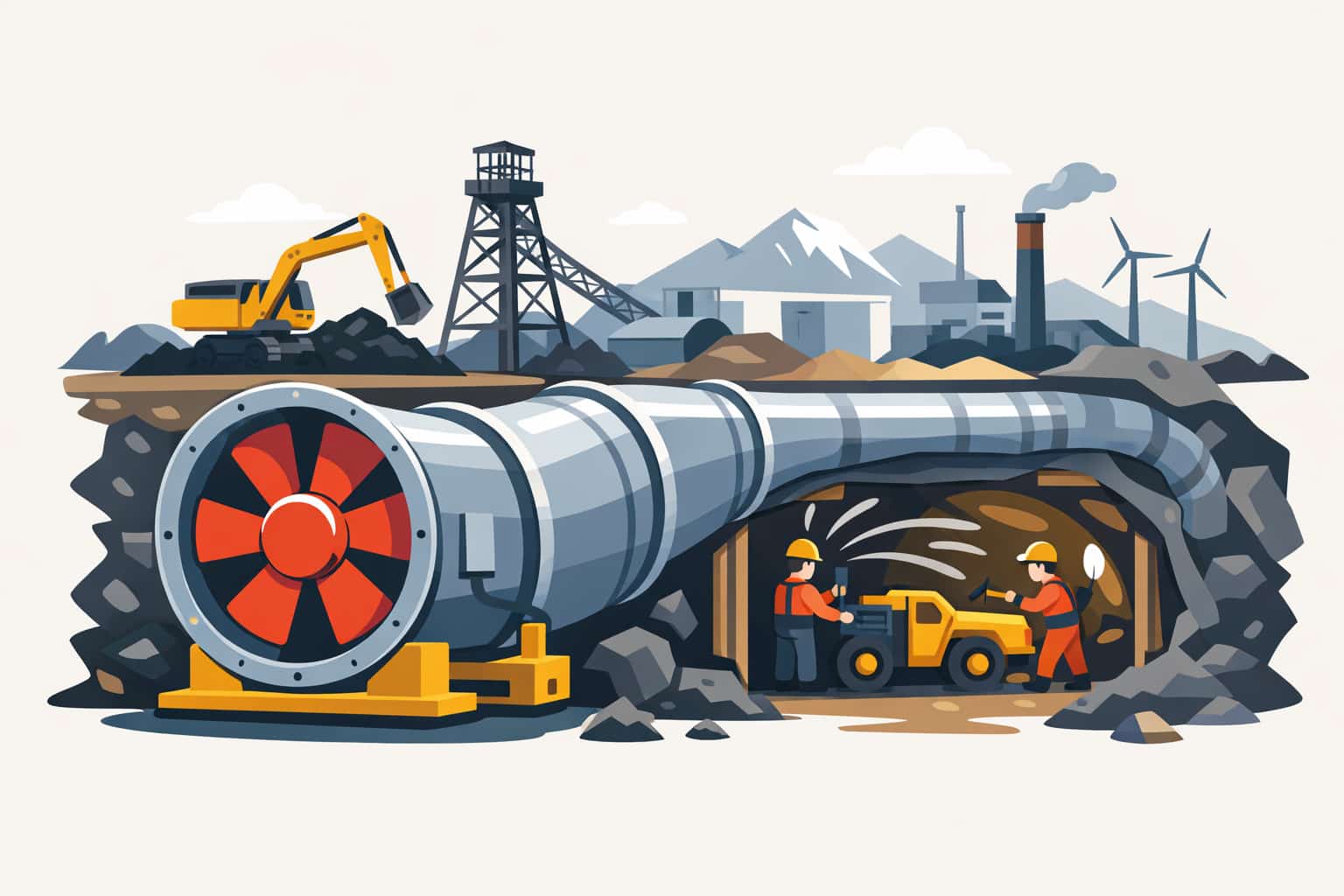
Mine ventilation works by using fans to create controlled pressure differences that push or pull air through an underground network of intake and return airways. This engineered airflow system supplies fresh air to workers and equipment, dilutes and removes contaminants, and manages heat and humidity in deep, complex mines. The principle is straightforward: air always moves from higher pressure to lower pressure, so ventilation engineers design the network and fan arrangement to produce safe, predictable airflow patterns.
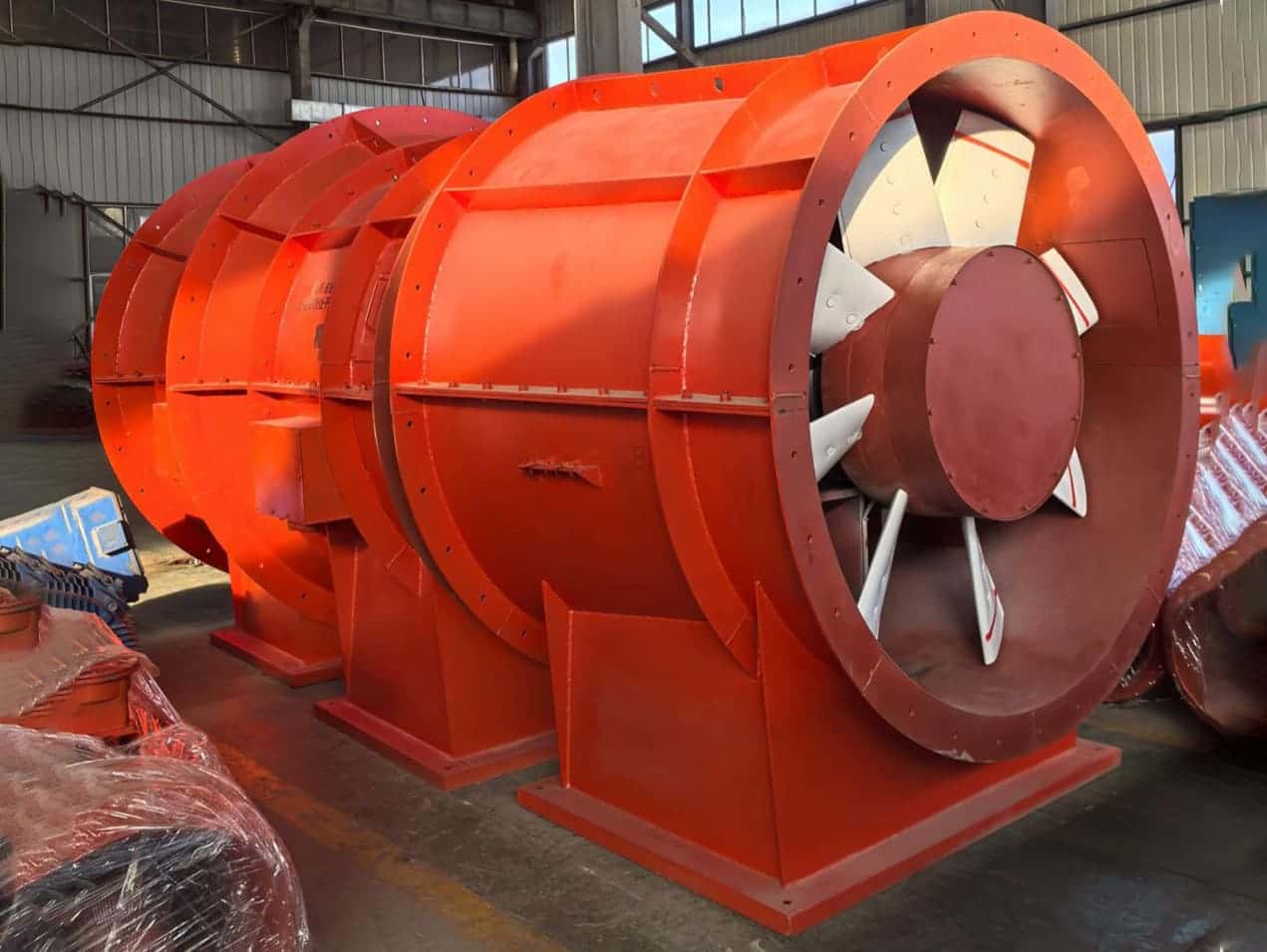
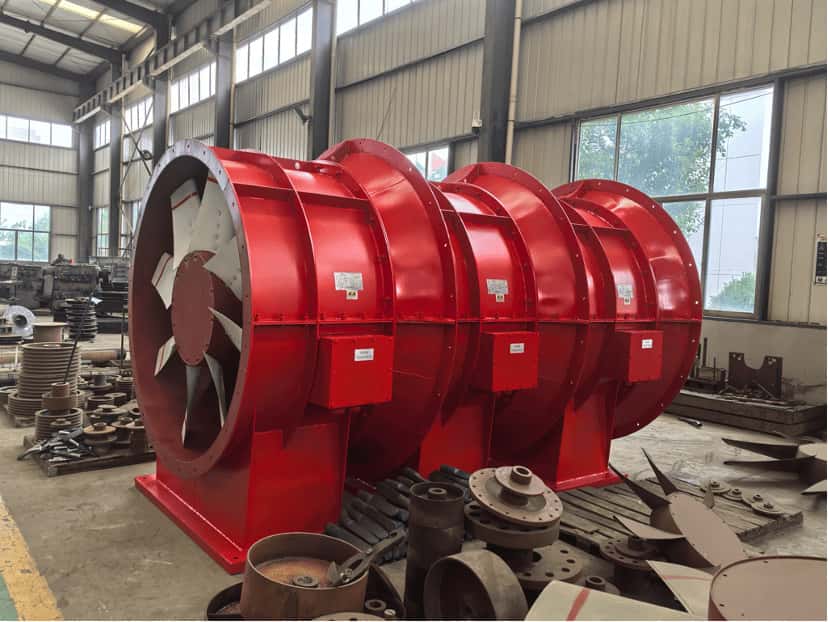
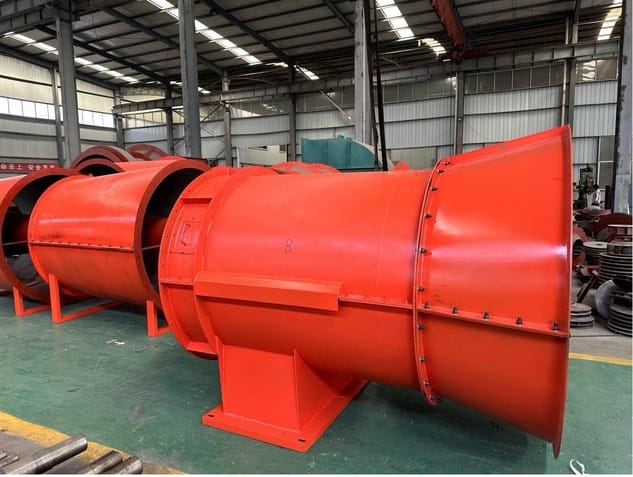
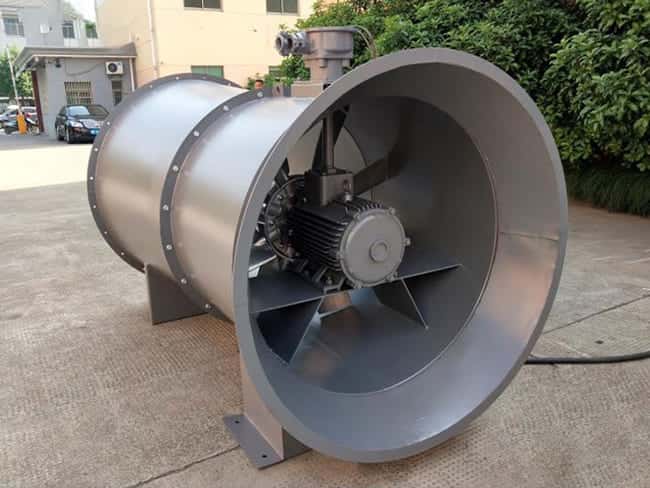
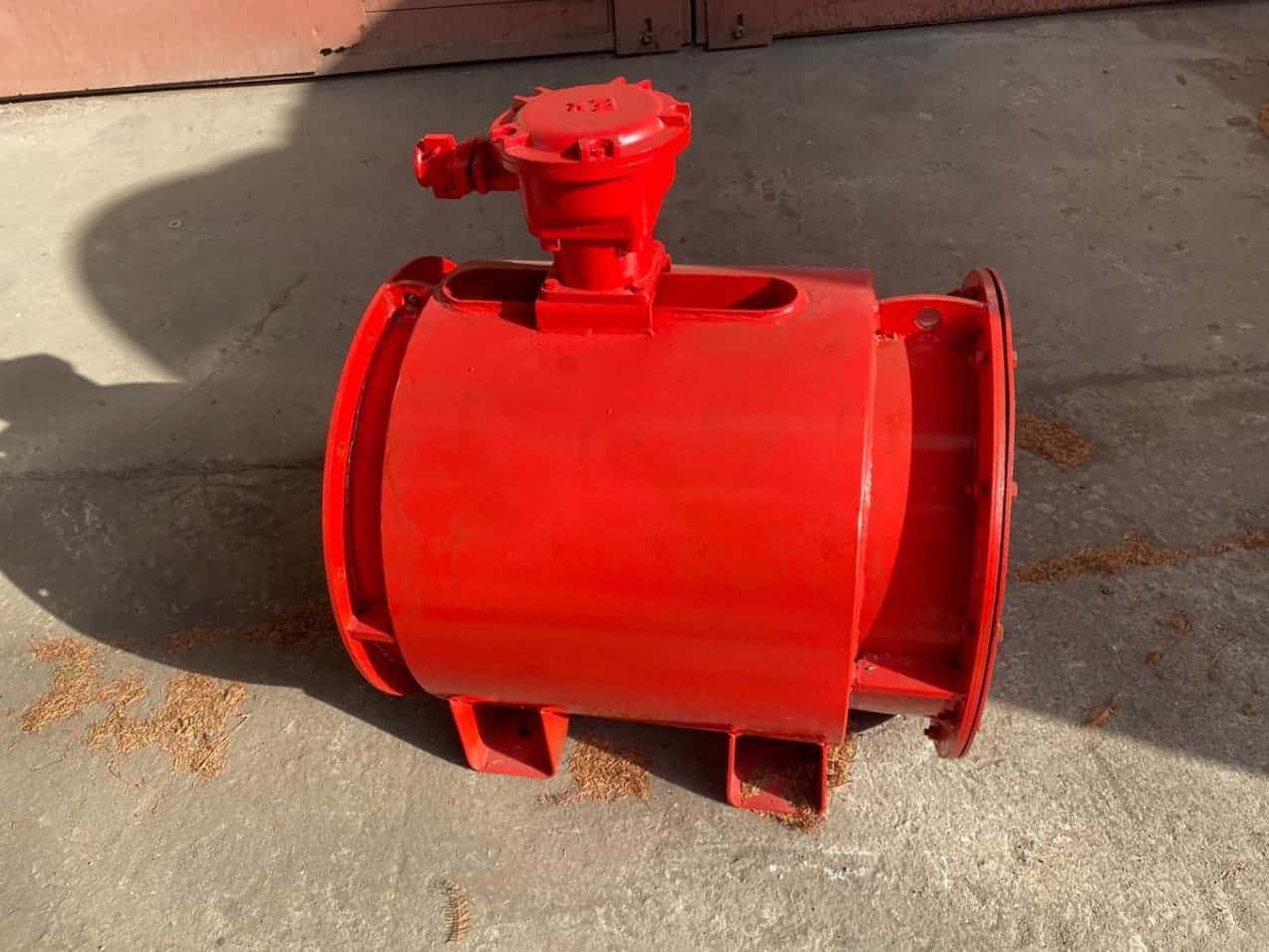
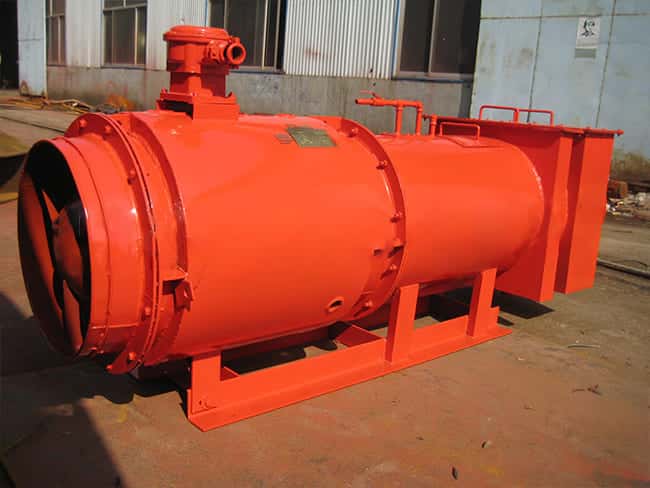
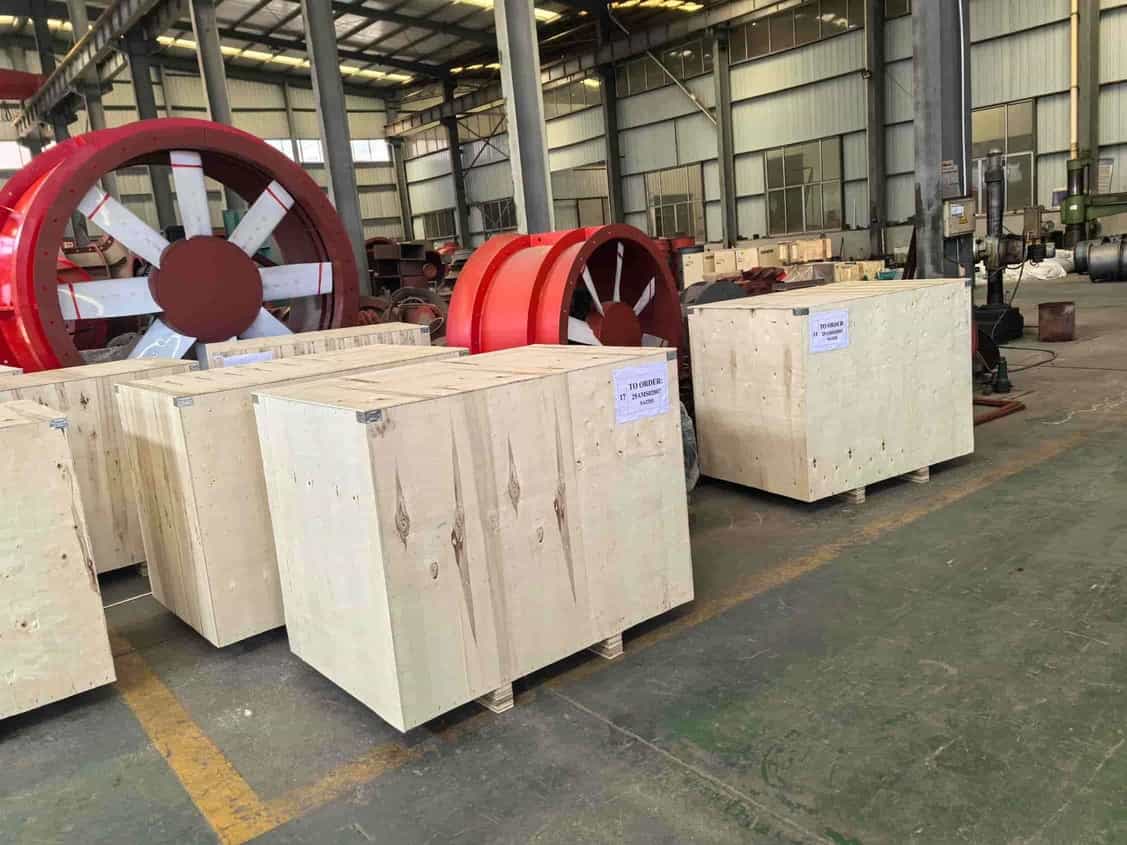
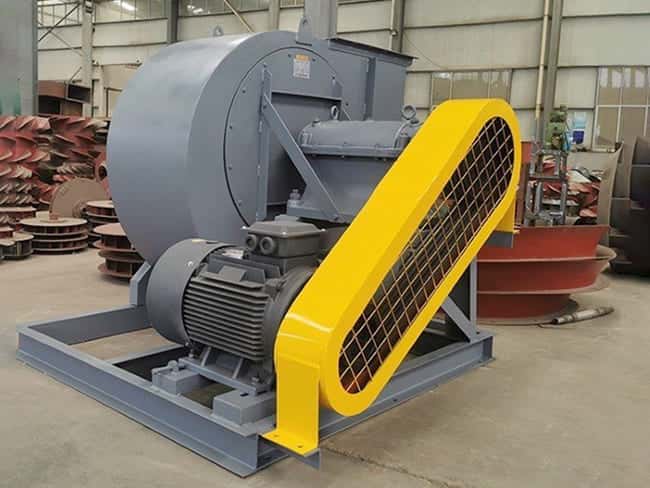
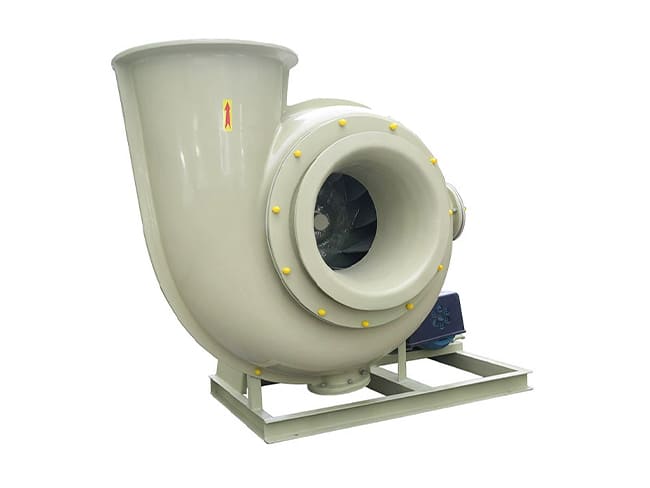
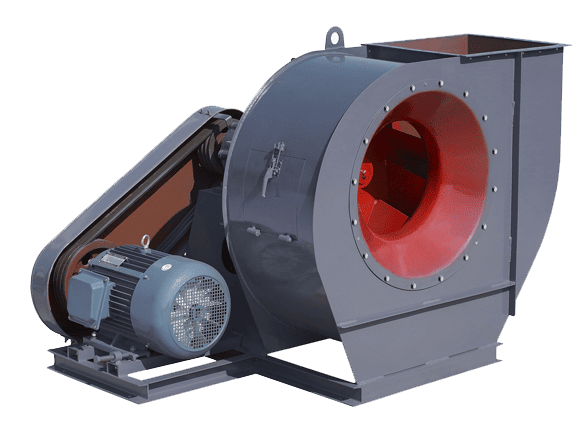
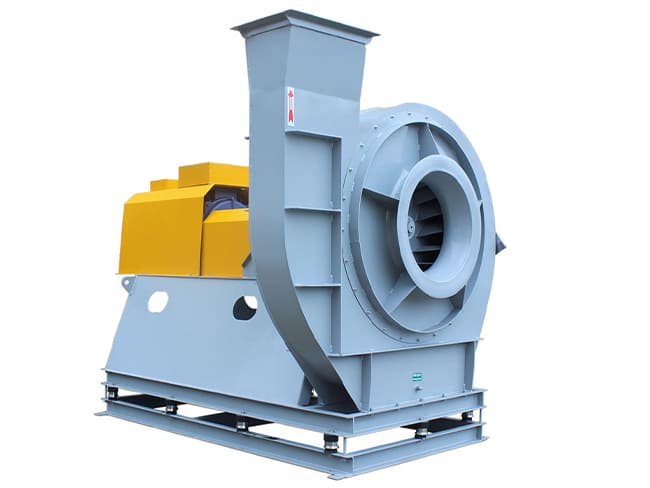
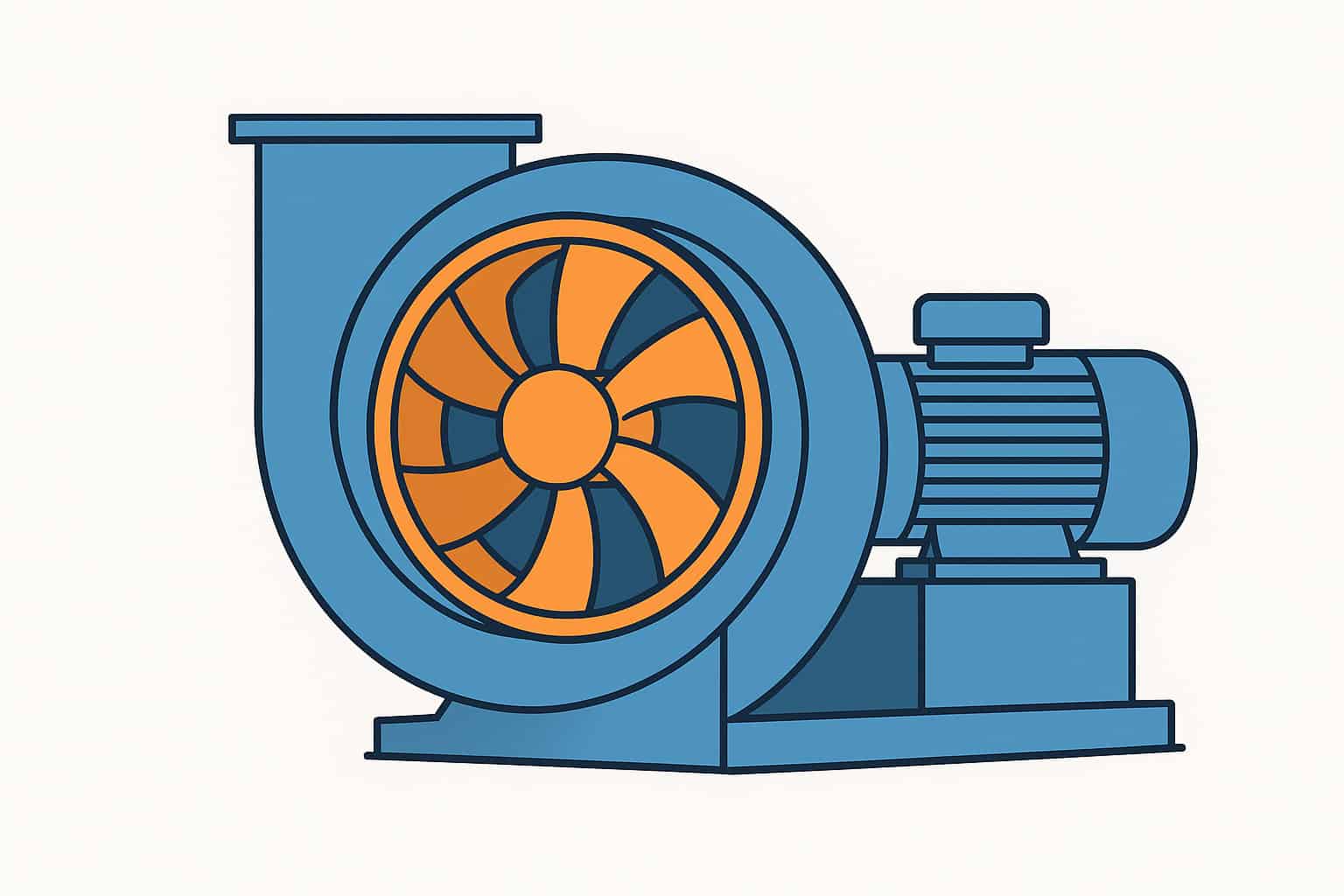
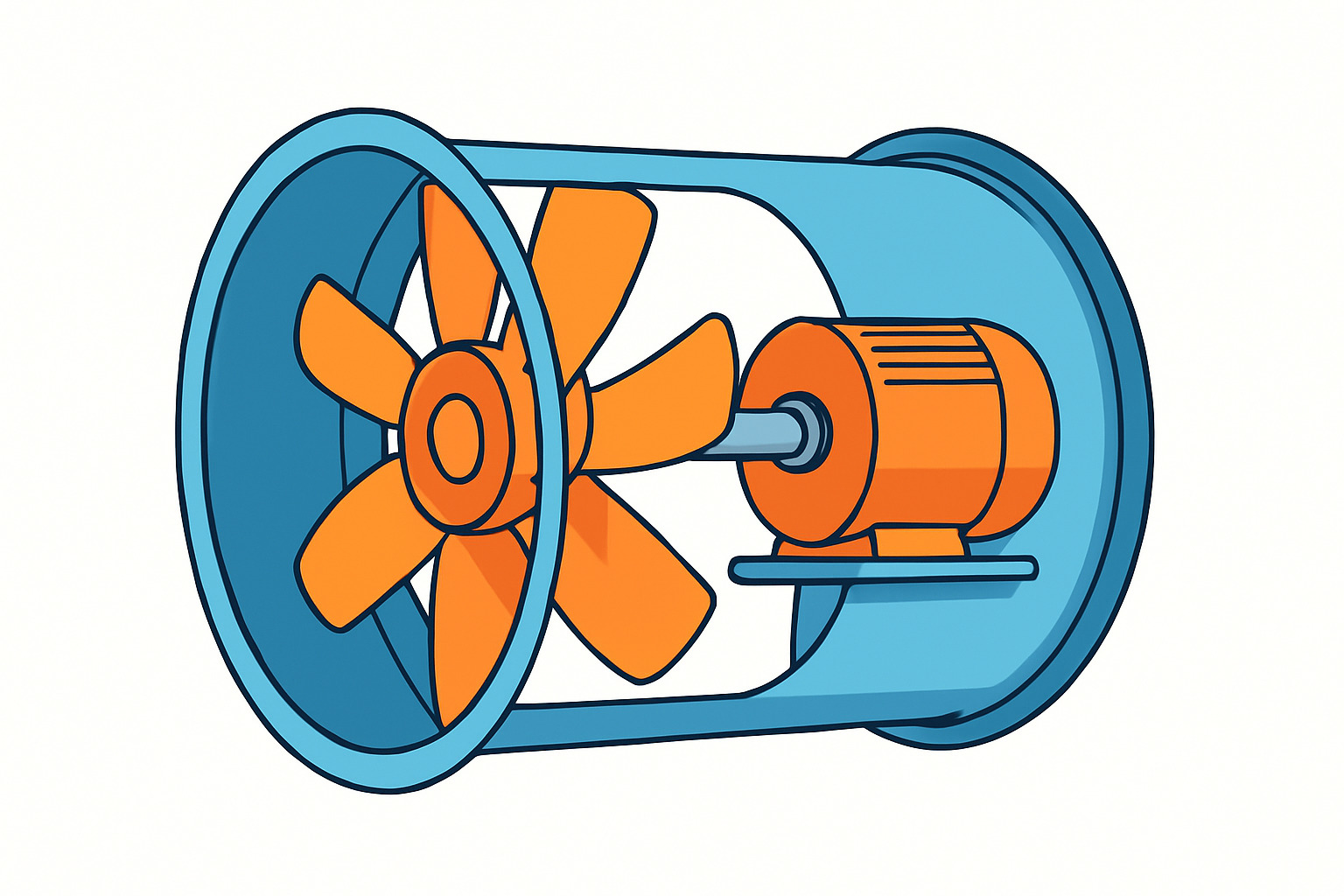
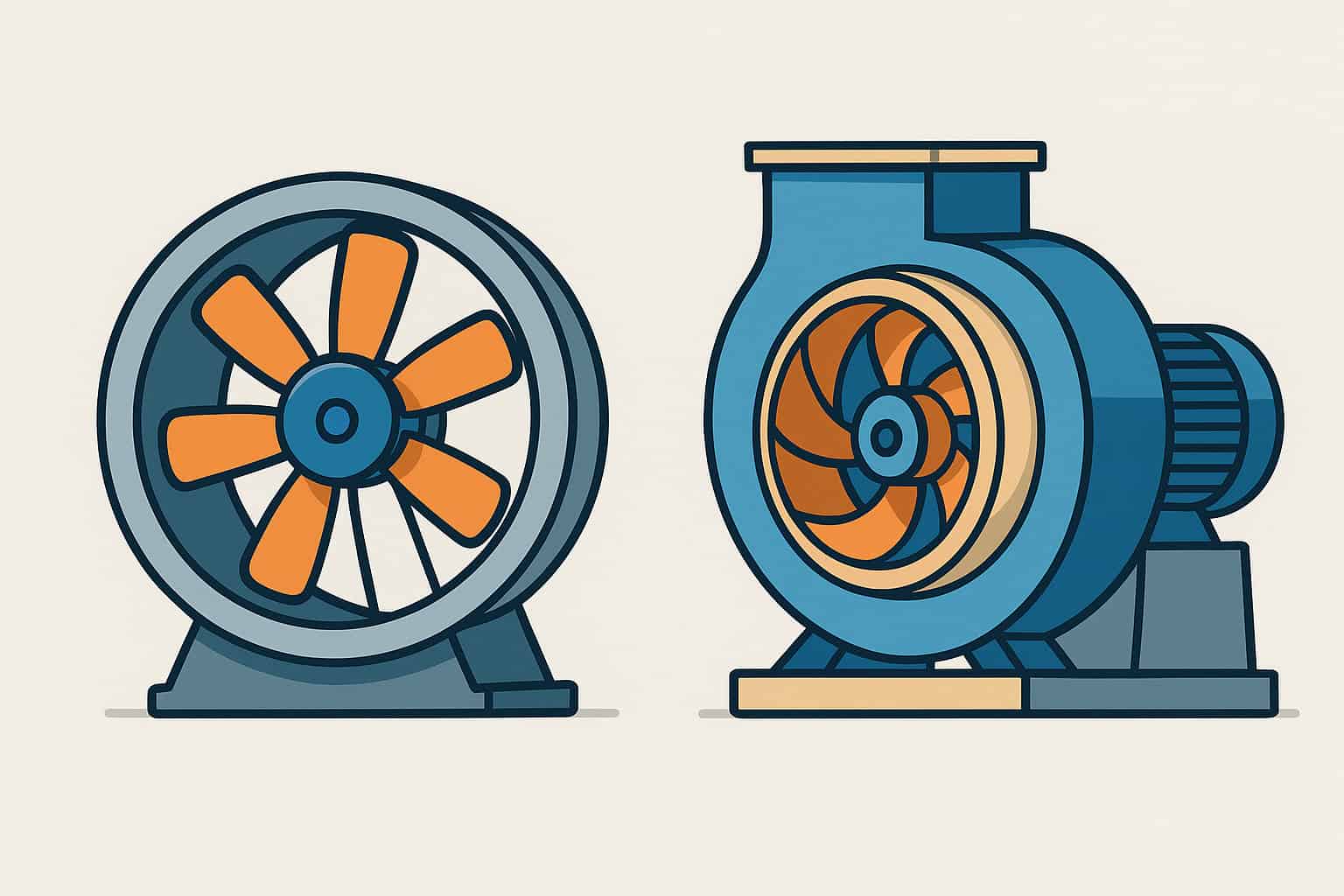
At the highest level, ventilation begins with main mine fans. These large axial or centrifugal fans are installed at shafts, drifts, or portals. When they operate, they generate a difference in total pressure between intake and return openings. In an exhaust system, the fan lowers pressure at the outlet, pulling air through the mine. In a forcing system, the fan raises pressure at the intake, pushing air in. In either case, the resulting pressure gradient causes air to flow through the intake routes, across production and development areas, and out through the returns.
The underground layout is divided into intake and return circuits. Intakes carry cleaner air from surface toward workplaces, while returns collect used air and transport it back to the fan location. Ventilation control devices—stoppings, regulators, doors, and seals—are positioned to guide airflow. For example, stoppings and seals close off old or non-essential routes, while regulators add resistance to certain branches so that air is balanced between multiple districts. This is similar to balancing water flow in a piping network by adjusting valves.
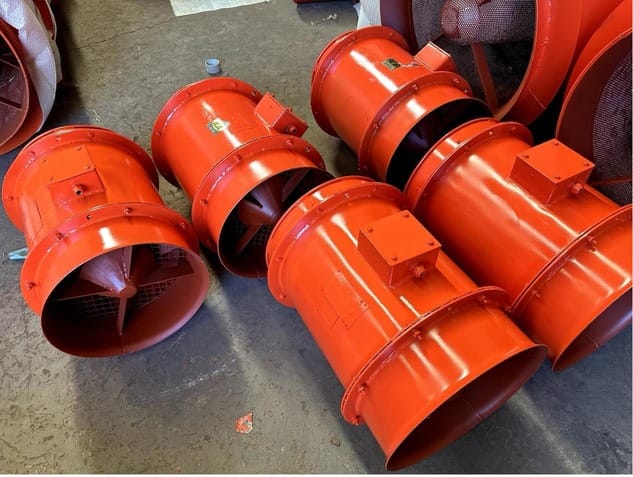
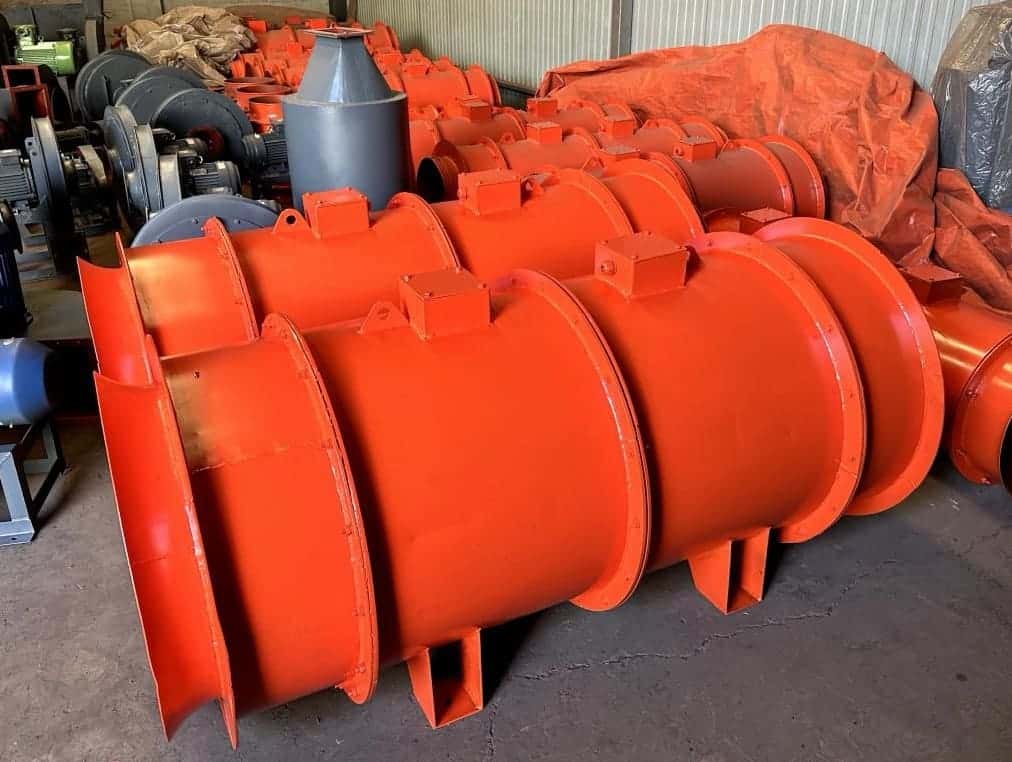
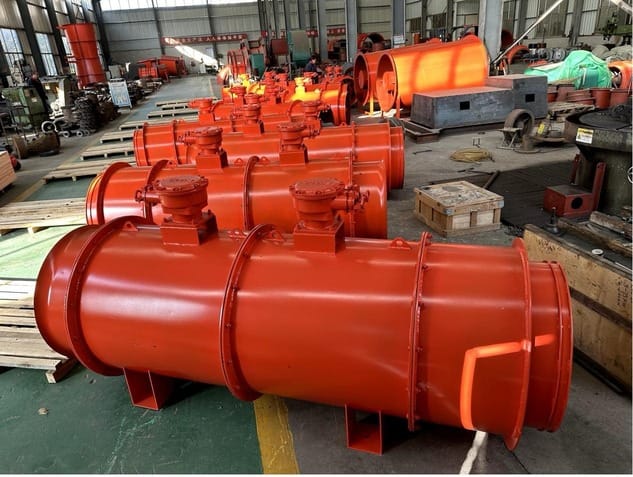
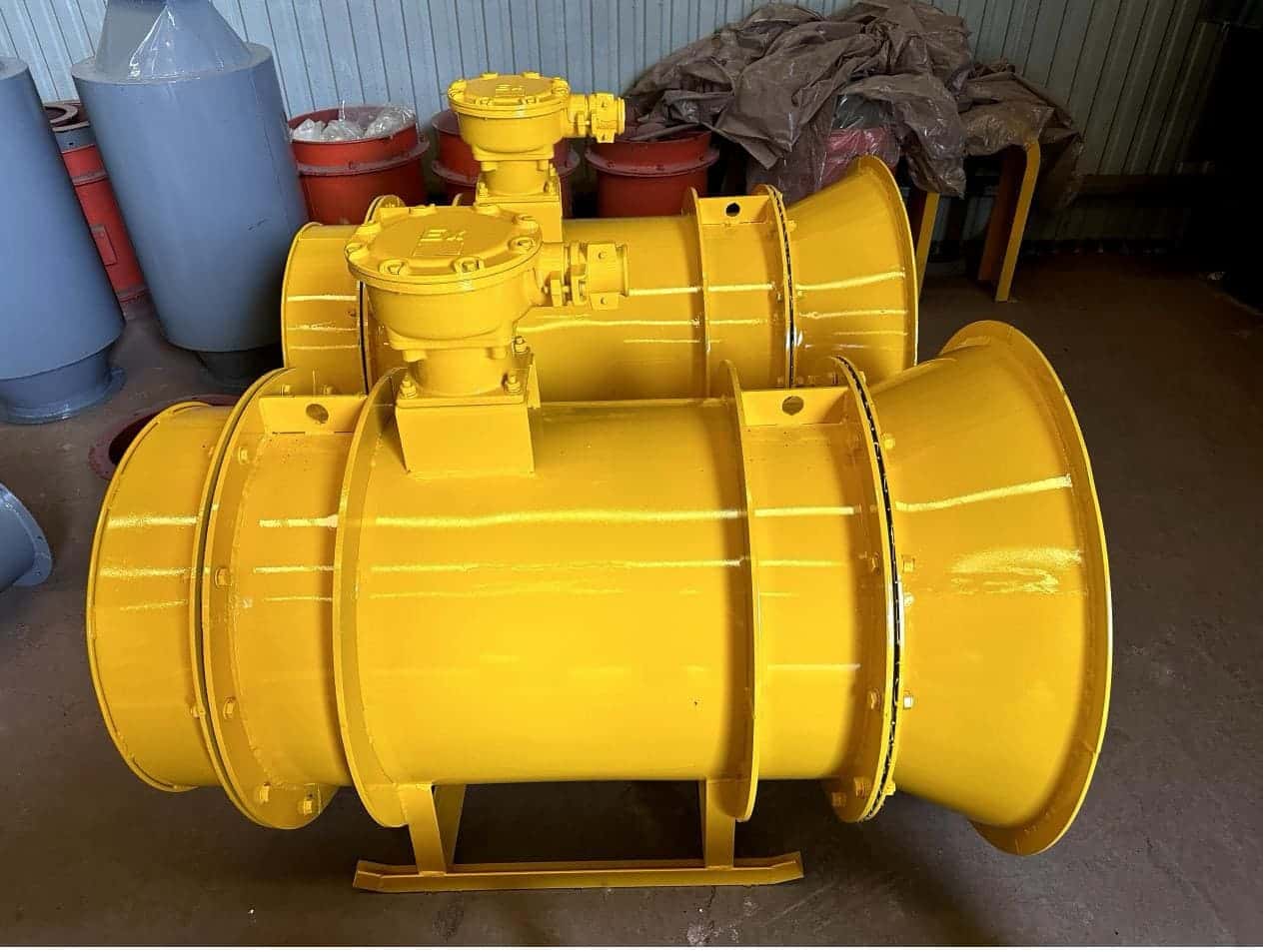
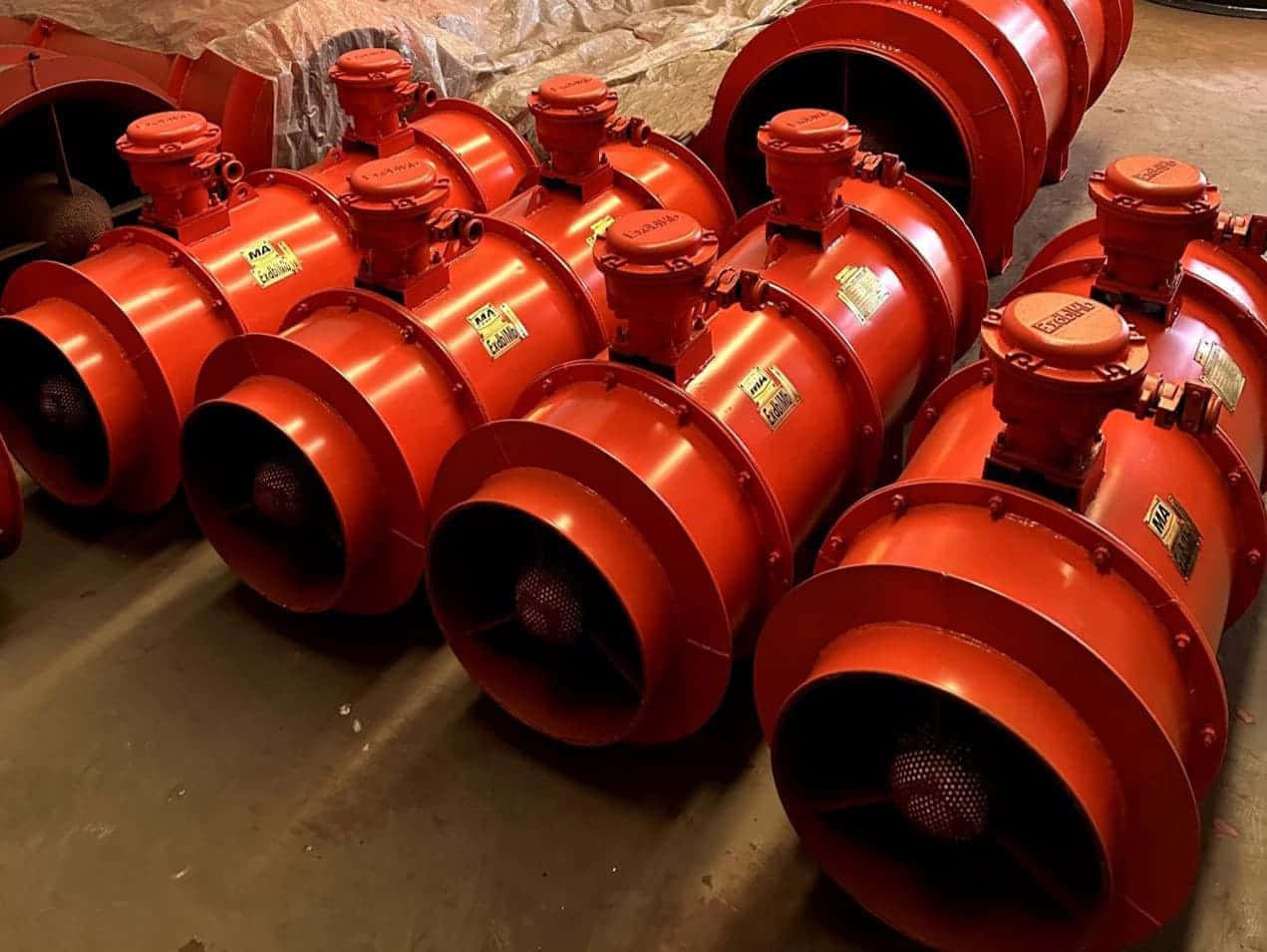
Mine ventilation also uses auxiliary fans and ducting to reach blind headings, crosscuts, and development faces that are not on the main intake path. An auxiliary fan placed in an intake airway pushes air through a ventilation duct to the face (forcing ventilation), or pulls air from the face into a return airway (exhaust ventilation). The duct acts as a controlled channel, and its resistance—determined by length, diameter, bends, and leakage—must be overcome by the fan to deliver the required airflow.
The behavior of the entire system is governed by the relationship between fan performance and mine resistance. Each fan has a performance curve describing how much airflow it can deliver at different pressures. The mine airways and ducts, with their friction and losses at bends and restrictions, have a resistance curve showing how much pressure is needed to achieve a given airflow. Where these curves intersect is the operating point: the actual flow and pressure achieved when the fan runs. Engineers adjust airway sizes, control devices, and sometimes fan speed (using variable speed drives) to move this operating point to the desired duty.
To keep ventilation working correctly, mines perform regular measurements and adjustments. Airflow is measured with anemometers, pressure with gauges or transducers, and gas levels with sensors. If certain districts receive too little airflow, regulators can be modified, ducting repaired, or fan speeds changed. If new levels are added or production patterns change, the ventilation plan is updated and the network may be re-balanced.
In summary, mine ventilation works by combining fan-generated pressure differences with a carefully controlled network of airways and devices that shape airflow. Main, booster, and auxiliary fans drive air through intakes and returns; control devices distribute that air to where it is needed; and continuous monitoring ensures that the system continues to deliver safe, effective ventilation as the mine develops.