
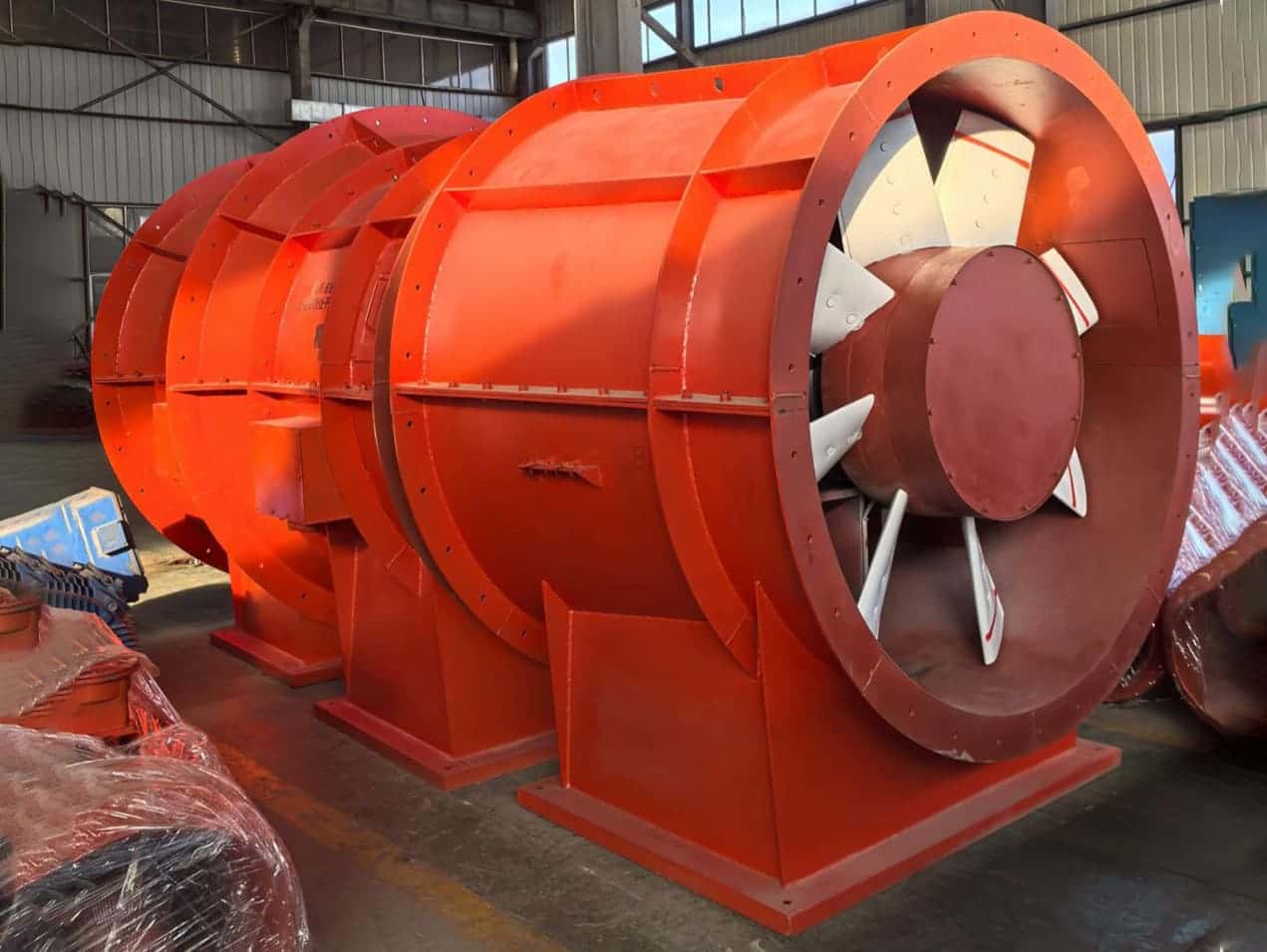
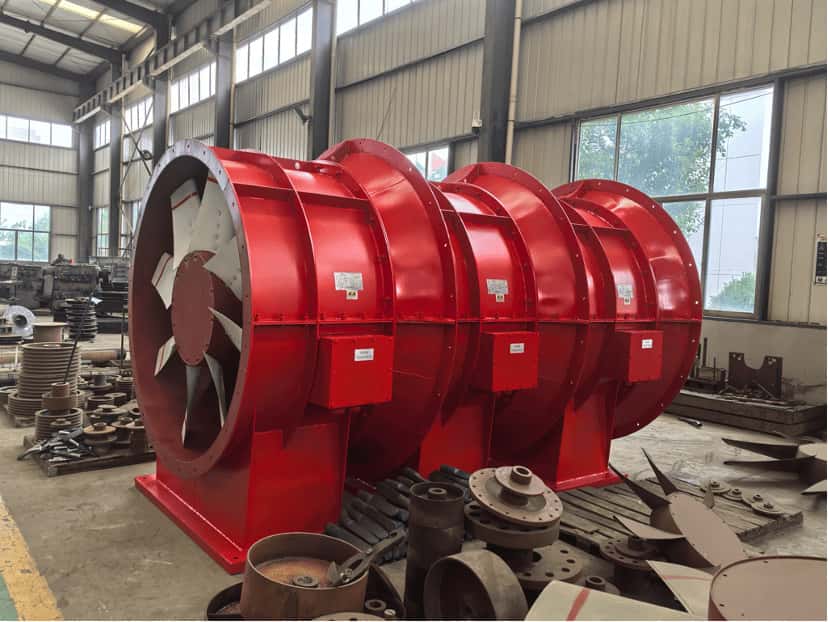
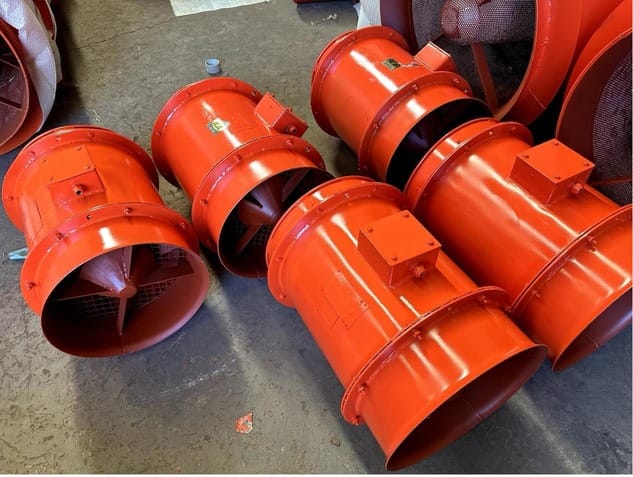
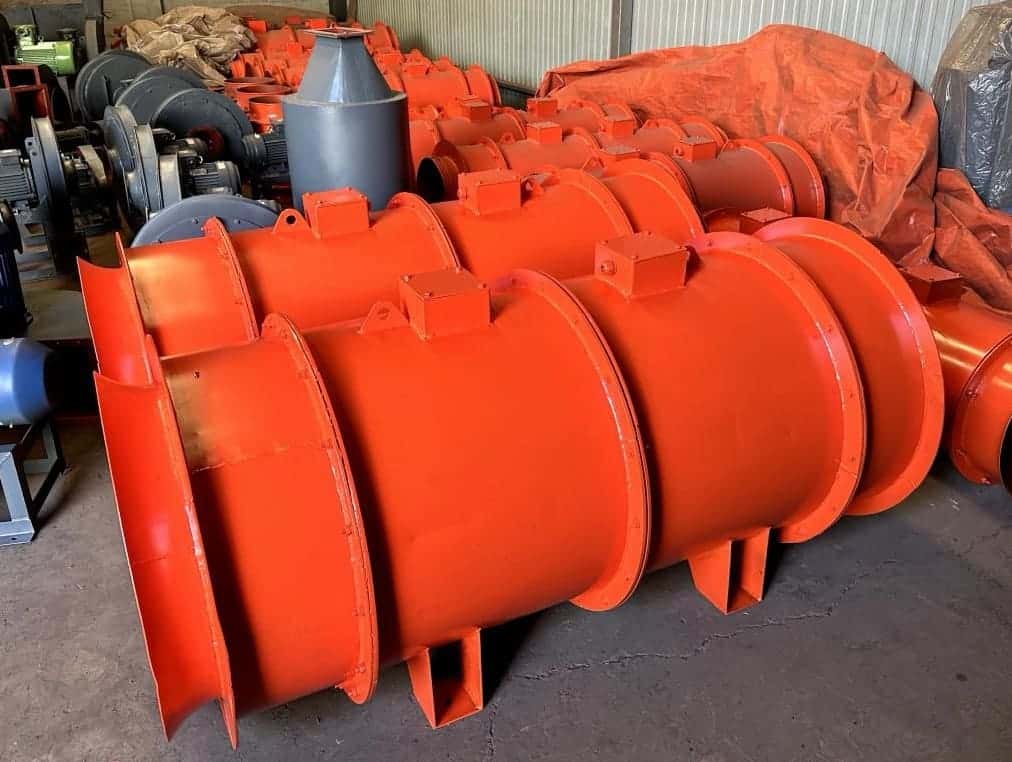
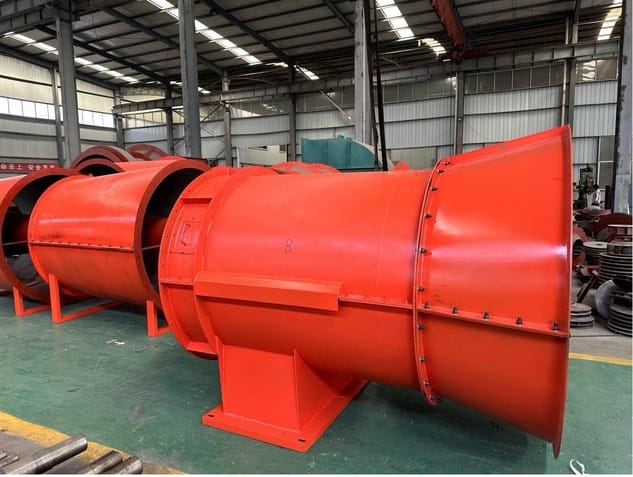
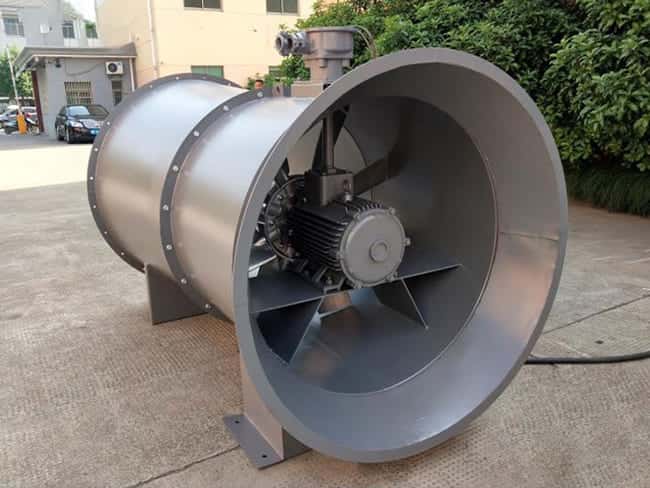
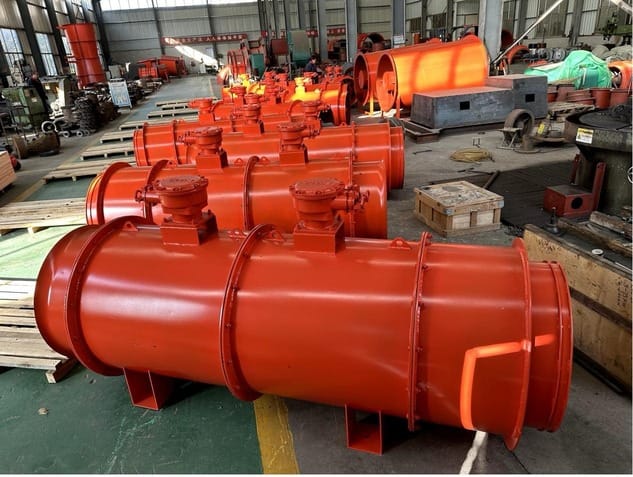
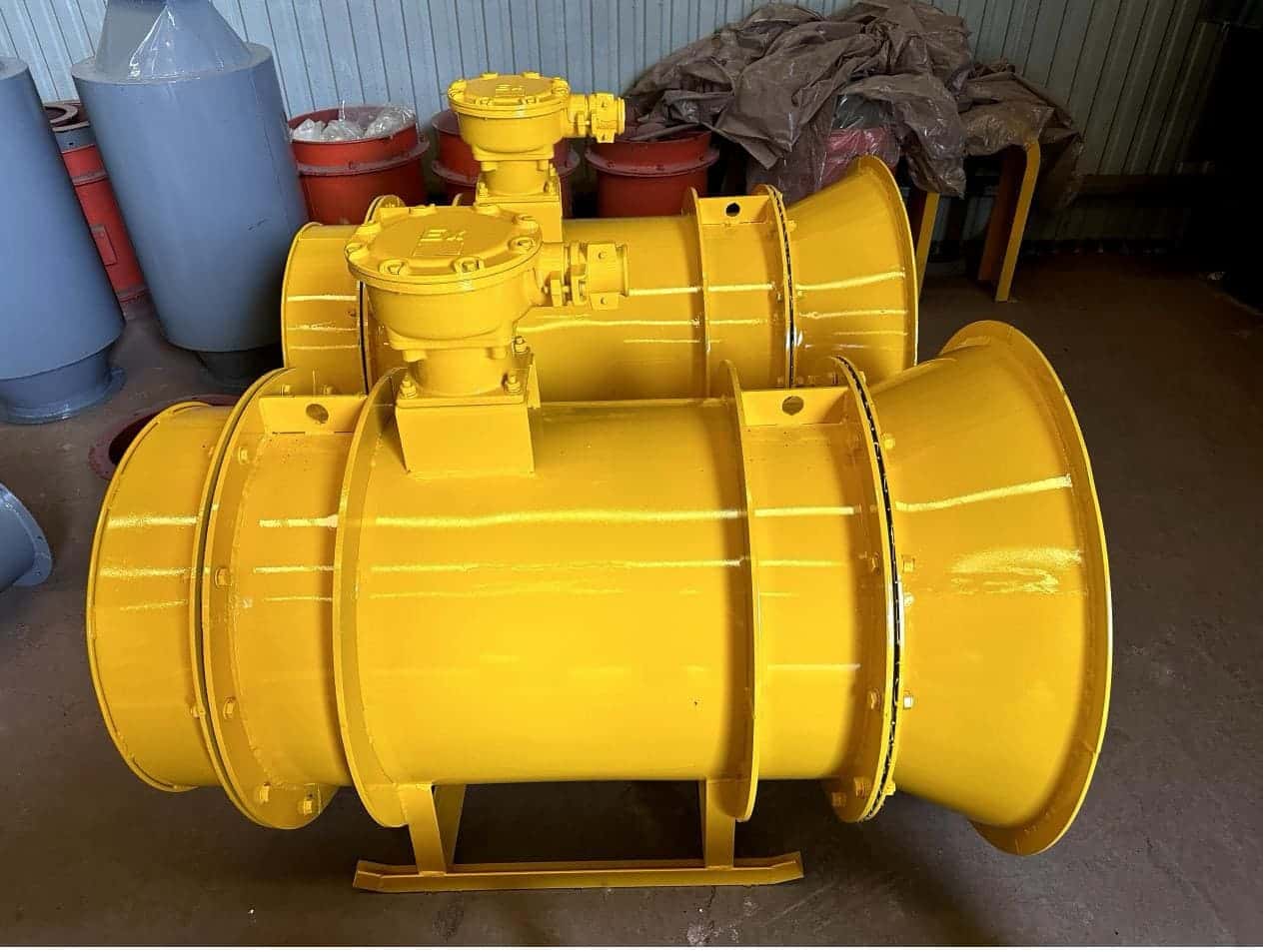
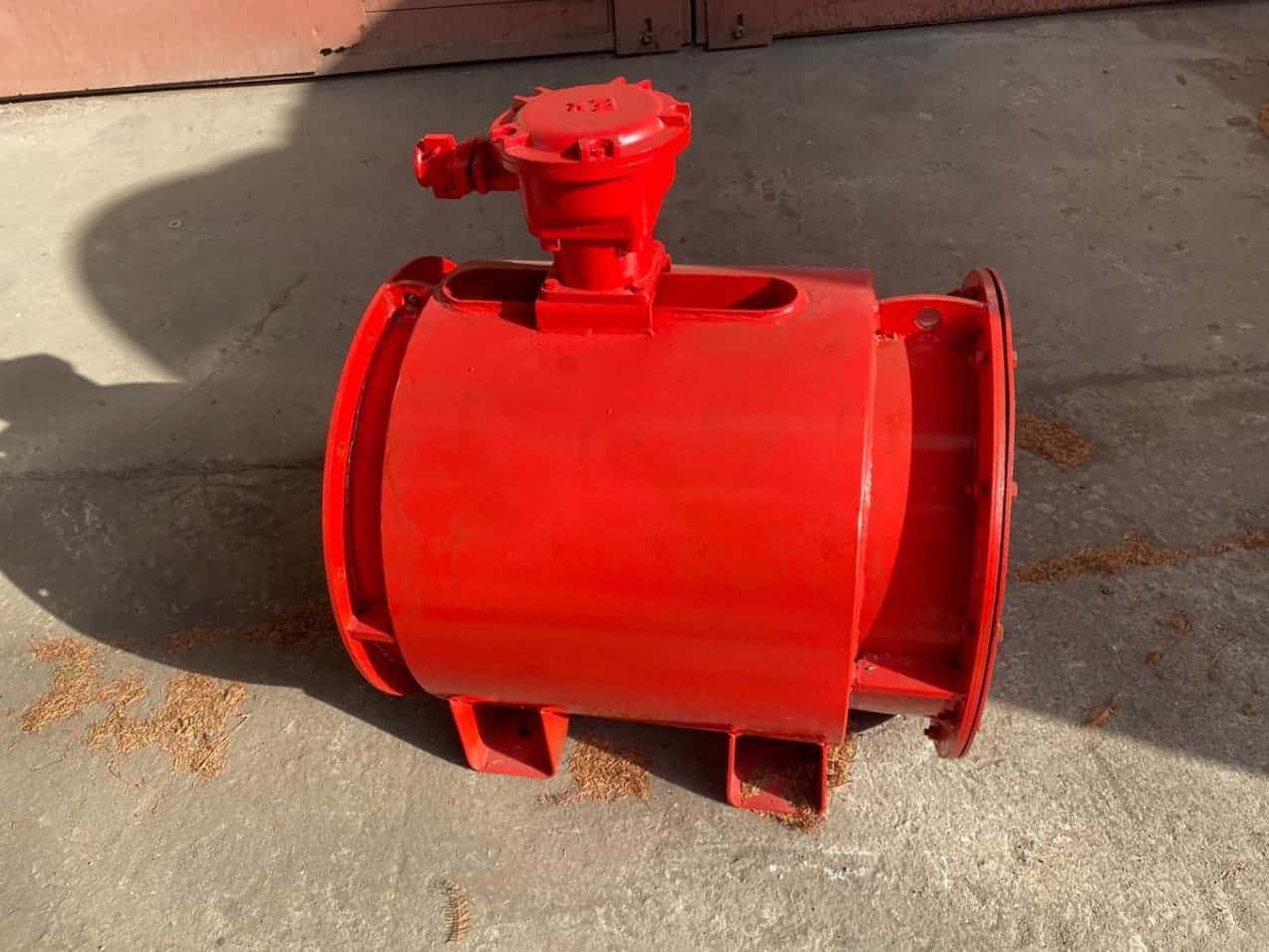
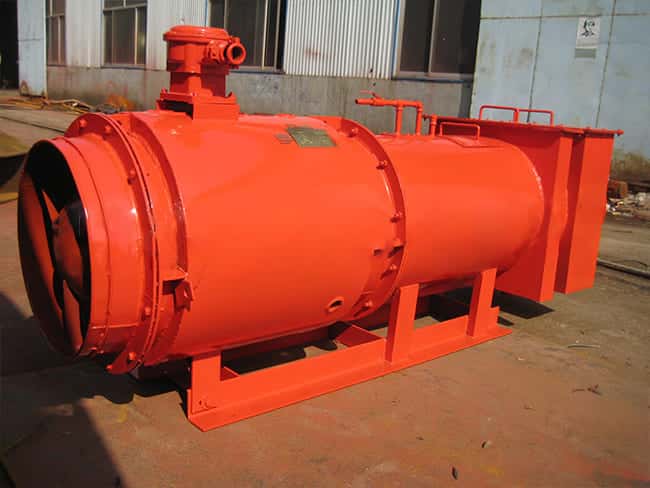
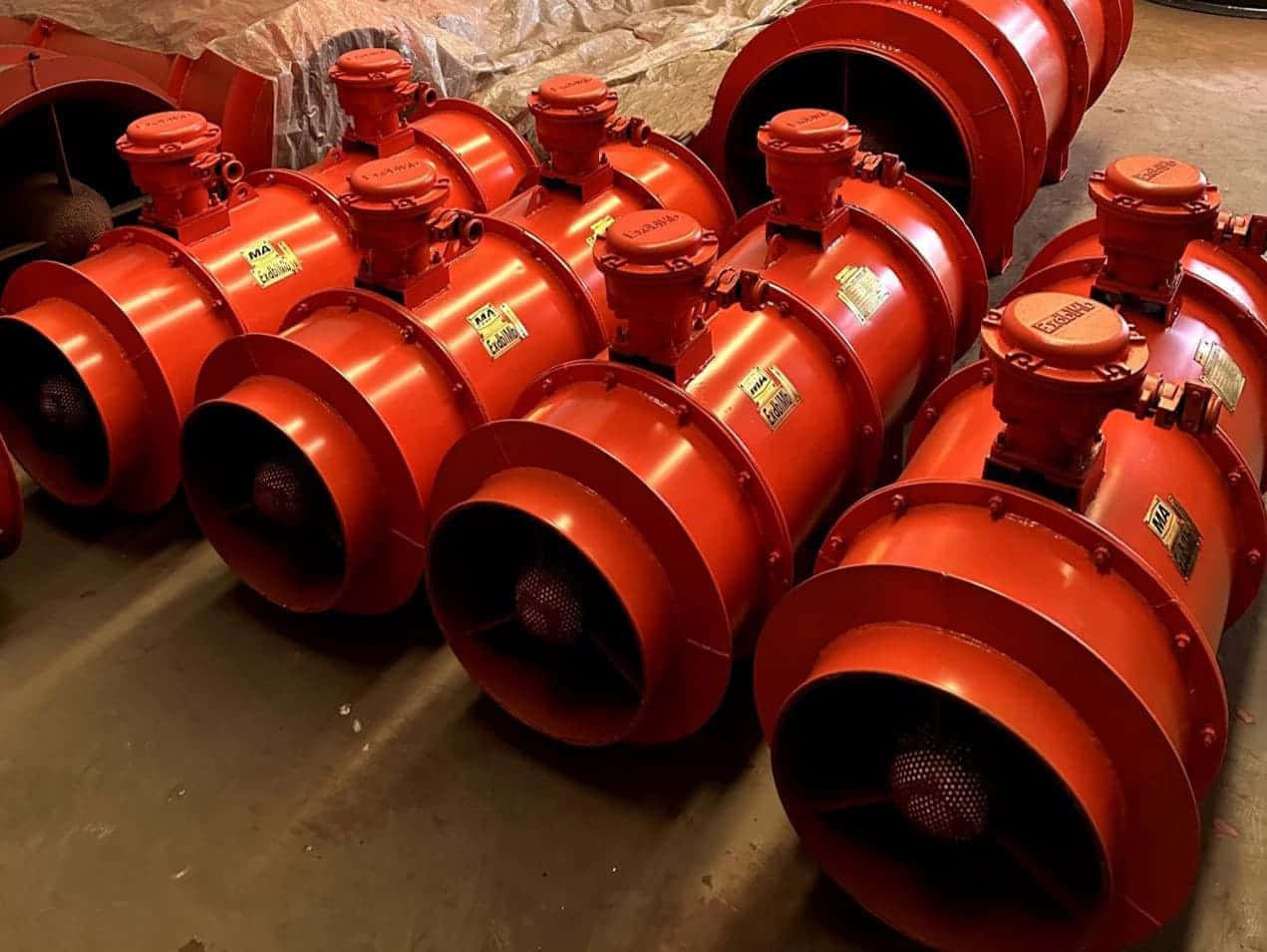
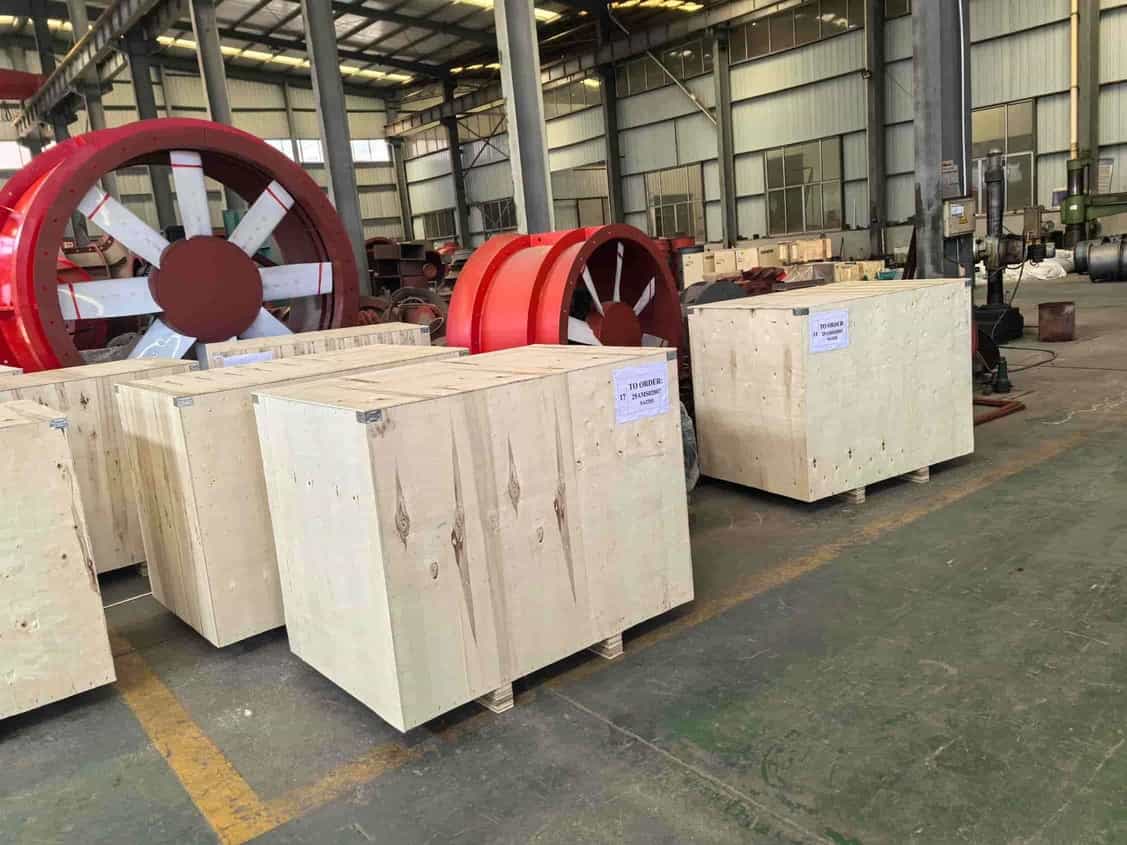
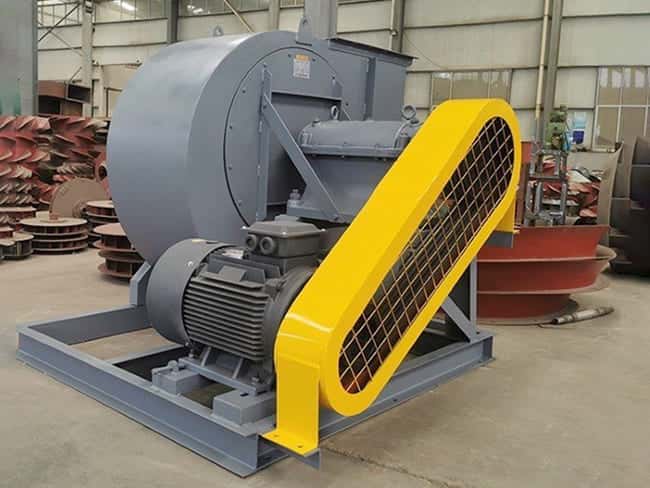
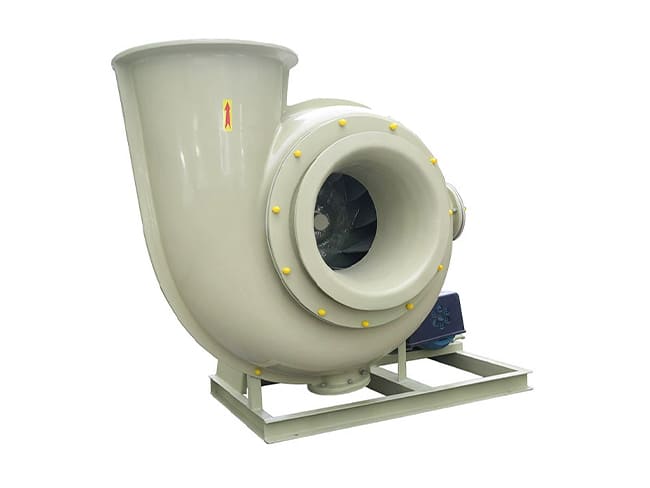
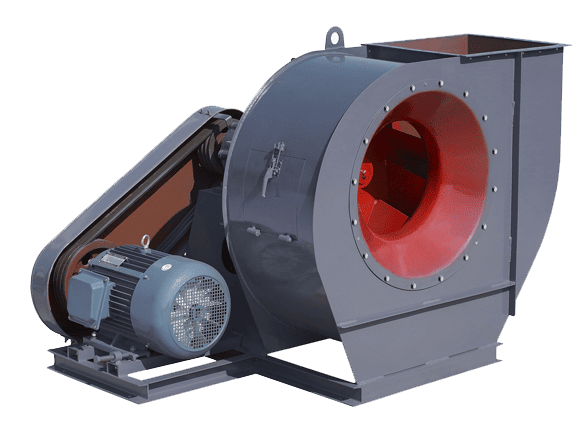
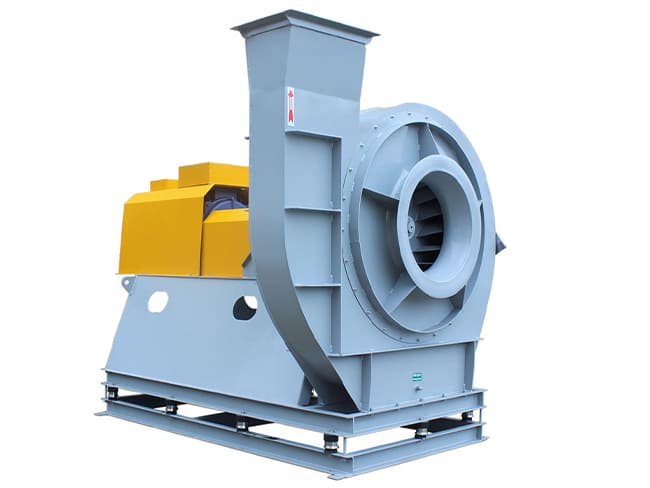
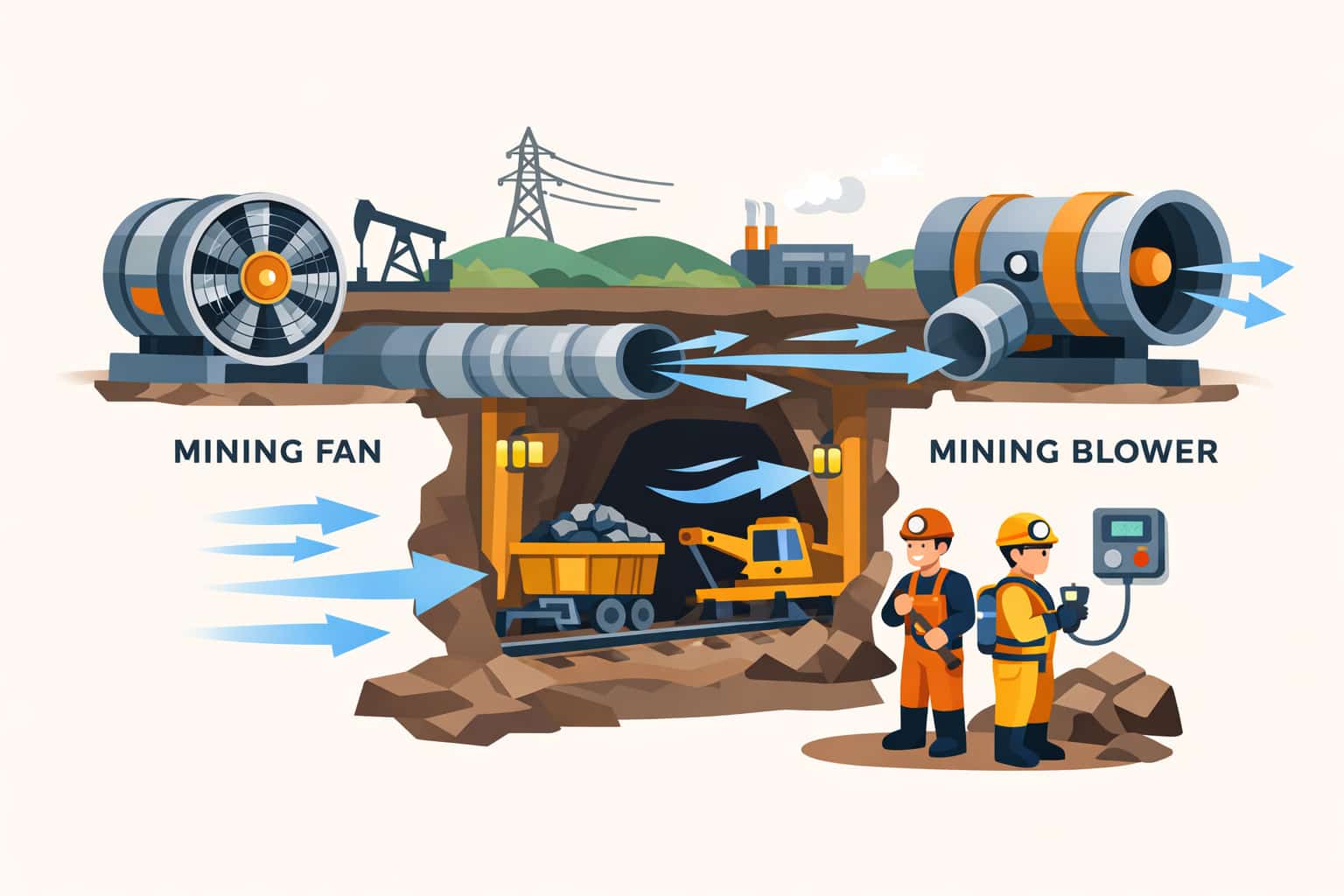
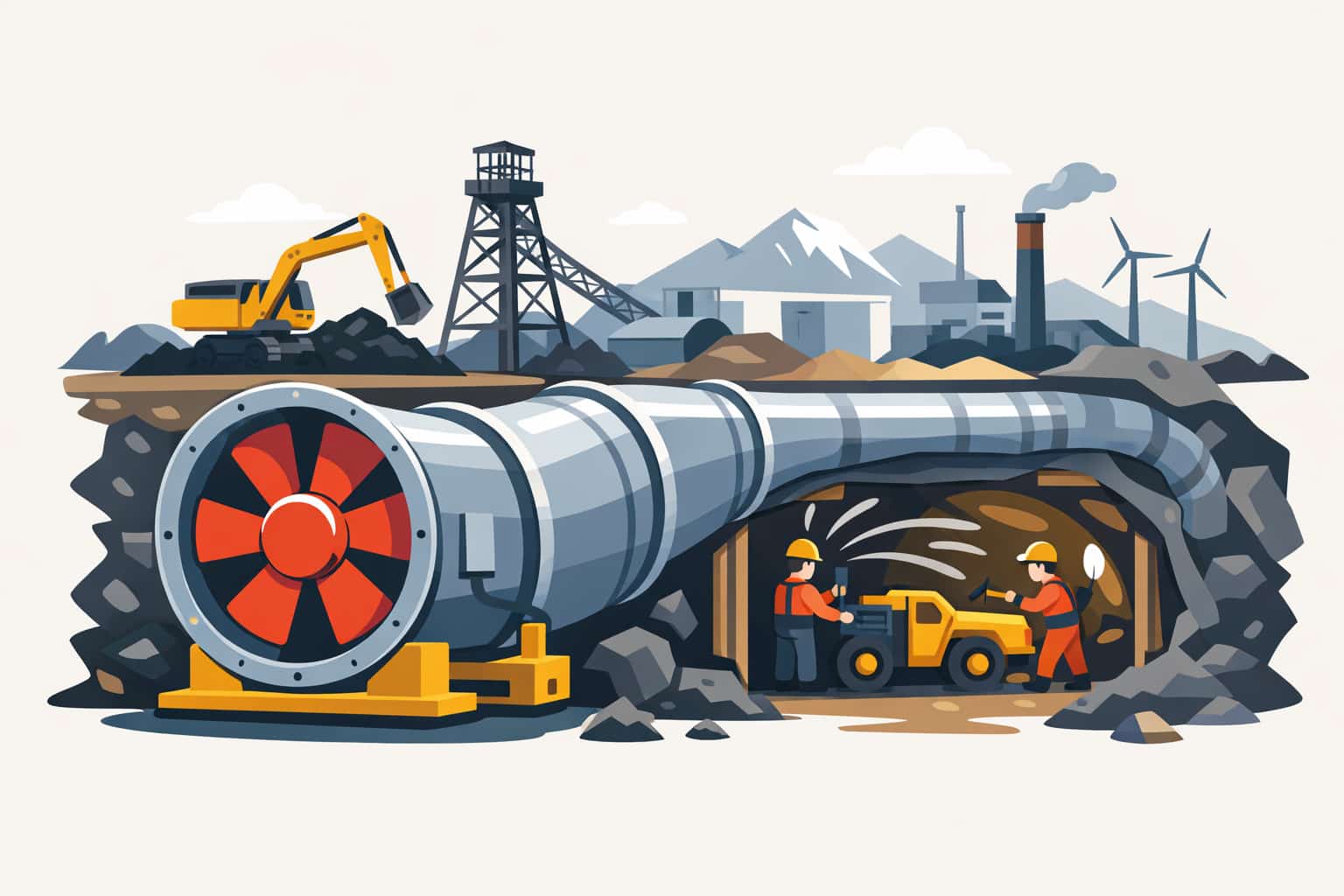
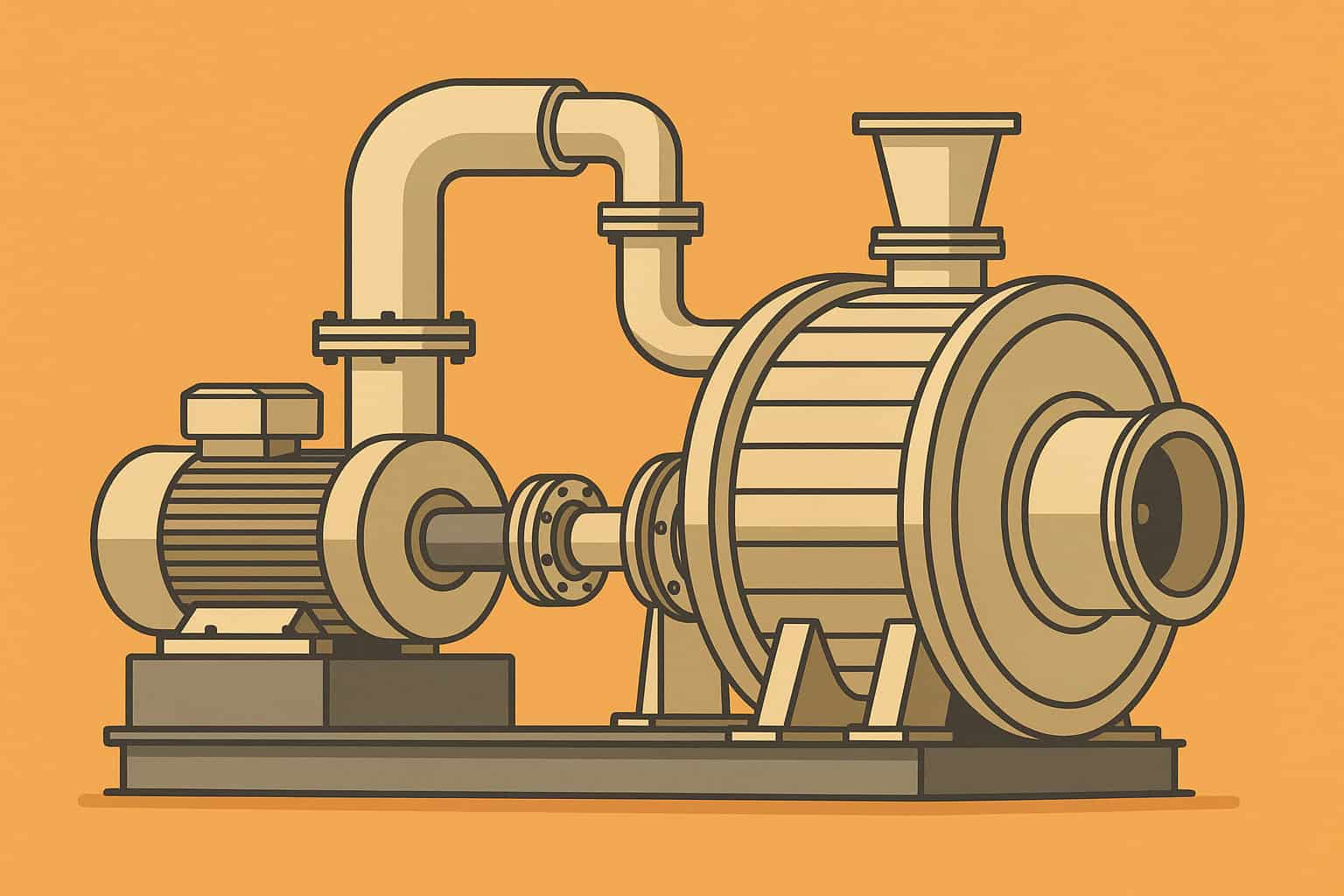
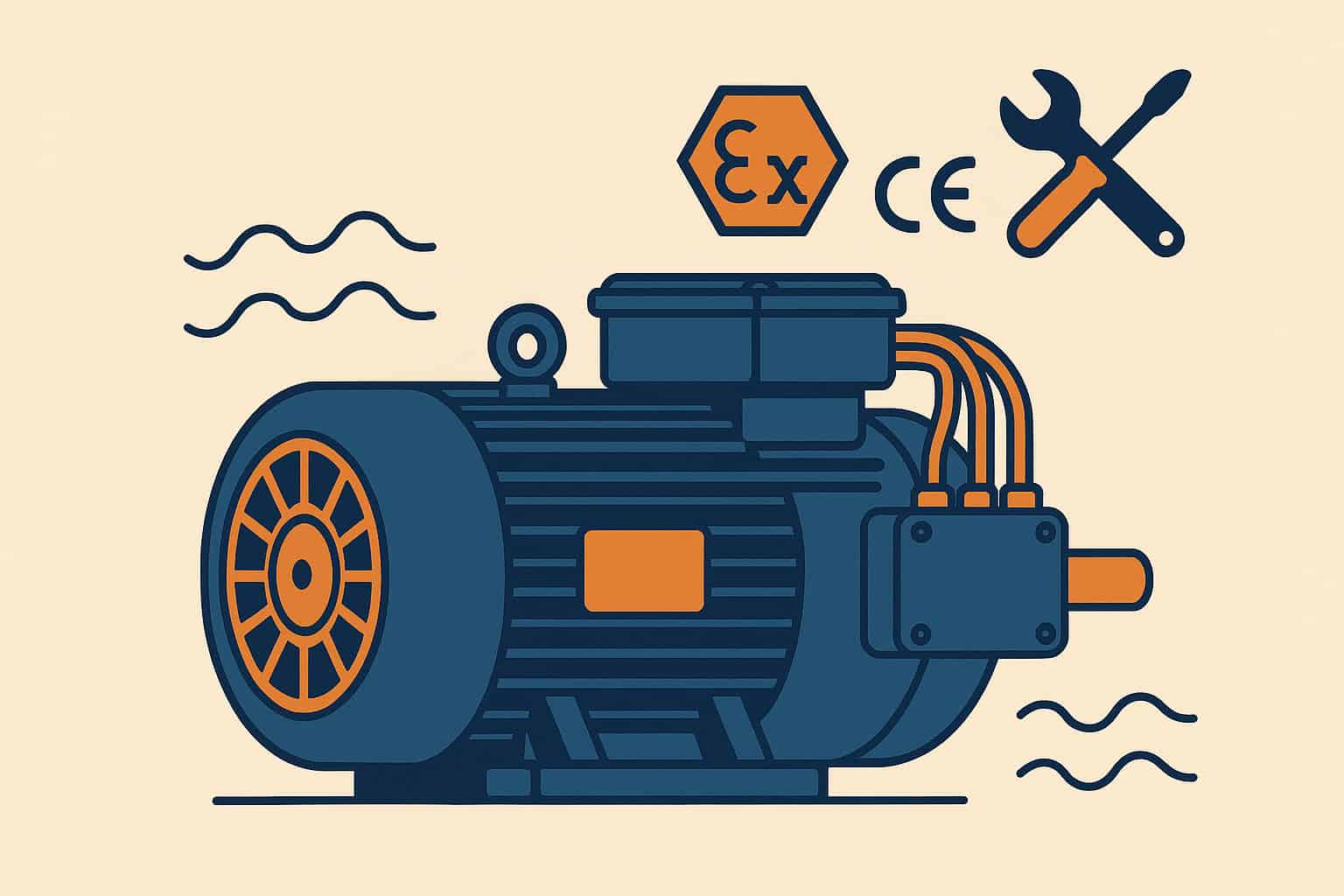
In principle, a properly rated exhaust fan can run continuously 24-7 for very long periods. There is no fixed number of hours after which it must be stopped. Instead, the safe running time is determined by whether the fan is designed for continuous duty and whether it operates within its thermal and mechanical limits. This applies to small bathroom fans, industrial roof exhaust fans and underground mining exhaust fans alike.
Most industrial and many domestic exhaust fans are built with a continuous duty rating. This means the motor, bearings and insulation are designed to withstand ongoing operation at rated load and ambient temperature. Main exhaust fans in factories and mines routinely run for thousands of hours between planned shutdowns, often stopping only for maintenance or unexpected events. In these cases, the fan is intended to be on whenever the process is running.
The real limit on continuous runtime comes from heat and wear. If the exhaust fan motor runs too hot—because it is overloaded, poorly ventilated, covered in dust, or operating in a very hot environment—its insulation will age faster and may eventually fail. Similarly, bearings and belts wear gradually with hours of operation, especially if lubrication and alignment are neglected. An exhaust fan can run continuously for months if these factors are controlled, but it can fail quickly if they are ignored.
Another consideration is the air being exhausted. Fans handling clean, moderate-temperature air (for example general roof exhaust) usually see less stress than those dealing with hot, greasy, corrosive or dusty air, such as kitchen hoods, chemical exhaust or mine return air. Contaminants can build up on impellers, block guards, erode blades and contaminate bearings, shortening the practical interval between required maintenance stops.
To support safe continuous operation, you should implement basic monitoring and maintenance. Regularly check for unusual noise, vibration, smell or temperature. Clean the impeller and housing, lubricate bearings where required, and verify that current draw stays within nameplate limits. For critical industrial and mining exhaust fans, temperature and vibration sensors connected to a control system are often used to detect issues early.
In summary, an exhaust fan can run continuously for as long as it is correctly sized, rated for continuous duty, kept clean and cooled, and monitored for signs of trouble. There is no strict runtime limit; reliability depends on good engineering and regular maintenance rather than on simply giving the fan a rest.