
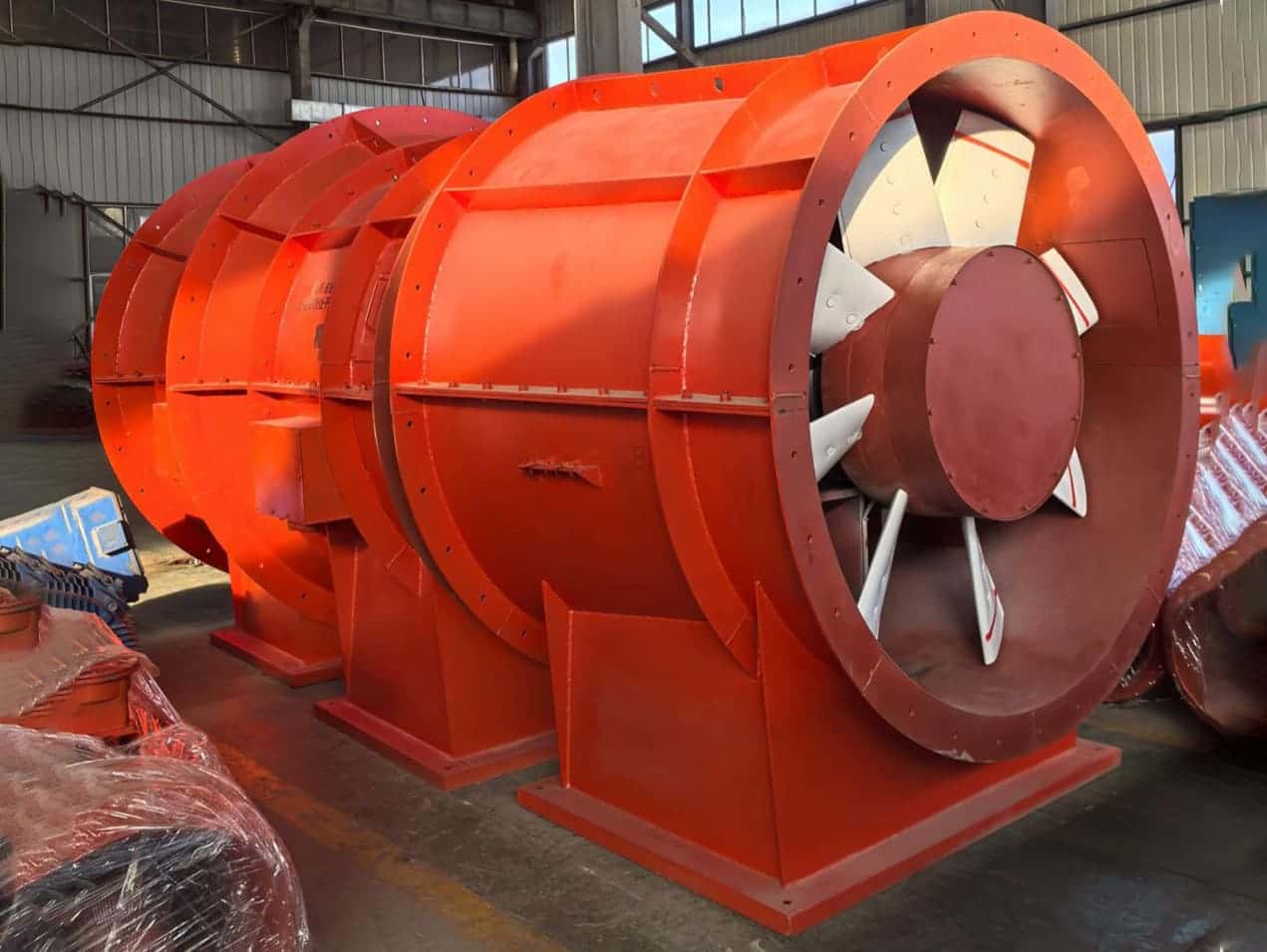
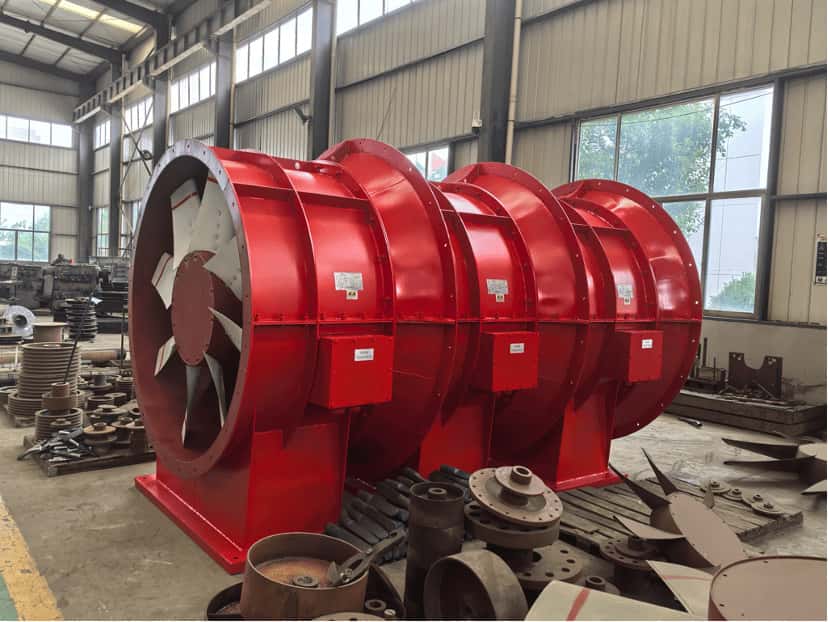
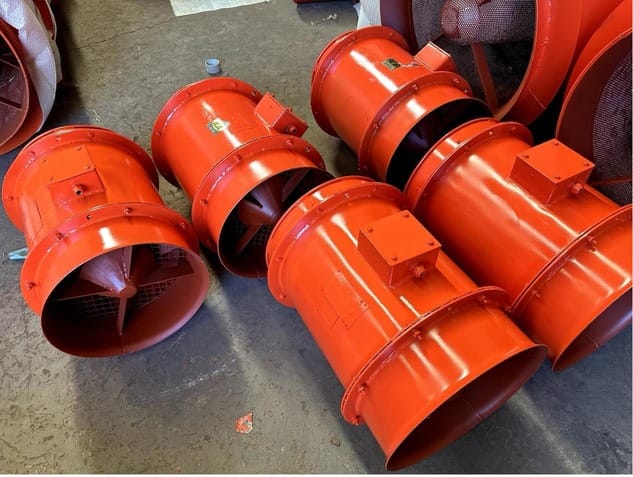
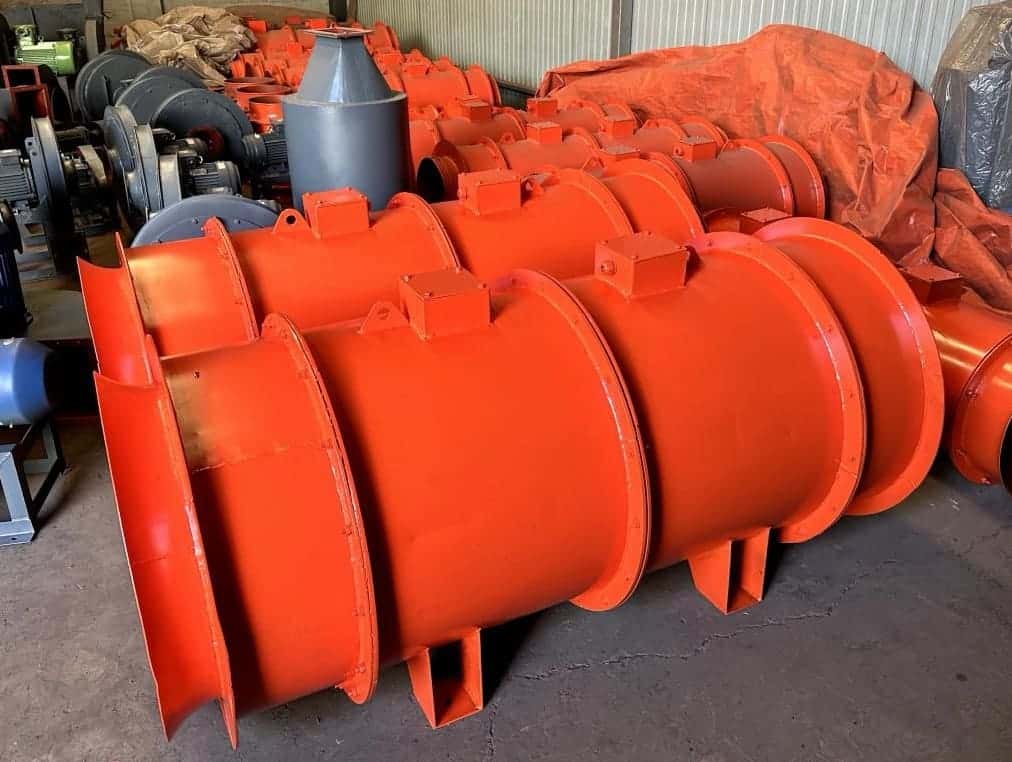
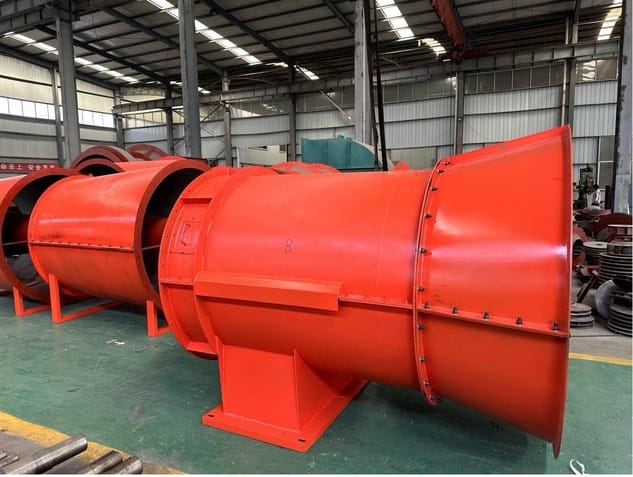
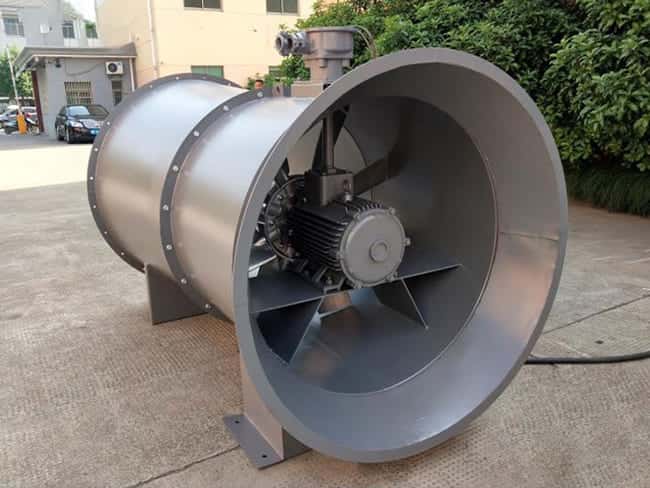
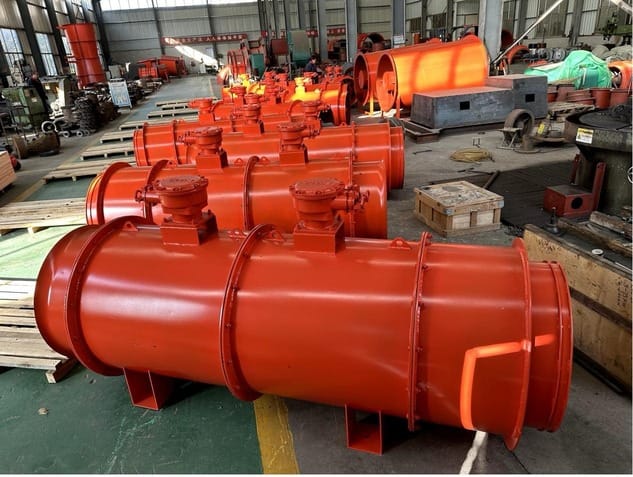
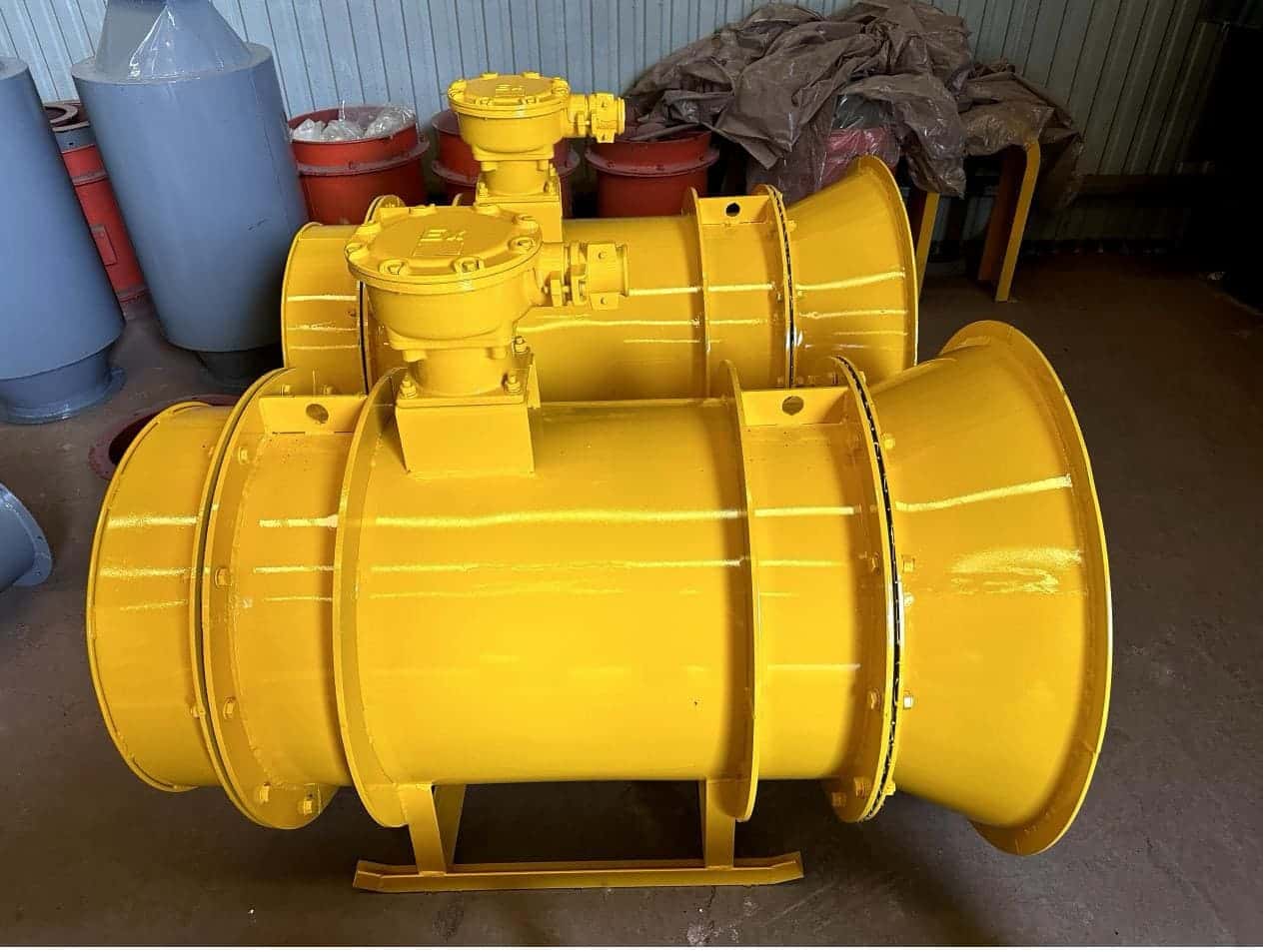
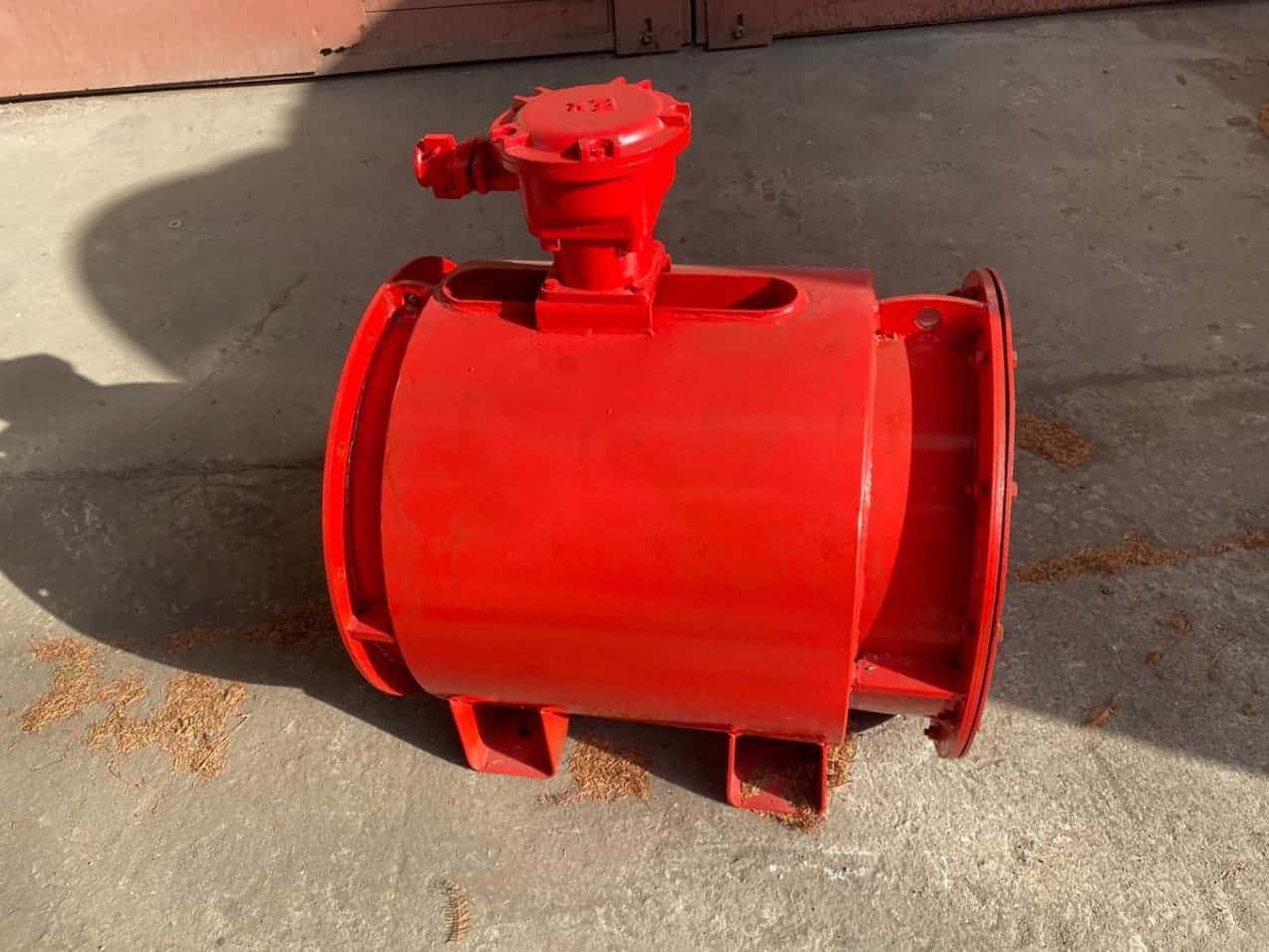
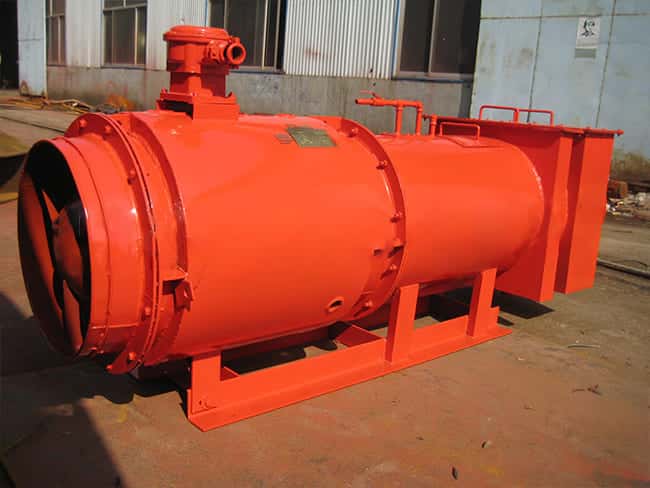
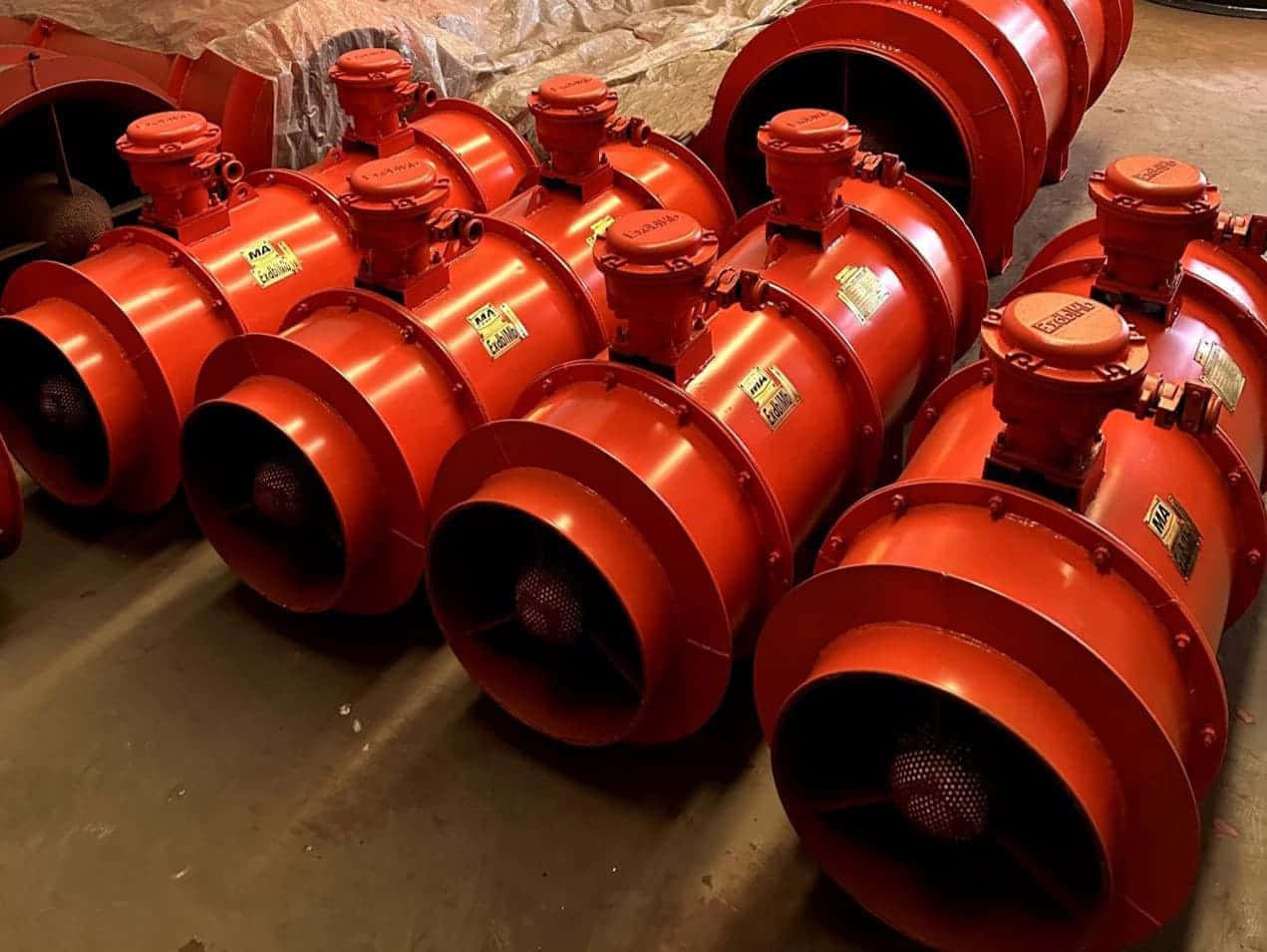
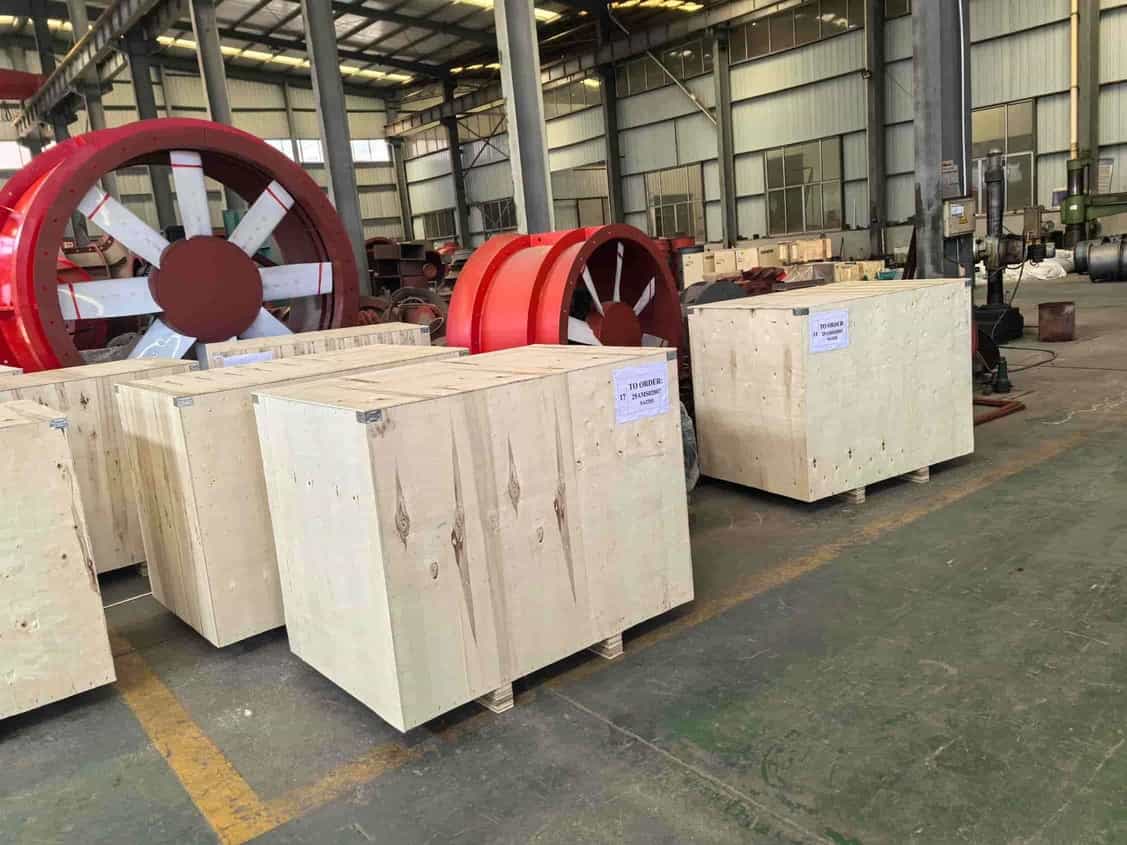
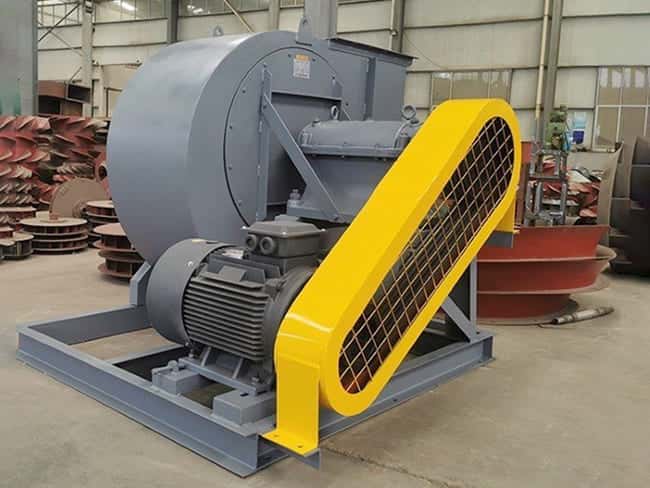
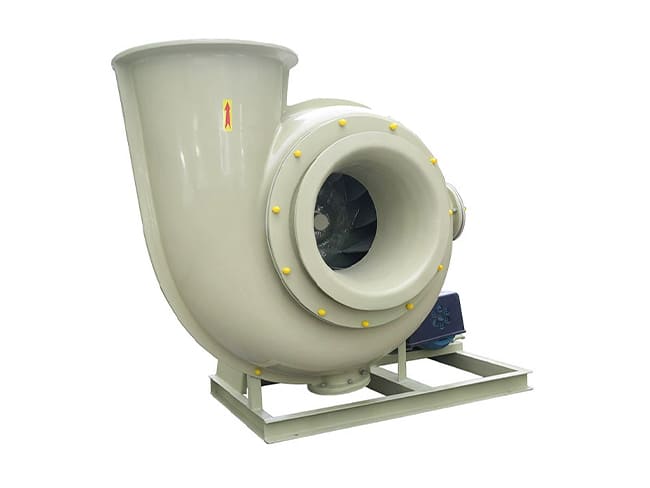
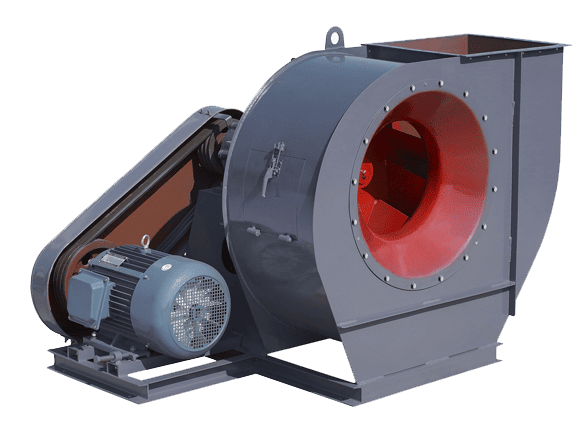
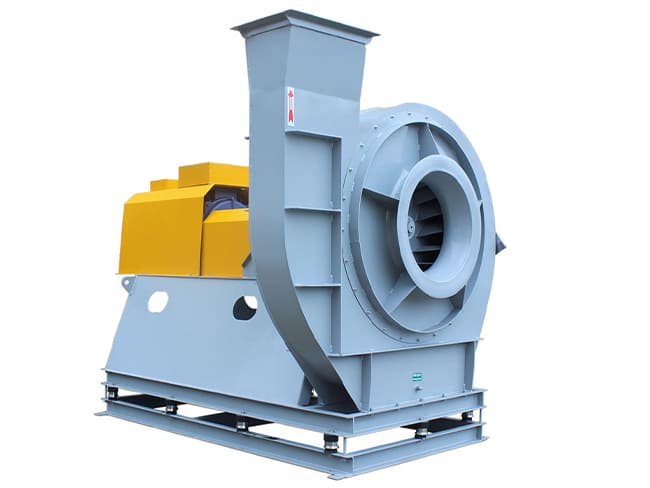
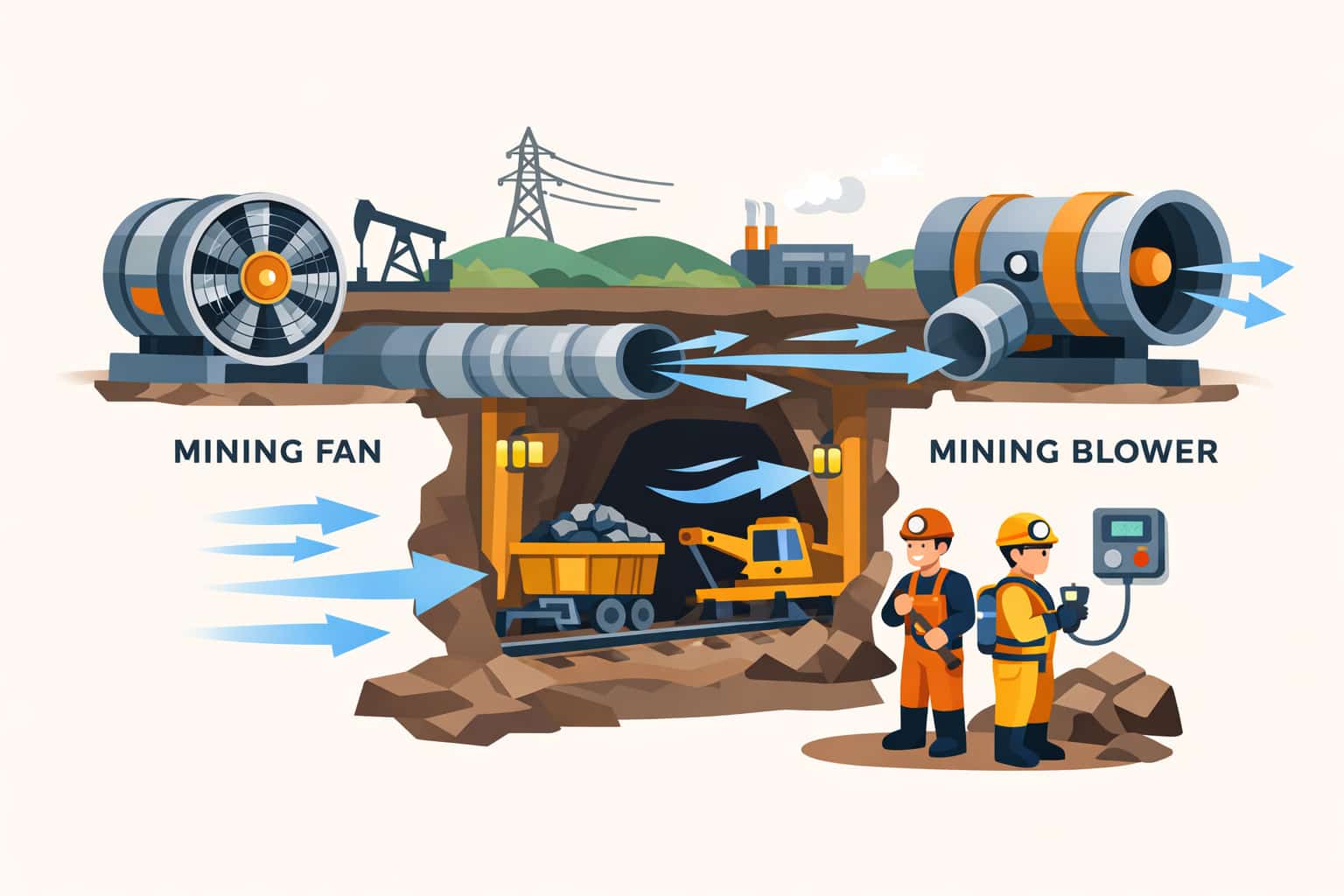
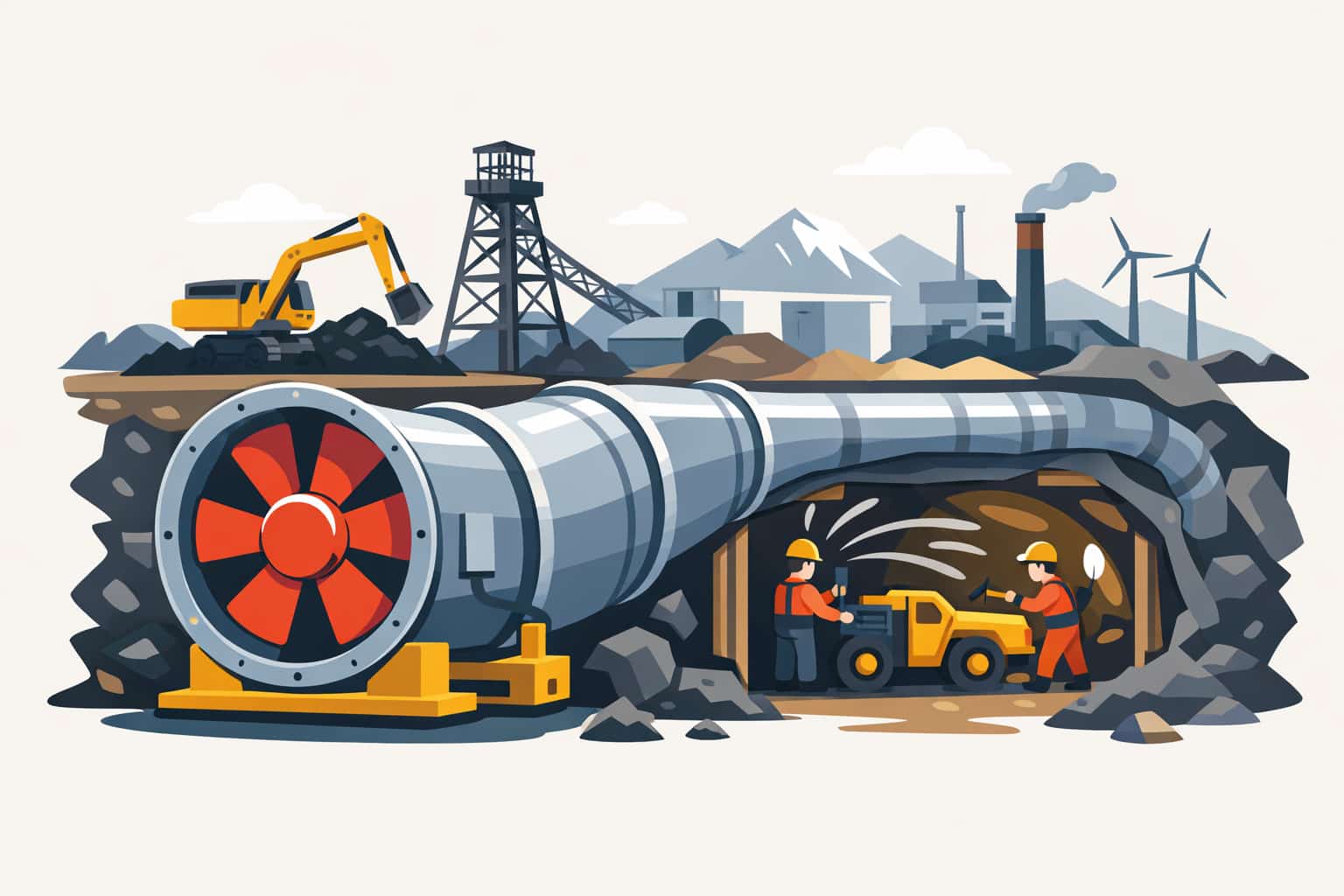
A properly selected industrial fan can run continuously 24-7 for very long periods, often months at a time, as long as it is designed for continuous duty and operates within its specified limits. In fact, many mining, power generation and process plant fans are expected to run almost continuously throughout their service life, stopping only for maintenance or emergency conditions.
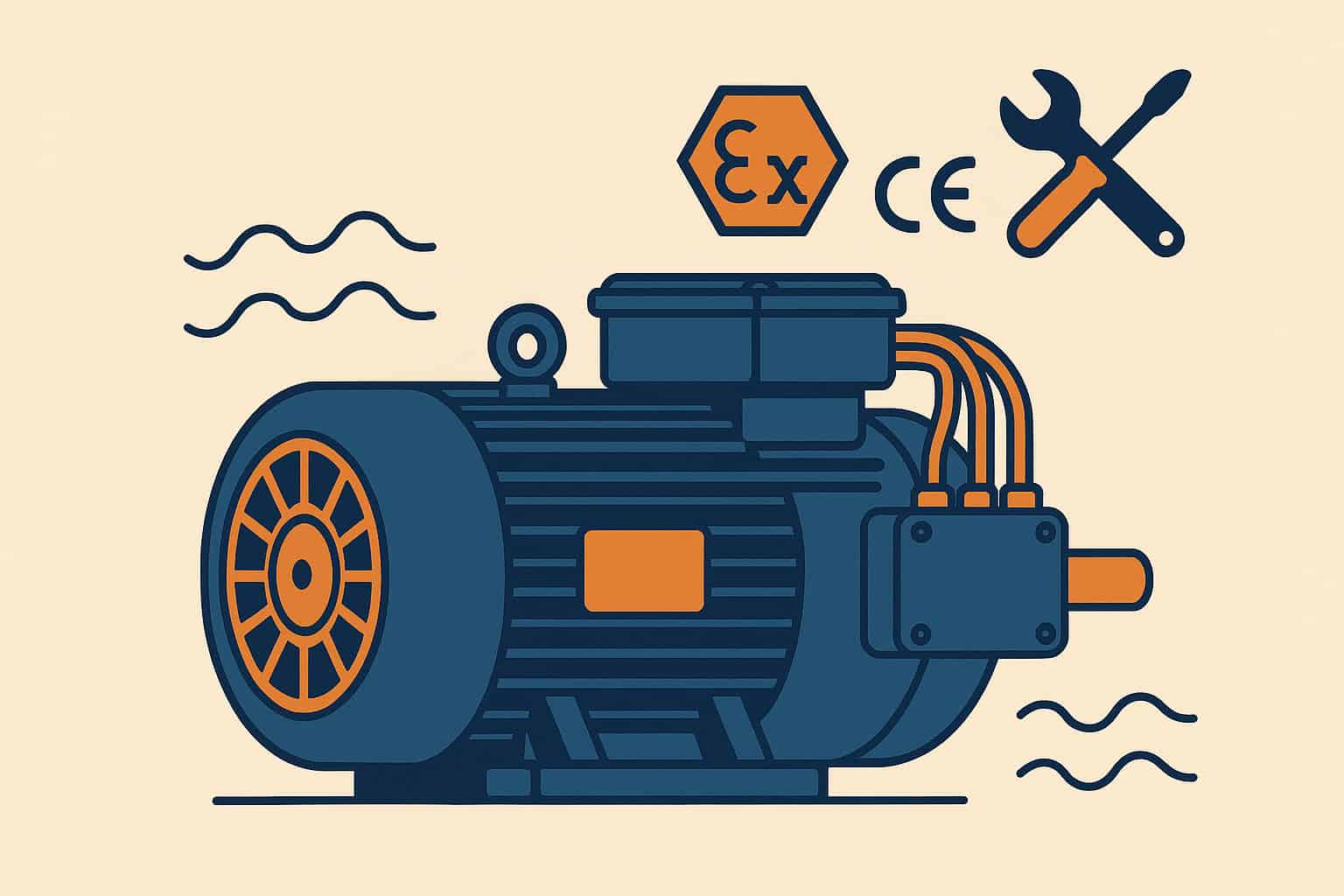
Industrial and mining ventilation fans are usually specified with a continuous duty rating. This means the motor, bearings and mechanical components are designed to handle ongoing operation at rated load and ambient conditions. The limiting factors are not a fixed number of hours, but rather accumulated wear, bearing life, insulation ageing and the gradual effects of heat, vibration and contamination. As long as these are kept under control, there is no inherent reason to switch a continuous-duty fan off to “rest”.
In practice, the key question is whether the fan is running under the right conditions. A fan that is overloaded, operating in stall, exposed to extreme temperatures or supplied with poor-quality power may overheat or experience excessive vibration if it runs continuously. Similarly, fans handling corrosive or abrasive exhaust gases will wear faster than those in clean air service. For continuous operation, engineers must ensure that the selected fan and motor have adequate margins for the actual duty and environment.
Another crucial aspect of running an industrial fan continuously is maintenance and monitoring. Bearings require lubrication according to manufacturer recommendations, filters and guards must be kept clean, and impellers should be inspected periodically for dust build-up, corrosion or cracks. Many critical fans are fitted with vibration and temperature sensors connected to condition monitoring systems. These allow operators to detect developing problems without shutting the fan down unnecessarily, and to plan maintenance during scheduled stops.
Examples from industry show that main mine fans, process ID/FD fans and large building exhaust fans often run continuously for thousands of hours between planned outages. Short stops may be scheduled to replace filters, grease bearings or perform inspections, but the default expectation is that these fans are always on when the process or mine is operating.
In summary, an industrial fan rated for continuous duty can safely run continuously as long as it is properly selected, installed and maintained and as long as its operating conditions remain within design limits. There is no fixed maximum number of hours; instead, continuous operation is managed through good engineering, regular maintenance and condition-based monitoring.