
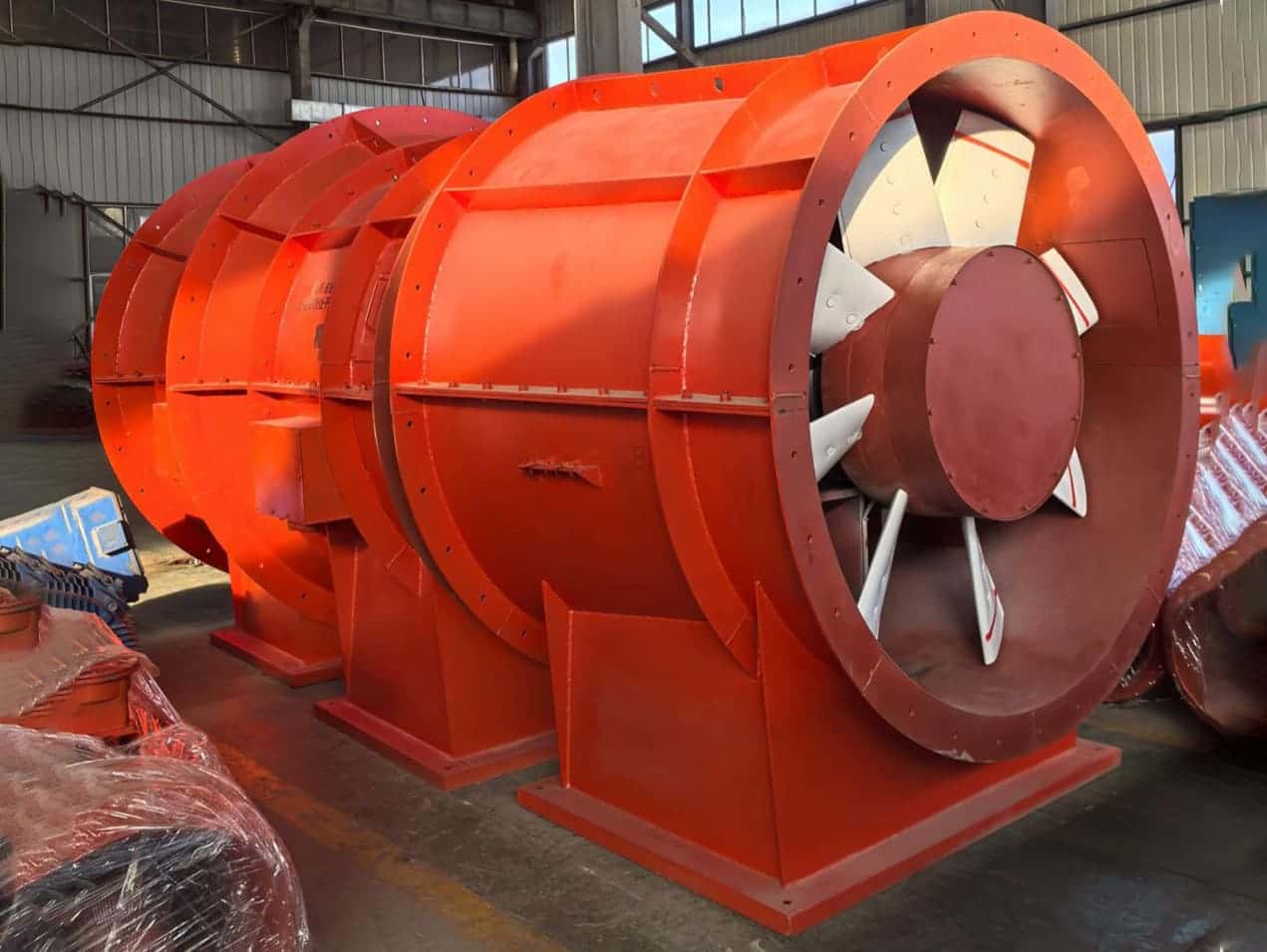
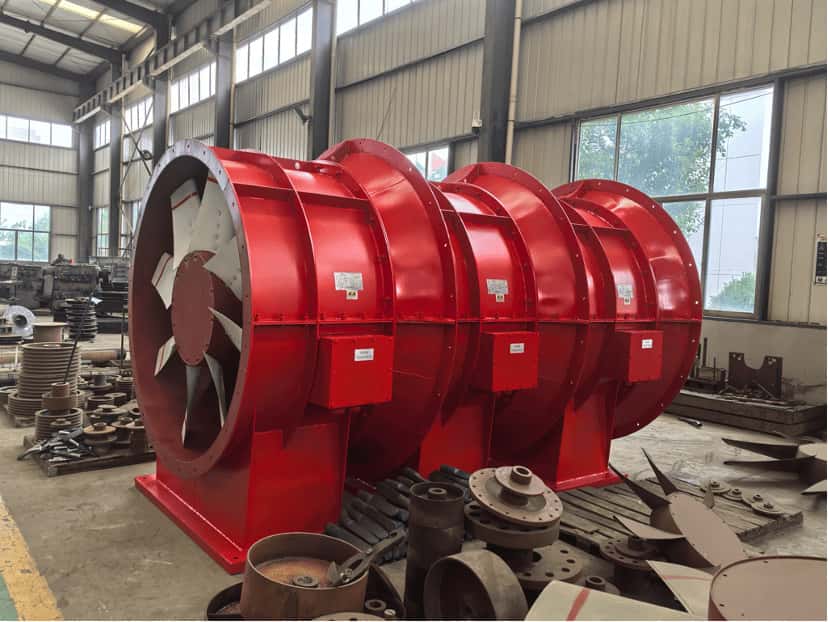
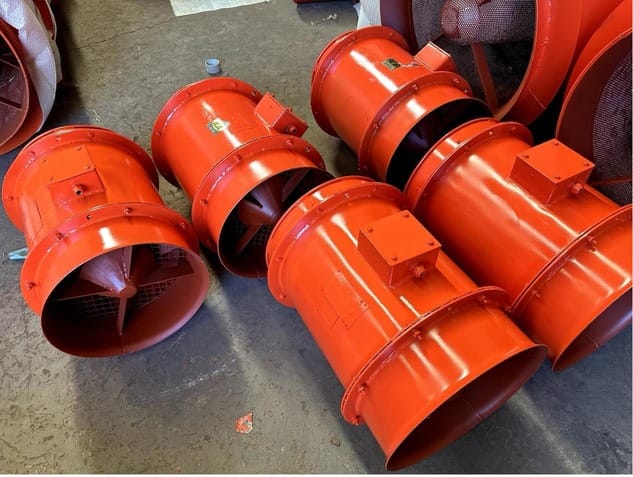
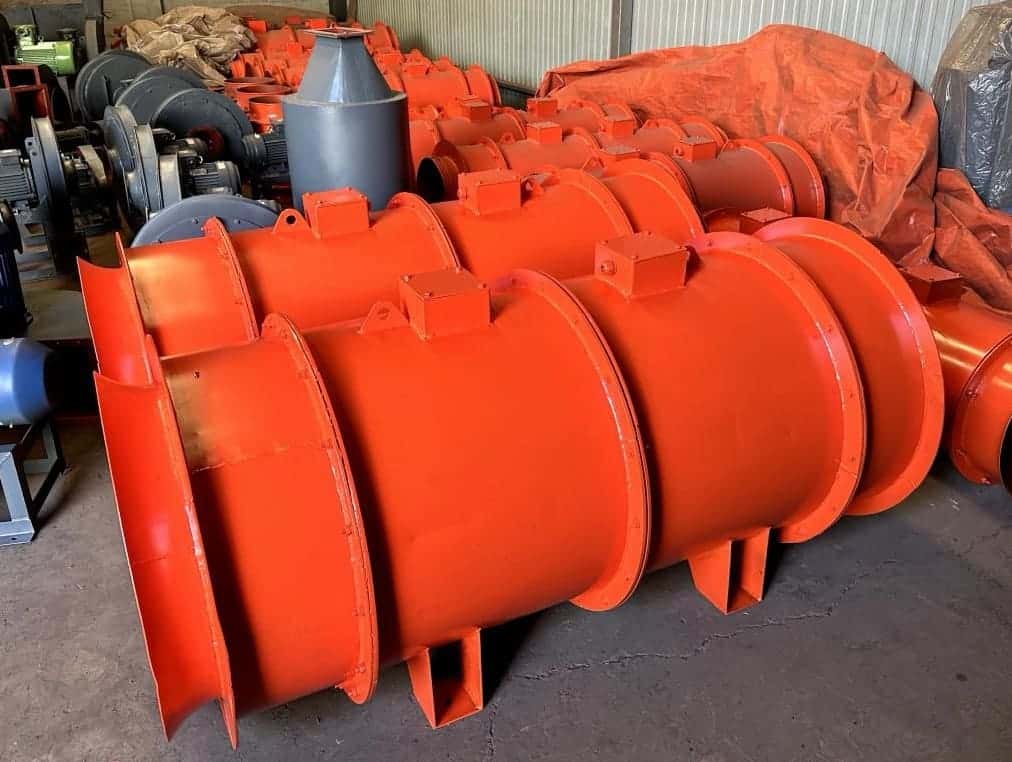
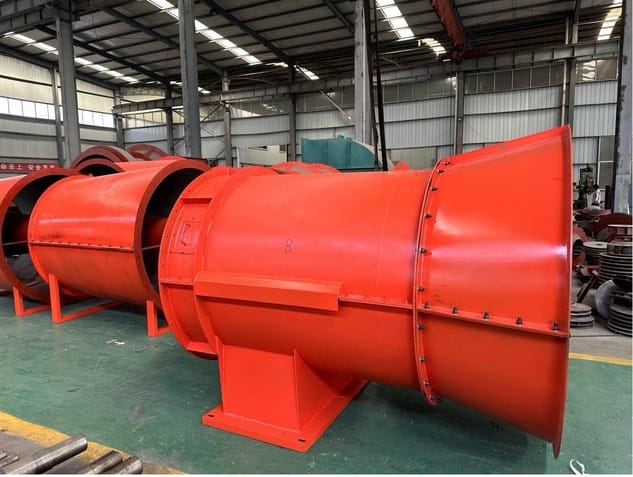
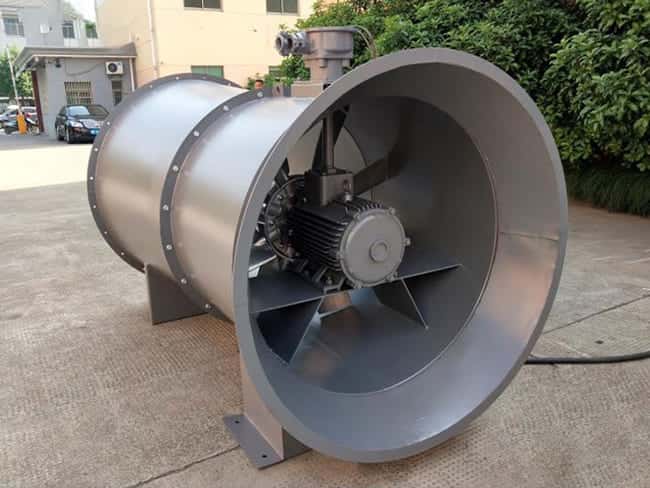
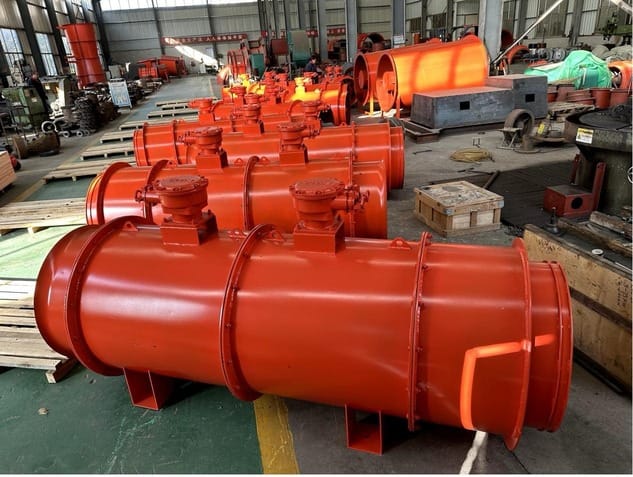
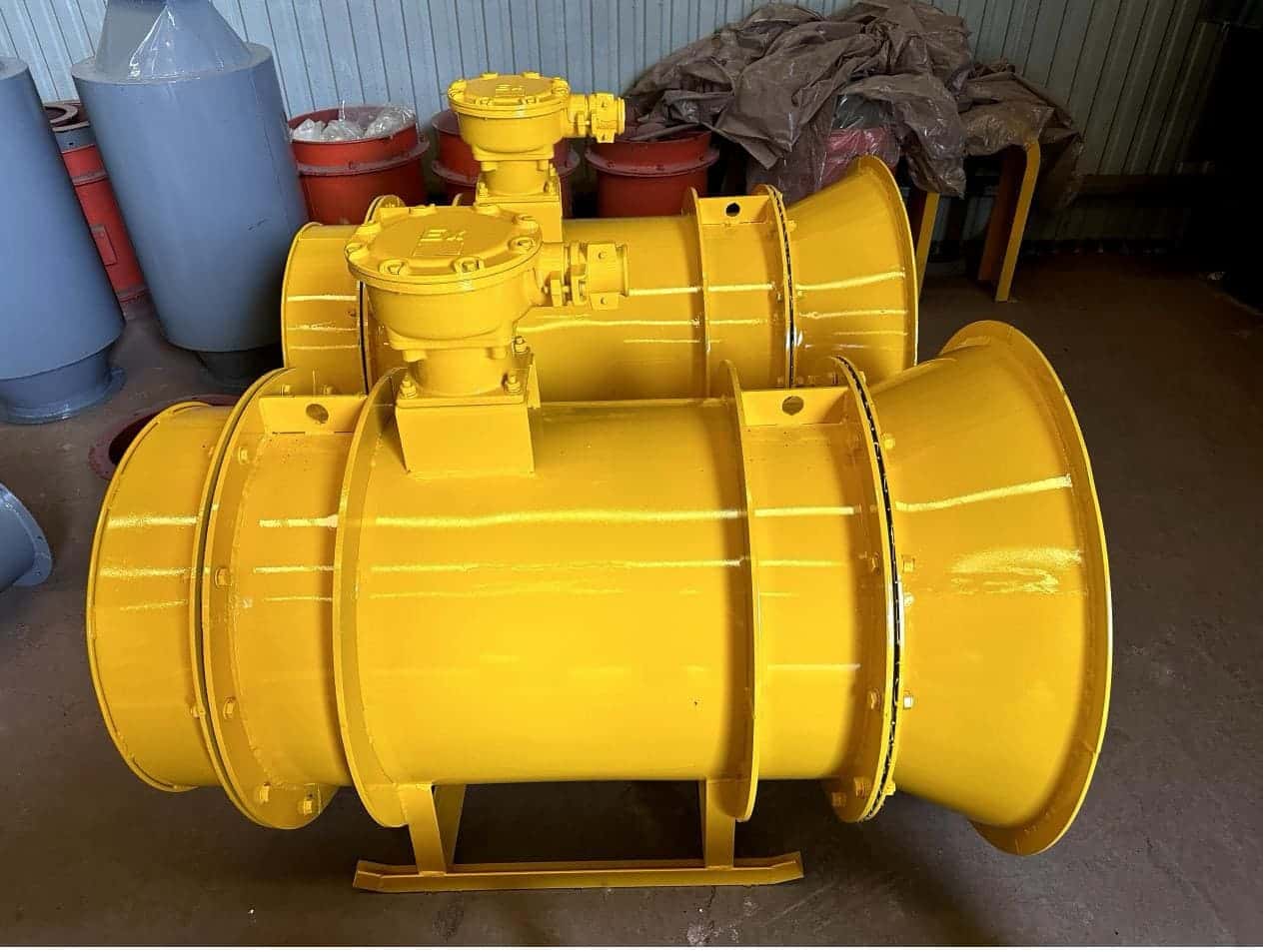
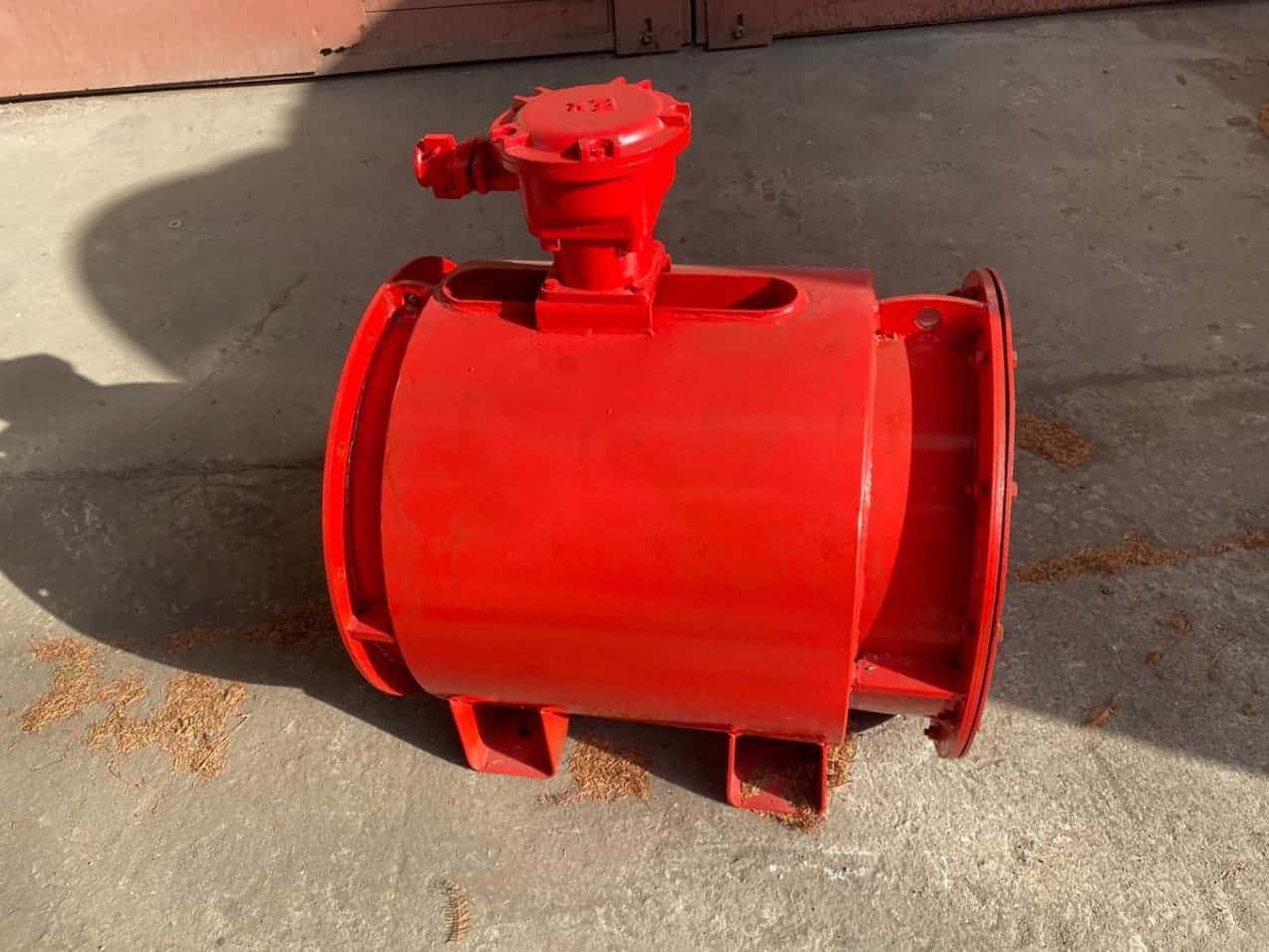
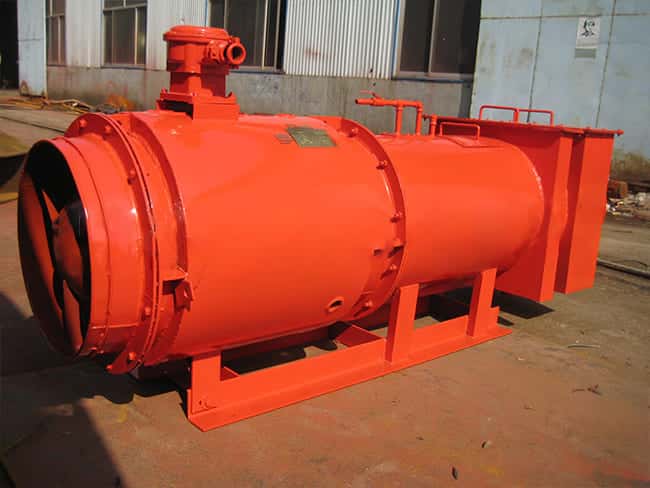
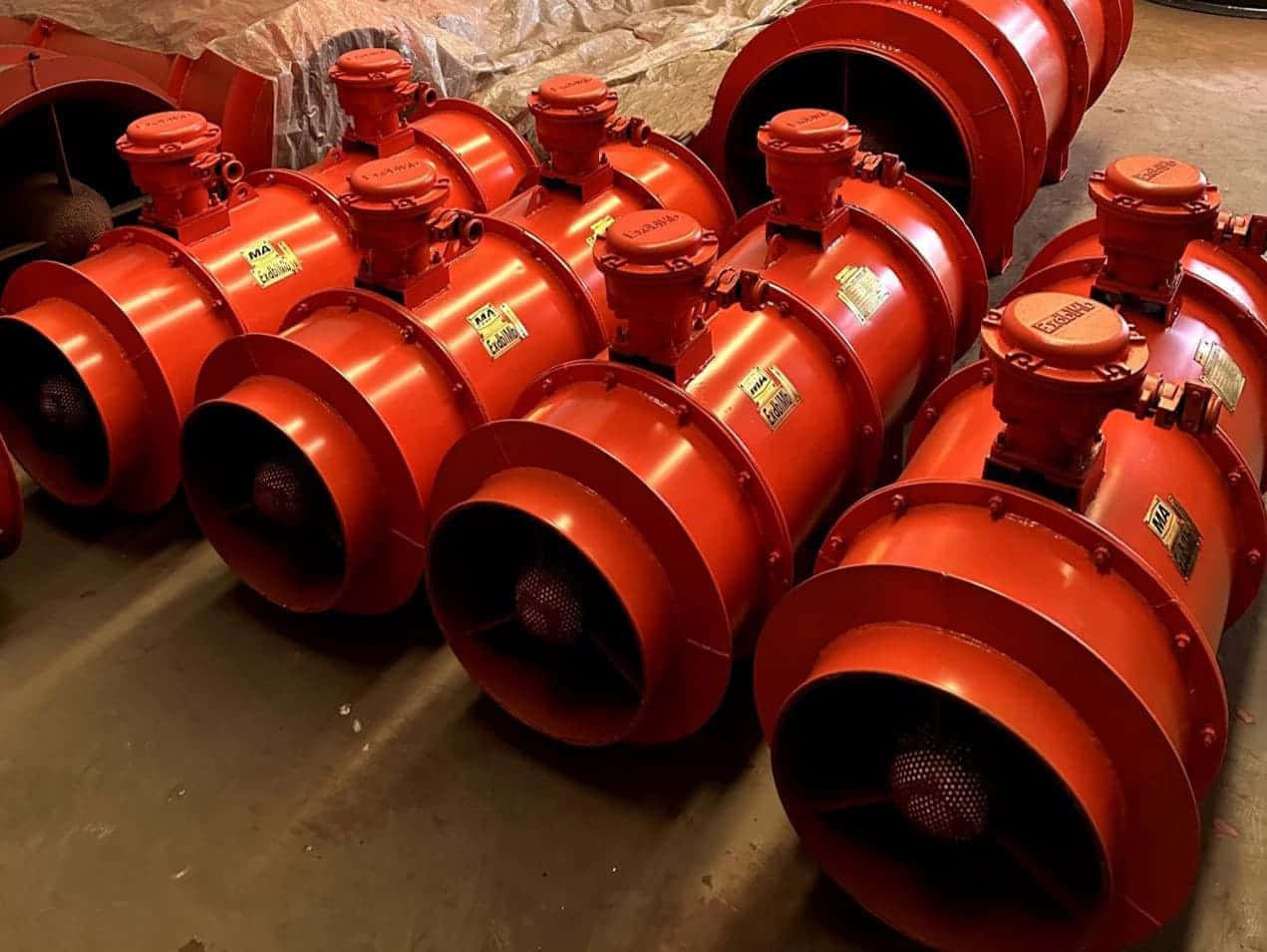
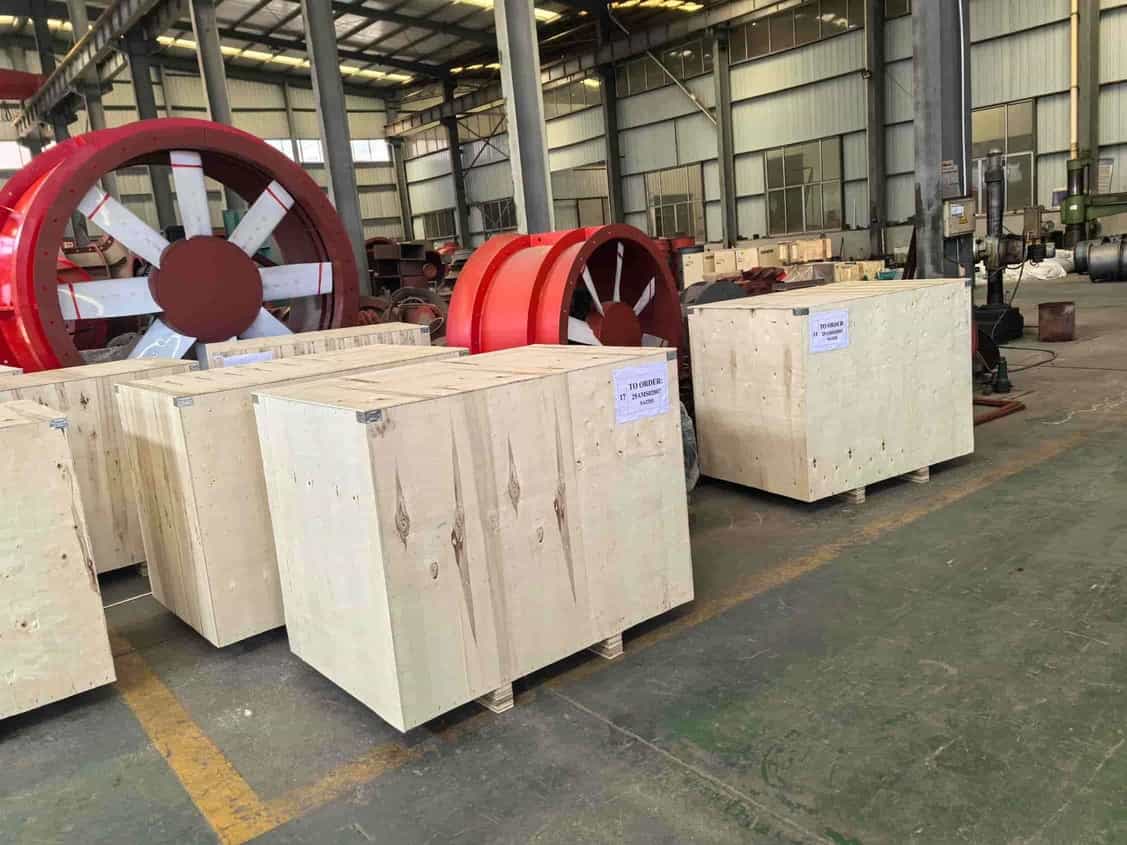
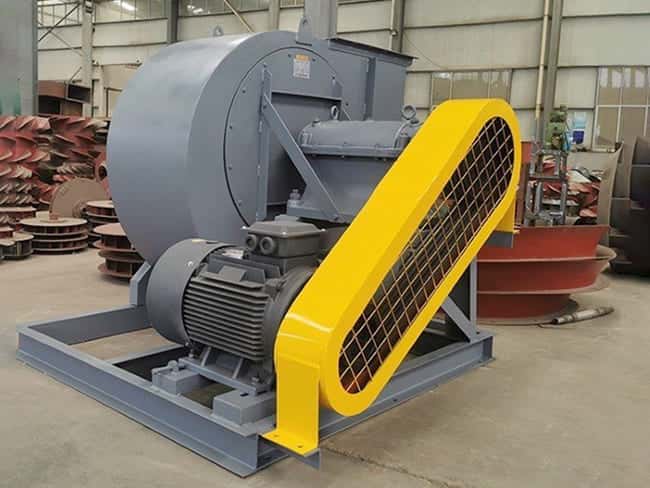
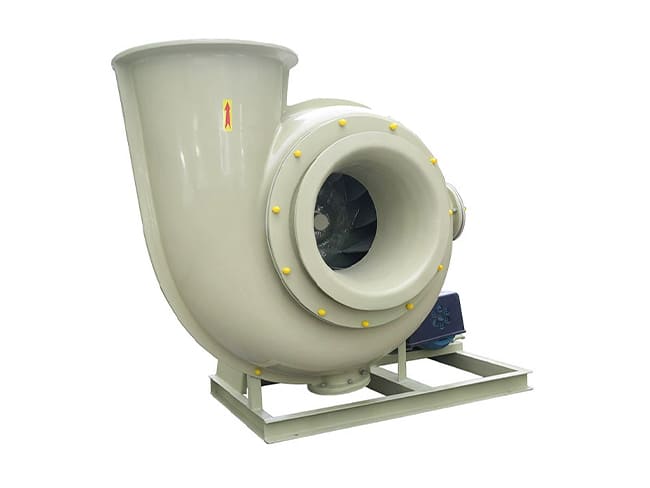
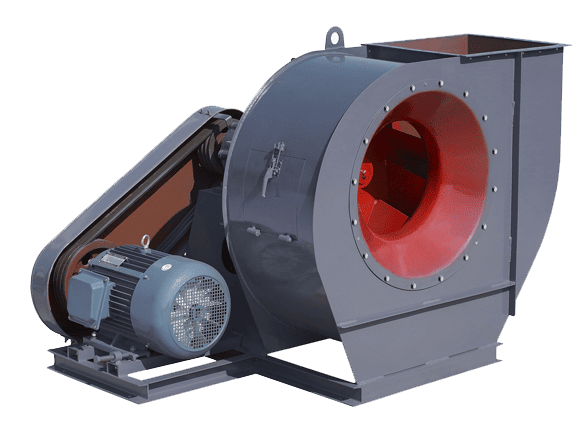
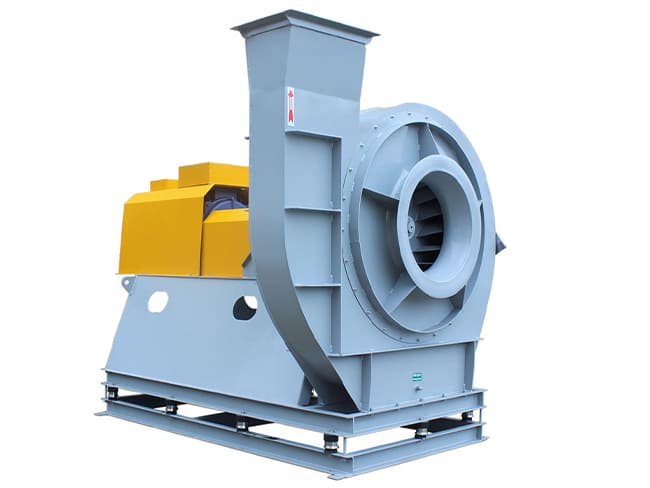
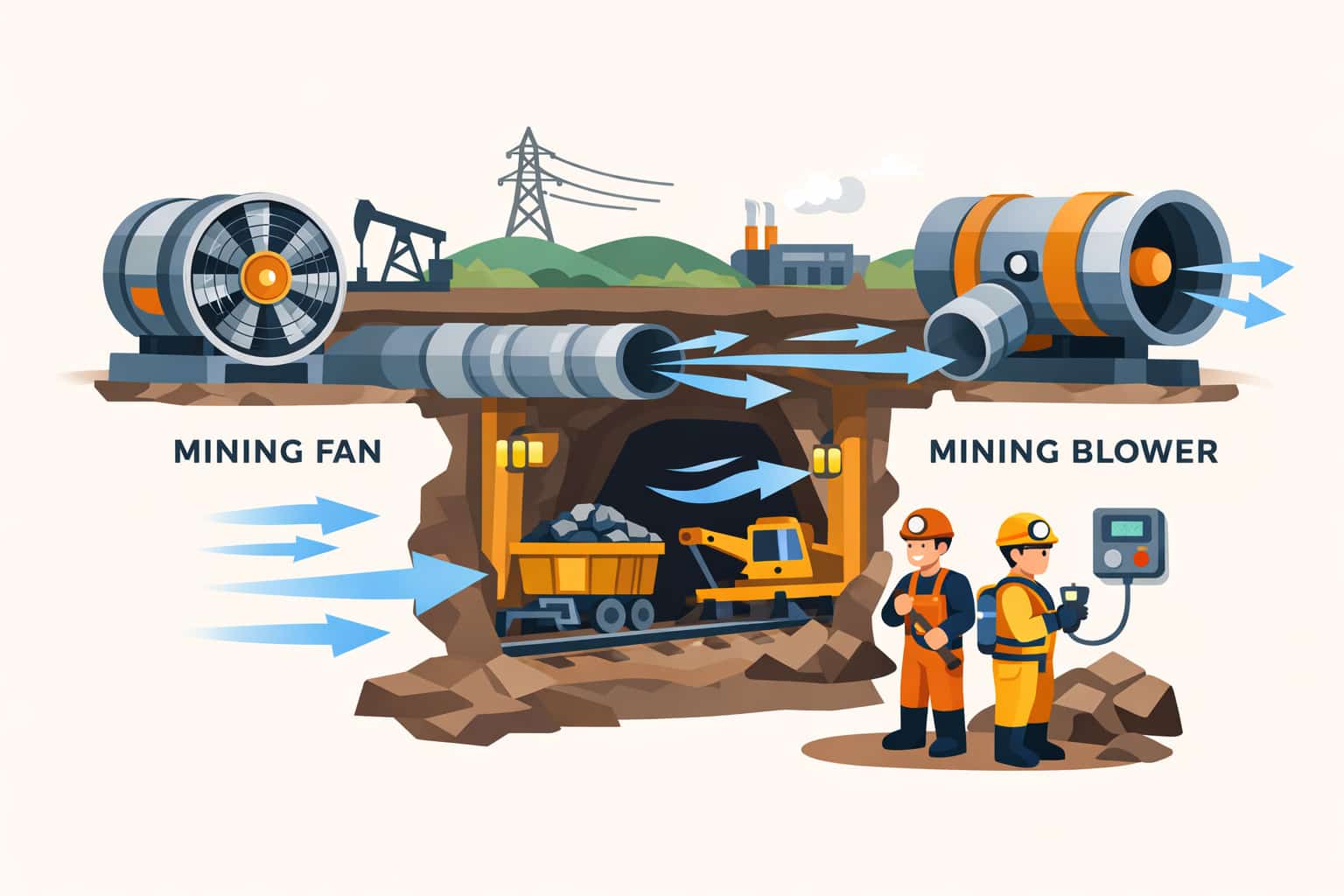
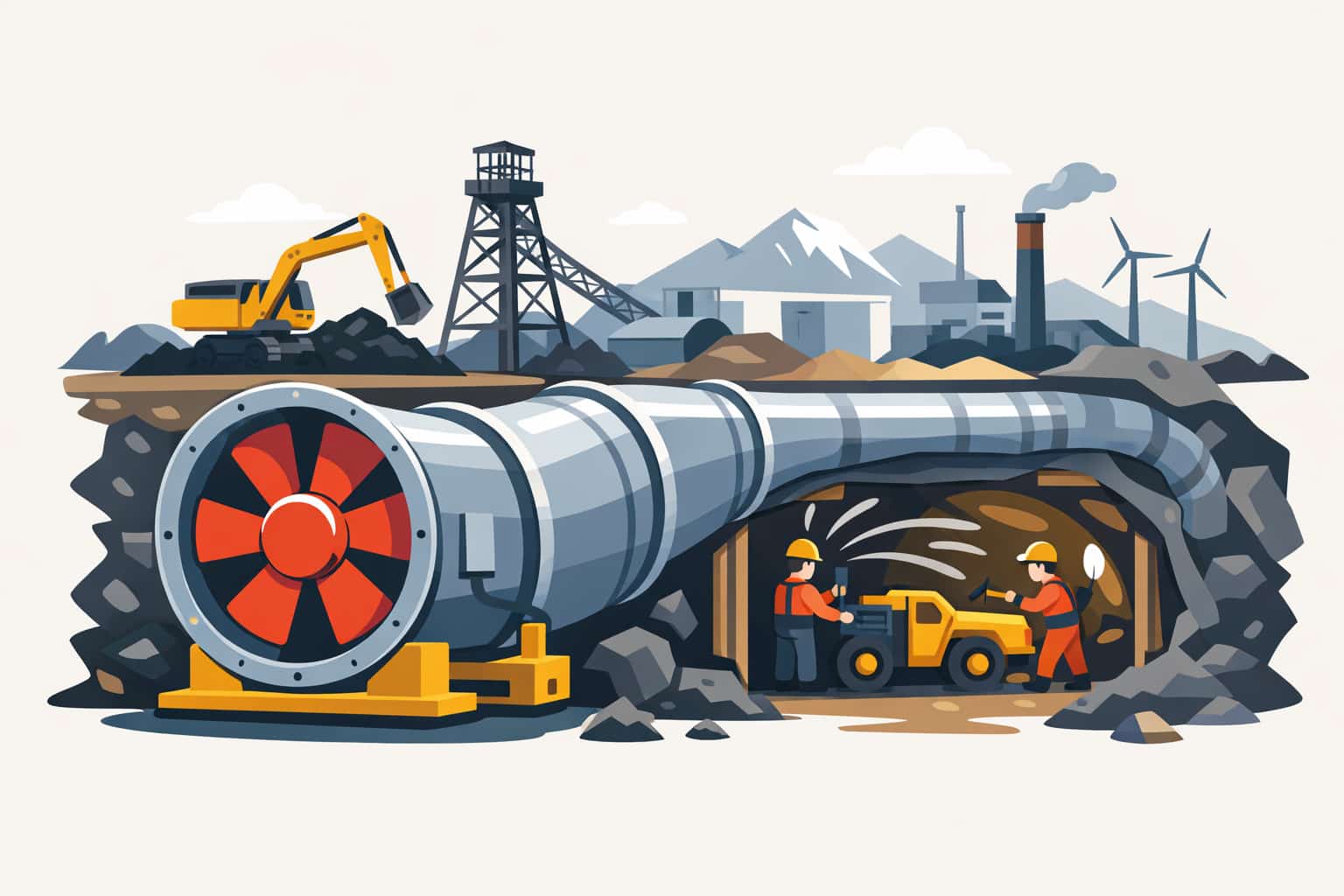
A properly selected industrial fan can run continuously for very long periods—often 24-7—if it is designed for continuous duty and operated within its specified limits. In many factories, power plants and mines, critical fans are expected to run almost non-stop, shutting down only for planned maintenance or emergencies. The question is less “how many hours can you run it?” and more “are you running it under the right conditions?”
Industrial and mining ventilation fans are usually specified with a continuous duty rating. This means their motors, bearings, shafts and casings are designed to handle ongoing operation at rated load and ambient conditions. Main mine fans, large exhaust fans and process ID/FD fans routinely run for thousands of hours between scheduled outages. With good design and maintenance, many operate reliably for years before a major overhaul is required.
The practical limit on how long you can run an industrial fan is set by thermal and mechanical stresses. If the fan operates at its intended duty point, with adequate cooling and stable electrical supply, temperatures in the motor and bearings remain within safe ranges and wear progresses slowly. If, however, the fan is overloaded, running in stall, exposed to extreme temperatures or supplied with poor-quality power, continuous operation can quickly lead to overheating, vibration and early failure.
Continuous operation also depends on the environment and air being handled. Fans moving clean, moderate-temperature air can often run for very long periods with minimal intervention. Fans handling hot, dusty, corrosive or wet gases—common in mining, cement, steel and chemical industries—face harsher conditions. Dust build-up on blades, corrosion of casings and contamination of bearings can shorten the time between necessary maintenance stops. In such cases, more frequent inspections and cleaning are required to support continuous running.
To safely run an industrial fan for long periods, you should implement regular maintenance and condition monitoring. This includes cleaning impellers and guards, lubricating or replacing bearings, checking belt tension, inspecting for cracks or corrosion, and monitoring vibration and temperature. Many critical fans are equipped with sensors connected to a control system, allowing operators to detect unusual trends and plan interventions before failures occur.
In summary, you can run an industrial fan continuously as long as it is correctly sized, properly installed, well maintained and kept within its design limits. There is no fixed maximum number of hours; instead, reliable 24-7 operation is achieved through good engineering, regular care and attentive monitoring of how the fan behaves over time.